Millennials Make Up The Largest Percentage of Reported COVID-19 Cases in Mecklenburg County

0

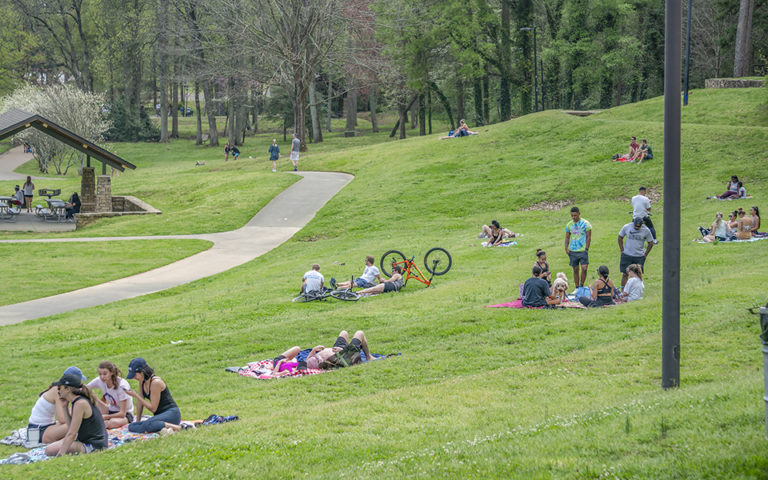
In spite of a state-wide ‘Stay at Home Order‘ and a rising death toll from COVID-19, many North Carolinians continue to pack parks, play group sports, and largely ignore most social distancing guidelines.

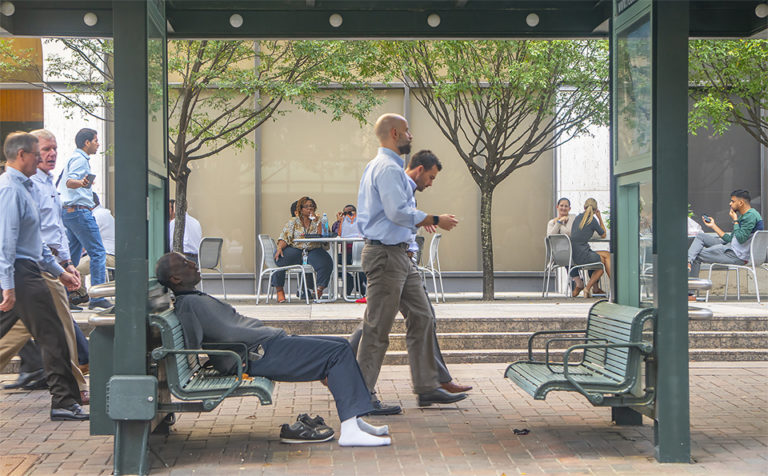
The Mecklenburg County Health Department just released new demographic data on all reported COVID-19 cases in our county, showing that Millennials (born 1981-1996) make up the highest percentage.

Select Characteristics of COVID-19 Cases Reported to MCPH

(as of March 28, 2020)

Selected Characteristics Percent of Reported COVID-19 Cases
Age <20 0.7%
​ 20-39 41.3%
​ 40-59 34.0%
​ ≥ 60 24.1%
Sex Female 51.2%
​ Male 48.8%
Race/Ethnicity White 42.2%
​ Black 43.9%
​ Hispanic 7.0%
​ Asian 2.6%
​ Alaskan Native/American Indian <1.0%
​ Not Reported 4.0%
Hospitalization Not Hospitalized 75.2%
​ Ever Hospitalized 21.2%
​ Under Investigation 3.6%
Outcomes Released from Isolation 21.1%
​ Deaths (Count: 1) 0.3%


According to the county, the data only reflects “laboratory confirmed cases of COVID-19 among county residents. Many individuals infected by COVID-19 have not been tested because they are asymptomatic or do not meet current CDC recommendations for testing.”

Given that COVID-19 symptoms are often less severe for younger individuals, it’s likely that the true percentage of millennials with the virus in our county is much higher than what has been reported and documented.

For more information about COVID-19 cases in our region, you can visit the County’s website at MeckNC.gov, the CDC’s website at www.cdc.gov/coronavirus and our state’s website at www.ncdhhs.gov/coronavirus.

What more do you think should be done to stop the spread of COVID-19?

North Carolina Graded Low ‘C’ On The New ‘Social Distancing Scoreboard’

0

In spite of a state-wide ‘Stay at Home Order‘ and a rising death toll from COVID-19, many North Carolinians continue to pack parks, play group sports, and largely ignore most social distancing guidelines.
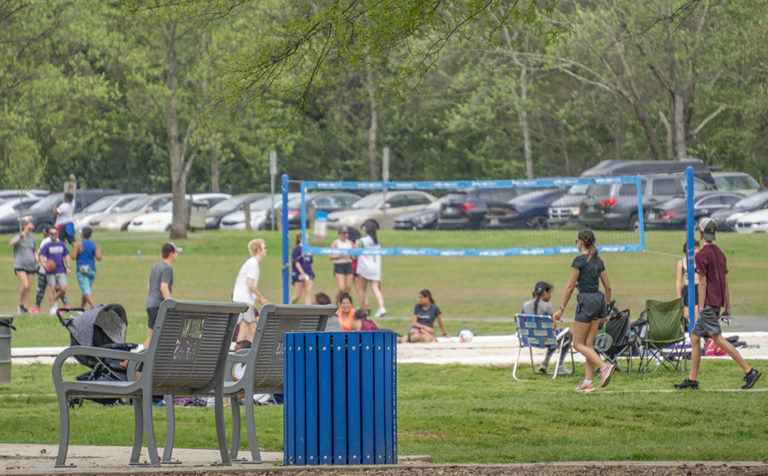
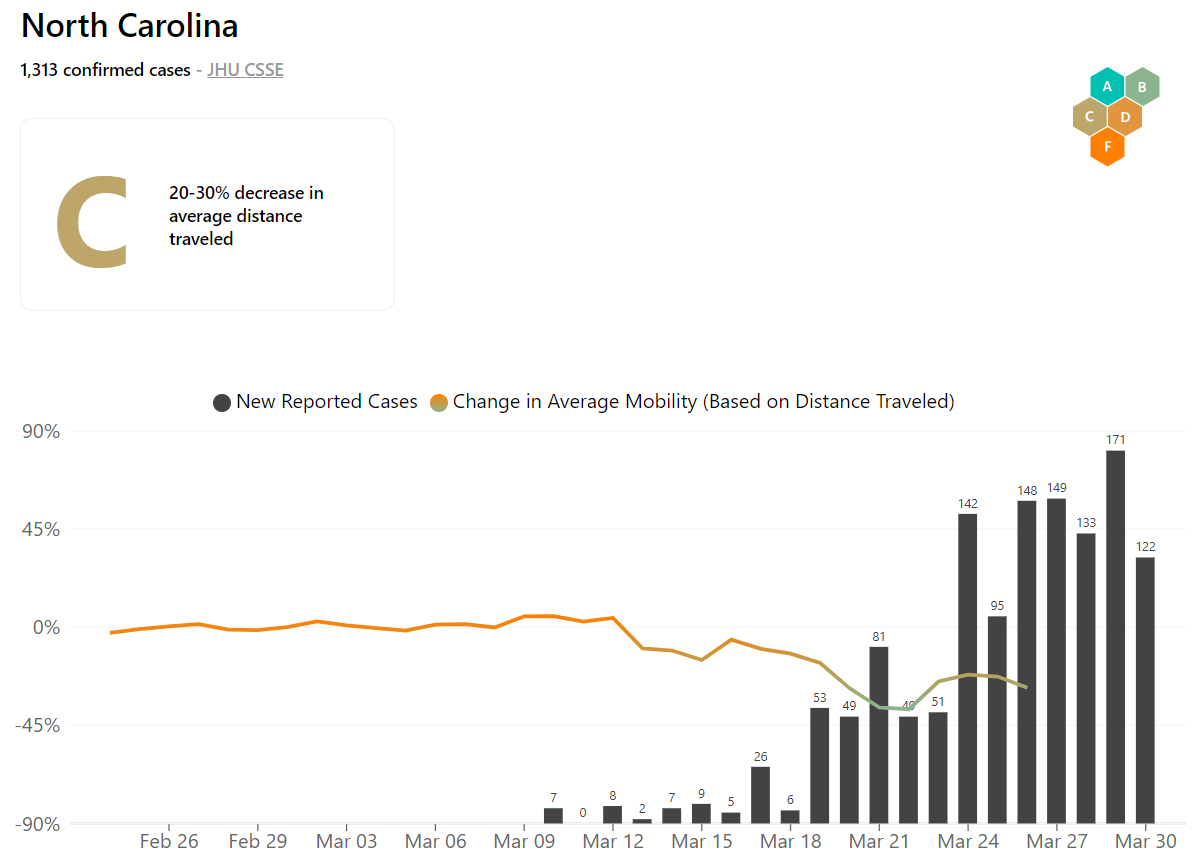
Data analyst company Unacast highlighted this reality by giving North Carolina a border-line failing grade for how poorly we have been practicing social distancing.

According to their new ‘Social Distancing Scoreboard’, which uses cell phone GPS data, The Tar Heel State has remained very mobile and continues to gather in large groups, in spite of the growing pandemic.

Across our state, 5 counties received an ‘F’ rating, and 42 counties in our state received a ‘D’ rating, including Catawba County.

To read how Unacast determined the scores and how they gathered their data, you can check out their blog post featuring the Social Distancing Scoreboard here.

Developer Plans To Build $1.8 Billion Worth of Solar Farms in North Carolina

0

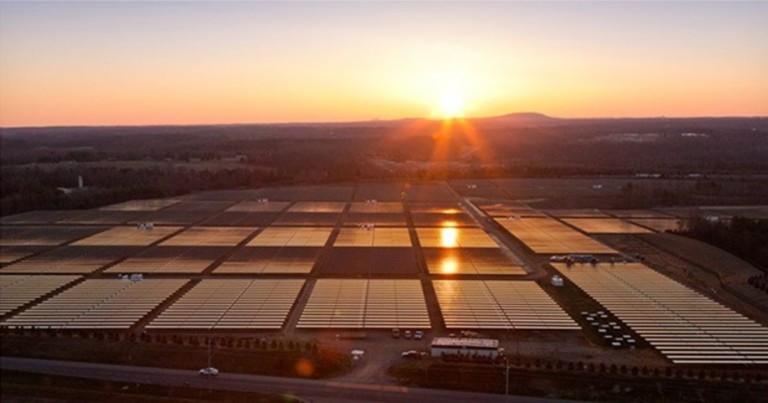
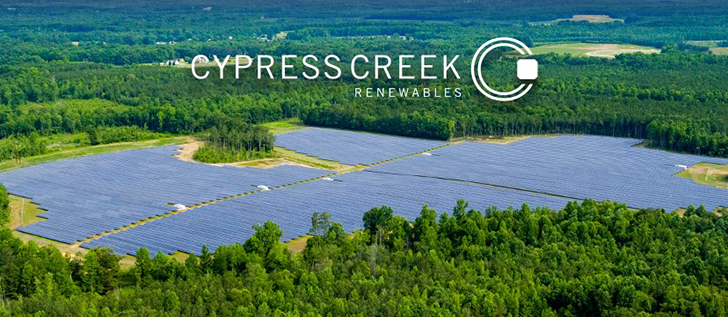
Since last year, Cypress Creek Renewables has asked the North Carolina Utilities Commission for an unusually high number of solar farm certificates – 15 projects at over $1.8 billion to be exact.

It’s not guaranteed that the commission will grant all the requested certificates, but Cypress Creek one of the most reputable builders of large-scale solar arrays in the country – they rarely file for projects without having some level of confidence they will be approved.

“Cypress Creek has been at the forefront of developing transmission projects in North Carolina for some time and the increased activity in that area is a reflection of our continued interest,” remarked Cypress Creek’s representative Jeff McKay in a recent press release.

solar-farms-in-nc

The company now has over 200 full-time employees and has already invested more than $1.5 billion into solar farms since 2014.

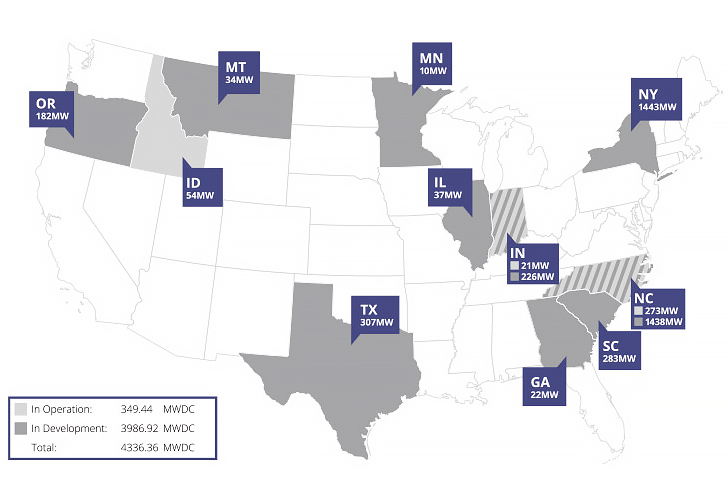
They currently have solar farms in operation or under construction in 15 states including New York, Texas, Oregon, Montana, Indiana, Georgia, Idaho, North Carolina and South Carolina. They have an operating portfolio of over 1 gigawatt, making them the fastest growing developer of utility-scale solar farms in the United States.

Here’s their current portfolio of solar farms completed and under construction:

massive-new-solar-farms-in-north-carolina

6 of the new solar farms they’ve filed to build will be over 80 megawatts – a record size for them in our state. Currently, their largest one is in Forrest City – a 61-megawatt farm that will power Google’s $600 million data-center expansion in Lenoir, NC, once completed.

North Carolina currently ranks as having the third highest amount of solar on its power grid in the country. If all of Cypress Creek’s projects are completed, we could move up to #2 in the nation.

The company is now hoping to complete all 15 North Carolina solar farms by the end of this year.

Creature Resembling Loch-Ness Monster Spotted In Lake Norman

0
cover image fromLake Norman Monster: A Decade of Sightings
cover image from Lake Norman Monster: A Decade of Sightings

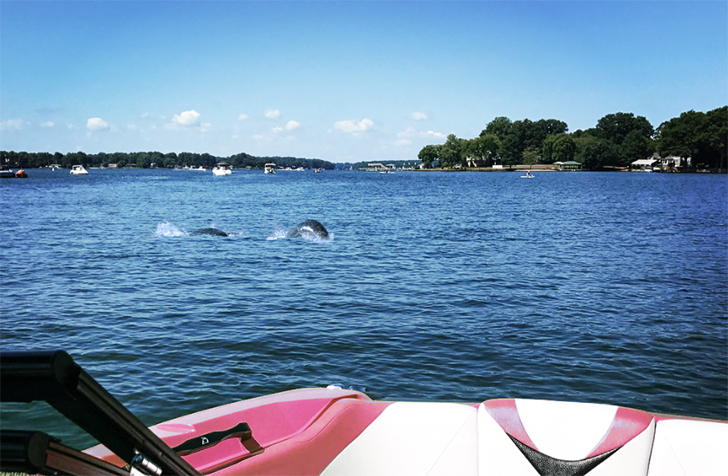
A 35-year-old man from Mecklenburg County reportedly spotted a “dinosaur-like creature” in Lake Norman.

The man (who wanted to remain anonymous) first sent his eye-witness account to Crypto Zoology, and was then picked up by Fox News and several other media outlets.

“I was on a boat with my friends,” the man told Crypto Zoology. “We where near the lakes main channel when we saw something splashing around in the water.”

The man and a few of his friends spotted the creature while boating around the southern part of Lake Norman. He said that it was about 10-feet-long and reminded him of the mythical Loch Ness monster.

There have been hundreds of sightings of a large dinosaur-like creature in Lake Norman ever since the it was first dammed up in 1963. The website LakeNormanMonster.com includes an average of about 4 documented sightings every year since 2010 – they’ve compiled all their sightings in a book called Lake Norman Monster: A Decade of Sightings.

The Lake Norman Monster was also featured in an episode of Destination America’s Boogeymen, and a random Canadian show called “Destination Monstre”, here’s the teaser for the “Normie” episode (in French):

According to UnknownExplorers.com, “Descriptions of Normie vary from sighting to sighting and range from a crocodilian like creature to the more classic three humped serpent, though most that have seen the Lake Norman Monster seem to agree that the beast is more fish like, with a slender body, thick whisker like appendages, flippers and a ragged looking dorsal fin. Legendary Lake Monster investigator, and founder of the Global Underwater Search Team, GUST, Jan Ove Sunberg, has even expressed interest in the Lake Norman Monster.”

Back in 2006, Capt. Gus Gustafson lead a small film crew on an expedition to find the Lake Norman Monster…with no avail:

What do you think the Lake Norman Monster is?

Have you ever seen it?

Mecklenburg County Just Confirmed The First Death From COVID-19

0

Yesterday, the Mecklenburg County Public Health Department confirmed the first death in Mecklenburg County from the novel coronavirus COVID-19.

The individual who passed away on March 29th was a 60-year-old resident of Mecklenburg County.

Mecklenburg’s first COVID-19 death brings our state’s total to 6, with the 5 other deaths spread across 5 other North Carolina counties (Cabarrus, Rowan, Buncombe, Johnston, and Harnett).

“Our sympathy and thoughts go out to this individual’s family,” said Gibbie Harris, Public Health Director. “This first death of a Mecklenburg County resident due to COVID-19 emphasizes the importance to stay at home and away from others to stop the spread of this virus.”

As of 10 am this morning, there are 315 confirmed COVID-19 cases in Mecklenburg County.

The health department recommends the follow steps to reduce the spread of the virus:

  • Comply with the Mecklenburg County Stay at Home Order.
  • Follow proper physical/social distancing protocols by staying at least 6 feet away from others.
  • Cover your coughs and sneezes.
  • Washing your hands often with soap and water for 20 seconds.

According to the CDC, patients with confirmed CoVID-19 infection have reportedly had mild to severe respiratory illness with symptoms of:

  • fever
  • cough
  • shortness of breath

CDC believes at this time that symptoms of CoVID-19 may appear in as few as 2 days or as long as 14 after exposure. This is based on what has been seen previously as the incubation period of MERS viruses.

Some of the best ways to stay healthy include;

If you have any questions about CoVID-19 you can call 866-462-3821.

The Carolinas Rank Among 2 of The Most Stressed States in America

0

With April being Stress Awareness Month and the coronavirus becoming America’s biggest stressor in 2020, the personal-finance website WalletHub today released its report on 2020’s Most & Least Stressed States.

To determine the states with the highest stress levels, WalletHub compared the 50 states across 41 key metrics. The data set ranges from average hours worked per week to personal bankruptcy rate to share of adults getting adequate sleep.

North Carolina came in at #17 and South Carolina came in at #20 among the most stressed states in America:

Overall Rank
(1=Most Stressed)
State Total Score ‘Work-Related Stress’ Rank ‘Money-Related Stress’ Rank ‘Family-Related Stress’ Rank ‘Health- & Safety-Related Stress’ Rank
1 Louisiana 57.30 3 2 6 7
2 Mississippi 56.20 5 1 9 2
3 New Mexico 52.68 11 3 2 17
4 Arkansas 52.00 17 6 19 1
5 West Virginia 51.96 4 4 34 3
6 Nevada 51.03 29 11 1 11
7 Kentucky 50.59 12 10 7 8
8 Alabama 50.30 36 8 5 6
9 Oklahoma 50.13 6 21 8 5
10 Alaska 49.23 1 46 36 23
11 Tennessee 48.26 42 5 25 4
12 Georgia 47.06 20 16 10 16
13 Florida 47.05 40 15 3 21
14 Oregon 45.43 49 13 13 10
15 Arizona 44.61 37 18 12 20
16 Texas 44.27 13 30 11 18
17 North Carolina 43.89 24 25 14 19
18 New York 43.76 9 17 16 35
19 Indiana 43.28 30 22 30 12
20 South Carolina 43.12 45 19 22 14
21 Michigan 42.91 23 34 17 15
22 Idaho 42.90 44 9 38 13
23 Ohio 42.50 22 20 29 24
24 Illinois 41.70 7 24 33 28
25 Pennsylvania 41.29 19 31 24 22
26 Missouri 41.22 21 28 45 9
27 Maine 40.76 31 23 26 29
28 Wyoming 40.17 2 44 39 31
29 Rhode Island 40.08 33 14 20 40
30 California 40.00 35 12 21 42
31 Montana 39.20 18 26 41 27
32 Nebraska 38.69 32 48 4 34
33 Vermont 38.65 34 7 37 44
34 Connecticut 38.20 14 35 15 45
35 Virginia 37.95 27 42 18 36
36 Washington 37.28 46 29 35 26
37 New Jersey 37.18 15 38 40 33
38 Massachusetts 36.97 39 36 23 37
39 Kansas 36.45 25 37 46 25
40 Delaware 36.05 26 33 27 49
41 Maryland 35.76 8 40 32 48
42 Wisconsin 35.49 28 43 31 38
43 Colorado 35.46 48 27 28 46
44 Hawaii 33.73 16 39 44 47
45 New Hampshire 32.01 43 41 43 43
46 Utah 31.92 50 32 49 32
47 Iowa 31.38 47 45 42 39
48 South Dakota 30.55 41 47 50 30
49 North Dakota 30.17 10 50 48 41
50 Minnesota 27.62 38 49 47 50

Do you think the Carolinas are overly stressed?

With Carolina Sports Canceled Charlotteans Are Increasingly Turning To Australia For Their Sporting Fix

0

As coronovirus numbers continue to rise and an increasing number of sports around the Carolinas now canceled, more and more people are going online for their sporting fix.
One of the last remaining sports in the world that’s continuing to hold competitions is the horse racing industry in Australia. The entire make-up of racing itself is vastly different to that of the NBA, NFL, or any other organized sport in the world. The biggest differences lies in the animals, and the hundreds of trainers and their staff rely on the unique sport.

Charlotteans are not only tuning in to the sport of horse racing, their also using horse racing betting tips to attempt to win some extra money during these uncertain times.

While more and more people are tuning into the sport, it is still possible that it too might fall to the increasing pressure and spread of COVID-19. Not only are jockeys, groomers, trainers, and owners in very close proximity before and after the race, the races still also draw huge crowds and media outlets to each race.

The Sydney Morning Herald interviewed sports doctor Peter Brukner about the phenomena and about why the sport may not continue to operate for very much longer.

“It’s pretty hard to socially isolate in a horse race and I think also it’s the message that it’s sending out,” Brukner says. “You’ve got 16 jockeys in pretty close proximity for a minute or two in the race. You can distance yourself in an office but you can’t on a racetrack.

For now, however, it seems that race fans can’t get enough of the sport, and an increasing number of fans around the world will continue to tune into one of the only sports in the world that is still being played.

The sport is the lifeblood of tens of thousands of those involved in the industry, providing full- or part-time employment for almost 250,000 people, the equivalent of 77,000 jobs. Approximately 300,000 people have a direct interest as owners of, or members of teams which own, a total of 30,000 horses in training in the country of Australia. There are also bookmakers, just over 3,600 horse trainers and over 1,000 horse jockeys. Horse race meetings are organised by at lease 374 horse clubs organizing at least 2,694 meetings on 360 racecourses around the country of Australia for over $427,245,000 case in total prizes.

Day 4 Of Charlotte’s COVID-19 ‘Stay At Home Order’ – Pictures From Crowded Parks

0

Today was day 4 of Mecklenburg County’s ‘Stay At Home Order‘, during which all non-essential workers are “restricted to shelter at their places of residents,” or face possible class 2 misdemeanor charges.
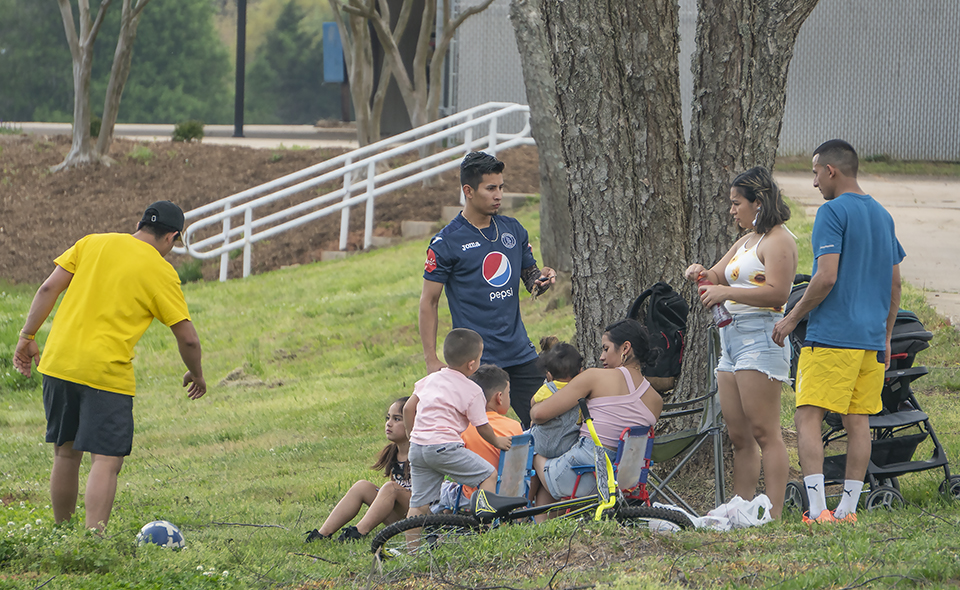
While the order does allow residents to go outside for exercise, it specifically requires a 6 foot minimum ‘social distance’ from others who are also getting exercise.

I decided to drive around Charlotte today to see if there was anyone violating the order.

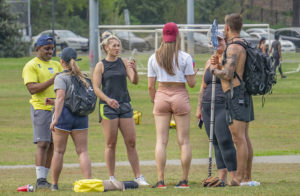
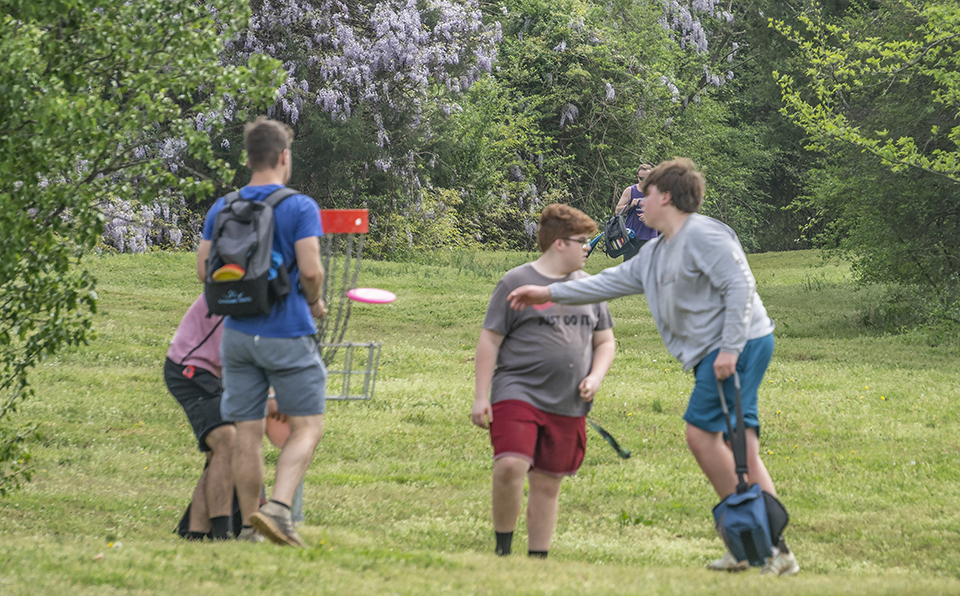
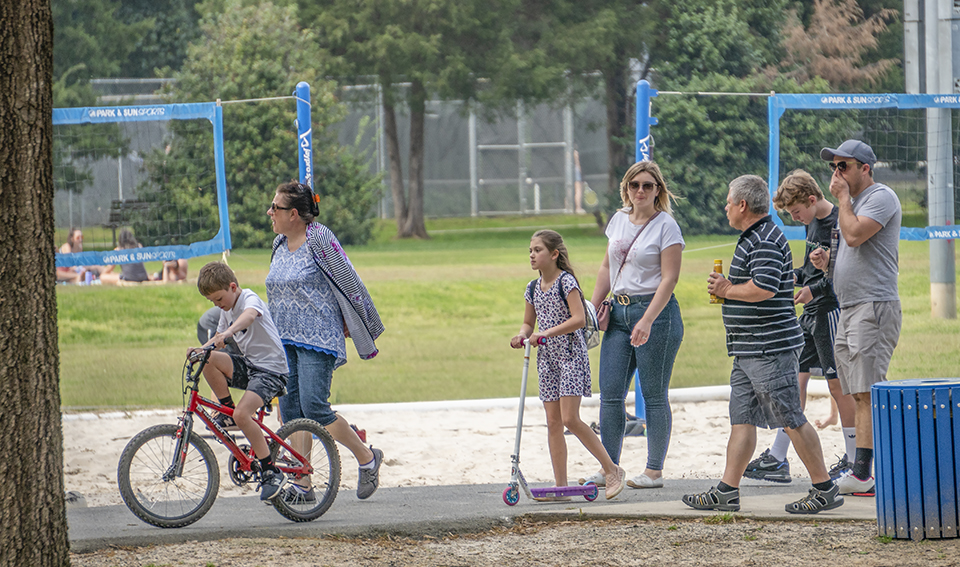
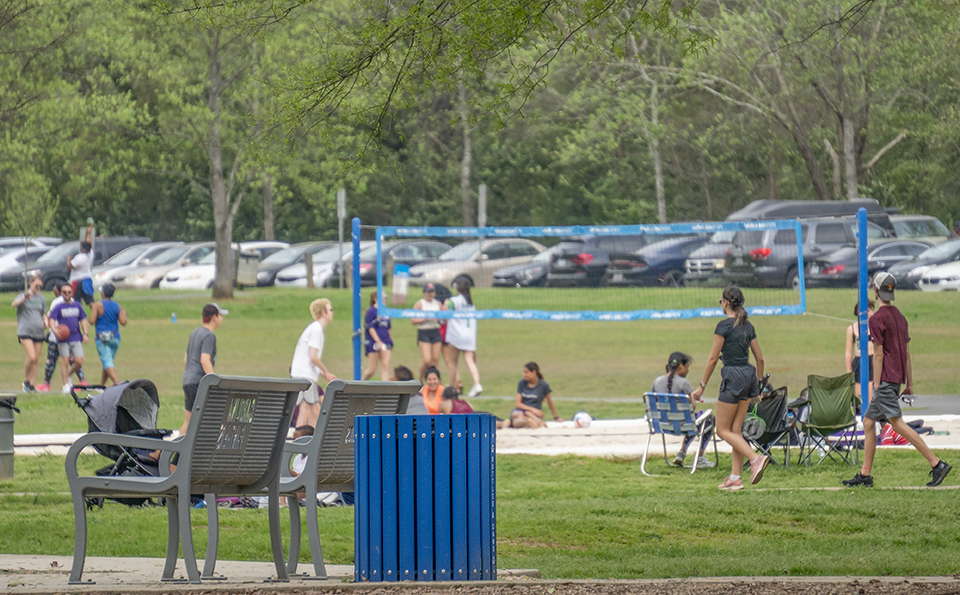
At about 2:30pm (3/29/2020) in Renaissance Park, there were over 50 cars in the parking lot, several groups of 10+ people, an active volley ball game, and dozens of groups of disc golfers:

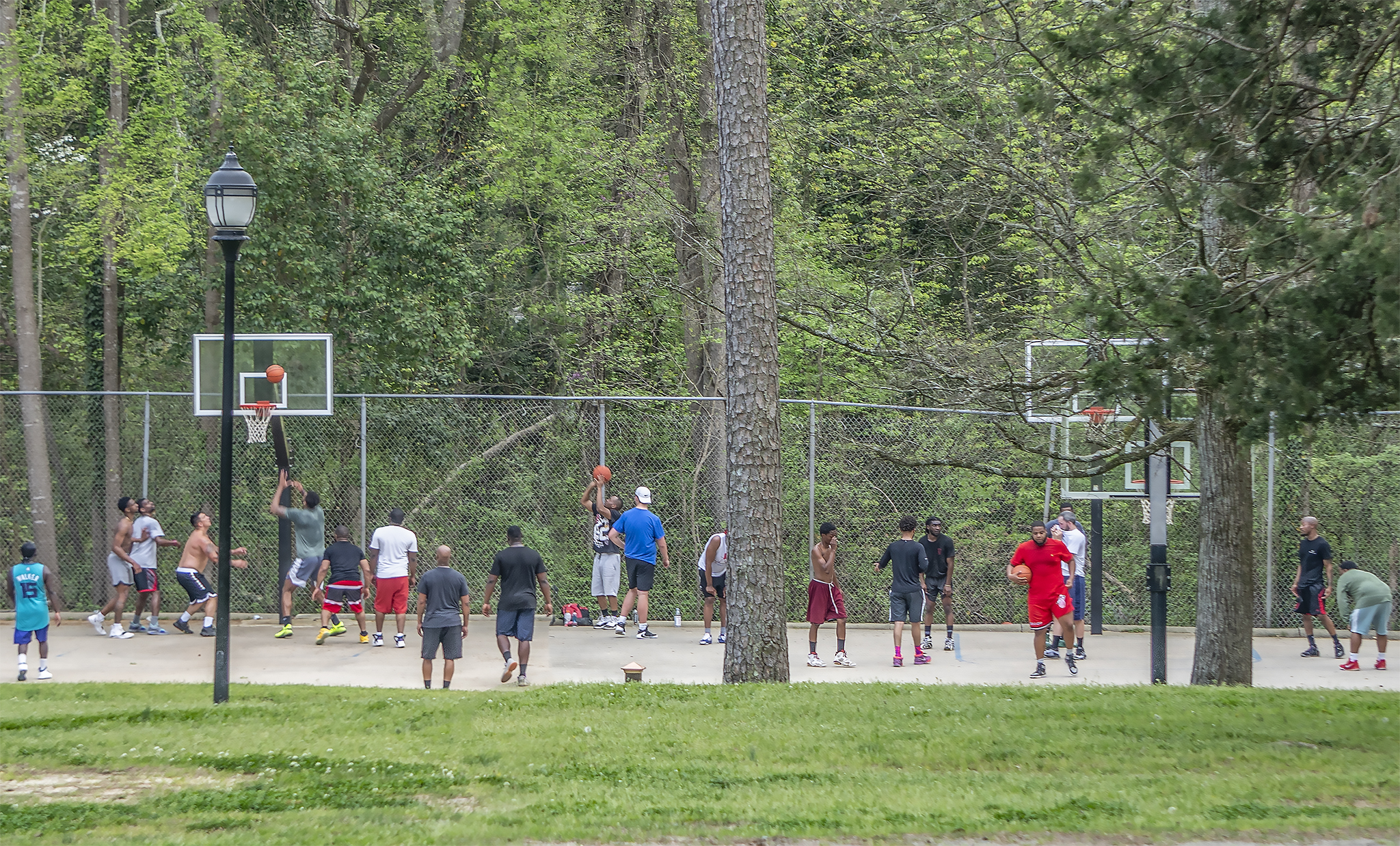
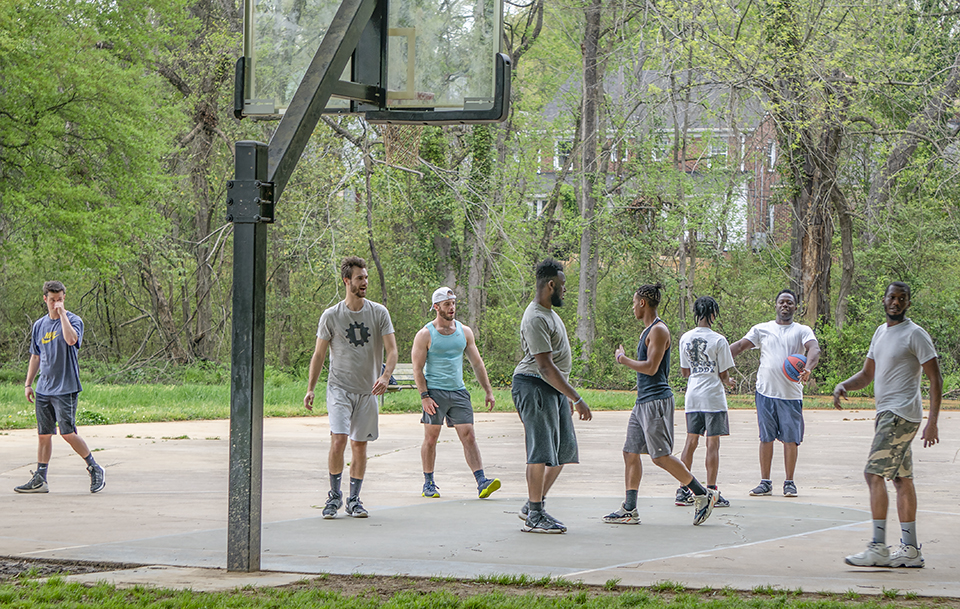
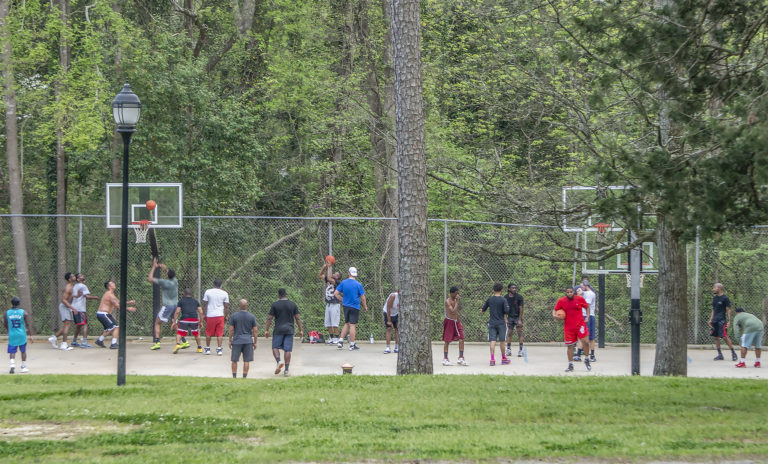
At about 3:30pm (3/29/2020) in Park Road Park, there were at least 100 cars in several parking lots with small groups walking throughout the park and over 20 people playing basketball:

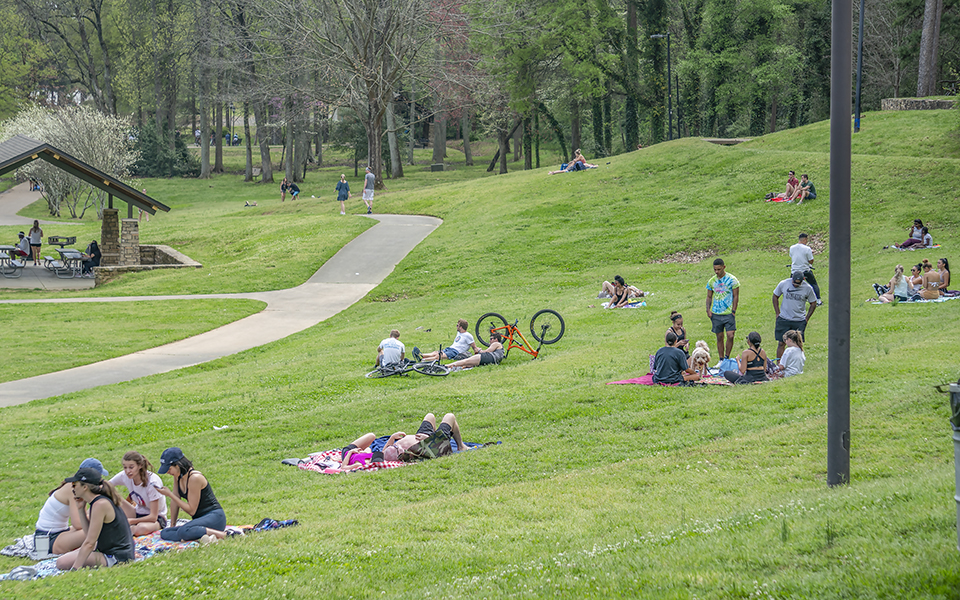
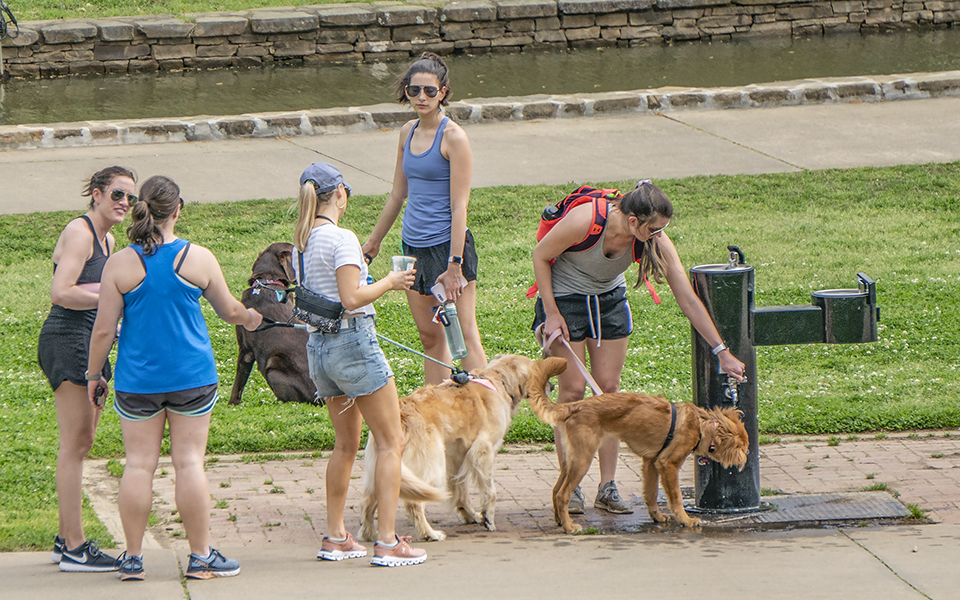
At about 4pm (3/29/2020) in Freedom Park, there were dozens of groups huddled on blankets, groups with dogs, and groups of over 10 people playing volleyball and basketball:

There did seem to be less people in these parks than on a typical Spring Sunday, but I didn’t notice much social distancing and I did notice plenty of face touching, hand shaking, high-fiving, and hugging.

Given the fact that we currently have 315 confirmed cases of COVID-19 in Mecklenburg County and we just experienced our first COVID-19-related death, I personally believe the city needs to do more to enforce the Stay At Home Order.

What are your thoughts on the order and our overall response to COVID-19? 

3 Reasons Why You Should Smoke CBD Flower, Not Vape It

0

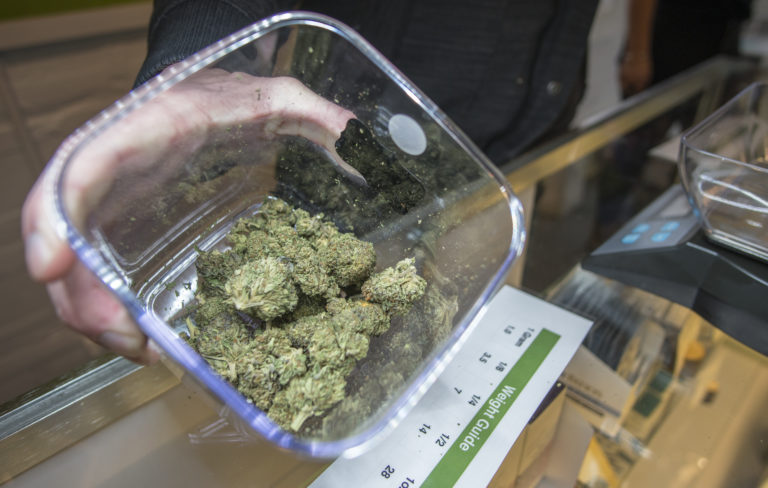
Variety can be a good thing. When it comes to CBD however, this is both a blessing and a curse. There are thousands of different products and a fair few ways to use CBD. Oils or topicals? Gummies or tablets? It can be overwhelming. Because of this, some of the more traditional methods- such as smoking the flower- can get overlooked. This can be partly attributed to the popularity of vaping CBD e-juice instead.

Vapes are something of an industry darling, leading to a surge of e-liquids or all shapes and sizes flooding the marketplace. They’re compact, easy to use and come in hundreds of flavors. It’s also not unusual to see previous nicotine-only vape companies changing tack, becoming CBD vape manufacturers to get in on the action. 

So why should you consider smoking CBD flower instead of reaching for your CBD e-juice? Let’s go through the list- here are 3 reasons why you should smoke CBD flower, not vape it.

Quality

One of the biggest issues plaguing the CBD industry today is the number of inferior products on the market. CBD oil production is not currently regulated by the FDA, meaning imitations and potentially dangerous CBD products can slip through the net. A large amount of these inferior oils end up making their way into e-liquids, which are mass-produced, packaged and sent to unsuspecting customers. 

CBD flower on the other hand, is far harder to simply imitate. Hemp growing itself is closely monitored, and growers use 3rd party laboratories to verify their produce. Most major growers also use organic methods to ensure their CBD flower is the best quality possible, without any pesticides or other nasties. The end product is a simple, green bud that’s packed with all the good stuff and nothing else. 

Quantity

If the thought of high-quality CBD is appealing but the price tag isn’t, CBD flower should be your first choice. Depending on the rate you smoke, a little goes a long way- a half-ounce of high-quality CBD flower can cost as little as $50 from a verified grower. While going for the cheapest thing doesn’t sound too smart, if that thing is premium CBD flower from an award-winning hemp farm, go for it.

Efficacy

During the process of extracting CBD from the plant to synthesize oil, the whole plant is used. Seeds stems and all. The process for CBD flower is far gentler. Rather than crush the plant and remove the CBD, flower harvesting keeps all of the necessary plant components intact. This allows the final product to consist only of healthy, trimmed buds full of a whole host of helpful compounds. It’s these compounds that may give CBD flower the edge over vaping pure CBD, and that edge is called the Entourage Effect.

The Entourage Effect was a term coined in 1998 by a researcher called Dr. Mechoulam. He suggested that CBD would be far more effective if it worked in synergy with the other compounds found in hemp, instead of isolating it. It turns out he may have been right- research shows that CBD products that included these compounds may actually be more effective. CBD flower is one of these products- natural, full-spectrum CBD.

Still not sure? Luckily, there’s a wealth of useful information available. Sites like BestDosage give a full breakdown of each product to help you make the right decision, as well as in-depth reviews from other CBD users. Head to BestDosage.com and keep yourself informed.

https://www.ncbi.nlm.nih.gov/pmc/articles/PMC6334252/

Charlotte’s COVID-19 Response Fund Awards Nearly $3 Million to 14 Local Nonprofits

0

Nearly $3 million has been awarded to 14 local nonprofits in the first round of grants from the COVID-19 Response Fund. To date, more than $11 million has been raised for the fund from corporations, foundations, individuals and local government.

The initial round of awards was distributed as direct grants by the COVID-19 Response Fund Grants Committee (see below for list of committee members). These grants ensure rapid funding for organizations on the frontlines meeting basic needs for those affected by the pandemic: food, shelter, housing and emergency financial assistance.

A competitive grant cycle is now open for future grant awards. Mecklenburg County 501(c)3 nonprofits that meet eligibility requirements may apply; the next grant deadline is April 3. Visit uwcentralcarolinas.org/grants/COVID for eligibility requirements and to apply.

United Way of Central Carolinas President and CEO Laura Yates Clark said that in addition to the competitive grant cycle, the committee will continue to look at the needs of the community and prioritize those areas with direct grants. “We are approaching this from multiple angles, because the most important thing is that we act quickly and get the money flowing,” she said. “Nonprofits are being hit hard with requests to help, and this fund wants to be there to assist them in providing aid to those who need it the most.”

“Thanks to the generosity of all who have given so far, we are able to get money to these organizations that are directly assisting individuals in dire need,” said Foundation President and CEO Michael Marsicano. “However, this is just the beginning. We do not know what our demands will be in a week or a month, so it’s important we grow the COVID-19 Response Fund to be able to meet evolving challenges.”

Direct grants from the COVID-19 Response Fund include:

  • $70,000 to Ada Jenkins Center to provide emergency financial assistance and support to individuals and families in North Mecklenburg.
  • $75,000 to Camino Community Center to increase access to food and household products for the elderly and families.
  • $75,000 to Charlotte Family Housing to increase rental subsidies for clients who have lost employment or income.
  • $275,000 to Commonwealth Charlotte to provide no-interest loans and deferred payment schedule to workers in restaurants and hospitality fields.
  • $75,000 to Communities in Schools to facilitate delivery of food and hygiene kits to homeless children and families living in hotels.
  • $600,000 to Crisis Assistance Ministries to help those reside in motels – and are unemployed or have lost wages – remain in place.
  • $100,000 to Latin American Coalition to set up a bilingual hotline and electronic clearinghouse to assist the immigrant community.
  • $100,000 to Loaves & Fishes to assist with new delivery strategy required due to the crisis.
  • $243,462 to Men’s Shelter of Charlotte to reduce numbers in its shelters, maintain staffing levels and provide rental subsidies to clients who have lost employment or income.
  • $90,200 to Safe Alliance to reduce numbers in its shelters, maintain staffing levels and provide hotel rooms for domestic violence victims at highest risk.
  • $138,448 to Salvation Army of Greater Charlotte to reduce numbers in shelters, maintain staffing levels and provide rental subsidies to clients who have lost employment or income.
  • $500,000 to Second Harvest Food Bank of Metrolina to purchase food due to provide to those in need.
  • $500,000 to SocialServe to work with landlords renting to families and seniors unable to pay due to the crisis, as well as help homeless families leaving hotels find secure rental housing.
  • $75,000 to Supportive Housing Communities to increase mental health services for residents, provide stipends for residents who are volunteering, and assist with increased housing needs for residents who have lost employment or income.

A COVID-19 Response Fund Grants Committee has been established to review and distribute grants from the fund. The committee is made up of 17 local leaders representing a diversity of business sectors, backgrounds and Mecklenburg County geographic locations:

The committee is co-chaired by Tanya Blackmon of Novant Health and Edwin Peacock of Pomfret Financial. It also includes: Charles Bowman, Bank of America; Jordan Boyd, Rockwell AME Zion Church; Heath Campbell, Truist Financial; Alexis Coleman, Davidson United Methodist Church; Betsy Conway, Lowe’s; Dena Diorio, Mecklenburg County; Malcolm Graham, City of Charlotte; Mark Jerrell, Mecklenburg Board of County Commissioners; Cliff Matthews, St. Luke Missionary Baptist Church; Brian Middleton, Atrium; Dee O’Dell, U.S. Bank; Jill Olmstead, LendingTree; Susan Patterson, community volunteer; Federico Rios, City of Charlotte; and Lisa Saunders, Christ Church Charlotte.

Foundation For The Carolinas and United Way of Central Carolinas launched the fund on March 16 to support a range of nonprofit organizations assisting members of the community, particularly those most vulnerable. It is administered through a partnership between the Foundation and United Way, in close coordination with the City of Charlotte and Mecklenburg County.

To contribute to the COVID-19 Response Fund, visit HelpCharMeck.org.