
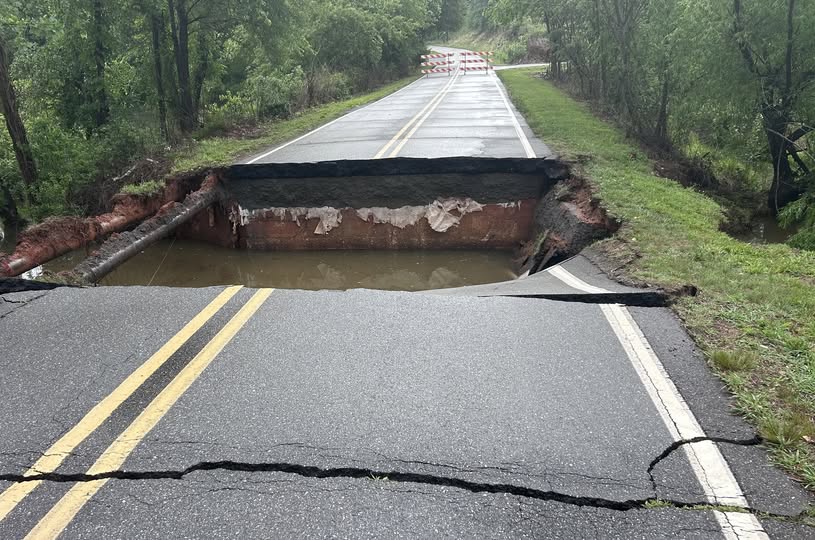
 South Carolina’s infrastructure has just earned a C- on this year’s comprehensive report card.
The American Society of Civil Engineers raised the state from the D-plus grade it received in 2021, but seven out of eight categories still received grades well below the national average.
“South Carolina continues to rank among the top three states for traffic fatalities per 100,000 vehicle miles traveled. Roads, drinking water, and wastewater infrastructure face annual funding gaps measured in hundreds of millions of dollars,” said ASCE in their report. “Without a sustained state-level funding strategy, recent progress could stall or reverse.”
Here were all the grades for South Carolina in the latest report:
- Ports: B+
- Aviation: C-
- Bridges: C-
- Dams: D+
- Roads: D+
- Transit: D+
- Drinking Water: D
- Wastewater: D
Roads remain one of South Carolina’s biggest challenges. The report estimates a roughly $20 billion road funding shortfall over the next 20 years.
Traffic safety also remains a concern. Fatalities dropped from 1,198 in 2021 to 1,041 in 2024.
However, South Carolina still ranks among states with the highest roadway fatality rates.
Drinking water systems also received a D. Engineers estimate about $8 billion in infrastructure needs over the next two decades.
Wastewater systems face similar pressure. Sanitary sewer overflows have increased sharply since 2022 amid aging systems and rapid population growth.
The state’s bridges and dams are also getting older. Nearly 3,000 bridges are more than 60 years old.
South Carolina also has more than 2,400 dams, with an average age of about 68 years.
Population growth will likely add even more pressure.
The state has roughly 5.6 million residents today. That figure is projected to exceed 6.2 million by 2035.
For the Charlotte region, that growth is especially significant across fast-growing communities near the North Carolina border.
More residents mean more traffic, greater water demand and heavier use of already stressed infrastructure.