
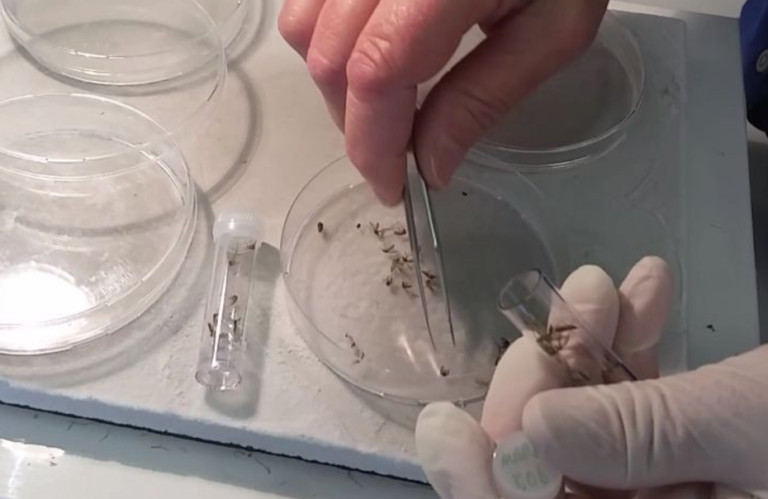
 According to a new press release by The South Carolina Department of Health and Environmental Control (DHEC), several samples of trapped mosquitoes in Beaufort County, SC have tested positive for the West Nile Virus.
DHEC was first notified of the Beaufort County area virus-positive mosquitoes on June 23rd.
“As the state’s public health agency, we partner with jurisdictions across the state to help trap and identify mosquitoes carrying diseases that can be spread to humans. The virus actually starts with a bird. It spreads when a mosquito bites a bird that has the virus in their blood. The mosquito then can spread the virus to other birds, animals or people, when it bites during feeding.”
“We have strategically applied public health insecticides in Beaufort County” said Gregg Hunt, Beaufort County Mosquito Control Director. “Our trucks operate during nighttime hours when these mosquito species are most active. The insecticide that we use is very effective, and was selected because it should have a quick knockdown.”
“The mosquito carrying this virus is usually active at night, but can also be active at dusk and dawn and in shady areas during the day,” Evans said.
What are the symptoms of West Nile virus disease?
- No symptoms in most people. Most people (70-80%) who become infected with West Nile virus do not develop any symptoms.
- Febrile illness in some people. About 1 in 5 people who are infected will develop a fever with other symptoms such as headache, body aches, joint pains, vomiting, diarrhea, or rash. Most people with this type of West Nile virus disease recover completely, but fatigue and weakness can last for weeks or months.
- Severe symptoms in a few people. Less than 1% of people who are infected will develop a serious neurologic illness such as encephalitis or meningitis (inflammation of the brain or surrounding tissues). The symptoms of neurologic illness can include headache, high fever, neck stiffness, disorientation, coma, tremors, seizures, or paralysis.
*This information was provided by the Centers for Disease Control and Prevention, https://www.cdc.gov/westnile/faq/genquestions.html.
“If you have concerns about the virus or develop symptoms, you should contact your health care provider,” Bell said.
DHEC is urging residents in South Carolina to pay attention to any standing water on their properties, including flowerpots, gutters, buckets, pool covers, birdbaths and pet bowls. The EPA recommends using natural BTI on standing water to quickly kill mosquito larvae.
They also encourage people wear insect repellent containing DEET, picaridin, essential oil of lemon eucalyptus, or IR 3535 before going outside on humid days.

 The world’s largest contract electronics maker and a major Apple Inc supplier might soon invest over $10 billion in new North Carolina facility.



 The NC House recently passed a new compromise to make it easier for electric car companies to invest in North Carolina



 The North Carolina House and Senate are now in the final stages of creating a new law that would require information and training about police stops in driver’s education.

 The Levine Museum of the New South today announced the launch of a new initiative, Access History, to help bring Charlotte’s history and culture to life for children and families. Access History will offer interactive and educational opportunities to help families learn about the local community through history. The initiative also expands access to Charlotte’s underserved communities through reduced admissions prices.