

 Henry is a retired man who lives by himself. One morning, he received a call letting him know he had won a trip to The Bahamas for one week. The only thing he needed to do was deposit a small “processing fee” of one hundred dollars. Considering that the trip was worth well over $1000, Henry thought it was a very small price to pay. But after weeks of waiting to get more information about his upcoming trip, Henry found out he had been a victim of a scam. As telemarketing fraud becomes more sophisticated, more and more stories like this are seen on local news outlets all over the country. There are, however, some ways to protect yourself.
Don’t Interact With Unwanted Callers
In most cases, unwanted calls are scams or attempts to make you buy something. The best way to go is to politely decline to give any kind of information and hang up. If the call is legitimate and important, they will find other ways to contact you. A good idea is to ask for a number to call back and run it through a site like Check People to find out who is behind it. If the number is registered by an individual, it’s most likely a scam. The same happens if you are not able to find any information about it.
Some of the most common telemarketing scams include:
- Prize-Winning calls that ask for “processing” money
- Calls from your bank asking you to disclose passwords or PIN numbers. No bank will ask for this information over the phone. This call can be especially confusing as bank representatives will call if, for example, there is unusual activity on your account. While they may ask you some security questions for verification purposes, they will never ask for your password or PIN.
- Calls from government agencies asking for money. A very common scam call involves a script in which you have an important debt with the IRS, but they are willing to “settle” for less if you make an immediate deposit. No government agencies will ask for money over the phone.
- Calls from long lost relatives or friends asking for money. If you suddenly get a call from your estranged cousin (who you haven’t seen for 20 years) asking you for a loan, there is a very high possibility that you are dealing with a scam caller.
Protect Your Information
- Don’t buy from unfamiliar companies. This applies especially to online shopping. If you want to proceed with a purchase from an unknown website, take your time to verify it’s legitimate (by reading their privacy policy and terms of service, and by looking for other client’s reviews).
- Most trustworthy companies will not ask you to pay for services in advance. If for any reason you need to do so, ask for a written agreement with clear refund policies.
- Avoid sharing too much on social media. As we said before, telemarketers will use any information they can get online.
- Don’t respond to emails asking for personal details such as address or phone number.
- If something seems too good to be true, it probably is. No Nigerian prince or millionaire’s widow is willing to give you five million dollars.
- If you believe your information has been leaked or compromised in any way, file a report immediately, and notify everyone involved.
- Children and elderly people are especially vulnerable to telemarketing scams. Talk to them about safety measures and, if possible, monitor their calls.
Telemarketing scams continue to evolve and become more sophisticated. More and more victims report that scammers already had some of their personal information (which can be easy to access with a simple Google search) and that they used, for example, the exact same recordings played on legitimate calls from their bank. During 2017, the FCC issued a special warning involving the use of voice recognition software for telemarketing fraud. This is why learning about your rights and keeping yourself informed is so important. There is plenty of information online about how to protect yourself, and how to take action if you are a victim. A good way to add an extra layer of protection is to register your number on the Do Not Call list.
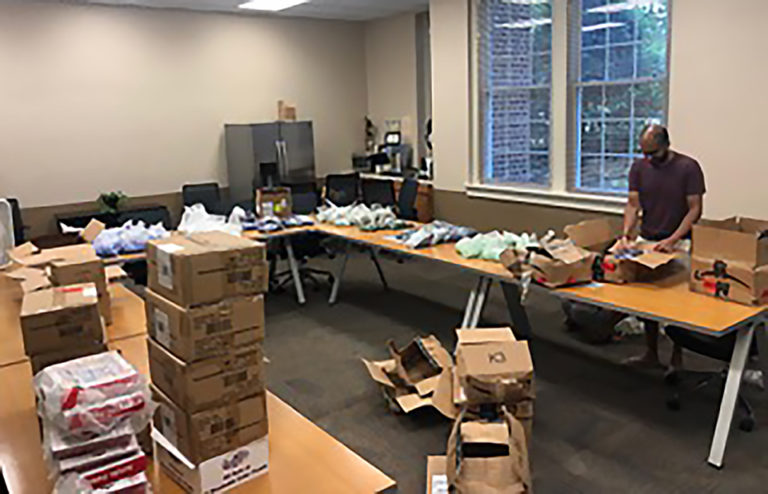
 Bridge Builders Charlotte, a joint effort between Belk Chapel at Queens University and Chicago-based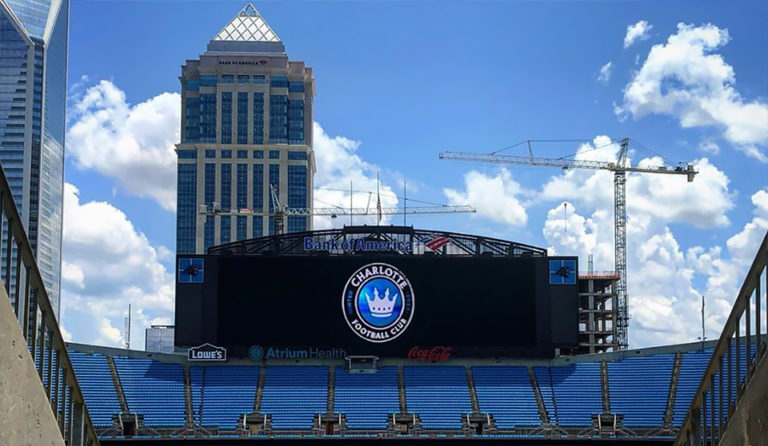


 Aged care is an area that we don’t get acquainted with until a family member or we ourselves start to consider it. The future might have many uncertainties, but the quality and variability of

 The Mecklenburg County Board of Elections have voted
 The Arts Council of York County is pleased to announce the allocation of Small Grant awards for the first quarter of the 2020 – 2021 fiscal year. Small Grants are available to individual artists, non-profit organizations, teachers and schools throughout York County. These grants are designed to support specific arts activities that promote the individual artist’s professional development or career advancement and/or to support a wide variety of quality arts projects and programs that promote excellence in arts disciplines and make such disciplines accessible for general community-wide audiences.
 Online dating was once something that people would keep a secret but today, it has become very mainstream and many couples who met online are quite proud of this fact. Online dating can work for anybody simply because there are millions of people signed up to online dating sites, so the chance of finding somebody who’s great for you is pretty good. But on the other hand, the fact that there are so many potential matches to choose from, and the fact that you are speaking to somebody online rather than face-to-face, could mean that you’re not getting much luck from your online dating journey using