 Injectable components, which include devices and containers used for drug delivery, play a vital role in the healthcare sector. With the ever-increasing demand for precision medicine, biologics, and personalized healthcare, the injectable component manufacturing industry is evolving rapidly. Manufacturers are striving to keep up with these changes, adopting new technologies, improving materials, and ensuring the highest standards of safety and efficiency.
Injectable component manufacturer plays a pivotal role in the development and production of high-quality devices used for drug delivery. These manufacturers are responsible for ensuring that injectable components, such as syringes, vials, cartridges, and autoinjectors, meet rigorous standards for safety, performance, and patient satisfaction. The complexity of biologic drugs and the rise of personalized treatments demand that manufacturers not only produce components that are compatible with these therapies but also ensure that they are easy to use, cost-effective, and compliant with global regulatory standards.
Key Trends Shaping the Future of Injectable Component Manufacturing
1. Rise of Biologics and Biosimilars
Biologics, including monoclonal antibodies, gene therapies, and vaccines, represent a significant portion of new drug development. These complex therapies often require injectable delivery systems due to their nature (e.g., proteins, peptides, and nucleic acids). As biologics continue to gain popularity, the demand for injectable components that can safely and effectively deliver these drugs will increase.
Biosimilars, the follow-on versions of biologics, also require advanced injectable delivery systems. Manufacturers will need to develop components that ensure consistency, stability, and safety across batches of these highly complex drugs. This shift towards biologics and biosimilars will drive innovations in injectable components, such as the development of more sophisticated prefilled syringes, vials, and autoinjectors.
2. Personalized Medicine and Custom Injectable Devices
As personalized medicine continues to emerge, there will be a growing demand for tailored drug delivery solutions. Personalized treatments, which are customized based on a patient’s genetic makeup, disease state, and response to therapy, may require individualized injectable components. These could include specialized syringes, custom drug formulations, or devices with dosage adjustments tailored to each patient’s needs.
The future of injectable component manufacturing will likely see the introduction of smart devices that can monitor patient conditions and adjust drug delivery accordingly. These devices will incorporate features such as connectivity for remote monitoring, automatic dose adjustments, and data collection for better treatment outcomes. This trend will lead to innovations in both drug delivery devices and their integration with digital health technologies.
3. Prefilled Syringes and Autoinjectors: Growing Demand
Prefilled syringes (PFS) and autoinjectors have been gaining popularity due to their convenience and safety. Prefilled syringes are particularly beneficial for patients who need frequent injections, such as those with chronic conditions like rheumatoid arthritis, diabetes, and multiple sclerosis. These devices eliminate the need for manual filling, reducing the risk of contamination and dosing errors.
Autoinjectors, which are designed to allow patients to self-administer injections, are especially important for biologic therapies. As the number of chronic conditions requiring injectable biologics grows, the demand for these self-administration devices will rise. Manufacturers will need to focus on improving the ergonomics, ease of use, and reliability of these devices to ensure patient compliance and reduce the risk of incorrect use.
The future of prefilled syringes and autoinjectors will also involve innovations in the materials used, with manufacturers exploring options like biocompatible plastics and silicone-free components to improve device performance, especially in sensitive drug formulations.
4. Advancements in Materials Science
The materials used in injectable components are constantly evolving. As injectable therapies become more complex, manufacturers are focusing on developing materials that ensure compatibility with biologic and high-risk drugs. For example, glass and plastic components are commonly used in the production of vials, syringes, and cartridges. However, glass can be prone to breakage, while certain plastics may interact with the drug formulation, leading to issues like leaching or degradation.
Future innovations in materials science will likely focus on improving the biocompatibility and stability of injectable components. Manufacturers are exploring the use of new polymeric materials, such as polyethylene terephthalate (PET), which are less likely to react with drugs and can be sterilized more effectively. Additionally, coatings and surface treatments will continue to evolve to enhance drug compatibility and prevent issues like protein aggregation or oxidation.
5. Needle-Free Injection Systems
Needle-free injection systems are poised to become an important trend in injectable component manufacturing. These devices use a high-pressure jet to deliver medications through the skin without the need for needles. This method of drug delivery is especially appealing for patients who have a fear of needles or require frequent injections.
Needle-free devices are already being used for vaccines and some biologic therapies, and their potential to improve patient comfort and compliance is significant. However, these devices face challenges in terms of cost, efficiency, and suitability for different drug types. Future innovations will focus on enhancing the design and functionality of these systems to make them more affordable, reliable, and widely applicable.
6. Integration with Digital Health Technologies
As digital health technologies continue to evolve, there is a growing trend toward integrating injectable components with mobile apps, sensors, and cloud-based platforms. These systems enable real-time monitoring of medication usage, patient adherence, and drug efficacy. Smart syringes and autoinjectors equipped with sensors can track the amount of medication delivered, send notifications to healthcare providers, and ensure that patients follow their prescribed regimen.
The integration of digital health technologies into injectable components will not only improve patient outcomes but also provide valuable data for clinical trials, product development, and post-market surveillance. This trend will drive innovation in both the design of injectable devices and the broader healthcare ecosystem.
7. Sustainability and Eco-Friendly Practices
As sustainability becomes a top priority across industries, injectable component manufacturers are increasingly focusing on reducing their environmental impact. This includes efforts to minimize waste, use recyclable or biodegradable materials, and reduce the carbon footprint of manufacturing processes.
For example, some manufacturers are exploring reusable injectors and packaging solutions that reduce the need for single-use devices and packaging. Additionally, the shift toward green chemistry and environmentally friendly manufacturing techniques will play a key role in the future of injectable component manufacturing.
Innovations to Look Forward To
1. 3D Printing for Custom Injectable Devices
3D printing, or additive manufacturing, has the potential to revolutionize the production of custom injectable devices. Manufacturers can create prototypes quickly and efficiently, leading to faster product development and the ability to design devices tailored to individual patients’ needs. This technology could also allow for the creation of more intricate, patient-specific drug delivery devices with complex features, such as personalized dosing regimens or ergonomic designs.
2. Biodegradable Injectable Components
With an increasing focus on sustainability and reducing plastic waste, biodegradable components are likely to become more common in injectable devices. Materials that break down over time without leaving harmful residues are being researched, and these could be used for syringes, needles, and even packaging.
Conclusion
The future of injectable component manufacturing is marked by rapid innovation and the adoption of new technologies aimed at improving patient outcomes and enhancing drug delivery. From the rise of biologics and personalized medicine to advancements in materials science, digital health integration, and sustainability, injectable component manufacturers must adapt to an ever-changing landscape. As these trends continue to evolve, the industry will witness more efficient, safer, and more patient-friendly drug delivery systems, ultimately contributing to better healthcare worldwide. The future looks promising for injectable component manufacturers, with exciting innovations on the horizon that will shape the way we approach healthcare delivery.



 Yesterday a CMPD officer was shot in the leg while responding to call of a shooting in an occupied dwelling.
 Discovery Channel’s legendary

 Yesterday, Bill Rogers, Chairman & CEO of Truist Financial Corporation, and Lynette Bell, President of Truist Foundation announced the bank’s $120 million commitment to strengthening and supporting Black, Latinx and women-owned small businesses across the country during an event at their Uptown Charlotte headquarters.
 Inflation is currently at its highest rate in 40 years, and rapidly rising housing costs are a key contributor. While the market has cooled slightly from last summer’s peaks, the national median rent has still jumped by 14% in the past year. And with spiking mortgage rates now sidelining potentially homebuyers, the coming months could bring additional competition for rentals amid a market that is already historically supply-constrained.
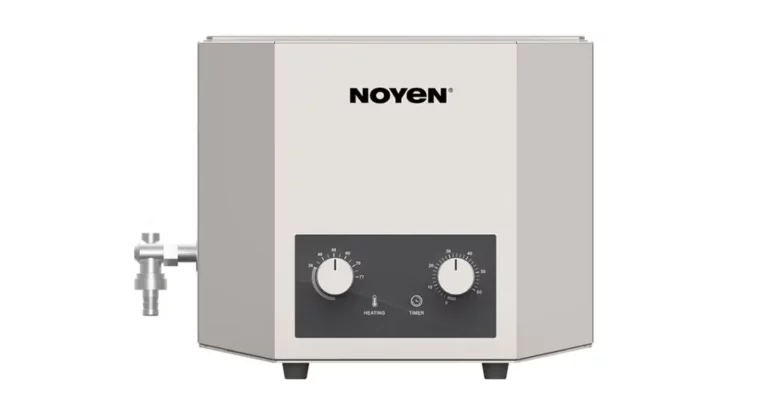
 I’ve heard everything about ultrasonic cleaning throughout the years. There’s a lot of
 Once upon a time, not having a few bucks in your pockets meant that a trip to Carowinds was impossible, but that’s not the case anymore. Yes, you still have to pay to get into the park and enjoy
 The first official case of Monkeypox has just been discovered in Mecklenburg County, according to
 The analysis revealed that each North Carolina employee would have made a significant loss on their crypto-based salary – $1,866.87 to be exact. To put it another way, an employee who opted to be paid only in US dollars would have earned $17,875.00 over a 6 month time period, compared to one who opted for a part crypto salary (29%), who would have earned $16,008.13 since January 2022.