8 Incredible Benefits of Running You Might Not Know

0

Running is one of those sports that tends to get a bad rap for being notoriously tough on the body, from knee injuries to pulled or strained tendons, but believe it or not, running is actually a great way to increase your overall level of health. In addition to staying in shape, running offers a variety of emotional, mental, and physical benefits. Here is a list of eight benefits of running you may not know and how it can positively affect your mind, body, and spirit. 

1. Improves Cardiovascular Health

While running, your heart pumps greater amounts of blood and oxygen to your working muscles, causing your heart rate to rise. Over time, this increase in activity and blood flow improves your heart’s efficiency, resulting in a lower resting heart rate and blood pressure. Studies show that you can reduce your risk of cardiovascular disease by jogging for just 5–10 minutes a day. Your heart rate isn’t the only benefit of running. In addition to lowering triglycerides and improving blood pressure, it also increases HDL (good cholesterol), which helps to keep the heart healthy. 

2. Strengthens Healthy Knees

While running has long been thought to hurt knees due to all that pounding and rattling, it might actually benefit the complex and critical joint. However, there are some limitations, especially for people with significant knee injuries or obesity. But for the most part, researchers say that a light running regimen may actually strengthen healthy knees. Running with a supportive knee sleeve can help to stabilize and prevent injuries. 

3. Improves Memory

According to research, just 15 minutes of running at a time can benefit cognition for years to come. Running contributes to the growth of new cells in the area of the brain, which in turn boosts memory. Additionally, it can make you more attentive. Running protects the brain from stress and aging-related damage.

4. Helps Promote Weight Loss

It is well-known that inactivity plays a major role in obesity and weight gain as the body’s metabolic rate is lowered. A slow metabolic rate does not burn as many calories, and any food eaten is stored as fat, hence leading to weight gain. Running increases the body’s metabolic rate, which in turn burns calories and helps with weight loss. Remember, excess weights can put added stress on your joints, particularly knees, causing joint pain and even injury. Wearing a high-quality knee sleeve can help alleviate pain and prevent more damage. 

5. Improves Your Immunity

Running or jogging promotes the production of white blood cells and antibodies in the body. Since these antibodies protect your body, you are less likely to develop frequent diseases. Running for health also prevents your body from developing short-term illnesses like upper respiratory infections. Exercise can also help decrease chronic inflammation, improving your immune system.

6. Improves Sleep

Aerobic exercises, like running, improve your sleep. It takes a lot of energy to engage in intense physical activity. Running can fatigue your body, reducing your sleep latency. Sleep latency is the duration of time it takes to fall asleep once you have gone to bed and turned off the lights. Regular exercise usually gets you to sleep minutes after you lie down, which ensures that you get the rest you need. In addition, exercise also promotes deep sleep phases, which are the most restorative sleep stages. As a result of these slow-wave sleep phases, you are less likely to wake up due to interruptions; thus, your sleep quality improves. Proper sleep is necessary to repair your body overnight. 

7. Relieves Stress

Running for 30 minutes a day can help you relieve stress and boost your mood when you are feeling overwhelmed or anxious. It is a great way to reduce stress because when you move, your body produces endorphins, which elevate your mood. In addition to releasing endorphins, running can also help control cortisol levels, the known stress hormone that we all have. So throw on a protective knee sleeve and hit the road!

8. Reduces Symptoms of Depression

When you run, your body releases endorphins. As endorphins interact with pain receptors in the brain, they reduce the perception of pain. Known as “runner’s high,” this feeling increases your sense of positivity and helps reduce mental illness symptoms. In addition to enhancing your mood, exercise can also boost your self-esteem and self-confidence. Furthermore, other bodily changes, such as reduced muscle tension and increased blood flow to the brain, contribute to the feeling of well-being. 

Time to Get Started

Running takes practice, so don’t expect to run several miles on your first outing. Try fast walking, then jogging, and then running as your stamina improves. Three times a week, try to walk, jog, or run for 30 minutes, with a day off in between. In as little as six weeks, your stamina should improve. Over time, you will notice that you are able to run longer distances or faster than when you first started. 

Trying to overdue it may result in injury. Take some protective measures by wearing a supportive knee sleeve before you set out. Remember, you don’t need to be a marathon runner to reap the benefits running can have on improving your health every little bit makes a difference!

Everything You Need to Know About Sports Betting Algorithms

0

In gambling, winnings cannot come as a guarantee (ever)!

Sporting Artificial Intelligence(AI) is utilized in betting predictions through algorithms. But rest a little: betting algorithms are in their early stages, and researching the bet you’ll wager is key before relying on the AIs.

What Are Sports Betting Algorithms?

Betting algorithms are coded to apply data groups in predicting matches. The data is utilized to help in predicting other variables in a sport that gamblers bet on, like team/player stats.

Algorithms’ inclusion in the betting world results from their utilization in other sectors like Forex trading. Its success in the latter has convinced bettors to take a leap of faith and trust them while making tricky betting decisions.

How Betting Algorithms Work

The best betting algorithms appropriately utilize mathematical and statistical data to analyze a match’s outcomes. The data used in sporting events include:

  • In-game stats
  • Player statistics
  • Competitors’ results history
  • Home-pitch/court advantage

The analysis is dictated by the rules and aspects of respective sports. If you’re wondering how to know a practical algorithm, a working AI predictor states its chances of succeeding and suggests the amount to stake on a bet depending on the latter.

For example, when it comes to slots, no rules or strategies should decide on results. It’s the main “why” you shall choose only secure and legal  online casino gambling places thus they guarantee the use of randomiser – the unique system designed to bring random results to your plate at most. Nothing is that easy peasy with betting algorithms though!

Types of Sports Betting Algorithms

Betting algorithms are tools to assist gamblers in making a profit. There are two types to choose from, depending on your gambling style. They are:

  • Arbitrage betting algorithm: Arbitrage gambling is an approach that relies on odds changes to make a betting profit. It involves taking on higher bet odds and doing the same for the counter(less) odds. Regardless of the results, profits are guaranteed.
  • Value betting algorithms: This approach is common and is highly ranked as the best algorithm. The whole explanation of utilizing teams/players’ data to calculate potential results is its ideal description. And because its findings are derived from real-time data, many gamblers believe it’s reliable.

How to Best Use Sports Betting Algorithms

Without prior experience, creating an algorithm that works for you is daunting. The knowledge in navigating a sports betting algorithm includes computational information about the bet/sporting event in question.

Before using a sports betting algorithm, confirm its credibility to avoid depending on a false start. Quality services typically have extensive sports insight, long-term wagering achievements, and consumer-friendly and accessible algorithms.

What Are the Flaws in Betting Algorithms

Like any other technological invention, betting algorithms are not perfect.

  • AI is a human creation, bound to make errors in its functionality: Wrong input of data leads to massive erroneous inconveniences.
  • They are only theoretical representations of sporting events, hence don’t represent a match’s actual happenings/outcomes.
  • Some predictions, like teams’ line-ups, are readily available to the public through the mainstream.

Can Bettors Profit From Betting Algorithms?

The easy answer is yes. Players are already claiming their wins with the help of algorithms. The process of perfecting them is ongoing with the growth of sports betting, and it’s only a matter of time before it becomes fully mainstream. All players are advised to be cautious when using them, similar to practicing responsible wagering.

FDA Issues Warning Not To Cook Chicken In NyQuil After TikTok Challenge Goes Viral

0

The FDA has just issued a warning urging people not to cook their chicken in NyQuil after a viral new challenge began trending on social media.

The challenge was posted and reshared thousands of times across TikTok and Twitter as the ‘sleepy chicken challenge’.

“Boiling a medication can make it much more concentrated and change its properties in other ways. Even if you don’t eat the chicken, inhaling the medication’s vapors while cooking could cause high levels of the drugs to enter your body,” said the FDA. “It could also hurt your lungs.”

The FDA also warned the public against consuming large quantities of Benadryl when several teenagers were taken to the hospital after taking TikTok’s “Benadryl challenge”.

Another Aftershock Just Shook SC – Totaling 79 Quakes Since Christmas

0

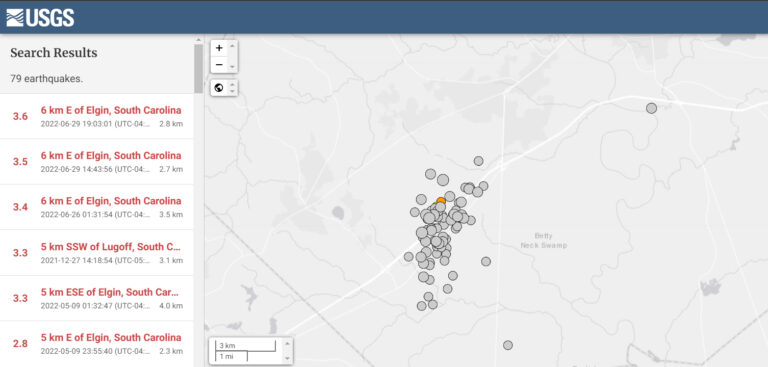
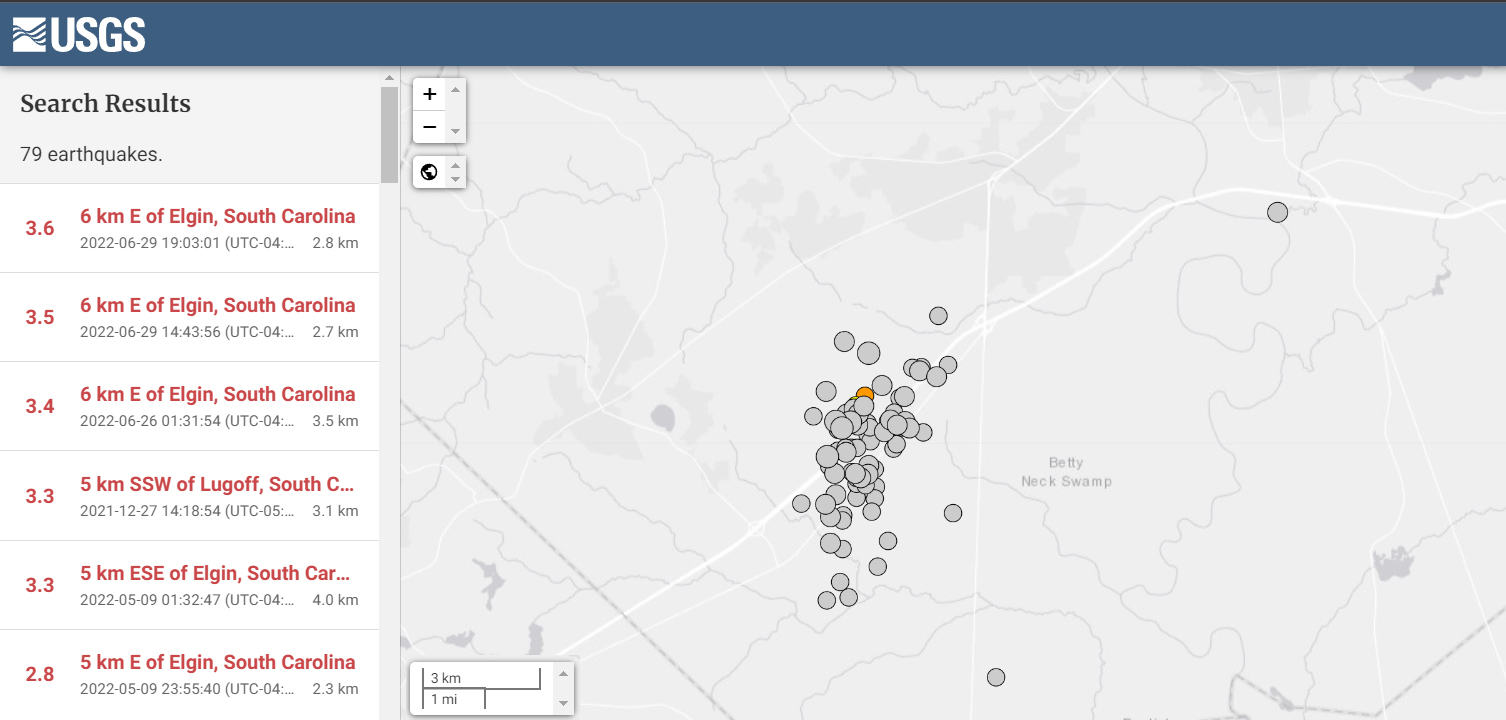
Another aftershock rattled the Elgin area of South Carolina last night at 12:52 am, bringing the total number of quakes and aftershocks to 79 since Christmas.

The rumbling of the Palmetto State started when a significant 3.3 magnitude earthquake struck Elgin, South Carolina (about 50 miles south of Charlotte) the day after Christmas, followed quickly by 2.5, 2.1, and 1.7 magnitude aftershocks.

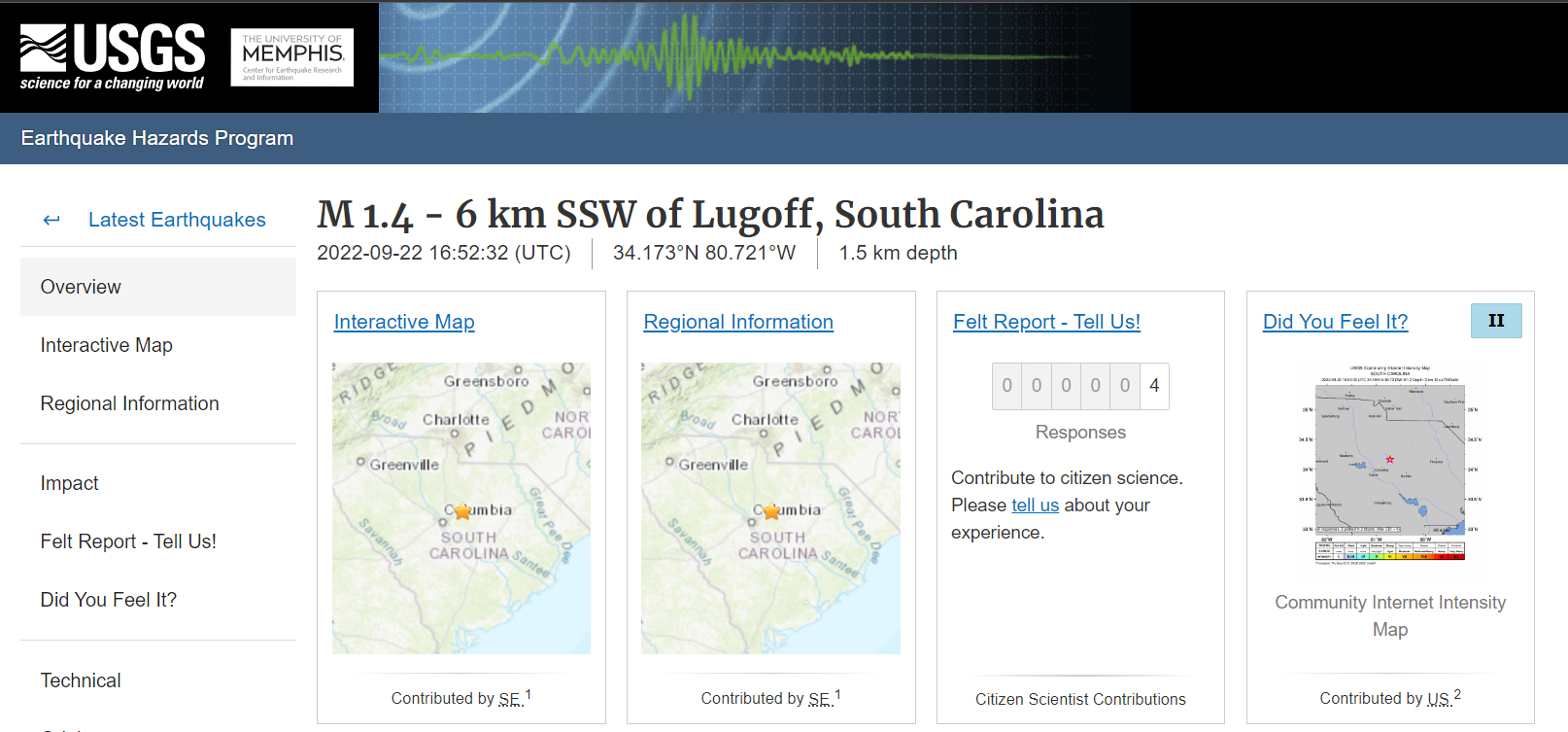
According to the USGA, the quakes had epicenters roughly halfway between Lugoff and Elgin, SC – all about an hour south of Charlotte.

Earthquakes have been increasing in frequency around the Charlotte region over the past few years. Last year, we experienced the largest earthquake in over 100 years when a 5.1 magnitude quake hit Sparta, NC, and since then, dozens of aftershocks have continued to rattle our state.

According to USGS.gov, “Moderately damaging earthquakes strike the inland Carolinas every few decades, and smaller earthquakes are felt about once each year or two.”

Have you felt any of the quakes? 

These NC Small Businesses Won $4.95 Million In Grants to Build Next-Gen Tech

0

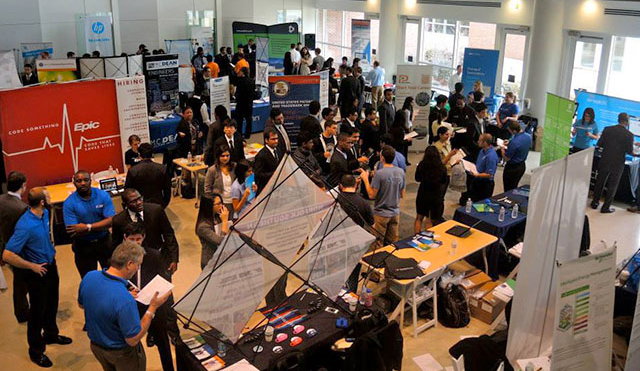
The State of North Carolina has just awarded nearly $5 million to small business that are focused on building the next generation of technology.

“Support for early-stage technology companies pays off in better jobs, more investment, and new ways to make our state a great place to live and do business,” Governor Roy Cooper noted in a press release. “These small businesses are tackling society’s most pressing challenges in many areas, including the life sciences, defense, and clean energy. Innovative small companies drive growth and competition, keeping our economy healthy and quality of life high.”

One North Carolina Small Business Program granted funds to the following companies:

• 410 Medical, Inc., of Durham: $25,000.00 to develop a compact, military-grade version of its LifeFlow® rapid infusion device for the rapid delivery of blood, blood components, and other resuscitative fluids to improve rates of resuscitation and patient outcomes. This SBIR project is sponsored by the United States Air Force, Department of Defense.
• Accunovo Biotechnologies, Inc., of Chapel Hill: $75,000.00 to develop a diagnosis and therapy agent for improved prostate cancer management. This SBIR project is sponsored by the National Institutes of Health, Department of Health and Human Services.
• Adamas Nanotechnologies, Inc., of Raleigh: $75,000.00 to develop a nanodiamond-based bright fluorescent sensor device to advance detection of reactive oxygen species in humans and reduce the progression of certain diseases. This SBIR project is sponsored by the National Institutes of Health, Department of Health and Human Services.
• Advanced Materials Manufacturing, of Raleigh: $75,000.00 to improve existing small-scale nuclear microreactors used in electricity for greater reliability, safety, and protection against fire, impact, blast, ballistic, shock, and radiation. This SBIR project is sponsored by the Department of Energy.
• AimMax Therapeutics, Inc., of Durham: $75,000.00 to develop a new class of antifungal peptides for treatment of evolving, drug-resistant fungal diseases. This SBIR project is sponsored by the National Institutes of Health, Department of Health and Human Services.
• Airilabs, Inc., of Durham: $75,000.00 to develop portable, computational microscopes for biomedical imaging to advance methods of pathological screening in patients. This SBIR project is sponsored by the National Institutes of Health, Department of Health and Human Services.
• Amissa, Inc., of Charlotte: $75,000.00 to develop a low-cost, artificial intelligence-driven platform using cloud-scale analytics to improve the care and safety of Alzheimer’s Disease and Alzheimer’s Disease-related dementia patients while reducing stress for caregivers and families. This SBIR project is sponsored by the National Institutes of Health, Department of Health and Human Services.
• archAIc, LLC, of Matthews: $75,000.00 to develop a novel, artificial-intelligence-enabled health monitoring system to provide non-intrusive support and monitoring for patients choosing ‘age-at-home’ healthcare. This STTR project is sponsored by the National Science Foundation.
• Artiam Bio, Inc., of Morrisville: $70,708.50 to develop a pharmacological block for improved treatment of non-alcoholic and alcoholic liver diseases. This STTR project is sponsored by the National Institutes of Health, Department of Health and Human Services.
• Assist Equipment Development, Inc., of Cary: $75,000.00 to develop a low-cost, easy-to-use fitness monitor of socket-suspension systems for amputees that improves the integration of residual limbs and prosthetic legs. This SBIR project is sponsored by the National Institutes of Health, Department of Health and Human Services.
• Avolynt, Inc., of Durham: $75,000.00 to develop a treatment for primary biliary cholangitis, a serious, chronic cholestatic liver disease. This SBIR project is sponsored by the National Institutes of Health, Department of Health and Human Services.
• AxNano, LLC, of Greensboro: $75,000.00 to develop a fluorescent-based optical detection method for detecting per- and polyfluoroalkyl (PFAS) substances in drinking water. This SBIR project is sponsored by the National Institutes of Health, Department of Health and Human Services.
• Bedrock Therapeutics, of Raleigh: $75,000.00 to develop a method of controlling the human immune response to stem cell transplants to prevent vision-impacting symptoms from developing. This STTR project is sponsored by the National Institutes of Health, Department of Health and Human Services.
• Blue Force Technologies, Inc., of Morrisville: $24,993.00 to develop cost-effective and rapid manufacturing technologies ideal for the efficient manufacturing of wings and other aerospace structural components. This SBIR project is sponsored by the United States Air Force, Department of Defense.
• Boundless Science, LLC, of Chapel Hill: $75,000.00 to develop a safe, easy-to-use system to efficiently and rapidly cool and oxygenate lungs donated for transplant to improve recipient patient outcomes. This SBIR project is sponsored by the National Institutes of Health, Department of Health and Human Services.
• Claradele Pharmaceuticals, Inc., of Winterville: $75,000.00 to develop a novel, small molecule immunotherapeutic therapy to be used pre-treatment to make more effective the current treatment of melanoma. This STTR project from the National Institutes of Health, Department of Health and Human Services.
• Collaborations Pharmaceuticals, Inc., of Fuquay Varina: $75,000.00 to develop software using artificial intelligence to collect available data for building and validating machine learning models to improve detection of nerve agent poisoning. This SBIR project is sponsored by the National Institutes of Health, Department of Health and Human Services.
• ColoWrap, LLC, of Durham: $75,000.00 to develop a novel clinical tool to reduce the need for manual, abdominal pressure for patients during colonoscopies. This SBIR project is sponsored by the National Science Foundation.
• Construkts, Inc., of Winnabow: $75,000.00 to develop a mixed-reality learning platform to advance middle school mathematics education using a framework that supports both traditional and non-traditional learners. This SBIR project is sponsored by the National Science Foundation.
• Coprata, Inc., of Durham: $75,000.00 to develop a smart sampling toilet system using artificial intelligence for the screening of inflammatory bowel disease to monitor disease progression and support patient tracking regimens. This STTR project is sponsored by the National Institutes of Health, Department of Health and Human Services.
• Deep Creek Pharma, LLC, of Yadkinville: $75,000.00 to develop a new polymer technology utilizing nanoparticle designs in the chemotherapy treatment of colorectal cancers. This STTR project is sponsored by the National Institutes of Health, Department of Health and Human Services.
• Drakeford, Scott, & Associates, LLC, of Durham: $75,000.00 to develop an integrated digital toolset, such as self-paced courses and live coaching, to foster greater success in workforce reentry by mature learners. This SBIR project is sponsored by the National Science Foundation.
• Drive Therapeutics, LLC, of Research Triangle Park: $75,000.00 to develop a novel therapy for the treatment of retinal disease pathways to support a therapy that is more effective and has a longer duration of effect than existing therapies. This SBIR project is sponsored by the National Science Foundation.
• Epigenos Biosciences, Inc., of Greenville: $69,982.00 to develop genetic therapies to be used in the treatment of colorectal cancer. This STTR project is sponsored by the National Institutes of Health, Department of Health and Human Services.
• EydisBio, Inc., of Durham: $75,000.00 to develop a small-molecule therapeutic to treat pulmonary hyperinflammation in patients with the coronavirus. This SBIR project is sponsored by the National Institutes of Health, Department of Health and Human Services.
• Geometric Data Analytics, of Chapel Hill: $75,000.00 to conduct a topological data analysis to identify topological features of novel electronic materials to advance uses of microscopy and spectroscopy in multiple applications across industries. This SBIR project is sponsored by the Department of Energy.
• Glycan Therapeutics Corporation, of Raleigh: $75,000.00 to develop new heparan-sulfate-based therapeutics to treat inflammatory diseases such as sepsis. This SBIR project is sponsored by the National Institutes of Health, Department of Health and Human Services.
• Gradient Medical, of Cary: $75,000.00 to develop technology that will accelerate the development of gene therapies administered to specific cells to make the process simpler and safer. This SBIR project is sponsored by the National Institutes of Health, Department of Health and Human Services.
• GreenLifeTech Corporation, of Banner Elk: $49,275.00 to develop a food storage system that keeps produce fresher up to five times longer without added chemicals and with lower power consumption than other systems. This SBIR project is sponsored by the Environmental Protection Agency.
• Impulse Wellness, LLC, of Raleigh: $49,999.00 to develop a wearable device that will improve the daily lives of stroke survivors by providing real-time feedback on muscle engagement and enhance rehabilitative exercises. This SBIR project is sponsored by the Administration for Community Living, Department of Health and Human Services.
• Insightfinder, Inc., of Raleigh: $75,000.00 to develop an artificial intelligence system for enterprise software incident management to improve efficiencies in information technology departments across all industries. This SBIR project is sponsored by the National Science Foundation.
• inSoma Bio, Inc., of Durham: $75,000.00 to develop a new product that will improve the safety and quality of reconstructive surgery by using a patient’s own tissue rather than synthetic implants and fillers that are less biocompatible. This SBIR project is sponsored by the National Science Foundation.
• Isolere Bio, Inc., of Durham: $75,000.00 to develop new technology that will help accelerate the discovery and commercialization of cell and gene therapies to treat previously uncurable diseases. This SBIR project is sponsored by the National Institutes of Health, Department of Health and Human Services.
• Lumedica, Inc., of Durham: $65,163.00 to develop a low-cost medical device for evaluating polyps during colonoscopies rather than removing them for laboratory testing at a later time. This STTR project is sponsored by the National Institutes of Health, Department of Health and Human Services.
• METIS Health Analytics, LLC, of Chapel Hill: $75,000.00 to develop a tool, using machine learning methodologies, for monitoring the radiation dose and quality of computed tomography (CT) scans to ensure patients undergo the safest procedure possible for medical providers to obtain the needed image quality. This SBIR project is sponsored by the National Institutes of Health, Department of Health and Human Services.
• MicroElastic Ultrasound Systems, Inc., of Durham: $75,000.00 to develop a medical device using ultrasound for the early-detection and monitoring of lymphedema, a condition that commonly affects cancer survivors, to better manage the disease and improve patient outcomes. This SBIR project is sponsored by the National Institutes of Health, Department of Health and Human Services.
• Mimetics, LLC, of Durham: $74,595.00 to develop a portable test kit for detecting pathogenic microbes in aquaculture systems that can be used onsite and give quicker results compared to current lab-based methods, and that only uses a small amount of water. This SBIR project is sponsored by the National Oceanic & Atmospheric Administration, Department of Commerce.
• Minerva Lithium, LLC, of Greensboro: $75,000.00 to develop technology for extracting lithium from reserves in a manner that is more efficient, faster, and more cost-effective than traditional extraction operations. This SBIR project is sponsored by the National Science Foundation.
• OncoTrap, Inc., of Chapel Hill: $75,000.00 to develop a tool for identifying the most effective therapeutics in the treatment of cytokine release syndrome (CRS), a major cause of death for COVID-19 patients and those infected by similar viruses. This SBIR project is sponsored by the National Institutes of Health, Department of Health and Human Services.
• Oncurie, Inc., of Raleigh: $75,000.00 to develop a more targeted therapy for treating metastatic cancer that has fewer side effects and improves patient outcomes. This STTR project is sponsored by the National Science Foundation.
• Optera, LLP, of Greensboro: $75,000.00 to develop a technique for predicting honeybee colony disease and pest resistance, which will lead to reduced beekeeper costs and healthier honeybees. This STTR project is sponsored by the National Science Foundation.
• Oxford Defense North Carolina, LLC, of Durham: $56,164.00 to improve the safety of power beaming, or the wireless transmission of electrical energy, which allows power to be sent to remote locations that lack access to electrical utility infrastructure. This STTR project is sponsored by the Defense Advanced Research Projects Agency, Department of Defense.
• People Designs, Inc., of Durham: $75,000.00 to design and test a web-based platform that educates patients to help them navigate healthcare-related financial and legal situations. This SBIR project is sponsored by the National Institutes of Health, Department of Health and Human Services.
• Perfusio Corporation, of Greenville: $75,000.00 to develop a non-contact medical imaging device for collecting vital signs that improves clinical visit safety and improves patient care. This SBIR project is sponsored by the National Institutes of Health, Department of Health and Human Services.
• Perotech, Inc., of Chapel Hill: $75,000.00 to develop X-ray imaging technology that is safer and produces sharper images. This SBIR project is sponsored by the Defense Advanced Research Projects Agency, Department of Defense.
• Phase, Inc., of Cornelius: $75,000.00 to develop new 3D printing technology and demonstrate its ability to create a device that represents the blood-brain barrier, enabling improved testing of new medicines which may lead to more rapid development of treatments for diseases such as brain cancer. This SBIR project is sponsored by the National Institutes of Health, Department of Health and Human Services.
• Phaxtec, Inc., of Wake Forest: $75,000.00 to develop a process for converting renewable biogas (carbon dioxide and methane) to a biodegradable paper coating that would enable water-resistant packaging to be recycled or composted. This SBIR project is sponsored by the National Science Foundation.
• Predictive, LLC, of Raleigh: $73,851.00 to design and test a software product that can accurately evaluate the safety of chemical, cosmetic, and pharmaceutical products. This STTR project is sponsored by the National Institutes of Health, Department of Health and Human Services.
• Prevention Strategies, LLC, of Greensboro: $75,000.00 to develop a video-game-based drug abuse prevention program designed to engage young people and teach decision-making, problem-solving, and social skills. This SBIR project is sponsored by the National Institutes of Health, Department of Health and Human Services.
• Proximal, LLC, of Raleigh: $75,000.00 to develop a toolkit that will enable instructors in K-12 and higher education to create virtual reality educational experiences quickly and easily. This SBIR project is sponsored by the National Science Foundation.
• Quantworks, Inc., of Carrboro: $75,000.00 to develop an intelligent drone service that reduces emergency response times and improves patient outcomes for out-of-hospital cardiac arrest. This SBIR project is sponsored by the National Science Foundation.
• Reselute, Inc., of Durham: $75,000.00 to develop a better treatment for infections following joint replacement and to improve the standard of care for patients by reducing the number of subsequent procedures and hospital stays. This SBIR project is sponsored by the National Science Foundation.
• Secmation, LLC, of Raleigh: $59,181.03 to design secure software that enables the next generation of army vehicles to be protected from cybersecurity threats. This STTR project is sponsored by the United States Army, Department of Defense.
• Selsym Biotech, Inc., of Cary: $56,575.50 to develop synthetic platelets to stop bleeding of traumatic injuries that can be made on-demand and have a longer shelf life than conventionally isolated platelets. This STTR project is sponsored by the National Institutes of Health, Department of Health and Human Services.
• Smart Girls HQ, of Charlotte: $75,000.00 to develop a game-based education platform that inspires elementary-aged girls to explore STEM career opportunities and gives them the opportunity to apply the skills they learn offline. This SBIR project is sponsored by the Department of Education.
• Susteon, Inc., of Cary: $75,000.00 to develop a cleaner and less costly process to produce silicon carbide, a key component in ceramics, steel, and semiconductors. This SBIR project is sponsored by the National Science Foundation.
• Tellus Therapeutics, of Hillsborough: $75,000.00 to develop an innovative approach for delivering medications that can improve neurological health outcomes of premature newborns. This SBIR project is sponsored by the National Institutes of Health, Department of Health and Human Services.
• Theia Imaging, of Durham: $75,000.00 to develop eye imaging systems that are more suitable and comfortable for infants and young children to better diagnose and manage retinal diseases. This SBIR project is sponsored by the National Institutes of Health, Department of Health and Human Services.
• Third Floor Materials, Inc., of Durham: $37,414.57 to develop infrared imaging technology, which allows one to visualize the heat emitted by objects, that is smaller, lighter, and more energy efficient. This STTR project is sponsored by the United States Army, Department of Defense.
• Triangle Environmental Health Initiative, of Durham: $50,000.00 to develop a compact system that can recycle household greywater onsite so it can be reused for applications that do not require drinking water, like flushing toilets or watering the lawn. This SBIR project is sponsored by the Environmental Protection Agency.
• United Protective Technologies, LLC, of Locust: $69,913.00 to design and develop windows that can protect infrared sensors during the aggressive conditions of hypersonic flight, during which temperatures can reach 3,000° F. This SBIR project is sponsored by the United States Navy, Department of Defense.
• Versametrics, LLC, of Durham: $75,000.00 to help accelerate the development of devices used to study biomolecules that are less bulky, less expensive, and more accurate than current methods. This STTR project is sponsored by the National Institutes of Health, Department of Health and Human Services.
• Vidterra, LLC, of Wilmington: $24,813.50 to develop software that allows ISR (Intelligence, Surveillance, and Reconnaissance) video to be transmitted globally with reduced cost and improved quality. This SBIR project is sponsored by the United States Air Force, Department of Defense.
• Vigilant Cyber Systems, Inc., of Mount Airy: $75,000.00 to develop technology that will help prevent worker exposure to hazardous conditions by integrating data from wearable and area sensor systems. This SBIR project is sponsored by the United States Army, Department of Defense.
• Vizma Life Sciences, of Durham: $75,000.00 to develop medical imaging technology for monitoring brain function that will improve our understanding of neurologic and psychiatric conditions. This SBIR project is sponsored by the National Institutes of Health, Department of Health and Human Services.
• Voxel Innovations, of Raleigh: $52,461.00 to improve the finish and durability of hard-to-reach interior surfaces of metal parts, such as fuel injectors and heat exchangers, machined using additive manufacturing. This STTR project is sponsored by the United States Air Force, Department of Defense.
• Zymeron Corporation, of Durham: $75,000.00 to develop a new generation of antimicrobials, for use in both civilian and military care settings, which treat infections caused by one of the main bacteria responsible for injury infection and sepsis. This SBIR project is sponsored by the United States Army, Department of Defense.

The One North Carolina Small Business Program, which was first launched back in 2005, helps match state funds with small business in North Carolina who have won federal awards from the Small Business Innovation Research (SBIR) and Small Business Technology Transfer (STTR) programs (aka “America’s Seed Fund”). Together, the SBIR and STTR programs give out over $3.7 billion annually.

What do you think about the recent grants? 

Here’s When Fall Colors Are Predicted To Peak in North Carolina in 2022

0

North Carolina’s 2022 fall colors are expected to be some of the brightest and most beautiful in years.
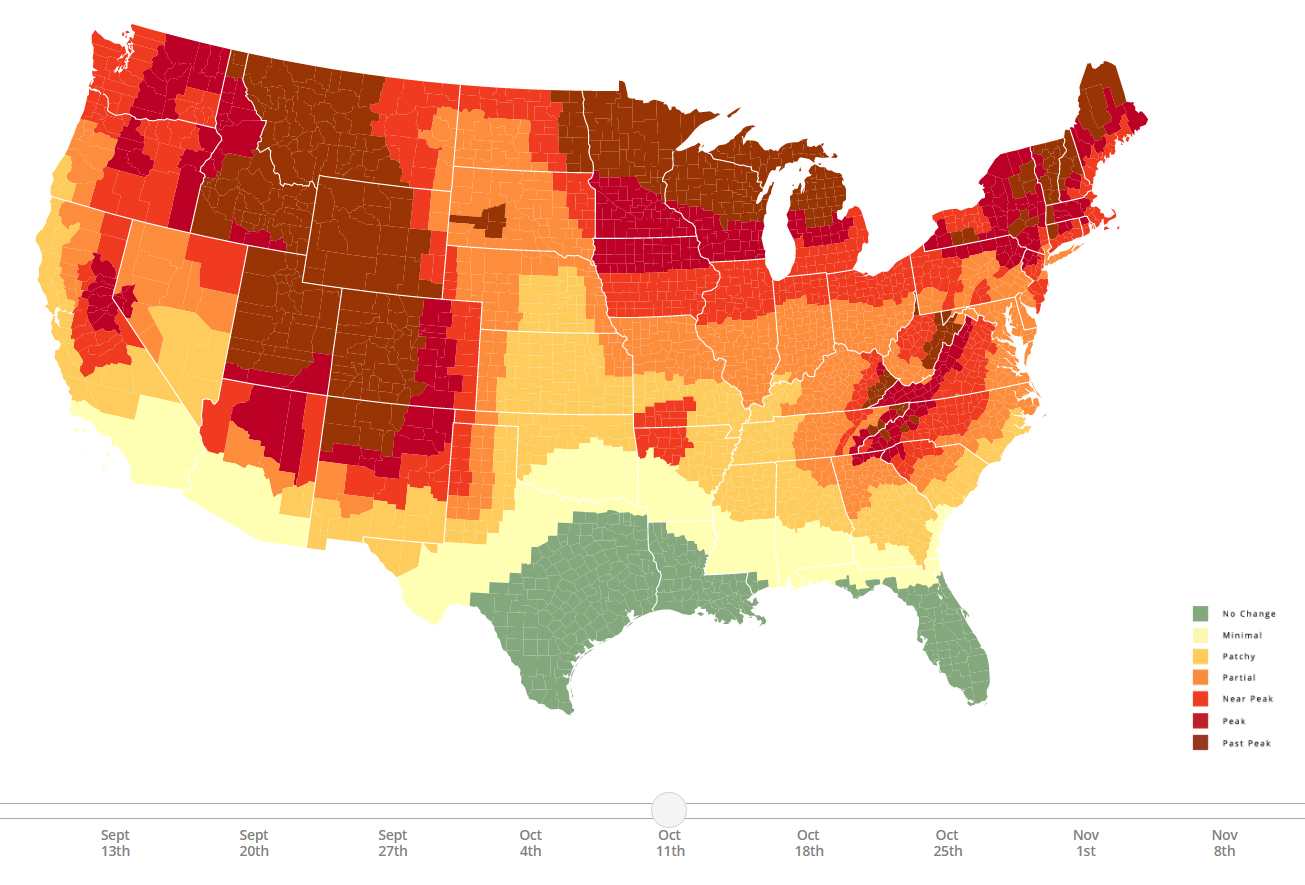


The average temperature this year is 54.23°F degrees, which is the 5th warmest year on record, according to NOAA. This year has also been the wettest year on record with a total of 29.04″ of rain, which will result in a slightly later and brighter fall color season.

North Carolina’s peak season will start toward the beginning of October in the higher elevations and run until the end of October the Piedmont.

According to SmokyMountains.com, colors should be at their peak around October 11th in the mountains and October 18th in Charlotte;

To see the best views in our state, you can browse our list of the ‘Top 10 Best Places To See Fall Colors Around North Carolina‘.

How to Get a Good Gaming Site

0

Introduction 

Online gaming is one of the most interesting online activities. You can play these online games for fun or to generate money. Note that you can play the games online or buy them for an offline experience. Today, millions of sites offer these games, and you need to choose the best. Some of these sites are designed because of the increasing number of people using them. Everyone can access online sites, and you must be careful which one you use. You should think of your security and the types of games they offer. If you are interested in playing online games like the philippines online sabong, look at the following things to find a good online gaming site.  

  • Types Of Games Offered

You must consider the games offered when choosing a good online gaming site. It is possible to find suitable games if you have an idea of what you like. If you have been playing these online games for a long time, you will have the experience of choosing a good site with the best games. But if it’s your first time playing these games, you can try different games to find the best that fits your needs. Some sites offer free games, which can help you make the comparison. You can have the top five games after trying the different types of games provided. 

  • Know More About The Gaming Site  

Before you choose these sites, you must understand some basic things about them. The first thing you should know is the quality of customer support services. When playing these games, you might face problems that will need an immediate solution. Some sites will provide contacts and email addresses that can be used in contacting these customer service providers. Another thing you should look at is the quality of the servicesyou will find when using these sites. A quality site will provide all the information about them on the homepage. You can also find more information from reputable online review sites.  

  • Can You Afford To Use The Site?  

Ask yourself if you can pay for the game or afford to use these sites. Note that there are costs that are involved when using these gaming sites. Ask how much you will pay to play premium games on these sites. As mentioned, there are free games that are primarily designed for beginners. You can play these games for more experience and later buy a good video game for additional income. Therefore, you should consider your budget when looking for these online video gaming sites.  

  • Seek Referrals 

The easiest way of getting an excellent online video gaming site is by asking questions. So many people playing video games can tell you how to find the best results. With their experience, they can give you a list of sites that can provide the best games. At the same time, you can also read the comments of the experts that have used these sites. All you need is to get a good idea about a good online video gaming site.  

Conclusion 

If you are playing these games for money, you should consider getting a site that offers quality deposit and withdrawal services. There are millions of online video games, such as philippines online sabong,that you can play for a better experience. You can also opt to buy these video games at an affordable price. But you need to check if the features of the video games match the features of the gaming device you are using. If you look at the above things, you can get the best online video gaming sites that fit your needs.  

Investing in the iGaming field is still largely unregulated

0

The global online gambling industry has been moving towards regulation and licensing at pace over the past few years with no signs of this shift slowing down. Despite this, getting in on the action and launching successful operator and supplier businesses is still relatively easy. 

While regulation and licensing bring challenges, especially in markets such as Europe and the USA where rules are incredibly stringent, it sets out the standards businesses are expected to follow while also ensuring that players are protected at all times. 

This provides a very strong foundation for companies to launch successful businesses that are sustainable in the long term. Of course, there are some markets that have embraced regulation and licensing but are far more welcoming of new businesses than others. 

These jurisdictions, such as Latin America, Africa and India, understand the need to bring in regulatory frameworks to protect players while balancing this with providing an environment where companies can enter the market and thrive. 

Regulation-lite markets that provide big opportunities 

Latin America has the potential to be one of the largest online gambling markets in the world. The regulatory status of online gambling varies across the region, with some countries such as Ecuador currently banning all forms of gambling.  

Other countries like Brazil and Mexico have proposed legislation to legalize online gambling under consideration, while Argentina (Buenos Aires) and Colombia are already live with regulated, licensed online gambling.  

These are both large markets, with Argentina’s online gaming and betting sector estimated to generate $2.4bn in revenues each year. In Colombia, online gross gaming revenue has increased gradually from when the market opened in 2018 to around $300m today. 

Africa is another continent with plenty of potential. Again, there is a real mix of countries that have regulated, those that are regulating and those that are currently somewhere in the middle. All eyes are currently on markets including Congo Brazzaville and Chad.

India is another market worth mentioning. Broadly, there are no laws that prohibit online gambling in India, however, there are a few states that have brought in specific laws to ban it. This should not deter companies from targeting India, with the market set to be worth around $2bn by 2026. 

To license or not to license

One of the most important aspects companies will have to consider is whether to focus on regulated markets where they will need to obtain a license in order to operate, or whether they focus on regulating or yet to regulate (grey) markets that do not require a license. 

So long as there are no laws in place that specifically prohibit online gambling, operating in grey markets is not illegal. For example, there are many big-name brands from Europe that are already accepting players in Mexico and India. 

This allows operators to drive brand awareness among players in the country, build sizable, active audiences and generate revenues. If and when the country then adopts regulation and licensing, they can apply for a license to continue to operate in the market. 

This does come with a word of warning, however. Take the Netherlands, for example. This was a grey market for a long time until the country embraced regulation for online gambling. 

Operators that had been active in the market were told to withdraw ahead of the regulatory framework coming into force and were also hit with a cooling-off period of two years and nine months before they could apply for a license. 

This meant that some of the biggest brands that had been in the market had to wait to apply for a permit to continue accepting players from the Netherlands while other brands were able to secure a license and go live as soon as the regulated market opened. 

What it takes to get up and running in the iGaming industry 

Launching a successful online gambling business requires research, knowledge, experience, investment and a powerful platform from which to run your sportsbook and/or casino. 

The best way to get started is to attend industry conferences and meet with experts, technology providers, regulators and industry insiders. There are a huge number of expos on the calendar, with many focusing on specific regions and even individual markets. 

While at these conferences, it is worth sitting in on some of the presentations and panels that take place. They often include industry thought leaders who share their experiences and lessons learned – this is invaluable insight and advice that you can use as a guide for your business. 

Once you have identified a country you wish to target, it is vital to gain a comprehensive understanding of that market. This includes legal, cultural, and infrastructural as well as player preferences and unique market quirks. 

The best way to do this is to put boots on the ground in that country and sit down with those that have experience in the market. Third-party technology companies such as a turnkey gambling software provider are ideal for this. 

Initial investments and ongoing costs

There are several key areas of investment required when launching an iGaming business. These can be broken down into: 

Market research: you will need to invest resources and time into understanding the market or markets you wish to target.

Legal advice: it’s always best to have an expert help you understand the laws and rules in each jurisdiction to ensure your activity complies with any national or local laws. 

Building your team: assembling a team of experts to run the business will be a vital part of your success. Local knowledge and experience will be vital. 

Technology: whether you chose to develop your own proprietary platform or white label a solution, a significant investment in technology will be required. 

Marketing: driving brand awareness is a complex undertaking and will be one of the biggest costs moving forwards. There are options for all budgets, from expensive above-the-line campaigns to cost-effective performance marketing and paid media. 

Once the initial investment has been made in establishing the business, building the team, accessing a platform and technology stack and launching your brand, ongoing costs drop and investment is more focused on developing your product and growing your brand value. 

Do it yourself or outsource

The biggest decision for someone investing in the iGaming industry for the first time will be just how much they do in-house and just how much they outsource. 

Some of the world’s biggest gambling brands own their own platforms, technologies and game studios, but in reality, these are multi-billion-dollar, publicly listed companies with almost unlimited resources available to them. 

For smaller organizations entering the fray, outsourcing key areas of operation such as platform, trading, payments, CRM and even performance marketing can streamline costs while still allowing you to build a sizeable and successful business. 

Some of the most popular online gambling brands in the world are run from white-label platforms. This includes PlayOJO and Fitzdares.  

What you can do with a lot of money

Online gambling is a multi-billion-dollar industry, and some companies have frankly massive budgets to play with. This allows them to develop their own platforms and technologies, and push boundaries by bringing new innovations to market. 

Those with deep pockets can also buy instead of build, allowing them to acquire bolt-on companies to drive scale and continue to improve the product and experience they offer players. It is these businesses that are able to attract top talent (and pay them the big bucks). 

Those with a lot of money can advertise extensively, including via costly TV and radio campaigns. Again, it is often these brands that dominate the airways, billboards, websites and magazine pages in the markets they target. Many also sign celebrity endorsement and ambassador deals. 

That said, this is an industry where spending smart and not necessarily spending big allows even smaller companies to grow and succeed in the long term. 

Defining success

With any business, it is important to set goals and define success. This will be different for each company and depend on the extent of its ambitions and the investment it is willing or able to make in order to meet these targets. 

As mentioned, it is easier to succeed in some markets than in others, and newly regulated/regulation jurisdictions in Latin America, Africa and Asia should be a focus for new players entering the sector. 

The possibilities are endless 

The global iGaming industry is one that offers no end of possibilities and that is why it continues to attract new companies and investment. The move to regulation and licensing is a good thing, growing the scale and scope of the entire sector. 

This transition period is one that investors and new businesses should look to capitalise on now. It really doesn’t take much to learn about a market, find a technology partner, launch and brand and begin marketing it to players. 

Those that seize the opportunities on the table now will undoubtedly be the ones cashing in their chips having won big a few years down the road.

How Wire Baskets are Made

0

As the industry has developed, so too has the way we manufacture products. With new technologies and methods come new efficiencies and possibilities. Let’s take a look at how wire baskets are made and the various manufacturing techniques involved. Whether you’re a business owner interested in outsourcing your basket-making or simply curious about how your favorite wire baskets are created, read on for an inside look at this fascinating process!

The different types of wire baskets and their manufacturing process

Wire baskets come in all shapes and sizes, from the small baskets used to hold fruit and vegetables in the kitchen to the large laundry baskets used to transport dirty clothes. But how are these baskets made? The manufacturing process begins with a roll of wire, which is fed through a series of dies that give it the desired shape. The wire is then cut to length and welded at the seams. Finally, the basket is powder coated for durability and safety. This process results in a wide variety of wire baskets that can be used for a variety of purposes. Whether you need a place to store your fruits and vegetables or a way to transport your laundry, there’s a wire basket that’s perfect for the job.

The machines used to make wire baskets

While wire baskets may seem like simple objects, the manufacturing process for them is actually quite complex. First, metal wire is cut to the desired length using metal laser cutting. The laser cutter uses a high-powered laser to heat the metal, melting it so that it can be cut cleanly and precisely. Next, the wire is formed into the desired shape using a series of machines that bend and weld it into place. Finally, any sharp edges are smoothed and the basket is given a coating of paint or powder before it is sent out for sale. As you can see, there is a lot that goes into making something as seemingly simple as a wire basket!

The workers who operate the machines

The workers who operate the machines for making wire baskets are usually highly skilled and experienced. They must be able to set up and adjust the machines, as well as monitor the production process. In addition, they must be able to troubleshoot any problems that may arise. Wire basket manufacturers typically hire workers with a high school diploma or equivalent. Some manufacturers may also require their workers to have completed an apprenticeship or have some experience in manufacturing. 

How the finished baskets are inspected for quality control

The baskets are first gathered from the line and taken to the quality control room. There, each basket is looked over for any defects. The workers look for any loose wires, imperfections in the shape, and inconsistencies in the size. If a basket is defective, it is set aside to be fixed. The workers also keep an eye out for any signs of wear and tear, as these can affect the strength and durability of the basket. Once a basket has passed inspection, it is given a stamp of approval and sent on to be packaged for shipping. Quality control is an important step in ensuring that only the best products are sent out to customers. By taking the time to inspect each basket, the workers in the quality control room help to ensure that wire baskets meet the high standards of quality that customers have come to expect.

The various applications for wire baskets

Wire baskets come in all shapes and sizes and have a wide range of uses. They can be used for storage, as planters, as well as for decoration. They are also often used in the kitchen, as they are great for holding fruits and vegetables. In the bathroom, wire baskets can be used to store toiletries or towels. Wire baskets are even sturdy enough to be used as pet beds. The possibilities are endless when it comes to wire baskets. Their versatility makes them one of the most versatile pieces of home decor.

Why they are a popular choice for storage and organization

Storage baskets come in all shapes and sizes, but wire baskets are a popular choice for many people. One reason for this is that they offer good visibility. When items are stored in a wire basket, it is easy to see what is inside, making it simple to find what you need. Wire baskets also tend to be airy, which helps to prevent items from becoming stale or musty. In addition, they are often more affordable than other storage options, making them a budget-friendly choice. And because they come in a variety of sizes and styles, wire baskets can be used to organize almost any space. Whether you need a place to store shoes in your entryway or want to keep your craft supplies tidy, wire baskets offer an attractive and practical solution.


Columbus McKinnon Moving Their Headquarters From Upstate NY To Charlotte

0

Yet another major company has just announced plans to move their headquarters to the Queen City.

Motion solutions manufacturer Columbus McKinnon just announced plans to move their corporate headquarters from Upstate New York to Charlotte, the same week the ACC made a similar announcement.

In an interview with Buffalo News, Columbus McKinnon CEO David Wilson said the shift to North Carolina will put their headquarters closer to the majority of their customers, manufacturing facilities, and employees (they currently employ about 3,400 people).

He also noted the move will help with their goal of growing their revenue to $1.5 billion within the next 5 years – compared to $650 million in 2021.

What do you think about the move?