
Duke Energy Building First Solar Power Plant On Landfill

0

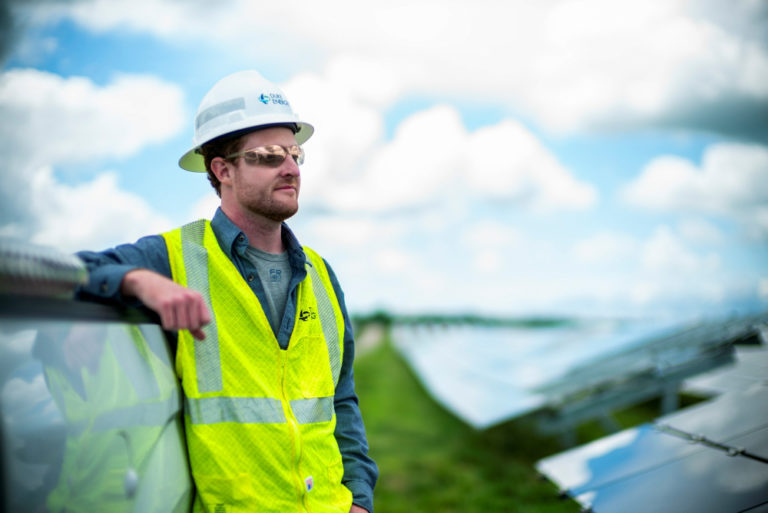
Duke Energy and Buncombe County have just agreed to team up to build the state’s first solar power plant on a retired landfill in the town of Woodfin, North Carolina.

The power company will own and operate the 5-megawatt solar power plant located on the old landfill – near Interstate 26 and the French Broad River, and will help meet the county’s 2030 renewable energy goals.

“Working with local communities is critical to advancing our clean energy plan,” said Stephen De May, Duke Energy’s North Carolina president. “This project is an innovative example of how to creatively repurpose land to advance community goals.”

The plant is expected to come online in the second half of 2021 and will produce enough energy annually to power about 1,000 homes and businesses.

“We are excited to see the solar farm on the county’s retired landfill moving forward. This is a great way to make productive use of land that cannot be used for many other purposes while helping the county meet its goal of using 100% renewable energy by 2030,” notes Board of Commission Chairman Brownie Newman. 

Sourcing its renewables from local generation was identified as a top priority during the county’s renewable energy community engagement process. This project will allow the county to reach nearly 20% of its renewable goal with locally sourced clean energy.  

Background

The landfill stopped operating in 1996. To avoid disturbing the ground covering, the solar racking system will be built on concrete blocks instead of being anchored into the ground. Underground cabling will be kept to a minimum. Check out video footage of the site.

The project will be located on 25 acres and will be connected to the Duke Energy power grid. Under a 25-year agreement, the county will lease the land to Duke Energy. For Buncombe County to include the solar power generated toward its 100% renewable energy goal, it will own the Renewable Energy Certificates (REC) from the Duke Energy power plant to offset the energy used from the county’s operations.

The solar project is just one of many Duke Energy investments in the region. The company recently finished construction of the $817 million Asheville Combined Cycle Station, which became fully operational April 5, 2020. The new station replaced a 344-megawatt two-unit coal plant at the Asheville site, which retired on Jan. 29, 2020.

The company’s efforts in the region also include increased participation in energy efficiency and conservation programs to reduce energy usage, a battery storage project in Asheville and a solar and battery microgrid system in neighboring Madison County.

More details about the landfill solar plant are in the company’s filing with the North Carolina Utilities Commission.
North Carolina Poultry Factory Farms Threatening Minority Communities At Increasing Rate

0

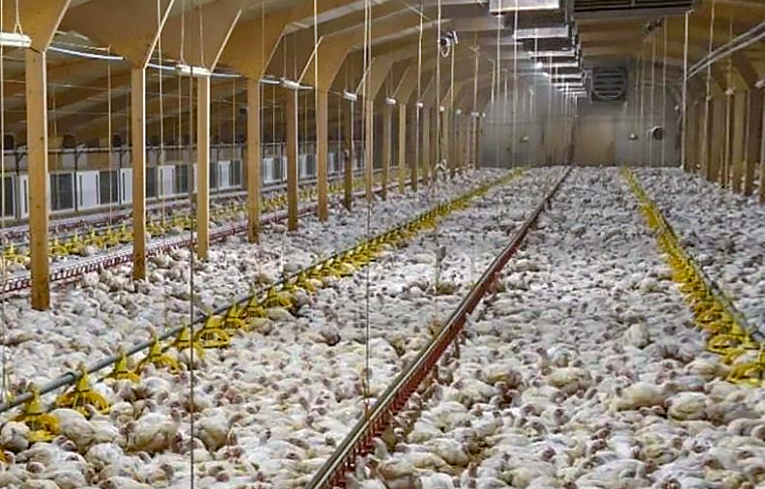
Three eastern North Carolina counties now live with 30 million more chickens and turkeys than they did eight years ago, according to a new investigation by the Environmental Working Group and Waterkeeper Alliance.

The groups’ report and map show that, from 2012 to 2019, the estimated number of chickens and turkeys in North Carolina’s Duplin, Sampson and Robeson counties swelled from 83 million to 113 million, a 36 percent increase. This is more than twice the rate of growth in the state’s other 97 counties.

The growing population of chickens and turkeys in the three counties could produce one million tons of waste each year – almost a fifth of all estimated poultry waste statewide. That is 4,500 times the weight of the Statue of Liberty.

“North Carolina’s poultry industry is running amok,” said Soren Rundquist, EWG’s director of spatial analysis and one of the report’s authors. “The reckless growth of poultry operations, especially in the same three counties that already housed more than half of the swine in the entire state, is alarming.”

In the 2010 census, 57 percent of residents of the three counties identified as Black, American Indian or Alaska Native, or one of several other non-white categories – almost twice the state average. Thirty-eight percent of Robeson County residents identified as American Indian, the highest proportion in the state. Duplin County was nearly 21 percent Hispanic or Latino, the highest share in the state, and Sampson County was third, with about 17 percent.

“The unchecked growth of poultry operations in North Carolina comes with a steep cost for the state’s Black, Native American and Latino people,” said Will Hendrick, Waterkeeper Alliance senior attorney. “Yet state policy makers continue to abdicate their responsibility to manage the meat industry and its impacts on residents’ water, air and quality of life.”

The report’s interactive map, updated since its original publication in 2016, shows the location of every industrial swine and poultry operation in the state, with details about the number of animals and estimated amount of waste they could potentially produce each year.

Statewide, the number of chickens and turkeys increased by 90 million birds since 2012, meaning one in three of all birds added were in Duplin, Sampson or Robeson county. North Carolina’s more than 4,800 concentrated animal feeding operations, or CAFOs, now hold more than 538 million chickens and turkeys that could produce over 5 million tons of manure each year. That’s on top of 8.7 million hogs potentially generating 9.2 billion gallons of liquified waste and sludge a year.

None of North Carolina’s hog or poultry waste is treated. Poultry waste is stored in piles, and swine waste is often pumped into enormous open-air pits.

The state has known for years that the risks of living near swine CAFOs are disproportionately borne by Black, Native American and Latino residents. In 2017, an Environmental Protection Agency review of a civil rights suit that alleged discriminatory impacts of state permitting of hog operations led the agency to express “deep concern” about discrimination against North Carolina’s African Americans, Native Americans and Latinos.

The suit was settled in 2018, and the number of hog CAFOs has held roughly stable. Meanwhile, the state has allowed the poultry industry to add one operation after another, with almost no regulatory oversight, in the same counties already most affected by hog operations.

“The massive growth of poultry operations in the Lumber River Watershed over the last two years has been devastating,” said Jefferson Currie II, the Lumber Riverkeeper and a member of the Lumbee Tribe of North Carolina, most of whom live in Robeson County. “All this is made worse by the fact that many of these CAFOs are in floodplains, putting vulnerable Native communities at even greater risk.”

Thousands of CAFOs are located in the state’s coastal plain, which is vulnerable to hurricanes and other severe storms. Numerous facilities were overcome by flood waters during and after hurricanes Matthew and Florence.

North Carolina Sees The Highest 1-Day Total of COVID-19 Deaths and Hospitalizations

0

The NC Department of Health and Human Services has just reported the largest 1-day increase in the number of deaths caused by COVID-19 and the highest number of COVID-19 patients currently hospitalized across our state.



Over the past 24 hours, a total of 45 COVID-19 deaths were reported, increasing the total number of COVID-19 deaths in our state to 1,865. There are also now 1,291 people currently hospitalized with the COVID-19 disease, 52 more than yesterday.

Here is the complete data set for COVID-19 in North Carolina:

Please be sure to wear a face mask whenever you are in public and to wash your hands and use hand sanitizer often.

Charlotte Film Society Plans To Open New Non-Profit Community Cinema

0
The Charlotte Film Society has signed a letter of intent with Flywheel Group, LLC, and has begun a fundraising campaign to open a 3-screen non-profit arthouse community cinema with an anticipated opening in 2021. The community cinema will serve as the new home for foreign and independent films in Charlotte. In addition, the Charlotte Film Society plans for the community cinema to be a resource for local and regional filmmakers, a space for local film festivals, and an educational and cultural film hub for the Charlotte community.


The closing down of the Manor Theatre, announced May 20th, left a huge gap in foreign and independent film exhibition in Charlotte. The Manor was the destination for arthouse films in the Queen City for over 30 of its 73 years, and housed the Charlotte Film Society for over 20 years. The Manor’s demise came on the heels of the closing of Park Terrace and Ballantyne Village cinemas, which both shut down within the last 27 months. According to retired Charlotte Observer movie critic Lawrence Toppman, Charlotte is the largest U.S. city without a theater devoted to non-mainstream movies. Toppman states, “We’re rightly proud of our culture, from the symphony to the ballet to the opera,” he says. “But without an alternative movie house, they’re like a beautiful smile that’s missing a tooth.”
The Charlotte Film Society believes it is important and necessary for Charlotte to have a dedicated community arthouse cinema.
“The closing of the Manor and other arthouse cinemas in Charlotte has left a cinematic void in this city,” says Jay Morong, Senior Lecturer of Theatre & Film at UNC Charlotte and Program Director of the Charlotte Film Society. “As a programmer, I believe that a city as diverse and artistically vibrant as Charlotte needs a cinematic home for foreign and independent films, and a home for films that paint outside the traditional Hollywood lines. I am excited at the prospect of creating a cinema and bringing films that speak with, and to, all parts of the Charlotte community, and having a truly independent non-profit community cinema allows us to do just that … to speak and engage with Charlotte through cinema.”
Brad Ritter, Charlotte Film Society Board President and longtime General Manager of the Manor Theatre, adds “The new Charlotte Film Society Community Cinema will act as the cultural centerpiece for all community film organizations in Charlotte and the surrounding areas. We will offer the same great film programming that the Manor had, and by adding the third screening room we will have the flexibility to expand upon the Manor model. Being a 501(c)(3) non-profit, we will be able to provide an affordable space to other local film organizations and we will also expand the educational component of our programming.”
The new Charlotte Film Society Community Cinema will be in an ideal location, in the Trailhead Arts District adjacent to the Sugar Creek stop on the LYNX Blue Line. The Trailhead district is poised to become an important and vibrant arts destination, and the new cinema will be an important component of arts offerings in the area.
Charlotte Film Society Board Member Angel Truesdale, who was born and raised Charlotte, says
“We need more community art spaces, and as Charlotte rapidly increases development, it’s important that we nurture our diverse population. This community cinema will be operated as a non-profit, with local management and, most importantly, with a mission to screen representations in the spectrum of experiences that make up our beautiful city.”
In its initial fundraising goal, the Charlotte Film Society hopes to receive community support and investment of $150,000 to purchase projection equipment and begin the construction of the new cinema space. More information about the fundraising campaign can be found at charity.gofundme.com/charlotte-community-cinema.

Governor Cooper Signs New Executive Order To Limit Alcohol Sales During Pandemic

0

As COVID-19 continue to increase across our state, our leaders have begun to take new steps to slow the spread.


Governor Cooper just enacted one such measure by signing Executive Order 153  “RESTRICTING LATE NIGHT SERVICE OF ALCOHOLIC BEVERAGES”. This makes sense since the country has seen an increase in DUI’s all across.

The new order essentially forbids the sale of alcoholic drinks in restaurants, breweries, wineries, and distilleries anytime after 11 pm, and will take effect on Friday, July 31.

“Slowing the spread of this virus requires targeted strategies that help lower the risk of transmission,” said Governor Cooper. “This will be particularly important as colleges and universities are scheduled to start, bringing people all over the country to our state. We have seen case numbers increase among younger people, and prevention is critical to slowing the spread of the virus.”

What do you think about the new order?

President Trump Announced He Will Now Hold RNC Acceptance Speech in North Carolina

0

President Trump just announced that he will be accepting the Republican presidential nomination here in North Carolina.


“I’ll be in North Carolina, and that’s a very big deal because we have a lot of the delegates there and that’ll be a nomination process,” Trump told Raleigh’s WRAL in an interview last week. “That’s essentially where the nomination, where it’s formalized. And I’m really honored to do it in North Carolina.”

Trump noted that the exact location of his upcoming acceptance speech will be announced sometime this week.

Last month, the president pulled the Republican National Convention from Charlotte after demanding that Governor Roy Cooper guarantee that the Spectrum Center would have 100% occupancy during his speech. The RNC was then moved to Jacksonville, FL, but after case numbers rose dramatically in that state, the president said he would no longer hold the event there.

As of this morning, neither the RNC, nor the president have talked to the Spectrum Center, The Bank of America Stadium, Truist Field, or Bojangles Coliseum about hosting a speech next month.

The City of Charlotte does still have an agreement in place with the RNC to host a scaled down business meeting in Uptown.

We will update this article as soon as the location for President Trump’s speech is announced.

First Wild Elk Spotted in South Carolina Since The 1700s

0

elk in south carolinaFor the first time in more than 200 years, a wild elk was seen roaming South Carolina.
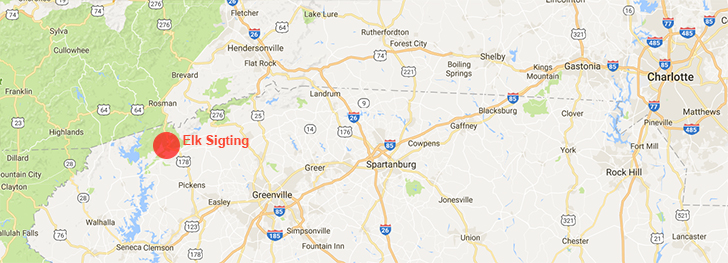
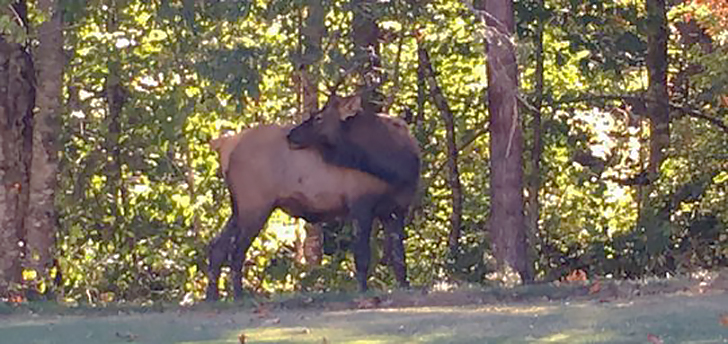
The South Carolina Department of Natural Resources says the elk likely wandered away from its herd around the Great Smoky Mountains Park in North Carolina.

According to a CNN report, the massive creature was spotted on the outskirts of Pickens County, near the NC/SC border:

south-carolina-elk-sighting

South Carolina’s Department of Natural Resources is now warning people not to approach the animal if spotted due to it’s often violent tendencies when scared or defensive.

bull-elk-in-south-carolina

Biologists have stated that they expect the young bull elk to return to its herd in the Smokey Mountains after it realizes there are no female elk in South Carolina.

Burnout Symptoms Worsening for Charlotte Workers Due to Lockdown, Study Finds

0

Key mental health markers such as stress, anxiety, and frustration are worsening due to the ongoing health crisis, with workforces in Boston and San Francisco suffering the most, reveals new research.
Telecommunications provider TFF surveyed 2,000 Americans how burnout and its common symptoms have been impacted by the health crisis, before investigating how that has impacted workers across 14 major US cities.

The data reveals that mental health of workers in Charlotte has been affected, with 50% saying their levels of anxiety have increased and 45% saying their quality of sleep.

Other findings include:

  • 48% of Charlotte workers said their levels of stress worsened
  • 50% said their frustration increased
  • Overall, 37% of US workers feel their organization isn’t doing enough to support them through the crisis

You can read more about the research HERE.

NC Officials Urge Residents To Report Any Unsolicited Seed Deliveries From China

0

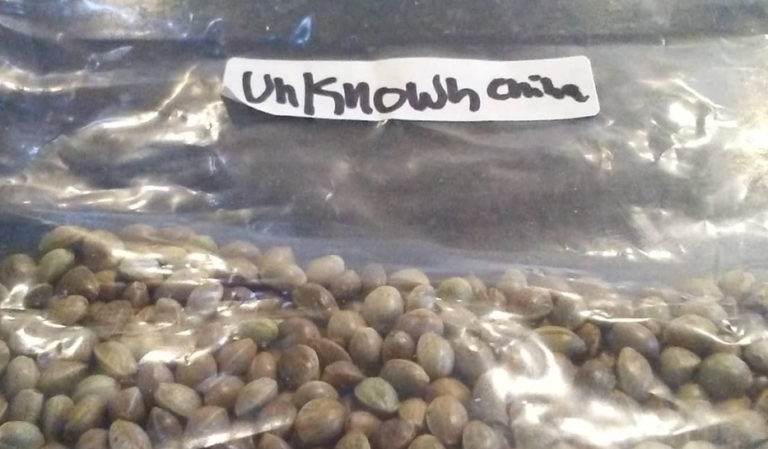
If you receive seeds in the mail that you did not order, please do not plant them.
The North Carolina Department of Agriculture and Consumer Services (NCDA&CS) has just issued a statement warning North Carolinians about a new internet scam known as “brushing”.

The statement notes that “international shipment of plant material is unlawful and NCDA&CS asks anyone who received one of these unsolicited foreign shipments to save the contents along with all shipping labels and contact the Plant Industry Division toll free at 800-206-9333”.

Officials say that planting unsolicited seeds could cause the introduction of an invasive species, or an unknown diseases that could kill local plants, harm livestock or threaten our environment.


UPDATE: Hurricane Isaias Now Expected To Make Initial Landfall in North Carolina

0

Update July 31st, 8:15am: 

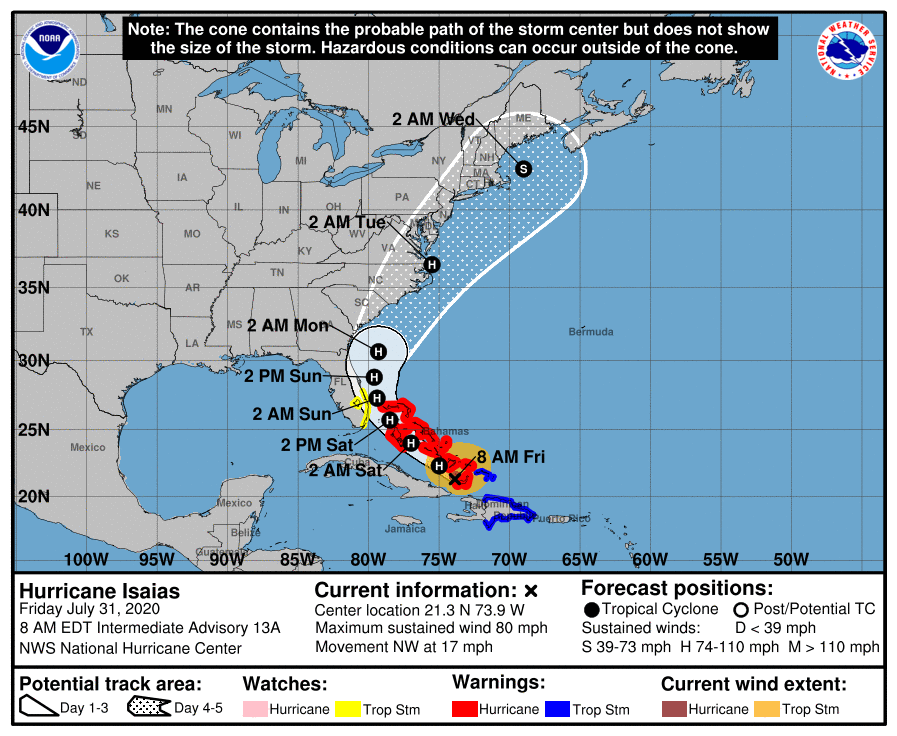
Tropical Storm Isaias was upgraded to Hurricane Isaias last night after max sustained winds of 80+ mph were recorded.

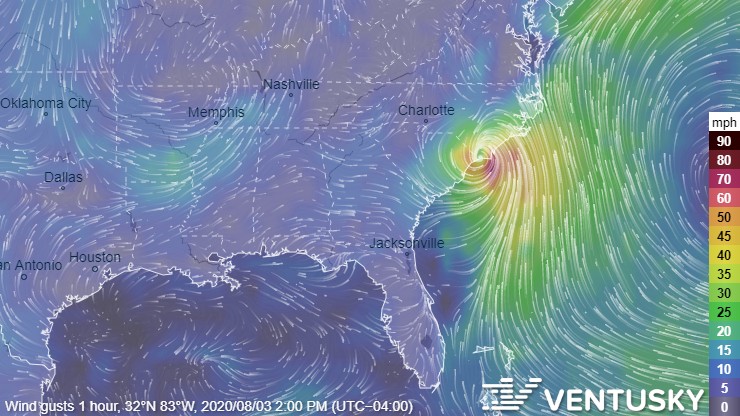
The storm is now expected to continue to strengthen as it sweeps just outside the Eastern coast of Florida:

It’s now expected to make initial landfall near the North Carolina/South Carolina boarder Monday just after noon:

Update July 30th, 11:55am: 

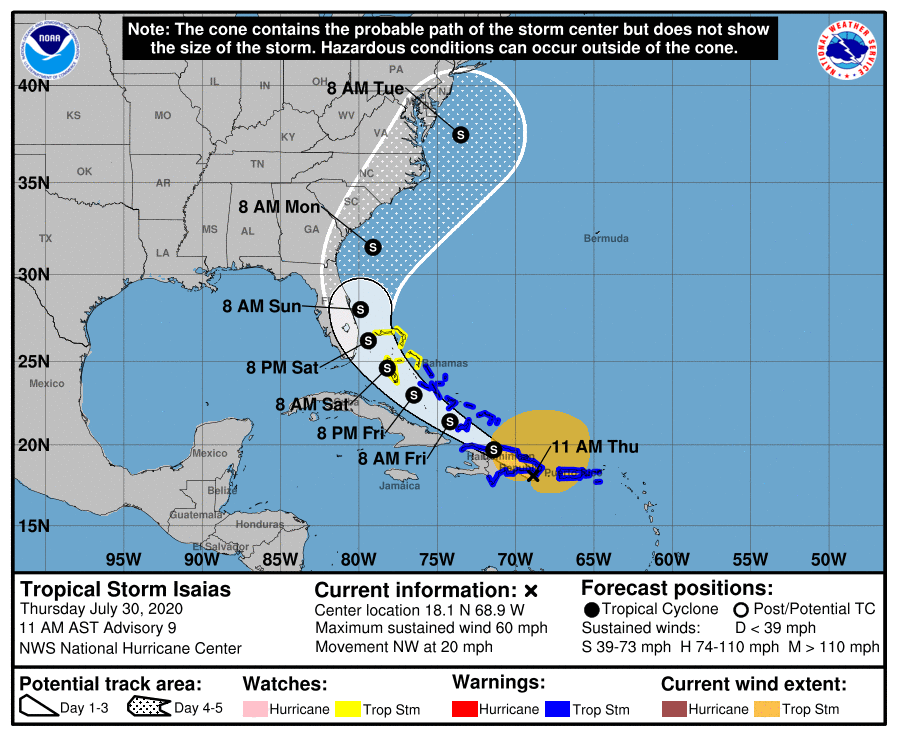
Tropical Storm Isaias has shifted its course slightly east as it plows through the Caribbean waters.

According to the National Hurricane Center, the storm will sweep across the Eastern seaboard over the next 6 days, with the possibility of landfall in South Carolina or North Carolina this coming Monday:

Original Article July 28th, 11:55am:

A massive tropical disturbance has now been given an 80% chance of strengthening into Tropical Storm Isaias within the next 48 hours.

If the disturbance becomes Isaias, it will be the earliest storm on record to start with an I, with Arthur, Bertha, Cristobal, Dolly, Edouard, Fay, Gonzalo, and Hanna already having rocked the Atlantic so far this year.

Earlier this morning, the National Hurricane Center has just issued a Tropical Storm Warning for the Leeward Islands:

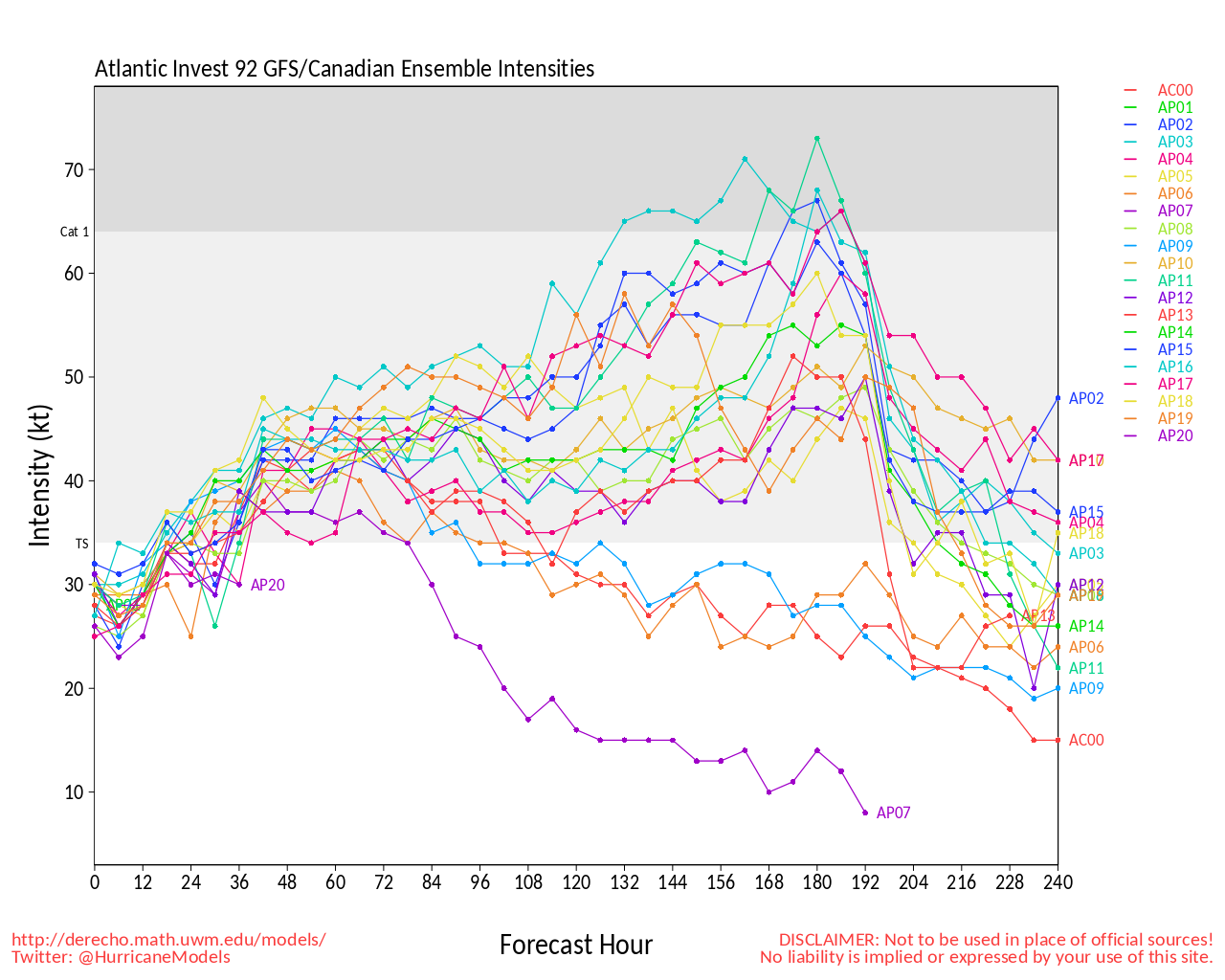
Most models agree the depression will become a tropical storm within the next 24 hours and some even predict the storm to strengthen into a Category 1 hurricane by this weekend:

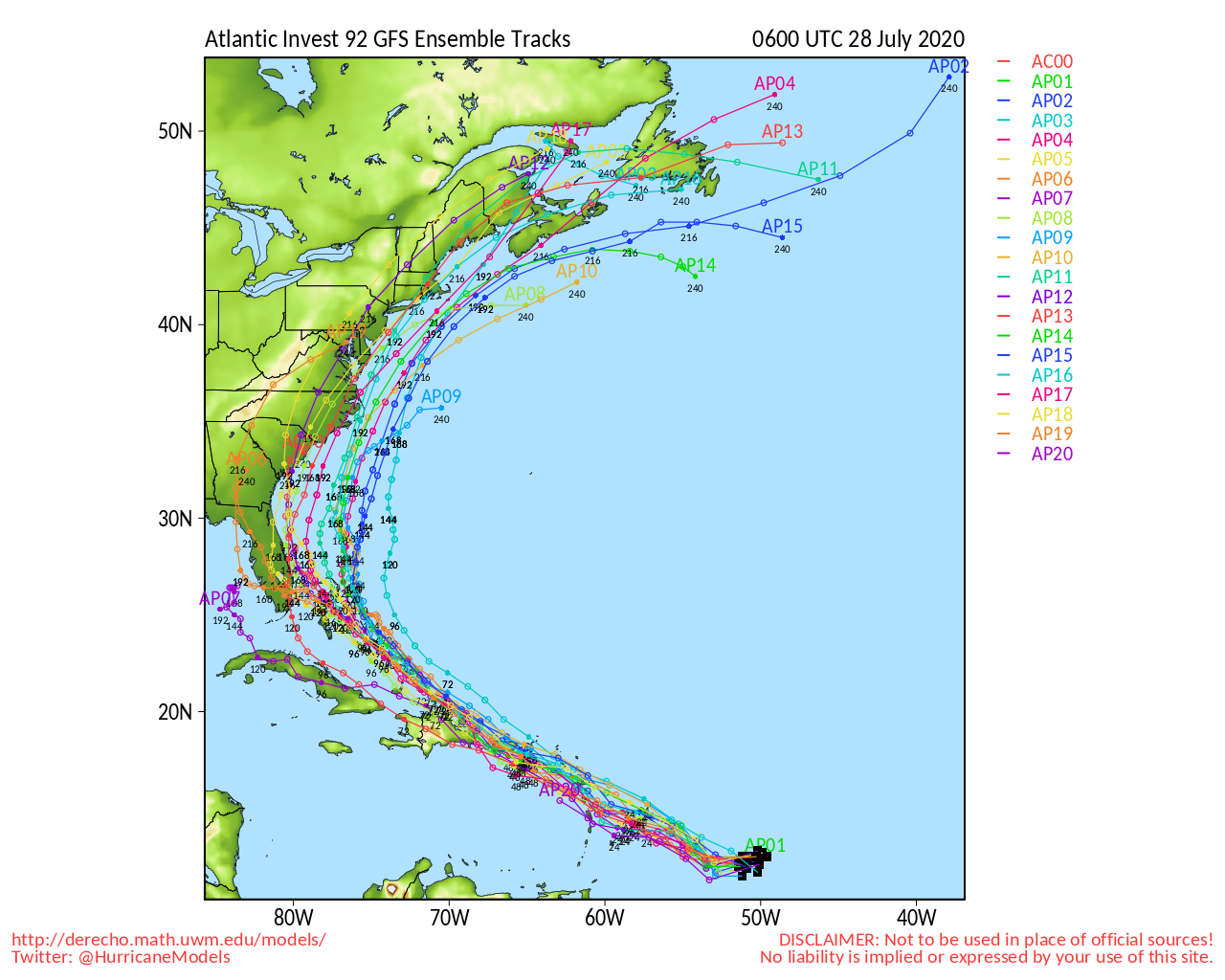
The storm is predicted to sweep through the Caribbean and make landfall in either Florida, South Carolina, or North Carolina:

Whether or not we feel any effects from Isaias, we are now officially in hurricane season for 2020, which runs from June 1st through November 30th.

NWS officials are reminding all residents in Atlantic Coast states to prepare.

In case of a power outage, make sure to have the following emergency items stocked in your home;

We will continue to update this article as this storm develops.