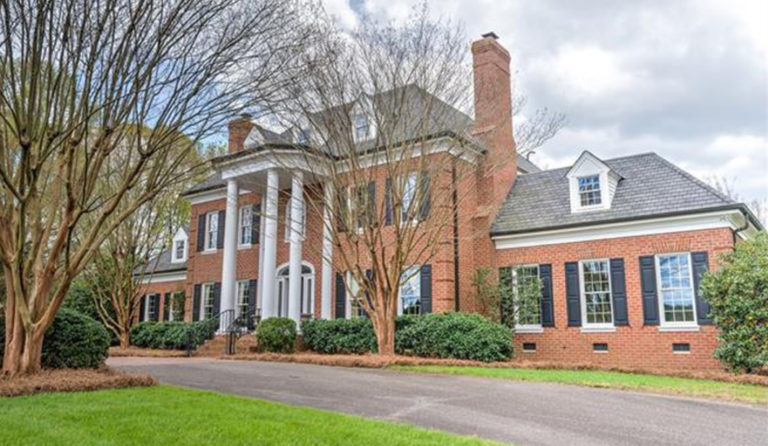
Are you ready to buy your first home but wondering whether you can afford it or even where to start? There’s no question that buying a home is a big step, but it is manageable if you break it down into smaller steps.
Organize Your Finances
There are a lot of upfront costs involved in buying and maintaining a home, so even if you’ve saved up toward a down payment, you should put off purchasing a house until you have several months of emergency savings set aside. You may want to look into ways to reduce or at least simplify your debt before moving forward as well. For example, if you have several student loans that have different rates and term lengths, you might want to consider student loan consolidation. You can do this with either private or federal student loans. For the former, you may be able to consolidate your loans through a private lender and get lower interest rates. For the latter, the U.S. Department of Education offers Direct Consolidation Loans.
Consider Your Needs
Keep in mind that there are alternatives to single-family homes that might suit you better. For example, do you want to buy a condo, a duplex or a townhouse? You should also be sure you understand the difference between elements or features of the home you can change and those you can’t. Redoing a home’s layout could be too costly, but ugly carpet, hideous wallpaper and outdated fixtures can all be easily replaced, however undesirable they may make a house look at first glance. Remember as well that it is not just about the house itself. The yard, the neighborhood and, if you have children, nearby schools should all be taken into account as well.
Consider Your Means
A mortgage pre-approval can give you a realistic idea of what you have to spend on a house, but be careful. There might be situations in which a bank is willing to lend you more than you really should pay. Even if the house does not need any expensive improvements, in addition to the mortgage, you will need to pay property taxes and get homeowners insurance. If there is a homeowner’s association, you will need to pay fees to them. Resist the temptation to buy more house than you can afford. Beware of fixer-uppers unless you already have a lot of home do-it-yourself experience or a lot of money and patience. These can be fun family projects, or they can turn into money-sucking nightmares.
When looking for down payment assistance, it’s important to research and compare programs offered by different organizations and lenders, and to ensure that you meet the eligibility criteria before applying. Check this guide to know more about down payment assistance programs.
Get Help
Look around your area. Some communities offer grants, education and other resources for first-time buyers. Some states offer help with down payments and even renovations. Some programs for first-time buyers require very low down payments or perhaps no down payment at all. A good real estate agent can be invaluable. In addition to helping you locate the kind of home you want; they can assist you with getting a loan, paperwork, making an offer and more. Talk to friends and family members to get a good recommendation.
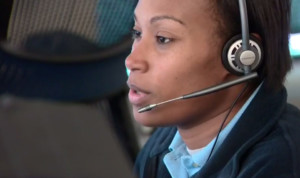
The N.C. Department of Information Technology (NCDIT) announced today its new website aimed at educating K-12 students, school administrators and parents on the dangers of cyberattacks and how best to protect yourself from becoming a victim. Cyberattacks are on the rise as our online presence is growing due to COVID-19 and the increase in remote learning and working.
“Because of COVID-19, we are constantly online, now more than ever. This constant connection to each other through the internet provides more opportunities for bad actors to try and take advantage of us,” said Thomas Parrish, Acting Secretary and State Chief Information Officer for the NCDIT. “Keeping our state’s residents and data safe is a team effort, and we hope this website serves as an educational playbook to form a solid defense.”
CyberSecureNC for Schools and Students is a comprehensive website and educational effort dedicated to helping school administrators, teachers, students and parents with the transition to working and learning remotely and doing it in a safe and cybersecure way The website offers information to help anyone and everyone in learning the basics of cybersecurity, including vocabulary to understand the most commonly used cybersecurity terms and the ABCs of phishing scams. It also includes resources, like the NC 211 Cybercrime Support Hotline and best practices when it comes to remote learning, whether you’re a teacher or a student. This effort is part of CyberSecureNC, the agency’s statewide effort to promote being cybersafe, as well as what to do if you become a victim of a cyberattack.
Cyberattacks are not new to North Carolinians. In 2019, the FBI Internet Crime Complaint Center (IC3) received 8,223 cybercrime reports totaling over $48 million in losses. “The use of IT solutions and online interactions are organic to kids today. Teaching them about online security practices should also be organic. It should be looked at in the same manner as alerting them of strangers or looking both ways when crossing a street,” said Maria Thompson, Chief Risk Officer for the state of North Carolina. “It is so important to educate and educate as early as possible. It’s the best way to help prevent you from becoming a victim.” Thompson leads the state’s Enterprise Security and Risk Management Office (ESRMO) which provides cybersecurity assistance to state, local and educational organizations through partnerships with the N.C. National Guard and the FBI as well as safeguarding and securing the state’s data and networks.
Vice Presidential candidate Kamala Harris just announced plans to come to Charlotte to speak this coming Wednesday, according to a press release we received this morning. She will be traveling to the Queen City on the same day President Trump is planning on holding a massive rally in Gastonia.
Harris was originally scheduled to travel to Charlotte on October 15th, but was forced to cancel her plans after 2 staffers tested positive for COVID-19.
On October 21st, President Trump will fly into the Gastonia Municipal Airport and Senator Harris will fly into the Charlotte Douglas Airport to hold separate speaking engagements just 3 weeks out before the November 3rd election.
Details have not yet been announced where Harris will be speaking on Wednesday.
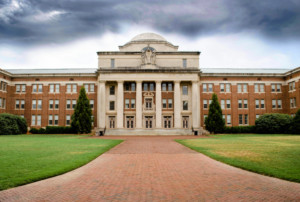
With the first “early decision” college-application deadline looming on Nov. 1 and colleges adapting to the COVID-19 pandemic, the personal-finance website WalletHub today released its 2021’s Best College & University Rankings report.
To help college-bound seniors choose the best schools within their states, WalletHub compared over 1,000 higher-education institutions in the U.S. based on 30 key measures grouped into seven categories, such as Student Selectivity, Cost & Financing and Career Outcomes. The data set ranges from student-faculty ratio to graduation rate to post-attendance median salary.
In North Carolina, they ranked Charlotte’s Queen’s College #9 and Lake Norman’s Davidson College #3.
Top 10 Colleges & Universities in North Carolina
1. Duke University
6. Appalachian State University
2. University of North Carolina-Chapel Hill
7. Elon University
3. Davidson College
8. Salem College
4. North Carolina State University-Raleigh
9. Queens University of Charlotte
5. University of North Carolina-Wilmington
10. Catawba College
With that in mind, here’s a closer look at some of the top schools and how each performed in certain metrics:
School Snapshot: Davidson College (1 = Best; 21 = Average; 42 = Worst):
The business environment is looking bleak for small businesses. Top economists at business schools at Harvard and the University of Illinois are projecting 160,000 small businesses could be closed forever. In Charlotte, an estimated 18% of small businesses have shut down, never to reopen. For those that remain, the going promises to be challenging because of the prevailing financial hardships amongst customers.
Small business owners must change tact to survive and recover from the slowdown. As they figure ways of cutting costs, small businesses must figure ways of keeping revenues flowing in. It means devising ways of attracting new customers while ringfencing old customers. How can small businesses in Charlotte recover from the slowdown and thrive?
Rejuvenating the Old Base
Marketers have a consensus that it costs 5x more to acquire a new customer than it costs to retain an existing one. If you had closed down temporarily during the height of the COVID-19 pandemic, your customers might not be aware that you reopened.
Look at your email lists and shoot an email to each address to remind them you are open for business. Get active on social media again, letting your followers and fans know that you are still in business. It is advisable to get into an immediate sales pitch, but ask on their welfare as if they are valuable friends.
Empathize with Your Customers
The pandemic has left many people feeling isolated. Any emotional connection is highly appreciated. Brands that go out of their way to initiate contact with their customers build trust capital. Take the time to know how your customers are faring and how your business can alleviate their problems.
Empathizing involves making your customers feel your brand is honest and transparent. If a delivery gets delayed, take the time to explain the delay. It would help if you also made amends for mistakes. A discount on the next purchase or a free sample can soothe raw feelings.
Rethink Promotion Channels
Cash constraints demand that you cut costs across the board, even in marketing. Some of the more costly tactics include product launches, galas, PR events, and cocktail meet-and-greets. These channels have low rates of returns.
Think of promotion channels that resonate with your customers while affording your business lower costs. Social media analytics are good at providing these insights. Is Customer X a fan of Borgata online casino? Incentivize with a full month’s internet connection voucher for flawless play.
Leverage Digital Marketing
Leveraging digital marketing can help your business reach a wider audience at low costs. Social media marketing is a handy tool for a small business. Facebook ads, for example, allow highly accurate targeting according to demographics, geographical location, hobbies, income, and marital status among other targeting options. Investing a few hundred dollars in such highly targeted marketing has higher returns than conventional tactics such as PR events.
Revamp Your Social Media
Maintaining an active social media presence is very useful in promoting brand awareness and familiarity. It is necessary to keep posting new, informative and relevant content. A thoughtful social media content generation strategy can help grow your audience and keep them engaged.
A robust social media presence demands being active on social media platforms that resonate with your audience. If your largest target market is retirees, they will be comfortable. A millennial target market will be more engaged in watching viral videos of your staff doing the latest #challenge.
Raid the Neighbors
While it may seem callous, you could ask a competitor who has closed to provide you with his/her customer contacts. Some will say no, but for those who agree, this is a straightforward and cheap way of acquiring new customers.
Are you worried about your business in these tough times? It is paramount you figure out how to grow and maintain a customer base. These tips will give you a head start and keep you thriving.
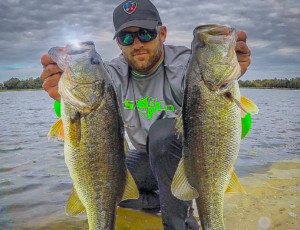
The Carolinas Bass Challenge (CBC) Classic will be held October 23-24 on Lake Norman. The Classic is Carolina Bass Challenge’s championship event and over 300+ anglers are expected to launch out of Blythe Landing. This is the first time Lake Norman has hosted the Classic since 2016 and is part of a three-year host agreement between Visit Lake Norman and CBC. Lake Norman will also host a CBC Qualifier event in 2021 and 2022.
The CBC tournament trail has quickly emerged as one of the premier bass fishing tournament trails in the Carolinas. A minimum of $8,000 is guaranteed for first place at each qualifier event and $50,000 for first place at the Classic. An additional $10,000 is available to the top finishing Skeeter/Yamaha owners that participate in all CBC events. The angler must be the registered owner of the boat and must be fishing the CBC event in their Skeeter/Yamaha boat package to qualify for the bonus money.
The CBC is made possible by Foothills Marine of Morganton, NC, Marshalls Marine of Lake City, SC, Skeeter Boats and Yamaha Outboards.
While the event does not mention masks or social distancing, North Carolina is still in Phase 3 restrictions. According to Executive Order 147, people must continue to wear cloth coverings over their mouth and nose when in public places where physical distancing is not possible.
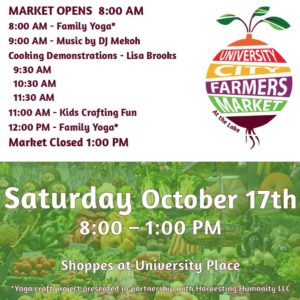
This weekend the University City Partners will be hosting their third Farmer’s Market of the month around the lake at Shoppes at University Place.
The market will be open tomorrow from 8am – 1pm.
This weekend they will be featuring the incredibly talented DJ Mikoh – one of the youngest DJs Charlotte has ever seen, who performed his first official gig on this past Spring for his 4th Grade graduation on Zoom.
The only farmers market in University City, shoppers will find fresh local produce, food preparation programs and live entertainment. The Market will open every Saturday in October from 8 a.m. to 1 p.m. Vendors will include some of Charlotte’s best local farmers, artisanal food makers and pop-up chefs.
“We are delighted to offer a first-class farmers market for our community of more than 175,000 residents,” said Darlene Heater, Executive Director of University City Partners. “We asked them what they’d like to see more of in University City and a community market, as well as more programs, were top priorities. It being at the lake, the town center, makes it highly accessible and set against a gorgeous backdrop. It’s going to be something special.”
University City Farmers Market will support local farmers and entrepreneurs. The farmers selected use organic practices to help steward the earth, while producing and sourcing some of the freshest and most nutritious food available in North Carolina. Visitors will find seasonal vegetables and fruits, pasture-raised egg and meats, as well as artisanal food and natural beauty-care products.
University City Farmers Market will feature live music and local chef demonstrations. This fall, visitors can expect to find live musicians and DJs offering bluegrass, R&B/soul, hip hop, pop and other genres. Chef Lisa Brooks and Erique Berry will cook tasty treats from items you can find at University City Farmers Market. The food demos will focus on quick, healthy family-friendly dishes. All demonstrations and music performances will practice social distancing in accordance with Mecklenburg County and North Carolina State guidelines for the health and safety of all visitors. Similarly, capacity will be limited for shoppers to increase social distancing. Guests are encouraged to access the market by riding the LYNX Light Rail, walking or biking on the Barton Creek Greenway, or parking at Shoppes at University Place, 8929 JM Keynes Drive.
More details about University City Farmers Market can be found at univcitymarket.org.
This week at an Electric Power Research Institute (EPRI) event in Charlotte, U.S. Energy Secretary Dan Brouillette announced a $65 million U.S. Department of Energy (DOE) funding opportunity for technologies that allow energy-efficient buildings to interact with one another and the electric grid, to reduce emissions and improve grid flexibility.
“I thank EPRI for hosting this important discussion today. As our nation’s energy system continues to undergo dramatic transformations, there is a growing need for solutions that integrate and optimize all of our energy resources on the grid to provide Americans with the most reliable and affordable electricity possible,” Energy Secretary Dan Brouillette said. “With today’s announcement, DOE will broaden its capability to evaluate and demonstrate the growing flexibility of one such solution—smart, grid-interactive, efficient buildings—to best serve the needs of building occupants and the grid while reducing energy consumption overall.”
In March, DOE’s Office of Energy Efficiency and Renewable Energy sought input from organizations that could “demonstrate and evaluate the capacity of energy-efficient buildings to interact with one another and the grid to provide greater degrees of demand flexibility at scale.”
EPRI hosted Brouillette on Tuesday to highlight residential building efficiency technologies that reduce carbon emissions from the electric sector and increase grid resilience.
The visit featured a private tour of a new smart home in Charlotte built by Meritage Homes, which is working with EPRI to understand and demonstrate how to build energy efficient homes that are also grid friendly. Duke Energy collaborated with EPRI on the study to understand energy use patterns in zero ready and solar homes.
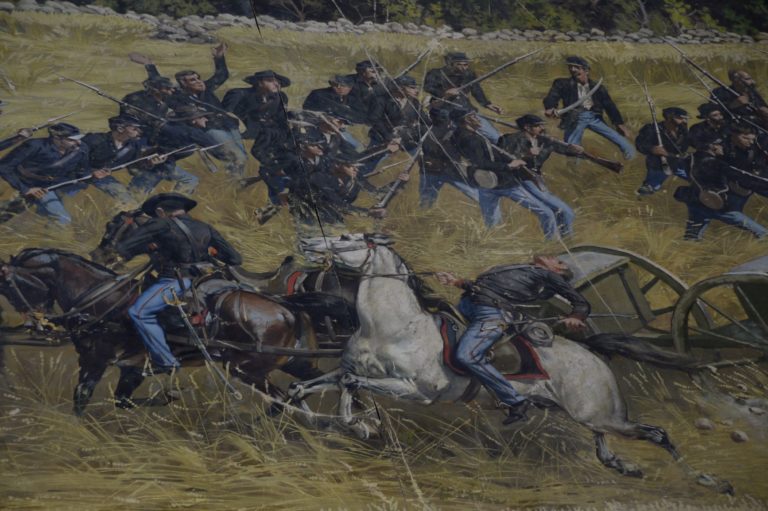
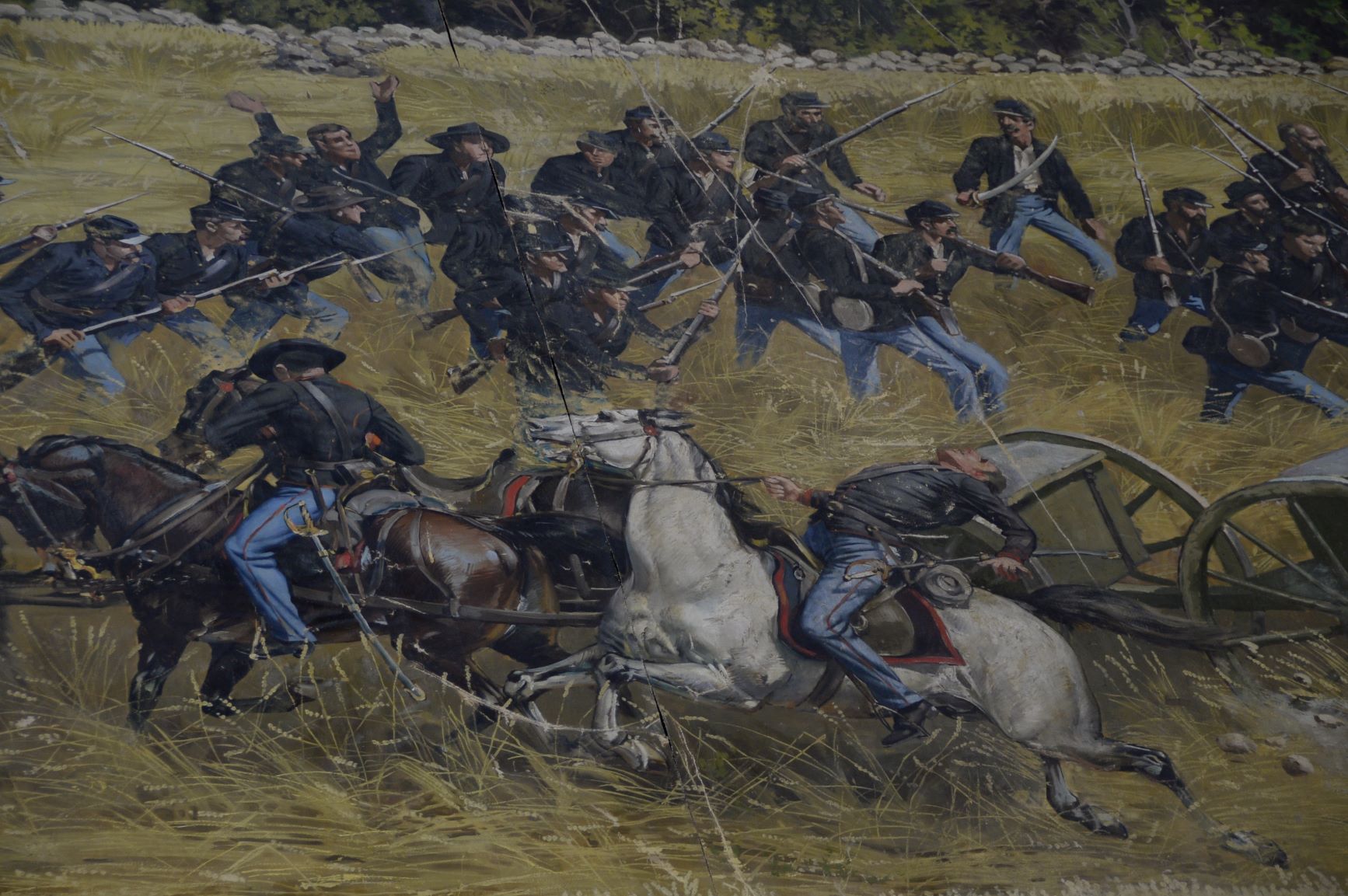
One of the largest paintings in the world, the “Battle of Gettysburg,” with an estimated value of $6.5 million, has been donated to the N.C. Civil War & Reconstruction History Center.
The donation completes a requirement handed down two years ago by the N.C. General Assembly, which promised a $5 million appropriation to the Center if it could raise $2.5 million in new donations by the end of 2019.
The donation, which more than met the state’s requirement, closed Friday, May 31. It brings amount raised for the Center to more than $30 million, with $5 million from the State of North Carolina and $7.5 million each raised from the City of Fayetteville and Cumberland County, respectively.
While certainly welcome as a donation, given that it fits with the Center’s mission of telling stories of North Carolinians and given its value, there are no plans to restore it or put it on display.
“Our first – and only – priority is to successfully complete our plans to build a state-of-the-art history center and digital educational facility at Arsenal Park in Fayetteville,” said Mac Healy, president of the board of directors for the Center’s foundation.
For now, the painting, at 22 feet high, 376 feet long and weighing six tons, will be put into storage in a climate-controlled secure facility.
The painting, which is similar to a copy that is on display at the Gettysburg Museum and Visitors Center at the Gettysburg National Military Park in Gettysburg, Pennsylvania, depicts Pickett’s Charge – the final chapter of the last day of the Battle of Gettysburg.
More than 12,500 Confederate soldiers in nine infantry brigades charged the Union Army out in the open, coming under heavy Union artillery and rifle fire. It is known that 6,214 troops from North Carolina – the highest number of any state in the South – were killed, wounded or missing at the Battle of Gettysburg.
The decisive defeat ended Confederate Gen. Robert E. Lee’s campaign in Pennsylvania and was seen by many as the war’s turning point, foreshadowing the Confederate Army’s surrenders at Appomattox and Bennett Place, near Durham.
Why a battle in Pennsylvania is a N.C. story
Gettysburg represented one part of the watershed year of 1863 in the Civil War for North Carolinians, both on the battlefield and back home.
Joseph T. Glatthaar, Ph.D., a professor of history at the University of North Carolina at Chapel Hill, specializes in the Civil War and American military history. He wrote the book Soldiering in The Army of Northern Virginia: A Statistical Portrait of The Troops Who Served Under Robert E. Lee. Glatthaar pointed out that second only to Virginia, North Carolina sent the most troops to General Lee’s army that spring and summer of 1863.
At Gettysburg, North Carolinians accounted for 46.4 percent of those killed, wounded or captured, and those killed in action numbered 1,782 more soldiers than the next highest state, a difference that constituted more losses than eight other states in the entire battle.
Interestingly, before Gettysburg, there was Chancellorsville, which saw nearly three in ten North Carolinians killed, wounded or captured, the highest percentage of any state. After Gettysburg, at the Battle of Bristoe Station, nearly all of the casualties in Lee’s army were from North Carolina, which amounted to more than 10 percent of all of the North Carolina troops in the Army.
Glatthaar writes: “While it is difficult to determine with precision, a reasonable calculation over a five and a half month period, from late April to mid-October 1863, indicates seven of every ten North Carolinians who served in the Army of Northern Virginia were casualties. The impact of those losses in the most successful and visible Confederate field command on the North Carolina home front was devastating and coincided precisely with the rising disaffection in the state.”
On the home front
At the same time North Carolina faced devastating losses on the battlefields in Virginia, the largest and most aggressive peace movement in the Confederacy – the Peace Party – was gathering steam back home, according to the late Civil War historian William T. Auman.
Between July and September 1863, about 100 political rallies were held across North Carolina to protest Confederate rule and advocate for an end to the fighting. Raleigh newspaperman William W. Holden, who edited the North Carolina Standard, led the fight, printing accounts of its meetings and supporting it editorially.
The peace movement, wrote Auman, “emboldened deserters, draft dodgers and militant Unionists, hundreds of whom organized into bands in the Central Piedmont in the summer of 1863. By August, these armed bands roamed the central counties at will, defying both state and national authorities.”
A brigade of Confederate troops commanded by Brig. Gen. Robert F. Hoke arrived in High Point in September 1863. Along with hundreds of troops from the Home Guard and militia groups activated by Gov. Zebulon B. Vance, the soldiers undertook a massive five-month-long campaign to capture deserters and draft dodgers and force them into the ranks. The campaign covered a wide swath of North Carolina from Wilkes County to Chatham County.
Historians say that the events of 1863, triggered in large part by the battles in Virginia, have had an effect on North Carolina to this day, which has given rise to stories handed down through the generations, stories that are now being collected by the N.C. Civil War & Reconstruction History Center.
“What happened when the son, or the father, or the husband or the brother, didn’t come home?” asked Healy. “What happened to the farm or the business? What happened to the town? How did it affect our families, our economy?”
The cyclorama in history
The Gettysburg cyclorama has its origins with French painter Paul Philippoteaux, who is best known for his work on the first Gettysburg cyclorama and on subsequent copies.
The story begins with a wealthy American clothier, Charles Willoughby, who commissioned the painter to paint the original Gettysburg cyclorama. Working with a team of up to 20 other artists, the cyclorama was unveiled in Chicago in December 1883, in a specially built cyclorama building.
The painting was a smash hit, so successful that Willoughby commissioned the artist to paint one for Boston, which he sold to a company there. Two other cities – Philadelphia and New York – had their own copies, which have been lost, destroyed or cut up into canvases of more manageable size.
Art appraisers say that there were some differences in the different versions, because veterans who were actually at Gettysburg during the battle said that in early versions, certain buildings weren’t where Philippoteaux painted them, so he made changes.
The painting donated to the Center is the last known copy outside of Gettysburg to exist. It is not one of the four original cycloramas – Chicago, Boston, Philadelphia and New York – but it is significant that appraisers found it was clearly executed from the original Philippoteaux drawings.
Additionally, some of the same team of artists who painted the first four original cycloramas worked on parts of the Center’s painting, because of the level of detail seen in the horses that were depicted. Based on the content revisions and other factors, the appraisers estimate that it was produced in about 1905.
More notably, the appraisers found that it is in better condition, unrestored, than the Boston version was before it was restored and used as the centerpiece at the Gettysburg museum.
A worthwhile donation
The painting that was donated to the N.C. Civil War & Reconstruction History Center was owned by Emmett McConnell, a showman who showed cycloramas all over the world, who sold it to Winston-Salem art collector Joe King.
Published reports indicate that the painting was given its only showing in North Carolina, at a college football field, in 1965. The painting changed hands once more after King’s death and Billy Ray Powell of Fuquay-Varina and two other collectors purchased it in 2007.
Winslow and Mary Lynn Bryan, vice president of the Center’s board, were among a delegation from Fayetteville that visited and viewed the painting four years ago on the floor of a tobacco warehouse. It wasn’t until recently that the Center was approached with an offer to donate the painting.
“It’s a good asset for us to have,” said Winslow. “But for now, that’s what it is and that’s all it is – an asset. Job one for us is getting the N.C. History & Reconstruction Center built as planned and promised.”
Within its fundraising, the Center has always accepted items of value, including cash or credit card, stock, real estate or an artifact or other in-kind gift. In the case of the Gettysburg Cyclorama, negotiations between the Center and the owners resulted in the owners donating the painting at its highest and best use appraised value of $6.5 million, while retaining $250,000. The value of the donation to the Center is thus $6.25 million.
The painting, given its rarity, appraised value, and that it’s Civil War-related, makes it an artifact that’s appropriate for the Center to accept, Winslow said.
Decisions on the future of the Gettysburg Cyclorama, including its restoration, possible exhibition or sale to an investor, will be a decision for the future. Internal Revenue Service guidelines covering such donations to a non-profit require the Center to keep the painting for at least three years before selling it to a third party, such as a museum or collector.
“What we must do now is be good stewards over the Cyclorama, as we have been good stewards over all of the contributions that we’ve been fortunate enough to receive,” said Winslow. “But our priority must be to keep the promises that we have made, build the center and give the state of North Carolina an educational institution that will help us understand who we are as North Carolinians and where we came from, so that we can move forward into the future and build a more perfect union.”

 Are you ready to buy your first home but wondering whether you can afford it or even where to start? There’s no question that buying a home is a big step, but it is manageable if you break it down into smaller steps.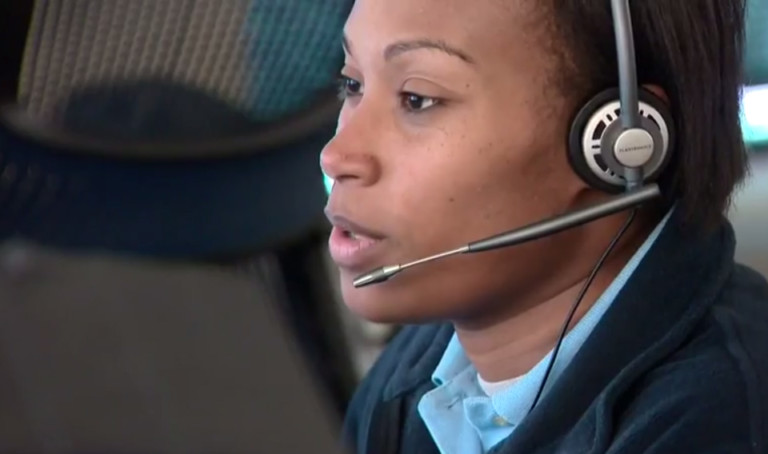
 The N.C. Department of Information Technology (NCDIT) announced today its new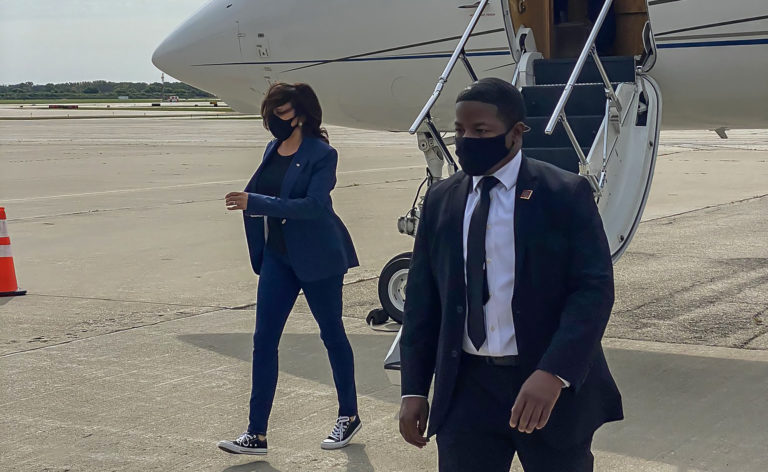
 Vice Presidential candidate Kamala Harris just announced plans to come to Charlotte to speak this coming Wednesday, according to a press release we received this morning. She will be traveling to the Queen City on the same day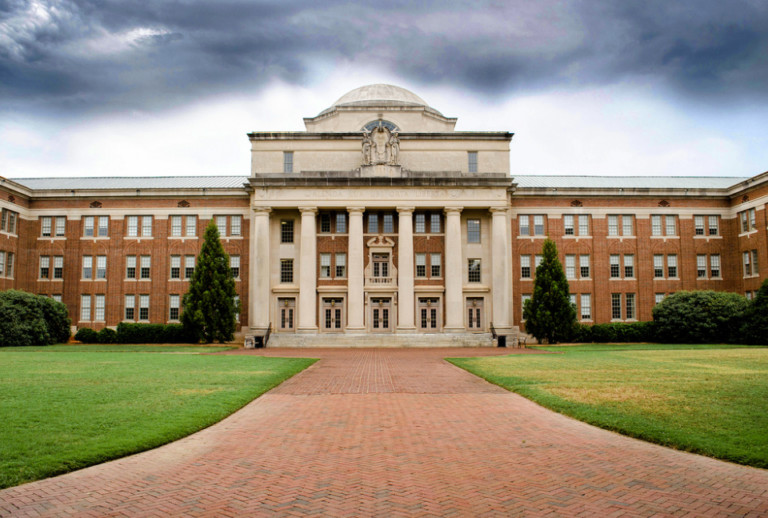
 With the first “early decision” college-application deadline looming on Nov. 1 and colleges adapting to the COVID-19 pandemic, the personal-finance website WalletHub today released its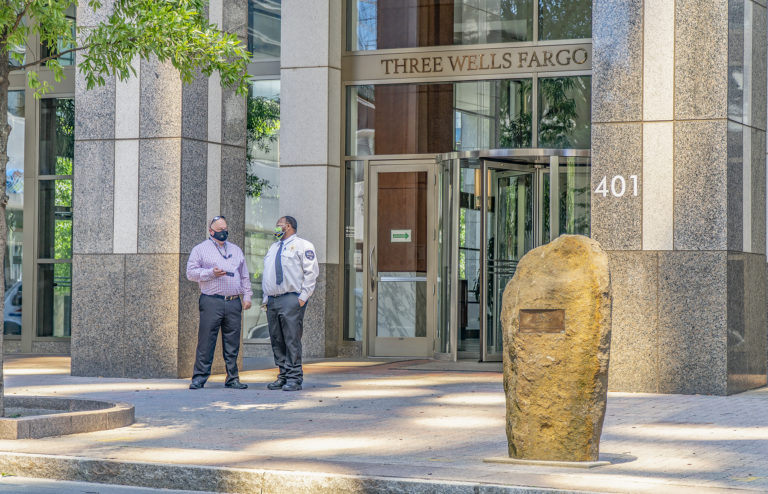
 The business environment is looking bleak for small businesses. Top economists at business schools at Harvard and the University of Illinois are projecting 160,000 small businesses could be closed forever. In Charlotte, an estimated 18% of small businesses have shut down, never to reopen. For those that remain, the going promises to be challenging because of the prevailing financial hardships amongst customers.
 The Carolinas Bass Challenge (CBC) Classic will be held October 23-24 on Lake Norman. The Classic is Carolina Bass Challenge’s championship event and over 300+ anglers are expected to launch out of Blythe Landing. This is the first time Lake Norman has hosted the Classic since 2016 and is part of a three-year host agreement between Visit Lake Norman and CBC. Lake Norman will also host a CBC Qualifier event in 2021 and 2022.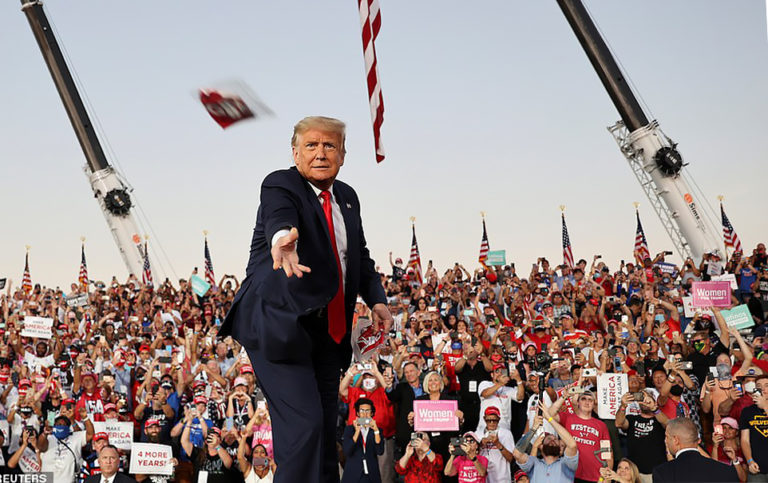
 President Trump just announced plans to hold a massive rally in Gastonia next week,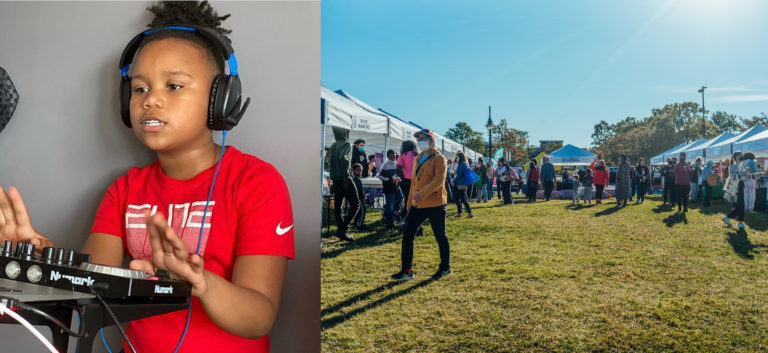
 This weekend the University City Partners will be hosting their third Farmer’s Market of the month around the lake at Shoppes at University Place.
 This week at an Electric Power Research Institute (EPRI) event in Charlotte, U.S. Energy Secretary Dan Brouillette announced a $65 million U.S. Department of Energy (DOE) funding opportunity for technologies that allow energy-efficient buildings to interact with one another and the electric grid, to reduce emissions and improve grid flexibility.