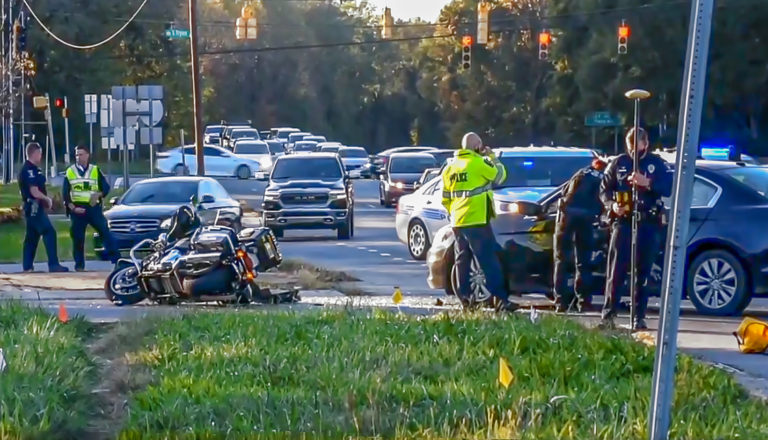
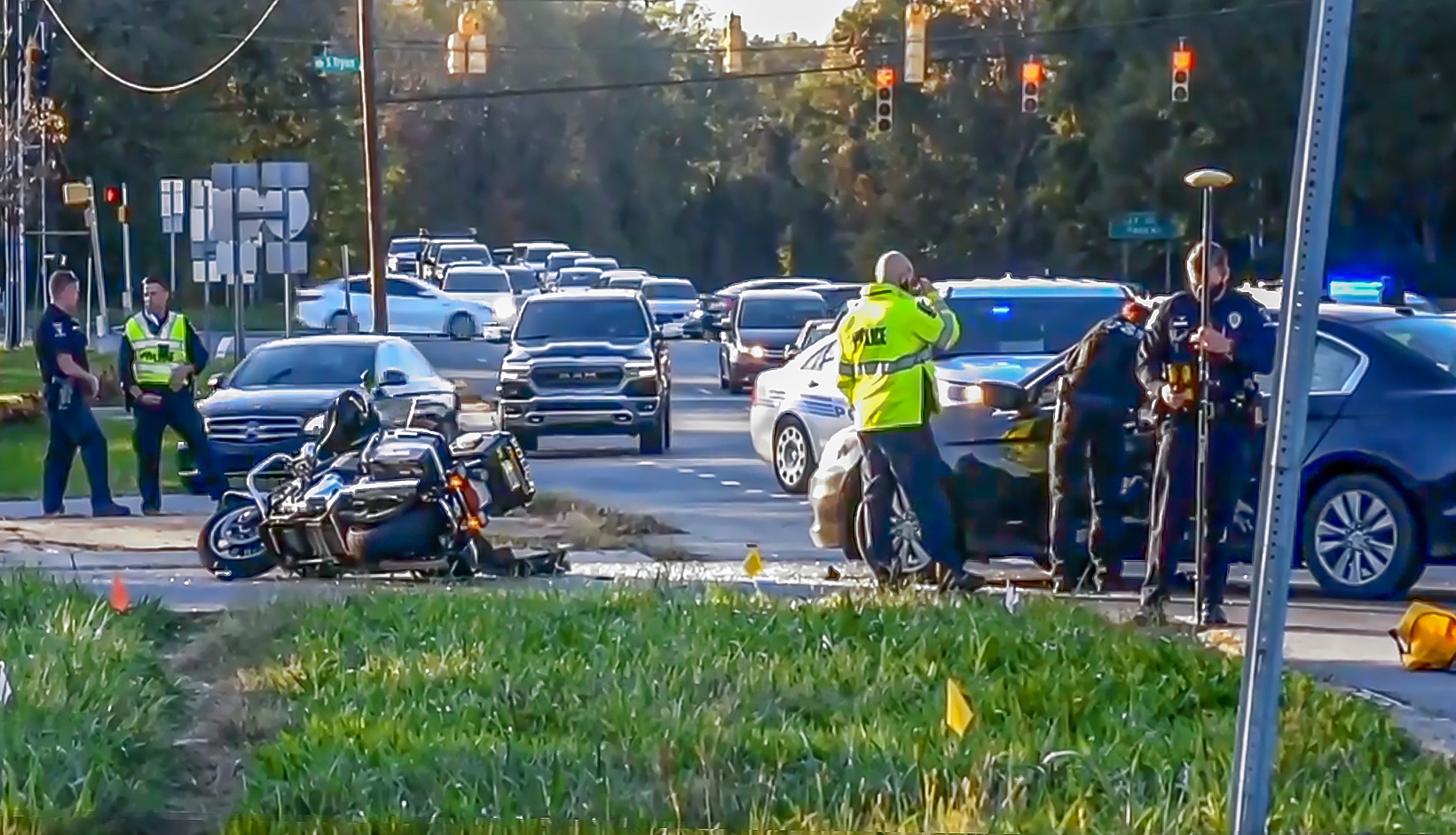
How to Document a South Carolina Motorcycle Crash and Counter Biker Bias in Your Accident Case

0

A weekend ride out of Charlotte can put you on a South Carolina highway in under an hour. A crash there happens fast, and evidence scattered across the pavement vanishes faster. What you collect in the first hour can keep guesswork from deciding what happened. In a biker bias motorcycle accident case, that early record can keep stereotypes from filling the gaps.

Photographs and witness details preserve what the scene looked like. Damaged gear, the police report, and your medical records fill in the rest. None of it proves fault on its own. It replaces assumptions with a documented record, and you have to build it early because evidence disappears fast after the motorcycle and debris leave the scene. The witnesses drive off, too.

How to Document a South Carolina Motorcycle Crash Before Evidence Disappears

Safety and emergency care come before documentation. If a rider can’t safely collect evidence, they should ask a passenger or witness to help, or call someone they trust. Then work the sequence below.

  1. Move out of immediate danger and call for help

Get out of active traffic if you can move safely. Call 911 and request medical help when anyone may be hurt. Follow the dispatcher’s instructions until officers arrive.

Never step into a live lane for a photograph. The shot isn’t worth a second collision.

South Carolina Code § 56-5-1260 requires motorists to promptly report any traffic accident involving severe injury or death to local authorities. Drivers satisfy this legal requirement by immediately contacting the nearest Highway Patrol office, county sheriff, or city police department.

Note the exact location and your direction of travel. Add the nearest intersection and the time shown on your phone.

  1. Photograph the full scene before vehicles move

Once you’re safe, work through the shots in this order:

  1. Wide images first, from several safe positions.
  2. Photograph the motorcycle and every involved vehicle where it sits, including its relation to lanes, shoulders, and signals.
  3. Each vehicle’s direction of travel.
  4. Surface evidence: skid marks, gouges, and debris, plus any gravel, potholes, or standing water when relevant.
  5. Medium-distance and close shots of the impact points and damage.
  6. License plates and any visible identifying marks.
  7. Video for a continuous view, but only after the stills.

Those images do real work later. Understanding how biker bias can affect a motorcycle accident case often comes down to whose account the records support, and assumptions rush in wherever the documents run out. Photos pin down vehicle positions, road features, visibility, and physical damage before cleanup or towing changes the scene.

Keep the original files. Leave them unfiltered and unannotated, and keep them off social media. Originals may retain timestamps and other metadata that a screenshot loses.

  1. Record conditions the camera may not explain

Write down the weather and the available light. Note the traffic volume and direction, and how the signals were operating. Add whether the road markings were visible and anything that blocked your sightline.

Record sounds and smells too: a horn blast, the smell of leaking fuel.

A photograph can show wet pavement, but it can’t show when the rain started. Add a time next to each observation, something like “light rain, 3:42 p.m.”

  1. Identify witnesses and separate observation from opinion

Ask each witness for a full name and phone number, plus an email address if they will share one. Record where they were during the crash, then ask for a short account in their own words.

Do not coach a witness. Don’t fish for agreement that the other driver caused the crash. Record what the person saw and heard, not conclusions about fault.

An independent witness can challenge a rider stereotype by describing a specific fact, such as a left turn across the motorcycle’s path, rather than offering an opinion about who seemed reckless.

Check for cameras. A doorbell camera or dash cam may have caught the crash, and so might a shop’s security system or a traffic camera. Ask promptly, because some systems overwrite footage within days.

  1. Exchange information without debating fault

Get the other driver’s name and contact information. Photograph the driver’s license and insurance card; don’t copy the details by hand. Capture the license plate and vehicle details the same way.

Give the responding officer a short, factual account. Do not argue fault at the scene, and don’t guess about speed or distance. If you’re unsure about a detail, say you don’t know.

Before you leave, write down the officer’s name and badge number along with the incident number.

How Crash Scene Photos Help a Motorcycle Accident Case

Photos preserve spatial facts

Wide images hold what memory won’t. Your lane position, available sight distance, where every vehicle came to rest: the photo keeps it all after the pavement is swept.

A final resting position is one fact, not a complete reconstruction of the crash. Wide shots from three or four safe angles give reviewers more to work with later.

Damage patterns and riding gear add context

Contact marks and broken components can document the point of impact, and transferred paint may show which vehicles touched. Torn clothing and scuffed boots document the effects of the collision, and so does a damaged helmet.

Preserve the gear unchanged.

Washing, repairing, or discarding the gear can destroy what it may show.

Damaged riding gear can challenge a stereotype when its condition matches the reported impact and the injuries. Photograph each item before storing it separately in a clean, dry place, keep the helmet protected from further damage, and leave technical conclusions to a qualified reconstruction professional.

Evidence for a Biker Bias Motorcycle Accident Case

Biker bias is the assumption that you were speeding or riding recklessly because you were on two wheels. Overcoming biker bias after a motorcycle accident starts with replacing stereotypes with verifiable evidence. Countering it starts with a record built on verifiable facts.

Build a record from independent sources

Independent records corroborate separate pieces of the event. The police report fixes the reported time and place. Your photographs preserve the scene. Witness statements capture what people recall, and camera footage may show the collision itself. Repair documents and medical records tie the crash to property damage and reported injuries.

The point of all that paper is simple. Where the record is silent, an adjuster’s assumptions fill the gap.

Understand biker bias in South Carolina accident claims

Bias can shape a South Carolina claim at several points. It colors how witnesses describe the collision and how an insurer evaluates fault. It can even color how a fact-finder views the rider’s conduct. Objective records narrow the dispute to what can be verified.

South Carolina follows modified comparative negligence. A claimant’s share of fault reduces the available recovery and bars recovery entirely once it exceeds the defendant’s combined fault. The state Supreme Court adopted this framework in Nelson v. Concrete Supply Co., 399 S.E.2d 783 (S.C. 1991).

Are riders at fault in most motorcycle crashes?

No single national statistic proves that most motorcycle crashes are the rider’s fault. Fault turns on the facts of a specific crash. A single-vehicle incident, like a motorcycle running off a curve, isn’t the same as a collision involving another vehicle.

Do 90% of motorcycle accidents have one cause?

A claim that 90% of crashes share one cause is unreliable unless it identifies the study behind the number. Treat any percentage offered without that sourcing cautiously.

What is the leading cause of motorcycle crashes?

No single cause leads every motorcycle crash. Causes vary by crash type and location, so a single-cause claim needs support from a current report covering the relevant jurisdiction and collision type.

Which motorcycle types have the highest crash involvement?

Without defining the location, time period, and measure used, no motorcycle type can be called the one involved in the most accidents. Raw crash totals can reflect how common a motorcycle type is, while rates per registered bike or mile traveled may produce a different result. The motorcycle’s design alone does not establish fault in a particular collision.

Correcting Errors in a Motorcycle Accident Police Report

Separate factual errors from disputed judgments

A factual error is something you can check: a misspelled name, a wrong plate number, an inaccurate witness phone number.

A disputed judgment is another animal. An officer’s conclusion about speed or fault may need supporting evidence, and a clerical correction won’t supply it. Photographs or video may, and so can witness information.

Request the report and submit a factual correction

Get the report from the investigating agency. Contact the agency through its published records process or traffic unit and follow the procedure it provides.

Your correction request should identify the report or incident number. Quote the incorrect entry and state the accurate fact. Attach a photograph or witness detail that supports the correction, and ask whether the agency can add a correction or supplemental report. Keep proof of your submission and any response.

If a report contains an error that reinforces biker bias, name the exact error and provide objective support. Don’t argue fault in the request.

Procedures vary by agency, and many will add a supplement without revising the original report. Keep the request and response with your other crash records.

Preserve What Happens After the Crash

Write down your memory promptly

Record what happened before the impact, during the collision, and immediately afterward. Include your route and lane, and give an estimated speed only if you genuinely know it.

Write down the signals you observed and any statements you heard. Note when your pain started, and timestamp the account. Write it the same day if your condition allows, while the details are still fresh.

Don’t edit the original account later. Add separate, dated follow-up notes as additional details return to you.

Keep medical and property records in their original form

Emergency records and follow-up treatment establish a timeline, and diagnostic imaging and prescription records add detail. Repair estimates and towing invoices document property losses. Photographs of healing injuries connect visible changes to particular dates.

A medical record documents treatment and reported symptoms. It does not prove who caused the crash.

Protect digital evidence

Back up your original photos and videos to a second device or secure storage. Save dash-camera files before the system overwrites them. Export relevant messages or call logs, and preserve any location data on your phone.

Keep the crash off social media. A public post strips context from an image or a statement, and screenshots circulate without the full story.

Keep the motorcycle and gear unchanged when practical

Don’t authorize repairs or disposal before you thoroughly document the motorcycle. The same goes for any inspection that could alter or destroy a major component.

Storage rules or insurer requirements may force changes you can’t control. Document the motorcycle first, then respond to those requirements.

Keep the Record Focused on Verifiable Facts

Protect people first, then work the scene. Everything after that builds the record: reports, records, and backups that preserve verifiable facts. Memory alone is thin protection when someone assumes the rider was at fault. Back up your original files and save the incident number before the day ends.
Would You Pay $25 for a Waffle in North Charlotte? TMZ Has Now Weighed In.

0

DaBaby’s new Charlotte restaurant opened Sunday. The line was real. The prices are what went national.

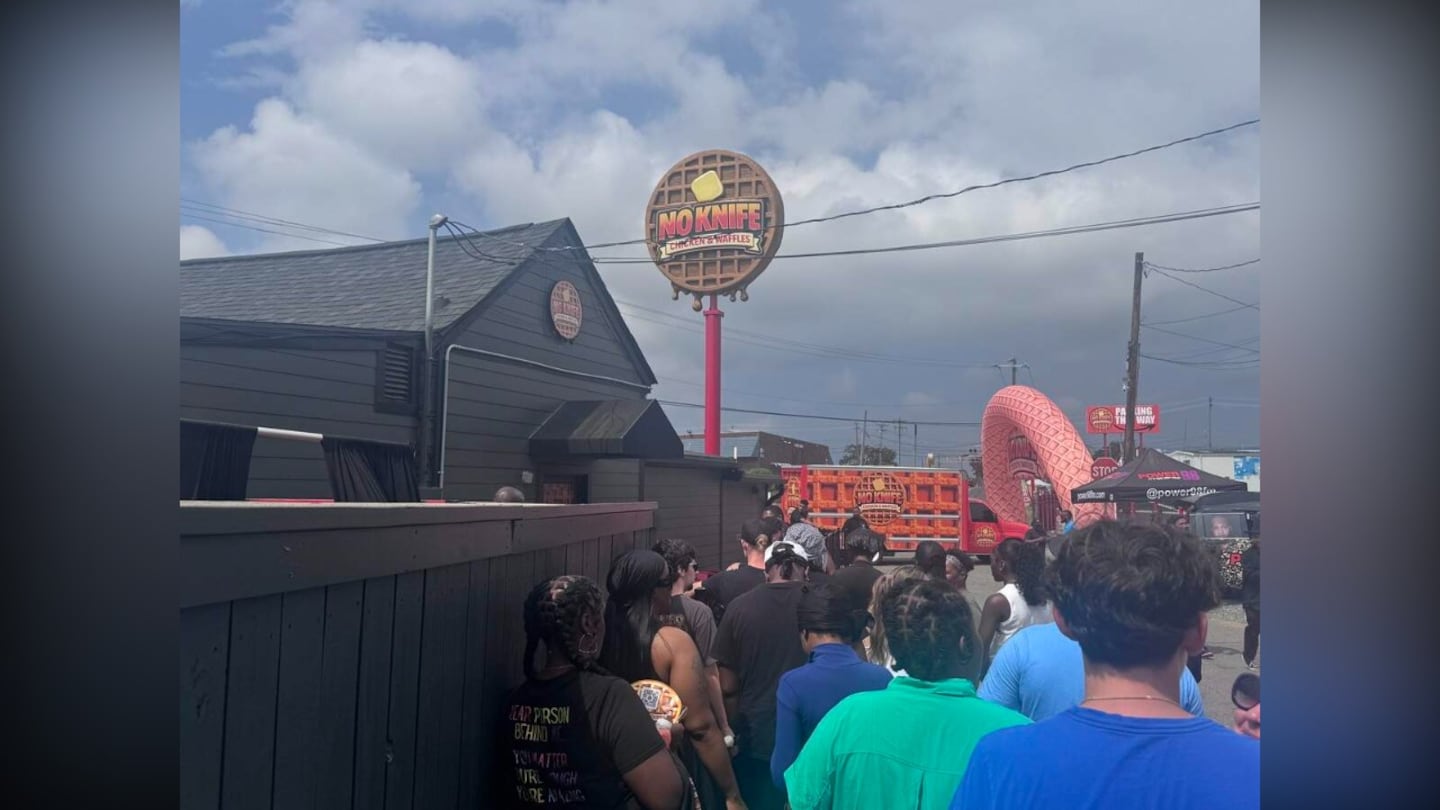
Charlotte rapper DaBaby opened No Knife Chicken & Waffles on Sunday at 700 Atando Ave., the first brick-and-mortar home for the “No Knife” kitchen persona he built on social media. A giant waffle sign towers over the industrial stretch north of Uptown. Hours run 7 a.m. to 4 a.m., closed Mondays — a late-night play as much as a brunch play.

DaBaby opens 'No Knife' Chicken & Waffles in north Charlotte – WSOC TV
via WSOC
Opening day drew hundreds. People waited three hours in heat and rain. DaBaby did not appear. The food got decent first-day reviews. The menu is what blew up.

The prices that started it

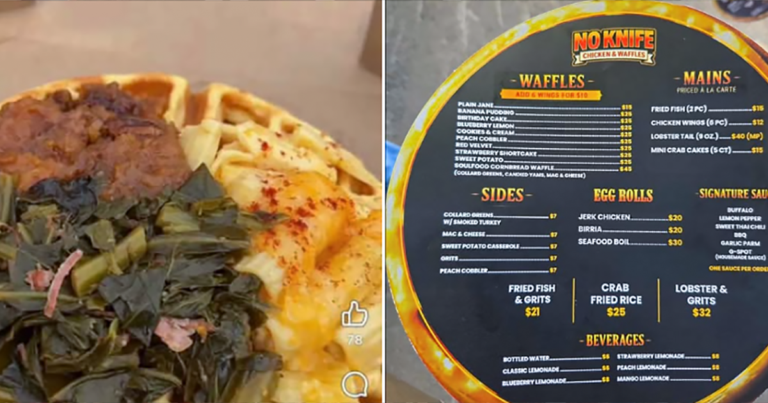
This is not a combo plate. The waffle is one item. The chicken is extra.

  • Plain Jane waffle: $15 — no toppings, no chicken
  • Flavored waffles (strawberry shortcake, banana pudding, red velvet, peach cobbler and more): $25
  • Soulfood Cornbread Waffle with collards, candied yams and mac and cheese: $45 — still no chicken
  • Six wings: +$10
  • Bottled water: $6
  • Lemonades: $8
  • 9-ounce lobster tail: $40

A strawberry shortcake waffle and six lemon pepper wings ran about $45 after tax and tip. The waffle was described as good. The receipt is the argument.

Charlotte split fast. One side says a hometown star can charge for a branded, made-from-scratch experience and that the line proved demand. The other side says Atando Avenue is not Miami brunch, chicken should come with the waffle, and $6 water is a joke.

Then TMZ piled on

By Monday, it was bigger than local comments. TMZ published DaBaby’s Chicken and Waffle Prices Spark Outrage under the headline “DaBaby’s Fans Your Waffles Cost Too Much Dough!!!” The site walked through the $15 plain waffle and $45 soul-food waffle, noted the three-hour wait, and closed with a DaBaby pun: wallets may start “Levitating” after No Knife.

Complex, Rolling Out and Queen City News followed. DaBaby posted gratitude after opening day but has not publicly answered the price pile-on. The shop’s Instagram is @noknifeclt.

Opening-day demand was not the problem. Whether people keep paying $25 for a waffle once the three-hour line is gone is the part Charlotte will decide.

Charlotte Charter School Spends $1.5 Million to Open New State-Of-The-Art Preschool

0

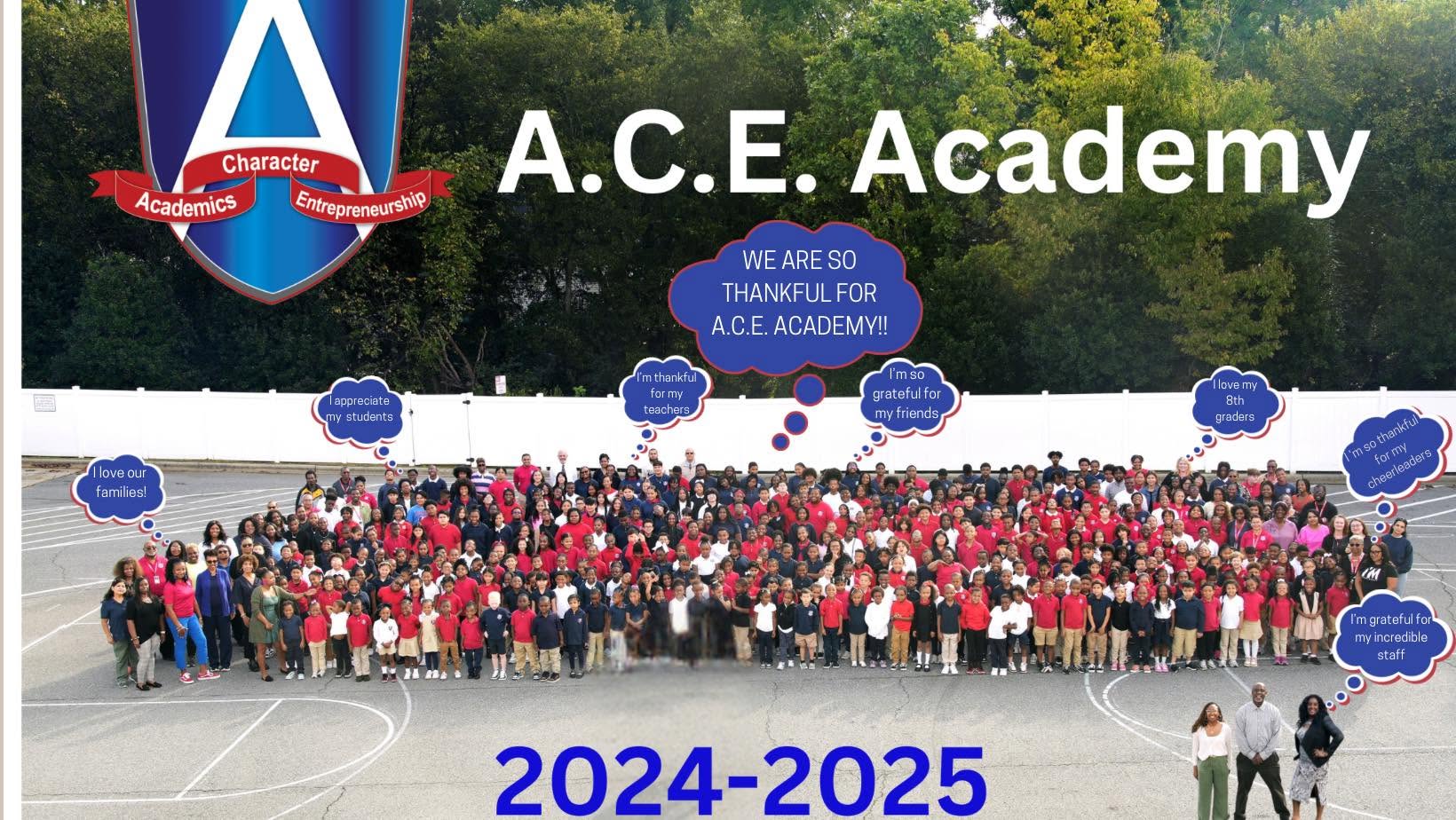
A strong school foundation can determine the future of a child and the type of learner they become. A.C.E. Academy—a charter school dedicated to academics, character, and entrepreneurship realized the need to support their students at the very beginning – by opening a preschool. A.C.E. Early Learners Academy will host a ribbon cutting ceremony to commemorate the expansion on Wednesday, September 9, 2026 starting at 7:30 a.m., located at 7807 Caldwell Rd. Harrisburg, N.C.

Between 2024 and 2025, Charlotte added 20,731 residents, ranking as the largest numeric population gainer among all U.S. cities. In an attempt to prepare for the growth, A.C.E. Academy has invested $1.5 million by opening a new preschool complete with a full kitchen, adding two administrative offices, 12 new classrooms, along with a new and larger multipurpose room in the K-12 building, and an updated teachers’ lounge.

“When we decided to move forward with opening the preschool, we saw the gap in some of the students in our community that started school with A.C.E. Academy in Kindergarten, we noticed that there was something missing” said Laila Minott, Superintendent and Executive Director at A.C.E. Academy. “Children who have fewer high-quality early-learning opportunities can enter kindergarten with gaps in academic readiness, language development, social-emotional skills, and classroom routines. When those gaps are not addressed early, they can become more noticeable as reading, writing, and math expectations increase in elementary school.

Charlotte Region to Mark 25 Years Since 9/11 With Flags, Stair Climbs and Memorial Ceremonies

0

Twenty-five years after the September 11 attacks, communities across the Charlotte region are preparing to remember the 2,977 people killed. This year’s commemorations include thousands of flags, memorial ceremonies, community service projects and a 110-story stair climb.

Events stretch from Uptown Charlotte to Lake Norman, Concord, Salisbury, Hickory and Gaston County. Several ceremonies will also feature artifacts connected to the World Trade Center and New York firefighters.

9/11 Events Around the Charlotte Region

  • Uptown Charlotte — Flags of Remembrance: Romare Bearden Park will display 2,977 American flags arranged in the shape of the Twin Towers. A memorial ceremony begins Sept. 11 at 8 a.m.
  • Uptown Charlotte — 9/11 Memorial Stair Climb: On Sept. 12, participants will climb 2,200 steps, equivalent to 110 stories, honoring first responders who entered the Twin Towers.
  • Cornelius — Never Forget Ceremony: Cornelius-Lemley Fire Station #1 will host an 8 a.m. ceremony around its memorial containing steel from the World Trade Center.
  • Charlotte Douglas Airport: TSA employees will hold an 8:30 a.m. remembrance featuring an Honor Guard procession, remarks and a moment of silence.
  • Huntersville — Field of Honor: 200 American flags are displayed at Huntersville Town Center through Sept. 16.
  • Mooresville — Memorial Walk: A silent walk begins at 8:46 a.m., when the first plane struck the World Trade Center. A ceremony follows at Liberty Park.
  • Concord — Patriot Day Ceremony: Concord will remember victims and first responders at 8:30 a.m. at Fire Station 8.
  • Salisbury — 9/11 Timeline Memorial: Beginning at 8:30 a.m., the ceremony will follow major events from the attacks as they occurred 25 years ago.
  • Camp North End — 9/11 Day of Service: Volunteers will gather at 9:30 a.m. to pack 210,000 meals for Second Harvest Food Bank of Metrolina.
  • Queens University: An 8:30 a.m. flag-laying ceremony will lead into a service project preparing kits for veterans entering permanent housing.
  • Hickory — Patriot Day Remembrance: The 9:30 a.m. Union Square ceremony will feature first responders and a former FDNY fire truck.
  • Gaston County: An evening remembrance begins at 6:30 p.m. at the Historic Dallas Courthouse.
  • Mooresville — Bunks Across America: Volunteers will build beds for local children during a two-day service project at Lowe’s on River Highway.

Rabies Alert Expands Across Charlotte Area After Infected Petting Zoo Goats Visit 10 Events

0

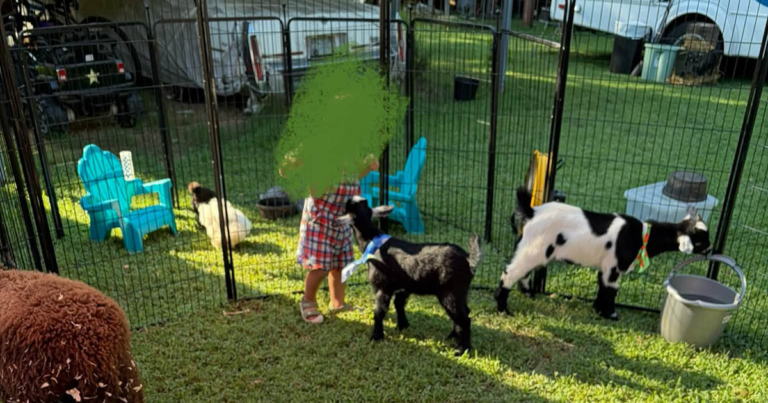
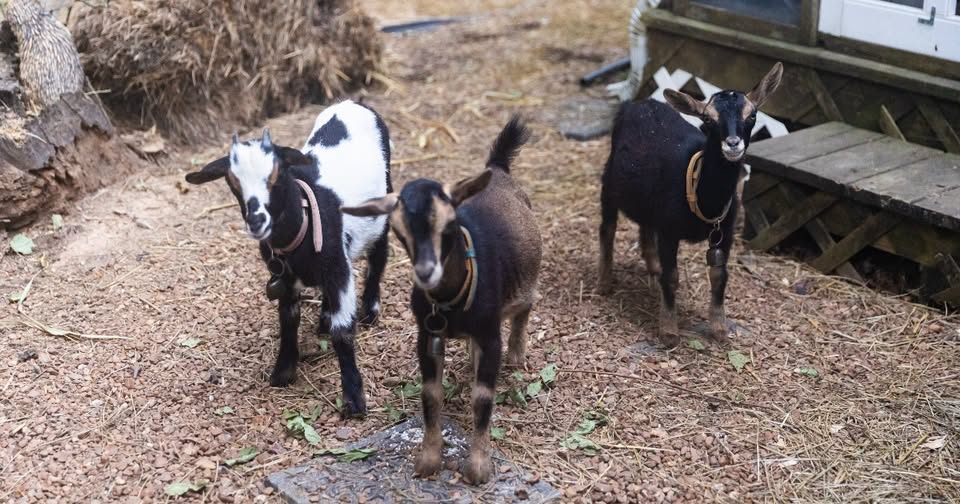
A major rabies exposure involving an Iredell County mobile petting zoo has now affected nearly 350 people across North Carolina. Health officials have recommended preventive rabies treatment for 263 people following contact with infected baby goats.

Farm Adventures, based in Harmony, traveled to events across the state between July 28 and Aug. 27. State officials have identified 10 known exposure incidents, including a private event in Mecklenburg County.

According to a press release from NCDHHS, “If you had contact with the baby goats from Farm Adventures between July 28 and Aug. 27, 2026, call your local health department right away. Call before you go in for care.”

The problem reportedly began after a skunk entered the goats’ enclosure and bit the animals without employees realizing it. Farm Adventures later learned that multiple baby goats had contracted rabies. The affected goats have since been euthanized.

North Carolina health officials identified these potential exposure locations and dates:

  • July 28: Jurney’s Assisted Living, Statesville
  • July 30: Private event in Mecklenburg County
  • Aug. 1: Community Connections Back-to-School Bash, Lexington
  • Aug. 6: Brookdale Peachtree, Statesville
  • Aug. 8: Private event in Watauga County
  • Aug. 9: Private event in Burke County
  • Aug. 15: Masonic Picnic Grounds, Mocksville
  • Aug. 16: Private event in Durham County
  • Aug. 22: Private event in Iredell County
  • Aug. 23: Private event in Durham County

Rabies is especially dangerous because the disease is almost always fatal once symptoms begin. However, prompt post-exposure treatment can prevent the disease after someone encounters a rabid animal.

Rabies remains relatively uncommon among tested animals in North Carolina. In 2025, more than 4,000 animals underwent testing, with about 6% testing positive. The virus is most commonly found in wild animals, including raccoons, skunks, bats and foxes.

Police Asking For Public’s Help In Finding Missing 13-Year-Old Girl

0

South Carolina police are asking for the public’s help in finding a missing 13-year-old girl.

Authorities say an unknown person took Allisson Flores Cabrera after she left her Greenville County home early Saturday morning.

According to the Greenville County Sheriff’s Office, Allisson Flores Cabrera left her home around 1 a.m. on Sept. 5. She has not returned home since. Her family has communicated with a possible suspect, but authorities say he has not returned Allisson to them.

Deputies described Allisson as Hispanic, approximately 5 feet 5 inches tall and weighing around 143 pounds. She has black hair and brown eyes. She was last seen wearing a black shirt and white pants.

The Greenville County Sheriff’s Office said the investigation remains in its early stages. Deputies are continuing to investigate the circumstances surrounding her disappearance and will release additional information as it becomes available.

Six Flags Buys Legendary ArieForce One Coaster — Carowinds Might Soon Become Its New Home

0

One of America’s most talked-about roller coasters was just purchased by Six Flags and might soon be rebuilt right here in Charlotte.

Six Flags announced Tuesday that it acquired ArieForce One after Fun Spot America Atlanta permanently closed. The company plans to reopen the coaster at one of its parks.

“From the moment ArieForce One closed, we knew how much this coaster meant to the enthusiast community and to guests who traveled from around the world to experience it,” said Six Flags COO Mark Pauls in a press release. “This is a ride that consistently generated excitement, acclaim and passionate fan support. We are thrilled to preserve its legacy, invest in its future and bring this extraordinary attraction to a new generation of guests. This acquisition represents our commitment to delivering world-class thrills and creating unforgettable experiences across the Six Flags portfolio.”

However, Six Flags has not yet revealed the winning park. The company says it is considering several parks and expects an announcement later this year.

Could ArieForce One be coming to Carowinds?

The coaster would fill a major gap in the Carowinds lineup. Rocky Mountain Construction built ArieForce One, and Carowinds currently has no RMC coaster.

That would make it dramatically different from Fury 325, Copperhead Strike and Thunder Striker. ArieForce One focuses heavily on airtime, inversions and aggressive track elements.

The coaster stands 154 feet tall and features a 146-foot first drop. It reaches 64 mph across roughly 3,400 feet of track.

Riders also experience four inversions and several intense airtime moments. Its signature feature is the world’s largest zero-gravity stall.

Timing could also work in Charlotte’s favor.

Copperhead Strike opened in 2019 and remains Carowinds’ newest major adult thrill coaster. By 2028, nearly a decade will have passed since that debut. Several other major Carowinds coasters are decades old. ArieForce One could give Six Flags a relatively quick way to refresh the lineup.

Geography could help Charlotte as well. ArieForce One already operated in the Southeast, just south of Atlanta.

Moving it to Carowinds would keep the coaster within the same broad regional market. Charlotte also gives Six Flags access to visitors from both Carolinas.

Most importantly, Carowinds already has a strong reputation for major thrill rides. Adding ArieForce One alongside Fury 325 could create an especially powerful one-two combination.

Wherever it lands, Six Flags says ArieForce One will keep its name. The ride must first be dismantled, transported and rebuilt before reopening.

Charlotte Ranks No. 1 in Nation for Residents Who Don’t Want to Leave

0

Charlotte residents may joke that the city is “full,” but new data shows they are not eager to leave.
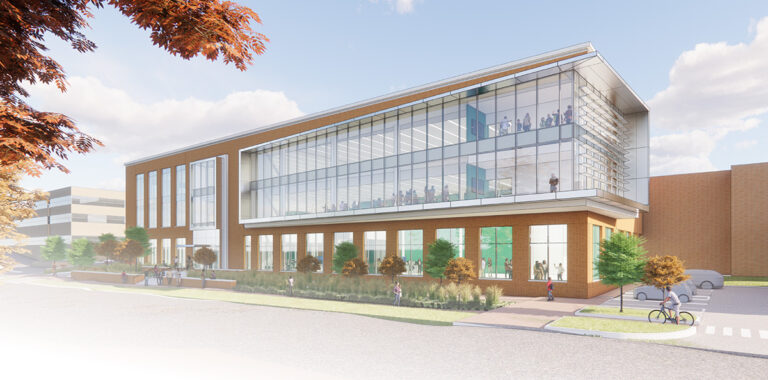
A new study from moveBuddha ranks the Charlotte metro as the “stickiest” major metro in the country, meaning residents are more likely to stay nearby even when planning a move.

Details

The analysis found that nearly one in four moving searches in Charlotte remained within the metro area.

That rate is 76% higher than the national average, highlighting how strongly residents prefer to stay local.

Researchers used moving search data to measure how often people relocate within the same metro instead of leaving entirely.

Charlotte led a group of Southern cities dominating the rankings, including:

  • Greenville, South Carolina
  • Daytona Beach, Florida
  • Louisville, Kentucky
  • Tulsa, Oklahoma

Each of those metros reported “stickiness” rates near or above 20%.

Background

The findings reflect a broader trend across the South, where growing metros are retaining residents even as populations rise.

Charlotte’s continued growth, expanding job market, and diverse neighborhoods may be helping keep residents rooted in the area.

The only other North Carolina metro to make the list was Raleigh, which ranked No. 15 with a stickiness rate of 16.5%.

Local Impact

For the Charlotte region, the ranking reinforces what many residents already feel — people are not just moving here, they are staying.

That trend could continue to drive demand for housing, infrastructure, and local development as more residents choose to remain within the metro instead of relocating elsewhere.

Honeywell Commits $10 Million to Launch Innovation STEM Hub at UNC Charlotte

0

Honeywell and UNC Charlotte today announced a new relationship that will expand workforce development in STEM  fields and fuel long-term economic growth through enhanced education opportunities. 

Through a $10 million Honeywell investment in UNC Charlotte, the public-private  collaboration will transform the university’s Burson Hall into the Honeywell Innovation Hub – a 155,000-square foot state-of-the-art learning complex for applied research and STEM education. The investment also supports scholarships for high-achieving  students, integrated research opportunities and endowed faculty positions that  strengthen research and teaching excellence. 

“Our work with UNC Charlotte not only reflects Honeywell’s global commitment to STEM  education that has reached millions of students over the past decade, but it also  underscores our long-term focus on growing the innovation landscape, as we build the  next generation of talent in Charlotte,” said Vimal Kapur, Chairman and CEO of  Honeywell. “We will be here – not just for the tenure of making this building – but for the  longer term, to enable students with best-in-class abilities through projects, mentorship  and job opportunities.” 

The Honeywell investment builds on UNC Charlotte’s recent R1 research designation, one of the highest recognitions for universities, to advance applied research in areas  such as AI safety, grid resilience and smart infrastructure. 

“As the region’s only R1 research university, we have a responsibility to connect our students with real-world experiences and industry-leading partners,” said UNC Charlotte Chancellor Sharon Gaber. “The Honeywell Innovation Hub will do just that, offering Niners access to advanced tools, collaborative spaces and opportunities that position them to make an immediate impact in their fields. The additional support from Honeywell will also help prepare our students to take the next steps in their careers as future data scientists, engineers and more, ensuring a talented and prepared workforce  for our region.” 

Driving Research & Collaboration with the Honeywell Innovation Hub

The Honeywell Innovation Hub, which is expected to open in 2027, will feature project based engineering labs, active learning classrooms, collaboration hubs and specialized  research and simulation spaces.  

To enhance the classroom learning and research capabilities across the complex, more  than $1 million of the company’s investment will be used for industry-grade technology.  Additionally, Honeywell’s building automation technologies will help ensure the facility  operates safely, efficiently and securely for students, faculty and staff over the years to  come.  

Enhancing Student Experience, Faculty Excellence with Multiple Support  Programs  

Through the partnership, Honeywell and UNC Charlotte are also working to reduce  financial barriers and offer hands-on research opportunities to help ensure students  graduate with the experience and confidence to succeed in a competitive job market.  Together, they will deliver a set of programs that directly benefit students and support  faculty success, including: 

  • STEM Scholarships: 48 scholarships, which will be awarded to Honeywell  Scholars over the next decade to support high-achieving students in STEM fields 
  • Senior Capstone Projects: Annual senior capstone projects, which will connect  students with real-world engineers to help solve challenges for Honeywell and its  customers  
  • Faculty Endowments and Research Funding: Four Distinguished Faculty  endowments – two in the William States Lee College of Engineering and two in  the College of Computing and Informatics – and additional funds to support  critical research projects, which will support breakthrough innovation in the respective fields and help attract and retain the highest caliber of faculty to the  university 

This important initiative is an extension of Honeywell’s long-standing secondary  education programs, which include those with FIRST Robotics, Discovery Education  and the U.S. Space and Rocket Center.  

Today, Kapur and Gaber hosted the UNC Charlotte and regional business community  on campus to announce the formation of the partnership and to emphasize the long term impact of the investment on the university and the region’s growing innovation landscape. The pair, alongside other leaders, also recognized the inaugural class of  Honeywell Scholars, which includes six undergraduate students across engineering and  computer science programs who will receive a total of $180,000 through the scholarship  program. 

Why Rock Hill Galleria May Follow Eastland Into the Ground

0

For more than three decades, Rock Hill Galleria sat at the I-77 / Dave Lyle Boulevard interchange as York County’s enclosed shopping mall — the place that replaced the old Rock Hill Mall and was supposed to keep local retail from leaking north to Charlotte.

It is still open. Belk is still there. Walmart still sits on the property as a separately owned shadow anchor. Dick’s Sporting Goods, Ashley HomeStore, Stars and Strikes, and a new Big Air trampoline park occupy former department-store boxes.

That is the official story. The leasing listings tell another one.

As of August 2026, brokers were advertising about 125,000 square feet in 20 available spaces inside a mall whose enclosed portion is roughly 500,000 square feet. Interior and exterior big-box space is “immediate.” Management’s own materials still say plans to tear the enclosed concourse apart and rebuild it as an outdoor center with green space are “being explored.” That phrase has been on the listing for years.

The Galleria is not empty. It is something more common in 2026: a mall that keeps filling the big holes with entertainment and furniture while the hallway between them thins out.

How the anchors left

The property opened in May 1991 with the usual 1990s mix: Belk, Sears, JCPenney, Walmart, and a string of junior anchors that never lasted. Phar-Mor was gone within a year. Steve & Barry’s and Goody’s collapsed with their chains in 2008–09. The real break came in a two-year stretch:

  • Sears announced in November 2018 that the Galleria store would close in early 2019.
  • Revolutions and Home South followed in 2019.
  • JCPenney put the Rock Hill store on its 2020 bankruptcy closure list.

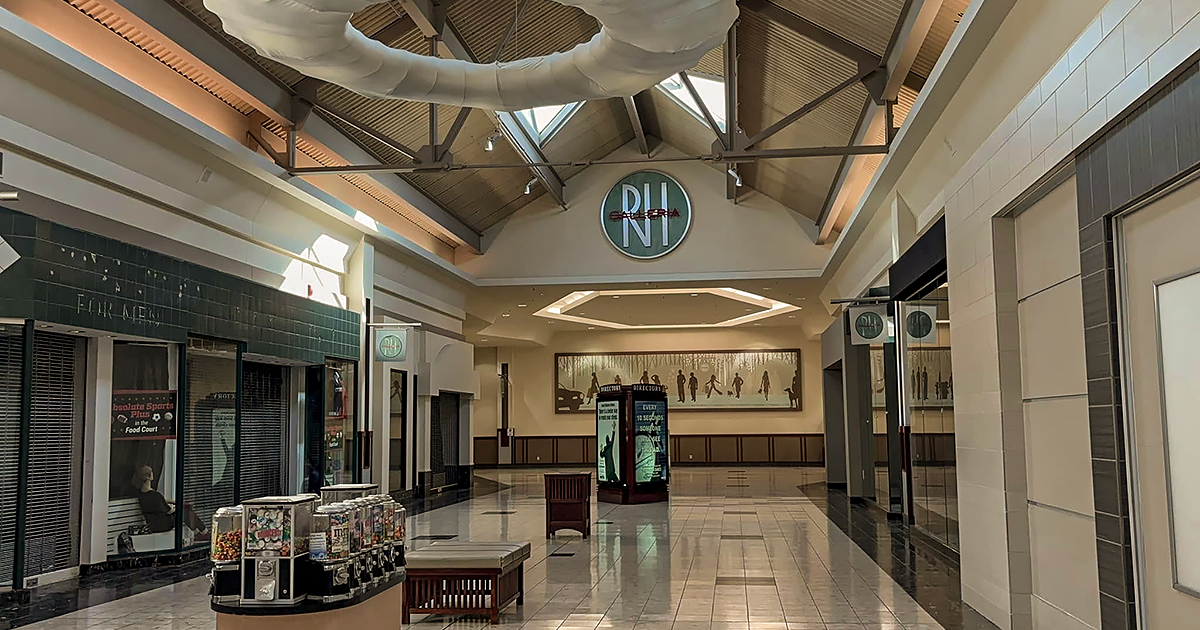
Shoppers and reviewers at the time described more dark storefronts than lit ones, a food court that felt abandoned, and a roof that leaked when it rained. Those complaints are older, but they match the pattern every mid-tier mall in the Carolinas hit after Amazon, after the department-store bankruptcies, and after Charlotte’s bigger centers — SouthPark, Carolina Place, Concord Mills — pulled the remaining national chains.

Replacements arrived slowly. Dick’s opened in the former JCPenney in 2022. Stars and Strikes took the old Revolutions box in 2023 (bowling, arcade, laser tag, axe throwing). Ashley opened a 35,500-square-foot showroom in part of the old Sears in October 2024. Palmetto Moon opened that November. Big Air Trampoline & Adventure Park, promised for 2025, opened May 16, 2026, in the former Home South space.

That is not a classic mall revival. It is the standard late-stage playbook: turn dead department stores into places people stay for two hours, not ten minutes.

The problem is the space between those boxes. Directory sites still list a modest lineup — Bath & Body Works, Hot Topic, Hibbett, Kay Jewelers, Claire’s, Escape Eight — but they also list far fewer stores than a healthy regional mall of this size should carry. Mall hours have compressed in some published schedules to late-morning openings and 7 or 8 p.m. closings on weekdays, the schedule of a property that no longer expects all-day traffic.

The incident that put the mall back in the news

On the afternoon of Friday, Oct. 10, 2025, two men argued on the mall property. One of them shot the other in the shoulder. Rock Hill police said the shooter acted in self-defense after being accosted verbally and physically. The injured man, 26-year-old Martrell Telly Minter of Chester, was taken to Piedmont Medical Center in critical condition and later charged with third-degree assault and battery. The shooter was not charged.

The enclosed mall shut down for the rest of the day. Walmart, with its own entrance, stayed open. An ambulance sat outside the food-court doors. Shoppers told local television they were shocked because the Galleria is “usually pretty quiet.”

One shooting does not make a mall dangerous. It does make a struggling mall look like a place people already suspected it was becoming: a large building with thin crowds, where an argument in an entryway can empty the concourse.

Management could not be reached for comment the day of the shooting. That silence is typical. The property has changed owners and managers more than once since Zamias developed it. Warren Norman Company now leases and markets it.

The region already wrote this ending

Rock Hill has seen this movie. The original Rock Hill Mall on Cherry Road lost its anchors to the Galleria, then emptied out, and was demolished in 2006. Eastland Mall in east Charlotte — the other 1990s competitor that used to steal Galleria traffic — closed in 2010 and was torn down. The site is now Eastland Yards: apartments, a sports campus, the kind of mixed-use replacement cities build when they admit the mall is not coming back.

Signal Hill Mall in Statesville closed to the public in early 2024. Northlake Mall in north Charlotte has spent years shedding national tenants and fighting with small-shop owners over leases. Triangle Town Center in Raleigh is losing Saks and watching Macy’s wind down. Across the country, Coresight counted more than 8,000 U.S. store closures in 2025. Enclosed regional malls without a luxury trade area or a tourist draw are the format that keeps losing.

Charlotte’s overall retail vacancy is actually low. Money is not leaving the metro. It is leaving this building type. Power centers, outlets, grocery-anchored strips, and entertainment boxes are absorbing the growth. Concord Mills is still adding stores. The Galleria is adding bounce houses and bowling because those are the tenants that will still sign a lease in a 1991 concourse.

What happens next

Three paths are left, and none of them look like 1995.

Keep patching it. Fill another box with a furniture chain or a trampoline park. Leave 20 vacant bays on the leasing flyer. Hope Belk does not join the national contraction. This is what the property is doing now.

Open it up. Brokers already advertise a conversion to an outdoor center with green space. That is the script used on dying malls from Florida to Delaware: demolish the corridor, keep the best boxes, add apartments or medical if the land will support it. No groundbreaking date has been announced.

Lose the middle. If inline occupancy keeps sliding and another national name leaves, the Galleria becomes a cluster of independently entered big boxes around a locked hallway — the same fate as dozens of “zombie malls” that never get a formal closing day.

Rock Hill itself is not dying. Industry is landing along I-77. Housing is going up. The trade area has more people than it did when Sears left. That is what makes the Galleria’s condition pointed. The customers did not disappear. They stopped needing a single-story enclosed mall with a food court that no longer feeds a crowd.

The most recent chapter is not a bankruptcy filing or a padlock on the main doors. It is quieter than that: a shooting that closed the building for a day, a leasing sheet with 125,000 square feet still for rent, a trampoline park in a former furniture store, and a redevelopment plan that remains, year after year, “being explored.”

That is how a lot of regional malls end now. Not with a ribbon-cutting in reverse. With a hallway that gets a little longer between the stores that are left.