
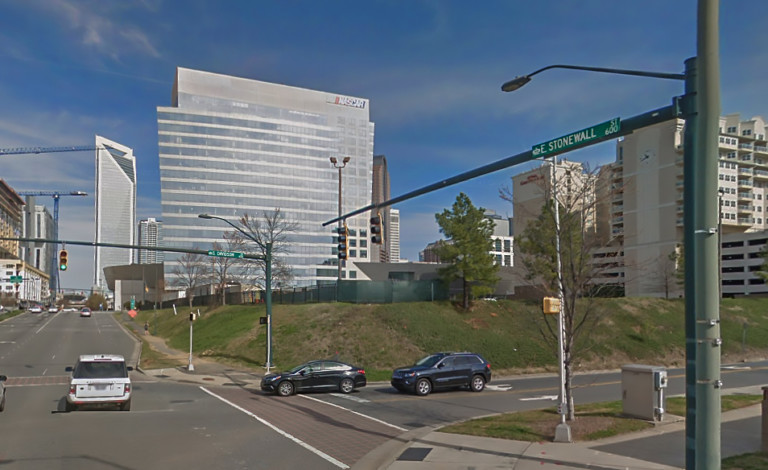
 The Charlotte City Council has just unanimously voted to rename 9 Charlotte streets that have ties to racism and white supremacy.
The streets were chosen by a 15-person commission made up of local Charlotte historians and community members. They started with a list of over 70 historic Charlotte roads and prioritized streets that were named after Confederate leaders and those involved in white supremacy movements of the late 1800s and early 1900s.
The city will now create a pilot program to “outline the process for changing street names, and support neighborhood efforts to petition name changes and install a memorial commemorating the deaths of Joe McNeely and Willie McDaniel, victims of the two documented lynchings in Charlotte.”
According to a press release by the city, these are the streets that will be renamed, along with the history of the people they were originally named after:
Jefferson Davis Street: During the Civil War, Jefferson Davis served as president of the Confederate States from 1861 to 1865. By the 1880s, former Confederates saw him as a hero of the “Lost Cause” of the Confederacy. Jefferson had no extensive ties to Charlotte beyond retreating to the city during the last days of the Civil War and holding his final executive cabinet meeting at William Phifer’s home. There is a Jefferson Davis Street located in the Druid Hill community in west Charlotte.
West Hill Street: Daniel H. Hill was a Confederate officer who spent time before and after the Civil War in Charlotte. West Hill Street is named in his honor. The street is in uptown Charlotte and extends east from McNinch Street to Eldridge Street, just outside Bank of America Stadium.
Stonewall Street and Jackson Avenue: Military historians regard Thomas Jonathan “Stonewall” Jackson as the most gifted tactical commander in the Confederacy. His military exploits became legendary and were an essential element of the ideology of the “lost cause.” There are multiple streets named in honor of Stonewall Jackson. The most prominent is East Stonewall Street, located in uptown Charlotte. There is also a Stonewall Jackson Homes Drive located at 5751 Airport Drive off West Boulevard. According to a 1947 Charlotte News article, Jackson Avenue, located off East 10th Street directly across from Piedmont Open IB Middle School, is also named in honor of Stonewall Jackson.
Phifer Avenue: William Phifer, who was originally from Catawba and relocated to Charlotte in 1852, owned approximately 28 enslaved African Americans. Phifer Avenue connects North Tryon Street to North College Street between East Ninth and East 11th streets.
Aycock Lane: Aycock Lane is most likely named in honor of Charles Aycock, who, beginning in 1900, served as the state’s 50th governor. Aycock is remembered as the primary architect of the state’s white supremacy movement, which was responsible for disfranchising African Americans. The street is in a subdivision just south of Dilworth, off Scaleybark Road.
Barringer Drive: Brothers Paul B. Barringer and Osmand M. Barringer actively worked to advance ideals rooted in white supremacy. Paul became a leader in the field of “scientific” racism at the University of Virginia in the late 1800s, and Osmand was a leader in the local white supremacy club movement in Charlotte at the turn of the 20th century. Osmand also fought against the desegregation of public facilities in Charlotte in the 1950s. According to Osmand, Barringer Drive was named in his honor. The street is in west Charlotte. It extends south from West Boulevard, snaking across Remount Road and Clanton Road before coming to an end at Pressley Road.
Morrison Boulevard and Governor Morrison Street: Cameron A. Morrison was a prominent leader of the “Red Shirts,” the paramilitary wing of the state Democratic Party’s white supremacy campaign that worked to suppress and terrorize Black voters in North Carolina in the late 1890s. In 1920, Morrison successfully ran for governor of North Carolina on the platform that he fought gloriously for the cause of white supremacy. Morrison served as the state’s 55th governor and is commonly referred to as the “Good Roads Governor.” Under his leadership, the government systematically made use of Black convict labor to help build state roads. Morrison Boulevard and Governor Morrison Street are named in his honor.
Zebulon Avenue: Zebulon Baird Vance was North Carolina’s Confederate governor from 1862 through 1865. His reelection as governor in 1877 symbolized the return to power of slavery-era leaders. Zebulon Avenue is in the Smallwood community off Rozzelles Ferry Road.
What do you think about the city’s decision?
 Divorce, which can be a seismic life shift, often leads to a separation of finances and one party moving to a new home. According to U.S. Census Bureau data, 26% of women and 23% of men moved into a new home the same year they got divorced.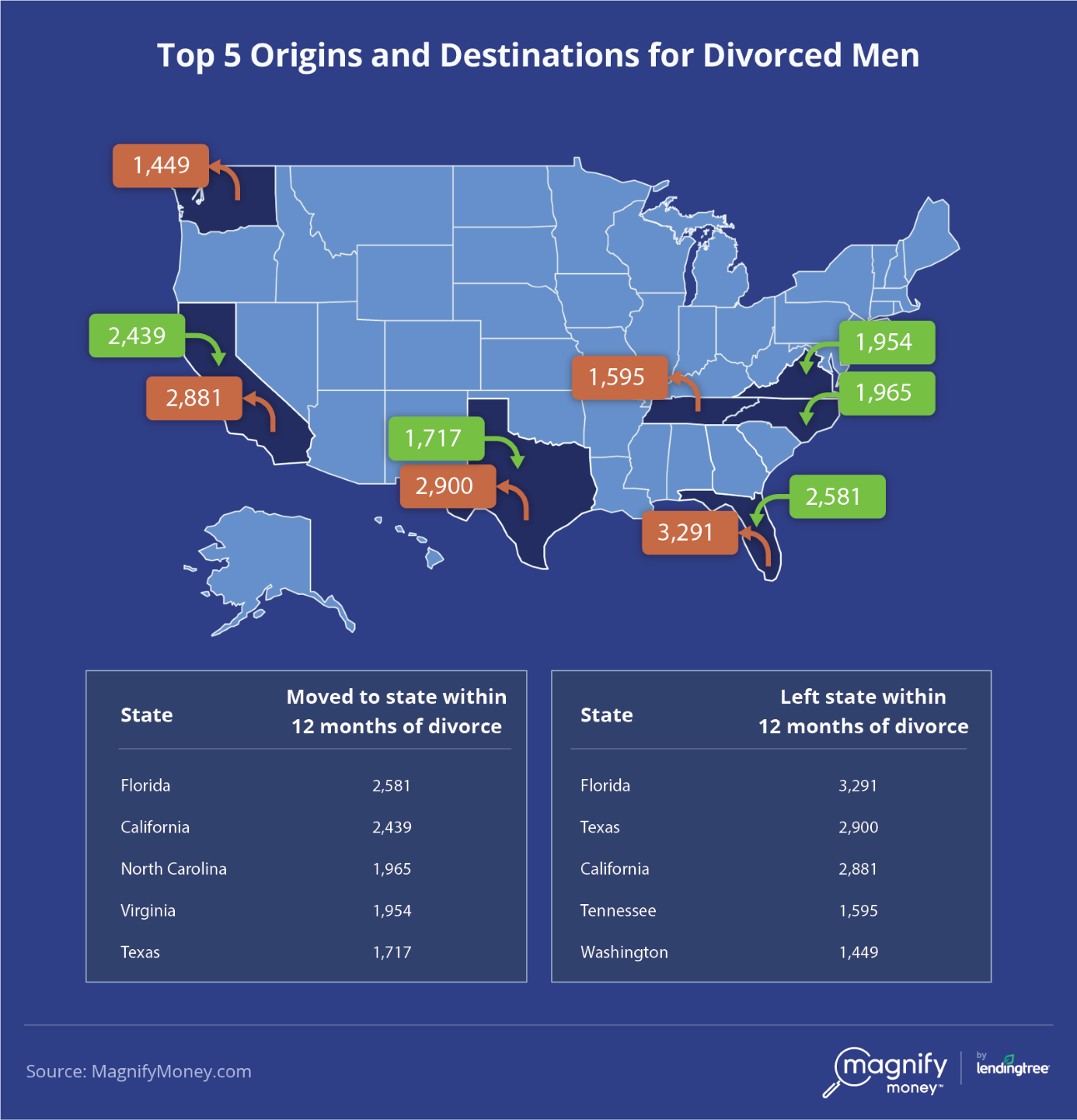
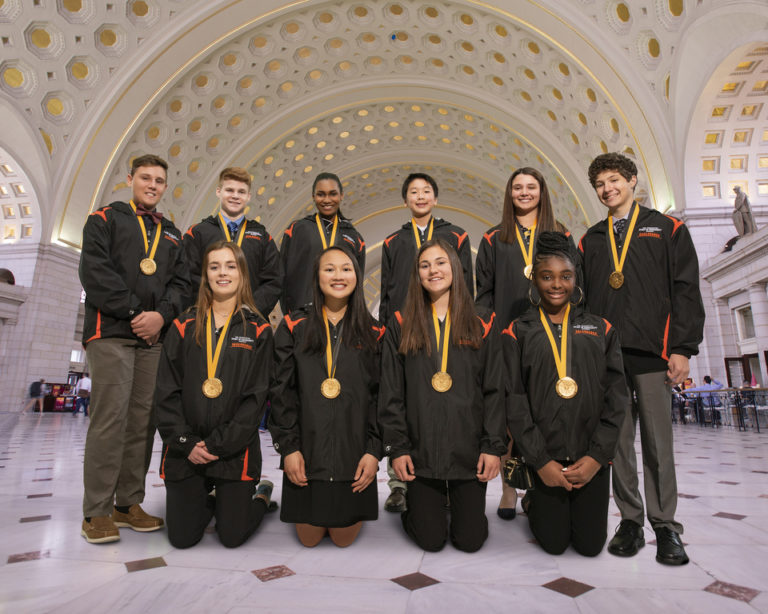
 Katie Chai, 18, of Charlotte was named North Carolina’s top youth volunteer of 2021 by The Prudential Spirit of Community Awards, America’s largest youth recognition program based exclusively on volunteer service.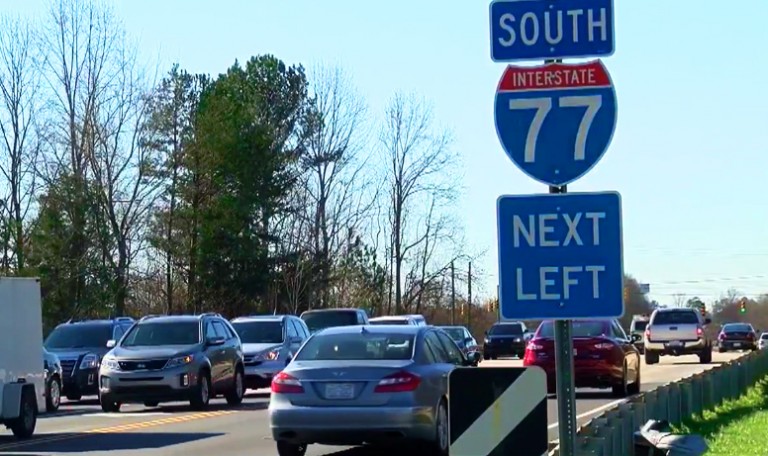
 Great news for medium-sized truck drivers and motorcyclists with trailers!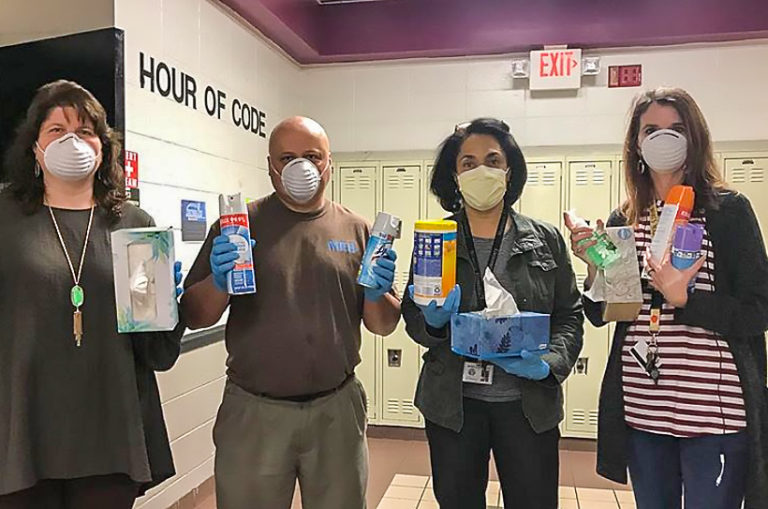
 The caution North Carolinians have taken in hand washing, mask wearing, and social distancing (the 3Ws) have helped to not only slow the spread of Covid, but also the flu, according to a
 A study released by
 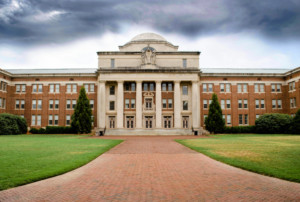 When the time to go to college comes, you might feel slightly overwhelmed. What to do first? How to start? What to do next? Should you follow your dream and apply to a top-tier college to follow your dream, or is a less risky and cheaper variant in the neighborhood better?
 With gathering restrictions and social distancing still in place, more and more people turn to the internet for leisure and entertainment.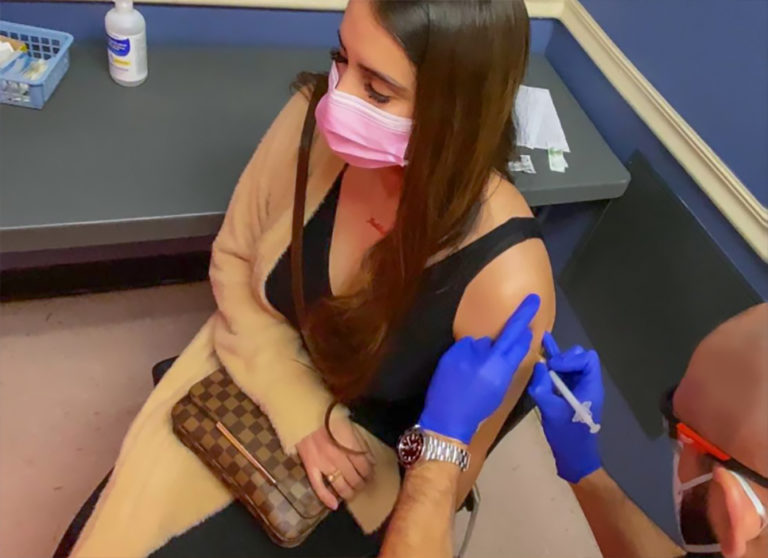
 North Carolina Department of Health and Human Services has just launched 2 new tools to help North Carolina residents find out if they are currently eligible to receive a vaccine and if so, where they can get one.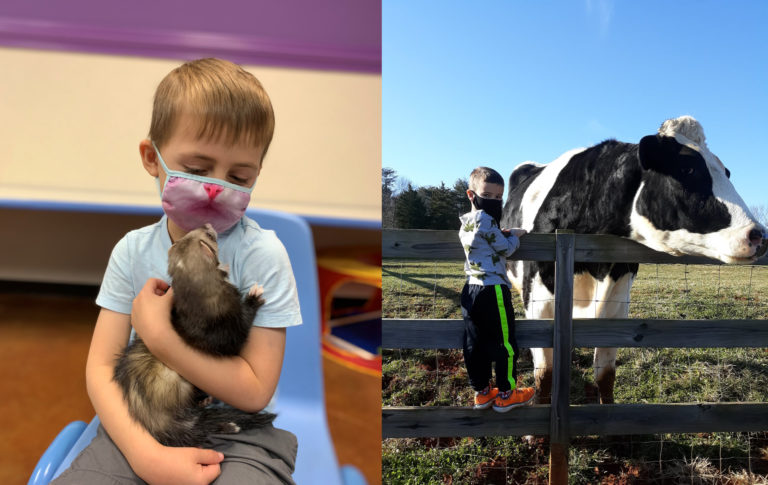
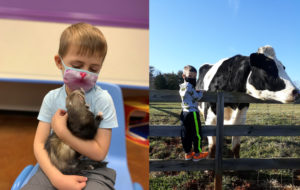 Parents of preschoolers to eighth-grade students can now register their children for Rescue Ranch’s 2021 Critter Camps, daily spring and daily/one-week summer camp sessions offering hands-on educational experiences with animal interactions.