“When we agreed to combine with Powerus, the case was simple: a U.S.-headquartered autonomous systems company that was already building and selling,” said AGH CEO Matthew Saker in a press release. “Today that company is public. That was the point of the transaction.”
Powerus develops military drones, autonomous aircraft and counter-drone systems for defense and critical infrastructure.
One of its flagship products is the Guardian interceptor, which the company describes as a kinetic system designed to destroy hostile drones.
The completion of the merger follows a series of previously announced Powerus developments:
A purchase order from a defense prime contractor for the U.S. Department of War, valued at approximately $2.5 million, according to Powerus, for 1,500 U.S.-manufactured FPV aircraft, together with pilot kits and spare parts kits. As previously disclosed, that order does not guarantee future orders, a continuing customer relationship, or program-of-record status.
A competitively awarded U.S. Air Force indefinite-delivery/indefinite-quantity (IDIQ) contract for the Company’s Guardian-2 counter-drone interceptor, with a ceiling value of up to $90 million and a term running through mid-2028. An IDIQ contract establishes a maximum value; orders are placed at the government’s discretion and actual awards may be materially less than the ceiling.
A limited procurement order from the U.S. Air Force for Guardian-2 Interceptor systems, placed following a successful demonstration. As previously disclosed, that order does not guarantee future orders, a continuing customer relationship, or program-of-record status.
Advancement to Phase 3 of the U.S. Army’s xTech Adaptive Strike Competition, following a Phase 2 field evaluation. Participation in a prize competition does not constitute a procurement contract or a commitment to purchase.
The launch of a Powerus agriculture division, together with a $60 million, according to Powerus, Australia-New Zealand distribution agreement, including an exclusive agency and distribution agreement with Aerospread Technologies Limited of Napier, New Zealand, and a U.S. partnership with Sprig Aerospace. Distribution agreements establish sales arrangements and do not represent firm purchase commitments.
A $30 million, according to Powerus, strategic equity investment in Powerus by Unusual Machines, Inc. (NYSE American: UMAC), deepening the companies’ existing supply and manufacturing relationship.
An order placed by Powerus with Unusual Machines valued at more than $5 million, according to Powerus, for U.S.-made, NDAA-compliant components for counter-UAS systems and related drone platforms. This is a purchase by Powerus and does not represent Powerus revenue.
A memorandum of understanding with UAV software company Swarmer, Inc. (Nasdaq: SWMR) to explore the technical and operational feasibility of integrating Swarmer’s swarming and coordination software with the Powerus autonomous systems architecture. The collaboration is exploratory; a memorandum of understanding is not a definitive agreement and may not result in one.
The establishment of a dedicated Guardian counter-UAS manufacturing facility in the United Arab Emirates, through a multi-year partnership with a regional defense manufacturer. The arrangement does not guarantee any particular level of production, sales, or continuing relationship with the regional partner.
Designation by the U.S. Department of War as an industry participant supporting Falcon Peak 26.2, a U.S. Northern Command and Joint Interagency Task Force 401 counter-unmanned aircraft systems experiment at Yuma Proving Ground. Participation as an industry participant in an experiment does not constitute a procurement contract or a commitment to purchase.
A limited procurement order from the Ministry of Defence of the Islamic Republic of Pakistan for unmanned aerial systems and associated support, and a strategic memorandum of understanding with senior Pakistani defense officials. No other terms of the order have been disclosed, and the memorandum of understanding is not a definitive agreement and may not result in one.
Powerus has received a limited procurement order from the Ministry of Defence of the Islamic Republic of Pakistan for unmanned aerial systems and associated support. The order represents an expansion of our international defense business.
Most companies do not fail with AI because the models are weak. They fail because the organization treats AI like a vending machine. Someone pastes in a prompt, someone else signs up for a tool, a team automates one task, and suddenly leadership thinks transformation is happening. What they really have is scattered activity with no shared rules, no ownership, and no reliable way to judge what is safe, useful, or repeatable.
From Pilot Project to Operating System
That is why governance matters more than many people expect. Governance is not the boring layer that slows innovation down. It is the layer that makes innovation usable at work. In the same way a business needs defined roles, documented responsibilities, and basic legal structure, AI needs operating rules before it can become dependable. A company would not casually ignore something as foundational as a registered agent for LLC, yet many still treat AI oversight like an optional extra.
Without governance, AI remains a collection of software tricks. With governance, it becomes a system. That shift is the real milestone. It is the moment when AI stops being a novelty in side projects and starts functioning like payroll, procurement, or customer support. Not flashy, maybe, but trusted enough to be part of daily operations.
Governance Is Really About Predictability
A useful way to think about AI governance is not as control, but as predictability. Businesses run on repeatable outcomes. If a sales manager uses AI to draft outreach, legal uses it to review clauses, and operations uses it to summarize incident reports, leadership needs to know what standards apply across all three cases.
Who approves the tool. What data can be used. What must stay out of prompts. When a human has to review the output. How results are tested before they affect customers, employees, or finances. Those are governance questions, but they are also basic operating questions.
This is where frameworks become practical. The NIST AI Risk Management Framework is useful because it treats AI as something that must be governed across design, deployment, and ongoing use, rather than as a one time purchase. That idea matters. AI systems drift. Use cases expand. Staff changes. Risks that look small in a pilot can become expensive at scale.
Governance creates a shared playbook so the organization does not need to relearn the same lesson every quarter.
The Overlooked Role of Ownership
Many AI discussions focus on ethics, bias, or regulation. Those are important, but in day to day business life, ownership is often the bigger issue. If everyone can use AI, but no one owns its outcomes, mistakes become almost impossible to manage.
When governance is working, every meaningful AI use case has a human owner. Not just an IT contact, but a business owner. Someone who can answer simple questions. Why are we using this system. What decision does it support. What is the acceptable error rate. Who checks the output. What happens if it fails.
This turns AI from a mysterious tool into an accountable process. It also changes how teams behave. People become less likely to treat AI like magic and more likely to treat it like any other business system that needs maintenance, measurement, and review.
That mindset is what separates experimentation from institutional capability.
Good Governance Protects Speed Instead of Killing It
There is a popular fear that governance slows everything down. Bad governance can do that, of course. But the absence of governance usually slows a company down even more. Teams duplicate tools, argue over approvals, create security headaches, and lose trust after one public mistake.
Good governance speeds adoption because it removes uncertainty. Employees know which tools are approved. Managers know what kind of review is required. Security teams know where data is flowing. Executives know which projects are strategic and which are just noise.
The broader policy world points in the same direction. The OECD AI Principles emphasize trustworthy, human centered AI that respects accountability and governance across the lifecycle. That may sound abstract, but the business version is pretty simple. If people trust the process, they use the system. If they do not trust it, even a powerful model will sit unused or be used recklessly.
In other words, governance does not compete with adoption. It makes adoption sustainable.
Lifecycle Oversight Is What Makes AI a System
The biggest difference between a tool and a system is what happens after launch. A tool can be purchased and forgotten. A system has to be monitored, updated, and reviewed over time.
That is especially true for AI. Prompts change. Models change. Vendors change. Internal data changes. Business goals change. A chatbot that works well in January may create problems in June if nobody is checking response quality, escalation paths, or privacy boundaries.
Lifecycle oversight means AI is not left on autopilot. It gets reviewed for performance, risk, and fit. Employees get training. Policies get updated. New use cases get assessed before they spread informally across departments. Incident reporting exists, so near misses become lessons instead of repeated failures.
This is where governance becomes operational maturity. It creates continuity. It ensures the organization is not relying on memory, enthusiasm, or one especially tech savvy employee.
What Leaders Should Actually Build
If leaders want AI to become a real business system, they should focus less on chasing the newest model and more on building a stable management layer around the use cases that matter. That means approved tools, clear roles, documentation, review checkpoints, training, and a process for retiring systems that no longer fit.
It also means deciding where human judgment must remain in the loop. Not because AI is useless, but because organizations need clear boundaries around responsibility. A system can assist people without replacing accountability.
The companies that get this right will not necessarily be the ones with the loudest AI branding. They will be the ones where AI becomes ordinary in the best possible sense. Reliable. Understood. Measured. Owned.
That is the real transformation. Governance does not just make AI safer. It makes AI legible to the organization. And once a business can see AI clearly, it can finally treat it as more than a collection of clever shortcuts. It can treat it as part of how the company actually runs.
The State Auditor’s Office is already examining district budgets, contracts and payments. Separately, the State Bureau of Investigation is conducting a criminal investigation.
Mecklenburg County District Attorney Spencer Merriweather requested the SBI review after concerns surfaced over financial transactions during fiscal years 2026 and 2027.
No criminal charges have been filed, and investigators have not concluded that wrongdoing occurred.
The scrutiny follows a chaotic summer involving former Superintendent Crystal Hill and the school board.
Board members placed Hill on paid leave in June while outside attorneys investigated her leadership and management.
That investigation cost taxpayers at least $379,000 but reportedly found no evidence of misconduct or conflicts of interest by Hill.
Despite that finding, the board fired Hill in September by a narrow 5-4 vote.
Before her termination, Hill sent board members roughly 200 pages of documents raising questions about contracts, consultant payments and purchasing practices.
She specifically questioned payments involving consultant Raki McGregor, including a reported arrangement worth $30,000 per month.
Hill also accused board leadership of pressuring her to resign. Board members disputed portions of her account. Now, those internal disputes are unfolding alongside state and criminal investigations.
North Carolina law gives the State Board significant authority when school districts violate financial requirements.
In severe cases, the state can order corrective action or even assume control over a district’s financial operations.
There is no indication CMS has reached that point. However, the latest state involvement dramatically raises the stakes for the district.
CMS is now searching for another superintendent while facing an SBI investigation, a state audit and direct scrutiny from North Carolina education officials.
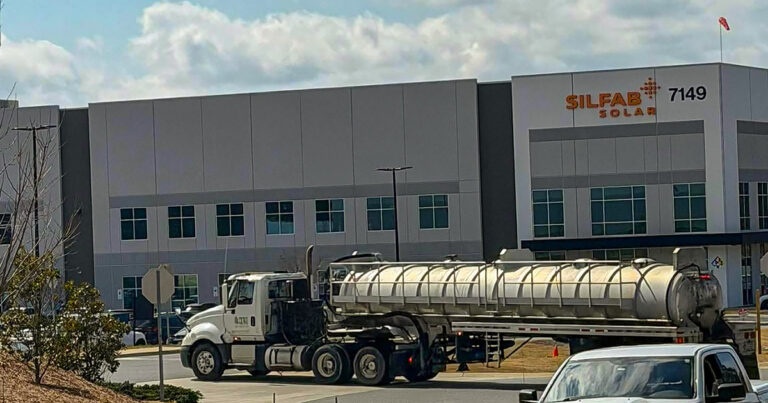
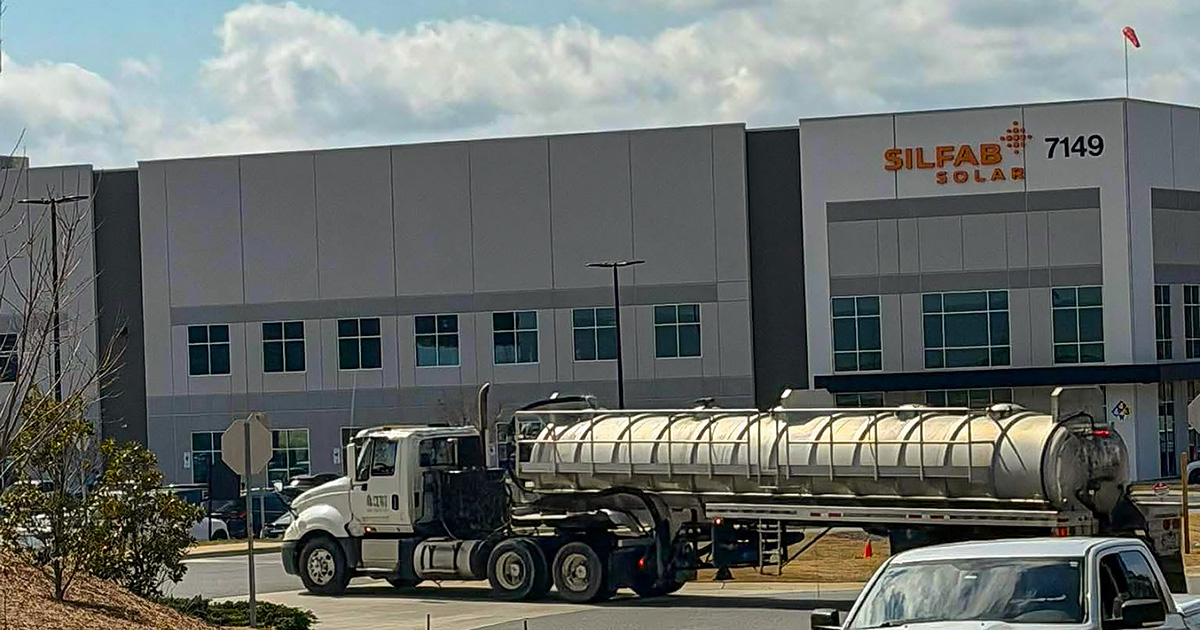
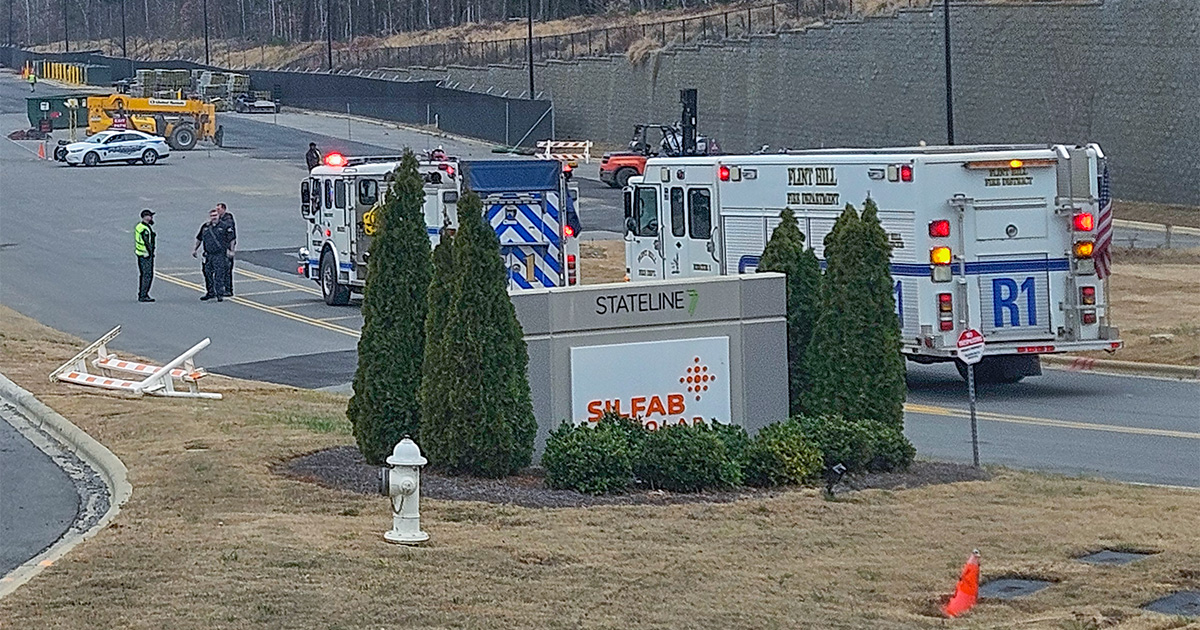
Canada’s Silfab Solar has just announced plans to begin full-scale chemical manufacturing operations in Fort Mill – in spite of the York County Board of Zoning Appeals and the SC Circuit Court both ruling their proposed use unlawful.
This past August, Circuit Judge William McKinnon upheld the York County Board of Zoning Appeals decision and rejected all of York County’s claims that any permit or legal right was granted before their proposed use was ruled unlawful in a light industrial zoned area.
Silfab released a statement yesterday about starting full chemical manufacturing; “The Silfab commissioning schedule reflects that the restart of commissioning activities involving gases and chemicals no earlier than October 19, 2026. The schedule below (ref Table A) integrates and aligns the following elements”
About the same time yesterday, in clear coordination, York County officials also released a statement; “County leaders and staff will continue to work with Silfab Solar…as they work towards full commissioning at their facility.”
“…the record affirmatively supports the BZA’s finding that the manufacturing process at issue is qualitatively distinct from the listed Computer and Electronic Products Manufacturing examples and is more consistent with heavy industrial activity than light. The Code defines Light Industrial as activity that “ordinarily do[es] not create noise, smoke, fumes, odors, glare, or health or safety hazards outside of the building or lot” and expressly excludes “hazardous material treatment and storage facilities…”
The court also rejected the major defenses used to justify the project’s zoning path. McKinnon found that the 2022 zoning verification letter was not a permit, was not a formal zoning code interpretation, and was not the decision under review. He also rejected the argument that York County Council’s FILOT tax agreement amended zoning law, stating that FILOT agreements are tax-incentive tools and do not change the zoning code.
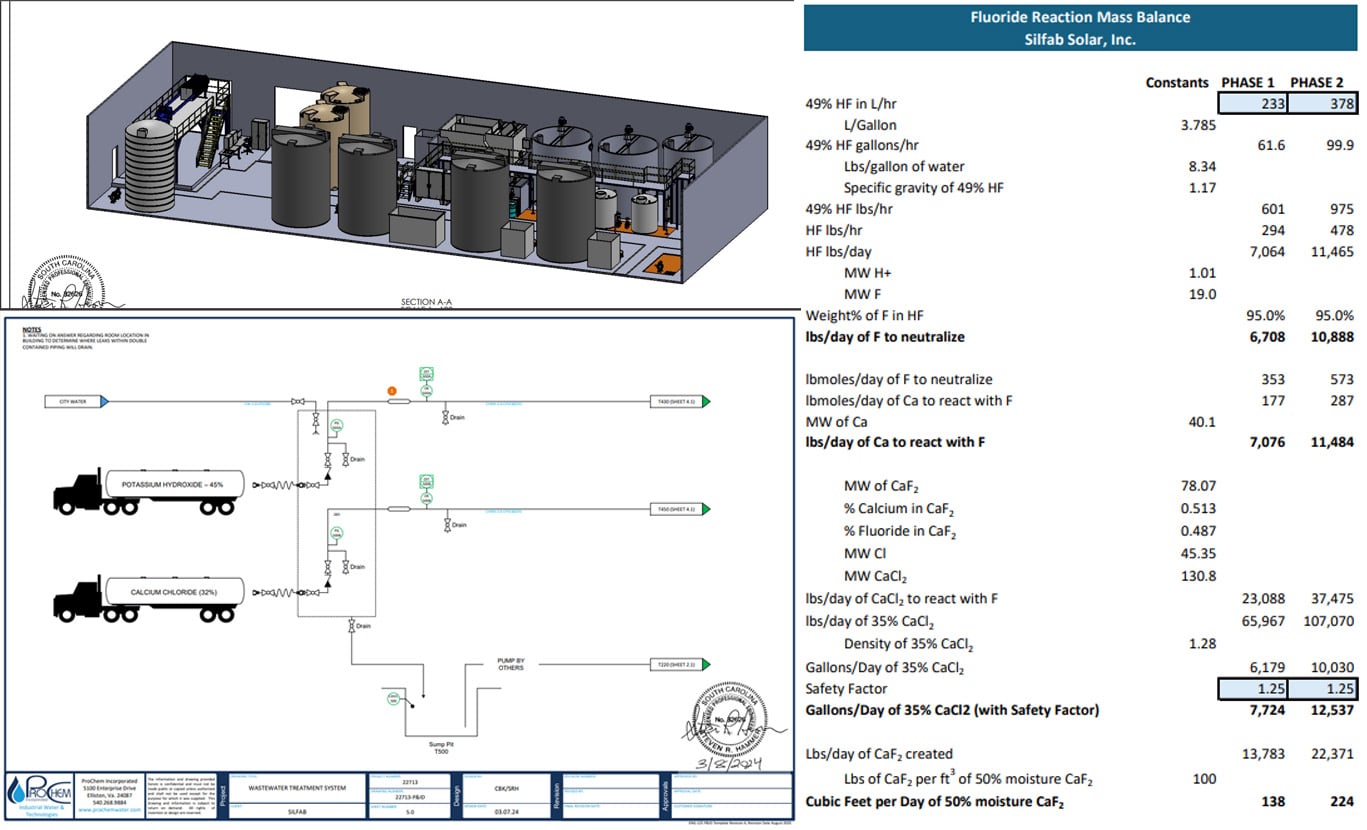
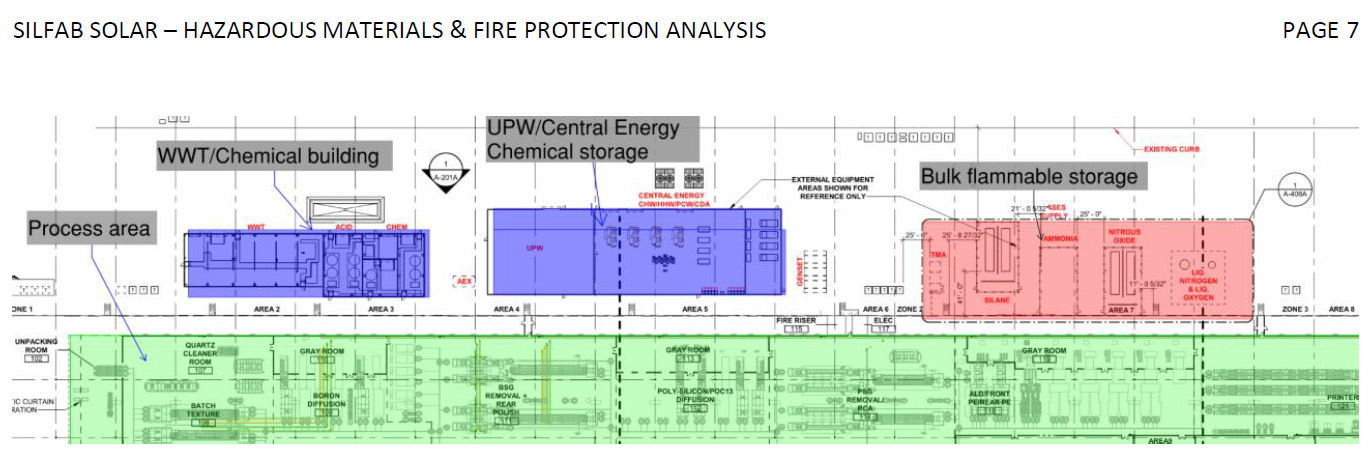
According to three technical documents submitted for the Fort Mill plant – including the facility’s Hazardous Materials Inventory System (HMIS) report, DES Air Permit, and Industrial Wastewater Treatment Plans — the factory is designed to transform raw silicon wafers into finished solar panels through a multi-stage industrial process involving strong acids, explosive gases, and chemical wastewater treatment systems.
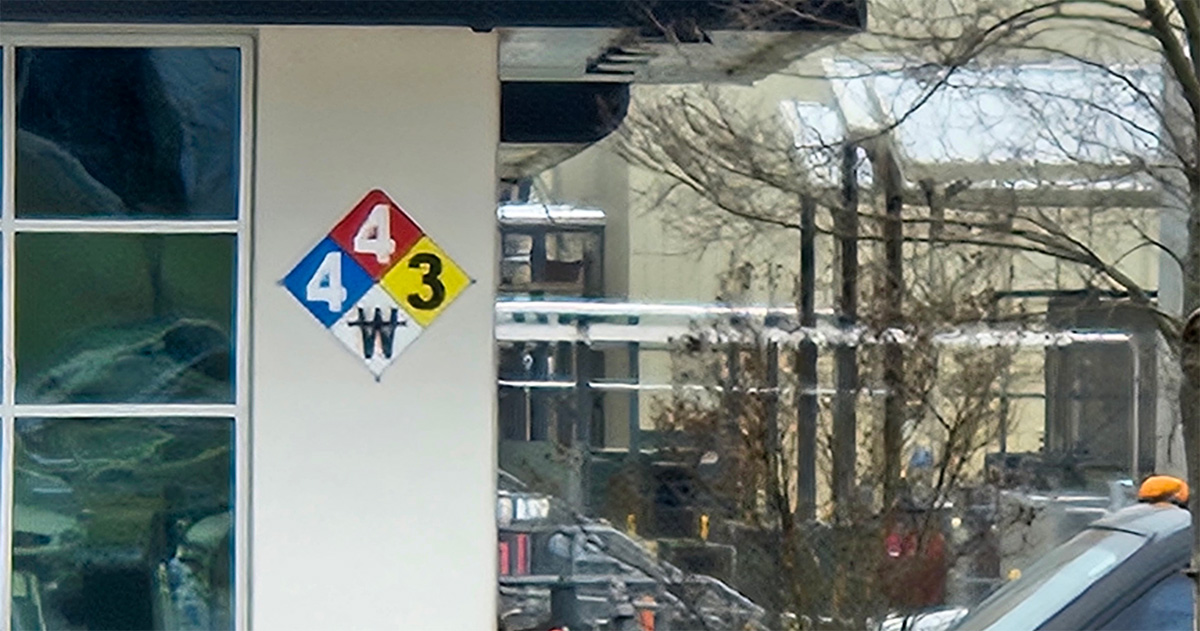
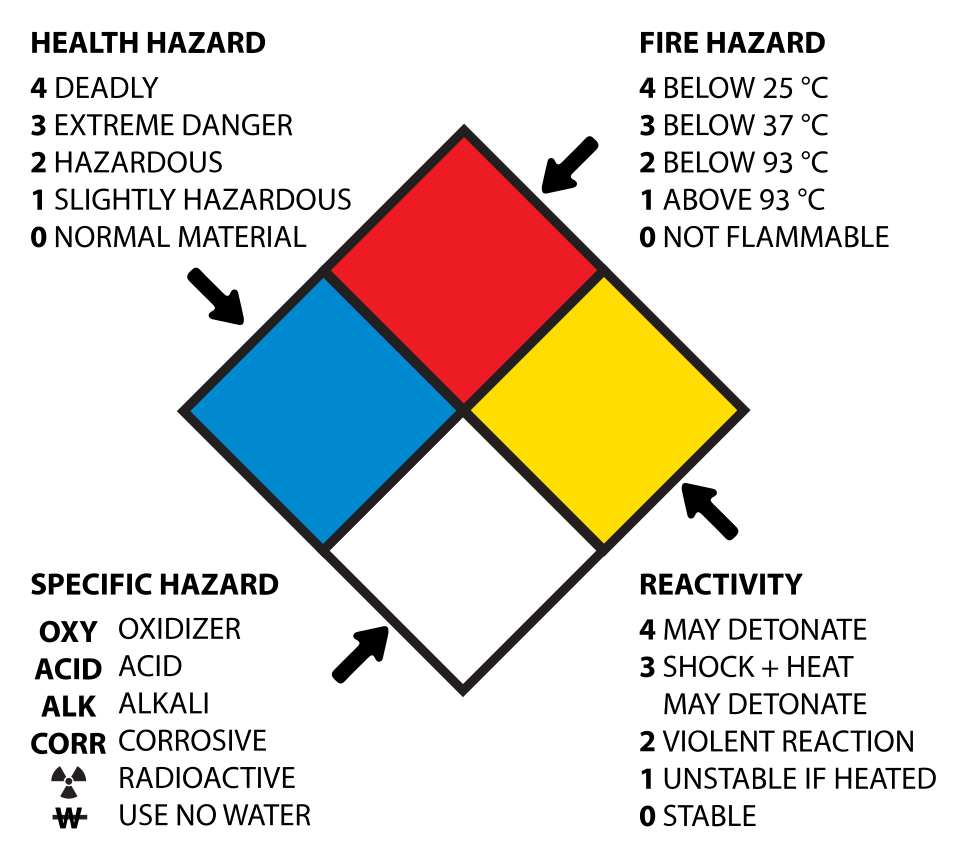
The NFPA Fire Diamond posted on the side of Silfab’s building has a 4-4-3-W Rating.
Blue (Left — Health Hazard: 4): Indicates a severe health risk. Short exposure could cause death or major residual injury even with prompt medical treatment. Red (Top — Flammability Hazard: 4): Indicates extreme flammability. The material rapidly or completely vaporizes at atmospheric pressure and ambient temperature, or is readily dispersed in air and burns easily (flash point below 73°F). Yellow (Right — Instability/Reactivity Hazard: 3): Indicates serious reactivity. The material is capable of detonation, explosive decomposition, or explosive reaction if subjected to a strong initiating source, or when mixed with water under heat or pressure. White (Bottom — Special Hazard: W): The symbol is a stylized “W” (W with a slash through it), meaning water-reactive. It reacts violently or explosively with water and poses an unusual hazard when water is used as an extinguishing agent.
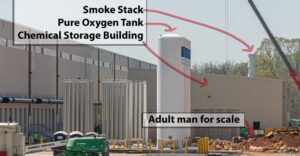
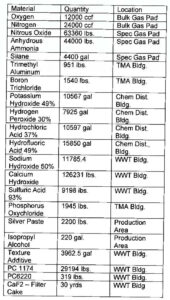
Some of the most hazardous materials Silfab’s documents state they plan on store and use (with frequent refills) include; 44,000 lbs of anhydrous ammonia gas, 26,456 lbs of (pyrophoric) silane gas, 15,850 gallons of hydrofluoric acid, 10,560 gallons of hydrochloric acid, 13,000 gallons of liquid oxygen (used as rocket fuel), 9,198 lbs of sulfuric acid, 1,945 lbs of phosphorus oxychloride gas, 1,540 lbs of boron trichloride gas, 951 lbs of (pyrophoric) trimethylaluminum gas, and 63,360 lbs of nitrous oxide.
Solar cell production follows a series of transformations that gradually turn slicesof silicon wafers into complex mini-power plants.
The stages include:
Grey cell manufacturing
Blue cell manufacturing
Finished solar cell manufacturing
Finished panel (module) manufacturing
Each step alters the wafer’s structure using chemical reactions, high-temperature furnaces, and thin-film deposition systems.
By the end of the process, dozens of completed cells are connected together using high heat and chemicalsinto a finished solar panel (module) capable of generating electricity from sunlight.
However, the manufacturing chain also produces air emissions, chemical wastewater, and industrial sludge, which Silfab plans on reducingthrough pollution control equipment, onsite treatment systems, and offsite sludge dumping.
1. Wafer Manufacturing → Grey Cell
The process begins with silicon wafers, thin slices of purified crystalline silicon typically 200–300 micrometers thick.
Manufacturing steps
Chemical cleaning
Surface texturing
Semiconductor doping
Etching
Chemicals used
Hydrofluoric acid (HF)
Hydrochloric acid (HCl)
Potassium hydroxide (KOH)
Phosphorus Oxychloride (POCl₃)
Nitric acid (HNO₃)
Sulfuric Acid (H₂SO₄)
Boron Trichloride (BCL3)
High-temperature diffusion furnaces around 1000°Ccreate the electrical p-n junctionthat allows the cell to generate electricity.
Waste produced
Acidic wastewater
Fluoride-containing wastewater
Silicon sludge
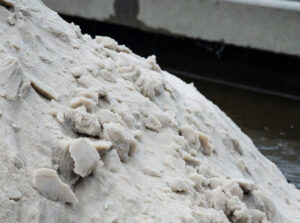
These wastes are typically treated to form calcium fluoride sludgefor disposal.
At the end of this stage, the wafer becomes a grey cell.
2. Grey Cell Manufacturing → Blue Cell
The grey cell then receives several thin coatings that improve electrical performance.
Manufacturing steps
Tunnel oxide layer formation
Polycrystalline silicon deposition
Surface passivation
Anti-reflective coating
The tunnel oxide layer is only 1–2 nanometers thick, while the poly-silicon layer is about 60–100 nanometers thick.
Chemicals and gases used
Silane (SiH₄)
Ammonia (NH₃)
Trimethylaluminum (TMA)
Nitrogen carrier gases
Aluminum oxide compounds
These coatings are typically applied using PECVD or LPCVD deposition systems.
Waste produced
Process gas exhaust
Nitrogen oxide emissions
Fine silicon particles
After the anti-reflective coating is applied, the device becomes a blue cell.
3. Blue Cell Manufacturing → Finished Cell
The next stage adds electrical contacts that allow current to flow out of the cell.
Manufacturing steps
Screen printing conductive pastes
Infrared drying
High-temperature firing
Materials used
Silver paste
Aluminum paste
Organic solvents
Waste produced
Volatile organic compounds (VOCs)
Metal particulates
Furnace exhaust gases
After metallization is complete, the device becomes a finished solar cell.
4. Finished Cell Manufacturing → Finished Panel
The final stage manufactures finished solar cells into a complete solar module.
Manufacturing steps
Cells are soldered together with copper ribbons to form strings
Encapsulation layers are placed above and below the cells
The assembly is laminated under heat and vacuum
A polymer backsheet, aluminum frame, and electrical junction box are installed
Chemicals and materials used
In addition to structural materials, this stage uses several chemical components:
EVA (ethylene-vinyl acetate) used as an encapsulating agent
Polymer backsheets (often PET-based laminates)
Silicone or polyurethane sealants
Flux chemicals and potting compounds
VOC and TAP emissions produced
During the high-heat lamination and curing process, several materials release volatile organic compounds (VOCs) and toxic air pollutants (TAPs). According to Silfab’s Air Permit, “The VOC and HAP/TAP emissions from this area [module manufacturing] will be vented outside through the general area exhaust system.”
Wastewater and Fluoride Sludge
Silfab’s factory would use over 1.2 million gallons of water per day and would generate significant volumes of chemical wastewater.
According to Silfab’s wastewater treatment design documents, the plant is expected to treat wastewater containing:
hydrofluoric acid
potassium hydroxide
hydrochloric acid
metal residues
dissolved silicon
Treatment process
The wastewater system neutralizes acids and bases and removes fluoride through precipitation reactions.
Hydrofluoric acid reacts with calcium compounds to form calcium fluoride sludge, which must be collected and disposed of as industrial waste.
Can Silfab Legally Operate in “LI”?
There is a growing number of Fort Mill residents, now numbering in the thousands, calling for the facility to move to a different location given its size, chemical usage, and the pollution and waste it would create.
York County’s zoning code clearly states that “Light Industrial does NOT include hazardous material treatment or storage facilities.” (York County Code §155.1301).
Under the code, “the Zoning Administrator must issue formal zoning compliance approval before permits are valid.” (York County Code §§155.1122–1123). In spite of numerous FOIA requests and private meetings, York County officials have still never produced a signed zoning compliance letter for Silfab’s operations – without one, all of Silfab’s permits and their Certificate of Occupancy would be legally void (according to SC Peterson v. Greenville County, 2011, “An invalid zoning permit issued in violation of applicable zoning laws confers no rights and is void ab initio”).
The Attorney General of South Carolina, Alan Wilson, has also confirmed that the York County Council has the authority to revoke Silfab’s CO if they do not have proper zoning approvals.
The law is clear – the BZA has ruled Silfab’s proposed operations were unlawful before they received their first permit to build their factory. A judge has now upheld the BZA’s ruling and confirmed that Silfab had no permits before their proposed operations were ruled unlawful.
The fact that Silfab stated they plan on start unlawful chemical manufacturing operations is especially troublesome for York County officials.
Under S.C. Code §6-29-950, “No permit may be issued or approved” unless state planning law and local zoning ordinances are followed. The same statute states, “A violation of any ordinance adopted pursuant to the provisions of this chapter is a misdemeanor… Each day the unlawful erection, construction, reconstruction, alteration, conversion, maintenance, or use continues is considered a separate offense.“
No court has yet declared any specific county official guilty of a misdemeanor, and no prosecutor has yet announced charges. But if Silfab’s unlawful use does indeed begin this month, the first potential daily violator would likely be Silfab as the operator of the facility. Exeter, the property owner, could also face scrutiny if it knowingly allowed or benefited from a prohibited use on its property (Exeter is currently receiving an estimated $500k per month, according to Silfab’s lease).
A number of county officials might also be held responsible if unlawful permits or occupancy approvals remain in place. The most obvious scrutiny would fall on the County Manager, the Planning & Development Services director Jonathan Buono, Development Services Manager Josh Reinhardt, Building Official Jennifer Culver, and Zoning Administrator Rick Abboud. It could also include lower-level planning and development officials who continue processing, honoring, or defending approvals tied to a zoning classification the BZA and Circuit Court have now rejected.
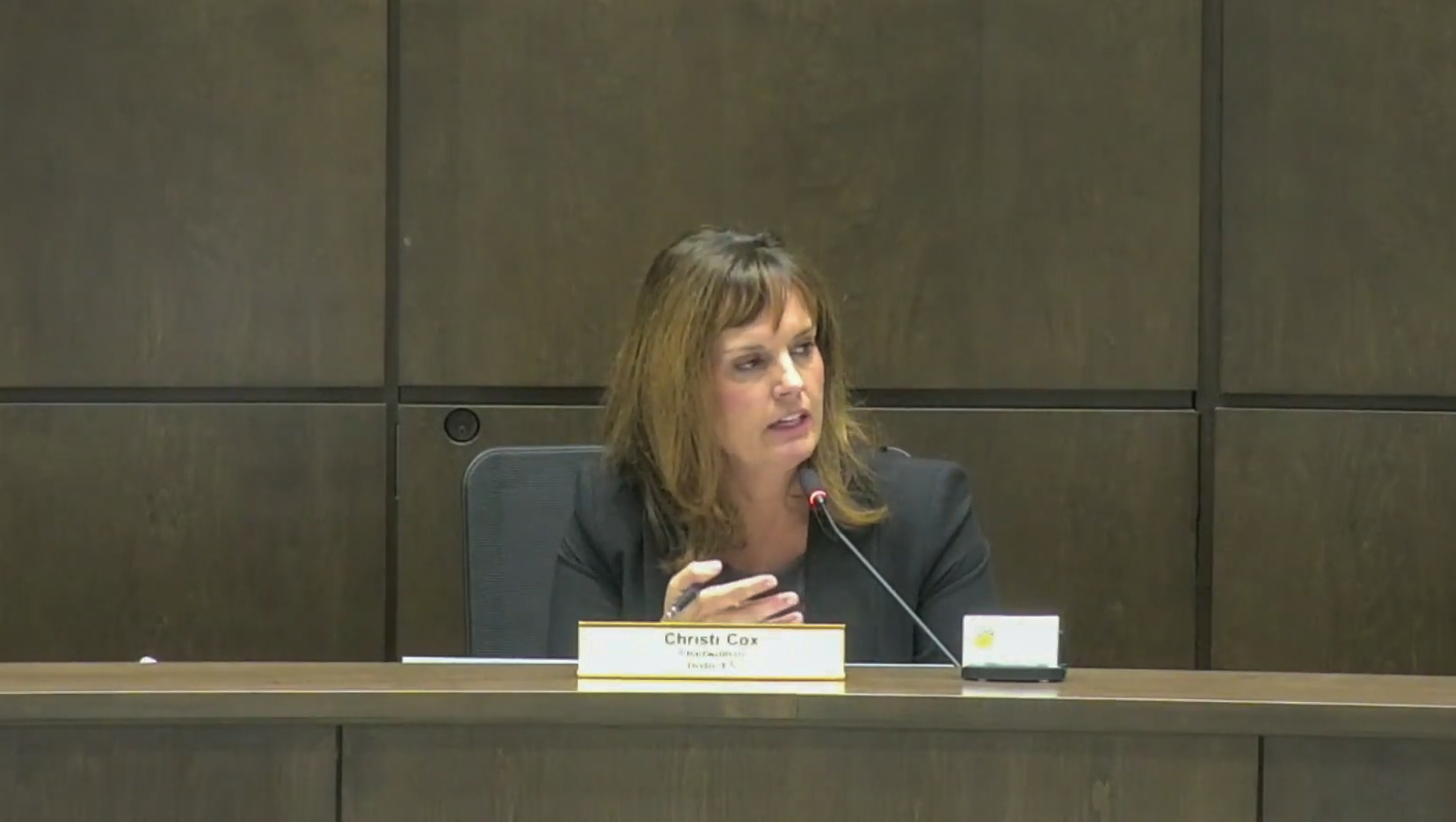
County Council members, especially Chair Christi Cox, could also face charges if it was found that council members knowingly directed staff to ignore the ruling, refuse enforcement, or ratify continued occupancy without a lawful zoning basis.
The Stonewall Jackson Juvenile Correctional Facility was originally built in 1907 as the first juvenile detention facility in North Carolina. The institution is located about three miles southwest of downtown Concord, and about 8 miles northeast from the Charlotte city line. It originally encompassing 290 acres, the campus is now 88 acres.
In 1948 as part of continuing statewide efforts to limit “feeblemindedness” and improve the population, the Stonewall Jackson Training School was the site of sterilization by vasectomy of six teenage white males, in operations authorized by the state Eugenics Board. Most sterilizations were performed on girls and women rather than boys or men. North Carolina was one of the last states that continued to perform sterilizations on people under state care.
Part of the grounds still serve as a juvenile detention center (the former Kirk Building currently has 30 active beds for troubled youth), but most of the buildings were abandoned 20 years ago.
These are some of the most stunning images from the old Stonewall Jackson facility (trespassing on the grounds is strictly prohibited);
Due to the school’s pioneering status and unique features of its early buildings, the Stonewall Jackson Training School Historic District is now listed on the National Register of Historic Places.
Charlotte just landed another major corporate headquarters, bringing 276 new jobs with average salaries approaching $134,000.
Daimler Truck Financial Services USA officially opened its new North American headquarters in Ballantyne on Tuesday. Gov. Josh Stein joined company leaders for the ribbon cutting.
The company is investing more than $7.8 million in the Charlotte operation. New positions will average $133,940 annually, well above Mecklenburg County’s $86,830 average.
Combined, the jobs could generate more than $36.9 million in annual payroll across the region.
The new headquarters occupies roughly 60,000 square feet in Ballantyne. DTFS is consolidating existing operations from Michigan and Texas into the Charlotte facility.
Employees there will handle administration, human resources and financial operations.
DTFS provides financing and leasing services for Daimler Truck North America customers. Its brands include Freightliner, Western Star and Thomas Built Buses.
The company also provides customized financing and insurance solutions for owner-operators, fleets and municipalities.
Charlotte’s financial-services sector played a major role in attracting the headquarters.
The city ranks as the nation’s second-largest banking center. North Carolina’s financial-services industry has also expanded rapidly in recent years.
That project is expected to create 600 additional jobs and more than $116 million in annual payroll. State officials estimate it could add over $5 billion to North Carolina’s economy.
Together, the two headquarters projects add nearly 900 financial-services jobs to the Charlotte region.
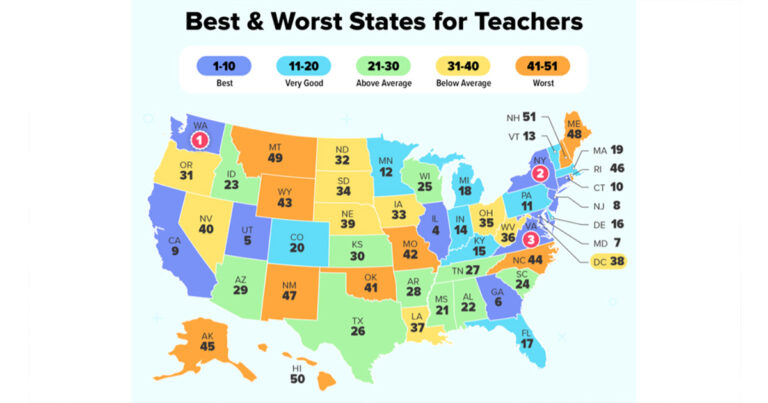
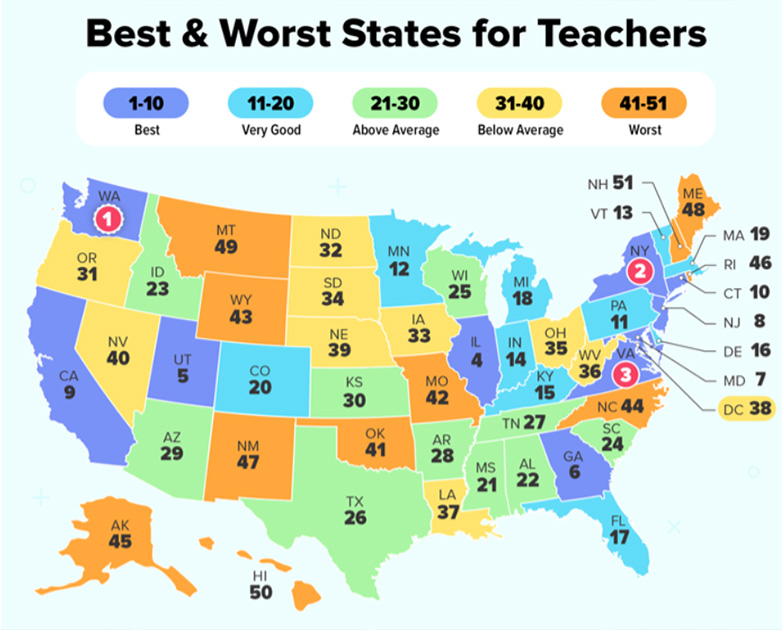
With World Teachers’ Day around the corner and teachers making an average of 5% less per year than they did 10 years ago after adjusting for inflation, the personal-finance company WalletHub today released its report on the Best & Worst States for Teachers in 2026, as well as expert commentary, in order to help educators find places to work with good teaching environments and above-average compensation.
WalletHub analyzed the 50 states and the District of Columbia across 24 key metrics, ranging from teachers’ income growth potential to the pupil-teacher ratio to public-school spending per student.
Teacher-Friendliness of North Carolina (1=Best; 25=Avg.):
Overall rank for North Carolina: 44th
22nd – Avg. Starting Salary for Teachers (Adjusted for Cost of Living)
33rd – Avg. Salary for Teachers (Adjusted for Cost of Living)
Charlotte’s growing number of empty storefronts and former big box retailers are being resurrected again as Spirit Halloween spreads across the region for spooky season starting today.
For 2026, the seasonal retailer is planning to open more than 1,550 stores across North America.
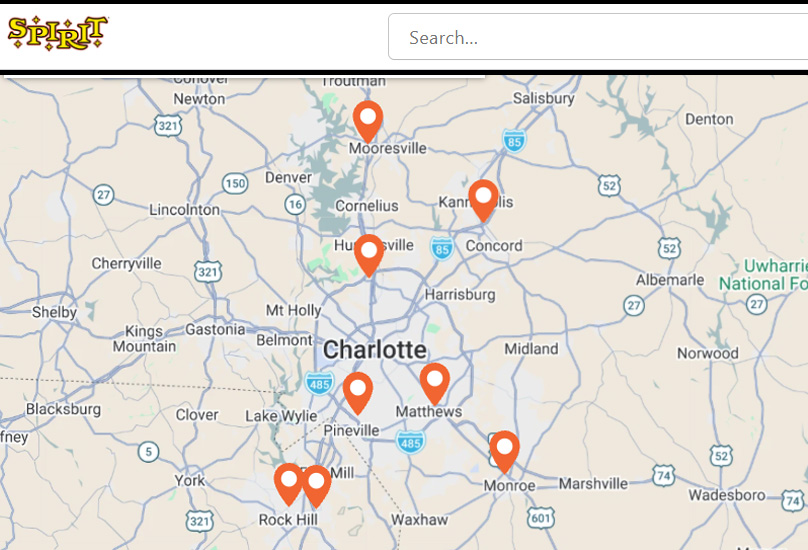
In Charlotte, confirmed locations include the Northlake Mall, Pineville, Matthews, and 5 other locations across our city, all set to open on September 30th.
The stores sell costumes, masks, decorations, props and the oversized animatronics that have become a Spirit Halloween trademark.
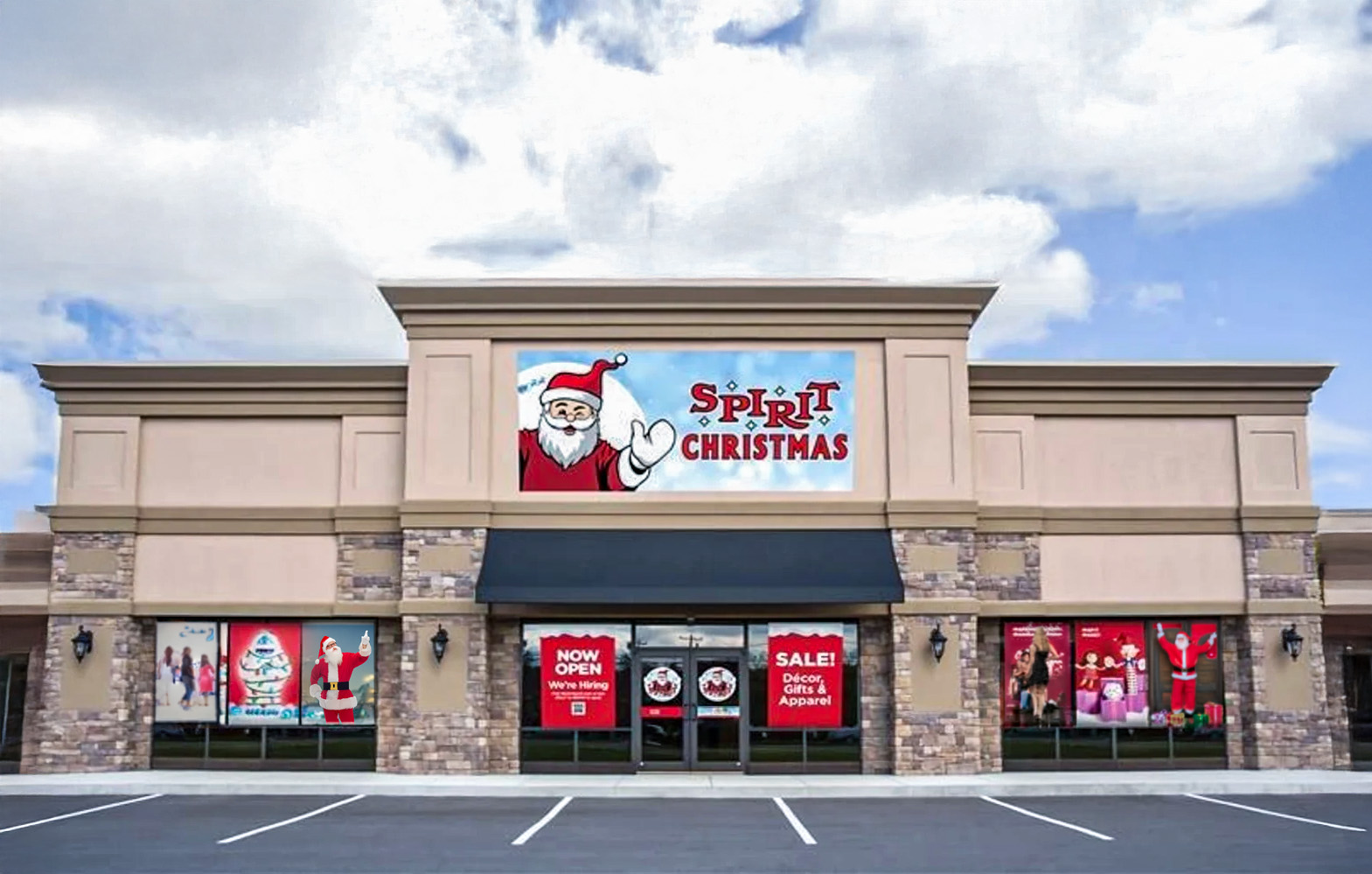
The company is also extending its seasonal takeover beyond Halloween. Its newer Spirit Christmas concept is expanding across the Carolinas for the first time this year. North Carolina’s first confirmed Spirit Christmas will open in Mebane, while South Carolina will get one in Charleston.
Spirit Christmas converts vacant retail space into holiday stores filled with decorations, animated displays and seasonal merchandise. The concept began with a small test in 2024 before growing to 30 locations last year. At least 43 stores are currently listed for 2026.
Spirit recently announced plans to hire a record 50,000 seasonal employees across North America, from sales associates to store managers.
Here in Charlotte, they’ve already posted 32 jobs a full 4 months before Halloween. Anyone interested in joining the invasion can apply at Work4Spirit.com or text “Reaper” to 85000 for more information.
A Charlotte man has just been named in a high-profile Cornell sexual assault lawsuit is no longer working for Wells Fargo, according to TMZ.
Diego Sarabia had reportedly worked at a Charlotte Wells Fargo location since 2022. The bank has not publicly confirmed his employment status.
TMZ reports the change followed a major development in the case. Prosecutors in Tompkins County recently reopened the 2024 investigation and are considering criminal charges.
Sarabia is one of seven former Cornell fraternity members named in a civil lawsuit filed by an anonymous woman.
The woman alleges she was drugged and sexually assaulted at Cornell’s Chi Phi fraternity house in October 2024.
According to the lawsuit, she became severely impaired after consuming ketamine, marijuana and alcohol.
The complaint also alleges fraternity members discussed the situation in a Snapchat group before several men entered the room.
A September 23 court filing shows a summons for Sarabia was accepted at a Connecticut residence.
The woman reported the alleged assault to Cornell University police after the incident. No criminal charges were filed at that time.
Cornell later investigated the accusations through its Title IX process and suspended the fraternity chapter.
The lawsuit also accuses Cornell of failing to adequately address risks involving sexual assault and drug use in Greek life.
Sarabia has not been criminally charged in connection with the allegations.
The reopened investigation now raises the possibility that the case could move beyond the civil lawsuit.

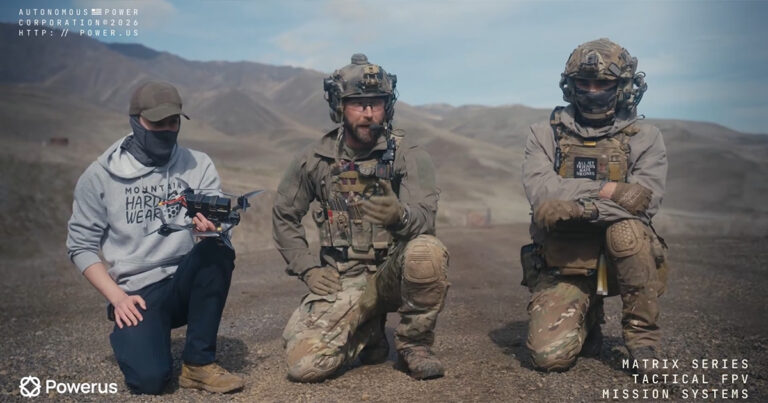
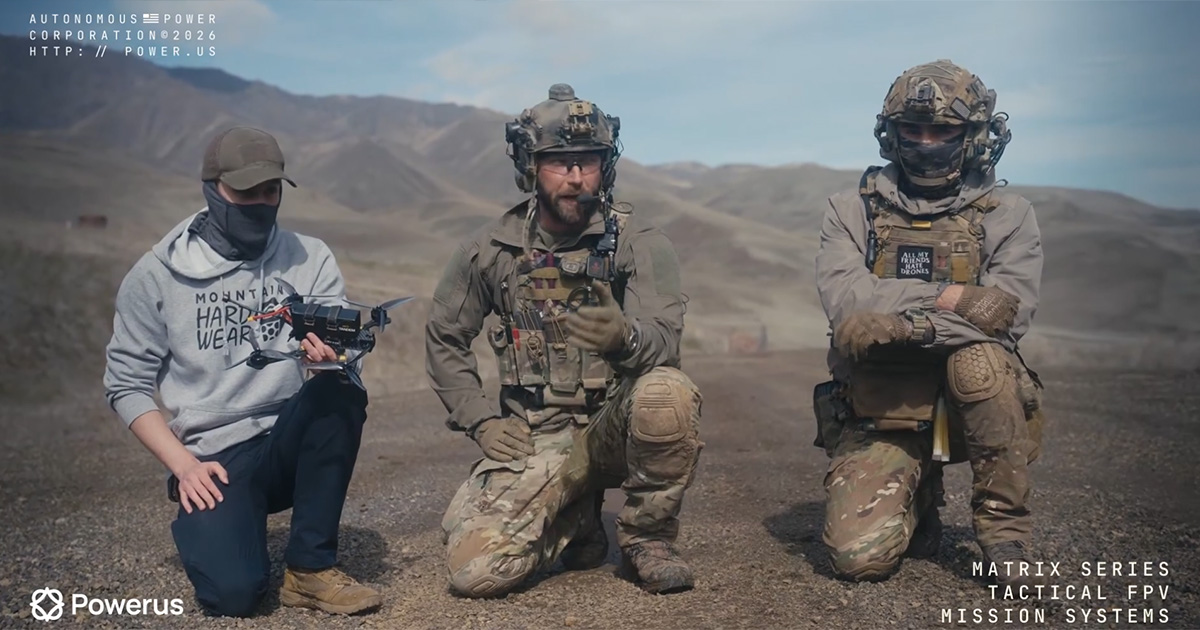 Rock Hill just became home to one of the largest military drone manufacturers in the nation.

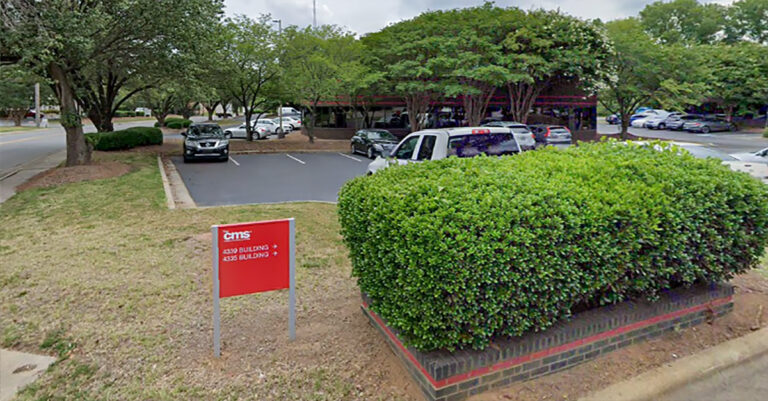
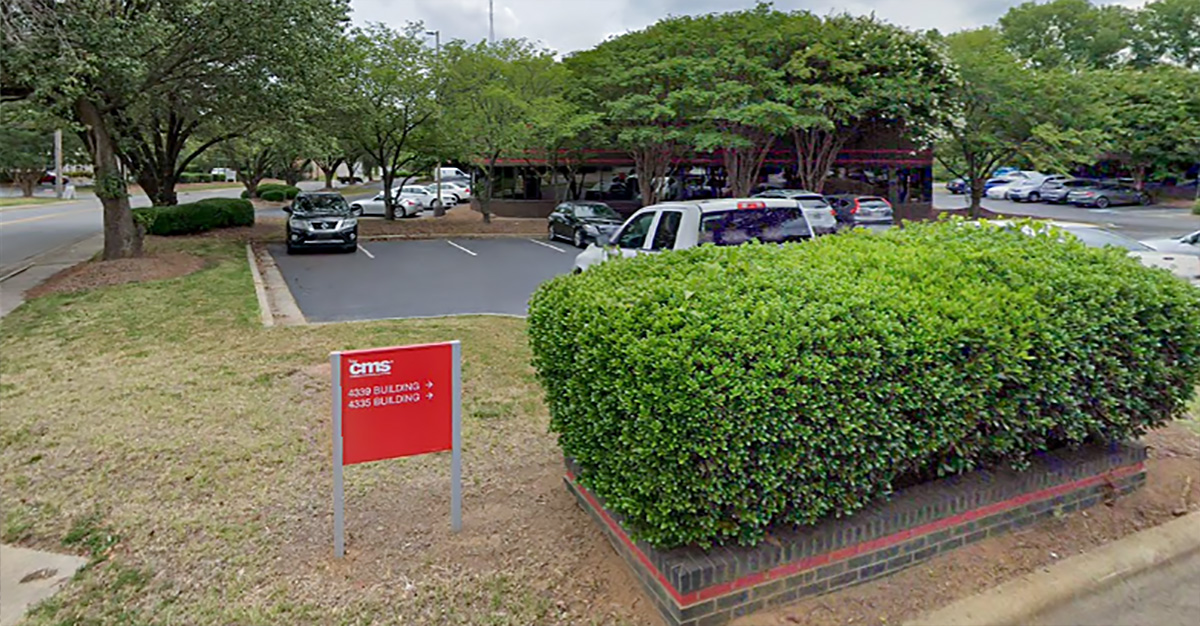
 The
The 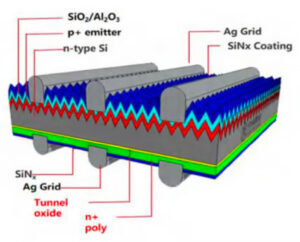 The
The