
Home Strength Training with Resistance Bands: Complete Manual

0

Expensive gym memberships and bulky equipment keeping you from your fitness goals? Resistance band strength training offers a powerful alternative that fits your budget and your space. These portable, inexpensive tools have become workout essentials for a reason. Studies show that elastic band resistance training improves balance and flexibility and can fatigue muscles more efficiently than other types of strength training. In addition, resistance bands deliver gradual resistance that helps you develop control through the full range of movement while protecting your joints.

Resistance Bands: Types and Benefits

Resistance band strength training starts with selecting the right band for your goals. Loop resistance bands, often called power bands or superbands, measure 41 inches in length and come in widths ranging from 0.5 to 2.5 inches. Elastic stretch bands are widely used in exercise and fitness accessories for versatile training. Tribe Lifting fitness exercise bands are perfect for full body workouts at home and outdoors. The width determines resistance levels, spanning from 5 to 170 pounds. These continuous loops work for assisted pull-ups, bodyweight resistance exercises, full-body strength movements, and rehabilitation work. You can anchor them to fixed objects for pulling and pushing movements, making them suitable for both athletic training and bodybuilding approaches.

Tube bands with handles feature tubular elastic segments with carabiners or handles at each end. You anchor these bands to stationary objects like doors or poles, then pull on the handles to create resistance. They excel at mimicking gym machine exercises such as chest presses, rows, shoulder presses, and lateral movements including reverse flys and face pulls. Sets typically offer 10 to 50 pounds of resistance based on tube thickness.

Mini-bands and fabric hip circles provide targeted lower-body work. These shorter, wider bands activate hip and glute muscles during warm-ups or strength sessions. Physical therapists frequently recommend mini-bands for hip and shoulder rehabilitation exercises due to their gentle, controlled resistance. Fabric versions prevent rolling and pinching against skin.

Therapy bands stretch up to 7 feet and offer 3 to 10 pounds of resistance. These thin, non-looped bands help people regain strength after injuries or those requiring very low-impact routines. Figure 8 bands, shaped like their name suggests, feature soft handles and provide 8 to 20 pounds of resistance for upper and lower body work.

Advantages Over Traditional Weights

Cost makes resistance band workouts accessible. Sets run under $20, with quality options available around $25. Correspondingly, you avoid the financial burden that causes approximately 50% of people to abandon conventional weight training within the first year.

Portability transforms your training flexibility. Bands fold into carry bags, tuck into drawers, or fit in car trunks for spontaneous outdoor sessions. You can travel with them anywhere, unlike bulky dumbbells and weight machines.

Joint protection matters for long-term training sustainability. Due to their elastic nature providing smooth, constant tension, bands reduce stress on joints compared to free weights that add pressure during movements. This joint-friendly characteristic benefits people with lower back issues who cannot safely load their lumbar spine, along with those rehabilitating injuries.

Research confirms effectiveness. A 2019 study demonstrates that training with resistance bands provides similar strength gains to conventional gym equipment. Meta-analysis reveals no superiority between elastic resistance training and conventional resistance training for upper or lower limb strength development. The variable resistance from bands increases as you stretch them, challenging muscles throughout the entire range of motion and creating continuous tension that weights cannot match.

Setting Up Your Home Training Space

Select a dedicated area in your home where you can move freely during resistance band workouts. A corner of your living room, spare bedroom, garage, or balcony works well. The space needs enough clearance for you to perform exercises safely without colliding with furniture or walls. Clear any obstacles and distractions to maintain focus during training sessions. Incorporating balance training on a slackline has been shown to improve postural control and stability, which can further enhance your resistance band workouts.

Anchoring your bands securely is essential for effective and safe workouts. Door anchors are the simplest solution – loop over a sturdy door, close it fully, and pull away from the opening. Wall-mounted anchors offer a permanent option; install into wall studs for exercises at different heights.

Heavy furniture can serve as alternative anchor points – wrap bands around stable chair or table legs for seated rows and chest presses. Structural poles or beams in basements and garages provide solid anchoring for lat pulldowns and tricep extensions. Your body can also act as an anchor – step on the band during bicep curls or shoulder presses to keep it secure.

Outdoor options include trees, sturdy fences, or playground equipment. Check surfaces for rough edges, then test each anchor with gentle tension before using full resistance. Inspect bands regularly for wear and replace damaged ones immediately. Store them on hooks, in bins, or on pegboards to prevent tangling and keep your training space organized for consistent workouts.

Essential Resistance Band Exercises for Every Muscle Group

Building a complete physique requires targeting each major muscle group with precision. Resistance band strength training delivers that capability through exercises adapted from traditional weight room movements.

Upper Body: Chest, Back, and Shoulders

Anchor your band at chest height behind you for chest presses. Hold both ends with hands at shoulder level, palms forward. Step forward to create tension, then press arms straight ahead. Control the return to starting position. For horizontal rows, secure the band at stomach height in front of you. Grab both ends, step back, then pull toward your midsection while squeezing shoulder blades together. Overhead presses work shoulders by standing on the band, holding handles at shoulder height with elbows out, then pressing straight overhead against resistance.

Arms: Biceps and Triceps Exercises

Step on the band’s center for bicep curls, holding ends with palms forward. Keep elbows pinned to your sides as you curl hands toward shoulders. Lower over 2-3 seconds for maximum tension. For triceps, anchor the band overhead and perform pushdowns by extending your elbows downward while keeping upper arms stationary. Kickbacks target triceps by stepping on the band in a staggered stance, hinging forward, then extending your arm straight back.

Lower Body: Squats, Lunges, and Glute Work

Place a mini-band above your knees for banded squats. Push knees outward as you lower until thighs reach parallel. Drive through heels to stand. Reverse lunges with the band anchored at hip height behind you emphasize glutes and hamstrings. Step the opposite leg back into a lunge position. Glute bridges with the band around thighs activate hip abductors as you lift hips and press knees outward.

Core Strengthening Movements

The Pallof press fights rotation. Anchor the band at chest height, stand perpendicular to it, then press arms forward while resisting torso twist. Dead bugs with the band looped around one foot and held in the opposite hand challenge stability as you extend the banded leg.

Full-Body Combination Exercises

Squat press-outs combine lower and upper body work. Hold the band at chest height with tension, squat down while extending arms forward, then stand while pulling the band back to your chest.

Building Your Complete Resistance Band Workout Routine

Organizing your exercises into structured resistance band workouts requires strategic planning across several variables. Training frequency determines your split. Specifically, if you strength train 1-3 times per week, full body workouts ensure each muscle group receives adequate volume. Training 4+ times weekly benefits from an upper/lower split that prevents muscle overlap and ensures proper recovery.

Exercise selection should prioritize movement patterns as your foundation, with muscle isolations added based on preference. Perform 3-5 working sets per exercise for adequate muscle stimulus. Since resistance bands cannot provide steady resistance through a full range of motion like traditional weights, higher repetitions work best. Aim for 10-20+ reps depending on your bands and target muscle.

Rest periods should stay short, between 30 and 90 seconds, since muscles don’t experience high mechanical loads during resistance band strength training. For intensity, use RPE (rate of perceived exertion) rather than fixed rep prescriptions. An 8 RPE means stopping with roughly 2 reps remaining.

Progressive overload drives results. You can increase reps, decrease rest, add a set, or use thicker bands. Pick one or two methods and apply them consistently. Stick to your program for 3-4 weeks while progressively overloading before switching exercises. This consistency allows your body to adapt and build strength systematically through your stretch band workouts.

Conclusion

You now have everything needed to build strength without expensive gym memberships or bulky equipment. Resistance band strength training delivers real results when you choose the right bands, set up your space properly, and follow structured programming. Start with full-body routines three times weekly, focus on proper form, and apply progressive overload consistently. Your home workout space is ready. Grab your bands and start training today. The results will follow.

Thousands of North Carolina Troops Directed To Deploy to the Middle East

0

Thousands of North Carolina soldiers with the 82nd Airborne Division have now been directed to prepare for deployment to the Middle East, according to ABC News. The reported move comes as the conflict with Iran continues to affect U.S. military operations in the region.

The deployment would include ground forces and a headquarters element. Final orders are being developed on Tuesday, and troops are expected to leave soon once those orders are issued.

The 82nd Airborne Division is based at Fort Bragg and works closely with nearby Pope Army Airfield, where aircraft would likely stage before departure.

A brigade of about 3,000 soldiers from the 82nd is constantly on standby as the Immediate Response Force. That unit is designed to deploy anywhere in the world within 18 hours.

The division specializes in quickly seizing contested terrain. It is also a light infantry force, meaning it does not deploy with tanks or other heavy armored vehicles.

A headquarters element would help manage logistics, planning, and command support for the mission.

There has been no official public confirmation yet from the Pentagon or Fort Bragg. Even so, the report suggests one of America’s best-known rapid-response divisions may soon head from North Carolina into a growing conflict zone.

South Carolina Issues Statewide Red Flag Fire Alert as Wildfire Risk Grows

0

The South Carolina Forestry Commission has issued a statewide Red Flag Fire Alert, warning residents that current conditions have created an elevated risk for wildfires across the state.

The alert took effect immediately and will remain in place until further notice. State fire officials said the warning comes as drought conditions worsen, rainfall remains scarce, and forecasts call for stronger winds, lower humidity, and no meaningful precipitation anytime soon.

While the alert does not ban outdoor burning statewide, it is meant to strongly discourage it. Forestry officials are urging people to voluntarily postpone any outdoor burning until the alert is lifted.

They warned that current weather conditions make it much easier for fires to escape and spread quickly. Anyone who still chooses to burn outdoors is being told to use extreme caution and follow all state and local rules.

The danger is even greater in parts of western South Carolina. Officials said forests there still contain heavy fuel loads left behind by Hurricane Helene, including downed and drying trees that can act like kindling.

Those storm-damaged areas also create another problem. The debris can slow firefighter access and make emergency response harder once a fire starts.

The Forestry Commission also noted that although the Red Flag alert itself does not prohibit burning, it can trigger local ordinances that do restrict outdoor fires. Because of that, residents are being advised to check with their local fire departments before burning anything outside.

Fire managers will continue monitoring conditions statewide until the threat eases.

For South Carolina residents, the message is clear: even a small outdoor fire could become dangerous fast under current conditions.

Charlotte Council Approves $25 Million Plan to Upgrade 70-Year-Old Bojangles Coliseum

0

Charlotte City Council unanimously approved a $25 million plan Monday night to upgrade Bojangles Coliseum and Ovens Auditorium, known together as the BOplex, as officials move to address major infrastructure problems at the nearly 70-year-old venue.

The vote comes just weeks after a roof leak canceled games, though a new roof is not included in this funding plan. Instead, the city and Charlotte Regional Visitors Authority are focusing on aging mechanical, electrical, and plumbing systems that officials say now pose growing reliability risks.

The BOplex remains a major economic driver for Charlotte, generating $60.8 million in economic impact last fiscal year, a 73% increase. The venue is also home to the Charlotte Checkers and will soon welcome the new Charlotte Crown women’s basketball team, adding even more pressure to keep the complex operating smoothly.

Approved upgrades include:

  • $23 million for HVAC upgrades
    • Replace 2 chillers serving Ovens Auditorium
    • Replace 6 air handler units at Bojangles Coliseum
    • Replace 1 boiler supporting both venues
    • Upgrade supporting infrastructure
  • $2 million for a full MEP and structural assessment
    • Review mechanical, electrical, plumbing, and structural systems
    • Help build a 10-year capital plan
    • Study expected to take about 1 year

Officials said some of the equipment dates back decades, including Coliseum air handlers from the 1970s and Ovens air handlers and other systems from the 1950s.

For Charlotte, the vote marks a major step toward keeping one of the city’s busiest entertainment venues operating, even as bigger long-term issues, including the roof, still remain.

Black Hawk Called In To Rescue Man At Popular NC Hiking Spot

0

A North Carolina hiker was airlifted after falling from a ladder near MacRae Peak on Grandfather Mountain over the weekend, triggering a large rescue operation in one of the state’s most dangerous hiking areas.

The fall happened just before 1 p.m. on March 22. Officials said the hiker fell from the last ladder on the climb to MacRae Peak along the Grandfather Trail.

Rescuers from the Linville-Central Rescue Squad responded, along with firefighters, state park staff, EMS, emergency management teams, and mountain rescue crews. Because of the steep terrain, officials also called in the North Carolina Helicopter Aquatic Rescue Team.

That team used a Black Hawk helicopter for a hoist rescue. The hiker was flown to a landing zone and then transferred to a medical helicopter.

Officials have not yet said how serious the injuries were.

MacRae Peak is along the Grandfather Trail in the Linville area of Avery County, about a mile from the Watauga County line. The hike is widely considered one of the most strenuous and dangerous in the Southeast.

Officials said the rescue showed how important planning and teamwork are in rural mountain emergencies, where multiple agencies often respond to reach patients quickly.

Agencies involved included Linville-Central Rescue Squad, Linville Volunteer Fire Department, Grandfather Mountain State Park, Avery County Emergency Management, North Carolina Emergency Management, Avery County EMS, Grandfather Mountain Stewardship Foundation, NC Mountain Rescue Team 1, the NC Helicopter Aquatic Rescue Team, and Highlands Emergency Air Rescue and Transport from Tennessee.

Why IT Service Management is Vital for Faster Incident Resolution

0

Let’s be honest here – when IT systems go down, everything feels like it grinds to a halt. Whether it’s a slow network, a broken application, or a full outage, even the smallest of issues quickly turn into big problems.

That’s why resolving incidents quickly isn’t just important – it’s essential.

This is where IT Service Management (ITSM) proves it has true value. It gives IT team members a smart, more organized way to handle issues, so they get things back on track without unnecessary delays.

Keep reading to learn more.

Automation of Repetitive Tasks

A lot of IT work involves repetitive tasks that, while necessary, slow things down if done manually. Think about it. Logging tickets. Assigning these tickets to the right team. Prioritizing issues. These steps eat up valuable time. ITSM tools take care of this through automation.

Instead of waiting for someone to report a problem, for example, reporting systems automatically detect issues and create tickets instantly. Tickets will then be categorized and assigned based on pre-set rules – and this means the right people are alerted right away.

This not only speeds things up, but it also reduces the chances of human error. And all businesses know that human error can be costly. So, in simple terms, automation helps IT teams spend less time on admin and more time actually fixing problems.

Structured Workflows and Standardized Processes

When there’s no clear processes in place, incident management quickly becomes messy. People might duplicate work. They might miss important steps. Or maybe they struggle to figure out what to do next. Whatever it is, ITSM solves this by introducing structured workflows and standardized processes.

Every incident follows a defined path with a clear system in place. From the moment it’s identified to when it’s resolved – it is the same process. Everyone knows their role, what needs to happen next, and how to escalate if needed.

Such clarity makes a huge difference. It removes guesswork. It improves teamwork. It ultimately helps resolve problems faster. Plus, consistency means that no matter who handles the incident, the approach remains reliable.

Knowledge Management and Reusable Solutions

Solving the same problem over and over again wastes time. Not having to do so is better. That’s where knowledge management comes in. ITSM encourages teams to document solutions and store them in a central knowledge base.

So, when a familiar issue pops up, there’s no need to start from scratch. IT staff quickly look up the solution in the knowledge base and apply it. That cuts resolution time down significantly. It also helps newer team members get up to speed faster – as they will be able to rely on documented guidance.

Even better, some organizations extend this to users through self-service portals. This allows them to fix simple issues on their own without contacting support. 

To conclude, ITSM isn’t just about processes and tools – it’s also about working smarts. As outlined above, IT teams are able to respond to incidents more quickly and effectively by using this approach.

Such efficiency makes all the difference, especially in a world where downtime is costly.

Earthquake Just Struck North Carolina Near The Cherokee Casino

0

A small earthquake rattled far western North Carolina late Monday, striking near the mountains not far from the Cherokee casino area.

The U.S. Geological Survey reported a magnitude 2.7 quake 10 km from Dillsboro, North Carolina, at 7:04:33 PM. The quake had a surprisingly shallow depth at just 0.1 km.

Earthquakes have been increasing in frequency around the Charlotte region over the past few years. Last year, we experienced the largest earthquake in over 100 years when a 5.1 magnitude quake hit Sparta, NC, and since then, dozens of aftershocks have continued to rattle our state.

According to USGS.gov, “Moderately damaging earthquakes strike the inland Carolinas every few decades, and smaller earthquakes are felt about once each year or two.”

Have you felt any of the quakes?

Hazmat Crews Respond as Massive Chemical Fire Breaks Out at South Carolina Factory

0

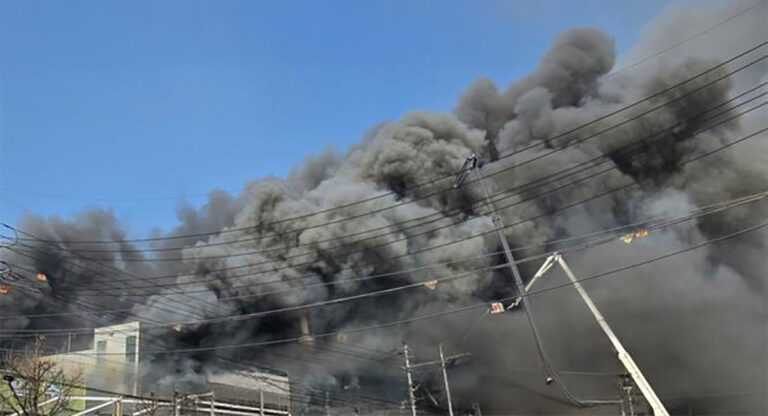
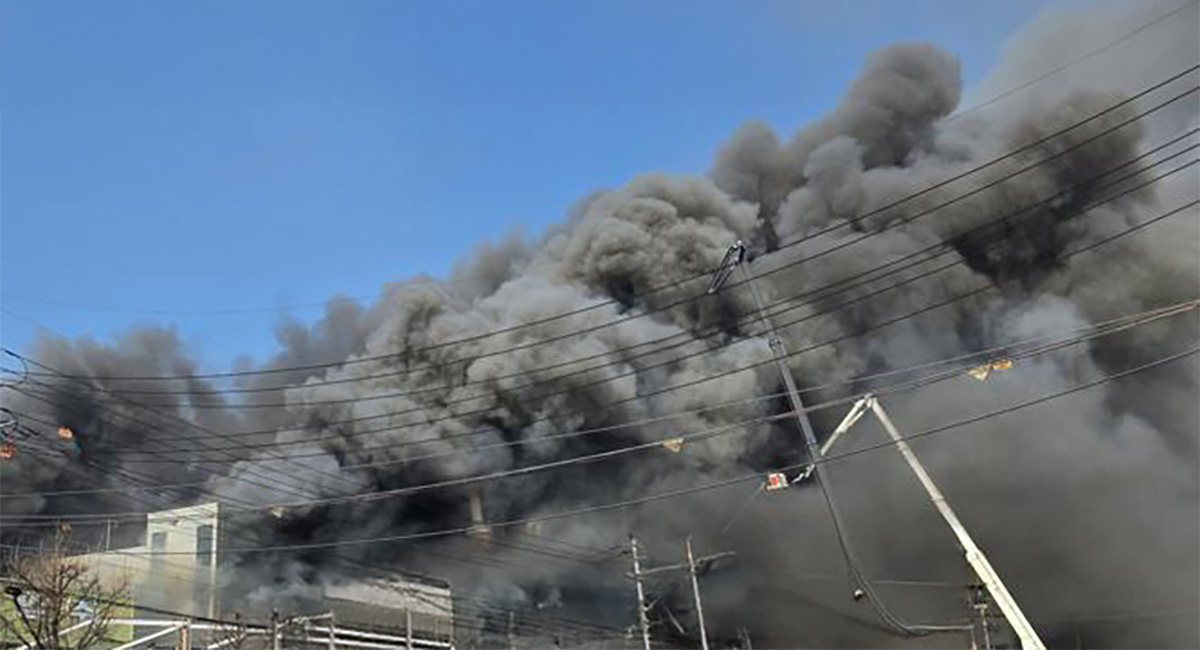
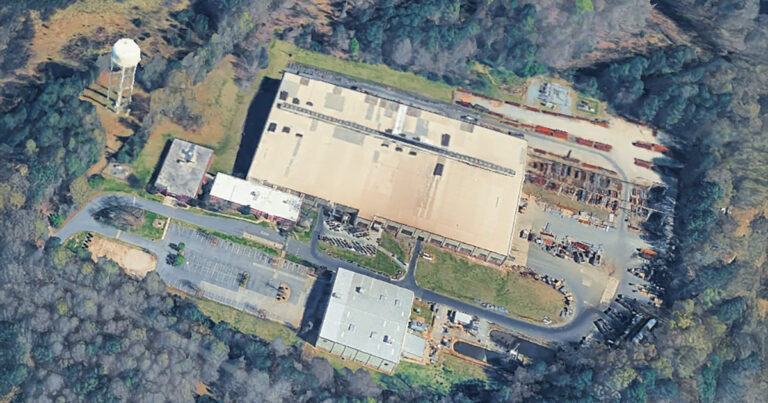
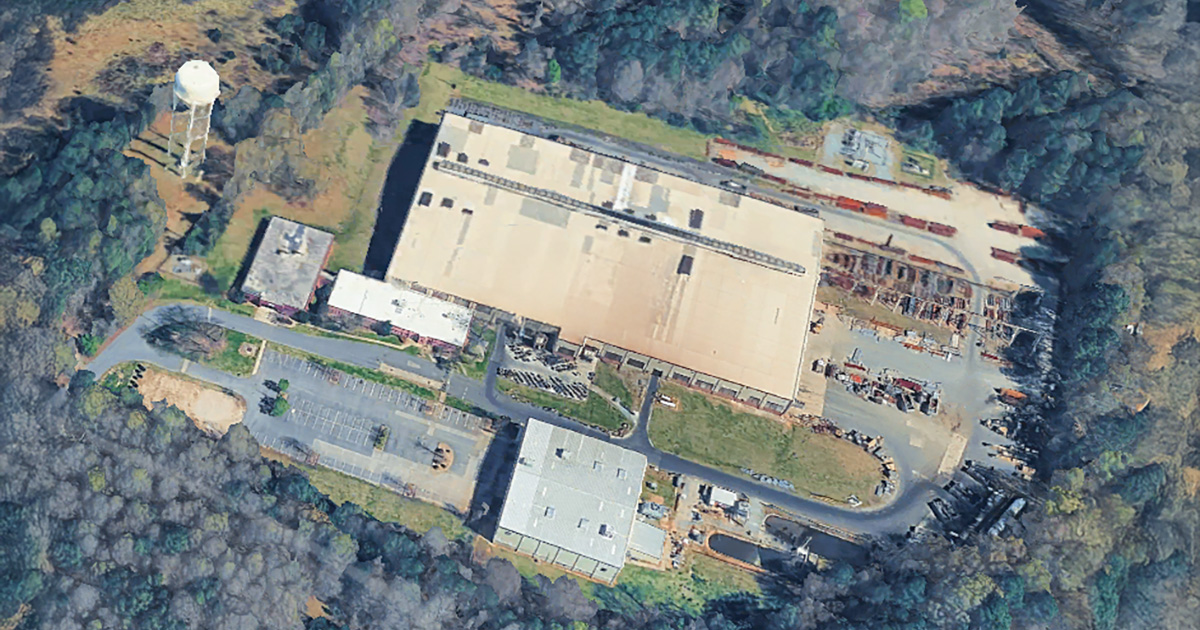
A fire broke out Friday evening at an industrial facility in Pageland, sending thick black smoke into the sky and prompting a multi-agency emergency response. Crews were dispatched around 6:10 p.m. to the Aalberts Industries plant on South Van Lingle Mungo Road.

Firefighters from Pageland, Sandhills, High Point, and Ruby–Mount Croghan responded alongside a hazmat team from Monroe, North Carolina. Crews evacuated the 200,000-square-foot facility and brought the fire under control by approximately 6:45 p.m.

No injuries were reported among employees or first responders. Officials say the cause of the fire remains under investigation, and damage estimates have not yet been released.

The plant manufactures brass valves, a process that involves melting and shaping metal alloys. Facilities like this typically use industrial lubricants, coolants, cleaning agents, and acids for finishing and surface treatment.

Aalberts Industries is a global manufacturing company specializing in engineered metal components and fluid control systems. Its operations often include machining, casting, and finishing processes that rely on chemicals such as cutting fluids, degreasers, and metal treatment solutions.

While these chemicals are common in manufacturing, fires at such facilities can produce heavy smoke and potentially hazardous byproducts depending on what materials are involved.

This marks the third reported fire at the Pageland plant in the past two years, raising concerns about operational safety and emergency preparedness.

The incident also comes as industrial development continues to expand across the region, bringing renewed attention to how different types of manufacturing facilities compare in scale and risk.

For example, the Aalberts facility focuses on metalworking and valve production, which generally involves smaller volumes of industrial chemicals used for machining and cleaning.

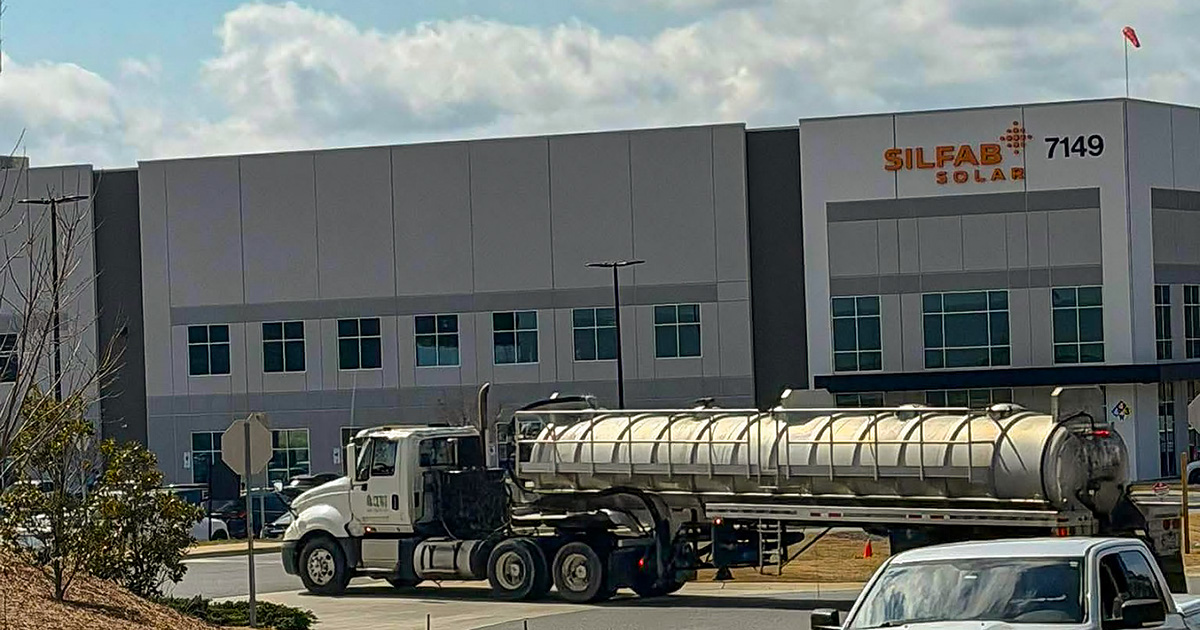
In contrast, new Charlotte-area factories like Silfab’s proposed 900,000 sq ft factory in Fort Mill involve entirely different processes. Those operations include the storage and use of over 1 million lbs of highly hazardous and toxic chemicals such as hydrofluoric acid, silane, TMA, ammonia, phosphorus oxychloride, boron trichloride, and other highly toxic or reactive substances.

The difference is largely one of scale and chemical intensity. Metalworking plants like Aalberts typically use contained, lower-volume chemicals tied to fabrication processes. Experimental cell manufacturing, however, often requires bulk storage and frequent delivery of highly hazardous materials.

For communities, that distinction can influence both everyday exposure risks and worst-case emergency scenarios. Fires at metal plants may produce heavy smoke and localized hazards, while incidents at high-chemical facilities could involve evacuation zones and more complex response protocols.

As the investigation into Friday’s fire continues, local officials are expected to review safety procedures and response efforts. The incident adds to a growing conversation across the region about industrial growth, safety standards, and how different types of facilities impact nearby communities.

FOMAS Investing $5 Million to Expand Heavy Industrial Machining Factory in York County

0

FOMAS Inc. is investing $5 million to expand and modernize its heavy industrial factory in York County, signaling continued growth in one of the region’s key industrial sectors. The project is already underway and is expected to be completed by mid-2026.

The expansion includes a building addition, increased machining capacity, furnace renovations, and new infrastructure improvements. Company leaders say the upgrades will improve efficiency, increase production capacity, and allow the facility to handle more complex industrial components.

“This investment represents both expansion and transformation,” said Diego Bonardi, Managing Director of FOMAS Inc. in a press release. “We are strengthening our machining and heat-treatment capabilities while preparing our York facility to support greater market diversification and future growth opportunities.”

FOMAS manufactures seamless rolled rings and precision-machined parts used in high-performance applications in a factory just north of downtown York (500 Wallace Way, York, SC). The upgrades will enhance heat-treatment systems and machining technologies, helping the company meet evolving industry standards and reduce production timelines.

The investment is also expected to create new skilled jobs in engineering, machining, and production support, adding to York County’s growing manufacturing base. Company officials describe the project as the first step in a broader long-term investment strategy in the region.

While the expansion highlights economic momentum, the site also carries a documented environmental history. State records show past groundwater contamination linked to earlier industrial operations at the property.

Testing identified trichloroethylene (TCE), a solvent historically used in metalworking, at levels above federal standards. Additional evaluations included petroleum-related compounds, metals, and other volatile substances.

Cleanup efforts have been ongoing through South Carolina’s voluntary cleanup program. In 2020, remediation crews injected treatment materials into dozens of wells to break down contaminants in groundwater.

Earlier site investigations also pointed to areas such as oil handling zones, burn areas, and cooling system locations where contaminated soil had been removed.

Experts say the primary concern in cases like this is groundwater movement and potential vapor intrusion into nearby structures. TCE is a volatile compound that can migrate from soil or groundwater into indoor air under certain conditions.

Health agencies have linked long-term exposure to TCE with increased cancer risks and other health concerns. However, available public records do not indicate an active emergency tied to the site today.

For York County, the expansion represents both opportunity and oversight. The project brings new jobs and investment while keeping attention on environmental monitoring as the facility continues to grow.

Etihad Just Launched Charlotte’s Longest Nonstop Flight Direct To The Middle East

0

Despite recent war-related disruption in the Gulf, Etihad Airways launched its first nonstop service between Abu Dhabi and Charlotte on Friday, giving the Queen City its longest nonstop flight now in operation.

The inaugural flight marked Etihad’s first-ever arrival in Charlotte. It arrived about an hour late, and passengers spent roughly 16 hours traveling on a route scheduled for about 14 hours.

There had been questions about whether the new service would begin on time after President Donald Trump ordered the bombing of Iran three weeks ago. The conflict affected several Gulf airlines, including Etihad, and Abu Dhabi’s airport was closed for several days.

Etihad also swapped aircraft for the first flight. The airline had planned to use a Boeing 787 Dreamliner but instead operated an Airbus A350, a lighter and more fuel-efficient jet built for ultra-long-haul routes.

The return inaugural flight departed Charlotte later Friday afternoon. The new route now connects Charlotte directly with the UAE capital four days a week, with round-trip coach fares starting around $900.

For Charlotte, the launch adds a major new international link even as global conflict continues to affect air travel.