Panthers End Season with Hope After Overtime Victory Against Falcons

0

The Carolina Panthers closed the 2024 season with a thrilling 44-38 overtime win against the Atlanta Falcons, improving to a 5-12 record. Quarterback Bryce Young delivered a standout performance, throwing for 251 yards and three touchdowns while rushing for two more scores.

Young’s growth was evident as he led six touchdown drives, finally giving fans what they’ve been praying for all season. Young now joins Cam Newton and Steve Beuerlein as the only Panthers’ quarterbacks in franchise history to have at least 5 touchdowns in a game.

Today’s win also makes the Panthers undefeated in 2025.

In spite of the offensive highlights, the Panthers’ defense struggled considerably, allowing significant gains from Falcons running back Bijan Robinson and receiver Drake London. Injuries to key players like Derrick Brown and Shaq Thompson compounded the defensive woes. Despite the challenges, moments like Mike Jackson’s interception in the third quarter underscored the defense’s potential.

Head coach Dave Canales has shown promise in his first year, offering a marked improvement over previous leadership.

With a good amount of salary cap available, the eighth overall draft pick, and an improving quarterback, the Panthers enter the off-season with renewed optimism for the first tie in years.

Co-Parenting: Navigating Parenthood Together, Apart

0

Parenting is a journey filled with love, challenges, and growth. For parents who are no longer together, co-parenting adds another layer of complexity. It requires cooperation, communication, and mutual respect to create a nurturing environment for children. When approached with a positive mindset, co-parenting can lead to healthy relationships and a supportive upbringing for kids.

What is Co-Parenting?

Co-parenting is a shared parenting arrangement where both parents actively participate in their child’s life, despite living separately. The goal is to prioritize the child’s well-being by providing consistent care, love, and support from both parents.

Effective co-parenting emphasizes collaboration over conflict, ensuring children feel secure and loved by both parents, even if their parents are no longer in a romantic relationship.

Key Principles of Co-Parenting

  1. Prioritize the Child’s Needs
    The child’s well-being should always come first. Set aside personal differences to focus on what benefits your child emotionally, mentally, and physically. 
  2. Open Communication
    Keep communication respectful and direct. Use clear language to avoid misunderstandings and maintain a neutral tone when discussing parenting matters. Tools like co-parenting apps can help facilitate organized communication. 
  3. Consistency and Routine
    Children thrive on stability. Work together to establish consistent routines, rules, and expectations between both households to minimize confusion and provide structure. 
  4. Respect Boundaries
    Respect each other’s time, space, and parenting styles. Avoid micromanaging or criticizing the other parent’s choices unless there are genuine concerns about the child’s safety or well-being. 
  5. Problem-Solving Together
    Conflicts are inevitable, but resolving them constructively is key. Approach disagreements with the mindset of finding a solution rather than assigning blame. 
  6. Stay Flexible
    Life is unpredictable, and schedules may need to change. Be willing to adapt and compromise when necessary, demonstrating teamwork and understanding. 

Benefits of Co-Parenting

  1. Emotional Security for Children
    When children see their parents cooperating, they feel more secure and less anxious about the changes in their family structure. 
  2. Healthy Role Modeling
    Co-parenting teaches children valuable lessons about conflict resolution, communication, and mutual respect. 
  3. Stronger Parent-Child Relationships
    Shared parenting ensures both parents remain actively involved, fostering closer bonds with their children. 
  4. Reduced Parental Stress
    Sharing responsibilities can ease the burden on each parent, allowing them to focus on quality time with their children. 

Overcoming Challenges in Co-Parenting

Co-parenting is not without its hurdles. Emotional baggage, miscommunication, and differing parenting philosophies can create friction. Here are some strategies to overcome common challenges:

  • Seek Professional Help: Therapists or mediators can provide guidance to navigate difficult dynamics.
  • Practice Empathy: Try to understand the other parent’s perspective and validate their feelings.
  • Stay Child-Centered: Reframe disagreements by considering what’s best for your child.
  • Develop a Parenting Plan: A detailed plan outlining custody schedules, responsibilities, and decision-making processes can prevent conflicts.

Final Thoughts

Co-parenting is a continuous journey that requires effort, patience, and commitment. By focusing on shared goals and putting your child’s well-being at the forefront, co-parenting can transform into a successful partnership. Remember, the true measure of success in co-parenting lies in your child’s happiness, confidence, and sense of stability.

Care for Kids adds that it’s also important to remain flexible and open to change as your child grows and circumstances evolve. Regular communication, mutual respect, and a willingness to adjust plans when necessary can make all the difference in building a strong co-parenting foundation that benefits everyone involved.

Through collaboration and understanding, co-parenting can not only support your child’s growth but also foster a positive dynamic between you and your co-parent.

New Migration Data: 59% of Charlotte Apartment Hunters Looking to Move Away

0
Apartment List has just published its newest Renter Migration Report.
Their data aligns with census estimates showing that migration in the U.S. slowed last year, but certain metro-to-metro trends remain strong, highlighting the markets that will be attracting (or losing) renters in the coming year.
Key insights from this year’s report include:
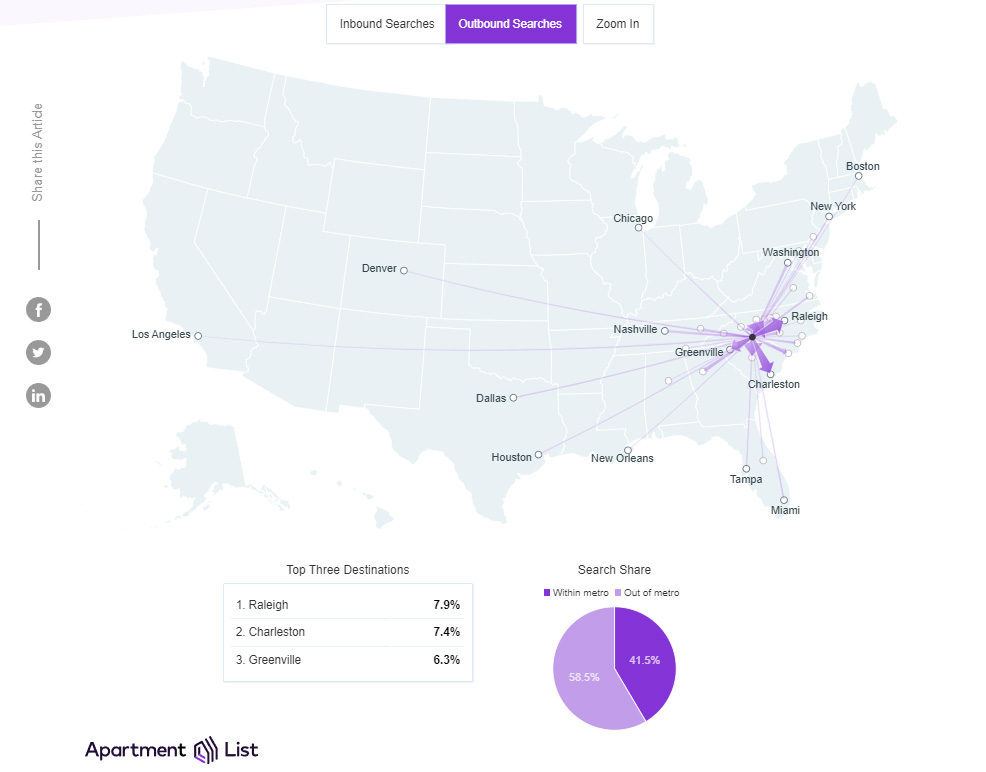
  • In Charlotte metro, 59% of users are searching for apartments in a different metropolitan area. The most popular destinations are Raleigh, Charleston, and Greenville.
  • In the other direction, 39% of renters looking for apartments in Charlotte are searching from out-of-town. The greatest search interest is coming from Raleigh, Atlanta, and New York.
  • The coming year is expected to be relatively mild for the rental market, but the data highlight strong migration channels from high-cost to low-cost regions, which could sustain upward pressure on rents in more affordable markets.

What to Look for When House Hunting in Competitive Markets

0

South Carolina’s real estate market has been heating up, making it one of the most competitive areas for house hunting in recent years. This fast-paced environment creates challenges for buyers, from limited inventory to higher-than-expected offers.

Finding your dream home under these conditions requires more than just luck. It takes careful planning, an understanding of the market, and a clear sense of your priorities. If you’re navigating the local housing market, this guide will help you identify what to focus on and how to make smart decisions along the way.

Understand the Market Before You Start

Before diving into the home-buying process, take the time to understand the local real estate trends. South Carolina’s market is not uniform; areas like Myrtle Beach may have very different dynamics than Columbia or Rock Hill. Research recent sale prices in the neighborhoods you’re considering and learn about the average time homes spend on the market.

Pay attention to seasonal patterns as well. This information can help you time your search and adjust your expectations. Understanding market trends is key to avoiding surprises and making informed decisions.

Secure a Mortgage Pre-Approval First

In competitive housing markets, having a mortgage pre-approval is no longer optional—it’s essential. Sellers want to know that potential buyers are serious and financially capable of closing the deal. A pre-approval letter signals to sellers that you are ready to act, giving you an edge over others who haven’t taken this step.

Mortgage rates play a critical role in determining how much house you can afford. Even small changes in interest rates can significantly affect your monthly payments and overall budget. Staying informed about current trends helps you plan better and make sound financial decisions.

In South Carolina mortgage rates can vary depending on the lender, loan type, and market conditions. Shopping around for competitive rates ensures you get the best deal possible, setting you up for long-term financial stability as you navigate the home-buying process.

Know What You Need Versus What You Want

When searching for a home in a competitive market, defining your priorities is critical. Start by identifying your non-negotiables. These could include the number of bedrooms, proximity to schools, or a backyard for pets. Knowing what you absolutely need will prevent you from getting distracted by homes that don’t fit your requirements.

At the same time, be realistic about your “nice-to-haves.” Features like a modern kitchen or an extra garage can be added later but shouldn’t be deal-breakers if the property meets your core needs. Having a clear understanding of your priorities will streamline your search and help you focus on homes with real potential.

Find a Local Agent You Can Trust

In markets where competition is fierce, having a knowledgeable real estate agent is invaluable. A local agent knows the ins and outs of the market, from which neighborhoods are trending to how to spot properties before they’re listed online. They can also guide you through the offer process, ensuring that your bid is competitive but not excessive.

Look for an agent with a proven track record in your area of interest. Their experience will help you avoid common pitfalls and make smarter decisions. A good agent is not just a guide—they’re your advocate in securing the right home.

Set Your Sights Below Your Budget

One of the most common mistakes buyers make in competitive markets is stretching their budget too thin. When bidding wars are common, starting your search at the top of your price range leaves little room for negotiation. Instead, aim slightly below your maximum budget to allow for unexpected costs or higher offers.

This strategy not only gives you more flexibility but also reduces the risk of financial strain later. A home purchase is a significant investment, and keeping your budget in check ensures that you remain financially secure after the deal is done.

Inspect the Neighborhood as Thoroughly as the House

When house hunting, it’s easy to focus solely on the property itself, but the surrounding neighborhood is just as important. Visit the area at different times of the day to observe traffic, noise levels, and activity. Pay attention to the quality of roads, nearby amenities, and how well neighbors maintain their properties.

Consider practical factors like commute times and proximity to schools, healthcare facilities, or grocery stores. Neighborhood safety is also a key consideration—review local crime reports to ensure you feel comfortable in the area. A house can be renovated, but the neighborhood it’s in cannot be changed.

Prepare for the Reality of Bidding Wars

In a competitive market, bidding wars are often inevitable. It’s crucial to have a strategy in place to navigate them effectively. Start by working with your real estate agent to determine the maximum price you’re willing to offer. Having a clear limit ensures you won’t overextend your budget or get swept up in the heat of competition.

Consider including terms that make your offer stand out, such as a larger earnest money deposit or a flexible closing date. However, avoid waiving contingencies, like home inspections, as this could leave you vulnerable to costly surprises later. A strong but cautious approach will give you the best chance of securing a home.

Focus on the Potential, Not Just the Present

It’s easy to get caught up in the aesthetics of a home, but remember that cosmetic issues can be fixed. Outdated paint colors, old carpeting, or an unkempt yard shouldn’t deter you from considering a property with good bones. Structural integrity, layout, and location are far more important factors.

Think about the home’s potential and whether it aligns with your long-term plans. For example, could you renovate the kitchen to suit your style? Is there room to expand if needed? Keeping an open mind can help you spot opportunities that others might overlook.

Stay Patient and Keep Your Long-Term Goals in Mind

House hunting in a competitive market can be stressful, but patience is your best asset. It’s normal to face setbacks, such as losing out on offers or finding homes that don’t meet your criteria. Rushing into a purchase just to secure a property can lead to regrets down the road.

Stay focused on your long-term goals and what matters most to you. Every home you consider brings you closer to finding the right one. Trust the process and lean on your agent for guidance when challenges arise.

Navigating a competitive housing market requires preparation, strategy, and flexibility. By understanding the local market, securing pre-approval, and defining your priorities, you can set yourself up for success. Working with a knowledgeable real estate agent and staying open to opportunities in less obvious areas will also boost your chances of finding the right home.

Remember, house hunting is a journey, not a race. Take the time to evaluate each property and neighborhood carefully, keeping your budget and long-term needs in mind. With patience and the right approach, you’ll find a home that not only meets your expectations but also becomes a place to thrive for years to come.

NC Officials Proposing Adding 4th Light To Traffic Lights For AI Self-Driving Cars

0

Transportation engineers at North Carolina State University have proposed adding a “white light” to traffic signals, aiming to improve efficiency and reduce delays. This innovative concept would allow autonomous vehicles (AVs) to manage intersection traffic while signaling human drivers to follow the lead of AV-controlled vehicles.

The system activates the white light when a sufficient number of AVs approach an intersection, allowing AVs to coordinate traffic flow. If too few AVs are present, the traffic light functions conventionally. Simulations show the system reduces wait times, improves fuel efficiency, and enhances overall traffic movement. The idea relies on AVs communicating wirelessly with each other and the traffic signal’s computer system.

“Our earlier work introduced the idea of a fourth traffic signal called a ‘white phase,’ which taps into the computing power of autonomous vehicles (AVs) in order to expedite traffic at intersections – but we had not yet incorporated what this concept would mean for pedestrians,” said lead NC State researched Ali Hajbabaie in a press release. “We’ve now expanded our computational modeling to account for foot traffic, and the results are extremely promising for both pedestrians and vehicles.”

The researchers, led by PhD student Ramin Niroumand and Assistant Professor Leila Hajibabai, acknowledge the technology isn’t yet ready for implementation. Their study, “White Phase Intersection Control Through Distributed Coordination,” is published in IEEE Transactions on Intelligent Transportation Systems.

Superintendent Announces Big Changes for Rock Hill Schools Starting 2025

0

The Rock Hill School District is reorganizing its central office to allocate more resources to classrooms while avoiding layoffs. Superintendent Tommy Schmolze announced the changes, which will take effect at the start of the 2025 school year.

The largest changes in the new plan include eliminating and restructuring district-level positions through attrition.

Key changes include:

  • Staffing Shifts: Some personnel will be reassigned from district offices to schools.
  • Program Cuts: The Day Treatment Center for mental health support and the district’s Virtual Academy will end.
  • Mental Health Therapists: Five therapists will remain employed to support students.

The district says the goal is to prioritize classroom funding while streamlining operations.

You can read more about the specific changes here.

Charlotte Could See Her First Substantial Snowfall of The Season In The Coming Weeks

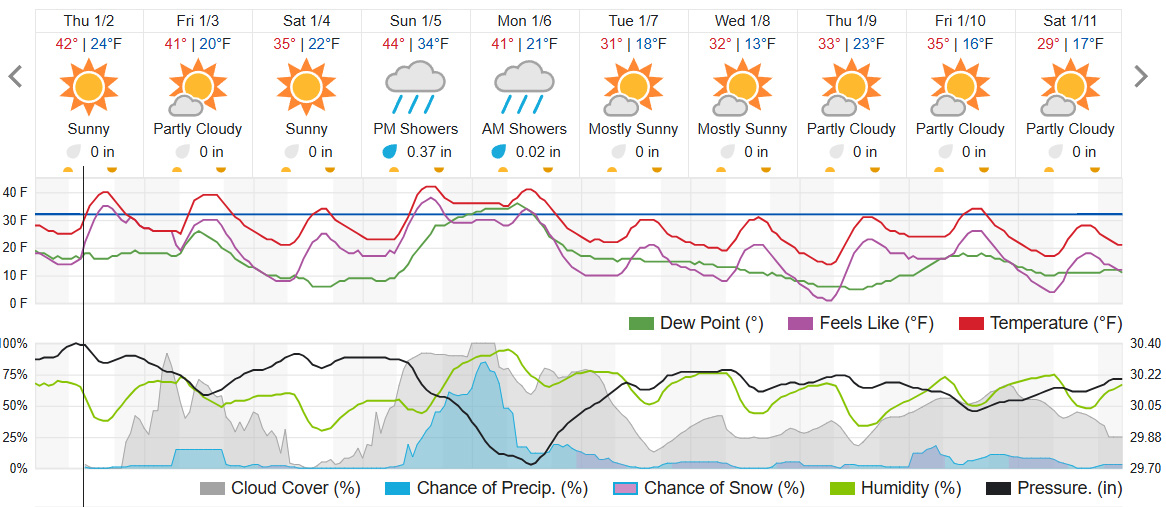
The National Weather Service has forecast a significant shift to colder weather across the Carolinas through mid-January. Arctic cold fronts are expected to maintain highs in the 30s and 40s and lows mainly in the 20s.

Forecasters are monitoring a potential winter storm late next week, between January 9 and 12, that could bring snow or ice to the Charlotte area if cold air and moisture align.

via Weather Underground

A winter storm is also set to impact the Central Plains starting Saturday, bringing heavy snow and ice eastward into the Carolinas by early next week. Travel disruptions are expected in multiple states as this storm progresses. For snow to materialize in the Charlotte region, forecasters emphasize that both cold air and moisture must overlap, a scenario that is rare but possible.

The cold front expected this weekend will supply the necessary temperatures, while a Gulf low-pressure system could provide moisture.

The National Weather Service out of Greenville-Spartanburg says, “Based off of pattern recognition from long range models, the setup is trending more favorable for winter weather in the next 8-14 days…”

Cabarrus County Is A Classic Car Lover’s Dream

0

People often associate Cabarrus County (bordering Charlotte’s University City to the North East) with fast-paced motorsports and Charlotte Motor Speedway, but this destination is also ideal for the classic-car collectors, lovers and fanatics.

Some of the biggest classic-car events and museums available to auto enthusiasts year-round include:

AutoBarn Classic Cars – A 60,000-square-foot indoor showroom located at the Gibson Mill community gathering spot in Concord. Just a 10-minute drive away from Charlotte Motor Speedway this car show is a great place to browse new-to-you classic and concept cars. And for an added bonus, race cars and classic memorabilia are up for sale.

Morrison Motor Car Museum – A car museum full of sports and muscle cars. There are more than 50 cars featured in this exhibit, all from the past century. It also has a gift shop and opportunities to buy a collector car such as a Mustang or Camaro on the property’s lot.

Streetside Classics – This showroom carries an impressive collection of street classics. Guests can view street rods, muscle cars, vintage cars and more. The 70,000-square-foot showroom has over 300 classic cars that are up for sale.

Mustang Owner’s Museum – The perfect place for Mustang lovers! Mustangs grace the museum’s displays, with various modified vehicles displayed throughout the year. The museum also hosts car shows and cruise events like the “Best of the Best Car Show’ and the “Mustang Chili & Cornbread Cook Off.”

Curb Motorsports Museum – Dale Earnhardt’s No. 2 car can be seen here! The Curb Museum features a collection of NASCAR and Indy cars. The museum also holds cars that wrote pages in the motorsport history book including the car that Dale Earnhardt drove when he won his first Winston Cup Championship.

How many have you been to? 

Did we miss any?

How Technology is Making Faster Payments Possible

0

According to Allied Market Research, the global mobile-based payment sector may exceed $12 trillion by 2027. Speedy money transfers now shape how people handle expenses, wages, and purchases. From tapping a phone at checkout to sending funds across continents in near real-time, faster payments define modern finance. 

Some Technologies That Are Driving Faster Payments

  • NFC chips that enable quick smartphone or card taps
  • Encrypted wireless protocols allow swift exchanges
  • Biometric authentication, like fingerprints and facial scans
  • Instant clearing networks providing near-real-time settlements
  • Secure APIs connecting multiple financial services at once

For small businesses and freelancers, near-instant settlements shorten cash flow gaps. In education and retail, quick transactions cut delays and simplify operations. On online platforms—from shops to casino instant withdrawal providers—having funds appear quickly ensures a smoother experience and faster payouts. 

Freed from lengthy hold-ups, these industries can concentrate on growth, customer satisfaction, and maintaining secure, efficient practices. In iGaming, this has proven particularly popular, creating an entire genre of new online casinos now that are marketed by their ability to provide immediate payouts of player winnings. The fact that these platforms also provide a host of other benefits like generous bonus options and fewer restrictions only heighten their appeal. 

The Shift Toward Instantaneous Payments

According to NACHA, the Automated Clearing House (ACH) network reported over 31.5 billion payments worth $80.1 trillion in 2023. Speed has become a standard expectation. With traditional transfers, a recipient might wait days for funds to clear.

Today, emerging systems strive to transmit money within seconds. Contactless card taps and secure wire transfers drastically reduce waiting periods. Users now anticipate results quickly, pushing old-fashioned payment models to modernize. 

As quick-turnaround systems spread, waiting several days for settlement must be revised with current practices.

How AI Helps Make Payments Faster

Artificial intelligence (AI) is helping payment systems work better and faster. AI quickly spots and stops fraud by analyzing large amounts of data in seconds. It also finds the quickest and cheapest way to complete a payment. AI-powered chatbots and tools give users instant help with payment issues. Predictive tools can even guess what users need, preventing delays before they happen. By using AI, payments are not just quicker but also safer and easier for everyone.

Advanced encryption and authentication

Rapid transfers must remain safe. Speed without security would be reckless. Modern payment tools rely on robust encryption and tight authentication. Biometric checks—fingerprints or face scans—streamline the process, verifying a user’s identity in the blink of an eye. 

Layered security tools detect suspicious activities and respond instantly without slowing the flow. Data is scrambled to keep prying eyes out, allowing funds to zip through secure channels without unnecessary holdups. This careful blend of speed and security helps build trust and encourages more users to embrace near-immediate settlements.

What about mobile-based banking and smart devices

According to a January 2024 report by the Pew Research Center, more than 90% of U.S. adults owned a smartphone at that time, while 95% of adult Americans used the Internet. The ubiquitous nature of mobile divides naturally shifts toward mobile-based finance. Tapping a handset at a payment terminal sends funds instantly. 

Merchants accept these transfers with minimal overhead. Likewise, mobile payment apps deliver funds between friends in real-time. This convenience is not limited to personal transactions—businesses benefit from these streamlined solutions. 

Application Programming Interfaces (APIs) and open banking

Open banking encourages the sharing of financial data in secure, standardized ways. APIs connect various payment services, letting users approve transfers within seconds. If someone wants to send money from one account to another, the verification happens at lightning speed. There is no need to shuffle between platforms—APIs unify them. 

This cohesive environment promotes competition. Consumers compare various solutions, all of which complete transfers promptly. It is a win-win situation, with customers enjoying fast transactions and providers forced to maintain high standards.

Mobile Point-of-Sale (mPOS) and instant settlements

Small merchants use mobile point-of-sale devices to accept card payments on the spot. Food trucks, craft vendors, or service providers complete transactions right where the customer stands. There is no waiting for settlement notices; money moves quickly. 

This streamlined approach satisfies consumers who value promptness and benefits merchants who see immediate income. In many cases, these devices instantly integrate loyalty perks or special offers, making purchases feel fluid and convenient.

Advanced messaging protocols and interoperability

Technology connecting banks, merchants, and payment services relies on swift communication. Advanced messaging protocols keep all parties updated in real-time, cutting delays. Different networks need to cooperate so transactions never stall. 

As interoperability increases, platforms “talk” effortlessly, allowing quick settlements across various channels. This cross-compatibility reassures customers, knowing they can send or receive funds without worrying about system mismatches or drawn-out verification steps.

Wireless payment terminals and their rapid adoption

Restaurants, bars, and shops now use wireless terminals that accept card payments anywhere on their premises—there is no need to send customers to a fixed checkout spot. With a wireless terminal, a server processes payments directly at the table. 

This reduces waiting, simplifies the customer experience, and boosts efficiency. As more businesses adopt these lightweight devices, the process from purchase to payment confirmation shrinks to a matter of seconds, pleasing buyers and sellers alike.

The influence of international payment standards

Global commerce involves sending funds across borders, dealing with currency exchanges, and clearing houses. Historically, this meant days of waiting. Newer approaches shorten this timeline. Some use blockchain-based methods that confirm transactions almost instantly, sidestepping traditional channels. 

Others use uniform messaging standards that clear away red tape. Although only some cross-border transfers are instant, the trend moves toward cutting those timelines down. Faster international settlements spur cross-border partnerships and make global trade more fluid.

Scalability and future improvements

As payment volumes grow, systems must handle more requests without slowing down. Providers invest in more powerful servers, refined algorithms, and better encryption. Updates might include new authentication methods or stronger fraud detection. 

Payment apps roll out features that reduce steps and save seconds. Banks scrutinize their platforms, trimming delays. This continuous refinement helps ensure that tomorrow’s transactions are even faster than today’s. Everyone gains when payments keep accelerating.

Advancements that shape modern transactions

Faster payments depend on strong encryption, reliable authentication, and continuous infrastructure improvement. As payment providers integrate machine learning, mobile interfaces, and advanced protocols, old-fashioned methods must catch up. 

The willingness of institutions and consumers to adopt faster solutions transforms how money changes hands. Instant settlements, once a luxury, continue to spread, reshaping expectations. With ongoing enhancements, the difference between pressing “send” and seeing funds arrive should become negligible.


Boost Your Exam Performance With The Praxis 5001 Practice Test

0

The Praxis 5001 stands as a crucial milestone in your path to becoming an educator. Also known as the elementary education multiple subjects exam, it evaluates your readiness to teach across various core subjects. You must demonstrate proficiency in reading, language arts, mathematics, social studies, and science as an aspiring elementary school educator.

If you’re worried about passing the exam, here’s how to boost your confidence using targeted practice tests and proven study strategies.

Why Practice Tests Are Your Secret Weapon

Multiple study methods exist, but consistent exposure to practice test questions remains one of the most effective ways to prepare for the real exam. Taking a full-length practice test lets you review the content while building the mental stamina needed for test day.

Regular practice test questions help you:

  • Familiarize yourself with the exam format and timing
  • Identify knowledge gaps early in your preparation
  • Build confidence through repeated exposure
  • Master time management strategies
  • Reduce test anxiety through experience

Think of practice tests as your roadmap to success. Each experience brings you closer to mastery of the content and format. You can check online sources to access free test prep for Praxis 5001 to establish your baseline knowledge and enhance your performance.

Creating Your Personalized Study Plan

Your Praxis learning paths should be as unique as your teaching style. Consider incorporating various resources, including:

Test prep books offer a structured content review and proven strategies. A comprehensive study guide provides in-depth coverage of all subject areas. Don’t forget to focus on specific sections to drill down into challenging topics.

  • Digital flashcards are effective for memorizing key concepts in United States history, literacy development, and language arts components of the exam.
  • Create manipulative study aids by making physical timeline cards for certain topics or using building blocks to demonstrate mathematical concepts. Teaching the material to others or acting out historical events can help cement your understanding through physical movement and engagement.
  • Listen to educational podcasts or record yourself explaining key concepts. Listen to these recordings during your daily activities. Converting your study guides into songs or memorable rhymes can likewise make complex information more accessible and memorable through auditory repetition.
  • Online prep platforms offer the flexibility to study anywhere, anytime. Many provide adaptive learning technology that adjusts to your progress. This platform facilitates efficient use of your study time.
  • Study groups help you connect with other test takers through study groups or online forums. Share strategies, resources, and encouragement to stay motivated.

While the jury is still out on the definitive link between learning style and academic performance, a few studies have shown that sticking to an individual’s study preference may lead to better chances of passing a test. Determine the best review material and method that shows the most promising results.

Maximizing Your Practice Test Experience

Quality matters more than quantity when it comes to practice tests. Here’s how to make the most of each session:

Simulate Real Testing Conditions

Create an environment that mirrors the actual exam setting. Time yourself strictly and avoid interruptions during full-length practice tests.

Analyze Your Results

After each practice test, conduct a thorough review. Don’t just focus on wrong answers – understand why you chose incorrect options and identify patterns in your mistakes.

Target Weak Areas

Use your analysis to guide further study. If you’re struggling with social studies concepts, dedicate extra time to that section before moving on.

Your success doesn’t lie exclusively on how many practice tests you take but how you learn from each one. To transform each practice session into a powerful learning opportunity, create realistic test conditions, analyze your performance, and use those insights to guide your study focus.

Navigating Multiple Subjects Successfully

The multiple subjects format of the Praxis elementary education exam—designed by the Educational Testing Service (ETS)—requires a strategic approach. Break down your study sessions by subject area, but don’t forget to integrate concepts across disciplines. This mirrors how you’ll teach in an actual classroom, where subjects often overlap and complement each other.

Test Day Preparation: Setting Yourself Up for Success

As test day approaches, shift your focus from intensive study to maintaining confidence and readiness. Review your strongest practice test performance for a confidence boost. Prepare everything you’ll need the night before, including:

  • Required identification
  • Test center location and directions
  • Comfortable, layered clothing
  • Approved calculators or materials

Embrace a growth mindset throughout your preparation. Each practice test provides valuable insights, and every study session brings you closer to your goal of teacher certification. Hiring and retaining instructors remains a challenge for many schools across the country.

The Road Beyond the Exam

Preparing for the Praxis test may feel overwhelming, but it prepares you for something greater: the opportunity to shape young minds and make a difference in elementary education.

Take advantage of all available resources, from free practice test materials to specialized exam prep courses. Invest time in understanding not just the what but the why behind each concept. This deeper understanding will serve you well beyond test day, informing your teaching practice for years to come.