Gastonia Police Uncover Major Fentanyl Production Operation

0

A major fentanyl production operation in Stanley has been shut down following a six-month undercover investigation dubbed “Blue Hammer.” The joint effort, led by Gastonia Police Vice Detectives and federal agents, uncovered an active lab manufacturing counterfeit fentanyl-laced pills inside a local residence.

Investigators described the scene as highly contaminated, requiring North Carolina State Bureau of Investigation (SBI) agents to wear full hazmat suits to collect evidence safely. Inside, authorities found over 10,000 fentanyl pills and two portable pill press machines used to produce counterfeit narcotics. Police said seizing a fully functioning fentanyl lab with equipment still on-site is rare, as such operations often move frequently to avoid detection.

The seized drugs are estimated to have a street value between $300,000 and $400,000. Two Gastonia men — 29-year-old Phillip McGill Jr. and 27-year-old Tryiq Curry — were arrested and are each being held on $1 million bond.

Additional charges are expected as the investigation continues.

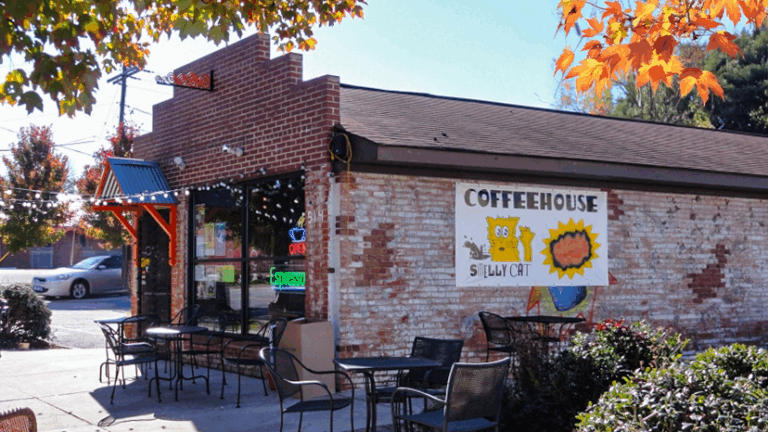
North Carolinians Name NoDa’s Smelly Cat Coffeehouse as Their Ultimate Fall Comfort Spot

0

Pumpkin spice isn’t just a flavor – it’s shorthand for all the cozy, seasonal stops that make an autumn drive feel complete. From coffee shops to cideries, bakeries to roadside cafés, the question is: when cravings hit, do North Carolinians stick with familiar national chains or seek out local gems along the way?

To find out, White Hot PR surveyed 3,021 respondents and mapped where locals prefer to get their true “fall fix.”

Their top 3 choices were:

#1 Smelly Cat Coffeehouse – Charlotte
Smelly Cat has that lived-in neighborhood charm that feels especially warm once the season shifts. The clink of mugs, the chatter of regulars, and the scent of beans roasting all blend into a rhythm that matches autumn’s slower pace. A latte here feels like more than just a drink — it’s a small seasonal ritual tucked into the day.

#2 Sky Top Orchard – Flat Rock
Sky Top becomes a kind of autumn pilgrimage. The rows of apple trees stretch out under crisp skies, the mountains rise in the distance, and the whole place hums with families strolling at their own pace. The crunch of leaves, the scent of cider, and the laughter across the fields make it less about apples in a bag and more about stepping fully into the season.

#3 Loaf – Durham
Loaf glows with a simple, unhurried charm in the fall. The counters brim with rustic breads and spiced pastries, the air carries a sweet, buttery weight, and the hum of customers feels both cozy and familiar. Picking up a loaf or a pumpkin-flavored pastry here is less about necessity and more about savoring a little autumn indulgence.

FBI Just Raided Activist Cedric Dean’s Charlotte Home

0

The FBI just raided 2 Charlotte homes linked to prominent activist Cedric Dean today in a sweeping federal health care and Medicaid fraud investigation.

Dean is a Charlotte-based educator and activist who turned his life around after denouncing his criminal past in 2009. A former federal prisoner, he went on to found the SAVE Institute, author self-help books, and develop character education programs that have reduced behavioral issues among local students.

Agents executed search and seizure operations at two residences tied to Dean. The first was near the Palisades neighborhood, on Youngblood Road off Grand Palisades Parkway.

Later, investigators targeted a second location on McChesney Drive in northeast Charlotte. That address was listed in the same court filing that names assets tied to Dean — including residences, motorhomes, vehicles, and bank accounts — all potentially subject to seizure under this probe.

Court documents allege that Dean submitted inflated or fabricated claims to Medicaid, sometimes using fake diagnoses, and paid staff and recruiters via CashApp. Officials say his company billed approximately $1 million per month, despite lacking sufficient staffing to deliver actual care.

As part of the ongoing investigation, federal authorities have seized Dean’s bank accounts, luxury SUVs, two RVs, and multiple properties in Charlotte and Shelby County, claiming they appear tied to illicit gains.

As of Thursday afternoon, he had not yet been formally criminally charged.

CMPD Data Shows 20% Drop in Violent Crime Across Charlotte

0

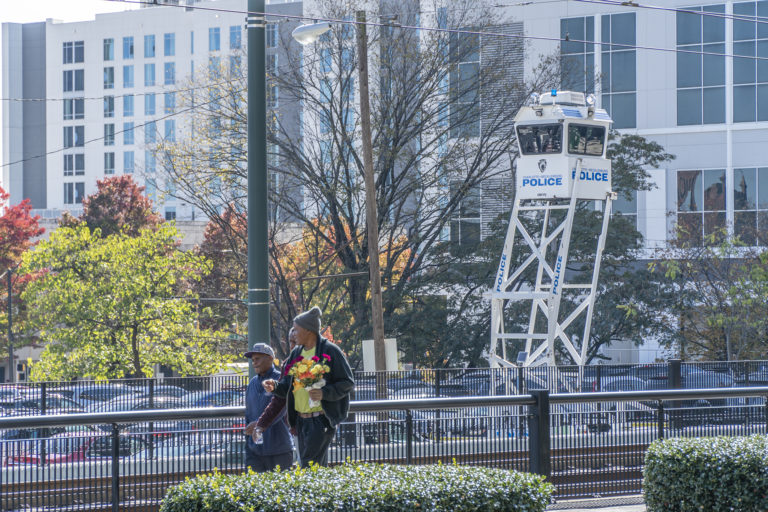
Violent crime in Charlotte has dropped sharply over the past year, according to new data released Wednesday by CMPD.

The Charlotte-Mecklenburg Police Department’s third-quarter report shows an 8% decline in overall crime, driven by a 20% reduction in violent crime. Property crime also fell by 5%.

Homicides dropped 24%, falling from 82 in 2024 to 62 this year. Aggravated assaults, including shootings, are down 19%, while robberies have dropped 22%.

Through September, officers made 13,108 arrests, seized 3,167 firearms, and recorded over 427,000 police interactions across the city.

CMPD credits its downward trend to a blend of data-driven policing, stepped-up patrols, and deeper engagement through community partnerships. The department also reports that 80% of this year’s homicide cases have already been cleared via arrests.

“We continue to see a troubling pattern: a disproportionate number of violent incidents and property crimes are being committed by individuals with extensive criminal histories—many of whom continue to cycle through the justice system without facing meaningful consequences. The cycle of catch and release does not reduce crime in our community,” said Sergeant Todd Martin of the Southeast Service Area Crime Reduction Unit (CRU).

The decline comes in the wake of high-profile incidents, such as the fatal stabbing of Iryna Zarutska on a South End light rail train, which sparked urgent calls for solutions.

Officials say sustained effort is essential to preserve momentum and reinforce safety across every Charlotte neighborhood.

Linn Cove Viaduct Overlooks Voted Most Breathtaking Autumn View in North Carolina

0

There are certain corners of the country synonymous with fiery foliage – think Vermont’s Green Mountains or Colorado’s Maroon Bells. But if you were to pinpoint the exact spots where autumn truly puts on a show with the most vibrant fall colors possible, where would they be?

That’s the question Travel Blog set out to answer. Surveying 3,012 respondents based on their personal experiences, the survey reveals the best vantage points to witness nature’s annual spectacle. The resulting rankings offer travelers an affordable guide to the most stunning fall scenes across America.

The top 10 were as follows:

Linn Cove Viaduct Overlooks, Blue Ridge Parkway
The series of pullouts along the Linn Cove Viaduct curve around Grandfather Mountain and give drivers and walkers alike a chance to look out over valleys that flare with autumn color in mid-October. From these overlooks, you can see sugar maples and sourwoods glowing red against the granite slopes, with waves of orange and yellow hardwoods running down toward the Piedmont. The viaduct itself, arcing through the forest, frames the seasonal change in one of the Parkway’s most photographed stretches.

Overlook Mountain, Catskills (Woodstock), New York
Overlook Mountain near Woodstock features a fire tower and cliffside viewpoints with expansive vistas of the Catskill Mountains. In October, the hardwood forests shift into vibrant oranges, reds, and yellows, while distant peaks fade into hazy blues. The trail to the summit passes through mixed forest, with colors changing dramatically over just a few hundred feet of elevation gain.

Newfound Gap Overlook, Great Smoky Mountains National Park, Tennessee
Straddling the border between Tennessee and North Carolina, Newfound Gap offers a roadside overlook where travelers can take in sweeping views of the Smokies’ ridgelines. In autumn, the valleys below burst with color – scarlet dogwoods, bronze oaks, and bright yellow birches. The elevation shift is part of the appeal: you can watch the color change across different forest zones, from high-altitude evergreens to broadleaf hardwoods lower down. The stone terrace is also a place rich in history – Franklin D. Roosevelt dedicated the park here in 1940 – but in October, it’s the natural pageantry that takes center stage.

Seneca Rocks Observation Platform, Monongahela National Forest, West Virginia
Seneca Rocks is famous for its sheer cliffs, and the observation platform – reached by a 1.3-mile hiking trail – provides a stunning perspective over the North Fork River valley. In October, the surrounding hardwoods blaze in shades of crimson, gold, and orange. From the platform, you can trace the ridgelines as they fold into the distance, punctuated by the jagged rock formation itself, creating a dramatic contrast between the vertical cliffs and rolling forested hills.

Glacier Point, Yosemite National Park, California
Standing at Glacier Point, you look straight at Half Dome’s granite face while the valley – carved by the Merced River – spreads below. In autumn, maples, oaks, and dogwoods often add streaks of yellow and red among the rocky slopes. At higher elevations, the Sierra peaks may receive early snow in October, bringing a cool edge to the view. The mix of warm foliage and early winter tones makes this one of Yosemite’s most layered seasonal panoramas.

Mount Mansfield Summit Overlook, Stowe, Vermont
At 4,395 feet, Mount Mansfield is Vermont’s highest peak, and its summit offers sweeping views of the Green Mountains. In mid-October, the hardwood forests below ignite in a mix of crimson maples, golden birches, and bronze oaks, while the ridgelines roll in successive layers toward the horizon. The summit’s open rock ledges let you see the full breadth of fall color, with valleys, farms, and lakes punctuating the forest canopy. Early morning mists often linger in the folds of the mountains, softening the view and making the seasonal palette even more vivid. By mid-October, the Auto Toll Road is closed, but for hikers, this becomes a rewarding trail ascent to Vermont’s highest point, with all the views still waiting at the top.

Stony Man Overlook, Skyline Drive (Shenandoah National Park), Virginia
Stony Man Overlook crowns a dramatic ridge along Skyline Drive, reached by a short 1.6-mile round-trip hike from its parking area. In October, the Shenandoah Valley below ripples with autumn color – oaks, maples, and hickories turning red, orange, and gold against the dark evergreens. From the stone terrace, the ridgeline stretches north and south, carrying the flow of color down into the valleys. The combination of elevation, sweeping perspective, and seasonal vibrancy captures the essence of the Blue Ridge Mountains in fall. Note: Skyline Drive is generally open year-round, but sections may close temporarily in October 2025 due to weather or maintenance.

Maroon Lake Overlook, Maroon Bells Scenic Area (Aspen), Colorado
At Maroon Lake, the water perfectly reflects the twin peaks of the Maroon Bells, creating a double image of stone and sky. Early in October, the surrounding aspen groves glow bright yellow, and as the month moves on, the leaves shift to bronze and copper. Snow often settles on the upper slopes by then, so the view layers autumn’s warmth at the lake with the cool whites of the summits above. It’s a spot where the transition of seasons plays out in full, the color change mirrored right back in the still surface of the lake.

Buzzard’s Roost Overlook, Cherokee National Forest, Tennessee
Found in a more remote section of the Cherokee National Forest, this rugged overlook rewards hikers with sweeping views of the surrounding ridges and valleys. After a steep, challenging hike, a rocky outcrop offers a wide panorama of eastern Tennessee’s mountains. In autumn, the slopes below turn into a vivid patchwork of red, orange, and yellow hardwoods, contrasted by the deep green of evergreens. The combination of the difficult climb, dramatic perch, and seasonal color makes this a memorable, less-traveled fall hike.

Black Mountain Overlook, Black Mountain (Harlan County), Kentucky
From the summit of Black Mountain, the highest point in Kentucky, the surrounding Pine Mountain ridges roll in waves of color. Maples and oaks turn from orange to deep red, contrasting with patches of evergreen and the muted browns of higher elevations. While the summit itself is forested, nearby breaks in the ridgeline give a sense of scale to the region, showing how fall colors sweep across both mountains and hollows.

Leaf peepers aren’t just chasing picture-perfect Instagram shots. They want to experience moments that make time slow down.

Super Men: New Documentary Celebrates Legendary 2015 Panthers Season in Charlotte

0

The Panthers are about to release a new documentary titled “Super Men: The Inside Story of the 2015 Carolina Panthers” on Thursday, July 24, to mark the 10-year anniversary of the team’s historic Super Bowl season.

The hour-long film will premiere at 7:30 p.m. at the Independent Picture House in Charlotte and features never-before-seen interviews with key members of the 2015 Panthers roster. Those interviewed include Luke Kuechly, Greg Olsen, Thomas Davis, Josh Norman, Jonathan Stewart, Roman Harper, Kurt Coleman, Ryan Kalil, Mike Tolbert, and long snapper J.J. Jansen. Former head coach Ron Rivera, the winningest coach in franchise history, also appears prominently in the film.

The documentary is the product of six months of reporting by journalists Theoden Janes and Scott Fowler, along with visual journalist Jeff Siner. The team conducted dozens of interviews and compiled rare visuals to tell the story of a squad that started 14-0, won the NFC Championship in Charlotte, and ultimately fell short in Super Bowl 50.

Following the screening, a live Q&A session will be held at 8:30 p.m. with Rivera, Kuechly, and additional special guests tied to the 2015 team.

All proceeds from ticket sales will benefit Veterans Bridge Home, a nonprofit that provides tailored support to help veterans successfully transition into civilian life.

You can find out more info or purchase tickets on EventBright here.

From City to Shore: What Charlotte Homeowners Need to Know Before Renting Their Secondary Property

0

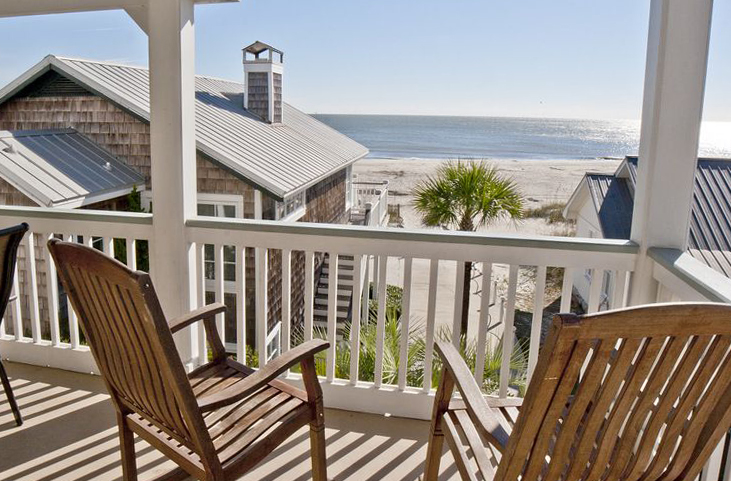
Charlotte’s real-estate market has seen remarkable growth over the past decade. Rising home values, new construction, and the migration of remote workers have made property ownership in the Queen City both exciting and competitive. For many residents, this success has opened another door, investing in or renting out a second property, whether it’s a mountain cabin, a coastal condo, or even vacation rentals in Destin along Florida’s Emerald Coast.

But before you hand over the keys to your secondary home or turn it into a short-term rental, there are crucial financial, legal, and logistical factors every Charlotte homeowner should understand.

Why Secondary Properties Are on the Rise

Over the past few years, remote work and flexible schedules have redefined where people choose to live, and invest. Charlotte’s proximity to both the Blue Ridge Mountains and the beaches of the Southeast makes it an ideal hub for owners who want to balance city living with a second getaway home.

According to the U.S. Census Bureau, North Carolina ranks among the top ten states for second-home ownership, reflecting a nationwide trend toward hybrid living and passive income generation. What used to be a dream retirement plan has become an increasingly practical financial strategy.

Yet, as many first-time landlords quickly learn, the decision to rent your second home, especially across state lines, comes with its own set of responsibilities.

Understanding Zoning and Local Regulations

Before listing your property on any platform, research local regulations where your second home is located. Zoning laws, city ordinances, and even neighborhood covenants can all limit short-term rentals or impose strict permit requirements.

For example, some coastal communities in Florida limit the number of days a property can be rented annually, while others require hosts to register or collect transient occupancy taxes. Even if your Charlotte-based primary residence is exempt from these rules, your out-of-state property likely isn’t.

Fines for non-compliance can be steep, and ignorance is no defense. Working with a licensed local property manager or consulting municipal websites before renting can save significant headaches down the line.

The Insurance Gap Many Owners Overlook

Standard homeowner’s insurance rarely covers rental use. If you rent your secondary home, you’ll need to upgrade your policy to include short-term rental coverage or a landlord policy. These plans protect against liability, guest damage, and loss of income from cancellations or emergencies.

Without it, a single mishap, a broken pipe, a guest injury, or even storm damage while rented, could cost thousands. For properties in coastal zones, this is especially critical, as flood insurance is often separate from standard policies and may be mandatory.

Managing from Afar: When Distance Becomes a Challenge

Running a rental property remotely requires systems, and reliable people. From coordinating cleanings to handling late-night lockouts, the logistics can quickly overwhelm owners who live hours away.

That’s why many Charlotte homeowners turn to professional rental-management services. These companies handle bookings, maintenance, guest communication, and local compliance, allowing owners to enjoy steady returns without constant oversight.

Even if your second home is in a well-managed community, having local staff or management ensures that both the property and guests are cared for consistently. It also provides peace of mind, something no spreadsheet can calculate.

Tax Implications: Know Before You File

Income from short-term rentals must be reported to the IRS, and depending on how often you rent your property, it could be considered a business rather than passive income. Deductions for expenses such as repairs, management fees, utilities, and depreciation can reduce taxable income, but record-keeping must be meticulous.

For out-of-state owners, navigating local tax codes adds another layer of complexity. Some municipalities collect lodging or tourism taxes, while others require quarterly filings. Consulting a certified tax professional familiar with both North Carolina and your rental state ensures full compliance and maximizes your legitimate deductions.

Setting Expectations for Guests

Image from Freepik

One overlooked element of successful renting is communication. Clearly outline your property’s rules, check-in procedures, and amenities. A transparent description avoids misunderstandings and protects your reviews, a crucial factor for sustaining bookings year-round.

Many Charlotte owners find success by positioning their second homes as “experience rentals”, focusing on relaxation, family time, or work-from-anywhere setups. The clearer your message, the more consistent your clientele will be.

Investing in Upkeep Pays Off

The difference between a high-performing rental and an underperforming one often comes down to maintenance. Regular inspections, timely repairs, and seasonal updates keep guests happy and protect long-term value.

If you’re renting a beachside or lakeside property, salt air and humidity accelerate wear on appliances and finishes. Scheduling preventative maintenance saves thousands over time, and ensures that each new guest walks into a home that feels cared for, not just occupied.

Balancing Lifestyle and ROI

Owning a second property is as much about lifestyle as it is about return on investment. Many Charlotte homeowners begin with the goal of covering mortgage costs, only to realize the emotional satisfaction of sharing their home with guests who create their own memories there.

The key is balance: use your property enough to enjoy it, but rent it enough to make ownership sustainable. Whether your second home is in the mountains of Boone or near the white sands of Destin, a smart management plan turns a dream getaway into a thriving investment.

Charlotte’s economic momentum has given many residents the freedom to think bigger about property ownership. But managing a second home, especially one rented to travelers, requires planning, diligence, and a realistic understanding of the work involved.

With clear systems, the right insurance, and reliable local partnerships, you can make your investment both financially rewarding and personally fulfilling. For those balancing Queen City life with the serenity of the shore, that blend of security and escape may be the ultimate return.


How Charlotte’s Fitness Scene Is Adapting: From Boutique Studios to Community Greenways

0

Charlotte’s skyline isn’t the only thing evolving, its approach to fitness is, too. Over the last few years, the Queen City has seen a transformation in how residents think about health, movement, and community. Whether you’re looking to get in shape with a personal trainer or take advantage of the city’s growing network of trails and wellness programs, Charlotte’s fitness scene is redefining what it means to stay active.
The shift goes far beyond gyms. From boutique studios in South End to outdoor boot camps on the Rail Trail, Charlotteans are finding new ways to make exercise part of everyday life, no matter their age, budget, or schedule.

A City on the Move

Charlotte’s growth has reshaped more than real estate. As new neighborhoods spring up and downtown expands, city planners are weaving health and wellness directly into urban design.

The city’s Greenway system now stretches across miles of walkable and bike-friendly paths, linking communities from Uptown to Pineville. Spaces like the Little Sugar Creek Greenway and the Cross Charlotte Trail give residents a scenic reason to move more, and these projects are only expanding.

For many, these outdoor amenities offer a welcome alternative to crowded gyms. They also reflect a broader national trend: according to the Centers for Disease Control and Prevention, nearly 60% of adults now prefer outdoor activities for physical fitness when the weather allows. Charlotte’s mild climate makes that choice easy.

The Rise of Boutique Fitness

While outdoor workouts are booming, boutique studios are thriving too, each offering a unique spin on motivation and community. From yoga and barre to cycling and functional training, Charlotte’s boutique scene combines high-end facilities with personalized attention.

Areas like Dilworth, NoDa, and South End have become micro-hubs for specialized studios that emphasize community as much as conditioning. Many combine technology-driven workouts with social events, group challenges, and wellness education.

This “social fitness” approach attracts a wide range of residents, especially newcomers looking for both a workout and a sense of belonging.

The Hybrid Effect: Where Digital Meets Local

One of the biggest shifts post-pandemic has been the blending of online and offline fitness experiences. Charlotte residents are increasingly taking advantage of digital classes while maintaining memberships at local gyms or studios.

Many boutique centers now offer on-demand or live-streamed sessions, allowing members to balance in-person energy with at-home flexibility. This hybrid model has also given rise to new partnerships, trainers collaborating with health apps, and studios integrating wearable fitness tracking into their programs.

The result? A more personalized fitness journey that adapts to busy Charlotte lifestyles. Professionals juggling work, family, and commuting can now stay consistent, no matter where their day takes them.

From Corporate Towers to Community Parks

Corporate wellness programs are also contributing to this citywide shift. Many Charlotte companies are introducing flexible work hours, walking meetings, and partnerships with local gyms to promote employee well-being.

Meanwhile, community-based initiatives, from YMCA outreach to local nonprofit fitness challenges, are helping bring wellness to neighborhoods that lack easy access to traditional gyms. Charlotte’s mix of public and private investment in wellness reflects a broader goal: make healthy living accessible to everyone, not just those with high-end memberships.

Local parks have also evolved into outdoor gyms. Freedom Park and Romare Bearden Park regularly host yoga sessions, boot camps, and fitness festivals, transforming familiar spaces into vibrant community health centers.

Accessibility and Affordability: The New Fitness Frontier

For all the high-end studios and digital platforms, Charlotte’s fitness culture is also seeing a grassroots revival, one centered on accessibility. Free fitness meetups, outdoor workout groups, and “pay-what-you-can” sessions are popping up around the metro area.

This inclusivity is key to keeping the city healthy. Fitness isn’t one-size-fits-all, and the future of wellness in Charlotte depends on balancing innovation with affordability. City-supported spaces, community centers, and nonprofit organizations ensure that health isn’t limited by income or zip code.

As more residents embrace active transportation, biking, walking, running, these small shifts collectively build a more connected, health-conscious city.

The Personal Touch: Why Coaching Still Matters

Image from Unsplash

Despite all the technology and trends, personal guidance remains at the heart of lasting fitness success. Charlotte residents who combine group energy with individualized coaching often see the best results.

That’s where certified trainers and personalized programs come in, helping residents move beyond quick fixes and into sustainable health routines. Even as the fitness landscape evolves, human connection remains the foundation.

From setting achievable goals to designing custom workouts, professional trainers bridge the gap between inspiration and implementation. And as anyone who’s ever struggled to maintain consistency knows, accountability is everything.

A City That Moves Together

Charlotte’s fitness future looks promising, and inclusive. From boutique gyms and urban trails to corporate wellness and neighborhood meetups, the city is building a culture of health that feels both personal and communal.

Whether you’re lacing up your running shoes on the Rail Trail or joining a strength class in South End, there’s a sense of shared momentum. Fitness here isn’t just about aesthetics, it’s about lifestyle, longevity, and connection.

As the Queen City continues to grow, one thing is clear: it’s not just building new towers and roads, it’s building healthier habits, stronger communities, and a more active way of life for everyone who calls Charlotte home.

Balancing Life in Charlotte: How Time-Saving Home Services Change What Families Value

0

Charlotte’s growth has transformed not just the skyline, but the rhythm of everyday life. Between the demands of long commutes, hybrid work schedules, and packed family calendars, residents are finding new ways to reclaim precious time. Convenience is no longer a luxury, it’s a necessity.


That shift is reflected in the rapid rise of on-demand home services, from grocery deliveries and dog-walking apps to laundry pick up and drop off services that free up hours each week. As more families in the Queen City turn to these time-saving solutions, one question emerges: how is this convenience culture reshaping what we value at home?

The New Currency of Modern Families: Time

Charlotte has become one of the fastest-growing metros in the country, with an expanding job market that keeps its residents constantly on the move. For many families, every minute counts. Dual-income households, remote workers juggling childcare, and parents managing extracurricular chaos all face the same reality, there simply aren’t enough hours in the day.

A Pew Research Center survey found that nearly half of U.S. adults describe themselves as “always rushed,” a figure that has climbed steadily in the past decade. In growing cities like Charlotte, where professional ambition meets suburban sprawl, that pressure feels even more intense.

In this environment, families are learning that time is the most valuable resource they own, and they’re willing to invest in ways to buy some of it back.

From Errands to Efficiency

A generation ago, home life revolved around completing chores and errands in person: grocery shopping, dry cleaning, and laundry often required a full afternoon of running around. Today, most of those tasks can be automated or outsourced.

Charlotte residents can now schedule everything from meal prep to pet care through an app, and see results within hours. This accessibility has changed how families organize their days: instead of cramming chores between work and bedtime, they can spend that time connecting, resting, or engaging in hobbies.

When done right, outsourcing doesn’t mean losing control, it means gaining the balance that urban living has taken away.

The Psychological Shift Behind Convenience

What’s interesting isn’t just the use of these services, it’s what they represent. For many, the choice to rely on outside help used to carry guilt, as if delegating housework meant falling short of traditional ideals.

That stigma is fading fast. The conversation has shifted from “Can we afford it?” to “What’s our time worth?” Families who once prided themselves on doing it all are realizing that peace of mind and quality time together hold greater value than hours spent on laundry or grocery runs.

It’s a subtle but profound change, one that reflects how urban families redefine independence and success.

The Economic Ripple Effect

The convenience economy doesn’t just save time for consumers; it creates new opportunities for workers and small business owners across Charlotte. From independent cleaners and couriers to locally owned pickup-and-delivery services, the ecosystem around these tools has become an important part of the city’s employment landscape.

According to the Charlotte Regional Business Alliance, local demand for “personal services” jobs has risen sharply over the last three years, driven by post-pandemic lifestyle shifts and population growth. These roles often provide flexible work for gig-based earners, while helping residents maintain a more balanced daily routine.

Charlotte’s identity as a business hub has expanded beyond finance and tech, it’s now a city that thrives on efficiency and innovation in everyday living.

How Families Are Re-defining “Value”

Image from Freepik

In many ways, Charlotte families are rewriting the rules of what success looks like at home. Instead of measuring fulfillment by square footage or savings accounts, more residents are prioritizing comfort, presence, and health.

Parents are redirecting time once spent folding clothes or standing in grocery lines toward coaching youth teams, taking weekend trips, or simply enjoying dinner without multitasking. These are the intangible dividends of a more balanced life, the kind of wealth that can’t be deposited in a bank but is felt every day in reduced stress and deeper relationships.

It’s no coincidence that community surveys show rising interest in neighborhood walkability, shared recreation spaces, and family-friendly amenities. Charlotte’s families are signaling that their ideal lifestyle is one where time feels abundant, not scarce.

Where the Trend Is Headed

Experts predict that convenience-based home services will continue expanding in Charlotte, fueled by population growth and changing workforce habits. As automation and local logistics improve, more everyday services will become on-demand.

However, the most important evolution may be cultural. Charlotteans are learning that “outsourcing” doesn’t mean detachment, it’s a modern form of collaboration. Whether it’s tech-driven delivery, professional housekeeping, or laundry solutions that fit into a busy week, the city’s residents are embracing smarter, more sustainable ways to live.

As Charlotte continues to grow, so will the demands on its residents. The balance between work, family, and personal time will remain one of the city’s defining challenges. But through innovation, and a willingness to redefine old routines, families are discovering a new rhythm.

For many, that rhythm starts with one simple realization: life feels fuller when you spend less time doing chores and more time living it.

From Work to Weekend: How Charlotte Residents Are Redefining ‘Home’ with Experience-Driven Living

0

In today’s fast-paced world, “home” has evolved beyond four walls, it’s become an extension of lifestyle, community, and personal taste. In Charlotte, that shift is visible everywhere. From urban lofts with coworking lounges to suburban neighborhoods with farm-to-table pop-ups, residents are shaping homes around experiences rather than possessions.

It’s no longer just about where you live, but how you live. And that redefinition is showing up in the little things too, whether it’s selecting art from a local market, curating a home playlist, or even choosing a red wine that turns an ordinary night into something memorable.

Charlotte’s transformation isn’t simply aesthetic, it’s cultural.

The Queen City’s Changing Rhythms

Over the past decade, Charlotte has evolved from a traditional banking hub into a dynamic, experience-rich metro. The influx of young professionals, remote workers, and creative entrepreneurs has reenergized the city’s neighborhoods.

Areas like South End and NoDa have become magnets for those seeking more than a commute, they want walkable communities, rooftop dining, and a sense of belonging. In contrast, families in Ballantyne and Steele Creek are investing in homes that blend suburban comfort with access to parks, trails, and vibrant retail corridors.

These shifts are redefining the meaning of “weekend.” For many Charlotteans, leisure is no longer reserved for Saturdays, it’s woven into everyday life.

Work-Life Balance, Reimagined

As remote and hybrid work models take hold, homes are doubling as offices, studios, and sanctuaries. A decade ago, “home design” meant floorplans and fixtures. Today, it means optimizing light for Zoom calls, carving out spaces for mindfulness, and creating corners that spark creativity.

According to Forbes, the rise of “experience-driven living” is transforming consumer behavior across major U.S. cities. People are spending less on material goods and more on activities that enhance well-being, connection, and creativity. Charlotte residents are no exception, they’re prioritizing experiences that make daily life richer, even within their own walls.

It’s why interior design trends lean toward calm, functional aesthetics: natural light, plants, sustainable textures, and flexible spaces that adapt from workday to downtime seamlessly.

The Home as a Social Hub

The traditional idea of “going out” is shifting toward “staying in, together.” In Charlotte, homeowners are turning dining rooms into tasting lounges, patios into entertainment zones, and kitchens into spaces for shared experiences.

Younger residents, especially, see home as a reflection of personal culture. Hosting friends for themed dinners or casual game nights isn’t about extravagance, it’s about connection. Many see these gatherings as the antidote to digital fatigue.

Local retailers and artisans have tapped into this trend, offering curated experiences that bring personality into the home. From locally crafted candles to customized wine flights and art pop-ups, Charlotte’s lifestyle economy is being built around the joy of living, not just decorating.

Neighborhoods That Blend Experience and Community

Charlotte’s neighborhoods are evolving into micro-communities that celebrate individuality while fostering shared values. In SouthPark, residents enjoy access to high-end retail mixed with green spaces like Symphony Park. Uptown continues to redefine itself with rooftop bars, cultural venues, and street festivals that make “home” feel like part of the city’s pulse.

Meanwhile, the growth of mixed-use communities like Optimist Park and LoSo blurs the line between residential and recreational. Residents can grab a coffee, take a yoga class, or catch live music, all within walking distance. It’s a modern interpretation of urban living, where lifestyle design begins at the doorstep.

Experiences Over Things: A Shift in Mindset

For decades, success was measured by accumulation, square footage, luxury cars, and closet space. Now, it’s measured in moments. Families are trading bigger homes for smarter layouts. Professionals are choosing shorter commutes over larger yards. And retirees are embracing townhomes and condos that simplify upkeep so they can travel and engage more.

The new aspiration isn’t ownership, it’s flexibility. Whether it’s taking a spontaneous weekend trip, joining a cooking class, or investing in self-care, Charlotte residents are seeking fulfillment in ways that extend far beyond the material.

This mindset reflects a generational pivot: a recognition that the richest lives aren’t necessarily the most cluttered.

The Role of Local Businesses in This Lifestyle Shift

Charlotte’s entrepreneurs are responding creatively to this cultural wave. Businesses offering curated products, personalized services, and unique experiences are thriving. Pop-up markets, mobile coffee carts, boutique gyms, and local art fairs are becoming staples of community life.

What ties them together is a shared understanding: people crave authenticity. They want brands, and spaces, that reflect their values. The rise of small-batch and community-based businesses shows that Charlotte’s economic growth isn’t just about big corporations anymore. It’s about the personal connections people build through the experiences they choose.

The Future of “Home” in Charlotte

As the city continues to grow, the concept of home will keep evolving. It will remain a place of refuge, but also a hub of creativity, connection, and meaning. The modern Charlotte resident doesn’t just live in their home, they curate it, filling it with rituals, memories, and experiences that mirror their identity.

From selecting the right neighborhood to hosting friends or simply uncorking a bottle at the end of a long week, Charlotte’s residents are proving that living well isn’t about more space, it’s about more life in the space you already have.