
Canales Brings Energy, But Questions Remain About Panthers’ Future

0

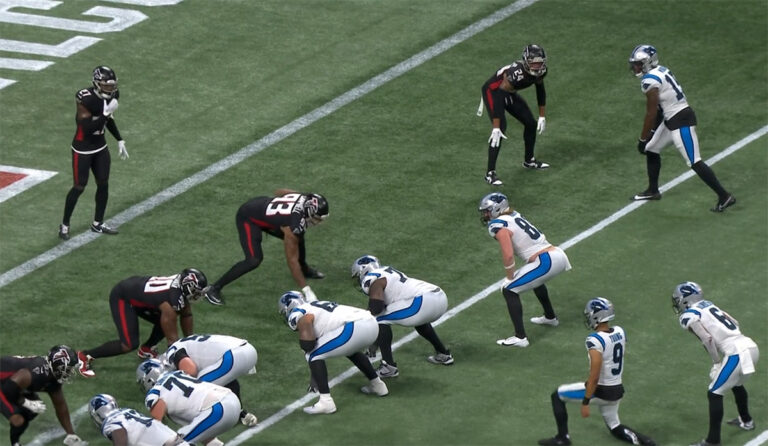
The Carolina Panthers introduced new head coach Dave Canales and general manager Dan Morgan on Thursday. This came 366 days after they presented coach Frank Reich last year. It felt like the movie “Groundhog Day” with the team repeating hiring experiences.

The event differed from last year’s. The Panthers did not show a highlight video of Reich’s short tenure as a player here. Canales and Morgan sat in chairs instead of standing at a lectern. There was a buzz in the stadium club lounge. The 42-year-old Canales channeled Pete Carroll’s energetic style from Canales’ 14 years with the coach in Seattle.

Morgan maintained an intense tone reflecting the former Panthers linebacker. Morgan wants opponents to fear the Panthers logo again like in 2003 when Carolina first reached the Super Bowl. Besides maybe an offensive lineman or receiver, Morgan said the roster first needs more “dogs.”

Skepticism Understandable

“Who wouldn’t be skeptical?” asked Panthers legend Muhsin Muhammad. “This city, this organization, the players have seen turnover. Naturally you react with skepticism. You’re wrong if you don’t. These players have seen turnover.”

Muhammad said Canales must show energy daily. “You’ve gotta love being there every day,” he stated. Like Carroll, Canales should not lack passion. His success developing quarterbacks convinced the Panthers after a 90-minute interview. They chose Canales over experienced coaches and Detroit Lions offensive coordinator Ben Johnson.

New Front Office Model

The Panthers’ new front-office structure copies San Francisco’s. This could shield owner David Tepper from football decisions. “I’m in the background now,” Tepper quipped. Besides Canales and Morgan, Tepper hired Brandt Tilis from Kansas City. Tilis oversees contracts and the salary cap. This setup has worked for the 49ers and Rams. Give Tepper credit for a different approach.

Hopefully the Panthers will not need to introduce a new coach again next year. With North Carolina sports betting launching soon, fans can wager on whether Canales and Morgan will succeed. But Tepper does not get the benefit of the doubt based on his hiring history and the team’s 31-68 record under him.

Canales and Morgan Worked Together in Seattle

Morgan started as a pro scout in Seattle when Canales coached quarterbacks and receivers there. “We were about two doors apart. I remember Dan’s conviction and belief,” Canales said. Morgan quickly evaluated talent as a former player. Former Panthers general manager Scott Fitterer, also from Seattle, hired Morgan here in 2021.

Biggest Piece is Bryce Young

Keeping defensive coordinator Ejiro Evero’s staff would greatly help Canales. But getting quarterback Bryce Young to succeed is the biggest piece. Canales said rollouts and bootlegs can give the 5-foot-10 Young clearer passing lanes. While preparing to face Young with Tampa Bay, Canales kept “getting more and more fired up.”

“He’s the right guy, that face-of-the-franchise type player,” Canales stated.

Navigating the New Norms of Relationships in Charlotte

0

In Charlotte, the dynamics of relationships are always adjusting to new standards and expectations. With the city evolving and expanding, people in Charlotte are learning how these changes affect their way of dating and handling relationships. They’re figuring out how personal and shared views on relationships change in a city that’s constantly transforming.


The Rise of Online Dating Platforms in Charlotte

Charlotte’s dating scene has embraced online platforms as a primary tool for meeting new people. These platforms cater to various relationship preferences, from those seeking long-term partnerships to others interested in more casual connections. The diversity of these online spaces allows Charlotte’s residents to find compatible matches based on shared interests and values.

Diverse Relationship Models

In Charlotte, traditional dating models coexist with more modern forms of relationships. For instance, sugar dating in Charlotte, along with other non-traditional relationships, illustrates the evolving nature of romantic and companionship-based relationships such as sugar dating in Charlotte. Such dynamics reflect a broader acceptance of different relationship structures in the city.

Cultural Impact on Dating in Charlotte

Charlotte’s unique cultural landscape influences its dating norms. The city’s blend of southern charm and modern urban life creates a distinct dating environment. This combination affects how people in Charlotte approach dating, often blending traditional values with contemporary relationship trends.

Work-Life Balance and Relationships

Many residents of Charlotte juggle demanding careers with their personal lives. This balancing act impacts how individuals approach dating and relationships. Professionals in Charlotte often seek ways to integrate their career aspirations with their quest for romantic connections.

Social Activities and Dating Opportunities

Charlotte offers a range of social activities that provide opportunities for singles to meet. From cultural events to outdoor activities, these social settings are an essential part of the dating experience in Charlotte. Engaging in these events allows individuals to connect in relaxed and natural environments.

Adapting to Technological Advances in Communication

In Charlotte, as in many modern cities, technological advancements play a significant role in how people communicate while dating. Staying current with the latest trends in communication technology is crucial for maintaining connections. This includes understanding the norms of digital communication and adapting to the evolving landscape of online interactions.

Shared Interests as a Foundation for Connections

In Charlotte’s dating scene, shared interests often serve as a basis for forming strong relationships. Whether it’s a shared passion for sports, music, or culinary experiences, these common interests can be crucial in building lasting bonds between individuals.

Privacy and Safety in Modern Dating

The importance of privacy and safety in dating cannot be overstated, especially in the context of online platforms. Charlotte’s residents are increasingly aware of the need to protect their personal information and take precautions when meeting someone new. Prioritizing these aspects is vital for a positive and secure dating experience.

The Role of Community Events in Fostering Relationships

Charlotte’s community events play a significant role in bringing people together. These events, ranging from local festivals to community gatherings, offer more than just entertainment. They serve as a platform for individuals to meet and interact in a friendly, communal setting. Such events are especially valuable for those who prefer meeting people in person rather than through online platforms.

Impact of Lifestyle Choices on Dating

In Charlotte, lifestyle choices significantly influence dating and relationships. For instance, the growing emphasis on health and fitness has led to a rise in activities like group fitness classes and outdoor sports, which are also becoming popular venues for meeting like-minded individuals. Additionally, the city’s thriving arts and culture scene offers creative and intellectual shared experiences for those seeking partners with similar interests.

Conclusion

In Charlotte, navigating the new norms of relationships involves understanding a blend of traditional and modern dating practices. From embracing online platforms to recognizing the validity of various relationship models, Charlotte’s dating scene reflects a dynamic and evolving landscape. Balancing work and personal life, engaging in social activities, adapting to technological changes, and prioritizing safety are all key elements in successfully navigating this environment.

The Evolution of Negligence Per Se in Modern Legal Jurisprudence

0

The legal concept of negligence per se has been a fundamental pillar of jurisprudence, shaping the way courts interpret and apply negligence laws for centuries. Its evolution and adaptation to the ever-changing landscape of modern society have played a pivotal role in the development of our legal system.
Negligence per se, at its core, establishes a breach of duty by a defendant based on their violation of a statute or regulation designed to protect the safety and well-being of individuals and society as a whole. As society has progressed, so too have the demands on our legal system, leading to an evolution in the application and interpretation of negligence per se.

Understanding the difference between negligence and negligence per se is not only a matter of historical curiosity but also crucial for navigating contemporary legal challenges.

Historical Roots of Negligence Per Se

The historical roots of negligence per se trace back to the foundations of common law, it emerged as a legal doctrine rooted in the principle that the violation of a statute or regulation designed to protect the public automatically constitutes a breach of duty in negligence cases. Over centuries, this concept evolved alongside the growth of legal systems, reflecting the changing norms and societal expectations.

Initially, negligence per se found its footing in rudimentary legal frameworks, adapting to the needs of a simpler society. Its development coincided with the recognition of statutes and regulations as authoritative sources of guidance for assessing liability.

Early applications of negligence per se often involved straightforward cases where a statute’s violation directly led to an injury, making liability clear-cut.

Traditional Elements of Negligence Per Se

The traditional elements of negligence per se form the bedrock upon which this legal doctrine has been built and interpreted throughout its historical development. These elements, while subject to variation based on jurisdiction and context, generally consist of three key components:

  • Existence of a Relevant Statute or Regulation: At the heart of negligence per se lies the necessity of a statute or regulation that sets forth a standard of conduct. This statute or regulation must be specific and unambiguous in defining the duty owed by the defendant to the plaintiff. In other words, the law must clearly establish what behavior is required or prohibited.
  • Violation of the Statute or Regulation: The second element hinges on the defendant’s violation of the relevant statute or regulation. To establish negligence per se, the plaintiff must prove that the defendant’s actions directly contravened the specific requirements outlined in the statute or regulation. The violation serves as prima facie evidence of negligence, shifting the burden to the defendant to provide a valid excuse or justification for their breach.
  • Causal Connection: Finally, negligence per se requires a causal connection between the defendant’s violation and the plaintiff’s injury. This means that the plaintiff must demonstrate that the defendant’s breach of the statute or regulation was a proximate cause of the harm suffered.

Modern Shifts in Negligence Per Se

In recent years, modern legal jurisprudence has witnessed notable shifts in the application of negligence per se. Courts and legal practitioners increasingly recognize the need for flexibility within this doctrine to adapt to contemporary challenges.

One significant trend is the expanded use of negligence per se in cases involving complex and rapidly changing industries, such as technology and healthcare. Courts have grappled with the application of traditional statutes to these fields, sometimes necessitating novel interpretations or even the creation of new legal standards.

Moreover, the influence of case law and statutory amendments has prompted shifts in how negligence per se is invoked and applied. Courts are more inclined to consider the intent and purpose behind statutes, giving rise to a nuanced approach that weighs statutory violations against principles of justice and fairness.

As negligence per se continues to evolve, it remains an essential tool for promoting safety and accountability. Its adaptability to modern circumstances ensures that it remains a relevant and dynamic aspect of contemporary legal jurisprudence.

Challenges and Criticisms

While negligence per se has played a crucial role in simplifying certain aspects of negligence law, it has not been without its share of challenges and criticisms. 

  • Rigidity in Application: One common criticism centers on the perceived rigidity of negligence per se. Critics argue that strict adherence to the doctrine can lead to unjust outcomes in cases where the violation of a statute or regulation does not necessarily equate to negligence. This rigidity can be particularly problematic when statutes are ambiguous or do not fully contemplate evolving circumstances.
  • Failure to Account for Reasonable Excuses: Negligence per se often assumes that a violation of a statute or regulation is conclusive proof of negligence, but this fails to account for situations where there may be reasonable excuses for the violation. Defendants may argue that compliance was impossible due to external factors or that they were unaware of the regulation’s existence.
  • Inflexibility in Emerging Technologies: As technology advances at an unprecedented pace, the application of negligence per se to emerging fields can be challenging. Statutes and regulations may not keep pace with technological advancements, leaving gaps in coverage or creating unintended consequences.
  • Burden on the Plaintiff: The burden of proving the elements of negligence per se falls on the plaintiff. This can be a significant challenge, as it requires demonstrating not only the violation of a statute but also a causal link between the violation and the injury suffered. Meeting this burden can be onerous, particularly when dealing with complex issues or multiple potential causes of injury.
  • Potential for Overreliance: There is a risk of overreliance on negligence per se, where plaintiffs may seek to establish liability solely based on a statute or regulation violation, rather than engaging in a thorough analysis of the defendant’s conduct and the circumstances surrounding the case.

Conclusion

The evolution of negligence per se in modern legal jurisprudence embodies the dynamic nature of the law itself. This doctrine, with its roots dating back centuries, has continuously adapted to reflect the changing societal, technological, and legislative landscapes.

While challenges and criticisms persist, courts and legal scholars have endeavored to strike a balance between tradition and innovation. Flexibility in application, a nuanced approach to statutory interpretation, and a focus on fairness have become guiding principles in the modern understanding of negligence per se.

Looking ahead, the trajectory of negligence per se remains uncertain but promising. As society continues to evolve, so too will the legal doctrines that underpin it. 

Negligence per se, with its ability to adapt while upholding the fundamental principles of safety and accountability, stands as a testament to the resilience and adaptability of our legal system in the face of ever-changing circumstances. Its ongoing evolution will undoubtedly shape the future of negligence law, ensuring justice and fairness prevail in the complex world of modern legal jurisprudence.

Charlotte’s Public Health Push: New Permit Laws Impacting Local Bars

0

In Charlotte, many bars are adapting to a new state law requiring health department permits for those serving temperature-sensitive food. This measure, part of a healthcare bill passed last September, aims to close a loophole that previously exempted these establishments from mandatory inspections and sanitation ratings.

The law, effective from January 1, has a compliance deadline extended to March 27. Mecklenburg County Public Health is preparing for the impact on approximately 268 local businesses. County Health Director Raynard Washington and his team have been assisting bars in meeting the new requirements.

“Public Health’s leading role is to keep our community safe, and this change in law will help us to do that. I applaud state leaders for their collaboration and partnership,” said Dr. Raynard Washington, Mecklenburg County Public Health director in a press release. “There are still exceptions to the new law, so my advice for the public is if they are eating food at a bar and have concerns, look for the Public Health Inspection Certificate as it must be prominently displayed.”

Previously, bars serving hot food without inspections were not regulated due to a gap in state law. The new law mandates that bars serving “TCS foods” (those needing time or temperature control) must obtain a Health Department Food Service Establishment operating permit and undergo regular health inspections.

Some businesses are already starting the permit process, while others are reducing their food offerings to avoid the new regulations. The health department is focused on providing necessary guidance and information to these businesses.

Once permitted, bars will be inspected two or three times a year, depending on their menu. The health department has increased staffing to manage the additional workload.

Public health inspection records for Charlotte businesses are available on the health department’s website and Yelp. Complaints can be filed with the health department via phone, online, or mail.

Uptown Charlotte Bracing for Today’s Protest Against MVP Pipeline

0

A protest is planned for Uptown Charlotte today and CMPD is warning employees at Bank of America to be aware and to avoid confrontation.


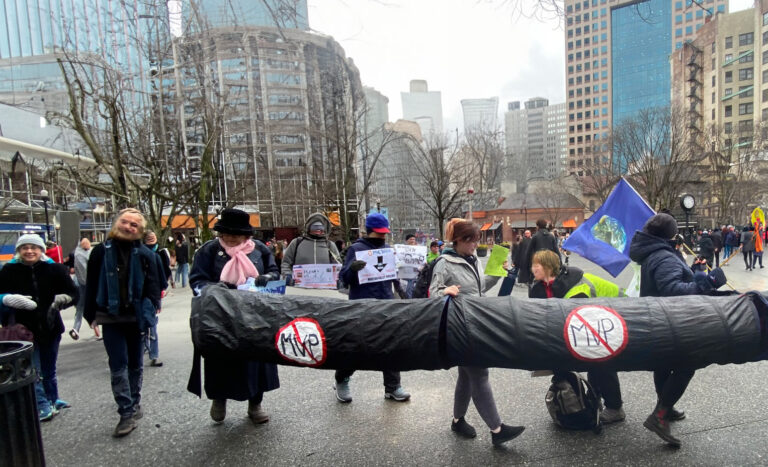
The group 350 Charlotte has joined with Appalachians Against Pipelines (AAP) to organize today’s the protest in Uptown Charlotte where they plan on marching around Bank of America and Wells Fargo buildings chanting: “Stop MVP!” “MVP: Wrong Then, Now, Forever!” “No Personal Savings to Climate Destruction!”, according to their website.

AAP has been engaged in a persistent direct action campaign to stop the Mountain Valley Pipeline since 2018. The MVP is a 42-inch fracked gas pipeline that stretches from the shale fields of so-called West Virginia through North Carolina. The group argues that the project will disrupt delicate ecosystems, harm communities, and increase international dependence on fossil fuels.

According to the Charlotte Ledger, Bank of America employees have alerted to the protest this morning:

Urgent Amber Alert: 8-Year-Old Callie Holloman Missing in North Carolina

0

An Amber Alert has been activated on Wednesday morning for 8-year-old Callie Holloman, who has been reported missing in Duplin County. Callie is described as a white female, approximately five feet two inches tall, weighing around 50 pounds, with blonde hair, blue eyes, and freckles on her face. Authorities believe she may be in the company of Ronda Layton Holloman.

38-year-old Ronda Layton Holloman is described as a white female, standing at five feet five inches tall, weighing 135 pounds, with blonde hair and green eyes. Callie was last seen in the area of Joe Johnson Road in Warsaw, North Carolina. The vehicle associated with this case is a black Acura MDX with a North Carolina license plate.

The Duplin County Sheriff’s Office is urgently seeking information from the public regarding Callie’s whereabouts. Anyone with relevant information is encouraged to contact the sheriff’s office at (910) 296-2150.

NC Aquarium Rehabilitating Cold-Stunned Sea Turtles

0

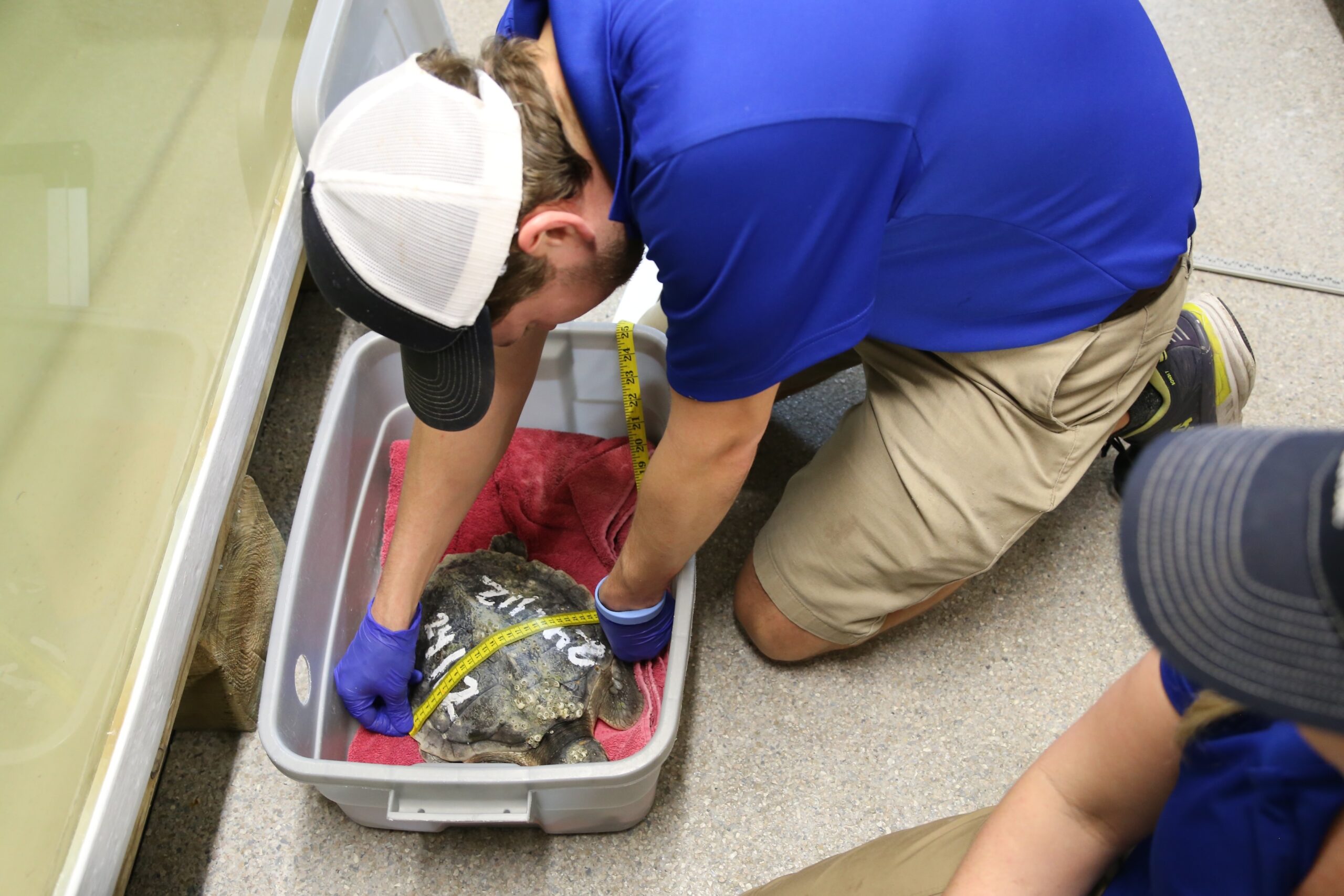
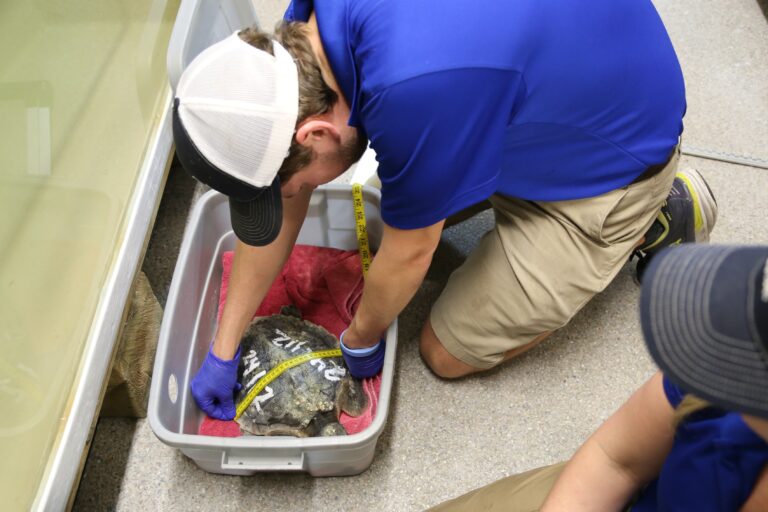
Stunned by the sudden drop in temperatures, six Kemp’s ridley sea turtles are under the professional care of animal experts at the North Carolina Aquarium at Fort Fisher (NCAFF). Upon their arrival Friday, Jan. 26, the team weighed and measured them and observed them swimming in their temporary home behind the scenes at the Aquarium. The Kemp’s ridleys are among 200 cold-stunned sea turtles that have been in the care of the three North Carolina Aquariums in recent weeks.

Cold-stunning causes sea turtles to become very weak and inactive from exposure to cold temperatures. It generally occurs when water temperatures fall below 50 F (10 C).

“Sea turtles are reptiles and are not able to strictly regulate their body temperature like mammals and birds,” said Stephanie Dwyer, assistant husbandry curator, NCAFF. “Cold-stunned sea turtles become lethargic and eventually are unable to swim causing them to float at the surface or wash up on beaches.”

The NC Aquariums at Fort Fisher (NCAFF), Pine Knoll Shores (NCAPKS), and on Roanoke Island (NCARI), also home to the renowned Sea Turtle Assistance and Rehabilitation (STAR) Center, care for weak or injured sea turtles throughout the year.

Locating Cold-Stunned Sea Turtles

Grueling work in frigid temperatures—biologists from Cape Lookout National Seashore and Cape Hatteras National Seashore, the N.C. Wildlife Resources Commission (NCWRC) and volunteers from sea turtle conservation groups like the Network for Endangered Sea Turtles (N.E.S.T.) locate, record, and transport patients to regional facilities.

In the southern part of the state, rescuers take the stranded turtles to the Center for Marine Sciences and Technology (CMAST) in Morehead City for assessment and initial treatment. Once they triage the turtles, the N.C. Aquarium veterinary team and the NCWRC divide the patients among rehabilitation centers along the coast, including the Karen Beasley Sea Turtle Rescue and Rehabilitation Center (KBSTRRC) in Surf City, NCAPKS and NCAFF. From Ocracoke north, stranded turtles move through a staging site on Hatteras Island for documentation and then directly to the STAR Center at NCRI, whose team, under the supervision of the veterinary team completes Initial assessments and treatments.

“Rehabilitation for a cold-stunned sea turtle can take anywhere from a couple of weeks to several months, depending on the health status of the turtle when they arrive. We work closely with our veterinary team to administer individual care as each turtle is affected differently by cold-stunning,” said Ryan McAlarney, husbandry curator, NCAFF.

Rehabilitating the Cold-stunned Sea Turtles

During rehabilitation, the animal care team slowly warms up the turtles, and ensures they can swim and lift their heads comfortably out of the water to breathe. The team offers them a variety of food and administers fluids, antibiotics, eye drops, and wound care prescribed by the veterinary team. Once the veterinary team clears the turtles for release, they place a small microchip in the front flipper of each turtle. The chip can provide information about where the turtle was last seen and how much they have grown.

Releasing the Rehabilitated Sea Turtles

Winter releases require partnerships with boats that can release the turtles offshore, typically, in warm water near the Gulf Stream, 70 F (21 C) or above. Crews from Duke Marine Laboratory in Beaufort, the U.S. Coast Guard Stations at Cape Hatteras and Fort Macon, and private fishing vessels have helped release rehabilitated turtles.

NCWRC leads the work to rescue and rehabilitate sea turtles and collaborates with several federal, state, and private organizations including the NC Aquariums; CMAST; North Carolina State University College of Veterinary Medicine; Cape Lookout National Seashore; KBSTRRC; N.E.S.T.; Cape Hatteras National Seashore; U.S. Fish and Wildlife Service; National Marine Fisheries Service; and National Oceanic and Atmospheric Administration (NOAA).

What You Can Do

If you see a turtle in the water or on the beach this time of year that is not moving or sluggish, do not push them back into the water or attempt to transport them yourself. Please call the Sea Turtle Stranding Hotline to report the turtle, and they will give instructions and send someone to retrieve and document the turtle.

  • South of Ocracoke Island, call 252-241-7367.
  • Ocracoke & Hatteras Island, call Cape Hatteras National Seashore at 252-216-6892.
  • Oregon Inlet and north, call N.E.S.T. at 252-441-8622.

NC Governor Cooper Issues Executive Order For Re-Entry of Incarcerated People

0

Governor Cooper has just issued a new executive order, directing a ‘whole-of-government’ coordination to significantly enhance reentry services for incarcerated and formerly incarcerated individuals across the state of North Carolina.

Executive Order No. 303 specifically collaboration with various state agencies, aims to bolster rehabilitation and streamline the reintegration process.

“Strengthening reentry services for formerly incarcerated people is both the right and smart thing to do,” said Governor Roy Cooper. “Employers are looking for new and skilled workers while many formerly incarcerated people are eager to change their lives, get a job and join their communities. This Executive Order directs a whole-of-government approach to improve reentry services, strengthen our economy, make communities safer and give people the second chance they deserve.”

As part of this initiative, North Carolina joins the national Reentry2030 campaign, committing to ambitious goals by 2030. These include increasing educational achievements for incarcerated individuals by 75%, reducing post-release homelessness by 50%, and expanding reentry assistance across all counties. The state also aims to enhance educational and apprenticeship opportunities within correctional facilities and increase partnerships for second chance employment.

The Executive Order mandates specific actions from each cabinet agency and the Post-Release Supervision and Parole Commission. These include improving access to career services, facilitating eligibility for benefits like SNAP and Medicaid, and providing resources for obtaining driver’s licenses. It also focuses on supporting justice-involved veterans and enhancing education and transition services for youth in the juvenile justice system.

Additionally, the order strengthens prison education programs, integrating them into the Prison Education Consortium to ensure they lead to market-relevant qualifications. A Joint Reentry Council is established to create a strategic plan with measurable goals for improving reentry and to monitor progress towards these objectives.

What do you think about the new executive order?

Bridge in Fort Mill Collapses After A Weekend of Flooding Rain

0
via Facebook

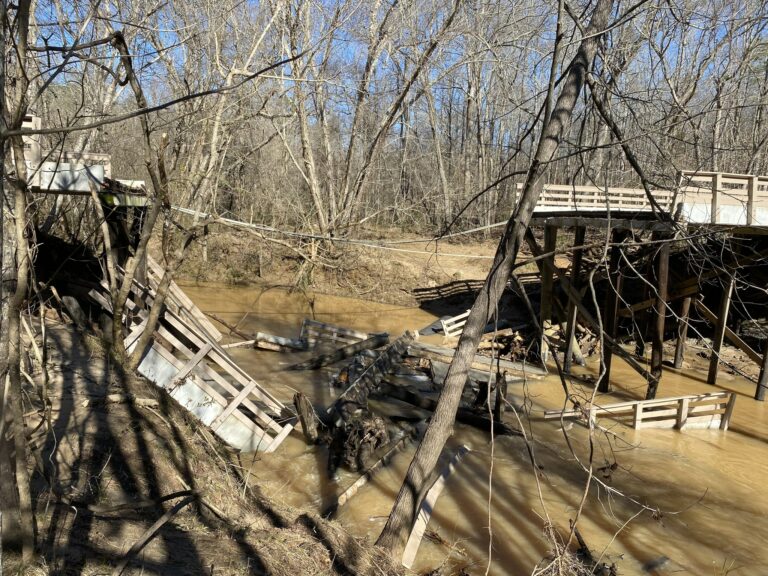
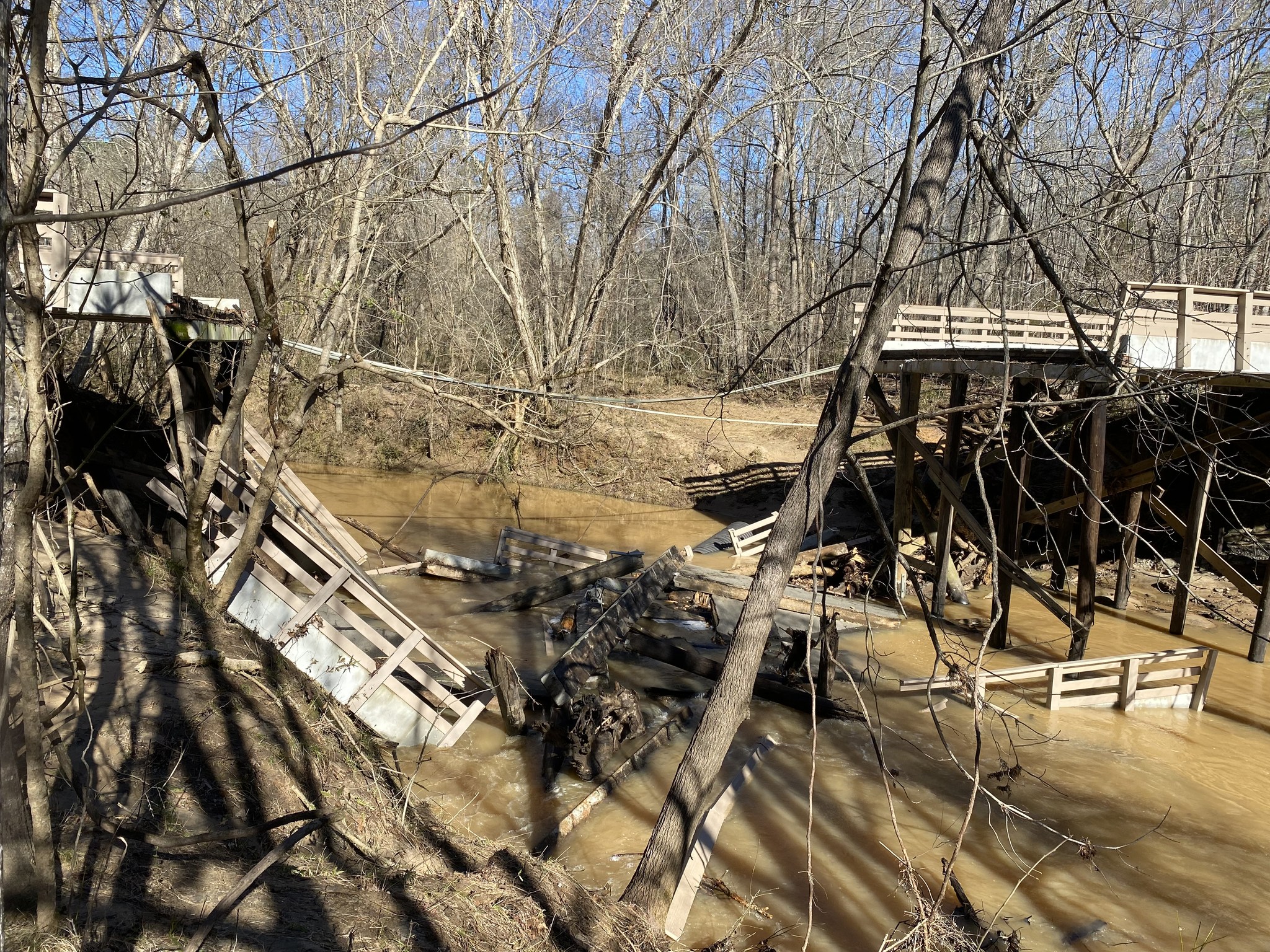
The largest bridge in Fort Mill’s Anne Springs Close Greenway collapsed yesterday following heavy rainfall over the weekend.

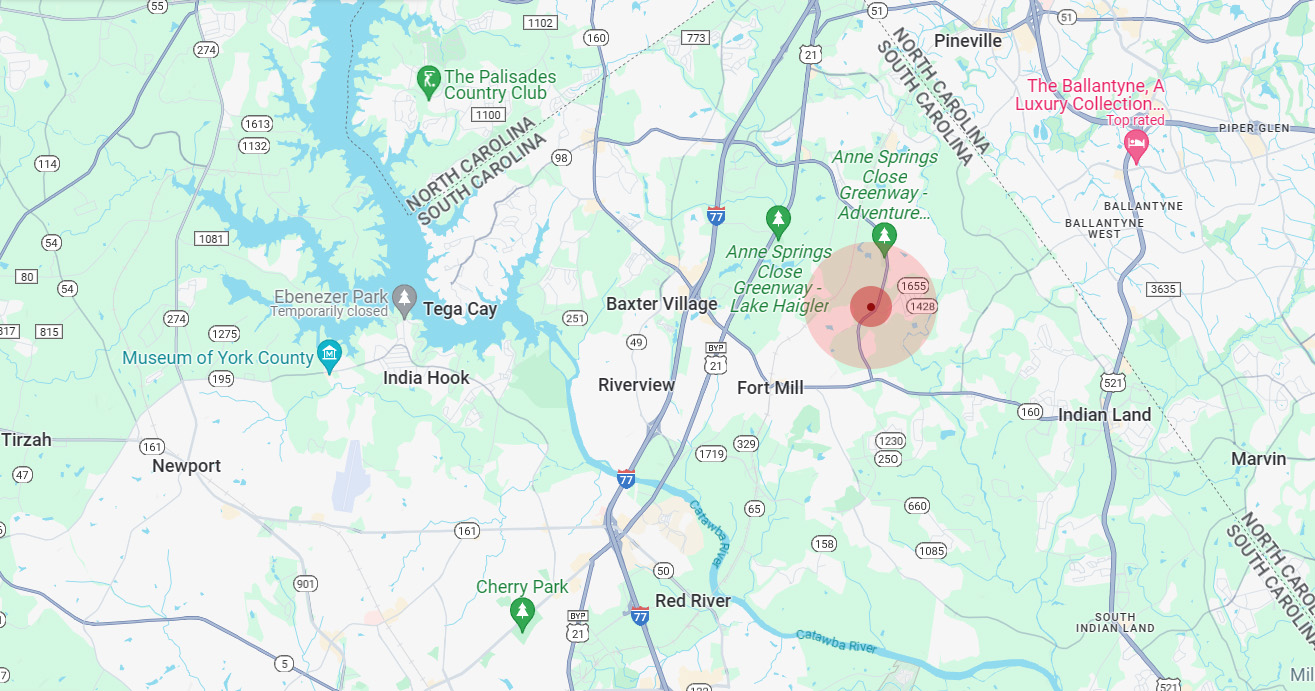
It was the only vehicle bridge in the 2,100 acre nature preserve, linking the Trestle Trail and Mill Pond Trail near the intersection of Merritt Rd and Springfield Parkway. The bridge had recently undergone a $160,000 renovation and was still closed at the time of yesterday’s washout.

In a statement, the Greenway said, “The affected area has been cordoned off, and we kindly ask everyone to avoid the vicinity until further notice. Safety precautions are in place, and we appreciate your understanding.”

Immediate plans are in place to demolish the damaged structure within the next 30 days, while the timeline and budget for its replacement remain uncertain.

The area around the collapsed bridge has been cordoned off for public safety, and no injuries have yet been reported.

North Carolina School Removes Bathroom Mirrors to Reduce TikTok Video Filming

0

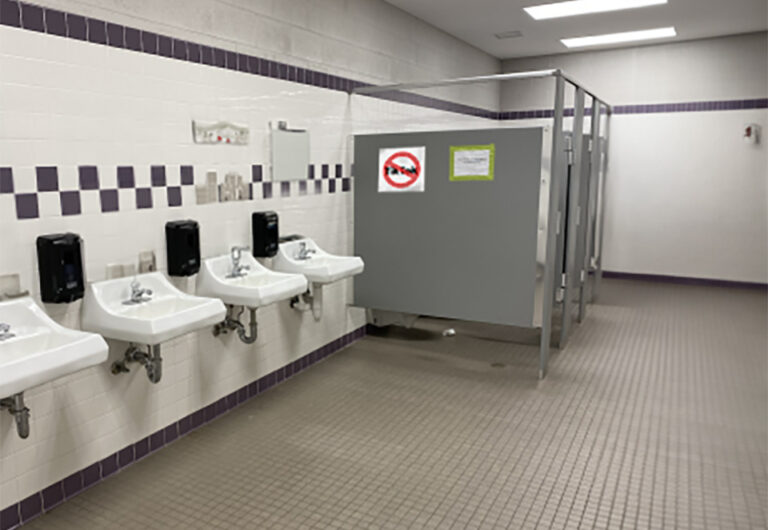
A North Carolina middle school has just taken the unusual step of removing mirrors from its bathrooms.

This decision was made in response to an observed increase in students taking frequent bathroom breaks to film TikTok videos, according to WTVD.

The administration at Southern Alamance Middle School in Alamance County noted a significant reduction in the number of bathroom visits following the removal of the mirrors.

The school has also implemented a digital hall pass system, enabling students to digitally check in and out when they leave the classroom, providing the school authorities with a more effective way to monitor the whereabouts of students at all times.