

Elon Opening New Law School in Charlotte – The Only In-Person Law Program in Our City

0

Elon University today officially announced plans to open a new law school in Charlotte, inside of it’s new regional center in South End.

The Elon Law Flex Program, to be offered exclusively at the Elon University in Charlotte regional center, will become the only in-person law program offered in the Queen City.

Law classes will begin in Fall 2024, pending approval by the American Bar Association (ABA) and The Southern Association of Colleges and Schools Commission on Colleges (SACSCOC). Applications to the program will be accepted beginning October 1, 2023.

The law program will build on the success of Elon Law’s highly experiential, full-time curriculum in Greensboro, N.C., with the school’s distinguished faculty teaching in-person to meet the needs of aspiring attorneys in Charlotte. The Elon Law Flex Program is designed for the working professional and students can complete their law degree in four years. A full range of law electives will provide experiential opportunities in law clinics, publication in law journals and moot court programs and competitions.

The Elon University in Charlotte regional center, located at 330 W. Tremont Ave., also offers Elon undergraduate students majoring and minoring in sport management the opportunity to study and work in Charlotte. Sport management students from Elon University’s School of Communications are taking courses this fall with Elon faculty, working in internships with local sports and media organizations, connecting with alumni in the region and developing mentoring relationships with local industry and community leaders, all while immersing themselves in the city’s life and culture.

“At Elon, we take an intensely personal approach to learning, with experiential opportunities and mentorship at the forefront, and we are thrilled to further expand that approach in the dynamic and fast-growing Charlotte region,” said Elon President Connie Ledoux Book. “We know providing opportunities for Elon students to put their knowledge to work through service, internships, research and leadership results in stronger outcomes, and we look forward to introducing Elon’s leading learning model to the city of Charlotte.”

Elon University in Charlotte includes nearly 14,000 square feet of classroom and collaboration space, including commons areas and breakout spaces. The university selected South End as its entry point to Charlotte because of the neighborhood’s unique and compelling intersection of arts, culture and business, its walkable landscape and easy access to public transportation, all of which will give students a holistic city experience.

The Elon Law Flex Program will incorporate the same teaching model as the full-time program in Greensboro, which has earned a No. 5 national ranking for practical training. Strategically focused on learning by doing, Elon’s School of Law integrates traditional classroom instruction with a required, full-time residency-in-practice field placement for students, who work under the close supervision of attorneys and judges. Over the past decade, annual applications for admission to Elon University’s School of Law have increased by nearly 50 percent, and the program’s distinctive curriculum in Greensboro allows students to complete their program in just two-and-a-half years.

“We’re in the dream-making business,” said Elon School of Law Dean Zak Kramer. “The Elon Law Flex Program will make it possible for working professionals in Charlotte to realize their dream of becoming lawyer leaders. We’re going to be growing the Charlotte legal community from within. Training ethical, creative and practice-ready attorneys is what we do, and we appreciate this opportunity to serve the Charlotte community.”

Elon’s extension into Charlotte expands its regional center model, with existing locations in Los Angeles, New York, Washington, D.C., and Greensboro. The establishment of these regional hubs is a key component of the university’s Boldly Elon strategic plan, which calls for the development of strategic locations beyond the main campus as centers for academic programs, alumni engagement, professional education and cultural opportunities.

“We see synergy between the evolution of the Charlotte area over the past few decades and Elon’s own transformational journey. Our new regional center will be a tangible extension of the university’s desire to help our students become engaged citizens of the world, fully embracing curiosity and leaning into their purpose,” said Jim Piatt, Elon’s senior vice president for university advancement and external affairs. “We are grateful for the Charlotte leaders who have guided us on this journey.”

Elon University in Charlotte will offer alumni and prospective students opportunities to participate in hands-on professional development programs, affinity groups and career coaching initiatives within the Charlotte footprint. The university will also convene community and business leaders and offer networking opportunities as well as access to Elon faculty, staff and resources in collaborative co-working spaces.

“We are proud to have Elon University join the ranks of the Charlotte region’s strong cohort of higher education institutions, all of which play a unique role in helping the city develop our global identity, contribute to the rich diversity of thought in our community and spur innovation and growth,” said Eric Sklut, co-founder of the Charlotte-based Levine-Sklut Family Foundation, owner and president of Perfection Automotive Inc., and a former Elon University trustee and parent. “Education is the key to opportunity, and we’re grateful to President Book and the Elon leadership team for partnering with the city of Charlotte to join in a commitment to providing a brighter future.”

More information about Elon University in Charlotte is available at www.Elon.edu/CLT.

Dole Food Company and Charlotte Hornets “Power-Up” for Charlotte School

0
Dole Food Company joined forces with the Charlotte Hornets today for the inaugural “Hugo’s PE Power-Up presented by Dole” event at Charlotte-Mecklenburg’s Windsor Park Elementary School. The initiative is part of both companies’ ongoing commitment to promote healthy eating habits and active lifestyles among students and their families.
Throughout the day, students in kindergarten through fifth grades enjoyed an enriching and educational experience. As part of their scheduled Physical Education (PE) class, they participated in a special nutrition lesson where they learned to prepare a nutritious Banana Breakfast wrap using DOLE Bananas, ensuring that they have the knowledge and skills to make healthier food choices.
As a special highlight, Windsor Park Elementary School’s fifth-grade class participated in a Hornets Hoops basketball clinic, where they received valuable coaching and mentorship, fostering teamwork and physical activity.
Also on hand were Dole’s mascots Bobby Banana and Pinellopy Pineapple, as well as Hugo the Hornet, the beloved mascot of the Charlotte Hornets.
“We are very excited for this event as it marks the first effort between Dole and the Charlotte Hornets to do something bigger in the Charlotte community,” stated Bil Goldfield, Dole’s Director of Corporate Communications. “We will showcase these PE Power-Ups at different Charlotte-Mecklenburg Elementary Schools throughout the school year in an effort to inspire healthier habits and foster a love for nutrition and physical activity.”
Fresh fruit was provided to the entire school to encourage students and their families to embrace the benefits of a diet rich in fruits and vegetables.

Circle K Hosting Fuel Day ‘Pop Up’ Event in Charlotte – Offering 65 Cents Off Per Gallon

0

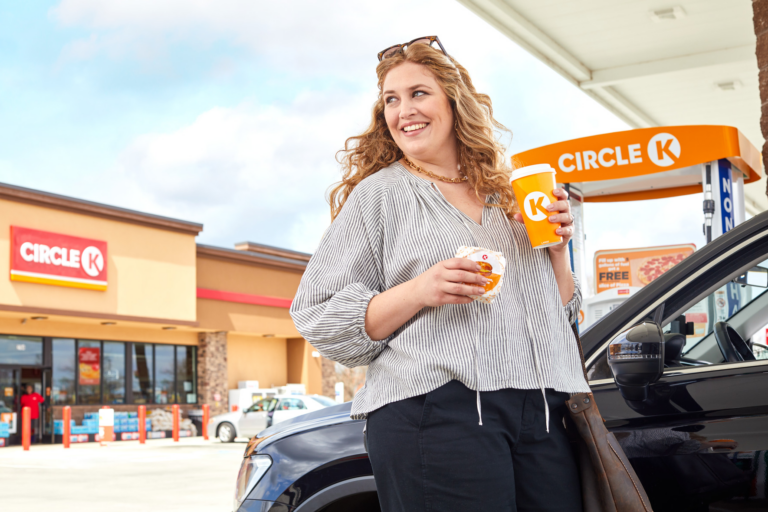
On Friday, November 3, from 4 p.m. to 7 p.m., all Charlotte-area Circle K locations will be hosting a Circle K Fuel Day ‘pop up’ event – dropping dropping their fuel prices at the pump by 40 cents per gallon.
The company will also be expanding Inner Circle, its first free membership program, to all North and South Carolina locations. New Inner Circle members can add that discount to an introductory offer of 25 cents per gallon on their first five fuel ups to save up to 65 cents off per gallon simply by entering the phone number attached to their membership at the pump.

“We’re introducing Inner Circle to make it easy for our loyal customers to enjoy great deals and personalized offers that add value to their Circle K experience,” said Jørn Madsen, SVP, Eastern U.S., at Circle K. “We’re also very excited to celebrate the Inner Circle launch with a Fuel Day ‘Pop Up’ with even more savings that our customers won’t want to pass up during the Friday afternoon commute.”

In addition to saving at the pump on the first five fill-ups, customers can treat themselves to five free dispensed beverages including hot or iced coffee or fan favorites available in the iconic Polar Pop cup or as Frosters, as well as:

  • Everyday discounts of up to $0.05 per gallon of fuel for every fill-up at Circle K fuel locations
  • Buy five, get one free on a variety of Circle K brand snacks, fresh food and beverages
  • Surprise discounts, in addition to other exclusive member perks

Inner Circle will be available in close to 3,000 of Circle K’s 7,000 U.S. stores by year end. To become part of Inner Circle, download the Circle K mobile app on Apple or Google Play stores to sign-up within the app or visit circlek.com/inner-circle.

Carowinds Parent Merging With Six Flags and Building New Headquarters in Charlotte

0

Another massive company has just announced plans to build their new headquarters right here in Charlotte.

Carowinds’ parent company Cedar Fair has just announced plans to merge with Six Flags Entertainment and build their new combined headquarters in the Queen City. The new $8 billion company will operate a total of 42 amusement parks and 9 resort properties across North America.

“Our merger with Six Flags will bring together two of North America’s iconic amusement park companies to establish a highly diversified footprint and a more robust operating model to enhance park offerings and performance,” said Cedar Fair CEO Richard Zimmerman in a press release. “Together, we will have an expanded and complementary portfolio of attractive assets and intellectual property to deliver engaging entertainment experiences for guests. The combination also creates an enhanced financial profile with strong cash flow generation to accelerate investments in our parks to delight our guests, driving increased levels of demand and in-park value and spending. I have great respect for the Six Flags team and look forward to joining forces as we embark on this next chapter together.”

The companies plan on officially merging early next year, after which point they will both operate under the Six Flags brand and will be publicly traded on the New York Stock Exchange with the ticker symbol FUN, structured as a C Corporation.

While the new headquarters will be built in Charlotte, the company will also preserve substantial finance and administrative functions in Sandusky, Ohio.

North Carolina Has The Sixth-Highest Rate of New Homes in America

0

New data from the Census Bureau now shows that North Carolina is one of the top states in America for new home construction.

According to the Census’ 2023 American Community Survey, approximately 131,160,239 occupied households were recorded in the US. Of these properties, 15,726,042 were constructed from 2010, equal to 11.99% of the homes across the US. A total of 23 states had a higher rate of new-build homes than the national average, with these modern properties making up one in every five homes in some locations.

North Carolina was named the state with the sixth-highest rate of new-build homes. A total of 781,093 homes have been built in the state since 2010, representing 18.17% of the total occupied housing supply statewide.

Top 10 states with the highest rate of new-build homes

Ranking

State

Occupied Housing Units

Structures built from 2010

Percentages of properties built from 2010

1

Texas

11,087,708

2,495,270

22.50%

2

North Dakota

331,481

68,765

20.74%

3

Utah

1,129,660

233,297

20.65%

4

Idaho

717,151

143,474

20.01%

5

South Carolina

2,136,080

421,785

19.75%

6

North Carolina

4,299,266

781,093

18.17%

7

Nevada

1,198,356

200,603

16.74%

8

Delaware

402,334

66,338

16.49%

9

Colorado

2,384,584

388,751

16.30%

Best Movies for Classic Cars Lovers

0

Nevertheless, it should be mentioned that classic car lovers’ nuance is that there must exist something inborn that gives rise to sentiments inside the person. This is something that they can never afford to lose. Surprisingly, though, most times, that love surpasses the ownership of a typical model. 

Take, for instance, individuals who are fond of classic cars most often watch films that are about these types of transport. And why not? In a movie, you could travel through a world in which everything was possible in another time. 

Yet, when it comes to the best movies that present various classic cars and their owners, we mean the best movies for classic car aficionados. As classic car lovers, we shall tell you some of the best classic cars in movies. 

Taxi Driver (1976)

Our first pick is Taxi Driver, a classic film that was produced in the year 1976 and it is a neo-noir movie. While not a typical auto-based movie, all the cars used here are old-fashioned and timeless. In the film, built in 1975, Checker, a taxi, is operated by Travis Bickle (Robert De Nero). 

The sad plot line depicts another urban demise, this time with the typical yellow taxicab serving as its setting. The movie called Taxi Driver reflects the spirit of New York of the seventies. One of the crucial props in creating the ambiance is an Old Taxi. 

Mad Max: Fury Road (2015) 

Buckle up and enter the post-apocalyptic wasteland of “Mad Max: The 2015 “Mad Max: Fury Road.” It’s an action movie masterpiece, visually speaking. 

A desolate wilderness hosts Max Roackanstalky, an enigmatic and rough-looking anti–hero, played by Tom Hardy, together with the daring Furiousa, represented by Charlize Theron, in a breathtaking, high-octane chase across the barren, war-torn landscape.

The film’s thrilling action scenes are a symphony of pandemonium, with an astounding variety of customized cars—each one more bizarre and lethal than the last—featured in them. 

The cars in this film are not just vehicles; they are characters in their own right. The standout classic is the Interceptor, driven by the titular character Max Rockatansky, portrayed by Tom Hardy. 

The Interceptor, a 1973 Ford Falcon XB GT Coupe, symbolizes Max’s rugged and relentless spirit. 

Fast & Furious (2001) 

Of course, no other brand can compare to that of Fast & Furious for classic cars, nor does anyone come close to delivering adrenaline pumping action. Even now, such a high-octane action film could perhaps be named the finest in the business and the most awesome and nerve 

It was a high octane movie introducing us to Dominic Toreto played by Vin Diesel who loves American muscle cars. 

The raw power of his signature car, a 1970 Dodge Charger R/T leaves everyone dumbstruck. Still, which of the two “Fast Five 5” for 2011 deserves to come first? Moving tribute for Paul Walker in Furious 7 (released in 2015) or big success Fast Five (Dwayne Johnson came in on 2011). Both cars of this film are incredible in my opinion anyone will be worthy since they thrill every person. 

The list of these movies includes some classics and beautiful cars that cannot be ignored even at least one film only because of them. 

Gone in 60 Seconds (2000) 

Here is another best movie for classic car lovers: A 2000 action movie, “Gone in 60 Seconds,” directed by Dominic Sena. 

Here, Memphis Raines, Nicholas Cage’s character, must steal 50 classy vehicles within a single night in order to save his brother. Also, we find our action-filled woman—Angelina Jolie, as well. 

Truly, the best thing featured in the film is definitely Eleanor – a white 1967 Ford Mustang Shelby GT500, 2000 Volvo V70R, 1999 Aston Martin DB7, and DB1. Adrenaline-pumped car theft and classic car seduction are displayed in the film.

Death Race 

This is definitely one of the most rugged, raw, adrenaline-pumping, and action-packed films from the start till the end, “Death Race.This cult film, released in 1975, epitomizes the gritty allure of vehicular mayhem. 

In a dystopian future, the world’s most dangerous criminals compete in a brutal, no-holds-barred road race where winning means freedom, and losing means certain death. 

One man who captivates the people’s attention is the monstrous Frankenstein, a masked driver, tall with a menacing reputation, who battles rivals and navigates through death-bound obstacles, turning his armored car into a weapon of destruction. 

Drive 

Directed by Nicolas Winding Refn, takes you on a high-octane journey through the neon-lit streets of Los Angeles. At the movie’s heart is the iconic 1973 Chevrolet Malibu, a symbol of timeless automotive elegance. 

The film’s enigmatic and nameless Driver, portrayed by Ryan Gosling, exudes coolness behind the wheel as he moonlights as a getaway driver for heists. The 1973 Chevrolet Malibu, meticulously restored and showcased in all its vintage glory, becomes both a stunning centerpiece and an extension of the Driver’s character. 

Drive movie is an action-packed film season with romance and suspense to create a perfect experience for classic car lovers. 

Wrapping Up 

From the gritty streets of ‘Taxi Driver’ to the apocalyptic wasteland of ‘Mad Max: Fury Road,’ and the high-octane action of ‘Fast & Furious,’ these movies deliver a turbo-charged experience for every car lover. ‘Gone in 60 Seconds’ adds the thrill of heists, and ‘Death Race’ revs up the adrenaline. 

‘Drive’ offers a stylish escape through Los Angeles in a 1973 Chevrolet Malibu. Buckle up and indulge in the cinematic world of classic cars. For lovers of Hot Rods, there are Hot Rods for sale that are customized, high-performance classics that can be a dream come true for any car lover, offering both style and power. Feel free to get one and enjoy your ride.

Beware These Gaps in Your Homeowners Insurance

0

Your homeowners insurance is an incredible safety net for your household. The insurance plan could provide coverage for some of your biggest nightmares as a homeowner, like becoming the victim of a burglary or having a floor of your home go up in flames. Submitting a claim to your company could help you handle a large portion of the costs to recover from the damages and get your household back to normal. 

But it’s important to know that your homeowners insurance won’t help you with every single type of disaster. There are some significant gaps in your coverage. What are these coverage gaps, and what can you do to fill them?

Wear and Tear

Your homeowners insurance won’t provide coverage for issues that can be caused by wear and tear — like when your old sagging roof springs a leak after a particularly rainy day. These types of issues are considered the fault of the homeowners’ negligence. If the roof had been maintained or patched in recent years, then it would likely get through a rainy day without suffering any damage. 

So, what can you do to afford these ineligible repairs? Well, if you happen to have a home warranty, you might find that the repair is covered through the plan. A home warranty provides discounted rates for various household repair services. You will have to pay a service fee, along with a deductible in order to access these services.

You should also build a household emergency fund. The emergency fund can help you cover all sorts of urgent expenses right after they drop into your lap, including household repairs that your homeowners insurance deems ineligible. It can also help you pay for last-minute service fees and deductibles for repairs covered by your home warranty plan. 

Living without an Emergency Fund

Without an emergency fund, you might not have enough savings to manage these urgent expenses. In that case, you could turn to a website like CreditFresh to see whether you qualify for a personal line of credit loan. An approved personal line of credit could give you enough access to temporary funds to pay off your expenses in a short amount of time. Once those emergency repairs are done, you can turn back to your line of credit and follow its repayment plan. 

Lines of credit are meant to be used for emergencies. If your household repair isn’t an emergency, you shouldn’t use this borrowing solution to pay for it. Take your time saving up for the repair.

Flood Damage

Did you know that the average homeowners insurance policy doesn’t cover damages from flooding? If your neighborhood floods in a natural disaster and your basement gets soaked, your insurance policy isn’t going to help you manage the repair costs. Flooding damage is exempt from coverage.

So, what can you do to protect your house from this type of damage? You can fill this coverage gap by signing up for flood insurance. Flood insurance specifically covers losses directly caused by flooding. 

Dog-Related Injuries

Now, your homeowners insurance policy will likely offer liability insurance coverage for moments when someone gets accidentally injured on your property. This includes if that person suffers from a dog bite. However, you should know that some insurers will exclude certain dog breeds from coverage. Your dog’s breed just might disqualify you from being able to make a claim. 

What can you do if your policy doesn’t accept your dog’s breed in this scenario? You can always shop around for a different insurer. You might be able to find one that doesn’t exclude your dog’s breed. 

Another way to fill this coverage gap is to sign up for a personal liability umbrella insurance policy with a separate provider. This type of policy may offer coverage when your homeowners insurance won’t. Before signing up for the policy, discuss your homeowners insurance’s restriction with your dog breed and confirm what type of coverage you can access in case of a biting incident. 

You don’t want to leave these gaps wide open. Follow these tips and fill them up as soon as possible!

JavaScript Development: Unleashing the Power of the Web

0

In the fast-paced world of technology, JavaScript remains an indomitable force in the realm of web development. This versatile programming language has evolved significantly since its inception, and today, it’s the cornerstone of web applications, responsive designs, and interactive user interfaces. Whether you’re a seasoned developer or a novice enthusiast, this article will help you to delve deep into the world of JS development, exploring its fundamentals, modern practices, and the future it holds.


Brief History of JavaScript

Before we dive into the intricacies of modern development, it’s crucial to understand its historical context. JavaScript, originally created by Brendan Eich at Netscape Communications Corporation in 1995, was initially known as “Mocha” and then “LiveScript” before settling on its current name. It quickly gained prominence as the primary client-side scripting language for web browsers, enabling every JavaScript development agency to enjoy dynamic content, interactivity, and enhanced user experiences.

Fundamentals of JavaScript

To master JavaScript development, it’s essential to have a solid grasp of its core concepts. Let’s start with the basics:

Syntax and Variables

JavaScript uses C-style syntax, making it relatively easy to learn for those with programming experience. Variables are essential components of any programming language, and JavaScript offers three types: var, let, and const. The choice of which to use depends on your specific requirements.

Data Types

JavaScript supports various data types, including numbers, strings, booleans, arrays, objects, and functions. Understanding these data types is crucial for effective scripting and data manipulation.

Operators

Operators in JavaScript enable you to perform operations on variables and values. They include arithmetic, assignment, comparison, and logical operators, among others.

Control Structures

Control structures, such as conditionals (if-else statements) and loops (for, while, and do-while loops), are fundamental for decision-making and repetitive tasks.

Functions

Functions are reusable blocks of code, and they play a pivotal role in development. You can create your functions or use built-in ones to streamline your code and improve maintainability.

Modern JavaScript Development

JavaScript has come a long way since its early days, evolving into a versatile language with a rich ecosystem of tools and libraries. Here’s a look at some of the modern aspects of development:

ES6 and Beyond

ES6, also known as ECMAScript 2015, introduced numerous enhancements to the language, including arrow functions, classes, and template literals. Subsequent versions, such as ES7, ES8, and ES9, continued to bring new features and improvements.

Package Managers and Build Tools

Package managers like npm (Node Package Manager) and yarn have simplified the process of installing and managing third-party libraries and packages. Build tools like Webpack and Babel allow developers to bundle, transpile, and optimize their code efficiently.

Frameworks and Libraries

JavaScript is home to a plethora of libraries and frameworks that streamline web development. Some of the most popular choices include React, Angular, and Vue.js for building user interfaces. Moreover, an established Node.js apps development company use Node.js for server-side development.

Asynchronous Programming

Asynchronous programming is essential for handling tasks that might take some time to complete, such as fetching data from a server or reading a file. Promises and async/await are modern techniques for managing asynchronous operations, ensuring a smooth and responsive user experience.

Responsive Web Design

JavaScript plays a significant role in creating responsive web designs that adapt to various screen sizes and devices. Media queries, flexbox, and grid layout are some of the key CSS features that JavaScript complements to achieve responsive layouts.

Best Practices in JavaScript Development

Mastering development requires adherence to best practices to ensure code quality, maintainability, and performance. Here are some recommendations to consider:

Code Style and Conventions

Adopt a consistent code style and follow established conventions like the Airbnb Style Guide or Google’s Style Guide. Using linters such as ESLint can help maintain code quality.

Modularization

Break your code into reusable modules and components. This approach enhances code organization and fosters collaboration among developers.

Error Handling

Implement robust error handling mechanisms to gracefully manage unexpected situations and provide meaningful feedback to users.

Testing

Testing is an integral part of development. Utilize tools like Jest, Mocha, and Chai to automate testing and ensure code reliability.

Documentation

Properly document your code to make it more accessible and understandable for both yourself and other developers. Tools like JSDoc can assist in generating documentation from code comments.

Future of JavaScript

JavaScript’s journey is far from over. As technology continues to advance, JavaScript remains at the forefront of web development. Here’s a glimpse of what the future holds for this versatile language:

WebAssembly Integration

WebAssembly (Wasm) allows running high-performance code written in languages other than JavaScript, like C and C++. Integrating WebAssembly with JavaScript opens up new possibilities for building web applications with near-native performance.

Progressive Web Apps (PWAs)

PWAs, built with technologies like Service Workers and Manifest files, are set to become more prominent. JavaScript will play a pivotal role in creating offline-capable, responsive, and fast-loading web apps.

Serverless Computing

Serverless architectures, powered by platforms like AWS Lambda and Azure Functions, are on the rise. JavaScript, especially with Node.js, is well-suited for serverless applications due to its non-blocking, event-driven nature.

Machine Learning and AI

JavaScript libraries and frameworks, such as TensorFlow.js and Brain.js, are making machine learning and AI more accessible to web developers. Expect the integration of these technologies in a wider range of applications.

Improved Language Features

The community is continually working on enhancing the language with features like optional chaining and pipeline operators. These additions aim to make code more concise and readable.

Conclusion

JavaScript development has come a long way since its inception. It has evolved into a versatile and powerful language that underpins the web, and it continues to shape the future of web development. By mastering its fundamentals, staying up to date with modern practices, and embracing best practices, developers can harness the full potential of JavaScript. As we look ahead, JavaScript’s integration with emerging technologies promises a bright future for web development.

FAQ

What is JavaScript used for?

It is primarily used for web development to create dynamic, interactive, and responsive user interfaces, but it’s also employed in various other contexts, such as server-side development, mobile app development, and game development.

What’s the difference between var, let, and const in JavaScript?

These concepts vary, for instance, var is function-scoped and can be redeclared, let is block-scoped and can be reassigned, while const is block-scoped and cannot be reassigned after declaration.

Which framework should I choose for web development: React, Angular, or Vue.js?

The choice depends on your specific project requirements and personal preferences. React is highly flexible, Angular offers a comprehensive solution, and Vue.js is known for its simplicity. Research each framework to make an informed decision.

How can I improve the performance of my JavaScript code?

To enhance performance, consider minimizing DOM manipulation, reducing network requests, optimizing images, and implementing lazy loading. Utilize tools like browser developer tools and performance profiling to identify bottlenecks.

Where can I learn more about JavaScript development?

You can start with online resources like MDN Web Docs and freeCodeCamp. Additionally, there are various books, video courses, and forums where you can further your knowledge.

Less Baggage, More Adventure: The Liberation of Traveling Light

0

Have you ever considered embarking on a journey with a backpack? Picture this: no heavy suitcases, no extra baggage. That’s what we’re going to explore in this article. The delights and pure simplicity of traveling light. We’ll uncover the essence of travel and demonstrate how carrying less can actually lead to experiencing more.


Are you ready to discover how traveling light can unlock a world of adventure? Read on till the end. You might find yourself eager to part ways with that extra luggage for your next trip.

The Philosophy Behind Traveling Light

Adopting a minimalist approach to travel goes beyond packing strategies; it offers an entirely new perspective on your adventures. Let’s delve into this mindset and explore how it can revolutionize your journeys.

The Minimalist Mindset

Do you think minimalist travel is about what you exclude from your bag? There’s more to it than that. It involves prioritizing experiences over possessions, cherishing the joys and avoiding the dreaded wait at baggage claim. This mindset isn’t just convenient; it completely transforms the way you travel.

The Beauty of Traveling Light

Imagine strolling down streets unburdened by suitcases or impulsively hopping on a train without worrying about your luggage. This is the magic of traveling light. It’s not about lightening your load; it’s about adding joy to every step of your journey.

Valuable Tips for Packing Light

Packing wisely means being smart about what you bring along. Let’s delve into packing techniques that make every item count.

Deciding What to Pack

Let’s focus on the essentials when it comes to packing light. Every item should earn its place in your bag. Here’s a useful checklist:

  • Basic Toiletries: Stick to the essentials such as a toothbrush, toothpaste, deodorant and perhaps a small bottle of shampoo.
  • Important Documents: Keep your passport, IDs and necessary travel papers secure and easily accessible.
  • Health Essentials: Carry a first aid kit, any medications you may need and basic hygiene items.

A rule of thumb: if you haven’t used something in the week, chances are you won’t miss it during your trip.

The Key is Versatility

Now let’s discuss how to make the most out of every item while traveling. Versatility is crucial when you’re on the road. Here’s how you can maximize the usage of each item you pack:

  • Multi-Purpose Clothing: Consider bringing a scarf that can serve as both a cozy companion and transform into a picnic blanket. That’s the type of versatility we’re talking about.
  • Gadgets: Your smartphone is not for taking selfies; it can also function as a camera, GPS, guidebook and more. Opting for devices with functions allows you to leave behind some gadgets at home.
  • Compact Items: Embrace items like collapsible water bottles and foldable hats. These little treasures save space. Come in for various adventures.

Making the Most of Local Services for Light Travel

Now let’s delve into one of the kept secrets of traveling light. Taking advantage of services and amenities. These can elevate your trip from good to amazing without burdening yourself with baggage.

Storage Solutions for Travelers

Local establishments have their unique charm. Imagine strolling through the streets without being weighed down by bags. For example, if you’re planning a trip to Italy, consider a quick drop-off at a luggage storage in Milan. This way, you’ll have the freedom to explore the charming streets without any burdens. It’s about immersing yourself in the experience and traveling like a seasoned traveler.

Supporting Sustainable Travel

By utilizing local services, you not only make your own life easier but also contribute positively to the environment. Opting for restaurants, public transportation and other community services means you’re adopting an eco-friendly approach to travel. You reduce your carbon footprint, support economies and make choices.

The Benefits of Traveling Light

Ever wondered why experienced travelers emphasize the importance of packing light? Let’s delve into the advantages that come with streamlining your travel gear.

Enhanced Mobility

It’s simple: fewer belongings mean increased freedom. With a backpack or a compact carry-on bag, you become like a travel expert– swift and prepared for anything. Imagine maneuvering through streets, jumping onto crowded buses or easily navigating narrow staircases without being burdened by heavy suitcases. It’s about moving through your journey comfortably thanks to lightening your load.

Hassle-Free Travel

Say goodbye to worrying over lost luggage or struggling with a suitcase as you traverse the city. It’s about stepping out of that plane or train and effortlessly diving into your adventure free from burdens and stress. Traveling light isn’t just convenient; it’s the secret to an enjoyable travel experience.

Overcoming Challenges of Minimalist Packing

Mastering the art of packing the essentials is truly liberating. Once you grasp this skill, you’ll never want to go back. Let’s explore some obstacles and discover how to overcome them.

Addressing Common Concerns

We all have those worries when it comes to packing. Here’s how to ease those concerns without overstuffing your bag:

  • What if I need it?: The dilemma of every packer. Let’s face it: most of those items remain untouched at the bottom of our bags. Remember, simplicity is key.
  • Dressing for Climates: Repeat after me– layer up! Opt for clothing that can be easily layered to adapt to changing temperatures. Versatility is everything.
  • Souvenir Space: We all adore a keepsake, but it’s important to remember that the most valuable treasures we can bring back from our travels are the memories and stories we create.

Adjusting to Various Travel Scenarios

Each travel experience is distinct. Your packing should reflect that. Here are some expert tips for types of trips:

  • Urban Getaways: When exploring cities, having a daypack by your side is incredibly handy. It’s ideal for carrying items as you navigate through the jungle.
  • Exploring Nature: Choose gear that serves purposes, such as a jacket that can transform into a pillow or a water bottle with a filter.
  • Formal Occasions: Opting for one chosen outfit can cover all bases, whether it’s an elegant dinner or an evening at the theater.

Conclusion

So there you have it – traveling light explored. It goes beyond choosing what to pack; it’s a path towards freedom and simplicity. As you plan your journey, why not give the minimalist approach a try? You might be pleasantly surprised at how liberating it feels. Here’s to fewer bags and grander adventures!

The Ultimate Guide to Hiring the Right Lawyer for Your Legal Needs

0

Whether you’re facing criminal charges, getting a divorce, or dealing with serious legal issues involving your business or estate planning, hiring the right lawyer to represent your interests can be one of the most important decisions you’ll make. The lawyer you choose could determine the outcome of your case. So, how do you find the right legal counsel when you need quality legal advice and representation? Here are some key tips for finding and hiring the perfect attorney for your situation. If you want to know more about legal services, you can find relevant information at lawyers-new-zealand.com.

Determine Your Specific Legal Needs

The first step is outlining your exact legal situation and needs. You may need a criminal defense attorney to represent you for DUI charges while your friend may need a family law attorney to handle a child custody dispute. Your legal needs are unique, so avoid the temptation to simply ask friends and family for a referral without considering your specific legal issue and goals. Take time to determine exactly what type of legal professional you require.

Search Locally

Once you determine your legal specialty area, the next step is researching local options. Online attorney and law firm directories are helpful for outlining lawyers in your city or state. However, some of the best resources may come from your local community. Ask for referrals from trusted friends, family members, colleagues, and other professionals. If you need a family law attorney, ask your HR manager or doctor for recommendations. Search online for local legal associations and state bar associations that outline reputable law firms and attorneys in your region who specialize in your required field of law.

Compare Credentials and Experience

A lawyer can have an impressive education and pedigree, but what matters most is their experience in your specific legal situation. For example, a criminal defense lawyer may have an excellent overall trial record, but you’ll want to know their record defending clients charged with offenses similar to yours. Compare the qualifications of prospective lawyers by examining these key criteria:

  • Law school attended and academic credentials
  • Years of experience practicing law 
  • Years of experience handling your specific legal issue 
  • Membership in legal associations for your specialty area
  • Record of success handling cases similar to yours
  • Reputation among other lawyers in the local legal community
  • Former client reviews and testimonials  

The ideal attorney will have the right mix of education and specialized experience in your legal niche.

Schedule Initial Consultations

Once you’ve identified 3-5 promising lawyer candidates based on credentials, experience, and local reputation, the next critical step is to schedule initial consultations. Many lawyers offer free first meetings so you can outline your situation and discuss your case. Be prepared with key documentation and use the initial meeting time to gauge the attorney’s knowledge, experience, communication style and overall demeanor. Do you establish rapport quickly? Do they listen attentively? Are they compassionate and committed to helping you achieve the best outcome? The intangible gut feeling after an initial meeting is very important when deciding on legal representation.

Compare Fees and Cost Structures

Lawyer fees vary widely based on the attorney’s experience level, demand, and your specific legal situation. Key fee structures to look for include:

  • Hourly rates – What is the lawyer’s hourly rate and how much on average do they estimate your case will cost overall? Ask about associated paralegal fees as well.
  • Flat fees – Some attorneys charge a flat rate for certain common legal services like basic wills or real estate closings. 
  • Contingency fees – Common in personal injury cases, contingency fees mean the lawyer only gets fully paid if they win your case. Know the percentage they will receive of any settlement amount.
  • Retainers – These upfront deposits help ensure lawyer availability. Make sure unused amounts are refundable.

Understanding the fee structure and getting fee estimates in writing is essential. While cost should not be the only factor, fees are important when selecting the right law firm based on your needs and budget constraints. 

With the right guidance and diligent preparation, finding the ideal legal representation doesn’t have to be a stressful challenge. Taking the time upfront to hire the most qualified lawyer for your situation can give you the best advantage for a positive legal outcome.