


Charlotte Opens Emergency Cooling Stations Amid Extreme Heat This Week

With temperatures forecast to soar across the Carolinas, Charlotte-Mecklenburg officials are activating a network of cooling resources to protect vulnerable residents during the extreme heat expected June 24 and 25.

The National Weather Service predicts dangerous heat indices early in the week, prompting local government agencies, health officials, and homeless service providers to coordinate efforts to minimize heat-related illness.

Health Officials Urge Caution

Mecklenburg County Public Health advises residents to limit outdoor activity, stay hydrated, avoid alcohol, and wear lightweight, light-colored clothing. High-risk groups include older adults, children, pregnant individuals, outdoor workers, people with heart or lung conditions, and residents living in dense urban areas.

Heat-related illness can escalate quickly but is preventable. The Centers for Disease Control and Prevention (CDC) recommends early intervention and proper hydration to reduce risks.

Cooling Stations and Free Transit

The Charlotte Area Transit System (CATS) is offering free rides to designated cooling sites, including day service centers, recreation centers, and spraygrounds.

Day Service Centers for the Unsheltered:

  • Roof Above (945 N. College St.): Mon–Fri 8:30 a.m.–4 p.m., weekends/holidays 9 a.m.–12:30 p.m.

  • Block Love Charlotte (2738 N. Graham St.): Mon–Fri 10 a.m.–7 p.m., weekends 10 a.m.–5 p.m.

  • The Relatives: On Ramp (2219 Freedom Dr., ages 18–24): Mon–Fri 9 a.m.–5 p.m.

Outreach teams will also visit homeless encampments to share resources and provide water.

Recreation and Senior Centers:

  • David B. Waymer (Huntersville)

  • Eastway Regional

  • Ivory/Baker

  • Northern Regional (Cornelius)

  • Revolution Park Sports Academy

  • Tyvola Senior Center

Outdoor Water Access:

Spraygrounds (Open Daily, 10 a.m.–8 p.m.):

  • Clarks Creek, Captain Jack, Cordelia Park, First Ward, Latta Park, Nevin Park, Romare Bearden, West Charlotte Rec Center, Veterans Park

Pools and Beach Access:

  • Double Oaks Family Aquatic Center: Tues–Sun, Noon–6 p.m.

  • Cordelia Pool: Mon, Wed, Fri–Sun, Noon–6 p.m.

  • Ramsey Creek Beach: Wed–Sun, Noon–6 p.m.

Public Libraries and Indoor Spaces

Charlotte Mecklenburg Library branches remain open to the public from 9 a.m. to 8 p.m. on weekdays and 9 a.m. to 5 p.m. on Fridays and Saturdays, providing additional relief indoors.

Fan Giveaway for Seniors and Adults with Disabilities

Eligible residents 60 and older—or adults receiving disability income—can receive a free box fan while supplies last. Valid ID and proof of residency in Mecklenburg County are required. Call 980-314-6800 or email SFA-Events@MeckNC.gov.

Help With Energy Bills

The Crisis Intervention Program offers assistance for residents facing energy-related emergencies. Those with past due or final notices on utility bills may apply online at MeckNC.gov/Energy or call 704-336-3000. Residents may also dial 211 for the latest updates on rental or utility assistance programs.

Local agencies urge residents to check on neighbors, especially seniors or individuals without air conditioning, and to seek shelter immediately if signs of heat-related illness occur.


Duke Energy Urges Carolinas Residents to Conserve Power Amid Extreme Heat Wave This Week

As extreme heat grips the Charlotte region this week, Duke Energy is urging residents across North and South Carolina to reduce electricity use this week to prevent strain on the power grid and avoid possible outages.

The utility company issued the advisory as scorching temperatures and high humidity levels drive up air conditioning use and overall energy demand. Officials warned that peak usage during this extreme weather event could stress grid capacity, increasing the risk of isolated service disruptions.

Duke Energy recommended several steps to reduce energy use. Customers are encouraged to raise thermostats to the highest comfortable setting and delay energy-heavy tasks such as laundry and dishwashing until later in the evening or early morning. The utility also advised residents to avoid prolonged use of ovens and electric stoves, which can heat homes and force air conditioning units to work harder.

“We deeply appreciate our customers’ cooperation, patience and understanding as we work to help ensure the stability and reliability of the system,” said Duke Energy VP Ben Harrison in a press release. “We understand that reducing electricity use during these hours can be inconvenient, but our customers’ actions make a significant difference for all.”

To help reduce indoor heat, Duke suggested outdoor grilling as an alternative to cooking indoors. Customers should also turn off unnecessary lights, appliances, and unused devices, especially during peak demand hours.

With the Charlotte region and other parts of the Carolinas facing multiple days of extreme temperatures, Duke Energy emphasized the importance of community participation. The company continues to manage power supplies and monitor the system closely while asking residents to remain alert for any updates.

Customers can find additional energy-saving tips and updates by visiting Duke Energy’s website or following official channels during this ongoing weather event.

NC Just Opened Their Books to OpenAI’s ChatGPT in a Bold Test of AI in Government

A 12-week pilot program between the North Carolina Department of State Treasurer (DST) and OpenAI have identified millions of dollars in potential unclaimed property.

The Unclaimed Property Division, also known as NC Cash, integrated OpenAI’s ChatGPT into its systems to help identify businesses holding assets that may belong to North Carolina residents. Preliminary results showed improved efficiency in locating and contacting those entities, potentially accelerating the return of unclaimed property. The scope of newly identified assets could total in the millions.

“Our team set out to find out how we could modernize our department, while still providing top notch service to folks across the state,” said State Treasurer Brad Briner in a press release. “We work with huge amounts of data in everything that we do, and the majority of it is public information. As this pilot program wraps up, we are thrilled to say our divisions were able to take that publicly available information and utilize ChatGPT in ways that resulted in tangible and measurable improvements to their daily workflow.”

Officials from DST say the project demonstrated potential to modernize how government agencies process large datasets and engage with the public. However, the program also highlights growing concerns about the use of artificial intelligence in sensitive areas of government.

While proponents point to increased productivity and cost savings, others caution that integrating AI into public systems raises questions about data security, oversight, and transparency. AI tools—especially those developed by third parties—may interact with sensitive personal or financial information. Critics argue that without proper safeguards, such programs could expose government systems to privacy risks or reduce accountability in decision-making processes.

DST and OpenAI are partnered with North Carolina Central University’s Institute for Artificial Intelligence to conduct an independent evaluation of the pilot. The full report will explore both the operational outcomes and ethical considerations tied to using AI in public administration.

DST emphasized that any future use of AI tools would require strict oversight and alignment with legal and ethical standards.

Week of Extreme Heat Grips The Charlotte Region, Health Officials Urge Caution

Charlotte is entering its hottest stretch of the summer so far, with temperatures nearing triple digits and heat indices exceeding 100 degrees throughout the week.

Monday, Tuesday, and Wednesday are expected to be the hottest days, with actual air temperatures reaching the upper 90s to around 100 degrees. Heat index values may approach or exceed 105°F throughout the Charlotte region, likely exceeding Heat Advisory thresholds.

While short bursts of high heat are common during the summer, forecasters note it’s unusual to see such a sustained period of extreme temperatures this early in the season.

This morning, the National Weather Service tweeted that a heat advisory is likely to be issued this week:

The elderly, young children, and anyone who suffers from any respiratory conditions, or heart or lung disease should limit their time outside today.

If you’re planning on spending an extended amount of time outside this weekend, make sure you wear breathable clothes and consider getting a small fan, personal air conditioner, or evaporative cooling towel.

Stay safe out there!

Mayor Lyles’ Last Chance to Stand with Charlotte Douglas Workers

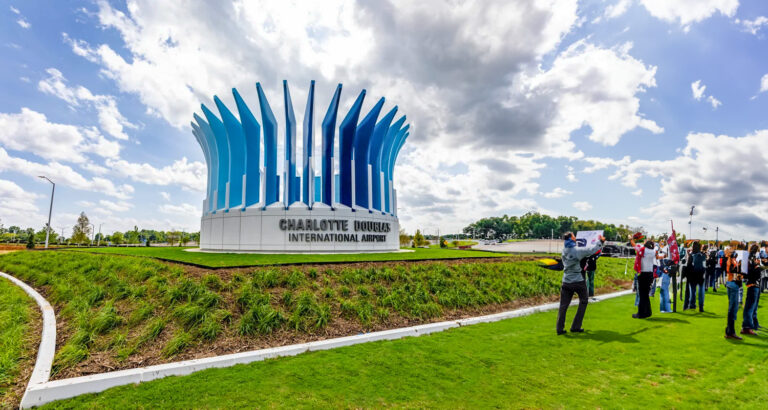
Charlotte Douglas International Airport workers and faith leaders plan to address the Charlotte City Council today, calling for the introduction of the Charlotte Acting for Safety and Efficiency (CASE) Ordinance. This will be the last council meeting before summer break – the last chance for Mayor Lyles to take action on the ongoing conflict between city officials and CLT airport workers.

The CASE ordinance proposal outlines minimum wage, benefit, and training standards for airport workers employed by airline contractors and permitted businesses at CLT. Supporters argue that these measures would reduce employee turnover, improve workplace stability, and enhance airport safety.

Workers and coalition members have regularly spoken at recent council meetings, citing concerns over compensation, working conditions, and staffing shortages. They have also highlighted the role of airport workers in maintaining public safety, particularly during emergencies.

“It’s June now and nothing has been done. We are still suffering, and people are leaving because it’s just not a stable job,” says Maribel McBeath, a contracted cabin cleaner who services American Airlines. “We clean the planes, we move the passengers, all while being underpaid and short staffed. That’s not right. Mayor Lyles needs to stop ignoring us and stand with the people who keep the airport moving.”

Charlotte City Council, which oversees CLT as its owner and operator, has not yet introduced the CASE ordinance into committee. A public hearing is scheduled for 6 p.m. Monday, with airport workers expected to share testimony during that portion of the meeting.

Safety and Innovation in Subway Infrastructure Upgrades

Subway infrastructure upgrades are vital for improving passenger safety and introducing advanced innovations that modernize and strengthen urban transit systems. These improvements tackle aging assets, minimize delays, and integrate next-generation technologies for smarter, faster, and more resilient transportation.


As cities expand and ridership grows, outdated subway systems face mounting pressure, from frequent service interruptions to escalating safety concerns. Strategic upgrades improve performance and ensure long-term viability through sustainable, high-tech solutions. This article explores how safety and innovation are transforming subway infrastructure, delivering reliable, secure, and future-ready urban mobility.

The Critical Need for Safety in Subway Upgrades

As subway infrastructure ages, safety risks escalate. Deteriorating rails, obsolete signal systems, and outdated power delivery methods increase the likelihood of accidents. These vulnerabilities can endanger both passengers and transit workers, especially in high-volume systems.

Modern safety interventions can significantly mitigate these risks. Fire-resistant materials, advanced lighting systems, and AI-powered real-time monitoring provide early warnings and automated responses. 

Infrastructure reinforcements, such as seismic-resistant tunnels and floodproof barriers, also help protect critical assets from natural disasters.

One key area of focus is the third rail subway power system, which is crucial for train propulsion. Aging third rail components can become fire hazards or create power reliability issues if not properly upgraded. Some of the things that must be done to maintain safe and efficient operations include: 

  • Replacing insulators
  • Improving protective covers
  • Modernizing substations 

To prevent future incidents, cities must maintain strict safety protocols. Comprehensive inspections, staff training programs, and emergency simulations form the core of a proactive safety strategy. Upgrading now is not just a preventative measure but a necessary investment in public safety.

Innovative Technologies Transforming Subway Systems

Today’s subway systems must evolve rapidly to serve increasing urban populations and rising performance expectations. Fortunately, emerging technologies offer breakthrough solutions that elevate operational standards across the board.

  • AI-Powered Predictive Maintenance: Networked sensors and machine learning models detect mechanical fatigue, structural anomalies, and electrical faults before failures occur.
  • Automated Train Operations (ATO): Driverless or semi-automated systems improve scheduling accuracy, eliminate human error, and optimize energy efficiency.
  • Energy-Efficient Infrastructure: Technologies such as regenerative braking systems and dynamic LED lighting help reduce operational energy consumption and cost.

These innovations not only enhance daily operations but also lay the foundation for scalable, sustainable, and safer subway ecosystems.

Balancing Modernization with Minimal Disruption

Modernizing a live subway system is an immense challenge. Construction and upgrade efforts must be carefully coordinated to maintain daily service for millions of commuters.

Phased construction strategies that target specific segments help avoid system-wide disruption. Performing upgrades during off-peak hours, nights, and weekends further limits the impact on passenger flow. Temporary shuttle services, re-routed lines, and clear in-station signage help maintain access and minimize confusion.

Transparent communication is critical. Real-time alerts via mobile apps and digital displays enable riders to plan ahead. Transit agencies should also collect passenger feedback to improve future project phases.

By using prefabricated components and modular systems, cities can speed up installations without halting service. Well-trained staff and detailed contingency planning ensure smoother transitions and ongoing operations.

Sustainability and Future-Readiness in Subway Upgrades

As cities commit to greener transportation, subway systems must evolve to meet both environmental goals and the demands of future urban populations.

  • Energy Efficiency: Regenerative braking and solar-powered stations help reduce energy use and operational costs.
  • Climate Resilience: Waterproofing, heat-tolerant materials, and enhanced stormwater drainage protect infrastructure from climate-related disruptions.
  • Sustainable Construction: Using recycled steel, low-carbon concrete, and eco-certified materials limits the environmental impact during upgrades.

These solutions support long-term sustainability and help future-proof subway systems against rising climate and ridership pressures.

Conclusion

Subway infrastructure upgrades are essential for creating safer, smarter, and more sustainable public transit systems. From AI diagnostics and climate-resilient construction to third rail system enhancements and driverless technology, each improvement reinforces the foundation of reliable urban mobility.

To meet future challenges, cities must invest strategically in infrastructure today. Through smart planning, public engagement, and advanced technology, transit systems can remain efficient, secure, and environmentally responsible for years to come.

Emotions and Your Financial Decisions

0

We like to think that we make financial decisions based on logic. We crunch the numbers, weigh the pros and cons, and pick the smartest option. But if we are being honest, emotions often play a much bigger role than we realize. In fact, your feelings can sometimes take over completely, leading you to make choices that might not be in your best financial interest.


Take debt relief as an example. When people are drowning in debt, the emotions of fear, shame, and desperation can push them to sign up for solutions without fully understanding the consequences. They might jump into risky programs just to get some quick relief from the anxiety that debt creates. Recognizing how emotions like these influence your decisions can help you pause and make smarter choices.

Fear and Anxiety: The Most Powerful Drivers

Fear is one of the strongest emotions when it comes to money. Fear of not being able to pay bills. Fear of losing your home. Fear of falling behind your peers. This emotion can push people to make rash decisions, like taking on high interest loans or using credit cards to cover expenses they cannot afford.

Anxiety works hand in hand with fear. The constant worry about money can lead to avoidance behaviors. Instead of facing the problem head on, some people ignore bills, avoid checking their bank accounts, or put off making a budget. Ironically, avoiding the issue only makes it worse, creating a vicious cycle of growing debt and even more anxiety.

Guilt and Shame: The Hidden Weight

Guilt and shame often surface when people feel like they have made financial mistakes. Maybe they regret taking out student loans, running up credit card balances, or not saving enough for retirement. These emotions can lead to self-blame and a sense of hopelessness, making it hard to take action.

Some people respond to guilt by overcompensating. They might cut back on everything fun, refusing to spend any money on themselves until the debt is gone. While being disciplined is good, extreme deprivation can backfire. Feeling constantly deprived can lead to burnout and impulsive spending sprees, undoing months of progress.

Excitement and Overconfidence: The Sneaky Saboteurs

On the flip side, positive emotions like excitement and confidence can also lead to poor financial choices. Think about how easy it is to justify a big purchase when you are excited. You convince yourself that you deserve it, that you will figure out how to pay for it later, or that it is an investment in your happiness.

Overconfidence can be especially dangerous when it comes to investing or taking financial risks. People who feel invincible might invest in risky stocks or start businesses without proper research or planning. When things go south, that initial excitement turns into regret and financial loss.

Comparison and Envy: The Silent Influencers

Social media has made it easier than ever to compare our lives to others. Seeing friends take vacations, buy new homes, or drive fancy cars can trigger feelings of envy. You might start to believe that you should be keeping up, even if your financial situation is different.

This comparison trap can lead to overspending and taking on debt to maintain an appearance of success. The pressure to look like you are doing well can cause you to ignore your actual financial reality. Recognizing when envy is driving your decisions can help you step back and refocus on your own goals.

How to Keep Your Emotions in Check

So what can you do to stop your emotions from running your financial life? Start by recognizing the role they play. Pay attention to your feelings when you make financial decisions. Are you buying something because you are stressed, bored, or trying to impress someone? Are you avoiding dealing with your debt because it makes you anxious?

Creating a plan helps take emotions out of the equation. Set up a realistic budget, automate savings and debt payments, and create financial goals that motivate you. When you have a plan, you can rely on it instead of your emotions in the moment.

It can also help to have an accountability partner. Talking to a trusted friend, family member, or financial advisor can give you an outside perspective and keep you grounded when emotions threaten to take over.

The Power of Mindful Spending

Mindful spending means being intentional with your money. Before making a purchase, ask yourself why you are buying it and how it fits into your financial goals. Will this purchase bring you long term satisfaction, or is it just a temporary fix for an emotional need?

When you start to recognize emotional triggers, you can build new habits. Instead of shopping when you are stressed, find other ways to manage your emotions, like exercise, hobbies, or talking to someone. This helps you avoid making financial decisions you will regret later.

Financial Success Is Not Just About Math

Managing money is not just about knowing how to add, subtract, and balance a budget. It is about managing your emotions. Even the best financial plan will not work if you let emotions drive your decisions. By understanding how feelings like fear, guilt, excitement, and envy influence your behavior, you can take control of your financial future.

Debt relief, saving for retirement, and building wealth all require discipline and self awareness. Emotions will always be part of the process, but they do not have to control it. The more you understand your emotional triggers, the better equipped you will be to make smart, thoughtful financial choices that lead to long term success.

What Is Web3 Gaming and Why Should Gamers Care?

Web3 gaming moves away from the rigid systems that have shaped most online games. It’s not built around storefronts, centralised servers, or publishers acting as middlemen. Instead, it opens the door for players to have real ownership over what they earn, trade, or build. There’s no illusion of control. What you hold is yours, even outside the game.


It’s already changing how people gamble. According to gambling expert Hira Ahmed, many Bitcoin gambling sites are built on the infrastructure that supports Web3 gaming, which is why they’re able to offer near-instant payouts supported by diverse crypto coins, large libraries consisting of thousands of games, and exciting bonuses like welcome rewards, cashback offers, and free spins. These platforms don’t depend on outdated payment processors or centralised oversight. Everything runs on smart contracts and decentralised ledgers.

A player doesn’t need to wait for a withdrawal to be approved or trust a support agent to fix a glitch. The system either works or it doesn’t. When it does, it’s fast, clear, and hands-off. That’s what keeps people coming back..

Most traditional games still treat the player’s time as disposable. Spend a hundred hours collecting items or grinding through content, and none of it means anything once you log off. The assets stay locked inside a system you don’t control.

Web3 games flip that. Items are minted as tokens, and players can sell them, hold them, or move them. If a player walks away from the game, they don’t leave empty-handed. There’s no need to start from scratch every time. This has already caught on in smaller gaming communities where digital economies are more than just a backdrop, they’re central to the experience.

Big publishers are behind this shift. Most of them are tied to microtransactions, subscriptions, and models that require total control over the player’s actions. They can’t just drop those systems overnight. What’s happening instead is a wave of independent developers working directly with players to build projects from the ground up. Some are messy. Some won’t last. However, the better ones are figuring out how to create games that function more like sustainable ecosystems than products. When a player owns part of that ecosystem, the game becomes harder to leave behind.

The other piece is trust. Traditional games have spent years breaking through shady loot boxes, algorithm-driven storefronts, and broken promises. Web3 games don’t automatically fix that, but they shift the structure. If a system runs on transparent contracts, players don’t need to hope it works the way it claims. They can check it themselves. There’s no need to rely on marketing. Reputation builds slowly, and when it does, it sticks, not because of brand loyalty, but because the system earns it.

That’s the shift more gamers are starting to notice, not because it’s louder, faster, or flashier, but because it’s built differently. Games aren’t closing players off anymore. They’re inviting them in. The space still has a long way to go, but players who care about transparency, ownership, and time well spent have already started paying attention.

California Man Arrested For Setting North Carolina Building + Vehicle Fires

0

North Carolina Insurance Commissioner Mike Causey today announced the arrest of a California man accused of setting multiple fires in North Carolina, including setting a vehicle on fire and setting a fire to a building with people in it.


“Thank you to all agencies and to our own Criminal Investigations Division for bringing this case to resolution,” Commissioner Causey said in a press release. “Anyone that attempts to harm another person should always be treated as a dangerous criminal.”

Ahmed Hussein Salem Alazanni, 40, of San Francisco, faces three felony charges: two counts of burning personal property and one count of burning a commercial structure while occupied.

Investigators say Alazanni, then an employee at EZ Mini Mart on North Alston Avenue, set the business on fire on August 14, 2024, while people were inside. He also allegedly set fire to two nearby vehicles in an attempt to target separate individuals. No injuries were reported.

After warrants were issued on August 20, Alazanni fled to California, where authorities say he intended to leave the country. U.S. Customs and Border Protection detained him at San Francisco International Airport. U.S. Marshals returned him to North Carolina on June 17.

Alazanni is being held on a $1 million secured bond and is scheduled to appear in Durham County District Court on July 16.

The case involved assistance from local, state, and federal agencies, including the SBI, ATF, Durham Police and Fire, and U.S. Marshals.

Charlotte Buzzes Together: Explore Nature with Free Pollinator Walks, Crafts, and Tree Giveaways

0

The City of Charlotte’s Landscape Management team is celebrating Pollinator Month this June with a series of free public events across the Queen City. Through hands-on workshops, guided walks, and community gardening days, residents can learn more about the essential role of bees, butterflies, moths, birds, and other pollinators while helping to build a more biodiverse and resilient Charlotte.

This year’s theme, Charlotte Buzzes Together, celebrates the ways our community can support pollinators and protect the natural spaces we all depend on.

Pollinator Plant Giveaway & Garden Tour – Pick up free native pollinator plants and tour a thriving garden at TAG.

  • Saturday, June 21 | 8:00–11:00 a.m. at TAG (Tuckaseegee Arboretum & Gardens)
  • Register Here

Pollinator Walk – A guided walk to observe pollinators and native plants up close.

  • Saturday, June 21 | 10:00–11:30 a.m. at Urban Arboretum Trail
  • Register Here

Pollinator Pop-Up at Circular Saturdays – Stop by our table for pollinator activities, crafts, a bee scavenger hunt, and info on how to make your own pollinator haven at home.

  • Saturday, June 28 | 11:00 a.m.–4:00 p.m. at Innovation Barn (outside, weather permitting)

Moth Night Out – Join experts from Charlotte Wildlife Stewards and NCWF for an evening of moth-watching and conversation.

  • Monday, July 21 | 8:30–11:00 p.m. at TAG (Tuckaseegee Arboretum & Gardens
  • Register Here

Pollinator Census & iNaturalist BioBlitz – Help Charlotte track pollinators during this regional biodiversity event.

  • Friday, August 22 | For more information to come

Support Pollinators: Plant a Tree

Charlotte residents can request a free street tree to be planted in the city’s right-of-way in front of their property. The city will handle the planting and maintenance — just fill out the form!