Charlotte Council Approves $25 Million Plan to Upgrade 70-Year-Old Bojangles Coliseum

0

Charlotte City Council unanimously approved a $25 million plan Monday night to upgrade Bojangles Coliseum and Ovens Auditorium, known together as the BOplex, as officials move to address major infrastructure problems at the nearly 70-year-old venue.

The vote comes just weeks after a roof leak canceled games, though a new roof is not included in this funding plan. Instead, the city and Charlotte Regional Visitors Authority are focusing on aging mechanical, electrical, and plumbing systems that officials say now pose growing reliability risks.

The BOplex remains a major economic driver for Charlotte, generating $60.8 million in economic impact last fiscal year, a 73% increase. The venue is also home to the Charlotte Checkers and will soon welcome the new Charlotte Crown women’s basketball team, adding even more pressure to keep the complex operating smoothly.

Approved upgrades include:

  • $23 million for HVAC upgrades
    • Replace 2 chillers serving Ovens Auditorium
    • Replace 6 air handler units at Bojangles Coliseum
    • Replace 1 boiler supporting both venues
    • Upgrade supporting infrastructure
  • $2 million for a full MEP and structural assessment
    • Review mechanical, electrical, plumbing, and structural systems
    • Help build a 10-year capital plan
    • Study expected to take about 1 year

Officials said some of the equipment dates back decades, including Coliseum air handlers from the 1970s and Ovens air handlers and other systems from the 1950s.

For Charlotte, the vote marks a major step toward keeping one of the city’s busiest entertainment venues operating, even as bigger long-term issues, including the roof, still remain.

Black Hawk Called In To Rescue Man At Popular NC Hiking Spot

0

A North Carolina hiker was airlifted after falling from a ladder near MacRae Peak on Grandfather Mountain over the weekend, triggering a large rescue operation in one of the state’s most dangerous hiking areas.

The fall happened just before 1 p.m. on March 22. Officials said the hiker fell from the last ladder on the climb to MacRae Peak along the Grandfather Trail.

Rescuers from the Linville-Central Rescue Squad responded, along with firefighters, state park staff, EMS, emergency management teams, and mountain rescue crews. Because of the steep terrain, officials also called in the North Carolina Helicopter Aquatic Rescue Team.

That team used a Black Hawk helicopter for a hoist rescue. The hiker was flown to a landing zone and then transferred to a medical helicopter.

Officials have not yet said how serious the injuries were.

MacRae Peak is along the Grandfather Trail in the Linville area of Avery County, about a mile from the Watauga County line. The hike is widely considered one of the most strenuous and dangerous in the Southeast.

Officials said the rescue showed how important planning and teamwork are in rural mountain emergencies, where multiple agencies often respond to reach patients quickly.

Agencies involved included Linville-Central Rescue Squad, Linville Volunteer Fire Department, Grandfather Mountain State Park, Avery County Emergency Management, North Carolina Emergency Management, Avery County EMS, Grandfather Mountain Stewardship Foundation, NC Mountain Rescue Team 1, the NC Helicopter Aquatic Rescue Team, and Highlands Emergency Air Rescue and Transport from Tennessee.

Why IT Service Management is Vital for Faster Incident Resolution

0

Let’s be honest here – when IT systems go down, everything feels like it grinds to a halt. Whether it’s a slow network, a broken application, or a full outage, even the smallest of issues quickly turn into big problems.

That’s why resolving incidents quickly isn’t just important – it’s essential.

This is where IT Service Management (ITSM) proves it has true value. It gives IT team members a smart, more organized way to handle issues, so they get things back on track without unnecessary delays.

Keep reading to learn more.

Automation of Repetitive Tasks

A lot of IT work involves repetitive tasks that, while necessary, slow things down if done manually. Think about it. Logging tickets. Assigning these tickets to the right team. Prioritizing issues. These steps eat up valuable time. ITSM tools take care of this through automation.

Instead of waiting for someone to report a problem, for example, reporting systems automatically detect issues and create tickets instantly. Tickets will then be categorized and assigned based on pre-set rules – and this means the right people are alerted right away.

This not only speeds things up, but it also reduces the chances of human error. And all businesses know that human error can be costly. So, in simple terms, automation helps IT teams spend less time on admin and more time actually fixing problems.

Structured Workflows and Standardized Processes

When there’s no clear processes in place, incident management quickly becomes messy. People might duplicate work. They might miss important steps. Or maybe they struggle to figure out what to do next. Whatever it is, ITSM solves this by introducing structured workflows and standardized processes.

Every incident follows a defined path with a clear system in place. From the moment it’s identified to when it’s resolved – it is the same process. Everyone knows their role, what needs to happen next, and how to escalate if needed.

Such clarity makes a huge difference. It removes guesswork. It improves teamwork. It ultimately helps resolve problems faster. Plus, consistency means that no matter who handles the incident, the approach remains reliable.

Knowledge Management and Reusable Solutions

Solving the same problem over and over again wastes time. Not having to do so is better. That’s where knowledge management comes in. ITSM encourages teams to document solutions and store them in a central knowledge base.

So, when a familiar issue pops up, there’s no need to start from scratch. IT staff quickly look up the solution in the knowledge base and apply it. That cuts resolution time down significantly. It also helps newer team members get up to speed faster – as they will be able to rely on documented guidance.

Even better, some organizations extend this to users through self-service portals. This allows them to fix simple issues on their own without contacting support. 

To conclude, ITSM isn’t just about processes and tools – it’s also about working smarts. As outlined above, IT teams are able to respond to incidents more quickly and effectively by using this approach.

Such efficiency makes all the difference, especially in a world where downtime is costly.

Earthquake Just Struck North Carolina Near The Cherokee Casino

0

A small earthquake rattled far western North Carolina late Monday, striking near the mountains not far from the Cherokee casino area.

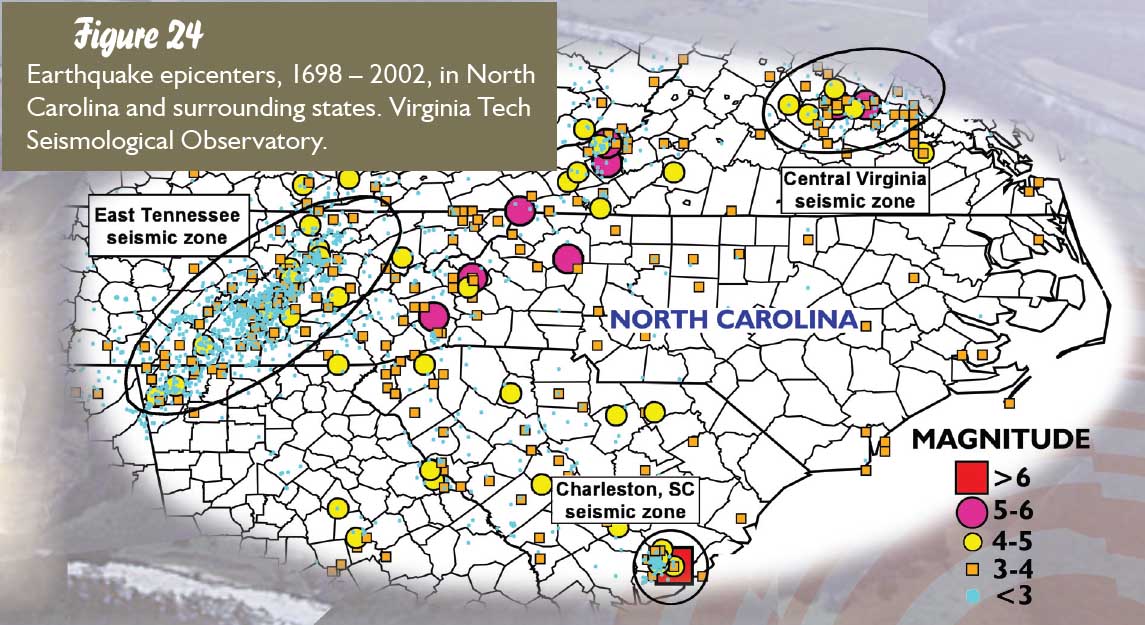
The U.S. Geological Survey reported a magnitude 2.7 quake 10 km from Dillsboro, North Carolina, at 7:04:33 PM. The quake had a surprisingly shallow depth at just 0.1 km.

Earthquakes have been increasing in frequency around the Charlotte region over the past few years. Last year, we experienced the largest earthquake in over 100 years when a 5.1 magnitude quake hit Sparta, NC, and since then, dozens of aftershocks have continued to rattle our state.

According to USGS.gov, “Moderately damaging earthquakes strike the inland Carolinas every few decades, and smaller earthquakes are felt about once each year or two.”

Have you felt any of the quakes?

Hazmat Crews Respond as Massive Chemical Fire Breaks Out at South Carolina Factory

0

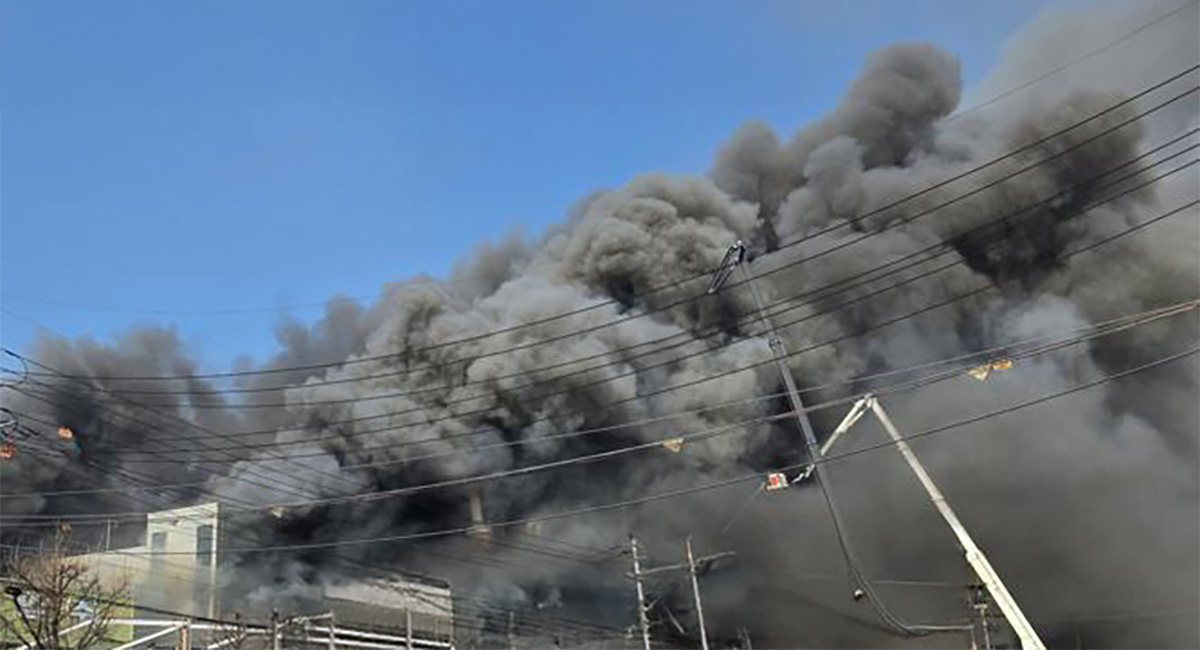
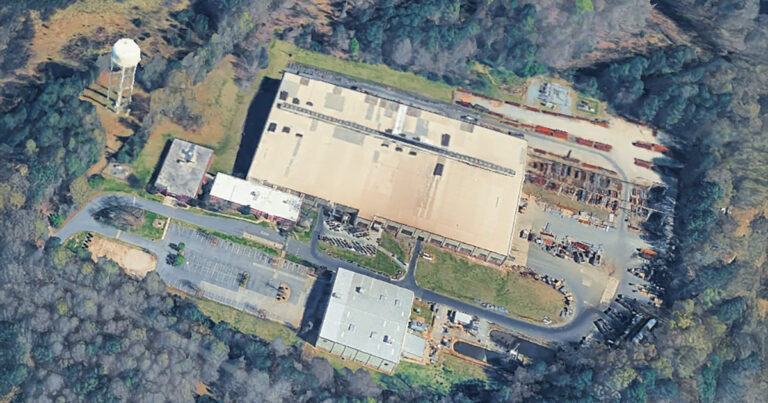
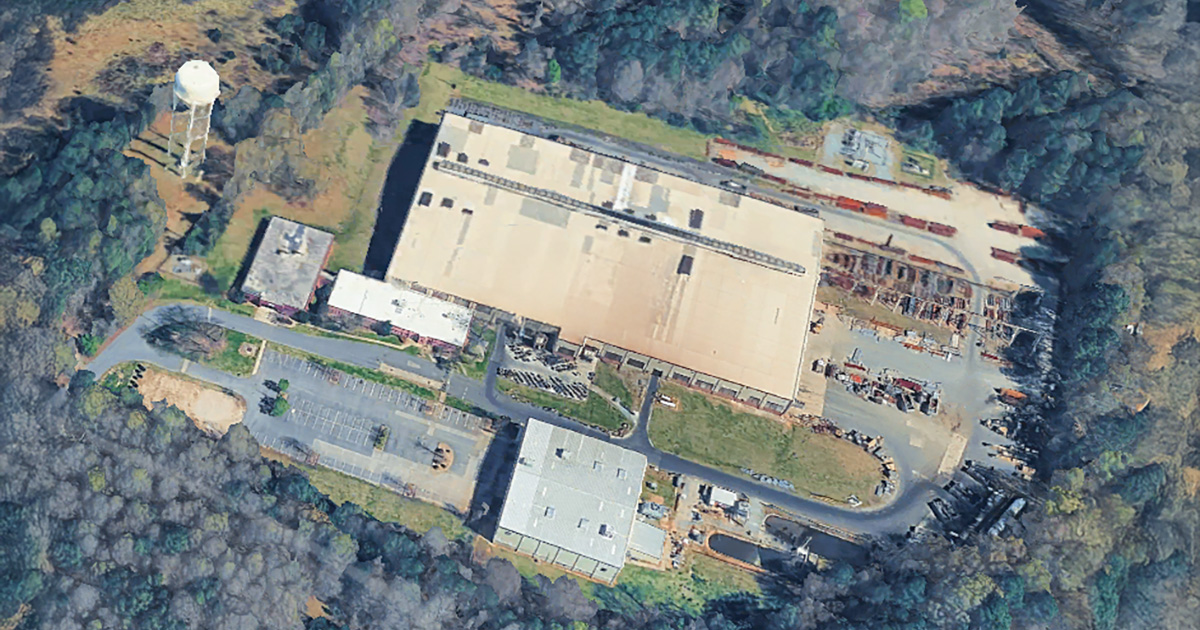
A fire broke out Friday evening at an industrial facility in Pageland, sending thick black smoke into the sky and prompting a multi-agency emergency response. Crews were dispatched around 6:10 p.m. to the Aalberts Industries plant on South Van Lingle Mungo Road.

Firefighters from Pageland, Sandhills, High Point, and Ruby–Mount Croghan responded alongside a hazmat team from Monroe, North Carolina. Crews evacuated the 200,000-square-foot facility and brought the fire under control by approximately 6:45 p.m.

No injuries were reported among employees or first responders. Officials say the cause of the fire remains under investigation, and damage estimates have not yet been released.

The plant manufactures brass valves, a process that involves melting and shaping metal alloys. Facilities like this typically use industrial lubricants, coolants, cleaning agents, and acids for finishing and surface treatment.

Aalberts Industries is a global manufacturing company specializing in engineered metal components and fluid control systems. Its operations often include machining, casting, and finishing processes that rely on chemicals such as cutting fluids, degreasers, and metal treatment solutions.

While these chemicals are common in manufacturing, fires at such facilities can produce heavy smoke and potentially hazardous byproducts depending on what materials are involved.

This marks the third reported fire at the Pageland plant in the past two years, raising concerns about operational safety and emergency preparedness.

The incident also comes as industrial development continues to expand across the region, bringing renewed attention to how different types of manufacturing facilities compare in scale and risk.

For example, the Aalberts facility focuses on metalworking and valve production, which generally involves smaller volumes of industrial chemicals used for machining and cleaning.

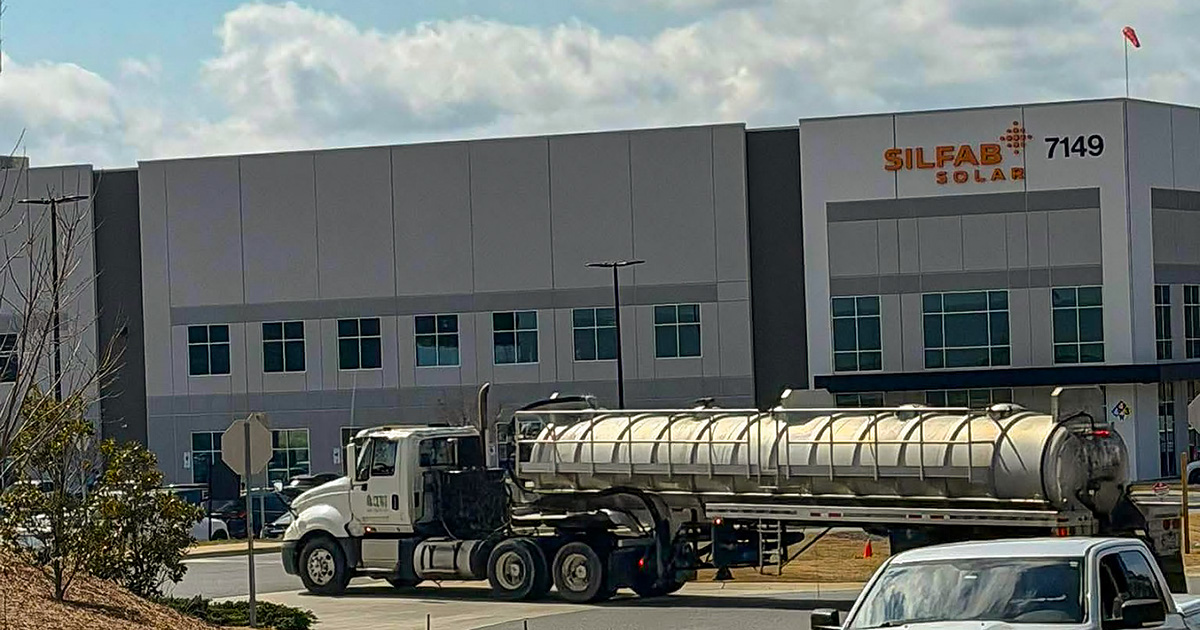
In contrast, new Charlotte-area factories like Silfab’s proposed 900,000 sq ft factory in Fort Mill involve entirely different processes. Those operations include the storage and use of over 1 million lbs of highly hazardous and toxic chemicals such as hydrofluoric acid, silane, TMA, ammonia, phosphorus oxychloride, boron trichloride, and other highly toxic or reactive substances.

The difference is largely one of scale and chemical intensity. Metalworking plants like Aalberts typically use contained, lower-volume chemicals tied to fabrication processes. Experimental cell manufacturing, however, often requires bulk storage and frequent delivery of highly hazardous materials.

For communities, that distinction can influence both everyday exposure risks and worst-case emergency scenarios. Fires at metal plants may produce heavy smoke and localized hazards, while incidents at high-chemical facilities could involve evacuation zones and more complex response protocols.

As the investigation into Friday’s fire continues, local officials are expected to review safety procedures and response efforts. The incident adds to a growing conversation across the region about industrial growth, safety standards, and how different types of facilities impact nearby communities.

FOMAS Investing $5 Million to Expand Heavy Industrial Machining Factory in York County

0

FOMAS Inc. is investing $5 million to expand and modernize its heavy industrial factory in York County, signaling continued growth in one of the region’s key industrial sectors. The project is already underway and is expected to be completed by mid-2026.

The expansion includes a building addition, increased machining capacity, furnace renovations, and new infrastructure improvements. Company leaders say the upgrades will improve efficiency, increase production capacity, and allow the facility to handle more complex industrial components.

“This investment represents both expansion and transformation,” said Diego Bonardi, Managing Director of FOMAS Inc. in a press release. “We are strengthening our machining and heat-treatment capabilities while preparing our York facility to support greater market diversification and future growth opportunities.”

FOMAS manufactures seamless rolled rings and precision-machined parts used in high-performance applications in a factory just north of downtown York (500 Wallace Way, York, SC). The upgrades will enhance heat-treatment systems and machining technologies, helping the company meet evolving industry standards and reduce production timelines.

The investment is also expected to create new skilled jobs in engineering, machining, and production support, adding to York County’s growing manufacturing base. Company officials describe the project as the first step in a broader long-term investment strategy in the region.

While the expansion highlights economic momentum, the site also carries a documented environmental history. State records show past groundwater contamination linked to earlier industrial operations at the property.

Testing identified trichloroethylene (TCE), a solvent historically used in metalworking, at levels above federal standards. Additional evaluations included petroleum-related compounds, metals, and other volatile substances.

Cleanup efforts have been ongoing through South Carolina’s voluntary cleanup program. In 2020, remediation crews injected treatment materials into dozens of wells to break down contaminants in groundwater.

Earlier site investigations also pointed to areas such as oil handling zones, burn areas, and cooling system locations where contaminated soil had been removed.

Experts say the primary concern in cases like this is groundwater movement and potential vapor intrusion into nearby structures. TCE is a volatile compound that can migrate from soil or groundwater into indoor air under certain conditions.

Health agencies have linked long-term exposure to TCE with increased cancer risks and other health concerns. However, available public records do not indicate an active emergency tied to the site today.

For York County, the expansion represents both opportunity and oversight. The project brings new jobs and investment while keeping attention on environmental monitoring as the facility continues to grow.

Etihad Just Launched Charlotte’s Longest Nonstop Flight Direct To The Middle East

0

Despite recent war-related disruption in the Gulf, Etihad Airways launched its first nonstop service between Abu Dhabi and Charlotte on Friday, giving the Queen City its longest nonstop flight now in operation.

The inaugural flight marked Etihad’s first-ever arrival in Charlotte. It arrived about an hour late, and passengers spent roughly 16 hours traveling on a route scheduled for about 14 hours.

There had been questions about whether the new service would begin on time after President Donald Trump ordered the bombing of Iran three weeks ago. The conflict affected several Gulf airlines, including Etihad, and Abu Dhabi’s airport was closed for several days.

Etihad also swapped aircraft for the first flight. The airline had planned to use a Boeing 787 Dreamliner but instead operated an Airbus A350, a lighter and more fuel-efficient jet built for ultra-long-haul routes.

The return inaugural flight departed Charlotte later Friday afternoon. The new route now connects Charlotte directly with the UAE capital four days a week, with round-trip coach fares starting around $900.

For Charlotte, the launch adds a major new international link even as global conflict continues to affect air travel.

Mecklenburg County Igniting a ‘Controlled Burn’ at Fisher Farms in Davidson

0

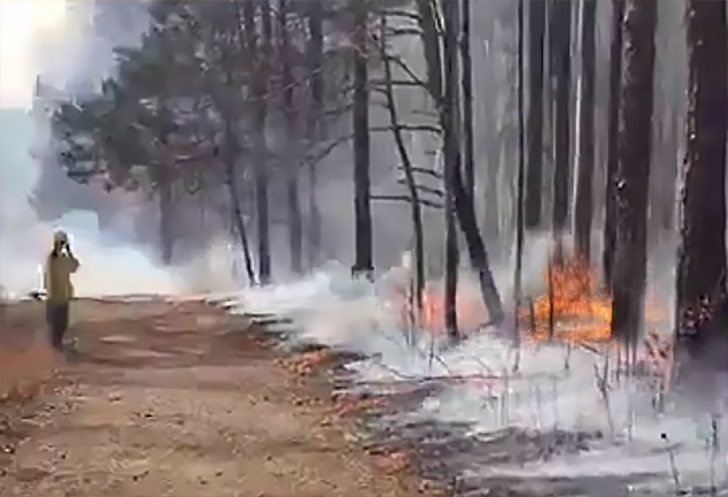
The Mecklenburg County Natural Resources staff has just announced they will be setting Fisher Farms on fire today at around noon as part of a controlled burn.

The county sent out an alert noting that smoke will be seen around West Charlotte and Huntersville today between 1-4 pm:

“Mecklenburg County Natural Resources staff are conducting a controlled burn today beginning around noon at Fisher Farms in Davidson. Smoke will affect air quality in the downwind area for 2-3 hours. To reduce your exposure to smoke, stay indoors or avoid areas of heavy smoke.”

For more information on controlled burns click here.

Charlotte Lands 2 Spots in USA Today’s Best Food Hall in America Contest

0

Charlotte’s food scene just picked up another national bragging right: Optimist Hall and The Market at 7th Street are both in the running for USA Today’s 10Best Best Food Hall award. The two Charlotte spots made the 20-location national shortlist, with voting open through April 13 and winners set to be announced on April 22.

That is a big moment for the Queen City because it adds to a growing list of food honors Charlotte Stories has reported in recent years. Earlier this year, Robin Anthony of Omakase by Prime Fish was named a 2026 James Beard Award semifinalist. BLT Steak and Gallery Restaurant were also recently ranked among the best restaurants in the world. The City of Charlotte also landed at No. 9 on Zagat’s list of America’s best food cities, ahead of both Charleston and Atlanta.

The two food halls represent very different kinds of success. Optimist Hall has become one of Charlotte’s top dining destinations since opening inside a restored textile mill, while The Market at 7th Street has built its name as Charlotte’s only nonprofit food hall and a launchpad for local entrepreneurs. Since opening in 2011, The Market says it has helped launch more than 75 local businesses.

Taken together, those honors show Charlotte is no longer just an emerging food city. It now has nationally recognized chefs, globally ranked restaurants, award-contending food halls, and a growing track record of major culinary recognition. 

You can vote now for either Optimist Hall and The Market at 7th Street here. 

Buc-ee’s Just Announced Opening Date For The Largest Gas Station in North Carolina

0

Buc-ee’s just announced an official opening date for what will soon become the largest gas station in the Carolinas and the largest Buc-ee’s location in the South East. The company confirmed a official grand opening window between October and December of 2027

The new location will be built at 1447 Trollingwood-Hawfields Road inside the 1,200-acre NC Commerce Park. Plans call for a 75,000-square-foot store, roughly the size of 1.3 football fields. The site will also feature 120 gas pumps and about 600 parking spaces.

The project is expected to bring between 200 and 300 full-time jobs, along with around 100 part-time positions. Hourly pay could range from $18 to $33, depending on the role.

Buc-ee’s has developed a strong national following, with 54 locations currently open. Expansion is underway across multiple states, including several new markets.

However, the large-scale development is expected to significantly impact traffic. A study estimates the site could generate more than 2,000 vehicle trips per hour during peak Saturday periods.

Unlike traditional truck stops, the location will not accommodate tractor-trailers.

Currently, South Carolina has one Buc-ee’s, which opened in Florence in 2020. The Mebane site is expected to be significantly larger than that location.

For North Carolina and the greater Charlotte region, the project signals continued growth along key travel corridors. It also highlights increasing demand for large-format travel centers that combine fuel, food, and retail into one destination.