NeuroStar Opening America’s First Transcranial Magnetic Stimulation Training Facility in Uptown Charlotte

0

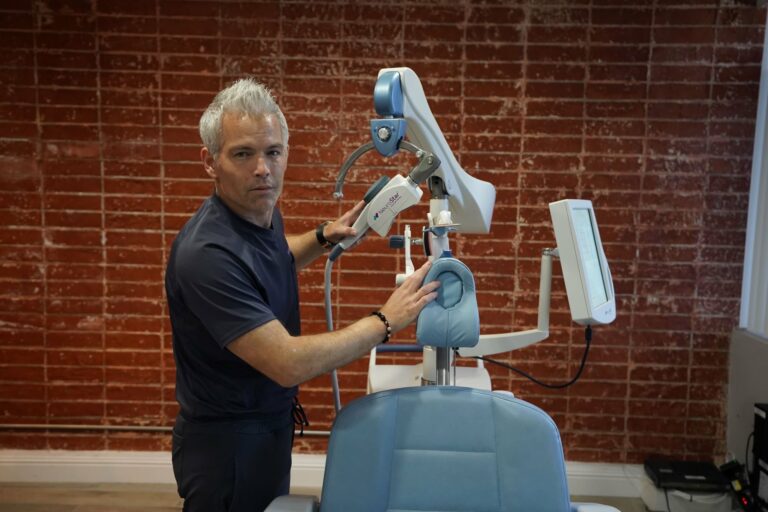
Neuronetics, developer of the leading transcranial magnetic stimulation (TMS) therapy, NeuroStar Advanced Therapy, is opening NeuroStar University. This will be the industry’s first brick-and-mortar TMS training facility, located in the BB&T building in Uptown Charlotte.

To celebrate this milestone, Neuronetics is hosting a ribbon-cutting ceremony for the grand opening on the afternoon of September 13th, with special appearance from NeuroStar patient advocate, U.S. Veteran Daniel Cooke. Daniel found relief from his debilitating symptoms of major depressive disorder (MDD) using the FDA-cleared, non-drug treatment after trying multiple prescription medications and several suicide attempts. At the ribbon-cutting ceremony, Daniel will share his story and how Terry Wise, co-founder of TMS of the Carolinas helped him find treatment for his MDD with NeuroStar, giving him hope and energy to help other Charlotte-area veterans in similar situations.

NeuroStar University’s goal is to help train more practices across the country to help patients like Daniel. Open to attendees from NeuroStar practices at no charge, the classes will allow them to learn techniques to efficiently use the NeuroStar system and discuss ways to reach and educate more patients on a non-drug option to treat MDD. By hosting several classes a month, NeuroStar University is excited to help contribute money and energy into the community of uptown Charlotte by inviting attendees from out of town to enjoy Charlotte’s charming city and local accommodations.

In honor of September being Suicide Prevention Month, NeuroStar is announcing their mission to treat 166,240 people with depression over the next five years. At the current suicide rate, 3,325 lives will have been saved, in addition to changing thousands of lives affected by depression. NeuroStar was also recently cleared by the FDA to treat patients suffering from anxious depression.

FEMA and Gov Cooper Visit Gastonia To Announce $3 Billion in Funding

0

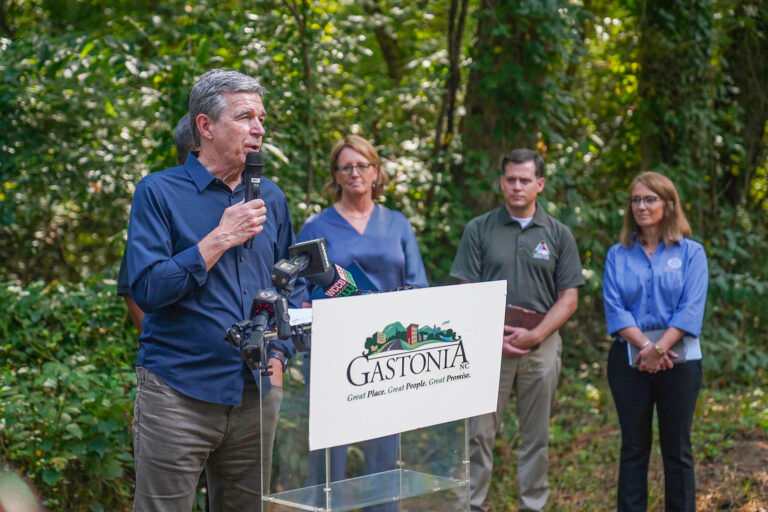
Over the weekend, Governor Roy Cooper joined federal FEMA leaders in Gastonia to announce the release of $3.1 billion in funds to build climate resilience projects across the nation.

The press conference was held along Gastonia’s Duharts Creek, where $5.9 million will be allocated for stream restoration and infrastructure protection to help prevent the future flooding of Gastonia.

Increasingly frequent and severe rain events have caused the creek to flood and experience significant erosion along its banks. The new FEMA project will use natural solutions to stabilize and rehabilitate the bank along approximately 8,000 feet of Duharts Creek.

“We thank FEMA and the State of North Carolina for funding this very important project in our City. This funding will help us reach one of our long standing strategic goals,” said Gastonia Mayor Walker E. Reid in a press release. “It is our intention to ensure that our residents and businesses in this area are not at risk for future flooding or impacted by other vulnerabilities that may exist. We also want to protect our environment for the future of our great city and for generations to come.”

In total, North Carolina has been approved for the funding of 10 projects across the state – more than any other state in the nation.

The upcoming projects include:

  • Gastonia – Stream restoration and infrastructure protection along Duharts Creek – $5.9 million
  • Siler City – Blood Run Pump Station Relocation and Sewer Line Replacement – $5 million
  • Sawmills – South Caldwell Sewer Pump Station Elevation Project – $189,000
  • Greenville – St. Andrews Drive Infrastructure Protection and Stream Restoration – $3.45 million
  • Pollocksville – Building Elevations to Restore the Town’s Commercial Corridor – $1.08 million
  • Fair Bluff – Fair Bluff Park Phase 2 – $2.44 million
  • Hillsborough – Resilient Regional Water Supply Project- $1.01 million
  • Salisbury – Water Supply Resiliency Project for Pump Station Along Yadkin River -$22.5 million
  • Fayetteville – Wayland Drive Drainage Improvements – $2.61 million
  • Hillsborough – River Pumping Station Relocation from Floodway – $5.81 million

4 Tips for Fighting Inflammation

0

Reducing inflammation in the body can be the first step towards better health and wellbeing. Inflammation is connected to a huge range of health problems including asthma, diabetes, arthritis, obesity, and even serious diseases like heart disease and cancer if the inflammation becomes chronic. As you can see, there are lots of good reasons to reduce inflammation, helping you feel better overall, become stronger, healthier, and reduce your risk of illness in the future. Keep reading for some helpful tips for fighting inflammation that you might find useful. 

Histamine Lowering Supplements

If you are struggling with inflammation then you may want to take a histamine lowering probiotic to help. Histamines are chemicals that are produced by your immune system to help your body get rid of allergens. Most of the time, they cause issues like sneezing or itchiness if you are allergic to something like pollen or dust. However, histamine intolerance happens when you develop too much histamine, which can impact your normal bodily functions and lead to inflammation problems. You may struggle with issues like fatigue, headaches, digestive problems, nausea and vomiting, or hives as a result. In serious cases, it can lead to high blood pressure, abdominal cramps, tissue swelling, and an irregular heart rate. Speak to your doctor about taking a supplement for histamine intolerance if you are experiencing any of these symptoms. 

Get More Omega-3 Fatty Acids

One of the best ways to fight inflammation in the body is with your diet. Making some changes to your nutrition can make a huge difference, including maintaining a diet that is high in omega-3 fatty acids, which you will find in oily fish, fish oils and flaxseed oil. Getting more of this nutrient in your diet may help with lowering inflammation, along with improving your health and potentially reducing your risk of diseases such as heart disease, certain cancers, asthma, and rheumatoid arthritis. 

Manage Stress

Inflammation is a common stress response in the body, so it’s not uncommon for people who have stressful lives or jobs to suffer from it. The good news is that while you do not have to completely eradicate all sources of stress from your life to fight inflammation, you can help by developing healthier ways to manage your stress levels. Not only will this help reduce inflammation, but you’ll also feel better and more in control when dealing with a stressful situation. It may take some time to find an option that works for you, but some common approaches include talking therapy, mind-body practices like tai chi or mindfulness medication, exercise, yoga, self-care strategies and more. 

Get Enough Sleep

Being sleep-deprived puts your body and mind under a lot of stress, which in turn can increase inflammation and lead to problems. If you want to fight inflammation, then one of the best things that you can do is make sure that you are getting enough sleep at night. Ideally, you should aim for between seven and nine hours of restful sleep. There are lots of things that you can do to help with achieving this including sleep apps that are designed to help you drift off, good sleep hygiene, exercising earlier in the day, and avoiding caffeine products after lunch time. If you struggle to sleep due to a condition such as anxiety, insomnia, or sleep apnea, then speak to your doctor sooner rather than later about treatment options to ease your condition and help you get a better night’s sleep every night. 

Inflammation is a natural response to stressors or allergy triggers in the body, but too much of it can lead to serious health problems. By making some changes to your diet and lifestyle, you can fight inflammation and improve your overall health and wellbeing.

Four Tips for Boosting Your Energy Levels

0

Feeling rundown and tired can seriously affect your lifestyle, damaging both your mental and physical health, and we’ve all been there. It’s easy to go for a mid-afternoon caffeine hit to help you get through the day, but there are a lot of ways that you can boost your energy levels naturally without turning to that next cup of coffee – follow our top four tips, and you’ll notice significant changes to your health. 

Sleep Well

It goes without saying that getting more sleep can improve your energy levels, support your immune system and leave you feeling ready to take on each day. But how do you actually do this? The best approach is to work on your sleep health by creating a structured routine that includes:

Developing A Regular Sleep Pattern: A regular sleep pattern is highly important to help you manage your energy levels, as your internal body clock depends on a structured sleep and wake up routine. 

Cutting Out the Coffee: The high levels of caffeine in coffee can keep you sitting awake at night, by blocking the adenosine receptors in your brain that promote sleep. Simply pausing coffee consumption from mid-afternoon each day allows your body to shut down for bed and get adequate rest. 

Turning Off Your Tech: Whether you’ve been working on your laptop all evening, or you just can’t resist scrolling on your phone, the blue light emitted by these devices has been proven to restrict the body’s production of melatonin, a hormone that controls the sleep-wake cycle. 

Exercise Regularly 

When it comes to boosting your energy levels, it might feel counterproductive to prioritize exercise – after all, how can more movement give you more energy? The reality is that on top of physical health benefits like lower blood pressure and a reduced risk of heart disease, frequent exercise has been proven to fight fatigue. 

You don’t need to run a marathon, either. There are plenty of different types of exercise that you can do regardless of your fitness level that can leave you feeling revitalized, such as yoga, weightlifting or hiking. By taking some time to find an exercise you enjoy, you can settle into a routine and boost your energy levels in no time. 

Limit Your Alcohol Intake

One of the biggest influences on a drop to your energy levels is alcohol consumption. Alcohol wreaks havoc on a range of factors that influence our energy, such as our weight, sleep pattern and mental health, so cutting out or reducing your alcohol intake can work wonders for boosting your energy levels and improving your overall wellbeing. In turn, this gives you the opportunity to refocus your ambitions and work on your goals. 

Use Supplements for Support 

If you’re working hard to improve your energy levels through exercise, good sleep health and alcohol restriction, but still feel rundown, then it might be time to consider whether a mental health condition might be causing your energy to fall, and if so whether using a natural supplement to boost your ‘happy hormones’ might help. These hormones include dopamine, serotonin and endorphins, that can sometimes fall out of sync as a response to adverse life events or health issues. To combat this, a quality dopamine supplement can make a world of difference to how your brain regulates these hormones, leaving you with higher energy levels and the motivation needed to reach for your goals. 

Feeling rundown is difficult to deal with, so it’s important that you work hard to address this and make changes. By following the top tips in this guide, you can make lifestyle adaptations that will leave you with more energy and enthusiasm to take on the day. 

Choosing the Artificial Turf That’s Right for You

0

The air was angry on the day my lawn died. It was one of those evil days where I could feel its oppressive weight around me, hanging on my shoulders like a blanket of humidity and heat. The sun exercised a personal grudge against me, throwing every ray at its disposal directly at me with nary a hint of cloud cover to be found. The stingy salt of my sweat clung to my brow for only the barest of moments before falling freely down my cheeks, onto my lips – and into my eyes. That was my tragic downfall, my personal demon. My vision blurred with sweat as I was trying to pour more gas into my hungry mower. 

The can slipped from my hand, and my world changed. 

The cap of the gas can popped clean off and poured half of the can’s contents onto my yard. I scrambled to recover the can, but it was too late. The damage had been done. Within a week a massive portion of my grass was dead, irrevocably lost. That was the final straw. No more would I devote my Saturdays to slaving in the heat for the sake of a good-looking yard. It was the excuse I needed to do something drastic: I switched to artificial turf. It’s been three years since then. Here’s what I’ve learned since making the switch. 

What Should It Look Like?

Once upon a time your only option for artificial turf was a clearly fake, garish neon green color. For me, it’s impossible to think about that nightmare without also imagining a tacky pink flamingo or nine sticking out of it. Fortunately, the industry has made leaps and bounds in aesthetics since the 1960s when it first hit the market. You can still get the neon green if you like, or even bright orange and blue (if you’re a monster), but I and most people prefer a look that mirrors the real thing. A natural look is not only possible, but commonplace; you might have driven by an artificial lawn earlier today without realizing it, so indistinguishable are some options to a natural lawn. Things have come a long way, and only the keenest eye will be able to tell the difference! 

Color isn’t the only thing to consider when deciding what you want your new yard to look like. There’s a surprising amount of complexity to artificial grass! Density, also known as stitch count, is one of those considerations. Density will determine your precise maintenance needs. Height is another factor, and an important one. The height of the grass can’t be changed without replacing the whole thing. The major determinant for height will be whether that part of the yard is subject to high foot traffic. Your new yard is going to look great regardless of what decision you make, but your installer can help find the right choice for your needs. 

Form is Function 

Aesthetics are important, but they aren’t the only thing you need to think about. What your lawn is going to be used for is just as vital a consideration. Laws do more than look pretty, they serve a variety of functions, whether you mean for them to or not. Artificial turf is resilient, and can be expected to hold up against a lot of weather conditions, but you still need to think about exactly what kind of weather you’re most likely to see. If it rains a lot where you are, you’ll need extra resistance to pooling and potential low level flood conditions, for example. Harsh winters require different things than hot, dry places. You can find more information at https://www.architecturaldigest.com/story/artificial-turf-installment. 

As mentioned previously, foot traffic is going to be a major determinant on what kind of turf you’re going to need. Everything from kids playing on the grass to having friends over for a cookout can put a lot of stress on the yard, stress we barely have to think about under most conditions. One of the biggest things to consider is whether you have pets who use the yard as their bathroom. What kind of turf you need depends on the uses you expect it to see; again, your installer can help you determine what’s best for you. 

Maintenance 

Here’s where fake grass is at its absolute strongest. If you, like me, are done with the Sisyphean rigamarole of lawn care, the fact that you won’t have to worry about maintenance for your new yard except under specific circumstances is the main selling point. You will need to take care of a few things here and there – such as infill, the stuff that goes between the blades to maintain its springy health – but overall you’ll find that care for artificial turf is a breeze. Any installer of artificial Turf worth their salt can set you up right. I’ve only had to replace one small patch in the years I’ve had it! Overall, artificial grass is the best lawn choice I’ve ever made. 

What to Do If They Discover Oil or Gas on Land You Have Mineral Rights to?

0

Understanding mineral rights can be tricky sometimes. However, if you own a piece of land, you need to know what mineral rights are and how they work. Let’s consider if someone discovers oil or gas on your land, energy companies would be the first ones to send you interesting deals. This is where you need to understand the art of negotiating, as you strive for the best deal possible. In this 21st century, oil and gas have immense value. Yet, there are several risks that you should consider before making a deal. 

What are mineral rights? 

Sometimes you own the mineral rights to land but have very limited information about what mineral rights are. They are simply the ownership you have of the minerals below the surface of the land. The minerals might include gold, copper, and gas. The mineral rights owner has the right to extract and use the minerals buried underground. However, sometimes an agreement to buy mineral rights only includes specific types of minerals. Yet, the most commonly extracted and bought minerals are oil and gas, as they are of great value. Don’t get confused between mineral and surface rights, they are a bit different from each other. 

Here are the tips to keep in mind before agreeing;

Research about Buy or Lease Agreements 

Buy or lease agreements are two different entities and you need to understand both of them properly. If a discoverer finds oil and gas on your land, they may offer you a deal to buy the mineral rights. There are higher chances that the discoverer might offer a lease agreement as he has a limited idea of how much oil and gas is buried in the ground. So how does the lease agreement work? 

When you sign a lease agreement, you get a tiny down payment and when commercial drilling starts, you attain royalty payments every month depending on the quality of oil and gas produced from the land. Usually, the royalties are 12.5% but if you have experience in this field, you can surely double the percentage too. Lease agreements are one of the most common types of agreements made if they discover oil and gas on land you have mineral rights to. 

Exceptional Negotiation 

Negotiating is surely an art. Before making any agreement, do your research. Understand every aspect of the deal and then negotiate for your benefit. However, if you have minimal knowledge of mineral rights and how things work. Hire someone expert in this field. Big companies will make you confused with their offers and you won’t be able to resist, but a skilled negotiator will be able to get out the best deal for you. 

One of the biggest mistakes made by mineral rights owners is having trouble saying “No”. Suppose you’re not getting a fair deal for the oil and gas discovered from your land, just say “No” and wait for the next deal to arrive. Compare the deals you’ve got and then make a decision. 

Taking into consideration the Safeguards 

Having mineral rights as well as surface rights burdens your shoulders with more responsibility. If you’ve got both, you need to protect your property from any kind of harm coming from the drilling operations. Several drilling companies do not care about your property and complete their operations swiftly. You need to make an agreement with the drilling company that it will repair the damage to the property. 

The company should not hamper the environment of your land by troubling the water supply or leaving the equipment or material on your land after leaving. Drilling with weak or faulty machines can also result in adverse events. 

Make a Decision 

Selling your mineral rights is more beneficial than leasing. Royalties are often considered a gamble that may trouble you in the future. A guaranteed total payment may benefit you much more. In case the oil of your land comes to less than the expected value, the lease value would also decrease. However, if the well is filled with value, the lease option would benefit more. You need to get real stats to make a decision. 

If you have plans of selling mineral rights, trustable companies would offer you a decent deal. Yet, if you are confused and want a lease agreement, try negotiating the length and size of the signing bonus as well as the royalties. Read all the terms properly before signing it. Choose a company that has happy customers, check their reviews and analyze their credibility. Selling your mineral rights for maximum profit and value can surely change your life. It’s better to consult an expert before making a deal. There are always some risks that exist, but don’t be pressurized by them.

What You Should Know About Renovating Your Office Space

0

If your office premises are several years old, then it is high time for a renovation. This can be a rather tricky business, especially since it can be such a novel experience for many. To ensure that you steer clear of common pitfalls, here are some of the steps that you should take instead: 

Create a Schedule for the Renovation Process 

It is unlikely that you will be renovating the entire office at once, particularly if you are remodeling several levels at once. Due to this, it is important to create a schedule for the remodeling ahead of time. This will ensure that the minimum level of disruption will occur. 

If possible, have certain employees work from home when their part of the office is being renovated. Otherwise, make space elsewhere. Ensure that your employees can continue to work without interruption and make certain that they have the basic comforts. 

Consider What Your Employees Need 

Keep in mind that office renovations shouldn’t just be about sprucing up the place. As you are making changes around the office, it is a good idea to think about what your employees might require out of their office as well. 

For instance, did you know that workers tend to function better when they have greater exposure to sunlight throughout the day? Therefore, you may want to think about getting larger windows from Canadian Choice Windows & Doors in Kitchener to accommodate these requirements. 

You may also want to think about expanding the kitchen or other areas where the employees can relax. Consider setting up rooms where employees can work in peace, particularly if the rest of the office has an open space plan. 

Look for Cost Saving Changes 

Wouldn’t it be great if you could save money on utilities and other bills in your office? Well, look at how you can renovate the space to make this happen. For instance, installing skylights could help to cut down on how much the lights are used. 

You can also get triple glazed windows in Niagara Falls to prevent heat from escaping in the winter time. All of these can seem like small changes but they can add up. These are good changes to consider if you are planning on spending a very long time at these premises. 

Improve General Organization 

As you are making alterations to the space, consider how you can better organize your office. This could include adding storage spaces so that you can declutter the area. Or, you may be able to add a section where the electronics like the printers can be set up so that people will not be tripping over wires. 

You may also want to set things up so that people are able to get from their desks to commonly visited areas with greater ease. This way, there will be less distractions or interruptions to the workflow. 

As you can see, there is a lot to think about when it comes to office renovations. However, as long as you follow the guidelines that are mentioned here, you should be able to get the work done with minimal hassle involved. 

Four Tips for Improving Cognitive Function

0

Cognitive function defines the brain’s ability to perform a range of standard activities, like learning, decision making, thinking, remembering and maintaining a reasonable attention span. These functions underpin our ability to live normally, and so it’s therefore highly important that we prioritize taking care of our brain. Unfortunately, a lot of our daily habits, like working at a computer or sitting for long periods in the evenings, actually undermine our brain’s ability to work normally, so in this article, we’ll be discussing our top four tips to improve your cognitive function. 

Take Part in Physical Activity

Physical activity provides a huge range of benefits, such as weight maintenance and blood pressure regulation, but you might be surprised to discover that it also offers a host of benefits for your mental health, too. Exercise has been shown to boost your thinking and reasoning skills, and one study has even found that taking part in regular physical activity can release hormones that have been proven to improve memory, so this is a great tip for older adults who are trying to maintain quality cognitive health. 

Track Your Health

If you’re concerned about the development of your cognitive function, or you’ve recently felt like certain areas of your brain aren’t as sharp as they used to be, then taking steps to track your health can reassure you that things are okay or give you an idea of what you can do to improve your cognitive function. Going for regular doctor’s visits is a great way to do this, as you’ll be able to frequently check your blood pressure, which affects your brain health, and make sure that everything is in order. 

Your doctor can also help you to develop a long-term health plan which will take into account a variety of brain health factors, such as your sleep routine, diet and exercise. This will provide you with an overall view of your cognitive health, as well as some of the best advice to improve it that is tailored to you. 

Take Up Meditation

In recent years, practices that promote good brain health have exploded in popularity, and for good reason. Activities like meditation often focus primarily on slowing down the brain and processing our thoughts in a controlled manner through peaceful and dedicated sessions. Lots of studies have been completed to assess the impact of meditation on our brains, but one of the most influential has been research from the National Center for Complementary and Integrative Health, which found that meditation can slow down brain aging. On top of this, it was also proven to improve the brain’s overall ability to process complex information, which makes practices like this a worthwhile endeavor if you’re trying to boost your cognitive function. 

Use a Natural Supplement 

While physical activity, meditation and doctor’s visits provide a solid foundation on which to start improving your cognitive health, you might find that your brain still doesn’t feel as sharp as it used to be. If this is the case, or you simply want to maximize the potential for your brain’s health, you can use a mitochondrial supplement that will boost the overall cognitive function of your brain, leaving you feeling sharper and more capable of performing mentally demanding tasks. Combining a natural supplement with traditional health practices will give you the best chance of boosting your cognitive function. 

Our brains play a key role in the overall wellbeing of our entire body, so taking care of them is vital. By following these four top tips, and implementing a range of strategies into your health plan like regular exercise, meditation and the best supplements, you can be sure that you’ve given your brain the best chance of performing to its highest potential, and protect it for years to come. 

Best Neighborhoods in Charlotte (2022 Guide)

0

About two and a half hours from North Carolina’s capital, Raleigh, Charlotte is strategically situated along the Catawba River and right amid coastal lowlands and mountains. Charlotte is a powerhouse filled with rich heritage and culture and this can be exemplified by the wide array of historical grounds, museums, and art exhibitions.

If you are considering moving to this great American county, then you’ll be in for a surprise. There are so many things to see and do in Charlotte but most importantly, how habitable is Charlotte? Of course, one of your first considerations will be to explore several neighborhoods to see which one best suits your lifestyle needs. 

To help save you some time and effort from your research, here is a 2022 guide on the best neighborhoods in Charlotte.

Ballantyne

Now, each neighborhood in the so-called “Queen City” has its distinctive characteristics and Ballantyne is no exception. This is an upscale neighborhood in Charlotte with a population of more than 25,000.

This neighborhood is minutes from the South Carolina border, meaning that you get to also enjoy more of what part of South Carolina has to offer. As regards home ownership in Ballantyne, first-time homeowners in this neighborhood can easily move into their locations of choice with the advantage of a first time home buyer program geared to help you own a home with affordable repayment terms.

Some of the home financing options you might want to look into include USDA Loans, Federal Housing Administration, North Carolina Home Advantage Mortgage, and Home Advantage Tax Credit. 

Ballantyne is generally a great neighborhood for golfing enthusiasts, foodies, and fun lovers alike. It also provides lots of job opportunities, which is among the reasons it’s been ranked third in the list of North Carolina’s best places to live. 

Dilworth

Tactically located in Mecklenburg county, Dilworth is a great neighborhood to live in. Security is not an issue of concern with police patrol cars virtually combing through every inch of it.

The streets in this neighborhood are a sight to behold, with oak trees concealing charming bungalows, majestic sidewalks, and oh, the air in this town, crisp clean. Besides being among the most affordable neighborhoods for renters in Charlotte, Dilworth is easy to get around and this has been made possible by affordable public transportation crisscrossing the town.

North Davidson (NODA)

With a vibrant neighborly atmosphere, NODA has become one of the best neighborhoods to live in Charlotte. It’s a great location for art lovers, those in the entertainment business, and those looking to lead a fulfilling life.

Both daytime and nightlife experiences are exhilarating, with restaurants offering tantalizing cuisines during the day and colorful bars bringing the town to life at night.

Midtown

As the name suggests, this neighborhood is centrally located and has for years acted as a connecting center to most of Charlotte’s neighborhoods. If you are planning on moving to Charlotte, then midtown is a neighborhood you can grow into as it’s among the fastest-growing in the queen city.

South Park

If you are looking for the perfect location to work, shop, have fun, and enjoy a quiet life, South Park is the place to be. It had a population of about 17,800 in 2015 and, which is now estimated to have grown to around 40,000. This means that the town is peaceful and quiet at night and noticeably busier by the day.

Now, South Park is a masterpiece of elegant living coupled with a collection of some of the most exotic amenities that you can visit. Charlotte is indeed a gem to behold.

The neighborhoods here say it all and are a testament to what you’ve already heard. The above neighborhoods are but a tip of the iceberg, and you might need to conduct more research on other great neighborhoods to live in Charlotte. From Myers Park to South End, Fourth Ward, and Plaza Midwood, among others. 

USGA Bringing The World Golf Hall of Fame To North Carolina

0

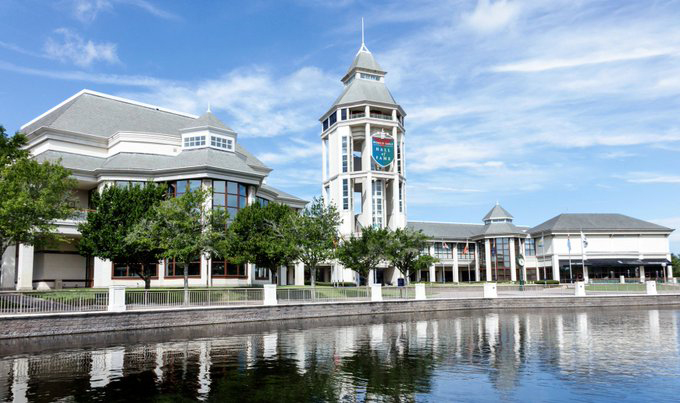
The United States Golf Association (USGA) has just announced plans to move the World Golf Hall of Fame from Florida to North Carolina.

The USGA will build the new hall of fame facility in Pinehurst, NC, with the help of a $7 million grant from the NC General Assembly.

“North Carolina is home to legendary golf courses and it makes perfect sense to have The World Golf Hall of Fame here in Pinehurst,” Governor Roy Cooper said in a press release. “Golf brings communities together, increases tourism and creates good jobs, and I’m excited to continue working with the USGA to grow the game and our economy here in North Carolina.”

“We’re proud to be a part of the U.S. Golf Association’s continued growth and preservation of the game of golf’s long legacy here in North Carolina,” said North Carolina Department of Commerce Secretary Machelle Baker Sanders. “USGA’s investment in Pinehurst means new jobs and millions in tourism dollars for the region and state for generations to come.”

Pinehurst will also host the 2023 U.S. Adaptive Open next July, as well as five future U.S. Open Championships between 2024 and 2047.

The USGA is the governing body of golf for the United States and Mexico for golf courses, clubs and facilities. The organization was established in 1894, to help establish a national amateur championship.

Golf currently generates roughly $2.3 billion in direct spending and a total economic impact of $4.2 billion in the state, including nearly 53,000 jobs and total wage income of $1.3 billion.