Charlotte Borrowing $200 Million for Bike Paths, Bridge Fixes, and Better Roads

0

The City of Charlotte is about to take out a $200 million loan to improve traffic flow, increase bike paths, reducing congestion, repairing bridges and sidewalks, and upgrade traffic signals.

At the recent Local Government Commission (LGC) meeting, the state approved a $200 million request to issue a short-term bond. The bond, backed by general obligation debt, will be drawn in monthly advances as project work begins. The bond bears a variable interest rate tied to SOFR and matures in 2028, with a possible extension to 2031. The city can repay early without penalty.

No new land will be added to existing ground leases, and the project is expected to boost jobs, tourism, and tax revenue.

PNC Bank will purchase the bond; Parker Poe Adams & Bernstein is serving as bond counsel, and DEC Associates is the municipal advisor. The LGC, chaired by State Treasurer Brad Briner, ensures that local governments only take on reasonable and affordable debt.

Waymo’s Driverless Cars Have Just Arrived in Charlotte

0
Waymo cars seen in a gravel parking lot off McNinch Street

Waymo’s autonomous vehicles have just arrived in Charlotte.

Yesterday, at least a dozen Waymo driverless Jaguars were spotted in a parking lot next to the Panthers stadium. User WarriusBirde uploaded a shot of the vehicles to Reddit:

Posts from the charlotte
community on Reddit

The company said the vehicles are here in the Queen City to begin an extensive mapping and testing of all of our roads. Waymo policy requires that all roads be driven on at least 3 times before full driverless status can be opened up to the public in any particular city.

Residents have spotted a row of Waymo’s white, sensor-packed electric Jaguars parked near the Panthers’ practice fields in Uptown.

The vehicles appear staged in a gravel lot off McNinch Street, where at least a dozen cars have been lined up. The presence suggests Waymo is in an early “mapping and validation” phase, a step the company typically completes before opening rides to the public.

Charlotte’s Waymo arrival comes the same week as the company announced the launching of their service in four new markets: Dallas, Houston, San Antonio, and Orlando = bringing their active dispatch footprint to 10 major U.S. metro areas.

Waymo says its robotaxis already deliver more than 400,000 trips each week. Those rides currently operate in Phoenix, the San Francisco Bay Area, Los Angeles, Miami, Atlanta, and Austin. The company now has a goal of surpassing 1 million weekly paid trips by the end of 2026.

To fuel their rapid growth, Waymo recently raised $16 billion at a $126 billion valuation in mostly private equity.

For Charlotte, the immediate impact is simple: don’t expect public robotaxi rides yet. The sightings point to early groundwork, not an open service.

Still, the fleet presence raises the stakes for what comes next. If Waymo progresses beyond mapping, Charlotte could eventually join a short list of U.S. cities with truly driverless ride-hailing.

Mecklenburg County Igniting a ‘Controlled Burn’ at Latta Nature Preserve

0

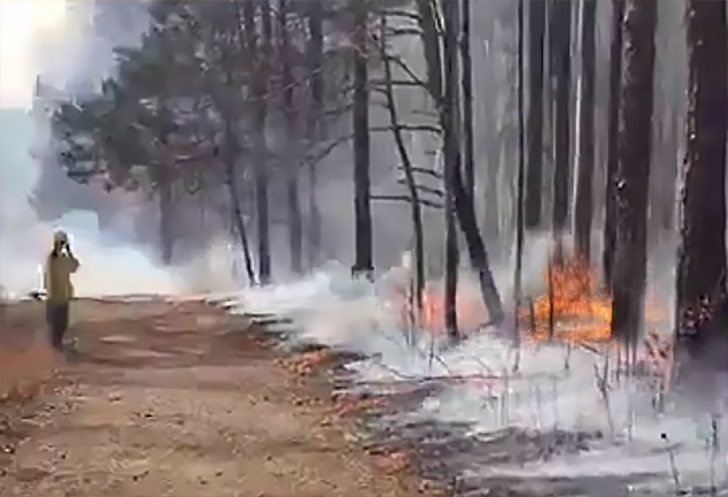
The Mecklenburg County Natural Resources staff has just announced they will be setting the Latta Nature Preserve on fire today at around noon as part of a controlled burn.

The county sent out an alert noting that smoke will be seen around West Charlotte and Huntersville today between 1-4 pm:

“Mecklenburg County Natural Resources staff are conducting a controlled burn today beginning around 1:00 at Latta Nature Preserve off of Sample Road. Smoke will affect air quality in the downwind area for 2-3 hours. To reduce your exposure to smoke, stay indoors or avoid areas of heavy smoke.”

For more information on controlled burns click here.

“Married at First Sight” Now Casting Singles in Charlotte For New Season

0

“Married at First Sight” is casting Charlotte singles for an upcoming season, putting local residents in the mix for the show’s match-and-marry premise.

The series pairs strangers through relationship experts, then has them meet at the altar and get married immediately. Couples take a honeymoon, move in together, and navigate daily life for several weeks. On “Decision Day,” they choose to stay married or get divorced.

Interested singles can apply online here. Applicants must be at least 21, have a valid passport, and be legally single. Producers also ask personal questions about past relationships, family background, and partner preferences.

The franchise previously held casting calls in Charlotte in 2018, when it aired on Lifetime. The show now streams on Peacock.

South Carolina Was Just Ranked As America’s #1 Most Desirable State According to US News

0
Drone shot of Fort Mill’s new Flint Hill Elementary next door to the unlawful heavy industrial Silfab Cell Factory

South Carolina was just ranked as the #1 most moved-to state in America, according to US News latest migration report.

The report that analyzed online search behavior found the Palmetto State ranked #1 among states people were most interested in moving to last year. North Carolina also placed high at #4 in America, reinforcing the Charlotte region’s pull on would-be movers.

The county rankings put the Charlotte in the center of growth. York County ranked #17 out of 3,144 total US counties for growth. Also in the Charlotte region, Catawba County ranked #7, Gaston County ranked #10, Union ranked #39 and Iredell County ranked #50. The report suggests the broader “Carolina corridor” keeps drawing attention from people weighing a move.

According to the report, these are the top 50 counties (out of 3,144) with the highest migration interest:

  1. Brunswick County, North Carolina
  2. Horry County, South Carolina
  3. Washington County, Tennessee
  4. Sumter County, Florida
  5. Marion County, Florida
  6. Ellis County, Texas
  7. Catawba County, North Carolina
  8. Greenville County, South Carolina
  9. Dorchester County, South Carolina
  10. Gaston County, North Carolina
  11. Comal County, Texas
  12. Sussex County, Delaware
  13. Bay County, Florida
  14. Johnston County, North Carolina
  15. Baldwin County, Alabama
  16. Beaufort County, South Carolina
  17. York County, South Carolina
  18. Canyon County, Idaho
  19. Flagler County, Florida
  20. Broomfield County, Colorado
  21. Maury County, Tennessee
  22. Cumberland County, Maine
  23. Madison County, Alabama
  24. New Hanover County, North Carolina
  25. Okaloosa County, Florida
  26. Osceola County, Florida
  27. Henderson County, North Carolina
  28. Houston County, Georgia
  29. Nassau County, Florida
  30. Kaufman County, Texas
  31. Kanawha County, West Virginia
  32. Caddo Parish, Louisiana
  33. Knox County, Tennessee
  34. Hamilton County, Tennessee
  35. Spartanburg County, South Carolina
  36. Wake County, North Carolina
  37. Deschutes County, Oregon
  38. Santa Rosa County, Florida
  39. Union County, North Carolina
  40. Hays County, Texas
  41. Grayson County, Texas
  42. Ada County, Idaho
  43. Smith County, Texas
  44. Alamance County, North Carolina
  45. Johnson County, Texas
  46. Pennington County, South Dakota
  47. Williamson County, Tennessee
  48. Buncombe County, North Carolina
  49. Lowndes County, Georgia
  50. Iredell County, North Carolina

The report did not track actual moves. Instead, it compared “move-in” versus “move-out” online searches and adjusted results for population. That method aims to measure where interest is building fastest, not just where the biggest metros are located.

For York County residents, the rankings match what many already see on the ground. New neighborhoods keep rising near Fort Mill, Tega Cay, and Rock Hill. Roads and schools feel the pressure of growth. Meanwhile, the report signals a bigger trend: more people are actively looking at the Charlotte region’s South Carolina side as a long-term home base, not just a cheaper alternative across the line.

Charlotte-Based App Simplifies Care Coordination for Families with Special Needs

0

Families supporting a loved one with special needs now have a powerful new tool designed to simplify care coordination and long-term planning. A Special Needs Support—a newly launched mobile app and the first of its kind—provides a secure, centralized platform to organize, manage, and share critical information with a support team.

For many families, planning must go beyond daily care. Parents often face the daunting task of preparing a “second support team” — the people who will continue caring for their child when the parents are no longer able to do so. A Special Needs Support was created to organize and guide that team with clarity and confidence.

Built for ease of use, the app uses enterprise-grade security controls to connect family members, service providers, healthcare professionals, educators, employers, friends, and faith or community groups through a secure, coordinated network. Families maintain full control over access and permission levels, ensuring each team member receives the right information at the right time.

Research shows:

  • Nearly 1 in 5 children in the U.S. have special health care needs
  • 24.8% of families spend 1–4 hours per week just coordinating care
  • 84.8% of parental caregivers report significant caregiver burden

The platform centralizes essential information, including medical history, dietary needs, sensory considerations, and daily routines. It also securely stores vital legal and financial documents, such as special needs trusts, insurance policies, and asset distribution plans.

“Families often manage care using scattered documents and conversations, often trying to keep everything in their head, which becomes nearly impossible over time,” said creator Ryan Platt, MBA, ChFC®, ChSNC™, CFBS. “I wanted to create a platform to reduce stress and prepare future caregivers by bringing everything into one convenient and secure place.”

A Special Needs Support is available nationwide on the Apple App Store, Google Play, and at aspecialneedssupport.com. A no-obligation, free two-week trial is available and subscriptions are $7.99/month or $75 annually.

Six Planets Will Be Visible Over Charlotte This Month in Rare “Planet Parade”

0

Charlotte skywatchers should mark February 28 on their calendars. Just after sunset, seven planets will appear in the evening sky in a rare “planet parade.”

According to NASA, Mercury, Venus, Neptune, Saturn, Uranus, and Jupiter will line up along the ecliptic shortly after the sun sets. Although they are not actually aligned in space, their positions from Earth will create the illusion of a glowing chain across the twilight sky.

Four of the planets will be visible to the naked eye if skies are clear. Venus and Jupiter will be the brightest and easiest to spot. Saturn will shine nearby with a steady yellow glow. Mercury will sit low on the western horizon and will be visible only briefly after sunset.

Uranus and Neptune will require binoculars or a small telescope. The brighter planets will help guide viewers to the fainter worlds.

For the best view, head outside just after sunset and find a clear view of the western horizon. Clear skies will be essential.

Events like this happen only every few years as planets orbit the sun at different speeds. On February 28, much of the solar system will briefly share the same patch of sky, offering a rare and memorable sight.

California Governor Gavin Newsom Coming To Rock Hill Tonight To Rally Supporters and Sell Book

0

California Governor Gavin Newsom will appear in Rock Hill tonight to promote his new memoir and rally Democratic voters, drawing national attention to York County.

The event is scheduled for February 23 from 6:30 p.m. to 7:30 p.m. at McGirt Auditorium, 825 Crawford Road. Organizers say the evening will include a meet-and-greet with Democratic supporters and a discussion of his newly released book, Young Man in a Hurry.

Gavin Newsom is touring in support of the memoir, which The New York Times has listed as one of its most anticipated books of 2026. The new book details his journey from overcoming dyslexia and launching a small business to serving as mayor of San Francisco and now governor of California.

Newsom also reflects on his upbringing, family history, and work on issues such as climate change and mental health care. Before entering politics, he founded the PlumpJack Group and built a career as an entrepreneur.

The event is presented by Books-A-Million. Tickets are $49.33 and include a copy of the memoir. Those unable to attend can pick up their book at the Rock Hill store within two weeks.

Strict security measures will be enforced. A no-bag policy is in place, with limited medical exceptions subject to screening. Weapons, outside food and drinks, metal water bottles, signs, flags, umbrellas, and noise-making devices are prohibited.

Newsom last visited South Carolina in July 2025, a trip that fueled speculation about a possible 2028 presidential run.

Trump Admin Awards Duke Energy $34 Million to Expand Massive NC Coal Plant – Sparking New Coal Ash Debate

0

The Trump administration has just selected Duke Energy to receive up to $34 million in federal funding to help extend the life of one of the nation’s largest coal plants — a move that is reigniting debate over one of the largest environmental concerns in our state – coal ash.

The U.S. Department of Energy included Duke Energy in a six-grant, $175 million package aimed at keeping coal-fired plants operating in North Carolina, Kentucky, Ohio, and West Virginia.

The projects are part of the Department’s $525 million effort to significantly expand America’s coal fleet, extending plant life and adding new capacity.

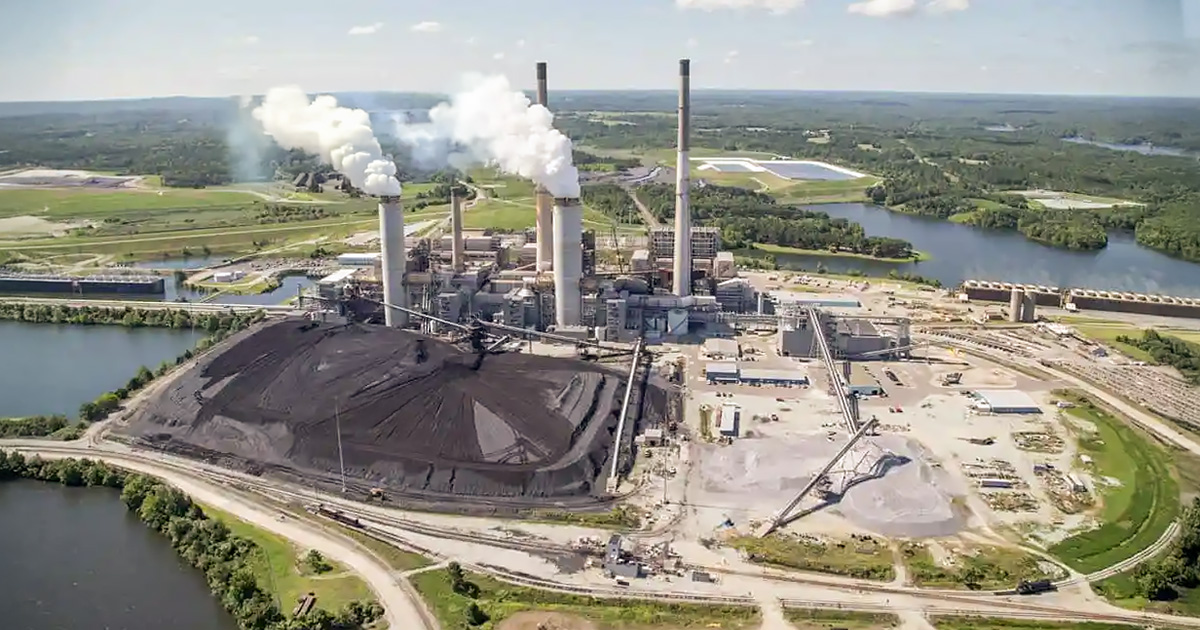
The North Carolina funding would specifically go to support upgrades at North Carolina’s Belews Creek Coal Plant – one of the largest coal burning plants in the nation.

Belews Creek has two coal-burning units capable of producing about 2.2 gigawatts of electricity, making it one of the largest plants in the country. Duke opened the facility in 1974 and now plans to operate it through the end of 2039 after previously extending its retirement date.

The funding announcement also revives scrutiny over Duke’s coal ash record. The company operates 14 coal ash sites in North Carolina. Monitoring wells at each location have documented groundwater violations tied to metals associated with coal ash.

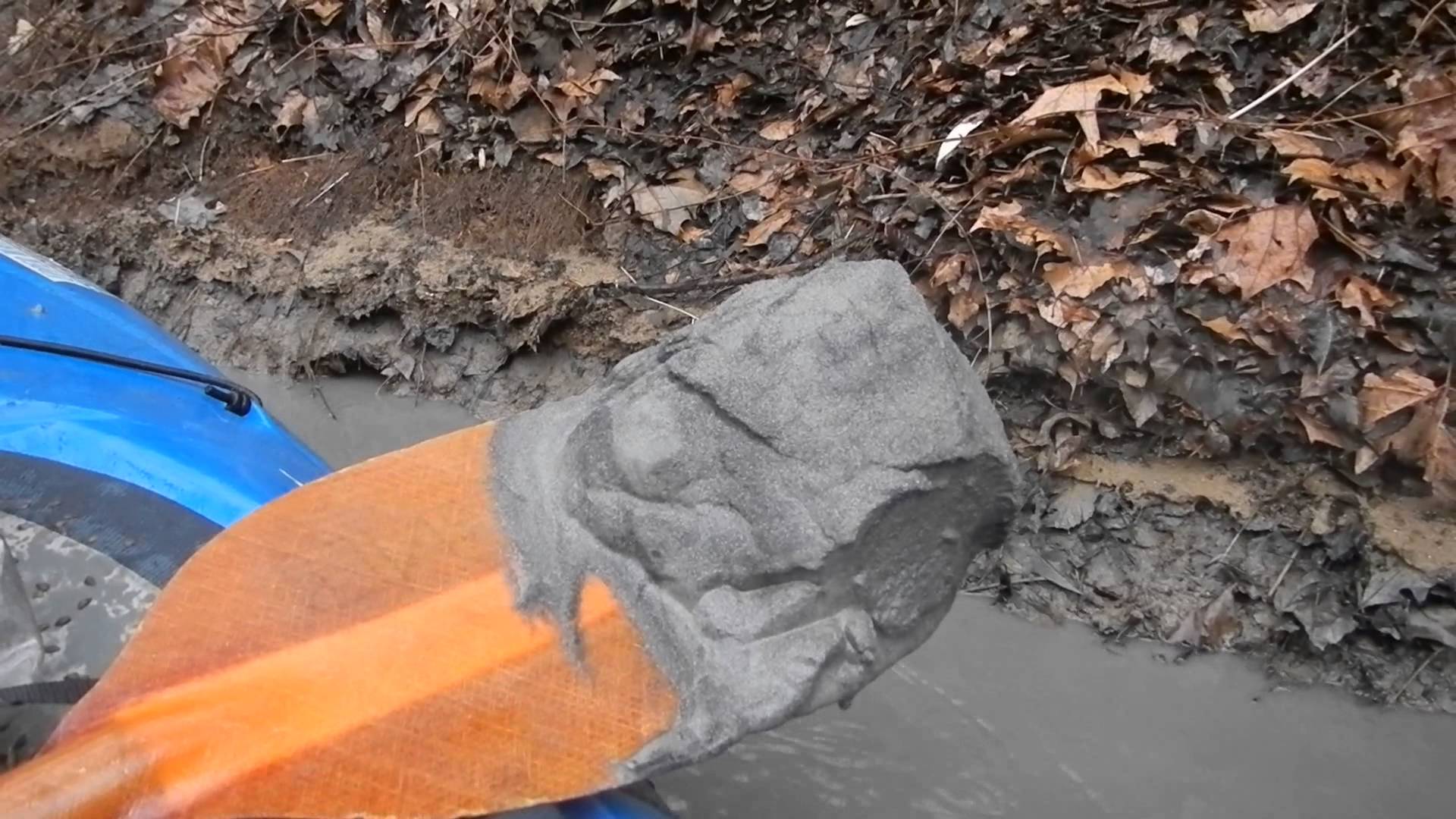
Along the Catawba River near Charlotte, tens of millions of tons of ash remain stored in unlined pits near drinking water supplies serving more than one million people. Environmental groups have long argued the sites pose ongoing risks.

Testing conducted by the Catawba Riverkeeper helped lead to a record $102 million federal fine in 2015 for Clean Water Act violations. In 2016, state regulators ordered Duke to provide alternative water supplies to neighbors after contamination was found near several sites.

Duke is currently under court order to clean up seven of its coal ash facilities, while others remain unresolved.

With federal funding now in play, Belews Creek could remain operational for years to come — extending both its energy production and the controversy surrounding coal’s future in the Carolinas.

Top Reasons to Choose Biodegradable Wedding Confetti for an Eco-Friendly Wedding

0

The moment a newly married couple walks back up the aisle, framed by a cloud of fluttering colors and the cheers of their loved ones, is arguably the most photographed second of any ceremony. It is a tradition rooted in ancient history, symbolizing fertility and prosperity. However, as the sun sets on the celebration and the guests move toward the reception, a quiet problem often remains on the ground.

 For decades, traditional confetti—often made of plastic-coated paper or even micro-plastics—has left a lasting scar on beautiful venues. This is why the shift toward biodegradable wedding confetti has become a hallmark of the modern, thoughtful wedding.

Choosing to celebrate with the planet in mind does not mean sacrificing the visual magic of the “confetti shot.” In fact, moving away from mass-produced synthetic materials often leads to a more tactile, organic, and aesthetically pleasing experience. When one looks at the sheer volume of waste generated by a single afternoon of festivities, the decision to use biodegradable confetti for wedding celebrations becomes a matter of logic rather than just a trend.

The Environmental Cost of the Traditional Toss

Why has the classic plastic confetti fallen so far out of favor? The answer lies in its persistence. Traditional glitter and plastic-based circles are essentially permanent additions to the soil. They are too small to be picked up effectively by a broom and light enough to be carried miles away by a gust of wind. Birds and small mammals often mistake these shiny bits for food, leading to internal blockages and ecosystem disruptions.

By opting for biodegradable wedding confetti, a couple ensures that their first act of shared hospitality doesn’t result in local pollution. These natural alternatives are designed to break down within days or weeks, often nourished by the very rain that grooms usually pray will stay away. It is a way of celebrating without leaving a ghost behind.

Aesthetics That Outshine Plastic

There is a common misconception that eco-friendly options look “dull” or “muddy” compared to their metallic counterparts. The reality is quite the opposite. When you look at high-quality biodegradable confetti for weddings, you see a spectrum of textures that plastic simply cannot replicate.

Dried Flower Petals

Natural petals are perhaps the most popular form of biodegradable wedding confetti. Think of the deep velvet of a red rose, the sun-drenched yellow of a marigold, or the subtle scent of dried lavender. These materials offer a multi-sensory experience. They don’t just look beautiful in the air; they smell incredible as they settle on the hair and clothes of the guests. Because petals are irregular in shape, they fall more slowly than flat paper, giving the photographer more time to capture that perfect, suspended moment.

Water-Soluble Paper

For those who want the traditional “flutter” of small circles or hearts, water-soluble biodegradable wedding confetti is an engineering marvel. Made from a starch-based material, this type of confetti feels like thin paper but disappears entirely when hit by a garden hose or a rain shower. It provides the high-energy burst of color that many couples desire while leaving zero physical trace by the following morning.

Respecting Your Venue and the Local Wildlife

In 2026, many of the most sought-after wedding venues—from historic estates and botanical gardens to national parks—have implemented strict bans on non-biodegradable materials. If you are getting married in a protected area or a church yard with centuries-old stonework, the staff will likely insist on seeing proof that your toss materials are earth-friendly.

Using biodegradable wedding confetti isn’t just a personal choice; it is a way of respecting the people and places that host your most important memories. Venue managers have grown weary of the “glitter that never goes away,” which can get stuck in the cracks of ancient floorboards or the roots of heritage roses. When you show up with biodegradable confetti for wedding purposes, you are signaling that you are a responsible guest who values the preservation of the site for future couples.

The Psychology of the Eco-Friendly Choice

Weddings are inherently forward-looking events. They are about building a future and starting a life together. There is a profound psychological alignment in choosing materials that reflect those values. When guests are handed a sachet of biodegradable wedding confetti, it starts a conversation. It lets them know that the couple is mindful of their footprint and that every detail, no matter how small, was chosen with intention.

This mindfulness often ripples out into other parts of the wedding planning. If the confetti is biodegradable, perhaps the centerpieces are potted plants that guests can take home, or the menu features locally sourced ingredients. It is about creating a cohesive narrative of care. Using biodegradable wedding confetti becomes a small but mighty symbol of the couple’s commitment to the world they are about to inhabit as a unit.

Practical Tips for Your Confetti Moment

Even with the best biodegradable wedding confetti, a little bit of planning goes a long way in ensuring the photos turn out exactly as envisioned. Coordination is key to making sure the “toss” looks like a celebratory cloud rather than a messy scramble.

  • Assign a Confetti Coordinator: Ask a bridesmaid or usher to be in charge of handing out the confetti. This avoids a bottleneck at the door and ensures everyone has a handful ready to go.
  • The “Throw Up, Not At” Rule: Remind your guests (perhaps with a small sign or a quick word from the officiant) to throw the biodegradable wedding confetti high into the air. If they throw it directly at your faces, you’ll likely end up squinting or picking petals out of your mouths in the photos.
  • Consider the Color Palette: While multi-colored mixes are fun, many couples now choose biodegradable confetti for weddings that matches their floral arrangements. White and cream petals pop beautifully against dark suits and greenery, while bright oranges and pinks add a vibrant energy to city weddings.
  • The “Self-Serve” Station: Setting up a “Confetti Bar” where guests can mix their own blend of dried herbs and petals is a lovely interactive element. It allows them to participate in the creation of the moment.

Is Biodegradable Confetti More Expensive?

A frequent concern is that “eco-friendly” is synonymous with “overpriced.” While it is true that a bag of dried rose petals costs more than a tub of plastic glitter from a discount store, the difference is often negligible in the context of a total wedding budget. Furthermore, many couples find that they can save money by being creative.

For instance, some people collect fallen leaves in the autumn and use a shaped hole punch to create their own biodegradable wedding confetti. Others use birdseed or dried rice (checking first with the venue’s bird safety guidelines). When you prioritize biodegradable confetti for weddings, you are often paying for the peace of mind and the lack of a “cleanup fee” from your venue, which can far exceed the cost of the confetti itself.

The Versatility of Natural Materials

What makes biodegradable wedding confetti truly special is its adaptability to different themes. For a winter wedding, white water-soluble paper mimics the look of snow without the freezing temperatures. For a coastal wedding, dried seaweed or small pieces of sea glass (used sparingly) can tie in the maritime theme.

The variety of biodegradable wedding confetti available today means that you don’t have to settle for a “one size fits all” solution. You can tailor the weight, size, and color of the materials to suit the specific wind conditions and lighting of your ceremony site. A skilled photographer will tell you that the way natural petals catch the light is far more flattering to skin tones than the harsh, artificial reflection of plastic or foil.

How to Handle Storage and Longevity

Since many of these materials are natural, they do have a shelf life. If you are using dried petals as your biodegradable wedding confetti, it is best to store them in a cool, dark, and dry place. Moisture is the enemy of any organic confetti; it can lead to wilting or mold. Most suppliers suggest ordering your biodegradable confetti for wedding use about one to two months before the date to ensure maximum freshness and fragrance.

If you are going the DIY route with leaf cutouts, remember that green leaves will brown over time. It is often best to punch these close to the wedding date or use leaves that have already naturally dried. This attention to detail ensures that when the big moment arrives, your biodegradable wedding confetti performs exactly as intended.

The Legacy of a Sustainable Celebration

The trend of sustainable weddings isn’t going anywhere. As more people become aware of the environmental impact of large-scale events, the demand for products like biodegradable wedding confetti continues to grow. By choosing these options, you are helping to normalize eco-friendly practices in the bridal industry. You are proving that a wedding can be both incredibly glamorous and environmentally responsible.

In the years to come, when you look back at your wedding album, you will see those vibrant colors floating around you. You will remember the laughter and the joy. And perhaps, tucked away in your mind, will be the small, satisfying knowledge that those petals or starch circles returned to the earth shortly after the dance floor cleared. That is the beauty of biodegradable wedding confetti—it allows you to hold onto the memory without forcing the earth to hold onto the waste.