SC Attorney General Asking Why Silfab Permits Were Given After BZA Ruled Their Use Unlawful

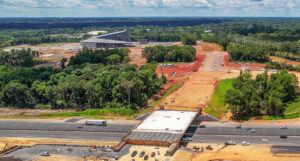
South Carolina Attorney General Alan Wilson has now stepped into one of the Charlotte region’s most contentious development fights, demanding answers from York County Council over how Silfab Solar was allowed to move forward in Fort Mill despite a 5-0 York County Board of Zoning Appeals ruling that solar panel manufacturing is not a permitted use under the site’s Light Industrial zoning. Wilson said there appears to be “confusion” over the status of Silfab’s manufacturing operations and asked York County Chairwoman Christi Cox to explain.

“As I have reviewed questions from concerned citizens, there appears to be some confusion over the status of some of Silfab’s manufacturing operations under its present zoning,” Attorney General Alan Wilson stated in a press release. “As the Chief Legal Officer of the State, I would like to understand the process of how Silfab received their current zoning and permits.”

The stakes are no longer just legal. In recent weeks, York County reported that 1,530 gallons of potassium hydroxide spilled into a retention pond next to Flint Hill Elementary School, Silfab later pumped roughly 300,000 gallons of liquid from that pond for hazmat disposal.

Officials later confirmed a second leak involving hydrofluoric acid that led Flint Hill Elementary to close for two days while the South Carolina Department of Environmental Services ordered certain operations paused.

According to public documents from Silfab, once operational, their 900,000-square-foot TOPCON solar cell and module factory would convert raw silicon wafers into finished panels through a multi-stage industrial process involving strong acids, explosive gases, chemical wastewater treatment, air emissions, and industrial sludge. The reported chemical list includes the storage of over 1 million lbs of hydrofluoric acid, hydrochloric acid, potassium hydroxide, phosphorus oxychloride, nitric acid, sulfuric acid, boron trichloride, silane, ammonia, trimethylaluminum, liquid oxygen, and other hazardous chemicals.

That backdrop also helps explain why the Fort Mill School Board took the rare step of passing a formal resolution on March 10 asking Governor Henry McMaster, the General Assembly, Attorney General Wilson, and York County Council to permanently limit the site “strictly to non-hazardous assembly processes” and remove all hazardous chemicals from the property “in accordance with the facility’s current light industrial zone.”

Silfab’s project has drawn years of public opposition, numerous still-pending lawsuits, and controversial tax incentives and state and federal grants, yet citizens still don’t have clear answers about how this project sidestepped required zoning approvals. 

York County’s own website shows that rezoning, zoning compliance, zoning verification, and BZA appeals are all separate legal processes. Yet the county’s public record still points back to a staff-issued zoning verification letter, not a rezoning or other clear final zoning action authorizing solar manufacturing in a Light Industrial district.

The starting point is South Carolina law. Under S.C. Code § 6-29-950, “It is unlawful to construct, reconstruct, alter, demolish, change the use of or occupy any land, building, or other structure without first obtaining the appropriate permit or permit approval.The same law adds, “No permit may be issued or approved unless the requirements of this chapter or any ordinance adopted pursuant to it are complied with,and, even more directly, “It is unlawful for other officials to issue any permit … without the approval of the zoning administrator.

That matters because York County’s zoning page publicly lists a Rezoning Application, a Zoning Compliance General Application, and a Zoning Verification Request Form as different processes. But York County’s Silfab materials say the company received a staff zoning verification letter in 2022, not that the property was rezoned. Meanwhile, York County’s own Silfab FAQ says the BZA concluded in a unanimous 5-0 ruling on May 9th, 2024 that “Solar Panel Manufacturing is not listed as a Use applicable for the Light Industrial Zoning District and is therefore prohibited pursuant to § 155.270(G), York County Code of Ordinances,and adds that the Use Table is what determines which uses are allowed or prohibited.

Internal email between York County and Silfab about the purpose of the May 9th, 2024 BZA hearing – obtained via FOIA

That is the core zoning problem. If the Use Table controls, and if the BZA found solar panel manufacturing is prohibited in LI under § 155.270(G), then a staff verification letter could not lawfully substitute for a rezoning or other valid zoning authorization. State law also limits the variance route. S.C. Code § 6-29-800 says, “The board may not grant a variance, the effect of which would be to allow the establishment of a use not otherwise permitted in a zoning district.

York County’s Silfab page states that the county issued Silfab a Certificate of Occupancy on February 13, 2026. Additionally, according to public records, all of Silfab’s permits for upfit and new construction were issued after the May 2024 BZA ruling. 

That sequence is why critics say the zoning law was never followed. Under § 6-29-950, permits cannot be issued unless local zoning ordinances are complied with (including standing BZA rulings). The same statute also says that when land “is or is proposed to be used in violation of any ordinance,” the zoning administrator, county attorney, or even a specially damaged neighboring owner may seek “injunction, mandamus, or other appropriate actionto stop the unlawful use, construction, conversion, or occupancy.

York County continues to maintain that staff made the zoning decisions beginning in 2022 and that council itself did not rezone the property. But that defense does not erase the conflict in the county’s own record: the county had separate legal pathways for zoning decisions, relied on a staff verification letter, then saw its own BZA rule unanimously that solar panel manufacturing is prohibited in Light Industrial, and then started issuing permits and a certificate of occupancy afterward.

That is why the attorney general’s letter matters. The public record already points to the same basic question residents have raised for years: whether York County followed the zoning code, or allowed a Heavy Industrial use to advance on Light Industrial land without the kind of clear, lawful zoning approval South Carolina law requires.

Layoffs Ahead: Major Charlotte-Area Family Dollar Operations Closing

More than 350 workers will lose their jobs as Family Dollar closes its Matthews distribution center, marking another setback for the struggling retailer.

In a notice to the North Carolina Department of Commerce, the company said the Monroe Road facility will shut down in August. Layoffs will begin May 18, with remaining employees impacted by August 18.

The site employs 373 workers, who will be let go in phases as operations wind down.

Family Dollar, founded by Charlotte businessman Leon Levine, still has a strong local footprint with 39 stores in Charlotte and more than 300 statewide.

The company has faced major changes in recent years. Dollar Tree acquired Family Dollar in 2015 but has since struggled to compete with rivals like Dollar General and Walmart.

In 2024, Dollar Tree closed about 600 Family Dollar stores nationwide. It also recently sold the brand to private equity firms for roughly $1 billion.

The Matthews closure follows the earlier shutdown of the company’s local headquarters, which moved 700 jobs out of the area.

For the Charlotte region, the latest move means hundreds of workers will soon be looking for new jobs as the facility phases out operations.

Charlotte Ranks #10 for Women-Owned Businesses Among Major US Metros

Charlotte-Concord-Gastonia has just ranked #10 among the largest U.S. metros in CoworkingCafe’s latest study on best locations for women-owned businesses. The ranking, based on a range of economic, workforce, and entrepreneurship metrics, highlights the area’s strong environment for women entrepreneurs.

Here’s what’s driving its performance:

  • A strong base of women entrepreneurs

Women-owned businesses make up 23.3% of all firms in the metro, a solid share that reflects an active and growing community of women entrepreneurs.

  • Steady economic and population growth

Charlotte has experienced 37.5% GDP growth since 2019 (ranking #9 among large metros for this metric), a sign of continued economic expansion. An 8.4% population growth since 2020 further strengthens the business climate by expanding both the customer base and talent pool.

  • Income levels and workforce engagement

Median earnings for women reach $43,893, providing a strong income base. Self-employment stands at 9.7%, while labor force participation reaches 62.3%, highlighting strong workforce engagement across the region.

  • Business-focused educational strength

Charlotte stands out for its concentration of business-focused education: 22.7% of women hold a bachelor’s degree in business, placing Charlotte #3 among large metros. Overall, 38% of women hold a bachelor’s degree or higher, supporting a skilled and leadership-ready talent pool for women-led firms.

  • Competitive cost conditions

The cost of living in Charlotte is slightly below the national benchmark (RPR: 97), reinforcing its position as a relatively cost-competitive large metro. At the same time, median coworking memberships are $232 per month, giving entrepreneurs access to flexible, professional workspaces at slightly lower prices than those in many other major markets.

As women continue to launch and scale businesses across the country, understanding which metros offer the strongest mix of representation, talent depth, and economic momentum is key. Charlotte’s #10 ranking among large markets highlights its growing role as a hub for women-led entrepreneurship.

You can explore the full study and methodology here: 

Citi Announces Major Expansion In Charlotte – 500 New Jobs and $16 Million Investment

One of the worlds biggest banks is expanding its presence in Charlotte, bringing hundreds of jobs and millions of new investment to Ballantyne.

This week, Citi officially opened its new office this week, with Governor Josh Stein attending the ribbon-cutting. The New York-based company has already invested over $16 million into the new space. The office sits in a three-story, 90,000-square-foot building on North Community House Road.

Citi plans to hire more than 500 employees by the end of next year. The expansion further strengthens Charlotte’s position as a leading U.S. financial hub.

During the opening ceremony, Citi also announced a $50,000 donation to Nourish Up. The company committed to providing 500 volunteer hours to support local efforts.

Leaders say the move highlights Ballantyne’s growing appeal for major employers. The area continues attracting companies seeking strong talent pipelines and modern workplace environments.

For the Charlotte region, the expansion signals continued momentum toward becoming the largest banking city in America. 

Siemens Announces $165 Million Controversial Data Center Investment Amid AI Boom

Siemens will invest more than $165 million across North and South Carolina, creating 350 jobs and opening new facilities to support booming AI data centers. However, the rapid growth is also driving concerns about rising energy demand, infrastructure strain, and potential community impacts.

Most of the expansion is centered in North Carolina, where Siemens is building two facilities and expanding another. In Raleigh, a 131,000-square-foot site will add 100 jobs assembling prefabricated power systems for faster data center deployment.

In Wendell, a 101,000-square-foot facility will create 50 jobs producing automation and protection equipment. The company will also expand its existing campus, adding more than 200 jobs by 2028.

In South Carolina, Siemens will open a 120,000-square-foot facility in Spartanburg and expand its site in Roebuck. Together, those projects will bring 150 new jobs to Spartanburg County while increasing manufacturing capacity.

The investment reflects surging demand tied to artificial intelligence infrastructure and capacity.

“Customer demand is at an all-time high as advanced infrastructure upgrades are needed to meet the power requirements from increasing AI workloads,” said Ruth Gratzke, President of Siemens Smart Infrastructure US in a press release. “Through sustained investment in U.S. manufacturing, Siemens is enhancing its capacity to meet the needs of data center and AI factory customers during this transformative phase of the AI industrial revolution.”

Massive data centers are spreading quickly and require enormous amounts of electricity and constant cooling. A single large facility can use as much power as roughly 200,000 homes. At the same time, cooling systems and server equipment run nonstop, generating persistent low-frequency noise.

For the Charlotte region and surrounding areas, the expansion strengthens the Carolinas’ role in the nation’s AI economy. Still, the rapid pace of growth is raising new questions about long-term energy use, environmental impact, and quality of life for nearby communities.

London-Based Company Buys Charlotte’s Sealed Air for $10.3 Billion

Sealed Air, one of Charlotte’s major corporate anchors, has sold for $10.3 billion to London-based investment firm Clayton, Dubilier & Rice (CD&R). The all-cash deal values shares at $42.15, a 41% premium over the company’s August stock price, and has been unanimously approved by Sealed Air’s board.

The company noted that its global headquarters will remain in Charlotte, preserving one of the region’s largest corporate centers. The company generated $5.4 billion in sales in 2024 and employs 16,400 people serving customers in 117 countries.

Best known for BUBBLE WRAP®, Cryovac food packaging, and Autobag automation systems, Sealed Air says the deal will strengthen long-term investment and innovation while keeping Charlotte at the center of its global strategy.

“Today marks an inflection point in Sealed Air’s history and we look forward to embarking on this next phase of growth in partnership with CD&R,” said Sealed Air CEO Dustin Semach in a press release. “This transaction delivers significant and derisked value to Sealed Air stockholders while accelerating our ongoing transformation. CD&R’s partnership will enhance our ability to invest in growing our Food and Protective businesses while maintaining a customer-first approach. Through more rapid innovation, expanded capabilities and broader reach, we will create more value for our customers and more opportunities for our employees.”

The transaction is expected to close in mid-2026, pending shareholder approval and regulatory review. Sealed Air will enter a 30-day “go-shop” window to seek competing offers, though none are guaranteed.

CD&R will finance the acquisition with committed equity and debt from major institutions including J.P. Morgan, BofA Securities, Goldman Sachs, and Wells Fargo. Once completed, Sealed Air will be delisted from the New York Stock Exchange and operate as a privately held company.

The acquisition marks one of the largest private equity deals in this history of Charlotte and reinforces our city’s growing reputation as a hub for global manufacturing and logistics leadership.

NWS Confirms Tornado Touched Down in Charlotte – Ripped Roof Off Local Warehouse

via Facebook

A brief tornado swept through north Charlotte on Monday morning, leaving visible damage but no reported injuries. Officials confirmed the storm after conducting on-site assessments later that day.

The National Weather Service classified the tornado as an EF-0, with peak winds reaching approximately 85 mph. The storm carved a path about 25 yards wide and remained on the ground for roughly 1.5 miles.

Damage was most noticeable along Atando Avenue, where several buildings sustained impacts. A warehouse belonging to Superior Mechanical Systems suffered significant roof damage, with sections torn away by the storm’s ուժ. Nearby structures also showed signs of impact.

Employees inside the facility described the tornado as sounding like a passing train. Despite the intensity, no injuries were reported among workers or in the surrounding area.

Charlotte-Mecklenburg officials confirmed they received no injury reports related to the storm. Meanwhile, National Weather Service crews surveyed the area Monday afternoon to verify the tornado and document the extent of the damage.

The EF-0 rating places the tornado at the lower end of the Enhanced Fujita scale, which measures tornado strength based on damage. Storms in this category can still cause notable structural damage, particularly to roofs, trees, and light construction.

Damage assessments remain ongoing as officials continue to gather information. Crews are expected to provide further updates as more details become available.

For Charlotte residents, the storm serves as a reminder that even weaker tornadoes can form quickly and cause localized damage, especially during active spring weather patterns.

Inside Fort Mill’s Silfab Solar Factory – The Chemicals, The Pollution, and The Controversy

via Facebook

Two recent chemical incidents at the controversial Silfab Solar factory in Fort Mill have brought renewed attention to the complex manufacturing processes planned at the site.

Earlier this month, York County reported that 1,530 gallons of potassium hydroxide spilled into the retention pond by Flint Hill Elementary School, triggering a major emergency hazmat. Silfab later pumped out 300,000 gallons of liquid from the pond to be disposed of off site, according to DES.

Days later, officials confirmed a second leak involving hydrofluoric acid, prompting Flint Hill Elementary to close for 2 days and the South Carolina Department of Environmental Services to order the company to pause operations while an investigation takes place.

via Facebook
via Facebook

Those incidents have raised broader questions about what exactly happens inside Silfab’s experimental 900,000 square foot TOPCON solar cell factory (which would become one of the largest TOPCON cell factories in the world if completed). 

According to three technical documents submitted for the Fort Mill plant – including the facility’s Hazardous Materials Inventory System (HMIS) report, DES Air Permit, and Industrial Wastewater Treatment Plans the factory is designed to transform raw silicon wafers into finished solar panels through a multi-stage industrial process involving strong acids, explosive gases, and chemical wastewater treatment systems.


An Overview of the Manufacturing Process

Silfab’s full list of chemicals and the quantities they would need to store on site.

Solar cell production follows a series of transformations that gradually turn slices of silicon wafers into complex mini-power plants. 

The stages include:

  1. Grey cell manufacturing

  2. Blue cell manufacturing

  3. Finished solar cell manufacturing

  4. Finished panel (module) manufacturing

Each step alters the wafer’s structure using chemical reactions, high-temperature furnaces, and thin-film deposition systems.

By the end of the process, dozens of completed cells are connected together using high heat and chemicals into a finished solar panel (module) capable of generating electricity from sunlight.

However, the manufacturing chain also produces air emissions, chemical wastewater, and industrial sludge, which Silfab plans on reducing through pollution control equipment, onsite treatment systems, and offsite sludge dumping. 


1. Wafer Manufacturing → Grey Cell

The process begins with silicon wafers, thin slices of purified crystalline silicon typically 200–300 micrometers thick.

Manufacturing steps

  • Chemical cleaning

  • Surface texturing

  • Semiconductor doping

  • Etching

Chemicals used

  • Hydrofluoric acid (HF)

  • Hydrochloric acid (HCl)

  • Potassium hydroxide (KOH)

  • Phosphorus Oxychloride (POCl₃)

  • Nitric acid (HNO₃)

  • Sulfuric Acid (H₂SO₄)

  • Boron Trichloride (BCL3)

High-temperature diffusion furnaces around 1000°C create the electrical p-n junction that allows the cell to generate electricity.

Waste produced

  • Acidic wastewater

  • Fluoride-containing wastewater

  • Silicon sludge

These wastes are typically treated to form calcium fluoride sludge for disposal.

At the end of this stage, the wafer becomes a grey cell.


2. Grey Cell Manufacturing → Blue Cell

The grey cell then receives several thin coatings that improve electrical performance.

Manufacturing steps

  • Tunnel oxide layer formation

  • Polycrystalline silicon deposition

  • Surface passivation

  • Anti-reflective coating

The tunnel oxide layer is only 1–2 nanometers thick, while the poly-silicon layer is about 60–100 nanometers thick.

Chemicals and gases used

  • Silane (SiH₄)

  • Ammonia (NH₃)

  • Trimethylaluminum (TMA)

  • Nitrogen carrier gases

  • Aluminum oxide compounds

These coatings are typically applied using PECVD or LPCVD deposition systems.

Waste produced

  • Process gas exhaust

  • Nitrogen oxide emissions

  • Fine silicon particles

After the anti-reflective coating is applied, the device becomes a blue cell.


3. Blue Cell Manufacturing → Finished Cell

The next stage adds electrical contacts that allow current to flow out of the cell.

Manufacturing steps

  • Screen printing conductive pastes

  • Infrared drying

  • High-temperature firing

Materials used

  • Silver paste

  • Aluminum paste

  • Organic solvents

Waste produced

  • Volatile organic compounds (VOCs)

  • Metal particulates

  • Furnace exhaust gases

After metallization is complete, the device becomes a finished solar cell.


4. Finished Cell Manufacturing → Finished Panel

The final stage manufactures finished solar cells into a complete solar module.

Manufacturing steps

  • Cells are soldered together with copper ribbons to form strings

  • Encapsulation layers are placed above and below the cells

  • The assembly is laminated under heat and vacuum

  • A polymer backsheet, aluminum frame, and electrical junction box are installed

Chemicals and materials used

In addition to structural materials, this stage uses several chemical components:

  • EVA (ethylene-vinyl acetate) used as an encapsulating agent

  • Polymer backsheets (often PET-based laminates)

  • Silicone or polyurethane sealants

  • Flux chemicals and potting compounds 

VOC and TAP emissions produced

During the high-heat lamination and curing process, several materials release volatile organic compounds (VOCs) and toxic air pollutants (TAPs). According to Silfab’s Air Permit, “The VOC and HAP/TAP emissions from this area [module manufacturing] will be vented outside through the general area exhaust system.”


Wastewater and Fluoride Sludge

Silfab’s factory would use over 1.2 million gallons of water per day and would generate significant volumes of chemical wastewater.

According to Silfab’s wastewater treatment design documents, the plant is expected to treat wastewater containing:

  • hydrofluoric acid

  • potassium hydroxide

  • hydrochloric acid

  • metal residues

  • dissolved silicon

Treatment process

The wastewater system neutralizes acids and bases and removes fluoride through precipitation reactions.

Hydrofluoric acid reacts with calcium compounds to form calcium fluoride sludge, which must be collected and disposed of as industrial waste.

Can Silfab Legally Operate in “LI”?

There is a growing number of Fort Mill residents, now numbering in the thousands, calling for the facility to move to a different location given its size, chemical usage, and the pollution and waste it would create.

Move Silfab organizers argue the facility is operating in a zoning district that does not allow the type of hazardous materials planned for the site. York County’s zoning code states that “Light Industrial does NOT include hazardous material treatment or storage facilities.” (York County Code §155.1301).

They also point to other provisions in the county’s zoning law. Under the code, “the Zoning Administrator must issue formal zoning compliance approval before permits are valid.” (York County Code §§155.1122–1123). In spite of numerous FOIA requests and private meetings, York County officials have still never produced a signed zoning compliance letter for Silfab’s operations – without one, all of Silfab’s permits and their Certificate of Occupancy would be legally void (according to SC Peterson v. Greenville County, 2011“An invalid zoning permit issued in violation of applicable zoning laws confers no rights and is void ab initio”).

The Attorney General of South Carolina, Alan Wilson, has also confirmed that the York County Council has the authority to revoke Silfab’s CO if they do not have proper zoning approvals.

Move Silfab is now organizing a mass protest on Monday night, calling for the York County Council to take a formal vote on the project.

Benefits of Using Lime for Soil Stabilisation in Projects

0

Soil stabilization is one of the most vital pillars of construction and infrastructure projects. Lime, as a stabilizing agent, has many characteristics that continue to gain more attention. In this article, you will learn how using lime will help improve soil quality and the outcomes of your project. Understanding these benefits can aid in informing project managers and engineers in selecting suitable ground improvement methods.

Improved Soil Strength

The application of lime for soil stabilization is the main way to increase soil strength, which is one of the greatest advantages. A chemical process called a pozzolanic reaction happens after lime acts on clay particles. This, in turn, produces binder minerals or cementitious materials capable of binding soil particles together. This causes the soil to become dense and compact. Roads built on lime-stabilized bases often have lasting foundations that deliver even greater service reliability.

Enhanced Load-Bearing Capacity

Subsoils that support heavy loading without excessive settlement or movement are required in construction projects. Adding lime to the soil improves the load-bearing capability of soils by enhancing their internal structure. This enables safer and steadier support for infrastructure such as roadways, runways, and structures. More load resistance means the project teams can move forward confidently with construction, knowing the base can withstand the pressure.

Reduction of Plasticity

Soils that are high in plasticity are susceptible to swelling or shrinking due to fluctuations in moisture content within the soil. This characteristic causes ground movement and potential structural damage over time. For these types of soils, lime stabilization decreases their plasticity, which ultimately helps in reducing the susceptibility to volumetric changes. When lime is added to soil, the plasticity decreases, and this provides a more reliable base that requires less maintenance after construction.

Long-Term Durability

Liming of stabilized soils contributes to durable construction projects with low upkeep. The chemical alterations caused by lime treatment are permanent and help keep the soil structure for years. Pavements, roads, and building foundations laid on such bases are more resistant to weathering or wear. Highly resilient products will minimize repairs and downtime and extend the lifespan of infrastructure investments.

Decreased Soil Swelling

Expansive soils that swell due to moisture can cause serious construction challenges. Lime treatment changes the minerals in the soil and thus helps in the control of this swelling. Instead of going through heaving or cracking on the surface, the soil remains resistant to contracting or expanding due to moisture. Project teams can save on costly repairs and ensure smooth, even surfaces of the structure for the duration of its expected life cycle by addressing this issue in the beginning stages.

Environmental Benefits

Using lime stabilization can help reduce the need to bring new material to a site or take away material that isn’t suitable. This saves natural resources and reduces transportation emissions. Soil from the local site, stabilized with lime, promotes sustainable building techniques. Lime also neutralizes some pollutants, making it a more environmentally friendly site for the project.

Cost-Effectiveness

The use of lime as a soil stabilizer often results in cost savings throughout the life cycle of the project. This overall helps with efficiency, such as faster construction and less transport for materials with lower maintenance. The project owners will take on fewer total costs when lime stabilization is used as compared to other methods. These economic advantages make lime appealing for small and large projects.

Increased Workability

These treated soils are more manageable and compact, making them ideal for construction crews who want to get the work done efficiently. Better workability implies that machinery will run more smoothly with minimum interruptions or obstructions. It further means that they work more smoothly, which leads to better optimization of the resources and ensures safety among the people involved in it.

Final Thoughts

Soil stabilization using lime has several advantages, which make it a preferred choice for many construction works, from land reclamation to the construction of embankments. Its uniqueness lies in its potential to strengthen the ground, bring the schedules faster, and improve sustainability. By evaluating lime as a soil stabilizer, project leaders can expect dependable performance and long-lived infrastructure. These benefits bring to light the reason lime has continued to be a primary resource for so many professionals in the field, looking for reliable soil amendment solutions.

Data Collection Software for Manufacturing: The Foundation of Industry 4.0

0

For manufacturing, data collection software is few and far between — the backbone of Industry 4.0. Industry is heading toward smarter, more efficient factories. Accurate data drives this transformation. Organisations are looking for solutions that collate data in real time providing engaged operators and action-oriented management with better visibility to improve operations. Digital tools help manufacturing squads improve efficiency and quality. How Data Collection Software Works. Data collection software is the key to understanding how these systems have impacted production today.

What Is Data Collection Software? 

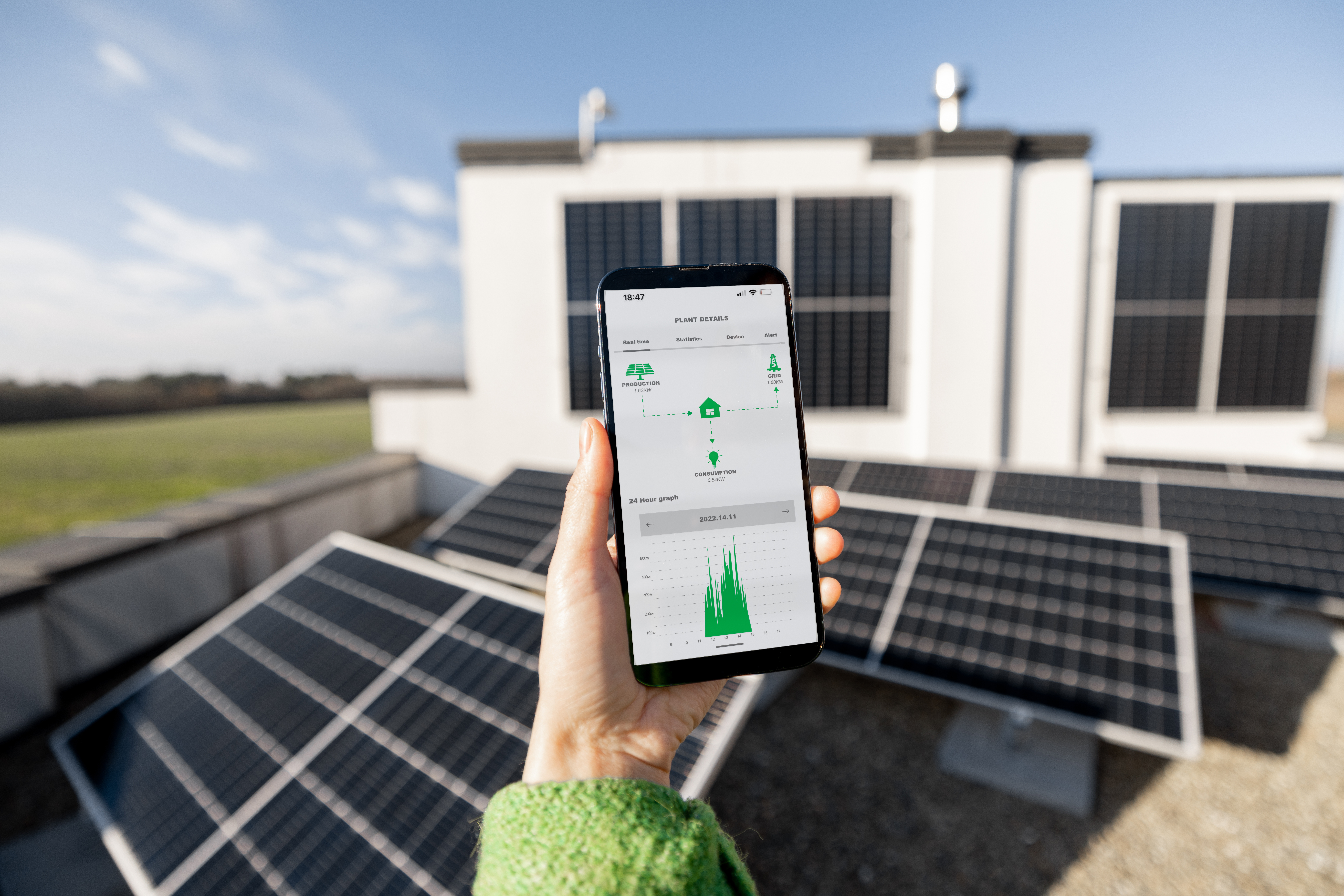
Factory data collection software makes it possible for factories to capture, track, and store data from everything from machines and sensors to workers. These systems automatically capture production rates, machine status, and quality checks. With one source of truth to manage operations, it minimizes manual work and the likelihood of mistakes. With this technology, you can have access to the visibility of the entire manufacturing journey in a matter of seconds. Teams have access to real data and can respond to issues as soon as they arise.

Role in Industry 4.0

The fourth industrial revolution (called Industry 4.0) refers to the manufacturing movement of going from dirty, connected manufacturing to smart, connected manufacturing. At the heart of this change is data collection software. These platforms build a digital thread across production by gathering data from equipment and systems. Spannable thread for automation and connected devices, creating a ubiquitous ecosystem. Having access to real-time data allows a factory to respond to the natural fluctuations, both internal to their own processes and through external influences, and optimise their processes accordingly. The outcome is increased agility and adaptability throughout the organization.

Improving Efficiency and Productivity

Every factory aims for efficiency. Data gathering tools assist groups in identifying bottlenecks and slowdowns. Through production pattern analysis, managers are able to change schedules or maintenance plans. Gives Automatic Alerts to staff regarding machine needs. This helps in minimizing downtime and increasing the efficiency of running production lines. The concrete data also assists in the ongoing process of improvement level that leads to continuous productivity.

Enhancing Quality Control

However, it’s important to note that ensuring product quality is a key component of manufacturing. Data collection software serves quality assurance teams with a dependable way of gathering information. This involves logging sensor and device readings, monitoring materials that are being used, and recording the inspection results. Improved traceability of quality issues to the actual source of the problem, thanks to these records. By automating this, human error is minimized, and checks are done consistently. It lets teams address issues quickly using in-depth data, and stops their bugs from reaching the consumer.

Enabling Predictive Maintenance

Production can stop due to unforeseen equipment breakdowns. Predictive maintenance can eliminate such issues with proper data collection software in place. Sensors monitor the state of machines; for example, temperature or degrees of vibration. It analyzes these readings to identify anomalous patterns. This enables early warnings for maintenance teams to be able to repair the problem before the actual breakdown happens. This proactive approach improves equipment longevity and minimizes expensive downtime.

Supporting Decision-Making

Quick decisions based on being informed are the backbone of manufacturing. A data collection software gives managers the current status of each and every process. The results are displayed in the form of dashboards and reports in a way that is easy to see. It enables leaders to prioritize, allocate resources, and plan for future needs. Quick data helps teams adjust to shifting demand or disruptions in the supply chain.

Ensuring Compliance and Traceability

There are regulatory or customer requirements dictating that records must be produced. The data collection tool helps capture and store relevant information regarding compliance, which indirectly simplifies compliance. From every batch, shift, or product, the production steps can be traced back. Audits become a lot easier when you have accurate, orderly records at hand. This transparency creates trust between customers and regulators.

Conclusion

The foundation for smarter manufacturing is based on data collection software. These systems, by enabling the acquisition of precise, real-time information, improve the efficiency, quality, and decision-making in factories. With the progress of Industry 4.0, the adoption of this technology will put you at the forefront. How Do Manufacturing Operations Future-Proof Themselves With Advanced Data Tools? In modern production, reliable data is the foundation of progress.