
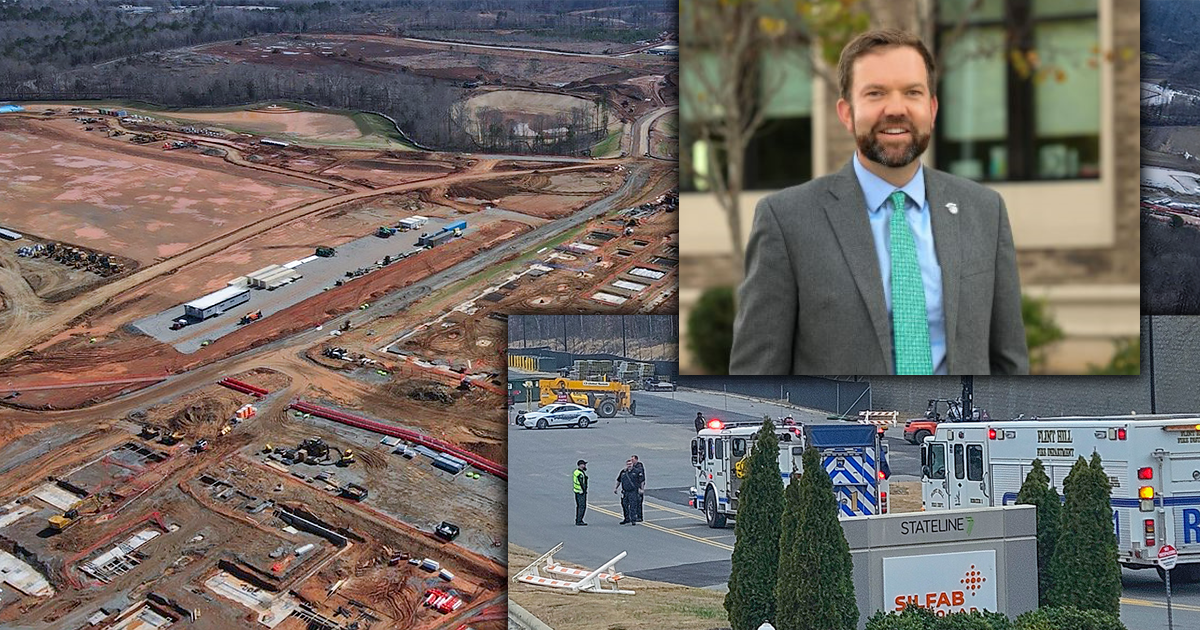
York County leaders recently unveiled the county’s $560 million Recommended Budget for FY2027 – a true masterclass in wasteful spending.
While the County Manager and Council wrap this spending spree in slogans like “Safe Community” and “Quality Infrastructure,” a look at the hard numbers— the drastic rise in redundant staff, the myriad of overpriced ‘studies’, and the reality of the Silfab toxic factory and QTS data centers—reveals a government ballooning its own bureaucracy while citizens pay the price.
The Exploding Budget: Spending Spikes vs. “Natural” Growth
The total budget is soaring to $559,990,216, representing an 8.67% increase ($44.6 million) over the 2026 amended budget. While the county claims this is a modest adjustment, specific departments are growing at rates three to fourteen times higher than the overall growth figure.
| Department / Line Item | FY2026 Approved Budget | FY2027 Recommended Budget | % Increase |
| Total County Budget | $515,291,299 | $559,990,216 | +8.67% |
| County Council (Salaries & Benefits) | $237,962 | $509,747 | +114.2% |
| Public Safety Comm. | $7,262,385 | $10,090,392 | +38.9% |
| County Attorney (Legal) | $1,019,608 | $1,376,023 | +35.0% |
| Planning & Development | $5,951,580 | $7,385,843 | +24.1% |
| Information Technology | $7,377,318 | $8,595,116 | +16.5% |
| Capital Projects (Millage Rate) | 2.9 mills | 3.5 mills | +20.7% |
| Rural Fire (Millage Rate) | 6.6 mills | 7.6 mills | +15.1% |
These increases are even more egregious when considering that the peer county of Greenville County, SC is spending nearly half per citizen across the board and they are projecting an overall decrease in their budget for 2027.
The “Redundant Attorney” and the 114% Salary Spike
One of the most egregious jumps is in County Council Salaries & Benefits, which is up 114.2%. Facing public backlash, the County now claims this isn’t a raise for members but is for a “new attorney position that reports to Council directly.”
This is the definition of redundant, wasteful spending. The County Attorney’s budget is already increasing by 35% ($356,415) to fund two additional attorney positions (the county currently has 2 slots – now they want 5). York County taxpayers are now being asked to fund a small army of lawyers to help navigate the legal fallout of controversial decisions—including the ongoing battles to keep the Silfab heavy industrial toxic factory in a light industrial zoned area next to Flint Hill Elementary without any zoning compliance and in clear violation of the May 2024 BZA ruling. Spending over a quarter-million dollars on a single “direct report” attorney while the main legal department adds two more is a massive drain on local resources.
“Safe Community” or Corporate Shield?
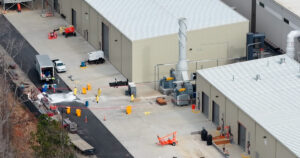 The budget allocates millions under the “Safe Community” banner, yet the county continues to burn taxpayer dollars defending Silfab Solar’s operations, which lacks zoning compliance and lawful permits. The county’s 2027 budget adds millions extra to planning and development, IT, public safety, and rural fire, all of which have been strained by Josh Edwards and Christi Cox ignoring the law.
-
The Reality: In March 2026, the Silfab factory experienced a Hydrofluoric Acid (HF) leak that lasted for days until a whistleblower reported it – then took several weeks to fix, all while unmitigated HF toxic air pollution was pumped into the our surrounding airways. This was in addition to the KOH leak that forced the factory to call in a HAZMAT team to pump out nearly 300,000 gallons of contaminated liquid from their unlined retaining ponds, just feet from Flint Hill Elementary ball fields.
-
The Cost: While Flint Hill Elementary was forced to divert students, the county’s legal team continues to fight citizens to protect this industrial polluter.
Spending millions on “Safety” while ignoring patterns of sickness and chemical leaks at a factory the county forced into an unlawful zone is not just wasteful—it is a betrayal of public trust.
“Quality Infrastructure” or Utility Drain?
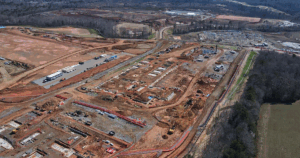 Under “Quality Infrastructure,” the county is prioritizing massive developments like the QTS data centers and Silfab Solar’s 900,000 sq ft heavy industrial factory.
- The QTS Data Centers consume staggering amounts of water and electricity, placing an immense strain on the very infrastructure residents are now being asked to pay more for.
-
Silfab Solar plans on using 1.2 million gallons of water per day — more than the entire city of Tega Cay. This massive consumption puts incredible strain on our utility systems, driving up costs for every homeowner.
-
Utility Hikes: Residents will see a 6% increase in water rates and a 10% increase in sewer rates in 2027 to cover these rising operational needs.
The Reassessment Tax Trap
The county’s claim of “no general fund tax increase” is a mathematical trick.
An unincorporated home worth $500,000 in 2026 would see its property tax bill increase by approximately $229.61 in 2027. This represents a 13.9% increase in the annual tax bill, driven by a combination of statutory reassessment and specific millage rate hikes.
Property Tax Comparison
| Year | Property Value | Assessed Value (4%) | Total Millage Rate | Estimated Tax Bill |
| 2026 | $500,000 | $20,000 | 82.6 mills | $1,652.00 |
| 2027 | $578,600 (+$78,600) | $23,144 | 81.3 mills | $1,881.61 |
| Change | +15.72% | -1.3 mills | +$229.61 |
Why is the bill higher if the millage rate dropped?
Even though the total millage rate for unincorporated areas is projected to drop slightly from 82.6 to 81.3 mills, citizens are paying more for two primary reasons:
-
Reassessment Spike: Property values in York County rose by an average of 15.72% due to the statutory reassessment. Because the millage was not “rolled back” enough to be revenue-neutral, the higher home value results in a significantly larger bill.
-
Specific Millage Hikes: The County Council approved increases for two targeted areas rather than keeping them at the rolled-back level:
-
Rural Fire: Increased to 7.6 mills (up from a baseline of 6.6 or 6.8) to fund the “One York Fire” staffing model.
-
Capital Projects Reserve: Increased by 0.6 mills (to 3.5 mills) for road and infrastructure maintenance.
-
-
Flat Rates for Special Funds: Rates for the Library (4.6 mills), Culture & Heritage (2.6 mills), and York Tech (3.7 mills) remained flat. In a reassessment year, keeping a rate “flat” instead of rolling it down constitutes a tax increase because it captures the full 15.7% growth in property value.
Additional Costs
In addition to property taxes, residents will pay more for services in 2027 through:
-
Utility Fees: Monthly base charges are increasing by $2.47 for water and $1.47 for sewer, totaling an extra $47.28 per year for those on county systems.
-
Solid Waste Fees: Adjustments to fees for curbside garbage and recycling are also included in the 2027 budget to ensure the fund remains sustainable.
Conclusion: Verify the Waste
Taxpayers are encouraged to look past the slogans and verify these numbers for themselves in the official budget books.
Where to look in the 2027 Recommended Budget (click here to view the 2027 budget):
-
Total Operating Summary: Page 72
-
County Council / Direct Attorney Cost: Page 114
-
Legal Department Increases: Page 112
-
Planning & Development Studies: Page 143
-
Millage Rate Tax Impact Table: Page 38
Where to look in the 2026 Approved Budget (click here to view the 2026 budget):
-
Total Operating Summary: Page 34
-
County Council Budget: Page 65
-
County Attorney Budget: Page 63
-
Planning & Development Costs: Page 80
-
Public Safety Communications: Page 84
-
Information Technology: Page 72
The 2027 budget isn’t about your safety or your roads; it’s about a government that has grown too large to listen, rewarding itself with redundant attorneys and salary spikes while families subsidize the data centers and unlawful toxic factories that are endangering the lives of our children, hurting our quality of life, and destroying our property values.