 When a big truck hits your car, it’s a huge shock. You need a tough Odessa Truck Accident Lawyer who fights for you. We protect you from big insurance companies that care more about money than your health.
We’ve won over 3,000 cases and we’re not stopping. As the best truck accident lawyer in Odessa, we take care of the legal stuff so you can heal.
You don’t have to go through this alone. Our experienced truck crash lawyer in Odessa team gives you the strength and know-how to get the best compensation. We’re ready to work hard to get you the results you need.
Key Takeaways
- We have a proven track record of over 3,000 successful legal victories.
- Our firm provides aggressive representation against powerful trucking corporations.
- We prioritize your physical and financial recovery above all else.
- You receive dedicated support from a team that understands Texas law.
- We operate with a commitment to securing maximum compensation for every client.
Understanding Truck Accidents in Odessa
The energy sector in Texas has made our highways very dangerous. The Permian Basin’s growth means more heavy trucks on the road. Routes like “Death Highway” are very risky because of the big vehicles.
If you’re in a truck accident, you need a trusted truck accident lawyer near me. We know the dangers of our area and will fight for you.
Common Causes of Truck Accidents
Truck accidents often happen because drivers are pushed to go too fast. This is because companies want them to meet tight deadlines. Some reasons for these crashes include:
- Driver Fatigue: Long hours make drivers make bad choices.
- Speeding: Drivers go too fast to meet delivery goals.
- Improper Maintenance: Bad brakes or tires can cause big problems.
- Distracted Driving: Using phones while driving is very dangerous.
The Impact of Truck Accidents on Victims
Truck accidents can be very hard on people. They can cause serious injuries and a lot of medical bills. We think you shouldn’t have to deal with this alone.
The emotional pain can be just as bad. Getting a skilled truck injury lawyer Odessa TX is key. They make sure you get the help you need for your medical costs, lost work, and pain.
Types of Trucks Involved in Accidents
The Permian Basin has many types of big trucks. Knowing what kind of truck was involved helps us figure out what happened. We often deal with:
- 18-Wheelers and Semi-Trucks: These big trucks have blind spots and need a lot of time to stop.
- Tanker Trucks: These trucks carry dangerous stuff and can explode or spill chemicals if they crash.
- Oilfield Equipment Haulers: These trucks carry heavy drilling stuff and are hard to control because they’re so big.
Why You Need a Lawyer After a Truck Accident
After a semi-truck accident, you need quick and strong legal action. The odds are against you when facing a huge truck. You need a truck accident attorney Odessa TX to even the playing field and fight for your rights.
Legal Complexities of Truck Accident Cases
Dealing with a truck accident is much harder than a car crash. It involves complex federal rules, insurance policies, and many possible guilty parties. You’re not just up against the driver; you’re also fighting big companies with lots of money.
A good Odessa semi-truck accident attorney knows how to tackle these challenges. They find all the people or companies that could be at fault. This might include:
- The trucking company that didn’t do the right maintenance.
- The place that loaded the cargo wrong.
- The maker of bad truck parts.
- The driver who broke the rules about how long they can drive.
Importance of Timely Legal Representation
Time is very important after an accident. Insurance companies send teams fast to try to reduce their blame. They care more about saving money than your health or future.
In Texas, you only have two years to file your claim. If you wait too long, you can’t get justice. We tell you to act fast to keep your rights safe and important evidence from being lost.
“The difference between a fair settlement and a denied claim often comes down to how quickly you secure professional representation.”
Getting legal help early means your needs come first. We’ll take care of the hard stuff so you can heal. We aim to get you the maximum compensation you deserve.
The Role of the Odessa Truck Accident Lawyer
Our team acts as your shield, fighting for the truth in every crash. Hiring an Odessa Truck Accident Lawyer means getting a partner who stands strong against big trucking companies. We know your recovery depends on our quick and precise actions.
Investigation and Evidence Collection
Time is against us in the trucking world. Our top investigators rush to the scene to keep critical evidence safe. They look for “black box” data, driver logs, and maintenance records that companies might hide or destroy.
As a skilled truck injury lawyer Odessa TX, we know how to find proof of negligence. We don’t wait for the police report. We build our own case to make sure we miss nothing. Our active approach keeps evidence safe for trial.
Negotiation with Insurance Companies
Insurance adjusters aim to lower your payout, but we aim to increase it. Never accept a low-ball settlement that doesn’t cover your future medical costs. We handle all talks with insurance companies so you can heal without worry.
Choosing a top truck accident attorney Odessa means having a tough negotiator on your side. We use our knowledge of trucking laws to get you a fair deal. We won’t stop until you get the maximum compensation for your injuries, pain, and financial losses.
Evaluating Your Case with an Odessa Truck Accident Lawyer
After a crash, our team starts a rigorous evaluation to protect your future. As your Odessa Truck Accident Lawyer, we don’t just look at the crash report. We search for the real facts that make your case strong.
Identifying Liability
Liability often goes beyond the driver. An Odessa semi-truck accident attorney knows trucking companies might ignore maintenance or push drivers too hard. We check every part of the chain to find who was really at fault.
“Justice is not found in the obvious, but in the meticulous examination of the evidence that others choose to ignore.”
We look at logs, black box data, and hiring records to build a strong case. By finding all liable parties, we make sure you get the justice you deserve.
Assessing Damages
A skilled truck injury lawyer Odessa TX knows your losses are more than just medical bills. We count all your economic and non-economic damages. This way, your settlement truly reflects the value of your experience.
| Damage Category |
Economic Impact |
Non-Economic Impact |
| Medical Costs |
Past and Future Bills |
Pain and Suffering |
| Lost Income |
Wages and Benefits |
Loss of Consortium |
| Quality of Life |
Rehabilitation Needs |
Emotional Distress |
We are relentlessly committed to your success. By understanding how the crash affects your life, we make sure your recovery covers all aspects of your healing journey.
How to Choose the Right Truck Accident Lawyer in Odessa
When your future is at risk, you need a Odessa Truck Accident Lawyer with a winning track record. Dealing with a big truck accident is tough. You can’t risk getting bad advice.
You need a team that can fight big trucking companies. They should be ready to take on their negligence.
Experience and Track Record
We focus on results. Our team has gotten record-breaking results for our clients. This shows we can handle the biggest trucking companies.
Choosing the best truck accident lawyer in Odessa means picking a firm that goes for the maximum. Our undefeated record shows our hard work and determination. We prepare every case as if it’s going to trial.
“Victory is not an accident; it is the result of unwavering preparation, superior strategy, and the courage to stand against the most powerful adversaries.”
Client Reviews and Testimonials
We care about more than just winning cases. We want to help you get your life back. Check out our client testimonials to see how we’ve helped others.
Our success stories show we’re different from others. We’re the team you want by your side when it matters most. Here’s why our approach gives you the security you need.
| Feature |
Our Firm |
Typical General Practice |
| Trucking Litigation Focus |
Specialized |
General |
| Trial Experience |
Extensive |
Limited |
| Resources for Experts |
Unlimited |
Restricted |
| Track Record |
Undefeated |
Variable |
The Legal Process for Truck Accident Claims
Getting justice starts with understanding the legal path. An experienced truck crash lawyer in Odessa helps you navigate this complex system. They handle the hard work, so you can heal.
Filing a Claim: What to Expect
The process starts with a detailed look into your accident. We collect important evidence like electronic logs and witness statements. As your dedicated truck accident attorney Odessa TX, we make sure every piece of evidence is accounted for.
After filing your claim, we start talking to insurance companies. They might try to lower your payment, but we fight for the highest amount. Our strategy aims to get you substantial settlements without going to court.
Timeline of a Truck Accident Case
Every case is different, but they usually follow a similar path. We keep you updated at each step to ease your stress. Our goal is to give you peace of mind as we go through the following stages:
- Investigation and Evidence Gathering: Finding all responsible parties and collecting evidence.
- Demand and Negotiation: Presenting a strong case to insurers to get a fair settlement.
- Litigation: If a fair offer isn’t made, we prepare for trial to protect your rights.
Choosing an experienced truck crash lawyer in Odessa means you get a team that knows how to move your case fast. While some cases settle quickly, others take longer to ensure your future medical needs are covered. As your truck accident attorney Odessa TX, we are relentlessly committed to your success until we get the best outcome.
Frequently Asked Questions About Truck Accident Claims
We know you have urgent questions after a truck accident. We’re here to help. When a truck accident happens, it can feel like your world has been turned upside down. Our team is here to protect your rights and give you the information you need to make bold, informed decisions.
What Should I Do Immediately After an Accident?
Your actions right after a crash are critical for your claim’s success. If you can, move to a safe place first. Then, call emergency services to get a police report filed. This report is key evidence.
While waiting, take these important steps to protect yourself:
- Document the scene: Take clear photos of damage, road conditions, and injuries.
- Gather information: Get contact details from the truck driver, their employer, and witnesses.
- Seek medical attention: Even if you feel okay, see a doctor to document any hidden injuries.
- Consult a professional: Contact a qualified truck accident attorney in Odessa TX to protect your rights before talking to insurance adjusters.
How Much Compensation Can I Expect?
Every case is different, and your claim’s value depends on many factors. We don’t guess; we do relentless investigation to find the true cost of your suffering. Your compensation is based on injury severity, work impact, and future care needs.
Insurance companies try to lower your payout. That’s why having a trusted truck accident lawyer near me is key. We look at medical records, lost wages, and pain and suffering to build a strong case. You don’t have to accept less when your future is at stake.
Understanding Compensation in Truck Accident Cases
Getting the right financial help is key to moving forward after a truck crash. Your needs go beyond just medical bills. We aim to get you a settlement that shows the true magnitude of your suffering and future costs.
Types of Compensation Available
With a top truck accident attorney Odessa, we look at all your damages carefully. You can get compensation for both financial losses and the impact on your life.
Common types of recovery include:
- Medical Expenses: Coverage for emergency care, surgeries, and future medical needs.
- Lost Wages: Compensation for time missed at work and future earning loss.
- Pain and Suffering: Damages for physical pain and emotional distress.
- Punitive Damages: Financial penalties for gross negligence or reckless disregard by trucking companies.
Factors Affecting Compensation Amount
Every case is different, and your claim’s value depends on several factors. An experienced Odessa semi-truck accident attorney will use these to build a strong case for you.
Important factors include the severity of your injuries and any lasting disabilities. We also look at the evidence of who was at fault. This ensures all responsible parties are held accountable.
Insurance policy limits and the trucking company’s actions are also key. We won’t settle for less than you deserve. We fight to protect your financial future from the long-term effects of this tragedy.
Taking the Next Steps After a Truck Accident
Your journey to justice starts when you choose to hold those responsible accountable. We’re here to fight for your rights and ensure your financial future is secure. Choosing the best truck accident lawyer in Odessa means your case gets the aggressive defense it needs to win.
Scheduling a Consultation with a Lawyer
We work on a contingency fee basis, so you don’t pay unless we win. Contact us today to schedule your free case review. Our team is committed to protecting your interests at every step of the legal process.
Preparing for Your First Meeting
Before we meet, collect all your medical records, police reports, and insurance documents. These are key to building a strong case. With an experienced truck crash lawyer in Odessa, you can focus on healing while we handle the legal battle. We’re ready to fight for your maximum compensation today.
FAQ
What should I do immediately following a collision with an 18-wheeler in the Permian Basin?
First, make sure you’re safe. Call 911 to get a police report. Then, see a doctor, even if you feel okay.
Don’t talk to insurance adjusters yet. They might try to lower their liability. Instead, call a top truck accident attorney in Odessa. They will start investigating right away.
How much compensation can I expect from a truck accident lawsuit in Texas?
Every case is different. But our goal is always to get you the most money. We look at all your losses, like medical bills and lost wages.
We also consider future costs and pain and suffering. If the trucking company was very careless, we might get you punitive damages. Our track record shows we get great results for our clients.
How do I afford a high-powered truck accident attorney Odessa TX?
You won’t pay anything upfront. We work on a contingency fee basis. This means we only get paid if we win your case.
This way, you can get the best lawyer in Odessa without worrying about money. We take on big companies so you can focus on getting better.
Why is the Permian Basin so dangerous for truck accidents?
The oil boom has made roads in West Texas very dangerous. The “Death Highway” is filled with big trucks. Driver fatigue and rush to meet deadlines add to the risk.
Our area has unique dangers. That’s why you need an Odessa semi-truck accident attorney who knows the local risks. We fight for your safety against companies that put profits first.
How long do I have to file a claim after a truck crash in Odessa?
In Texas, you have two years to file a claim. But don’t wait. Evidence can disappear quickly, and trucking companies might lose data if not forced to keep it.
It’s important to contact a trusted truck accident lawyer in Odessa as soon as you can. We’ll start investigating and filing your case right away.
Who can be held liable for my injuries in a commercial truck accident?
Liability can go beyond the driver. We look into the trucking company for bad maintenance or hiring. We also check the cargo loaders and manufacturers if a part failure caused the crash.
We leave no stone unturned to find every responsible party. Our goal is to get you justice.
What makes your firm the right choice for my truck accident case?
We’re not just lawyers; we’re your protectors. Our team is known for being the best in Odessa. We’ve won over 3,000 cases and have a history of beating big trucking companies.
Choosing us means you’re choosing a lawyer who sees your recovery as their victory. We’re dedicated to your success.
What should I bring to my free initial consultation?
Bring the police report, any photos or videos, witness contact info, and your medical records. But if you don’t have these, don’t worry.
Schedule your meeting with a truck accident attorney in Odessa TX today. We’ll gather evidence and build your case from scratch.


 Charlotte is rapidly becoming a haven for outdoor enthusiasts and dedicated runners. The Cross Charlotte Trail is a major ongoing partnership between the city and Mecklenburg County, designed to create a continuous paved greenway stretching over 30 miles from Pineville to the UNC Charlotte campus. With local authorities reporting roughly 74 miles of completed greenways, plus recent additions like the 1.5-mile Briar-Little Hope Creek Greenway, runners have more accessible, high-quality routes than ever before. However, while these flat and scenic paths are perfect for logging uninterrupted miles, the hard surfaces can quickly take a toll on the human body.
 Outdoor swimming pools require steady and consistent maintenance throughout the week if they are expected to remain clean and ready for weekend use. Even when a pool is not actively being used, it is constantly exposed to environmental factors such as wind, dust, insects, pollen, and nearby vegetation. These elements slowly enter the water and settle across the surface and floor, creating gradual buildup that becomes more noticeable by the weekend.
 Most moms and dads heat bottles each day during early feedings. Feels right somehow – body warmth matches how nature delivers milk, plus a cozy sip tends to calm little ones down. Over months, though, patterns shift without warning. Little by little, grown-ups start asking themselves when it might be time to skip the warming step altogether.
 One of the only public transit options connecting
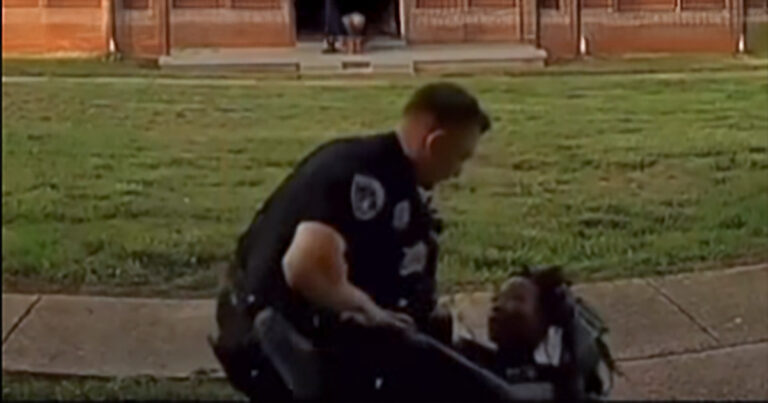
 Just one day after a mysterious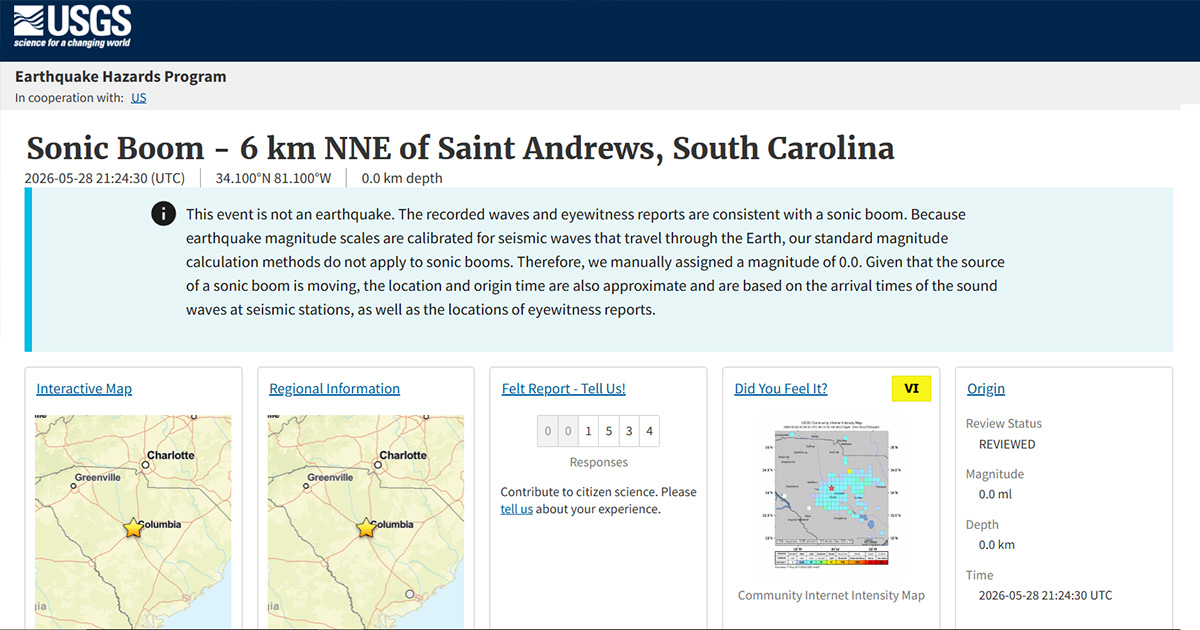

 One of Charlotte’s favorite pizza spots has just earned national recognition from one of the most respected pizza organizations in the world.
 A rare moon event that won’t happen again until 2053 is set to light up skies over Charlotte this weekend.