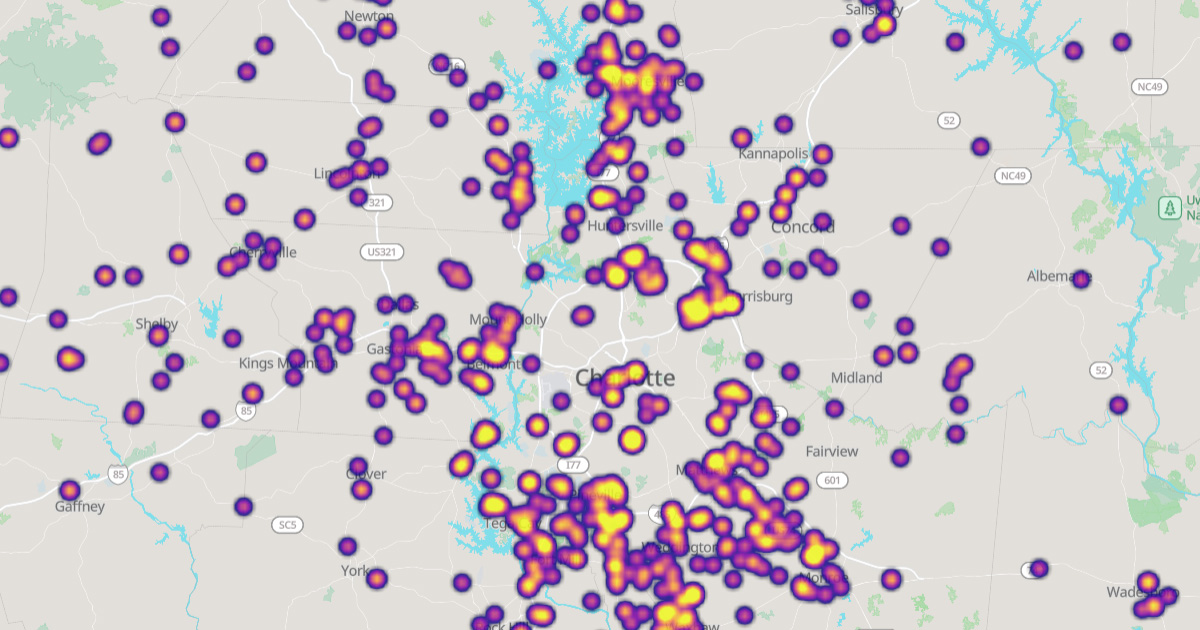
Severe Drought Triggers Fines and Water Limits in Charlotte Region

A prolonged drought across the Charlotte region is now triggering strict water restrictions, with enforcement set to begin soon. In Statesville, new rules take effect Monday, May 4, and violations could bring fines of up to $600 per day.

The city is currently under Stage 3 extreme drought conditions, prompting significant limits on water use. The restrictions apply to all city water customers, including businesses.

Outdoor irrigation is largely prohibited, with limited overnight exceptions for trees and garden beds. Vehicle washing, pool filling, and most outdoor water features are also banned.

Fines will escalate quickly, starting at $200 for a first violation, $400 for a second, and $600 for each additional offense. Each day counts as a separate violation.

The restrictions come as water levels across the region continue to drop. Lakes, rivers, and reservoirs have been strained after months of dry weather.

At the same time, the U.S. Department of Agriculture has declared much of North Carolina an agricultural disaster. The designation allows farmers to apply for emergency loans and assistance.

Private well users are not subject to the restrictions, but officials are urging all residents to conserve.

For the Charlotte area, the move underscores the growing severity of the drought and the need for immediate water conservation.

South Carolina Ranks Among Worst States in America for Working Moms

With Mother’s Day approaching and more mothers in the workforce than ever, a new national report highlights a growing challenge. South Carolina ranks among the worst states in the country for working moms, according to a 2026 study by WalletHub.

Researchers compared all 50 states and Washington, D.C. using 17 metrics. These included women’s median salaries, unemployment rates, child care quality, and work-life balance.

Best and Worst States for Working Moms

Overall Rank  State Total Score  Child Care Rank  Professional Opportunities Rank  Work-Life Balance Rank 
1 Connecticut 70.28 1 2 8
2 Massachusetts 69.25 2 6 1
3 Rhode Island 63.69 5 14 3
4 New Jersey 59.26 10 5 7
5 Vermont 58.34 6 9 9
6 Maine 57.49 3 20 13
7 Minnesota 56.42 7 4 16
8 District of Columbia 56.27 16 10 6
9 New York 53.37 12 33 12
10 North Dakota 53.24 11 12 20
11 Maryland 52.97 15 1 44
12 Illinois 52.71 9 8 24
13 Indiana 51.68 4 27 28
14 Wisconsin 50.28 21 25 10
15 Washington 50.25 35 29 2
16 New Hampshire 50.02 8 22 34
17 Tennessee 48.30 13 7 49
18 Delaware 47.81 14 17 41
19 Wyoming 47.65 19 37 18
20 South Dakota 47.48 20 19 25
21 Pennsylvania 47.47 18 13 33
22 Oregon 46.79 44 23 4
23 Nebraska 46.71 22 15 26
24 Utah 46.54 24 41 11
25 Kansas 46.35 23 24 19
26 Iowa 46.12 30 3 21
27 Ohio 44.85 26 16 22
28 Virginia 44.79 17 30 42
29 Colorado 44.42 25 18 27
30 California 43.83 43 40 5
31 Hawaii 43.59 27 45 15
32 Montana 42.94 33 35 14
33 Alaska 39.19 34 39 23
34 Kentucky 38.77 28 44 38
35 Arkansas 38.60 37 32 31
36 Michigan 38.29 39 28 30
37 North Carolina 38.12 42 21 36
38 Georgia 38.00 31 11 51
39 Oklahoma 37.86 29 47 39
40 Missouri 37.29 38 34 37
41 Florida 36.61 36 26 47
42 Idaho 36.10 46 48 17
43 Texas 35.86 32 38 48
44 West Virginia 35.62 40 43 35
45 South Carolina 32.71 45 42 45
46 Arizona 32.08 49 36 29
47 Nevada 30.40 48 31 46
48 Mississippi 29.84 41 51 50
49 New Mexico 27.47 51 46 32
50 Alabama 27.39 47 49 43
51 Louisiana 26.39 50 50 40


The results show South Carolina continues to lag in several key areas. While 74% of mothers with children under 18 are working, support systems have not kept pace.

Child care remains a major hurdle. Many families face high costs, limited availability, and long waitlists for quality care.

At the same time, lower median wages and persistent pay gaps continue to impact working mothers. These financial pressures make it harder for families to balance careers and child care needs.

Work-life balance is another weak point. Limited parental leave policies and fewer flexible job options leave many mothers with difficult choices.

Top-ranked states tend to offer stronger child care systems, higher wages, and better workplace policies. Experts say those advantages help keep more parents in the workforce.

For families across the Carolinas, the findings highlight a growing gap. Job growth continues, but support for working parents remains limited, putting added strain on households and the broader economy.

Charlotte’s Skyline Is Spreading – New 42-Story Tower Breaks Ground in South End

A massive new 42-story high-rise recently broke ground along South Tryon Street. The new tower is part of the Queensbridge Collective, one of the largest mixed-use developments underway in our city.

Located at 1111 South Tryon Street, the development sits at the gateway between Uptown and South End. Developers say the project is designed to physically and economically connect two of Charlotte’s fastest-growing districts.

via Goettsch Partners

The first tower has already opened, adding hundreds of apartments and becoming one of the tallest residential buildings in the region. A second tower is planned to bring additional housing, office space, and street-level activity.

The project is part of a broader shift reshaping Charlotte’s skyline. For decades, the city’s tallest buildings were concentrated in Uptown. Now, high-rise construction is pushing south along the light rail corridor into South End.

Cranes and new towers are increasingly filling the skyline beyond its traditional core. Mixed-use developments like Queensbridge are accelerating that trend by combining housing, jobs, and retail in dense, walkable areas.

The site itself reflects that transformation. It replaces older, lower-rise properties with a modern development designed for a growing urban population.

For Charlotte, the expansion signals a new phase of growth. The skyline is no longer a single cluster—it’s becoming a broader urban corridor stretching from Uptown into South End.

New $14 Million Charlotte-Area Home Listing Could Shatter The Record

A massive golf-inspired estate just outside Charlotte has hit the market with a nearly $14 million price tag. If it sells at that price, it would become the most expensive home ever sold in Lincoln County.

The property, located at 3979 State Highway 73 in Iron Station, spans 100 acres and is listed for $13.995 million. The estate features a four-bedroom, six-bathroom home with more than 8,500 square feet of space, built in 2021.

The home is owned by Adam Hayes, longtime caddie for pro golfer Jon Rahm. Hayes and his wife designed the property with a focus on golf, privacy, and high-end living.

One of the standout features is a $75,000 Full Swing golf and sports simulator housed in a 3,000-square-foot barn. The space also includes a wet bar, batting cage, and fitness area.

The estate sits behind a gated entrance with more than 1,700 feet of paved driveway, offering a high level of seclusion. Inside, the home features clean architectural lines, reclaimed antique wood beams, and large windows overlooking the property.

The kitchen includes premium appliances such as a Wolf gas range, built-in espresso system, wine refrigeration, and a large quartzite island designed for entertaining.

Outdoor amenities include a resort-style saltwater pool and spa, outdoor shower, pool bath, and a covered porch with a ceiling heater. Additional features include a heated greenhouse, multiple fire pits, and a whole-home generator.

The property also includes equestrian facilities with fenced pastures, a custom barn, and miles of trails. Two year-round creeks run through the land, adding to its natural appeal.

The estate is listed by Premier Sotheby’s International Realty. The current county record home sale is $12 million, set in 2025.

Practical Guide to Monitoring Senior Health at Home

0

For families with older adults, ensuring the comfort and well-being of older adults (seniors) at home is a priority. Ongoing monitoring helps maintain independence while allowing both families and qualified personnel to detect problems sooner rather than later. Seniors can feel more secure, and caregivers and relatives can create a safety net for seniors by following simple but effective routines. This guide describes how to observe and support senior health at home in a few key steps.

Establishing Daily Routines

For older adults, consistency is comforting. A predictable schedule for meals, medication, and rest creates stability. The more they participate in daily activities, the better their engagement and satisfaction levels. An established routine displayed for everyone to see in a visible spot can act as a great reminder, helping older adults stay healthy and active. In fact, reputable senior home care services recommend defining fixed daily routines to prevent confusion among the elderly. 

Tracking Medication and Supplements

Senior care involves medication management. Consider a pill organizer that has compartments for each day or each dose that must be filled as required. A log of doses helps seniors remember if they have missed any pills. Use an alarm clock or phone alerts to remind them when it is time to take their medication. Have a healthcare provider periodically review the list of prescriptions for accuracy.

Observing Physical Changes

Observing seniors’ health closely can help reveal any subtle changes in them. Watch for swelling, bruising, or sudden weight loss. Look for walking difficulty, balance issues, or lack of strength when performing different activities. Look out for a lingering cough, breathing difficulties, or changes in appetite. Keep a health journal to note and record how they were feeling when attending doctor appointments.

Monitoring Vital Signs

Measuring vital signs regularly gives family members detailed information about a senior’s health. Perform a body temperature check at the same time daily using a digital thermometer. Blood pressure and heart rate can be measured with an automated monitor according to the directions shared on the device. Write results in a dedicated notebook, which will make it easier to identify trends or abnormal readings. Talk to a health professional immediately if you notice any worrisome changes in the health of the senior in your care.

Encouraging Physical Activity

Moving helps keep muscles strong and joints flexible. Promote simple activities such as stretches, walking, or chair moves. Customize activities according to the senior’s level of ability and their interests. When they exercise at the same time every day, they develop good habits. Keep their environment safe and free of fall hazards.

Supporting Mental and Emotional Well-being

Senior citizens also need to maintain sound mental health, in addition to good physical health. Promote activities such as hobbies, puzzles, or reading to keep their mind active. Calling or visiting with loved ones on a regular basis helps alleviate feelings of isolation. Surround them with the right lighting systems, pictures of loved ones, and good music, as all this helps them relax. Watch for signs of sadness or anxiety and talk to a healthcare professional about their health condition or status if symptoms last longer than a couple of weeks.

Maintaining Proper Nutrition and Hydration

Ensure older adults get the nutrients they need through balanced, regular meals. For this, create a week-wise menu that contains fruits, vegetables, lean proteins, and whole grains. Provide water throughout the day to keep them hydrated, because in warmer weather, dehydration can adversely affect them. Track intakes of both food and fluid, reporting changes in appetite or any trouble swallowing. Should dietary restrictions ever arise, seek guidance from a dietitian.

Ensuring Home Safety

By making the home a safe place for older adults, families can reduce the chances of incidents or accidents. Secure loose rugs and remove the clutter from bathrooms and other places to give older adults space to move around. Provide adequate lighting, particularly in hallways and stairwells. Test smoke detectors and carbon monoxide alarms to ensure they are working. Discuss safety from time to time and adjust if their health status changes significantly.

Staying Connected With Healthcare Providers

Regular contact with physicians fosters continuity of care. Take them for regular check-ups and share health logs or health problems that the family has noticed in the older adult. Make use of virtual consultations where face-to-face visits are difficult to arrange. Have a list of Serious Illness Conversations (SICs), emergency numbers, and allergy updates in an accessible location. Immediately notify the care team of any new or worsening symptoms.

Conclusion

Healthy living at home for seniors requires ongoing observation and simple routines. By monitoring their well-being, families can help older adults stay at home comfortably and enjoy the security that comes with living in familiar surroundings. These practical steps provide peace of mind to families, making everyone in the family feel better about caring for older adults at home.

Rock Hill Was Just Named One of South Carolina’s New Innovation Hubs

Rock Hill is gaining statewide attention as a rising center for technology and innovation after being selected as one of six official innovation hubs in South Carolina.

The initiative, led by the South Carolina Research Authority, aims to accelerate high-tech business growth and strengthen the state’s innovation economy. Rock Hill joins Columbia, Charleston, Greenville, Aiken, and Florence in the new network.

The hub will be based at Winthrop University, where leaders plan to create a collaborative environment to help startups grow into scalable companies. The effort will connect entrepreneurs with funding, mentorship, and resources while encouraging partnerships between universities, investors, and local businesses.

Rock Hill’s selection builds on years of momentum. Projects like Knowledge Park and the Gravity Center have already helped attract startups and foster innovation in the city.

State leaders say the hubs are designed to drive long-term economic growth by supporting emerging companies and creating high-paying jobs.

For Rock Hill, the designation marks a major step forward. It positions the city as a key player in South Carolina’s growing tech economy while creating new opportunities for local entrepreneurs, students, and businesses.

Code Orange Alert Issued for Charlotte Area as Air Quality Worsens

A Code Orange air quality alert has been issued for the Charlotte region, warning that pollution levels could pose health risks through Friday evening.

The National Weather Service Greenville-Spartanburg reported the alert at 10:50 a.m., saying it remains in effect until 8 p.m. for Mecklenburg, Cabarrus, and Rowan counties.

The North Carolina Department of Environmental Quality says the advisory is due to elevated ground-level ozone, which can make it harder to breathe, especially for children, seniors, and people with respiratory conditions.

Officials recommend limiting outdoor activity during the afternoon and early evening and staying inside when possible. Residents are also urged to reduce pollution by driving less, avoiding gas-powered equipment, and not burning debris.

People can help improve air quality by walking or biking, limiting engine idling, and conserving energy.

York County’s 2027 Budget is a Masterclass in Wasteful Spending

QTS Data Center – Silfab Solar – County Manager Josh Edwards

York County leaders recently unveiled the county’s $560 million Recommended Budget for FY2027 – a true masterclass in wasteful spending.

While the County Manager and Council wrap this spending spree in slogans like “Safe Community” and “Quality Infrastructure,” a look at the hard numbers— the drastic rise in redundant staff, the myriad of overpriced ‘studies’, and the reality of the Silfab toxic factory and QTS data centers—reveals a government ballooning its own bureaucracy while citizens pay the price.

The Exploding Budget: Spending Spikes vs. “Natural” Growth

The total budget is soaring to $559,990,216, representing an 8.67% increase ($44.6 million) over the 2026 amended budget. While the county claims this is a modest adjustment, specific departments are growing at rates three to fourteen times higher than the overall growth figure.

Department / Line Item FY2026 Approved Budget FY2027 Recommended Budget % Increase
Total County Budget $515,291,299 $559,990,216 +8.67%
County Council (Salaries & Benefits) $237,962 $509,747 +114.2%
Public Safety Comm. $7,262,385 $10,090,392 +38.9%
County Attorney (Legal) $1,019,608 $1,376,023 +35.0%
Planning & Development $5,951,580 $7,385,843 +24.1%
Information Technology $7,377,318 $8,595,116 +16.5%
Capital Projects (Millage Rate) 2.9 mills 3.5 mills +20.7%
Rural Fire (Millage Rate) 6.6 mills 7.6 mills +15.1%

These increases are even more egregious when considering that the peer county of Greenville County, SC is spending nearly half per citizen across the board and they are projecting an overall decrease in their budget for 2027.

The “Redundant Attorney” and the 114% Salary Spike

One of the most egregious jumps is in County Council Salaries & Benefits, which is up 114.2%. Facing public backlash, the County now claims this isn’t a raise for members but is for a “new attorney position that reports to Council directly.”

This is the definition of redundant, wasteful spending. The County Attorney’s budget is already increasing by 35% ($356,415) to fund two additional attorney positions (the county currently has 2 slots – now they want 5). York County taxpayers are now being asked to fund a small army of lawyers to help navigate the legal fallout of controversial decisions—including the ongoing battles to keep the Silfab heavy industrial toxic factory in a light industrial zoned area next to Flint Hill Elementary without any zoning compliance and in clear violation of the May 2024 BZA ruling. Spending over a quarter-million dollars on a single “direct report” attorney while the main legal department adds two more is a massive drain on local resources.

“Safe Community” or Corporate Shield?

The budget allocates millions under the “Safe Community” banner, yet the county continues to burn taxpayer dollars defending Silfab Solar’s operations, which lacks zoning compliance and lawful permits. The county’s 2027 budget adds millions extra to planning and development, IT, public safety, and rural fire, all of which have been strained by Josh Edwards and Christi Cox ignoring the law.

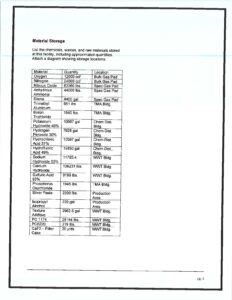
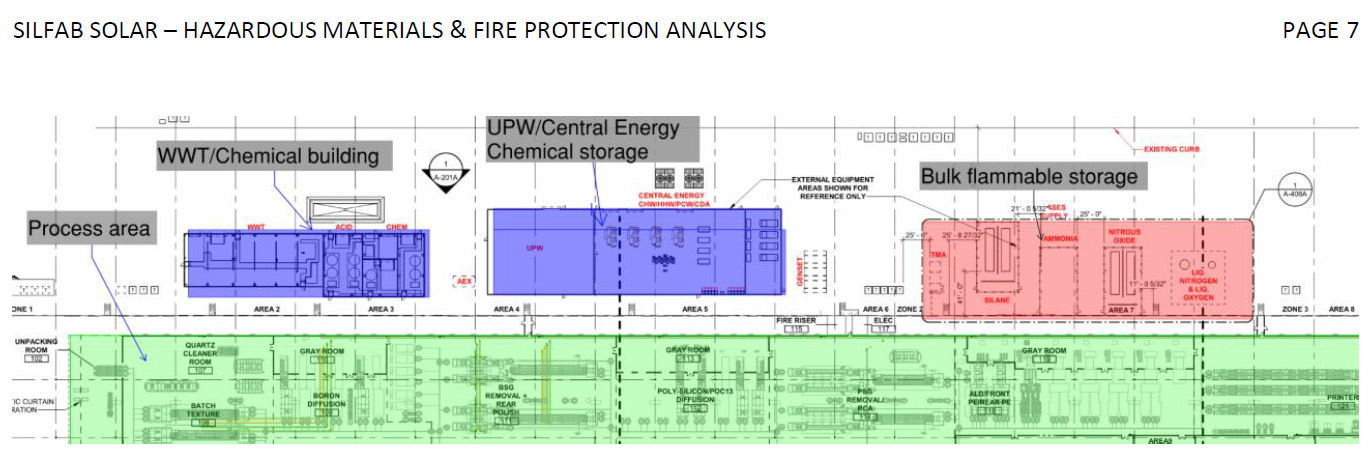
  • The Reality: In March 2026, the Silfab factory experienced a Hydrofluoric Acid (HF) leak that lasted for days until a whistleblower reported it – then took several weeks to fix, all while unmitigated HF toxic air pollution was pumped into the our surrounding airways. This was in addition to the KOH leak that forced the factory to call in a HAZMAT team to pump out nearly 300,000 gallons of contaminated liquid from their unlined retaining ponds, just feet from Flint Hill Elementary ball fields.

  • The Cost: While Flint Hill Elementary was forced to divert students, the county’s legal team continues to fight citizens to protect this industrial polluter.

Spending millions on “Safety” while ignoring patterns of sickness and chemical leaks at a factory the county forced into an unlawful zone is not just wasteful—it is a betrayal of public trust.

“Quality Infrastructure” or Utility Drain?

Under “Quality Infrastructure,” the county is prioritizing massive developments like the QTS data centers and Silfab Solar’s 900,000 sq ft heavy industrial factory.

  • The QTS Data Centers consume staggering amounts of water and electricity, placing an immense strain on the very infrastructure residents are now being asked to pay more for.
  • Silfab Solar plans on using 1.2 million gallons of water per day — more than the entire city of Tega Cay. This massive consumption puts incredible strain on our utility systems, driving up costs for every homeowner.

  • Utility Hikes: Residents will see a 6% increase in water rates and a 10% increase in sewer rates in 2027 to cover these rising operational needs.

The Reassessment Tax Trap

The county’s claim of “no general fund tax increase” is a mathematical trick.

An unincorporated home worth $500,000 in 2026 would see its property tax bill increase by approximately $229.61 in 2027. This represents a 13.9% increase in the annual tax bill, driven by a combination of statutory reassessment and specific millage rate hikes.

Property Tax Comparison

Year Property Value Assessed Value (4%) Total Millage Rate Estimated Tax Bill
2026 $500,000 $20,000 82.6 mills $1,652.00
2027 $578,600 (+$78,600) $23,144 81.3 mills $1,881.61
Change +15.72% -1.3 mills +$229.61

Why is the bill higher if the millage rate dropped?

Even though the total millage rate for unincorporated areas is projected to drop slightly from 82.6 to 81.3 mills, citizens are paying more for two primary reasons:

  1. Reassessment Spike: Property values in York County rose by an average of 15.72% due to the statutory reassessment. Because the millage was not “rolled back” enough to be revenue-neutral, the higher home value results in a significantly larger bill.

  2. Specific Millage Hikes: The County Council approved increases for two targeted areas rather than keeping them at the rolled-back level:

    • Rural Fire: Increased to 7.6 mills (up from a baseline of 6.6 or 6.8) to fund the “One York Fire” staffing model.

    • Capital Projects Reserve: Increased by 0.6 mills (to 3.5 mills) for road and infrastructure maintenance.

  3. Flat Rates for Special Funds: Rates for the Library (4.6 mills), Culture & Heritage (2.6 mills), and York Tech (3.7 mills) remained flat. In a reassessment year, keeping a rate “flat” instead of rolling it down constitutes a tax increase because it captures the full 15.7% growth in property value.

Additional Costs

In addition to property taxes, residents will pay more for services in 2027 through:

  • Utility Fees: Monthly base charges are increasing by $2.47 for water and $1.47 for sewer, totaling an extra $47.28 per year for those on county systems.

  • Solid Waste Fees: Adjustments to fees for curbside garbage and recycling are also included in the 2027 budget to ensure the fund remains sustainable.

Conclusion: Verify the Waste

Taxpayers are encouraged to look past the slogans and verify these numbers for themselves in the official budget books.

Where to look in the 2027 Recommended Budget (click here to view the 2027 budget):

  • Total Operating Summary: Page 72

  • County Council / Direct Attorney Cost: Page 114

  • Legal Department Increases: Page 112

  • Planning & Development Studies: Page 143

  • Millage Rate Tax Impact Table: Page 38

Where to look in the 2026 Approved Budget (click here to view the 2026 budget):

  • Total Operating Summary: Page 34

  • County Council Budget: Page 65

  • County Attorney Budget: Page 63

  • Planning & Development Costs: Page 80

  • Public Safety Communications: Page 84

  • Information Technology: Page 72

The 2027 budget isn’t about your safety or your roads; it’s about a government that has grown too large to listen, rewarding itself with redundant attorneys and salary spikes while families subsidize the data centers and unlawful toxic factories that are endangering the lives of our children, hurting our quality of life, and destroying our property values.

Study Reveals Income Needed In Charlotte To Live Comfortably (Vs Other Cities)

The income needed to live comfortably is rising in nearly all major cities — but that number can look drastically different depending on what part of the country you live in.

In a new analysis, researchers at GOBankingRates crunched the latest data from Zillow, the Federal Reserve and the Bureau of Labor Statistics to determine what it takes to live comfortably in America’s 50 largest cities.

More specifically, we calculated the income needed to follow the 50/30/20 budgeting rule: 50% of your income towards mandatory expenses, 30% of your income towards savings and 20% of your income toward wants.

  • Our findings show you need to make $101,000 to live comfortably in Charlotte.

You can see how Charlotte compares to America’s other major cities in our full report here:  https://www.gobankingrates.com/saving-money/budgeting/how-much-to-budget-live-comfortably-americas-largest-cities/

Did Mychelle Johnson’s Alleged Conduct Follow Miles Bridges into the Hornets’ Final Stretch?

0

A strange Reddit rumor about Hornets players’ cars being broken into has turned into a much bigger question: could Mychelle Johnson’s alleged conduct around Miles Bridges have created an off-court distraction serious enough to cost the Charlotte Hornets?

The original post in the Charlotte subreddit started with a public safety question. Someone had heard that multiple Hornets players’ cars were broken into near the arena during a home game. The claim was later narrowed by commenters to a single incident involving an Escalade belonging to Miles Bridges. One commenter said there had been police activity at the Hyatt House valet area on March 21, 2026, while another claimed someone tried to take Bridges’ Escalade and that it was allegedly someone he knew.

Alleged Cyberstalking Campaign Involving Impersonation and Deception

According to the Reddit post’s second update, court documents describe Johnson going to the arena parking area during the game and tampering with Bridges’ vehicle. The same update says the documents also describe an alleged cyberstalking episode in which Johnson used fake names and phone numbers to contact Bridges’ attorney, pretended to be a woman claiming Bridges had gotten her pregnant, and kept the story going long enough that the attorney began discussing a DNA test.

If the filing says what the Reddit update claims it says, then this is no longer just a rumor about a car. It becomes a question about whether a personal legal conflict followed a Hornets player into the team’s game night environment.

That matters because Bridges already carried legal baggage into his Hornets tenure. In 2022, he pleaded no contest to one felony count of injuring a child’s parent and received three years of probation. The NBA later suspended him for 30 games, with 20 games credited because he missed the previous season. In 2023, Bridges also faced allegations connected to a protection order violation, child abuse, and property damage, although those charges were later dropped because prosecutors said there was insufficient evidence to succeed at trial. (AP News)

The alleged cyberstalking angle may be the most serious part. If Johnson was violating boundaries, contacting attorneys under false identities, creating fake pregnancy claims, or interfering with his vehicle during a game, then the Hornets were not just dealing with one player’s past. They may have been dealing with an ongoing personal conflict spilling into team operations.

If someone used fake identities and phone numbers to contact a player’s attorney with a false pregnancy story, that is not ordinary relationship drama. If the point was to create legal pressure, force a paternity response, or set up a child support claim, then the article can fairly ask whether this was more than harassment. It could be framed as an alleged attempt to manipulate the legal process.

When Private Conflict Escalates into Safety Concerns and Legal Protection

The restraining order angle also belongs near the center of the story. Restraining orders and protection orders exist because private disputes can become safety issues. Once a dispute reaches a player’s home, attorney, vehicle, game night, or team connected parking area, it stops being purely private. It becomes a question for security, team management, and the league.

That is why the car incident works as the opening scene, but not the whole article. The real question is broader: did alleged criminal conduct by Mychelle Johnson create risk around a Hornets player at a time when the team was trying to stay focused on basketball?

The game played on March 21 does not support a simple claim that the alleged incident cost Charlotte a win. The Hornets beat Memphis 124 to 101, and Bridges played 26 minutes with 13 points, four rebounds, one assist, one steal, and one foul. 

The better question is what happened after that night.

Charlotte did not collapse immediately. In Bridges’ regular season games after March 21, the Hornets beat Sacramento, New York, Brooklyn, Phoenix, Indiana, Minnesota, and New York again, while losing to Philadelphia, Boston, Boston again, and Detroit. Bridges had several strong games in that stretch, including 25 points against Phoenix, 19 against Indiana, 25 against Minnesota, and 13 points with 12 rebounds against Boston. 

Then came the final game.

On April 17, Orlando routed Charlotte 121 to 90. The Magic led by 31 at halftime, the largest halftime lead in the play in tournament’s seven-year history, and Charlotte never got within 20 points after Orlando stretched the lead late in the first half. Bridges scored 15 points, while the Hornets shot only 34 percent and missed the playoffs for the tenth straight season.

The moment that really speaks to how this Johnson business hurt Miles’ is Bridges’ technical foul in that final game. With 3:20 left in the second quarter, Bridges committed a lost ball turnover, was called for a loose ball foul on Desmond Bane, then was assessed a technical foul. Bane made the technical free throw, then made both regular free throws, turning that sequence into an Orlando scoring possession while Charlotte was already being buried. 

That does not prove Bridges was reacting to off-course stress. It does, however, fit a broader pattern that was already being discussed before the play in. A Hornets focused outlet had warned on April 10 that Bridges needed to keep his composure, noting his technical in a late loss to Boston and his February suspension after the Pistons Hornets brawl.

The NBA itself suspended Bridges four games in February for fighting and escalating the altercation against Detroit. That matters because the final game technical was not an isolated oddity. It came at the end of a season in which Bridges’ emotional control had already become a basketball issue.

Could Mychelle Johnson’s Alleged Conduct Have Cost the Hornets?

The question is, did an ugly personal conflict follow Bridges into the Hornets’ workplace during a playoff push, adding one more layer of pressure to a player whose composure was already under scrutiny?

That is where the story has teeth. The alleged vehicle tampering and cyberstalking are not just gossip if they reached the arena environment, a player’s attorney, and the team’s late season routine. But the basketball record points to stress and volatility, not a clean cause and effect.

Charlotte survived the night of the alleged vehicle incident. However, in the final game when the Hornets needed poise, they got a turnover, a foul, a technical, and a blowout.

Maybe that was just frustration in a lost game. Maybe it reflected the same composure problem critics had already flagged. And maybe, if the court allegations are true, the off court chaos made an already fragile situation harder to manage.

The scoreboard cannot answer that. But the timing makes it a fair question.