$2.67 Billion Blue Cross Settlement: Carolina Residents Set to Get Paid Next Month

Thousands of residents across North and South Carolina are about to receive long-awaited payments from a massive $2.67 billion settlement involving Blue Cross Blue Shield.

After years of legal battles, the first wave of payments is set to begin in May 2026. The case accused Blue Cross Blue Shield of limiting competition among its regional plans, though the company denied wrongdoing.

If you live in the Carolinas and filed a claim, you could be getting paid soon.

Eligible claimants include anyone who had a qualifying Blue Cross Blue Shield plan between February 2008 and October 2020 and submitted a claim by the November 2021 deadline. If you did not file by then, you will not receive a payment.

Claim determination notices are already being sent out on a rolling basis. These notices arrive by email or postcard and include instructions on how payments will be delivered.

Payments may come as a paper check, prepaid debit card, or digital transfer through services like PayPal or Venmo.

About 6 million claims were filed nationwide, and the Carolinas are expected to account for a large share due to Blue Cross Blue Shield’s dominance in both states.

Payout amounts will vary widely. Factors include how long you were insured, how much you paid in premiums, and the type of plan you had. While the average payment is estimated around $300, some residents could receive more or less.

Of the total settlement, $1.78 billion is going directly to individuals and insured groups. Another $120 million is set aside for self-funded accounts and their employees.

You can find out more info or file a claim here.

Charlotte’s First Micro-Apartment Development Bringing 325-Sq-Ft Living to South End

A first-of-its-kind housing project is now underway in Charlotte. The Panorama J will become the city’s first microunit apartment building, bringing ultra-compact living to South End.

The six-story development at 1722 South Tryon Street will include 84 units on just one-third of an acre. Each apartment will range from 325 to 350 square feet, with a full kitchen and bathroom.

Developer Panorama Holdings secured a $16 million construction loan to move the project forward. Construction is expected to take about 2.5 years.

Inside, units will feature adaptable furniture that transforms living space into a bedroom at the push of a button. The design targets urban professionals seeking walkable, transit-oriented living.

The project sits one block from the light rail and will include bike storage and scooter parking. The goal is to reduce reliance on cars in one of Charlotte’s most connected neighborhoods.

The building will also pursue Fitwel and National Green Building Standard certifications, focusing on sustainability and efficiency.

As Charlotte’s population grows and housing costs rise, the project signals a shift toward smaller, more efficient living spaces.

Renting in Charlotte: Each Vacant Apartment Sees Competition from 7 Applicants

The latest Rental Competitiveness Report is out, revealing how challenging it is to find a vacant apartment across the U.S. 

Here’s how Charlotte stands:

  • At the start of 2026, each vacant apartment saw competition from 7 renters — one more than the national average. At the same time, new apartments made up 1.03% of total supply, down from 1.48% a year earlier, meaning fewer fresh options entered the market.
  • As a result, slightly more renters chose to stay put in early 2026 — 60.5% vs. 60.3% a year ago — keeping occupancy at 92.1%. Vacant apartments now take about 46 days to be filled, in line with the national average. Charlotte‘s Rental Competitiveness Index score stands at 72.6, up from 71.2, falling in the competitive category.
  • For context, the national Rental Competitiveness Index score stands at 75.4 — with 6 renters competing for each vacant apartment, units leasing in 46 days, a 62.8% renewal rate and 92.7% occupancy.

Charlotte Now Sits Halfway Between Two of the Best Ranked Zoos in America

Charlotte residents now find themselves situated nearly equidistant from two of the best zoos in the United States.

In its new list of the Best Zoos in America, Newsweek ranked the North Carolina Zoo in Asheboro and the Riverbanks Zoo & Garden in Columbia, South Carolina, among the top five.

The ranking, based on expert panel reviews and public votes, placed the North Carolina Zoo at No. 1 and Riverbanks Zoo at No. 5, alongside nationally recognized institutions like the San Diego Zoo. Each is located roughly an hour’s drive from Charlotte, making the Queen City an ideal hub for zoo enthusiasts.

Newsweek praised the North Carolina Zoo for having “the world’s largest natural habitat zoo, with five miles of trails and family-friendly wild spaces”. In their description of the Riverbanks Zoo, Newsweek highlighted the interactive opportunities to meet flamingos, tortoises, and grizzly bears, as well as the adjacent botanical gardens across the Saluda River.

The full top five list includes:

  1. North Carolina Zoo – Asheboro, NC

  2. San Antonio Zoo – San Antonio, TX

  3. Denver Zoo Conservation Alliance – Denver, CO

  4. Point Defiance Zoo & Aquarium – Tacoma, WA

  5. Riverbanks Zoo & Garden – Columbia, SC

The Charlotte region now boasts convenient access to two of the country’s most celebrated wildlife destinations, offering residents and tourists diverse experiences within a short drive.

New $125M Arts Hub Planned for South Charlotte as Population Boom Outpaces Cultural Space

via artscenterclt.org

A massive new arts hub is now being planned for South Charlotte.

The Charlotte Center for the Arts is now planning a $125 million campus that could reshape the region’s cultural landscape.

The group envisions a 100,000-square-foot flagship campus built over the next 10 to 12 years. Plans include an 800-seat theater, a black box theater, classrooms, and flexible event space. The goal would be to create a single destination where performance, visual arts, and education exist under one roof.

The push comes as Charlotte’s growth accelerates. The metro population has surged from 1.26 million in 2010 to about 2.9 million today, with projections reaching 4.6 million by 2050.

Despite that growth, organizers say South Charlotte remains underserved when it comes to arts venues. Many residents must travel Uptown for performances, rehearsals, and cultural events.

In the near term, the group plans to build a smaller arts hub within five years. That initial phase would include a black box theater and community space while fundraising continues for the larger campus.

The Charlotte Center of The Arts also wants to create a broader mixed-use destination with housing, retail, and green space integrated around the arts campus.

The project remains in early planning stages, with fundraising and feasibility studies underway.

World’s Second Best Golfer Just Announced Plans To Return To Charlotte Next Month

One of the most legendary golfers in the world just announced plans to return to Charlotte next month.

Rory McIlroy will compete in the 2026 Truist Championship as he looks to defend his title.

McIlroy, currently ranked World No. 2 and a back-to-back Masters champion, has built a strong legacy at Quail Hollow Club. He has won the event three times, most recently in 2024 when it was still known as the Wells Fargo Championship.

His success at the course stretches back even further. McIlroy first won at Quail Hollow in 2010, when the tournament carried a different name.

If he wins again in 2026, McIlroy would make history. He would become the first golfer to win back-to-back non-major tournaments at Quail Hollow.

His 2024 victory also carried a personal milestone. It marked his second win at the event on Mother’s Day, after a previous win in 2021.

McIlroy’s recent run of success has also drawn national attention.

He was recognized at a White House state dinner, where President Donald Trump paused his remarks to congratulate the golfer on his recent win.

The Truist Championship will begin Thursday, May 7, bringing top talent back to Charlotte. Officials plan to announce the full 72-player field on May 1.

For the Charlotte region, McIlroy’s return adds star power to one of the city’s biggest sporting events. It also reinforces Quail Hollow’s reputation as one of the premier stops on the PGA Tour.

World’s Largest Car Show Coming To Charlotte Area Next Month

0

The Hot Wheels Legends Tour — the world’s largest traveling car show and global competition celebrating custom car culture — continues the 2026 season in the Charlotte area, launching the search for the next custom build to be immortalized as a Hot Wheels die-cast car.

The free, family-friendly event will feature more than 100 standout builds from across the region, all competing for the chance to advance in the competition. Throughout the morning, Hot Wheels designers and local celebrity judges will evaluate entries based on the brand’s signature Legends criteria: authenticity, creativity and garage spirit. One winning vehicle will move on to the national semi-final later this year for the opportunity to continue to the Global Finale.

New for 2026, Charlotte will offer expanded fan experiences, including immersive on-site activations from new partner AriZona Beverage Company featuring product sampling, a branded collaboration and a custom car build. Fans will also have the chance to see an exclusive life-size Hot Wheels Formula 1 2026 car featuring a custom Hot Wheels livery up close.

Beyond the competition, attendees can explore a full lineup of attractions, including life-size vehicles from the Hot Wheels Garage of Legends, interactive play areas featuring the latest Hot Wheels toys, collector die-cast displays and exclusive Legends Tour merchandise available only on-site.

When:                  May 2, 2026, from 8:00 a.m. – 12:00 p.m.

Where:                Walmart Supercenter – 2406 W Roosevelt Blvd, Monroe, NC 28110

Crime Down 69% on Charlotte Light Rail, But Safety Concerns Remain

0

Crime on Charlotte’s light rail system has dropped sharply in early 2026, but recent incidents show safety concerns remain far from resolved.

According to new Q1 data, crime on the CATS Blue Line is down 69% compared to the same time last year. The decline follows a major push by Charlotte-Mecklenburg Police to increase patrols across the transit system.

From January through March, more than 3,700 officer shifts were staffed in an off-duty capacity. That effort totaled over 18,800 hours dedicated specifically to transit safety, with more than 95% of available shifts filled.

The increased presence has led to more enforcement. Earlier this year, CMPD issued over 300 citations during a crackdown following a high-profile stabbing near the light rail.

City leaders have also invested heavily in improving the system’s image. Charlotte launched a $3.4 million marketing campaign after another stabbing raised concerns about rider safety.

Despite the drop in reported crime, serious incidents have continued. Earlier this month, a 32-year-old man was killed in a light rail-related accident in north Charlotte, highlighting ongoing risks around the system.

Officials say the increased patrols and enforcement are making a measurable impact. However, the goal for many riders remains simple: a transit system with little to no crime at all.

Dominion Energy Announces 12% Rate Hike for South Carolina Customers Starting July

Dominion Energy has filed a request with South Carolina regulators to raise electric rates this year, a move that would increase the average residential bill by about 12 percent starting in July. The proposal, submitted to the South Carolina Public Service Commission (PSC), would add nearly $20 per month to the typical household bill.

Dominion says the increase is necessary to recover roughly $322 million in costs tied to major system upgrades. The utility reports it has invested about $1.4 billion in electric infrastructure since 2023, including grid modernization, system capacity improvements, and storm recovery efforts following Hurricane Helene. Company officials argue these upgrades are essential to improve reliability, protect critical assets, and meet growing customer demand across the state.

According to Dominion’s rate review filings, the proposal includes funding for hardened substations, stronger power lines, vegetation management, and new technology designed to reduce outages and speed restoration times. The company also notes that South Carolina’s rapid growth has increased strain on the power system, requiring long-term investments in generation and transmission.

The PSC will begin reviewing the rate case in early 2026, with public hearings scheduled for the spring. Customers, consumer advocates, and local governments will have an opportunity to comment before regulators issue a final ruling.

If approved, the rate change would take effect in July 2026.

Project Palmetto Rock: Christi Cox’s District Gets Another Secret Deal on the Failed Panthers Site

Last night, the Rock Hill City Council approved the first reading to an ordinance selling approximately 50 acres of land in District 5 (Christi Cox’s district) off Palmetto Parkway (tax parcel 664-00-00-021) — land that’s being marketed as “one of the Southeast’s most competitive industrial sites for a high-impact user” — to an unnamed buyer operating under the code name “Project Palmetto Rock.”

No buyer has been identified. No investment amount, job numbers, or project details have been released. The ordinance grants the City Manager unilateral power to amend the Purchase and Sale Agreement without returning to Council for approval.

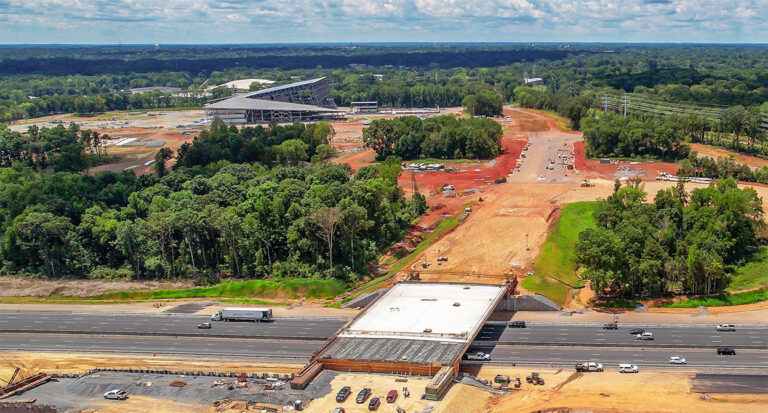
This is the exact same parcel that was supposed to become the Carolina Panthers’ $800+ million practice facility and headquarters.

The Panthers Fiasco — Christi Cox’s Central Role and Costly Failure

In 2020–2022, York County Council Chairwoman Christi Cox was one of the most vocal and active supporters of the Panthers project to be built in her district. Under her leadership, the County approved massive tax incentives and infrastructure commitments. When the deal began collapsing in early 2022 over Rock Hill’s failure to deliver promised bonds, Cox issued public statements insisting York County had “performed all of its obligations in good faith” and would “take all necessary measures to protect the taxpayers.”

York County and Rock Hill poured massive public resources into that project. When it collapsed in 2022, York County sued Tepper’s development entities and ultimately recovered $21 million in a settlement. But the true cost to taxpayers was far higher: forgone tax revenue, hundreds of millions in promised infrastructure, years of legal battles, demolished buildings, and a shattered reputation for economic development competence. The fiasco left local governments with empty land, broken promises, and a lingering financial hangover.

Same Playbook, New Code Name

Now the same piece of land is being quietly shopped again — this time under the code name “Project Palmetto Rock.”

This is part of a disturbing pattern in the region. Silfab Solar’s controversial chemical manufacturing facility in Fort Mill was originally hidden behind the code name “Project Mountie.” The massive QTS data center project was known internally as “Project Cobra.” Each time, local officials have used confidential code names to shield major deals from public scrutiny.

While Rock Hill handles this latest mystery buyer, York County — still led by Chairwoman Christi Cox — continues to demonstrate the same troubling approach to major projects.

Cox and County Manager Josh Edwards ignored the law to push forward Silfab’s toxic chemical factory directly next to elementary and middle schools, with their staff issuing all permits to Silfab after the Board of Zoning Appeals ruled their use prohibited in the Light Industrial district.

At the same time, the county’s proposed 2027 budget is now ballooning to $560 million – filled with wasteful hires, redundant items, and overpriced studies — while nearby Greenville County, with nearly double the population and a higher population growth rate, operates on a significantly leaner budget at less than half per capita.

The pattern is unmistakable. Whether it was the Panthers headquarters collapse, the continued defense of Silfab’s unlawful operations, the mishandling the QTS data centers, or the current push for a significantly more bloated budget, Chairwoman Christi Cox has repeatedly been at the center of decisions that prioritize big promises and insider deals over transparency, fiscal restraint, and public safety.

York County residents have already paid a steep price for the Panthers fiasco. With another secret code-name deal unfolding on the exact same ground — and the same leadership still in charge — taxpayers have every reason to demand full transparency and accountability before more public money and community trust are put at risk.