6 Modern Dining Chairs to Upgrade Your Space

0

There are a lot of different kinds of modern dining chairs. You can choose from various styles, materials, and builds. But as you can see, the best thing about dining chairs is that people still love more traditional styles from years ago. And there are a lot more kinds of them than ever before. 

So, if you want to upgrade your space, here are a variety of classic yet modern dining chair styles and trends to inspire you.

1. Barrel Chairs

These barrel-shaped chairs with side panels are great for having dinner conversations in a huddle, even if the table is in a room full of people. Plus, they can be used as extra seats in the living room for watching movies. These chairs are also great for a cozy setting with family and friends.

2. Bistro Chairs And A Bench

Consider a modern eating table with chairs and a bench that looks like it belongs in a café or restaurant. This dining chair can even be the right place to eat in a corner or have brunch outside.

The setup requires only a few sleek side chairs and upholstered seats. Of course, make one of the walls stand out to get the full cafe look. If you’re outside, some plants in pots will make great company.

3. Ladder-Back Modern Dining Chairs

Ladder-back chairs were always in style. There are still a lot of homes that are made of wood. That being said, if you don’t like wood furniture, these chairs come in metal, too. The finish is just as beautiful, and you can choose between several materials for the seat, such as:

  • Solid wood;
  • Plywood; or
  • Cushion.

To keep the look consistent, it would be best if the table and chairs were made of the same material.

4. Mid-Century Modern Dining Chairs

You can’t go wrong with mid-century modern dining chairs if you want your dining area to feel retro. Most of the time, these chairs are made of metal and wood together. They also come in many different colors and designs.

Chairs from the mid-20th century look great in a modern dining room. You can pick chairs with a dark, shiny finish or chairs with a more casual wood-grain finish.

Also, mid-century modern chairs are very useful, which is great if you have a lot of dinner parties. These chairs usually have wide seats and backs that support you. This design makes them more comfortable to sit in and easier to get in and out of.

Overall, mid-century modern chairs are a good choice for those who want a retro look in their dining room but don’t want to buy retro furniture. 

5. Modern Slat Back Wooden Chairs

Wood furniture isn’t out of date in any way. So, choose upholstered slat-back chairs for your dining room. Because you can choose the material for the upholstery, you can make it as simple and comfy or fancy as you like. The chairs look old-fashioned because the backs are made of wood.

To finish off the look, buy a nice wooden table in either a farmhouse eating style or a more modern style.

6. Retro Dining Chairs

Retro dining chairs are a great way to make your dining area look like it’s from an old movie. Most retro dining chairs are made of leather, cloth, or wood. They usually look old and come in lots of different colors and patterns.

Choose wooden chairs to go with your retro wooden eating table. This option will make the two pieces of furniture look good together.

In the same way, metal chairs would look best with a metal retro eating table. Classic materials like wood or marble can make retro dining chairs. Leather or silk are also classic materials that can be used to make retro dining chairs.

If your retro dining table is made of a modern material like plastic or stainless steel, you can choose retro dining chairs made of classic leather or wood.

Design Your Dream Dining Room

With all these amazing ideas you can apply for your dining area, you need a trusted furniture shop where you can buy the ideal dining chair you need. Check out B2C Furniture’s dining chairs for various high-quality and affordable pieces. Now, you can finally achieve the dining area you always wanted.

5 Best Ways to Take Care of Your Skin

0

Many struggle to learn how to care for their skin by following complex steps. But did you know that a simple, regular treatment plan can help you look and feel your best? Yes, it is possible not to spend hours every morning and evening to get healthy, beautiful skin as long as you follow the right ways.

So, in this blog post, you will learn about five easy steps to better care of your skin.

1. Know Your Skin Type

Knowing skin types is a simple way to know how your skin reacts to different products and make skincare suggestions that are right for you. Your skin care practice should be based on one of these five categories:

Normal

When someone’s skin is normal, it’s not too dry, oily, or sensitive. Instead, it has the right amount of oil production, a healthy barrier, and skin with the same color and structure all over. Most cosmetics and skin care products will work without irritating your face if you fall under this category.

Dry

If you have drier or drier patches that won’t go away, you have a dry skin type. Dry skin can be rough, flaky, or scaly, and the dry spots can make the skin tone uneven. Some cosmetics and skin care products can dry out the skin even more, so it’s important to pick ones that protect and hydrate the skin.

Oily

This skin type occurs when the body makes too much sebum or oil, making the skin look greasy or shiny. People with oily skin may also have pores that are too big and stand out. Moisturizing products can increase breakouts, but insufficient moisture can cause the body to produce more sebum, making the skin oilier.

Combination

The combination type will have both oily and dry spots. Many see this as a sticky “T-zone” (forehead, nose, and chin) and dry cheeks and spots in other places. The goal of skin care for people with mixed skin is to find balance. That could include using spot treatments on areas that are dry or oily.

Sensitive

People with sensitive skin types can have oily, dry, mixed, or balanced skin. Their skin reacts differently to beauty and skincare items, which makes them different. Also, people with sensitive skin may react more strongly to new products.

Even mild soaps, moisturizers, and other products can cause breakouts, rashes, inflammation, and other problems if you have sensitive skin. That’s why it is best to slowly add new products and try treatments on small parts of your skin before using them on larger areas.

2. Recognize and Treat Chronic Skin Health Issues

Knowing your skin type and how it affects your skincare routine is important, but you should also consider any long-term skin problems. Skin conditions like acne, eczema, rosacea, and psoriasis can make skincare products less effective. Knowing how these conditions affect your skin will help you figure out how to best take care of it daily. 

When making your ideal skincare plan, you should consider how to treat long-term conditions. That way, you will know if you must use different types of makeup and skincare products or add spot treatments to deal with specific problems.

3. Maintain a Healthy Lifestyle

You should also take steps to improve or keep your overall health and well-being if you want to achieve healthy skin. This practice should include eating a balanced diet, drinking water, working out daily, staying out of the sun as much as possible, and reducing stress.

As a result, your face and body will get the oxygen and nutrients they need to stay healthy. Likewise, skin will lose the nutrients needed to stay healthy if you don’t exercise, eat well, stay hydrated, smoke, or do other bad things to your body.

A healthy lifestyle will also help you keep your blood flowing well. When blood flow increases, blood vessels and veins can get bigger and stand out more under the skin. This process can also cause redness and swelling. Poor circulation can also cause less blood flow, making you look pale, your skin dry, and your cells not turn over as quickly.

4. Follow a Simple Skincare Routine

Keep your daily skincare routine as simple as possible. Your skin type and any long-term conditions you’re managing should help you choose which products to use, but your general skincare routine should be easy.

If a routine gets too complicated, most people won’t follow it, and consistency is the most important part of any skincare practice. And most likely, a simple skincare routine will work best if you have the right products to use. Shop Skinstitut at ActiveSkin to transform your basic skin care regimen.

5. Regular Visit to Your Dermatologist

Going to a dermatologist for a skin checkup should happen at least once a year. If you are more likely to get skin cancer or have a skin condition that doesn’t go away, these visits are even more important. But a regular visit to your doctor will help prevent many skin health problems, lower your risk for others, and treat skin conditions as soon as they appear.

Give Your Skin the Proper Care it Needs

The skin is the largest organ in your body and protects you from germs, dirt, and other everyday threats. Since it has such an important job, taking good care of your skin is a major part of protecting your overall health. So, invest in good quality products and give your skin the proper care it deserves.

8 Tips on How to Choose an Ottoman

0

When it comes to enhancing the comfort and aesthetics of your home, choosing the right furniture is key. Often overshadowed by other furniture, an ottoman is a versatile addition that can serve various purposes. 

The right ottoman can be a game-changer in your living space from extra seating to storage and even as a coffee table. To help you pick the perfect one, here are eight tips that can make the selection process a breeze.

1. Understanding Your Needs

Identifying your purpose is the first step, as ottomans come in various shapes and sizes, each designed for a specific function. Identify if you looking for extra seating for guests, or need a spot to tuck away blankets and magazines. Take a moment to think about your needs before making a decision before you buy a random ottoman. Understanding your purpose will guide you to the right type of ottoman.

2. Find the Right Dimensions

When it comes to ottomans, size matters, so measure your space carefully to ensure a good fit. Consider the height of your existing furniture and the available floor space. An ottoman that complements the proportions of your room and other furniture pieces will create a harmonious look.

3. Style and Aesthetics

Matching your current home décor to the ottoman you’re planning to buy is crucial. Ottomans come in various styles, from classic to modern. Look at your existing décor and choose the one that complements it.

If your style is more traditional, opt for classic designs. For a modern vibe, go for sleek and contemporary ottomans. A cohesive look ties your room together, creating a visually pleasing atmosphere.

4. Material Selection

The material of your ottoman is significant to its durability and appearance. Consider your lifestyle when choosing between durable fabrics and luxurious upholstery. If you have kids or pets, a sturdy and easy-to-clean fabric might be the way to go. On the other hand, if you’re aiming for a touch of luxury, plush upholstery can add a sophisticated feel.

5. Practical Considerations

Ottomans are practical with their storage. They can provide a discreet spot to keep your living room organized. Consider what items you might want to store – whether it’s extra blankets, magazines, or remote controls.

Additionally, think about mobility. Ottomans that are easy to move around can adapt to different needs and seating arrangements.

6. Quality and Craftsmanship

Assessing the build quality is crucial for long-term satisfaction. Give the ottoman a once-over to check for sturdy construction. A well-built ottoman will stand the test of time, ensuring you enjoy its comfort and functionality for years. Don’t be afraid to shake the furniture to test its stability gently.

7. Budget Considerations

Ottomans come at various prices, and while it’s tempting to go for the cheapest option, it’s crucial to consider quality. Sometimes, spending a little more upfront can save you money in the long run, as a well-made ottoman will likely last longer. Look for that ottoman deal where quality meets affordability.

8. Reviews and Recommendations

Always check for online reviews and ratings when buying furniture. Learn from the experiences of people who have already purchased the ottoman you’re considering.

Keep in mind that a balanced approach is key – one or two negative reviews among many positives might not be a deal-breaker. Consider reviews from different sources to get a well-rounded understanding.

Choose Your Perfect Ottoman Today!

Choosing the right ottoman involves a bit of thoughtful consideration. Armed with these tips, you’re ready to make an informed decision and select an ottoman that looks great and fits seamlessly into your home and lifestyle.

Types of Kratom Strains and Their Effects

0

Kratom is a popular herb used to potentially improve energy levels, focus, mood, and more. With up to 38 varieties of kratom strains available, it can be difficult to know how to select the right strain for you.

In this blog, we’ll explore the different types of kratom available and their effects on the body. From red-vein kratom to green-vein kratom to lesser-known strains like yellow and gold, we’ll cover it all. 

We’ll look into blends, exploring how they affect the body compared to single strains. Our guide will cover proper dosage, usage and debunking prevalent myths about kratom.

Additionally, we’ll offer insights on where to buy kratom online, ensuring access to top-quality strains for an optimal experience with this natural supplement.

Understanding Types Of Kratom 

Kratom varieties boast unique alkaloid profiles, leading to diverse effects. Strains like red, green, and white veins offer distinct benefits influenced by the leaf drying. Each type exhibits characteristic effects, catering to various user needs based on their alkaloid composition. Understanding kratom types involves acknowledging the different alkaloids present in each strain, contributing to their varied properties and applications.

Red Vein Kratom: Red vein kratom, originating from Southeast Asia, is sought after for managing physical pain and potential energy-boosting effects. Its unique characteristics make it a popular choice for chronic pain relief, with higher doses producing different effects than other strains. 

Renowned for alleviating withdrawal symptoms, red vein kratom, including maeng da and red Bali, offers diverse benefits. Exploring this type of kratom reveals its distinct nature and potential impact on the body.

Green Vein Kratom: Green vein kratom is popular for providing an energy boost and enhancing focus. Its alkaloid content contributes to unique effects on the body, catering to different energy levels and needs. 

Users also value its potential for managing pain and enhancing mood, though effects can vary based on personal preferences and body chemistry. The diverse variety of green kratom strains offers a range of benefits, making it a sought-after type of kratom.

White Vein Kratom: White vein kratom is known for its potential to boost energy and enhance focus. These strains offer distinctive effects with a unique alkaloid profile, appealing to different users. Users often favor white vein strains for managing physical pain. 

Each strain of white vein kratom offers varying effects, making them appealing to a wide range of users. The benefits of white vein kratom make it a popular choice among enthusiasts. For those interested in exploring white vein kratom options, Happy Go Leafy offers a diverse selection catering to different preferences and needs.

Yellow Vein Kratom: Yellow vein kratom appeals to users seeking a balanced experience, with effects catering to individual preferences. Its rising popularity is attributed to unique characteristics and distinctive alkaloid content, resulting in different experiences compared to other strains. Enthusiasts appreciate the varied benefits of yellow vein kratom, making it a sought-after type among users exploring different kratom options.

Gold Vein Kratom: Unraveling the Unique Effects of Gold Vein Kratom Promoting relaxation and tranquility, gold vein kratom offers a distinctive impact on mood and stress relief. Its alkaloid profile contributes to a calming and soothing experience, catering to individual preferences. With its potential benefits and unique effects, gold vein kratom stands out from other well-known strains, providing users with a different and enriching experience. Embracing the diverse world of kratom, enthusiasts are drawn to the distinct characteristics of gold vein kratom.

Choosing The Right Kratom Color Strain

Personal preferences and the potential benefits guide the selection of the appropriate kratom color strain. Each strain’s unique effects, influenced by different alkaloids, shape individual choices. Understanding the drying process of kratom leaves becomes vital as it defines strain characteristics.

For those looking to buy kratom, you can read the article from PGH city paper; the article comprehends where you can buy top-quality kratom. Considering the alkaloid content ensures users find the strain that best suits their needs based on the desired effects and characteristics.

Factors Influencing The Choice of Kratom Color

Personal preferences and body chemistry play a significant role when selecting a kratom color. Unique characteristics of different kratom strains result in varying products. The right strain depends on individual energy levels and pain relief needs. Different kratom strains offer varied effects based on vein color, catering to diverse user needs.

Body’s Response To Different Kratom Colors

The effects of kratom strains vary based on their alkaloid profile, offering unique benefits for users. It’s important to consider the potential advantages of different kratom strains, as their distinct characteristics directly impact the body. The choice of kratom color strain directly influences energy levels and provides relief from pain, ensuring a personalized experience for each user. Different kratom strains offer a diverse range of effects linked to vein color and alkaloid content.

Kratom Dosage and Usage

Understanding the correct serving size is vital for proper kratom dosage, considering personal preferences and body chemistry. Different kratom strains’ effects necessitate careful dosage consideration due to varied Mitragyna speciosa strains. Acceptable dosage practices are crucial for realizing the potential benefits of kratom.

Importance Of Kratom Dosage

Understanding the appropriate kratom dosage is crucial for maximizing its potential benefits. Users must determine the correct serving size to achieve their desired effects, whether managing energy levels or seeking pain relief. 

Different kratom strains require careful consideration of the suitable serving size, taking into account individual preferences and body chemistry. Adjusting the dosage based on these factors is essential for a personalized and effective kratom experience.

Usage Practice For Kratom

Understanding how personal preferences and energy levels impact kratom use is crucial. Establishing proper practices ensures effective management of discomfort and energy.

Different strains of kratom offer varied effects, demanding adjustments in usage for desired outcomes. Exploring the potential benefits of high-quality kratom capsules relies on comprehending recommended usage practices, which are pivotal for experiencing the diverse effects of distinct strains.

Conclusion: Where to Find Quality Kratom Strains?

When sourcing quality kratom strains, understanding the best vendors is crucial. Reputable suppliers and the American Kratom Association offer guidance on finding suitable strains. Different products like kratom powders and extracts provide various strains, each with its benefits. It’s essential to find quality strains to truly experience the potential benefits and effects of different types of kratom, ensuring a positive and safe experience with minimal side effects.

Understanding the different types of kratom and their effects on the body is essential for making informed choices. Each strain has its unique properties and benefits, whether it’s the relaxation and pain relief provided by red vein kratom, the energy and focus from white vein kratom, or the balance and mood enhancement of green vein kratom. 

Additionally, lesser-known strains like yellow and gold vein kratom offer their intriguing qualities. Kratom blends can also provide a personalized experience by combining different strains. It’s important to choose the right kratom color strain based on factors like personal preference and desired effects. Lastly, debunking myths and finding quality kratom strains from trusted sources ensures a safe and enjoyable experience.


The Impact of DeFi on Traditional Banking and Finance Models

0

Exploring the seismic shift in finance, this article delves into how Decentralized Finance (DeFi) is reshaping traditional banking models. We’ll uncover the transformative effects of DeFi, setting the stage for a new era in financial operations and services. Platforms like Turbo Investor are pivotal in bridging the gap between traditional finance and DeFi, offering automated tools for seamless integration.

Traditional Banking and Finance Models

The landscape of traditional banking and finance models is characterized by a well-established system rooted in centuries of economic evolution. Central to this model is the role of central banks and financial institutions that act as the linchpins of economic stability and growth. These entities primarily function under a centralized system, which means they hold significant control over monetary policies, credit distribution, and financial regulation.

One of the defining features of traditional banking is the reliance on physical infrastructures like branches and ATMs, which serve as points of access for customers. This physical presence underlines a system that, until recently, was predominantly offline, relying heavily on face-to-face interactions and paper-based transactions. Such an approach, while fostering a sense of security and trust among users, often leads to slower processes and higher operational costs.

The traditional finance model also emphasizes regulatory compliance and risk management, which are crucial for maintaining market stability and consumer confidence. These regulations, though necessary, often result in a complex web of compliance requirements that financial institutions must navigate. This complexity can sometimes stifle innovation and limit the speed at which new financial products and services are introduced to the market.

Another significant aspect of traditional finance is its exclusivity. Access to financial services has historically been tied to certain socio-economic conditions. This exclusivity leaves a considerable portion of the global population underbanked or entirely unbanked. Traditional banking models, with their stringent requirements for credit and documentation, often exacerbate this issue, creating barriers for many to access essential financial services.

Despite these challenges, traditional banking and finance models have been the backbone of economies worldwide, providing a sense of security and predictability for individuals and businesses alike. They have evolved to adopt new technologies and practices but at a pace that is often outpaced by emerging financial innovations such as DeFi. As we move forward, it becomes increasingly important to understand how these traditional models operate, the roles they play, and the challenges they face in an ever-evolving financial landscape.

Impact of DeFi on Traditional Finance

The advent of Decentralized Finance, commonly known as DeFi, has initiated a significant shift in the traditional financial landscape, bringing forth both disruptive and innovative changes. DeFi, leveraging blockchain technology and smart contracts, offers a stark contrast to traditional banking by proposing a system that operates without central authorities or intermediaries. This fundamental difference has profound implications for how financial services are accessed and delivered.

One of the most striking impacts of DeFi on traditional finance is the challenge it poses to the centralization of financial services. DeFi platforms enable users to execute financial transactions, including lending, borrowing, and trading, in a peer-to-peer fashion, significantly reducing the need for traditional financial institutions as intermediaries. This shift not only democratizes financial services, making them more accessible to a broader range of people but also enhances efficiency by reducing transaction times and costs.

Moreover, DeFi introduces a level of transparency and security that is unprecedented in traditional finance. With transactions recorded on immutable blockchains, DeFi ensures a higher degree of transparency and traceability. This is a stark contrast to the often opaque operations of traditional banking systems, where customers typically have limited visibility into the inner workings of financial transactions and policies.

The innovation brought about by DeFi is also reshaping the investment landscape. Traditional investment products are being challenged by new DeFi offerings, which often provide higher returns and more flexibility. However, these come with their own set of risks, including market volatility and regulatory uncertainties, which are areas where traditional finance, with its established regulatory frameworks, still holds an advantage.

Despite these innovations, DeFi is not without its drawbacks. The nascent field faces challenges around regulatory compliance, scalability, and security concerns. These issues present significant hurdles that need to be overcome for DeFi to achieve widespread adoption.

Conclusion

In conclusion, DeFi’s emergence signifies a pivotal change in the financial landscape. It challenges traditional banking norms, paving the way for more inclusive, efficient financial systems. This evolution marks a critical juncture in the history of banking and finance.

Understanding South Korea’s Cryptocurrency Boom: The Impact of Bitcoin

0

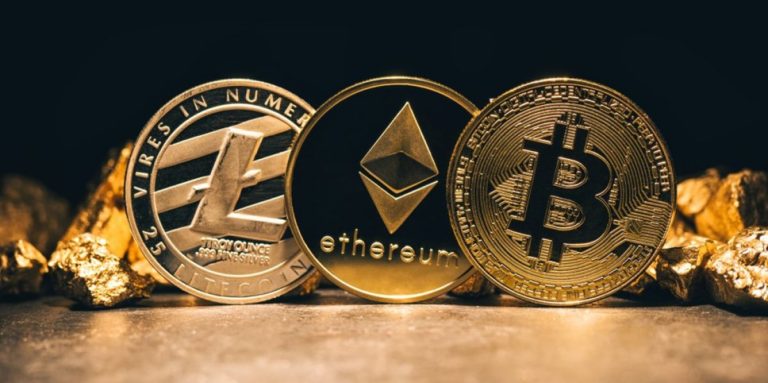
In recent years, South Korea has emerged as a vibrant hub for Bitcoin enthusiasts and investors. This article delves into the factors that have propelled Bitcoin’s popularity in the country, examining key players and influencers who have played a pivotal role in shaping the South Korean Bitcoin scene. One can easily invest in the bitcoin crypto at Voltix Edge by using this method because there is a simple buying process, and nothing much formality is needed in it. 
Bitcoin’s Popularity in South Korea

Bitcoin’s popularity in South Korea can be attributed to several key factors. Firstly, its decentralized nature and the promise of financial autonomy have resonated with many South Koreans. In a region historically dominated by traditional financial institutions, Bitcoin offered an alternative that allowed individuals to have greater control over their assets and transactions.

Secondly, the potential for significant profits has drawn many South Korean investors into the Bitcoin market. The allure of substantial returns on investment in a relatively short period has been a driving force behind its popularity. South Koreans, known for their tech-savvy nature and strong interest in investment opportunities, eagerly embraced Bitcoin as a means to achieve financial gains.

Another contributing factor is the role of social influence. Prominent South Korean figures and celebrities have openly endorsed and invested in Bitcoin. Their endorsements have not only validated the cryptocurrency but have also encouraged wider adoption among the general public.

Moreover, South Korea’s robust technology infrastructure played a crucial role in Bitcoin’s popularity. The country boasts one of the fastest internet speeds globally and a high smartphone penetration rate, making it easier for South Koreans to access and trade cryptocurrencies on various platforms.

Furthermore, Bitcoin’s accessibility and ease of use through mobile apps and online platforms have made it convenient for South Koreans to enter the market. These user-friendly interfaces have removed barriers to entry, attracting a broader demographic of investors.

Lastly, Bitcoin’s global recognition and acceptance have given it credibility in South Korea. As an internationally recognized cryptocurrency, Bitcoin enjoys a level of trust that has led South Koreans to view it as a legitimate and viable investment option.

Key Players and Influencers in the South Korean Bitcoin Scene

South Korea’s Bitcoin scene has witnessed the emergence of several key players and influencers who have significantly shaped and propelled the adoption of Bitcoin in the country. One notable figure is Kimchi Premium, a term used to describe the phenomenon where Bitcoin’s price in South Korea exceeds its global market price. This occurrence has drawn attention to the South Korean Bitcoin market and has made headlines worldwide.

Bithumb and Upbit are two of the largest cryptocurrency exchanges in South Korea, playing pivotal roles in facilitating Bitcoin trading and investments. Bithumb, in particular, is often considered a pioneer in the South Korean cryptocurrency space. These exchanges have not only provided a platform for trading but have also initiated educational campaigns to promote cryptocurrency awareness.

In the educational domain, Hyundai Digital Asset Company has made significant contributions. This organization has been actively involved in educating the public and institutions about cryptocurrencies and blockchain technology. Their efforts have played a crucial role in demystifying Bitcoin and blockchain for a broader audience.

Hashed, a prominent blockchain venture capital firm based in South Korea, has been instrumental in funding and supporting innovative blockchain and Bitcoin-related projects. Their investments have not only driven technological advancements but have also inspired others to explore the potential of Bitcoin.

Additionally, JH Kim, a well-known Bitcoin advocate and entrepreneur, has been actively promoting Bitcoin through various media channels. His educational initiatives and advocacy work have helped raise awareness and understanding of Bitcoin in South Korea.

Simon Kim, another influencer in the South Korean Bitcoin scene, is the CEO of Hashed, mentioned earlier. He is widely recognized for his contributions to the blockchain and cryptocurrency ecosystem in South Korea and has played a key role in shaping the industry’s narrative.

The South Korean Bitcoin scene has seen the rise of key players and influencers like Kimchi Premium, cryptocurrency exchanges such as Bithumb and Upbit, educational organizations like Hyundai Digital Asset Company, venture capital firms like Hashed, and individuals like JH Kim and Simon Kim. These figures and entities have collectively contributed to the growth and development of Bitcoin in South Korea, making it a significant part of the country’s financial landscape.

Conclusion

The South Korean Bitcoin phenomenon is a testament to the cryptocurrency’s global impact. With a unique blend of technological infrastructure, financial innovation, and influential figures, South Korea has become a dynamic player in the Bitcoin ecosystem, exemplifying the transformative power of this digital currency.

Key Financial Health Metrics Beyond Crypto Market Capitalization

0

Discover the multifaceted world of cryptocurrency beyond mere market capitalization. This article delves into essential financial health metrics, offering insights into the nuanced valuation and stability of digital currencies. Take the first step towards successful Bitcoin trading by immersing yourself in the resources and opportunities available at https://bitcoinscode.org/, where traders of all levels can excel.

Key Financial Health Metrics Beyond Market Cap

When assessing the financial health of cryptocurrencies, it is crucial to look beyond the commonly cited market capitalization. Market capitalization, while a useful indicator of a cryptocurrency’s market value, does not paint a complete picture of its financial health and stability. There are several other metrics that provide a deeper understanding of a cryptocurrency’s performance and potential.

Trading volume is one such metric. It refers to the total number of coins that are traded (bought and sold) within a specific period. A high trading volume generally indicates a strong market interest, which can be a sign of liquidity and a healthy, active market. However, it’s important to consider the context; for instance, a sudden spike in trading volume could also signal panic selling or speculative trading.

Liquidity is another critical metric, closely related to trading volume. It measures how easily a cryptocurrency can be bought or sold in the market without affecting its price. High liquidity suggests that there is a stable demand and supply, making it easier for investors to enter or exit positions. Low liquidity, on the other hand, can lead to price volatility and may pose a risk for investors, especially in situations where large orders can significantly impact the market price.

Speaking of volatility, this is a metric that cannot be overlooked in the crypto world. Cryptocurrencies are known for their high volatility, which refers to the frequency and magnitude of price changes. Understanding and managing volatility is essential for investors, as it affects both the risks and opportunities in the market. While high volatility can offer substantial gains, it also comes with increased risk.

Additionally, on-chain metrics offer valuable insights into the operational aspect of cryptocurrencies. These include the number of active addresses, transaction counts, and network usage. A high number of active addresses and frequent transactions typically indicate a healthy network with active usage, which can be a positive sign for the cryptocurrency’s adoption and long-term value.

Each of these metrics contributes to a more comprehensive understanding of a cryptocurrency’s financial health, beyond what market capitalization alone can reveal. They provide investors with the tools to make more informed decisions, considering not just the market value, but also the underlying factors that drive and sustain it. By analyzing these metrics collectively, investors and analysts can gain a more nuanced view of the cryptocurrency market, leading to better investment strategies and a deeper appreciation of the complex dynamics at play in the world of digital currencies.

Evaluating Crypto Projects

Evaluating crypto projects requires a multi-dimensional approach, considering a range of factors beyond the basic metrics of market capitalization or coin price. The process involves a deep dive into both the technical and community aspects of the project, along with an assessment of its compliance with regulatory standards and security protocols.

At the heart of any crypto project lies its technology. This includes the blockchain infrastructure, consensus mechanisms, scalability solutions, and any innovative features that set it apart from competitors. A robust and scalable technology indicates the project’s potential for long-term viability and success. Investors and analysts often scrutinize the whitepaper and development roadmaps to understand the technical prowess and future plans of the project.

The community around a crypto project is equally important. A strong, active community not only supports the currency through various market phases but also contributes to the project’s development, often providing feedback, testing new features, and promoting the project. The size and engagement level of the community can be gauged through social media presence, participation in forums, and activity on development platforms like GitHub.

Regulatory compliance is another crucial aspect. As the crypto market evolves, so do the regulations governing it. Projects that proactively adhere to regulatory standards are generally viewed as more trustworthy and stable in the long term. This compliance ensures investor protection and reduces the risk of abrupt disruptions due to legal issues.

Security is paramount in the world of cryptocurrencies. The project’s approach to security, history of any breaches or vulnerabilities, and the measures taken to address them are key indicators of its reliability. A strong security protocol not only protects investors’ assets but also builds trust in the project’s capability to safeguard against future threats.

Conclusion

Beyond market capitalization lies a rich landscape of financial indicators vital for understanding cryptocurrency. Embracing these metrics illuminates the deeper dynamics of crypto markets, paving the way for informed investment and analysis.

The Potential of Bitcoin (BTC) Ordinals

0

Exploring the dynamic world of Bitcoin Ordinals unveils a transformative phase in digital assets. This article delves into the innovative potential, challenges, and impacts of Bitcoin Ordinals, offering insights into their evolving role in finance, technology, and art. Several platforms, such as Immediate Circuit, provide a convenient and secure way for you to trade Bitcoin effortlessly.

Exploring the Multifaceted Opportunities of Bitcoin Ordinals Across Diverse Sectors

The advent of Bitcoin Ordinals has opened a new realm of possibilities, extending far beyond the traditional boundaries of finance. This innovative concept in the world of cryptocurrency is not just a financial tool; it represents a significant evolution in how technology, art, and various industries can interact with digital assets.

In the financial sector, Bitcoin Ordinals introduce a unique way to tokenize assets on the Bitcoin blockchain. This approach provides a more secure and transparent method for asset management, allowing for the creation of digital tokens that represent real-world assets like stocks, bonds, or even physical goods. This digitization paves the way for more efficient and accessible financial markets, where transactions can be executed swiftly and with greater transparency.

The technology sector stands to benefit immensely from Bitcoin Ordinals. As blockchain technology continues to evolve, the integration of Bitcoin Ordinals offers a robust framework for developers. They can now build decentralized applications (dApps) with enhanced functionality and reliability. This advancement heralds a new era of blockchain development, where the immutable nature of Bitcoin’s blockchain can be leveraged to create more secure and resilient systems.

In the realm of art and creativity, Bitcoin Ordinals have emerged as a groundbreaking tool. Artists and creators can use these ordinals to tokenize their works, ensuring authenticity and ownership in the digital space. This tokenization revolutionizes the way art is bought, sold, and collected, opening up new avenues for artists to monetize their work and for collectors to invest in digital art with verified provenance.

Across these sectors, Bitcoin Ordinals stand as a testament to the ever-evolving landscape of digital assets. They are not just a new form of cryptocurrency; they are a gateway to a more interconnected and efficient digital ecosystem. As the world continues to embrace digital transformation, Bitcoin Ordinals offer a glimpse into a future where finance, technology, and art coalesce seamlessly, driven by the power of blockchain technology.

Navigating the Complex Challenges and Limitations of Bitcoin Ordinals Adoption and Implementation

While the potential of Bitcoin Ordinals is vast, their adoption and implementation come with a set of challenges and limitations that must be carefully navigated. These hurdles are not just technical but also encompass regulatory, market, and practical aspects that impact the broader acceptance and utility of Bitcoin Ordinals.

One of the primary challenges is the technological complexity inherent in Bitcoin Ordinals. The integration and management of these digital assets require a deep understanding of blockchain technology and its nuances. This complexity can be a barrier for both individuals and organizations that lack the technical expertise or resources to effectively engage with Bitcoin Ordinals. As a result, there’s a risk of creating a divide where only a select few with advanced technical knowledge can fully utilize the potential of these digital assets.

Another significant hurdle is the regulatory landscape surrounding Bitcoin and cryptocurrencies in general. Governments and financial institutions worldwide are still grappling with how to regulate digital currencies. This uncertain regulatory environment can create challenges for those looking to adopt Bitcoin Ordinals, as they may face legal and compliance issues. The lack of clear guidelines and the potential for future regulatory changes can deter individuals and organizations from fully committing to the adoption of Bitcoin Ordinals.

Market volatility is an inherent characteristic of cryptocurrencies, and Bitcoin Ordinals are not immune to this. The fluctuating value of Bitcoin can directly impact the stability and attractiveness of Bitcoin Ordinals as a digital asset. This volatility can discourage investment and utilization, especially for purposes that require a stable value, such as in traditional financial transactions or in the valuation of digital art.

Additionally, there’s a practical challenge in terms of scalability and integration with existing systems. As Bitcoin Ordinals grow in popularity, the need for scalable solutions that can handle increased transaction volumes becomes critical. Moreover, integrating these digital assets into existing financial, technological, and artistic ecosystems requires substantial effort and adaptation, which can be a daunting task for many.

Conclusion

Bitcoin Ordinals stand at the forefront of digital asset innovation, presenting both remarkable opportunities and significant challenges. Their successful integration across various sectors will not only redefine digital transactions but also shape the future landscape of blockchain technology and digital ownership.

DeFi Yield Farming: Strategies for Maximizing Returns

0

DeFi Yield Farming is revolutionizing finance, offering a novel way to earn returns on crypto assets. This article delves into effective strategies to optimize your earnings in this dynamic, decentralized finance landscape. In addition to yield farming tactics, traders are turning to automated bots like Bitcoin Bot for increased decision-making capabilities.

Strategies for Optimizing Returns in DeFi Yield Farming

Maximizing returns in DeFi Yield Farming requires a blend of strategic insight and a deep understanding of the DeFi ecosystem. Yield Farming, at its core, is about optimizing the allocation of assets to earn the highest possible returns, often in the form of interest, fees, or new tokens. It’s an environment where opportunities can be as fleeting as they are lucrative, demanding both vigilance and agility from participants.

One effective strategy is asset diversification. By spreading investments across different DeFi platforms and liquidity pools, farmers can mitigate risks associated with any single platform or asset. Diversification not only balances the risk but also allows investors to capture a wider range of opportunities that arise within different sectors of the DeFi space.

Another key strategy is the careful analysis of reward mechanisms and tokenomics. Yield Farming rewards can vary significantly from one protocol to another. Understanding how these rewards are structured – whether through high-interest rates, token distribution, or fee-sharing mechanisms – is crucial. Farmers should also be cognizant of the tokenomics of any reward tokens received, as these can significantly impact the overall profitability of their farming activities.

Engaging in yield optimization platforms can also enhance returns. These platforms automatically move users’ funds between different lending protocols or liquidity pools to chase the highest yields. While this strategy can offer higher returns, it also comes with its own set of risks, including smart contract vulnerabilities and fluctuating interest rates.

Another advanced strategy involves the use of leveraged yield farming, where farmers borrow additional assets to increase their farming position, thereby potentially magnifying their returns. However, this approach significantly increases risk, particularly the risk of liquidation if the market moves unfavorably. Therefore, it should be approached with caution and a thorough understanding of the market dynamics.

Finally, staying informed about the latest developments in the DeFi space is crucial. The DeFi ecosystem is rapidly evolving, with new platforms and strategies emerging regularly. Keeping abreast of these changes can provide yield farmers with early access to high-yield opportunities and allow them to avoid areas that are becoming oversaturated or declining in profitability.

Advanced Yield Farming Techniques

One such technique is leveraged yield farming. This method involves borrowing additional assets to increase the size of the investment in a yield farming opportunity. By doing so, farmers can earn more on their larger stake than they would on their initial capital alone. However, this comes with increased risk, especially in volatile market conditions. 

Automated yield farming is another advanced technique. Here, farmers use automated strategies, often implemented through smart contracts or specialized bots, to move assets between different farming opportunities. These automated systems are designed to optimize yield by constantly scanning the DeFi ecosystem for the most profitable farming options and reallocating assets accordingly. This method requires a robust understanding of different protocols and trust in the algorithm’s ability to make profitable decisions. It also requires awareness of the risks associated with smart contract failures or exploits.

Another technique is utilizing synthetic assets or derivatives in yield farming. These financial instruments can replicate the performance of other assets while offering additional flexibility and exposure to different markets without actually holding the underlying assets. Farmers can use these synthetic assets to gain exposure to assets or markets that might otherwise be out of reach, either due to capital limitations or platform restrictions. However, synthetic assets can be complex and require a thorough understanding of how they function and the risks involved.

Lastly, cross-platform yield farming involves leveraging the opportunities across multiple DeFi platforms. This could mean farming on one platform, taking the rewards, and then staking them on another platform for additional yields. This method requires an extensive understanding of various platforms and the ability to swiftly maneuver funds to capitalize on the best opportunities. The risk here includes platform-specific risks and the overall complexity of managing positions across multiple platforms.

Advanced yield farming techniques are not for the faint of heart or inexperienced. They require a deep understanding of the DeFi space, risk management skills, and constant vigilance. While they offer the potential for higher returns, they come with increased exposure to market volatility and complex interactions between different DeFi protocols and instruments. As such, they should be approached with caution and a thorough understanding of the underlying risks.

Conclusion

In conclusion, Yield Farming in DeFi presents exciting, albeit complex, opportunities for maximizing returns. By strategically navigating this innovative domain, investors can unlock substantial rewards in the ever-evolving world of decentralized finance.

The Scaling Debate: Bitcoin vs. Bitcoin Cash

0

We aim to unravel the complexities behind these two leading cryptocurrencies. The debate between Bitcoin and Bitcoin Cash brings to light the role of automated trading platforms like Profit Edge in navigating market changes.

Understanding Block Size Limits in Bitcoin and Bitcoin Cash

Originally, Bitcoin was designed with a block size limit of 1 megabyte (MB). This limit was implemented as a security measure to prevent spam attacks on the network. However, as Bitcoin grew in popularity and the number of transactions increased, this limit led to slower transaction times and higher fees, especially during times of peak demand.

In response to these challenges, a faction within the Bitcoin community advocated for increasing the block size. They argued that a larger block size would allow more transactions per block, reducing fees and improving transaction speeds. This perspective led to the birth of Bitcoin Cash in August 2017. Bitcoin Cash differed from its predecessor by increasing the block size limit to 8 MB, with the capability to further expand to 32 MB. 

Critics of larger block sizes argue that it could lead to centralization, one of the core issues Bitcoin aims to avoid. Larger blocks require more computational power to process, potentially favoring larger mining operations and discouraging smaller participants due to increased costs and resource requirements. This centralization risk poses a significant concern, as it could lead to a handful of players having disproportionate control over the network.

Bitcoin, on the other hand, has sought to address scalability issues through different means, most notably through the implementation of the Segregated Witness (SegWit) protocol and the development of the Lightning Network. SegWit helps in optimizing the space within each block, while the Lightning Network is designed as a second-layer protocol to facilitate faster and cheaper transactions off the main Bitcoin blockchain.

Transaction Speed and Fees: A Comparative Analysis

Bitcoin, with its 1 MB block size limit, often experiences slower transaction times, particularly during periods of high network congestion. This slower speed is because the limited block size can only accommodate a certain number of transactions per block, creating a backlog when transaction volumes are high. 

Bitcoin Cash, with its larger block size limit of up to 32 MB, addresses this issue directly. The increased block size allows for more transactions to be processed in each block, reducing the likelihood of backlogs. Consequently, transaction times on the Bitcoin Cash network are generally faster, especially when compared to Bitcoin during times of congestion. Moreover, the larger block size often results in lower transaction fees on the Bitcoin Cash network, as the capacity to process a higher volume of transactions reduces the need for competitive fee bidding.

However, it’s important to note that Bitcoin’s transaction speed has been partially alleviated by the implementation of the Segregated Witness (SegWit) protocol and the Lightning Network. SegWit increases block capacity by optimizing the space each transaction takes up within a block, while the Lightning Network allows for instantaneous transactions off the main blockchain, significantly speeding up the process for small and regular transactions.

In terms of fees, while Bitcoin Cash generally offers lower fees due to its larger blocks, Bitcoin’s Lightning Network can facilitate transactions with minimal fees, making it highly competitive for small-scale transactions. The trade-off here is between the on-chain reliability and security of larger blocks (as with Bitcoin Cash) and the off-chain speed and efficiency of layer-two solutions (as with Bitcoin’s Lightning Network).

Security Implications of Different Scaling Approaches

The scaling approaches of Bitcoin and Bitcoin Cash have distinct security implications, each reflective of their underlying technical choices and philosophies. Bitcoin’s strategy, which primarily involves maintaining a smaller block size and implementing second-layer solutions like the Segregated Witness (SegWit) protocol and the Lightning Network, prioritizes security and network decentralization. The small block size ensures that individual nodes can easily process and store the entire blockchain, encouraging greater decentralization. 

On the other hand, Bitcoin Cash’s approach to scale by increasing the block size presents a different set of security considerations. Larger blocks allow for more transactions per block, which theoretically reduces the chance of network congestion and transaction backlogs. This approach improves user experience by ensuring faster transactions and lower fees. However, larger blocks also mean that the data each node must process and store is significantly larger. 

Furthermore, larger blocks can also mean longer propagation times across the network. This delay can increase the risk of a temporary fork as different parts of the network might work on different blocks simultaneously. While these forks are usually resolved quickly, they can pose a security risk if exploited by malicious actors.

Conclusion

In exploring Bitcoin and Bitcoin Cash, it’s evident that each offers unique solutions to scaling and security, reflecting diverse philosophies within the cryptocurrency world. Their continuous evolution underscores the dynamic nature of blockchain technology and its impact on digital finance.