

Evolution of NBA Team Strategies: A Comprehensive Overview

0

Basketball, at its core, seems straightforward enough – put the ball through the hoop more times than your opponent. But the strategies devised to achieve that simple goal have changed dramatically over the years. 

From the early days of rigid formations to today’s fluid and analytics-driven styles, the NBA is a constantly evolving showcase of innovation.  

Let’s dive into how the pursuit of championships has shaped the way the game is played.

The Early Days: Set Plays and Static Offenses

In the NBA’s formative years, offenses were highly structured. Coaches meticulously designed set plays, dictating every player’s movement. 

The focus was on individual skill, with stars like George Mikan dominating through post-ups and Bob Cousy dazzling with his ball-handling. Defenses were largely man-to-man, making it tougher to break down a well-drilled system.

The Rise of the Big Man and Defensive Dominance

While the fast break was exciting fans, another basketball evolution was taking place.  The league gradually saw a rise in the importance of dominant big men. With towering figures like Bill Russell, Wilt Chamberlain, and Kareem Abdul-Jabbar anchoring their teams, defensive strategies became paramount.

Teams such as the Bad Boy era Detroit Pistons gained notoriety with their intensely physical defense, designed to disrupt an opponent’s flow. Zone defenses, once rare, became more common, aiming to clog the paint and protect these shot-blocking giants.

The Rise of Fast Breaks and Showtime Basketball

The 1960s saw a shift towards pace. Teams like the Boston Celtics, led by Bill Russell, emphasized rebounding and sparking fast breaks. This opened up the floor for dynamic scorers like Wilt Chamberlain and Oscar Robertson.

In the 1980s, the Los Angeles Lakers took this up-tempo approach to its zenith with their “Showtime” era, where Magic Johnson’s no-look passes fueled a thrilling brand of basketball.

Individual Brilliance and Isolation Play

The 1980s not only brought electrifying fast breaks but also a resurgence of individual brilliance. Players like Larry Bird, Magic Johnson, and Michael Jordan possessed an uncanny ability to create their own shots.

This often led to isolation plays—clearing out space for a star scorer to go one-on-one against their defender. This style of play sometimes slowed the game’s pace, but the sheer shot-making ability of these legends captivated audiences worldwide.

The Rise of International Influence

The NBA’s growing global appeal in the 1990s and 2000s brought an influx of international talent, further diversifying the league’s strategic landscape. European stars like Dirk Nowitzki and Pau Gasol introduced a finesse-oriented style, emphasizing ball movement, pick-and-pop action, and their signature shot – Nowitzki’s iconic fadeaway. Hakeem Olajuwon, who hails from Nigeria, brought his extraordinary footwork and post moves to the league, inspiring a generation of big men.

This international wave didn’t just impact offensive tactics. Defensive stalwarts like Andrei Kirilenko (Russia) and Dikembe Mutombo (Democratic Republic of Congo) brought length and shot-blocking prowess, forcing teams to adjust their scoring strategies around the rim.

The Jordan Era and Triangle Offense Dominance

While fast breaks became a staple, the 1990s were marked by a return to more structured half-court offenses. The Chicago Bulls, guided by Phil Jackson’s triangle offense, utilized Michael Jordan’s unmatched isolation scoring ability. This system emphasized spacing, ball movement, and reading the defense, leading to six NBA titles for Jordan and the Bulls.

Analytics Revolution and the Three-Point Boom

The early 21st century witnessed the explosion of data-driven basketball. Teams like the Houston Rockets, under general manager Daryl Morey, embraced the three-pointer’s value far more than their contemporaries. 

This analytical approach prioritized shot selection based on efficiency, leading to a league-wide increase in three-point attempts. Stephen Curry and the Golden State Warriors took this strategy to the extreme, shattering three-point shooting records and revolutionizing offensive spacing.

Positionless Basketball and the Modern NBA

Today’s game has blurred the lines between traditional positions. Players are expected to be versatile, capable of handling the ball, shooting from outside, and defending multiple positions. Teams like the Milwaukee Bucks, powered by Giannis Antetokounmpo’s unique skillset, embody this shift. 

This fluidity makes offenses more unpredictable, with constant switching on defense forcing opponents to adapt on the fly. Fans interested in the latest Mavericks NBA odds are likely seeing how coaches adapt to new rules which continue to make the sport more dynamic.

Conclusion

The evolution of NBA team strategies is a thrilling microcosm of the enduring appeal of basketball. It’s a continuous cycle of innovation, adaptation, and the relentless search for a winning edge. From the methodical plays of the early days to the positionless fluidity of today, the game constantly challenges players, coaches, and fans to think in new ways.

As basketball’s global reach continues to expand, and data analysis becomes ever more sophisticated, the possibilities seem limitless. What strategies will shape the next era? Will we see entirely new offensive systems or mind-bending defensive tactics? 

One thing’s for sure: the quest to outsmart and outplay opponents will continue to drive the NBA forward, providing us with countless moments of brilliance and strategic ingenuity for years to come.


Planning Ahead: Key Considerations for Long-Term Aged Care

0

As the global population ages, long-term aged care becomes a pivotal concern for many families and individuals. Planning for this stage of life is crucial to ensure comfort and safety for older adults while managing the financial, emotional, and logistical challenges accompanying aging.  

This article explores critical considerations for long-term aged care, aiming to provide a comprehensive guide to navigate this complex process. Continue reading to learn more. 

Understanding aged care options 

The first step in planning long-term aged care is understanding the available options. These can range from in-home care services to residential aged care facilities that provide round-the-clock care in a dedicated setting.  

Each option has its benefits and drawbacks, and the choice often depends on the individual’s health status, personal preferences, and financial situation. 

In Australia, the aged care system offers various services designed to meet the different needs of its aging population. Here’s an overview of the primary senior care options available in Australia. 

  • Home care 

Home care packages or HCPs are government-funded packages that provide a range of care and services to help individuals with complex care needs to live independently in their homes for as long as possible. These services include personal care, support, nursing, allied health, and clinical services. 

Meanwhile, the Commonwealth Home Support Programme or CHSP are aimed at those who need minor assistance to live independently at home. The CHSP provides entry-level support services like domestic help, personal care, and meal services. 

  • Residential aged care 

Suppose you’re looking for Werribee aged care options that offer accommodation and care for those who can no longer live independently at home due to physical or cognitive impairment. In that case, you can find Residential Aged Care Facilities or RACFs. Services include full-time nursing care, personal care, and support with daily activities. 

You also have the respite care option, which is temporary care to provide relief for caregivers. It can be offered in the home, community, or residential aged care facilities. It’s designed to support both the individual and their primary carer. 

  • Flexible care 

One of the flexible care options is called transition care. It’s a temporary program that offers a package of services, including low-intensity therapy, to help older people after a hospital stay. This type of care is designed to improve independence and delay entry into residential aged care. 

There’s also Short-Term Restorative Care (STRC), an early intervention program aimed at reversing and slowing functional decline in older people and improving their well-being. 

  • Specialist aged care 

Many aged care services and facilities offer specialised care for individuals with dementia and serious illnesses, providing safe environments and tailored activities to support their needs and well-being. Dementia care and palliative care aim to improve the patient’s and their family’s quality of life. 

  • Community services 

Community services for aging adults include day programs, social support, and activities. These services are aimed at keeping older people active and socially connected. They can include social gatherings, outings, exercise programs, and more, often run through community centres or aged care providers. 

  • Indigenous aged care 

There are specific programs available that cater to the unique cultural and healthcare needs of Indigenous Australians, offering culturally appropriate care. 

  • Veterans’ care 

Specialised services are available for veterans and war widows/widowers, including home care, residential care, and respite care, often funded or subsidised by the Department of Veterans Affairs. 

The Australian Government’s My Aged Care website is the primary starting point for accessing these services, providing information, assessments, and referrals to help individuals and their families navigate the aged care system.  

Assessing needs and preferences 

A critical part of the planning process is assessing the future care recipient’s needs and preferences. This involves considering the level of care required—such as assistance with daily activities, medical monitoring, and support for dementia or other health conditions. It’s also essential to factor in personal preferences, such as the desire to live close to family members or in a specific community. 

Financial planning 

One of the most daunting aspects of long-term aged care is the cost. Financial planning is essential to ensure quality care is accessible when needed. This may involve exploring insurance options, government assistance programs, private savings, or a combination of these financial resources. Early consultation with a financial planner specialising in aged care can provide valuable insights into managing costs effectively. 

Legal and healthcare directives 

Legal planning is another crucial aspect, encompassing the creation of wills, powers of attorney, and healthcare directives. These documents ensure that the individual’s wishes regarding their care and financial affairs are respected, even if they cannot decide for themselves. Consulting with a legal professional experienced in elder law is advisable to navigate these complex issues. 

Emotional and social considerations 

The transition to long-term aged care can be emotionally challenging for both the individual and their loved ones. Open and honest communication about expectations, fears, and preferences can help ease this transition. Additionally, maintaining social connections and activities is vital for the emotional well-being of older adults, so considering the social aspects of aged care options is essential. 

Research and visit potential facilities 

Researching and visiting potential facilities is vital if a residential aged care facility is preferred. This allows families to assess the quality of care, the environment, and the staff, ensuring that it meets their standards and the elderly individual’s needs.

Needs and circumstances can change, so reviewing and adapting the care plan as necessary is essential. Also, staying informed about new aged care options can help ensure the care remains appropriate and effective.  

Conclusion  

Planning for long-term aged care is a multifaceted process that requires careful consideration of various factors. By understanding the available options, assessing needs and preferences, planning financially, addressing legal matters, considering emotional and social aspects, and conducting thorough research, individuals and families can make informed decisions that ensure comfort and dignity in the later stages of life. Early and thoughtful planning can alleviate many of the challenges associated with aging, providing peace of mind for everyone involved.

Sports Betting in the Heart of Charlotte

0

For many in North Carolina, the topic of sports betting is more than just a passing interest; it’s a way to engage with their favorite sports on a deeper level. Over recent years, the legal landscape around sports betting in NC has evolved, sparking lively discussions within the local sports community. This newfound interest is not just about placing bets but connecting with the games, teams, and players that Charlotte residents hold dear.

Introduction to the world of sports betting

Sports betting can seem daunting to step into for the first time. With terms like “odds,” “spreads,” and “parlays,” it’s easy to feel overwhelmed. At its core, sports betting is about predicting sports results and placing a wager on the outcome. The thrill comes from the research, the anticipation, and ultimately, watching the live action to see if your predictions turn into winnings. The growth of sports betting in North Carolina has opened up a vibrant community where novices and experts share tips, celebrate wins, and commiserate over losses. Whether you’re betting on a local Charlotte basketball game or an international soccer match, the experience enhances the fan’s engagement with the sport.

Beyond the excitement of game-day predictions, sports betting in Charlotte has created a buzz among sports aficionados, providing a new avenue for fans to showcase their knowledge and strategic thinking. Enthusiasts gather in local sports bars, participate in online forums, and create bustling communities where every point is spread, and money lines present a chance to display one’s acumen. As awareness and participation continue to grow, the sports fandom’s social fabric in Charlotte is woven with threads of anticipation and strategic prediction, making every game an opportunity for social and financial reward.

Analyzing the game: The role of analytics in betting

In Charlotte, where sports run deep in the city’s veins, the impact of analytics on sports betting cannot be understated. Gone are the days when gut feeling was the primary strategy behind placing a bet. Today, data analytics offers a rigorous approach to predicting game outcomes, evaluating player performances, and even gauging the mood of a team. For local enthusiasts, understanding these analytics is akin to learning a new language—the language of winning bets. Analytics bring a level of sophistication to predictions, transforming an amateur bettor into an informed one. By leaning into this new wave, Charlotte’s betting community is positioning itself at the forefront of the sports betting revolution.

Creating connections through fantasy leagues

Another dimension where sports betting shines in Charlotte is through fantasy leagues. Unlike traditional betting, fantasy sports allow fans to create their dream team and pit it against others in the league based on real-life performances. This format has proven immensely popular among Charlotte’s sports enthusiasts, offering a way to engage with sports betting that’s both competitive and social. Joining a fantasy league is more than just an exercise in sports knowledge; it’s an opportunity to connect with the community, to share in the triumphs and heartaches of sports, and to learn from one another in a spirit of friendly competition.

Bringing it all home: The future of sports betting in Charlotte

As the scene continues to flourish, the future of sports betting in Charlotte looks bright. The blend of analytics, fantasy sports, and traditional betting is crafting a new culture of sports enthusiasts—ones who are more engaged, knowledgeable, and connected than ever before. This evolution is more than just about winning bets; it’s about enriching the fan experience, fostering a sense of community, and celebrating the games and players that bring the city together. As sports betting continues to grow in North Carolina, it promises to transform how we bet and experience sports in our beloved Charlotte.

Rejuvenating Mature Skin for an Endless Even Glow

0

Welcome to our guide on achieving an endless even glow, specifically tailored for rejuvenating mature skin. As we age, our skin’s natural luminosity and texture can change, but with the right care and knowledge, a radiant, even-toned complexion is still within reach. 

This article is dedicated to unveiling the secrets and techniques to revive and maintain the beauty of mature skin. From nourishing skincare routines to lifestyle tips that enhance skin health, we’re here to help you embrace your skin’s transformation with confidence and grace. Join us as we explore the art of sustaining an even glow at any age.

Mature Skincare Routine

When it comes to mature skin, a specialized skincare routine is vital to maintain its health and enhance its natural beauty. As we age, our skin requires more nurturing and targeted care. 

Start with a gentle cleanser that won’t strip your skin of its natural oils but effectively removes impurities. Follow this with a hydrating toner, which can help balance the skin’s pH levels and prepare it for the next steps in your routine. The heart of mature skincare lies in the use of serums and moisturizers. Look for products containing ingredients like hyaluronic acid, which provides deep hydration, and retinol, renowned for its age-defying properties. These ingredients can help reduce the appearance of fine lines and improve skin texture, bringing back that youthful even glow.

Don’t forget to incorporate an eye cream, as the skin around your eyes is thinner and more delicate, requiring extra care. In the morning, a moisturizer with SPF is essential to protect your skin from harmful UV rays, which can accelerate aging. In the evening, a richer, nourishing moisturizer can work wonders while you sleep. It’s during these nighttime hours that your skin undergoes most of its repair and regeneration, so this is the time to use products that support these natural processes. Lastly, remember to exfoliate regularly but gently. 

Mature skin benefits greatly from exfoliation as it helps remove dead skin cells, promoting cell turnover and enhancing skin radiance. However, choose a product that is not too abrasive to avoid irritation. With this tailored approach to skincare, mature skin can retain its health, moisture, and that coveted even glow.

Mature Lifestyle Tips

Adopting a lifestyle that supports the health of mature skin goes a long way in maintaining its radiance and even glow. First and foremost, staying hydrated is key. Drinking plenty of water throughout the day helps keep the skin hydrated from the inside, promoting a healthy, dewy appearance. Incorporating a balanced diet rich in antioxidants, vitamins, and omega-3 fatty acids can also do wonders for your skin. Foods like berries, leafy greens, nuts, and fatty fish not only nourish your body but also provide the nutrients essential for maintaining skin elasticity and fighting off signs of aging. 

Regular exercise is another pillar of a healthy lifestyle for mature skin. Physical activity boosts circulation, delivering more oxygen and nutrients to your skin while helping to flush out toxins. This can lead to a brighter, more even complexion. Choose activities you enjoy, whether it’s brisk walking, yoga, swimming, or cycling, and aim for at least 30 minutes most days of the week. 

Sleep plays a crucial role in skin health, too. Aim for 7-9 hours of quality sleep each night to allow your skin to repair and rejuvenate. Creating a relaxing bedtime routine can improve your sleep quality, benefiting your skin’s appearance. 

Lastly, managing stress is vital. High stress levels can take a toll on your skin, leading to issues like dryness, sensitivity, and uneven skin tone. Engaging in stress-reduction techniques such as meditation, deep breathing exercises, or simply taking time for activities you love can have a positive impact on your skin’s health and glow.

By integrating these mature lifestyle tips into your daily routine, you can support your skin’s health and maintain its youthful, even glow.

Conclusion

Achieving and maintaining an even glow in mature skin is a holistic journey that encompasses both skincare and lifestyle choices. By adopting a skincare routine tailored to the unique needs of mature skin, focusing on hydration, nourishment, and protection, you can effectively address the signs of aging. 

Complementing this with a balanced lifestyle that includes adequate hydration, a nutritious diet, regular exercise, sufficient sleep, and stress management further enhances your skin’s health and radiance. Remember, it’s never too late to start caring for your skin. Each step you take, whether big or small, contributes to a more vibrant, even-toned complexion. 

Embrace this journey with patience and consistency, and watch as your skin reflects the care and love you give it, glowing with health and vitality. Your skin’s transformation into a canvas of endless even glow is not just a dream but a beautiful, achievable reality.

Unraveling the Mystery – Vitamin K and Potassium Uncovered

0

In the vast universe of nutrition and health, there are countless myths and misunderstandings that can trip up even the most health-conscious individuals. One common question that often causes confusion is: Is vitamin K potassium?

At first glance, the similarity in their names might suggest a connection, but the truth is far more interesting. In this article, we’ll dive deep into the world of nutrients to unravel the mystery surrounding vitamin K and potassium, shedding light on their unique roles in our health and well-being. For those looking to delve even deeper into the wonders of nutrition and holistic health approaches, visiting PureHealth Research offers a treasure trove of insights and high-quality supplements backed by science.

Vitamin K: The Coagulation Catalyst

First off, vitamin K is not potassium. This essential nutrient plays a critical role in blood coagulation (the process of blood clotting), which is vital for preventing excessive bleeding when we’re injured. But that’s not all; vitamin K is also crucial for bone health and cardiovascular wellness. It helps in the activation of proteins required for bone formation and inhibits the calcification of arteries, which can lead to heart disease.

Vitamin K comes in two main forms: K1 (phylloquinone), which is found predominantly in green leafy vegetables like spinach, kale, and broccoli, and K2 (menaquinone), which can be sourced from dairy products, meat, and fermented foods like natto. The body needs a balanced intake of both forms for optimal health.

Potassium: The Electrolyte Essential

On the other side of the nutritional spectrum lies potassium, a mineral and electrolyte that’s essential for maintaining proper heart function, muscle contraction, and nerve transmission. Potassium helps regulate fluid balance, aids in the transmission of nerve signals throughout the body, and plays a role in keeping your blood pressure in check. It’s abundantly available in foods such as bananas, oranges, potatoes, and tomatoes.

Given its critical functions, maintaining adequate levels of potassium is essential for overall health. An imbalance, either too little or too much, can lead to serious health issues, including heart problems and muscle weakness.

Distinguishing the Duo

So, to address the question directly: no, vitamin K is not potassium. They are distinct nutrients with different functions and health benefits. The confusion likely stems from their similar-sounding names, but as we’ve seen, their roles in the body are unique and equally important.

Incorporating a balanced diet rich in vitamin K and potassium is key to harnessing their health benefits. For vitamin K, aim to include a variety of green leafy vegetables, as well as fermented foods to get both K1 and K2 forms. For potassium, focus on including a range of fruits, vegetables, and lean proteins in your diet.

The Takeaway

Understanding the difference between vitamin K and potassium is crucial for anyone looking to optimize their health and nutritional intake. By ensuring you get enough of each, you can support your body’s needs for blood clotting, bone health, heart function, and more. So the next time you find yourself pondering, “Is vitamin K potassium?” you’ll know not only that they are distinct but also why each is essential in its own right.

By unraveling the mystery of vitamin K and potassium, we uncover the importance of both these nutrients in maintaining a balanced and healthy lifestyle. Let’s embrace the diversity of nutrients available to us, recognizing the unique role each one plays in our overall health and well-being.

Charlotte Rents Fell 0.2% in February

0
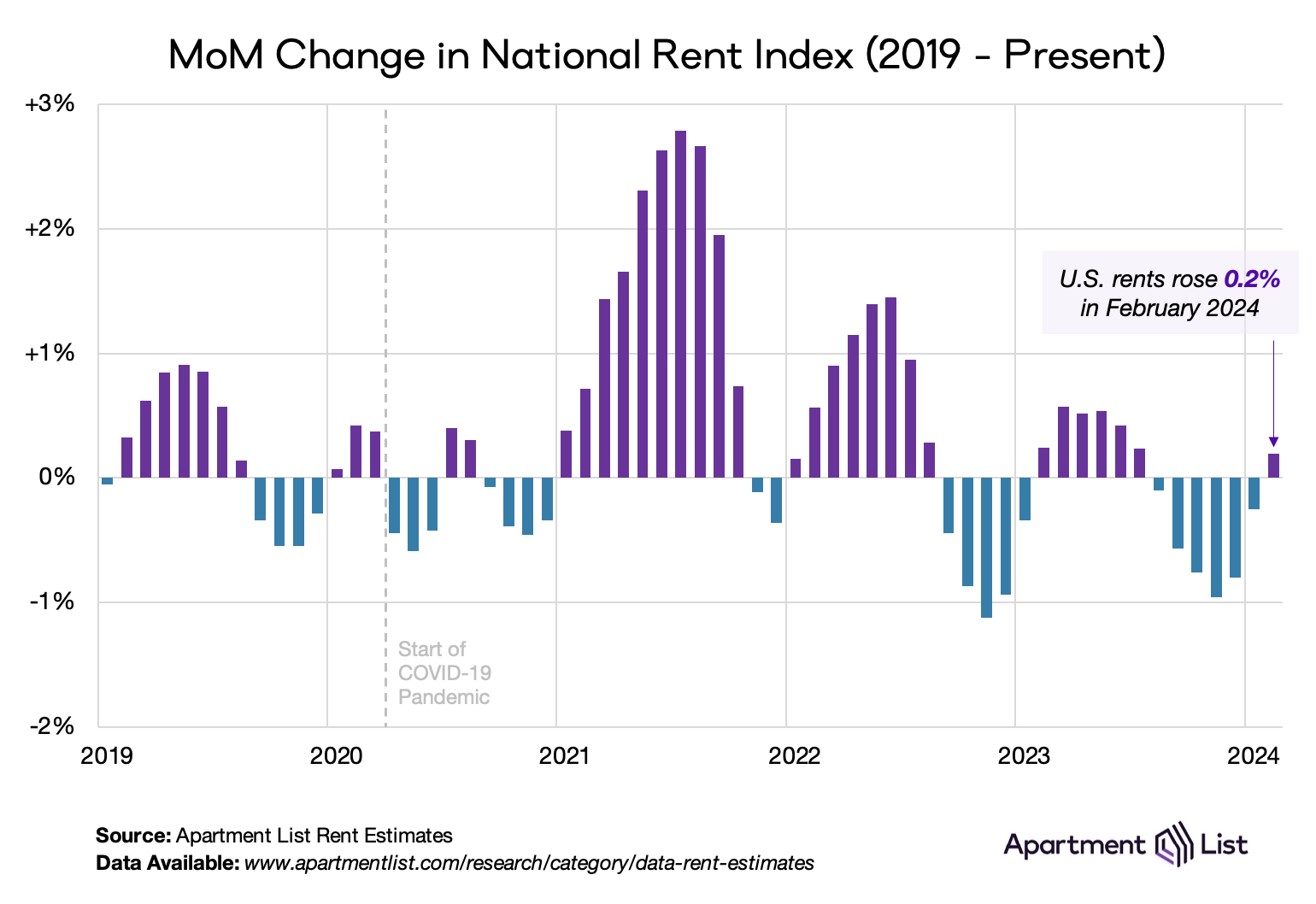
The rental market turned a corner this month, with prices rising 0.2% nationwide in February and trending up for the first time in half a year. On an annualized basis, rent growth remains negative at -1%, meaning that on average, new leases remain marginally cheaper than they were one year ago. But we expect the coming months to bring steady, moderate rent growth as housing demand improves but is partially offset by new construction.

For the latest data, see the full March Rent Report for Charlotte here.
Some highlights include:
  • Rents in Charlotte fell 0.2% in February, compared to a 0.2% increase nationwide.
  • Year-over-year rent growth in Charlotte now stands at -2.8%, down from +4.4% one year ago. Since the start of the COVID-19 pandemic in March 2020, citywide rents have risen a total of 19%.
  • Today the median rent in Charlotte is $1,308 for a one-bedroom unit and $1,426 for a two-bedroom unit. And the citywide apartment vacancy rate stands at 7.9%, up 1.1 percentage points from this time last year.

Charlotte Police Chief Jennings Meets With President Biden In Youth Violence Round Table

0

The White House has announced a new initiative aimed at reducing juvenile crime in several key cities across the United States. President Joe Biden is advocating for a $37 billion investment from Congress to support law enforcement and implement crime prevention strategies.

As part of this initiative, President Biden met with a select group of police chiefs, including Charlotte’s Chief Jennings, to discuss community-based approaches to tackling juvenile and violent crimes and to explore opportunities for intervention and investment.

“We really have to get something where we can intervene at an early age to make sure that they don’t go down that path because this is our future,” Jennings said in the meeting.

The administration is highlighting the support it has provided to local law enforcement as a key element in its strategy to address crime. With crime expected to be a significant issue for voters in the upcoming November elections, this initiative underscores the government’s efforts to enhance public safety and address concerns related to juvenile delinquency.

Earthquake Shakes NC Mountains Just West of Charlotte Today

0

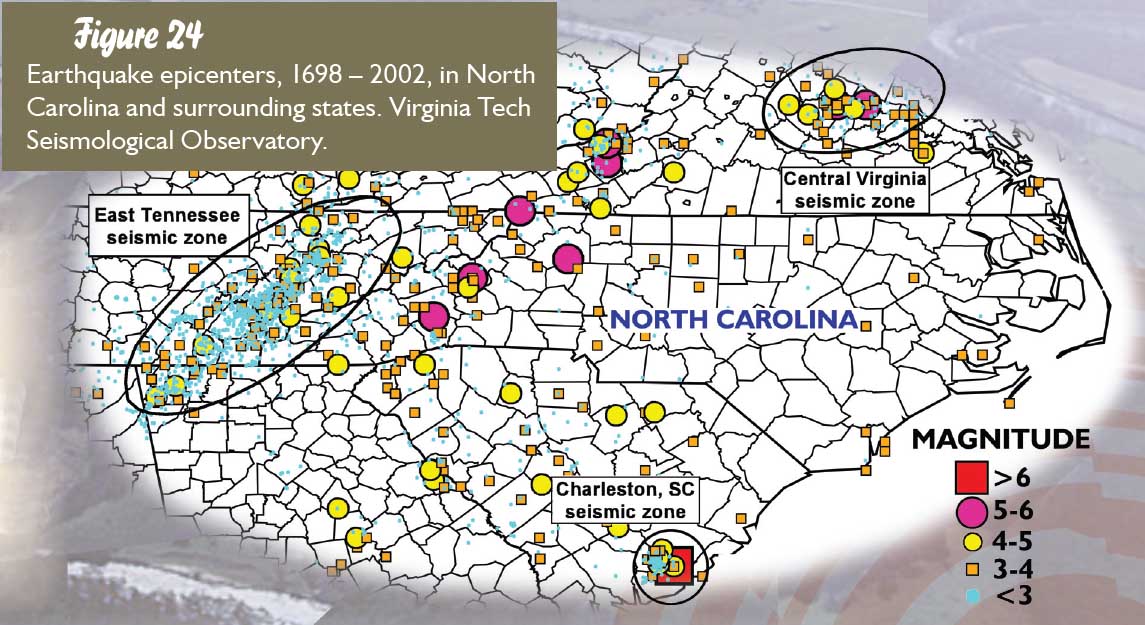
This morning at 11:49 am, a powerful 1.7 magnitude earthquake shook the North Carolina Mountains near Ashville, about 100 miles west of Charlotte.

According to the USGS, the quake had an epicenter of 35.304°N 82.998°W and a depth of 4.8 km.

Earthquakes have been increasing in frequency around the Charlotte region over the past few years. Last year, we experienced the largest earthquake in over 100 years when a 5.1 magnitude quake hit Sparta, NC, and since then, dozens of aftershocks have continued to rattle our state.

According to USGS.gov, “Moderately damaging earthquakes strike the inland Carolinas every few decades, and smaller earthquakes are felt about once each year or two.”

Have you felt any of the quakes? 

CMPD Spending $1.2 Million To Launch New ‘Civilian Crash Investigation Unit’

0

Yesterday the Charlotte City Council officially approved the CMPD spending $1,271,000 to launch a new ‘Civilian Crash Investigation Unit’.

Most of the money will go toward buying CCI vehicles for civilians to investigate crashes in. The new unit, set to launch this summer, comes from new NC legislation passed last year permitting the employment of civilian personnel for the investigation of traffic incidents that do not involve injuries but result in property damage.

The program will initially deploy 16 Civilian Crash Investigators, who will operate Monday through Friday in a fleet that includes both hybrid and fully electric vehicles.

This move is designed to alleviate the workload of the Charlotte-Mecklenburg Police Department (CMPD) officers, who, in 2022 alone, dedicated over 31,000 hours to responding to nearly 24,000 traffic crashes around Charlotte.

Further details regarding the program’s official launch, including job postings, training protocols for civilian investigators, and uniform designs, are expected to be announced in the coming weeks.

Charlotte Ranked Among Top Cities For Industrial Space Under Construction in 2024

0

Considerable investments in domestic semiconductor and electric vehicle (EV) production are driving an unprecedented surge in manufacturing construction — and the effects of the boom can already be seen in the 2024 industrial development pipeline.

So, CommercialSearch’s newest report highlights the markets with the most new industrial supply underway, as well as the largest properties scheduled for delivery this year.

Here are some of key highlights:

  • Charlotte ranks 8th for the amount of new industrial space currently under development. Roughly 11.5 million square feet of new industrial space is currently under construction.
  • This number translates into 3.7% of Charlotte’s current stock to be added through these new industrial developments.
  • The other North Carolina industrial market ranking among those with the largest pipelines this year is Raleigh with 8.1 million square feet under construction representing 7.1% of its current stock.
  • At a regional level, there are a total of 5 projects from the Southern region among the top 20 largest industrial deliveries of 2024 – 2 from Georgia, 2 from Texas, and 1 from Florida.
  • At a national level, there is currently 463 million square feet of industrial space under construction nationwide, representing 2.4% of current industrial stock.