

 Guaranteeing the electrical safety of workers in all industries should be a main concern of any company. An arc flash poses a significant risk to both personnel and property.
Therefore, it is crucial for employers to have comprehensive training programs that are proven effective in mitigating such hazards.
But, with many choices, making the right one might be confusing. This article discusses the crucial factors to consider while selecting an arc flash training program relevant to your organization.
Key Factors to Consider
Depth and Breadth of Training Content
The first factor to consider is to audit the coverage of the training material. Evaluate whether the program covers critical topics, including arc flash awareness, electrical safety protocols, hazard analysis, and risk management. Advanced topics like arc flash calculations and emergency response procedures can give you a stronger background on electrical safety practices.
Versatility of Delivery Format, Duration, and Flexibility Options
The other significant aspect is the flexibility of the delivery format. Not all organizations have the same preferences and constraints. Therefore, it is important to choose a program that offers multiple forms of delivery. Alternatives like on-site instructor-led sessions, online courses, video modules, and workshops ensure they are accessible and accommodate diverse learning styles and schedules.
The duration and flexibility of a learning program should also be considered. Organizations may decide whether the program should run in accordance with their operational schedules, allowing participants to complete the modules at their speed or offer multiple sessions.
Accreditation and Recognition
Accreditation and recognition are important when choosing an arc flash training program. Picking a program approved by reliable organizations and recognized within the field indicates that it adheres to accepted standards and industry practices. Awards, endorsements, or accolades from the industry and its associations and regulatory bodies provide additional proof of a program’s excellence and effectiveness.
Instructor Qualifications, Expertise, and Customization Options
Instructor’s qualifications and skills are among the main factors that determine the effectiveness of the training program. Organizations should ensure teaching staff have appropriate qualifications, experience, and proficiency in electrical safety and arc flash mitigation. Instructors should not only be qualified, but more importantly, they must be capable of teaching complex concepts in an interactive and understandable way.
Additionally, customization options are crucial, especially for businesses with distinctive requirements and market-specific features. Selecting instructors ready to individualize programs lets you integrate them with your objectives and improve their applicability and relevance.
Practical Application, Hands-On Training, and Post-Training Support
The key component of a successful arc flash training program is the practical application and hands-on experience. Application of theoretical knowledge in the context of practical exercises, demonstrations, and real-world case studies enables the learners to develop their skills and confidence.
Besides, the post-training support and resources are imperative. Access to extra learning materials, reference resources, and consultation services can provide consistent support and advice, which reinforce the learning outcomes and help address specific challenges that people may face in the working environment.
Summary
Arc flash incidents can cause deadly injuries to employees and even ruin businesses. Providing complete arc flash training is an absolute requirement to guarantee personnel safety and prevent accidents. Course content, delivery format, accreditation, and customization options should be considered when selecting arc flash training programs.
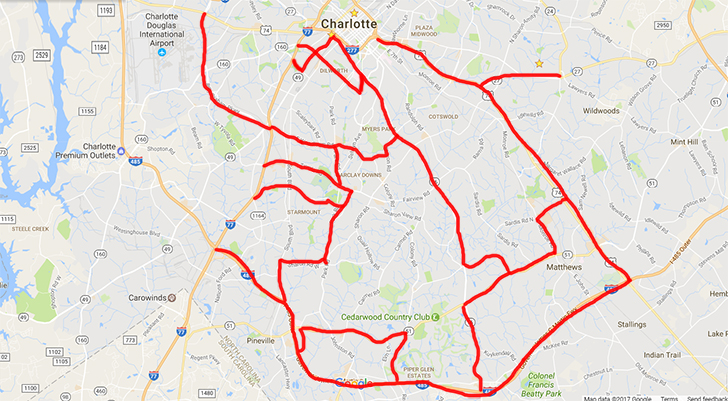



 The Mecklenburg County Natural Resources staff has just announced they will be setting the
 Where can you be a city dweller in a house with a nice big yard in America?
 The real estate market is ever-evolving, shaped by economic shifts, regulatory changes, and market trends. In this dynamic environment, access to capital plays a crucial role, particularly in commercial real estate ventures. Commercial lending is the lifeblood of many real estate projects, providing developers, investors, and entrepreneurs with the financial resources needed to acquire, develop, or renovate properties.
 In the ever-changing landscape of real estate investment, the significance of commercial lending cannot be overstated. Whether acquiring a property, funding a development project, or expanding an existing portfolio, access to capital is the lifeblood of real estate ventures. Commercial lending is pivotal in facilitating these endeavors, providing investors with the financial resources necessary to capitalize on lucrative opportunities and drive growth.
 Cryptocurrencies, gaining considerable attention, highlight Ripple’s prominence in the market. In this dynamic landscape, where understanding market trends is crucial, technical analysis, especially the stochastic oscillator, plays a pivotal role in evaluating Ripple’s behavior and market movements.
 In the dynamic realm of cryptocurrency, Chainlink has emerged as a significant player, navigating the continuous evolution of this landscape. Functioning as a decentralized oracle network, Chainlink plays a pivotal role in facilitating seamless data transfer between blockchains and the real world. Within the volatile cryptocurrency environment, market participants rely on technical analysis as a guiding compass to decipher price movements. This involves a meticulous examination of historical data and price charts to anticipate future trends. In this analytical framework, the Stochastic Oscillator stands out as a robust instrument.
 Haven’t you ever wondered why some technology developments are not always as significant as expected? China’s National digital currency, the Digital Yuan, is a story of high ambition and practical challenges that belong to the real world. This paper touches on the primary issues costing the organization, such as objections from other countries and regulations.