

Understanding Peptide Therapy Cost: Essential Insights for Patients

0

Understanding Peptide Therapy Cost: Essential Insights for Patients

Peptide therapy has rapidly become a valuable tool in health and wellness, offering promising results for various health concerns, from weight loss to enhanced muscle growth and cognitive function.

But one of the most important factors patients consider before starting peptide therapy is the cost. Understanding the costs associated with peptide therapy can help you make an informed decision about this potentially transformative treatment.

In this article, we’ll discuss the basics of peptide therapy, its benefits, factors that impact its costs, and answer frequently asked questions.

What are Peptides and How Do They Work?

Peptides are short chains of amino acids, similar to proteins, but generally shorter and more specific in function. Acting as signaling molecules, they instruct cells on how to perform particular functions.

These functions are crucial for regulating body processes like hormone production, inflammation control, tissue repair, and immune function.

How Peptide Therapy Works

Peptide therapy involves administering synthetic peptides that stimulate the body’s natural production of growth hormones and other essential molecules.

This can lead to improvements in overall health, weight management, muscle and tissue repair, and immune system support.

By working in harmony with the body’s natural processes, peptide therapy offers benefits without the broad side effects seen in more invasive treatments. Its targeted nature allows for a safer, more effective approach to health improvement.

Benefits and Advantages of Peptide Therapy

Key Benefits of Peptide Therapy

Peptide therapy is recognized for its low toxicity and high potency. These qualities make it a safe and effective treatment option for a range of health issues. Some of the primary benefits include:

  • Pain Relief and Tissue Repair: Peptides like BPC-157 and TB-500 are known to reduce inflammation and accelerate the repair of soft tissues, making them especially popular among athletes and individuals recovering from injuries.
  • Lean Muscle Growth and Fat Reduction: Peptides such as CJC-1295 and Ipamorelin support muscle growth and help to improve body fat distribution, making them a viable option for those focused on body composition.
  • Enhanced Cognitive Function and Immune Support: Certain peptides improve brain function and support the immune system, contributing to overall wellness and resilience.

Peptide therapy’s ability to provide these specific benefits has led many to seek it as a non-invasive alternative to more traditional therapies, particularly in the fields of sports performance, anti-aging, and immune support.

Choosing the Right Medical Provider for Peptide Therapy

Importance of a Qualified Provider

Finding a qualified provider is essential for ensuring that peptide therapy is safe, effective, and aligned with your personal health goals. A reputable provider will:

  • Possess Experience in Peptide Therapy: Look for a provider with specialized training and experience in administering peptide treatments, as they will be better equipped to offer accurate dosage and treatment recommendations.
  • Understand Your Health Goals: Partnering with a provider who takes the time to understand your health objectives allows for a more tailored treatment plan.
  • Offer Comprehensive Guidance: From selecting the best peptide options to managing potential side effects, a skilled provider will offer the support needed to maximize the benefits of your therapy.

Taking the time to find the right provider can have a significant impact on your peptide therapy experience and ensure that you’re receiving the safest, most effective care possible.

Factors Affecting Peptide Therapy Cost

The cost of peptide therapy can vary widely depending on several factors:

  1. Type of Peptide Used: Different peptides are priced differently based on their specific functions, potencies, and manufacturing complexities.
  2. Number of Treatments: Some peptides require repeated doses over several weeks or months to see optimal results. The number of treatments directly influences overall costs.
  3. Location and Provider’s Expertise: Where you receive treatment can impact pricing; costs vary between regions and depend on the provider’s level of expertise and reputation.

On average, peptide therapy can range from $50 to $900 per month. Some peptides, like GHRP-6, may be more affordable, while others designed for specific or long-term treatments may be more costly. Additional factors such as lab tests or custom dosage requirements can also affect the total cost.

Insurance Coverage and Payment Options

Because peptide therapy is generally classified as elective, it is usually not covered by insurance. However, some healthcare providers may offer payment plans or financing options to make it more affordable. Discussing payment options with your provider ahead of time can help you manage the financial aspect of peptide therapy effectively.

Peptide Therapy Options

Forms of Peptide Therapy

Peptides can be administered in various forms, each with different levels of effectiveness:

  • Peptide Injections: This is the most effective form, as injections deliver a concentrated dose directly into the bloodstream. Injections contain higher levels of peptide compounds, allowing for greater absorption and faster results.
  • Oral Supplements: While they offer convenience, oral peptide supplements may not be as potent as injections. This form of peptide therapy is widely available but may not deliver the same impact as injectable options.
  • Topical Creams and Nasal Sprays: These are convenient but often have limited benefits compared to other forms of peptide therapy.

Your healthcare provider can help you decide which option best aligns with your goals and health needs. Injectables are often preferred for individuals seeking maximum effectiveness, while oral supplements may be suitable for those with milder health goals.

Initial Consultation and Treatment Decision

What to Expect During the Consultation

The initial consultation is an essential first step in the peptide therapy process. During this meeting, you’ll discuss your goals and undergo any necessary assessments. Here’s what typically happens:

  1. Health Assessment: Your provider will evaluate your overall health through physical exams, medical history reviews, and possibly lab tests.
  2. Goal Setting: You’ll discuss your specific health objectives, whether they involve weight loss, muscle growth, or cognitive enhancement.
  3. Personalized Treatment Plan: Based on the assessment, your provider will recommend a customized peptide therapy plan tailored to your needs.

This consultation ensures that your treatment is safe, appropriate, and capable of achieving the desired results.

Peptide Therapy Results and Timeline

Expected Results and Treatment Timeline

The time to experience results from peptide therapy varies based on individual goals and the type of peptide used. Generally:

  • Initial Improvements: Some patients notice enhanced sleep, energy, and mood within just a few treatments.
  • Long-Term Benefits: For muscle growth, fat reduction, and improved skin health, most individuals start to see noticeable changes after 3-6 months of consistent therapy.

Your provider can give you a more personalized timeline based on the type of peptide therapy you choose and your unique health profile.

Risks, Side Effects, and Contraindications

Understanding Potential Risks and Side Effects

Peptide therapy is considered a safe treatment, but some individuals may experience mild side effects. Common side effects include:

  • Skin Irritation: Mild rashes, itching, or irritation can occur, particularly at injection sites.
  • Headaches or Dizziness: These symptoms are generally mild and transient.
  • Contraindications: Individuals with a history of melanoma or certain other health conditions should discuss potential risks with their provider before starting peptide therapy.

Working with a qualified healthcare provider can help minimize the risk of side effects and ensure that any reactions are managed appropriately.

Self-Injecting Peptides: Instructions and Precautions

If your healthcare provider recommends injectable peptides, they will typically provide training on self-injection techniques. This training includes:

  1. Proper Preparation and Injection Technique: Ensuring you understand the correct steps for a safe and effective injection process.
  2. Guidance to Avoid Complications: Following the instructions provided by your healthcare provider can help prevent complications, such as infections or dosage errors.

While self-injection can initially be intimidating, with the proper training and practice, it becomes a manageable and straightforward process.

Combined Therapies and Peptide Therapy

Combining Peptide Therapy with Other Treatments

Peptide therapy is often combined with other health interventions to promote natural hormonal balance and enhance overall well-being. Many patients combine peptides with hormone replacement therapy or lifestyle changes to maximize health outcomes.

Discussing combined therapies with your healthcare provider can help you determine the best approach to meet your health and wellness goals.

Peptide Therapy FAQs

Common Questions About Peptide Therapy

Will insurance pay for peptide therapy?

Typically, peptide therapy is not covered by insurance as it is considered elective.

How much do peptide injections cost?

Costs can vary significantly, typically ranging from $50 to $900 per month based on the type and frequency of peptide used.

Why are peptides expensive?

The cost of peptides reflects the research, development, and manufacturing standards necessary to ensure their safety and effectiveness.

How long does a peptide injection last?

Depending on the specific peptide, the effects can last from several hours to a few days.

Do you need a prescription for peptide injections?

Yes, injectable peptides typically require a prescription from a licensed healthcare provider.

Understanding Peptide Therapy Cost Conclusion

Peptide therapy offers a powerful, non-invasive solution for a range of health concerns, from muscle growth and cognitive enhancement to pain relief and immune support.

Understanding the factors that affect peptide therapy cost, selecting a reputable provider, and exploring payment options can make this therapy more accessible and effective.

If you’re considering peptide therapy, consult a qualified healthcare provider to discuss your goals, explore treatment options, and develop a plan tailored to your needs.

By staying informed and partnering with the right provider, you can maximize the benefits of this innovative treatment and achieve your health and wellness objectives.


What You Need to Know About Hiring a Lawyer to Counter Bad Faith Insurance

0

Insurance is key to financial stability, helping people and businesses recover from unexpected events. However, bad faith claims reveal a concerning side—when insurers don’t uphold their responsibilities, breaking trust with policyholders. This issue has a long history, impacting both how insurers are viewed and the financial security of those insured. Understanding these breaches—such as delayed payments, poor investigations, or wrongful claim denials—is essential, as they can seriously affect those involved.


Taking a closer look at bad faith practices shows why legal support is essential in managing such cases. Hiring an insurance lawyer is vital, not just to seek fair outcomes, but to ensure claims are handled properly. We’ll explain here how to identify common bad faith practices, the key role of lawyers in fighting these actions, and tips for choosing the right legal help. We’ll also outline the usual legal process and explore possible outcomes.

Recognizing Bad Faith Practices

Recognizing bad practices in insurance means knowing the warning signs, which may not always be clear. Policyholders should watch out for insurers who delay claim processing without valid reasons. Another red flag is when insurers deny claims with vague explanations or by wrongly citing policy exclusions. 

Insufficient investigations or poor communication about the claim’s status can also signal bad faith, often aiming to discourage policyholders from pursuing their claims. Keeping thorough records is important, as it helps document these issues and supports clear communication. Identifying these signs early can help policyholders avoid complications and speed up the compensation process.

The Job of a Lawyer in Bad Faith Claims

When dealing with bad faith insurance claims, a lawyer’s role is essential; they stand up for the policyholder, using their expertise to secure fair treatment and compensation. If an insurer acts unfairly, lawyers step in to challenge wrongful claim denials and ensure the company meets its obligations. They negotiate firmly, using their knowledge of insurance law to counter the insurer’s tactics. This support shifts the advantage toward the policyholder, turning a frustrating process into a fair fight for justice. 

Lawyers carefully review policy details, gather documents, and compile evidence to build a strong case—often leading insurers to reconsider their stance. Hiring an attorney brings structure to the claims process and greatly improves the odds of a positive result. Their involvement also sends a clear message to insurers that bad faith will not be ignored.

Choosing the Right Legal Representation

When choosing a lawyer to fight against bad faith insurance practices, a few key points can help make the right choice. First, find a lawyer who specializes in bad faith insurance cases and has a strong record in this area, as their expertise will directly impact the case’s success. Look for attorneys with experience sorting through the specifics of these claims and a deep understanding of the tactics used by insurance companies. 

Reviewing a lawyer’s past successes can provide insight into their skill in handling similar cases. Client reviews can also highlight a lawyer’s effectiveness in high-stakes claims. Meeting with the lawyer can help gauge their approachability and dedication to your case—this personal connection can be as important as their experience.

The Legal Process: What to Expect

When pursuing a bad faith insurance claim, policyholders should be prepared to follow a structured legal process that starts with filing a formal complaint against the insurer. This first step involves gathering all evidence of the alleged bad practices, which the lawyer then presents to the insurance company to support the claim. 

If the insurer does not respond satisfactorily, litigation may be necessary, involving pre-trial motions, discovery, and possibly settlement discussions or mediation. If these steps don’t resolve the matter, the case may go to court, where each side will present their arguments to a judge or jury. Throughout this process, it’s important to be patient, as legal proceedings can often take months or even years.

Potential Outcomes and Remedies

Resolving bad faith insurance disputes can lead to different outcomes, each affecting the people involved and the wider insurance industry. A key goal is often to secure compensatory damages to cover the financial losses caused by the insurer’s misconduct, like unpaid claims or other losses the policyholder suffered. 

In some cases, courts may also award punitive damages to punish the insurer for severe wrongdoing and discourage similar actions in the future. These damages provide restitution for the policyholder and send a strong message to the industry, potentially prompting changes in how insurers handle claims and interact with customers.

Legal representation in bad faith insurance claims is essential for policyholders seeking fair treatment. By recognizing warning signs, documenting issues, and choosing skilled attorneys, individuals can better handle disputes and improve their chances for compensation. Lawyers bring expertise and negotiation power, holding insurers accountable and encouraging ethical standards within the industry. Successful cases not only help affected policyholders but also contribute to broader changes in insurance practices, fostering a more transparent and accountable industry. This collective effort strengthens consumer rights, supporting a fairer, more reliable insurance environment for all.

Charlotte Ranked Among Top US Metros for Distribution & Warehousing

0

While the distribution and warehousing sector remains resilient despite record supply and economic uncertainty, signs of renewed activity are also evident.

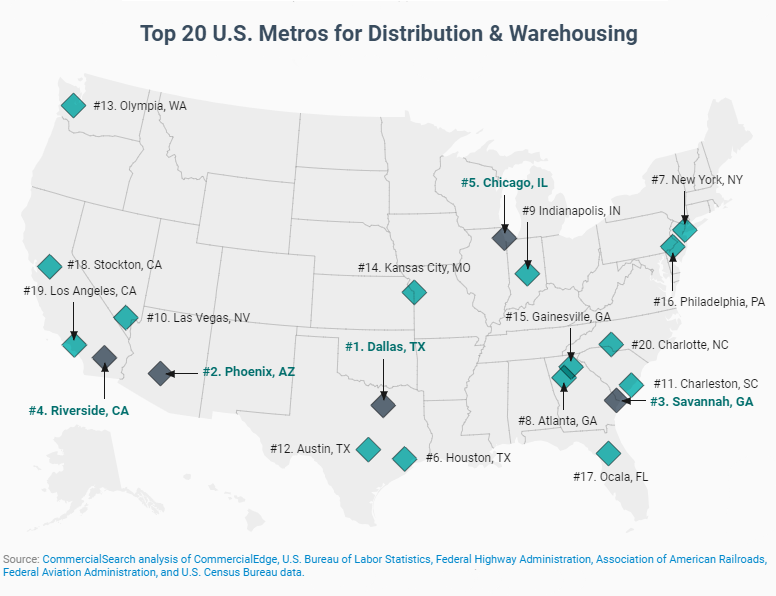
Local factors like population growth and robust logistical infrastructure are further driving development across U.S. distribution hubs. To identify the country’s most active distribution & warehousing areas, the group CommercialSearch selected the 100 largest metropolitan statistical areas (MSAs) by total distribution and warehousing square footage, then evaluated them based on three sets of criteria: distribution and warehouse space inventory, distribution indicators and costs, and logistics infrastructure.

Here are some of the key highlights for the Queen City:

Charlotte concluded the top 20 U.S. metros for distribution and warehousing with a total of 37.5 points.

  • One of Charlotte’s key strengths lies in affordability. The average wage for workers in distribution occupations the Charlotte-Concord-Gastonia of $44,540 per year are among the most affordable in the top 20 for businesses.
  • Additionally, the average asking rent for industrial space in Charlotte is around $11 per square foot per year, making it an attractive option for businesses seeking cost-effective locations.
  • Charlotte’s advantages for distribution and logistics are further supported by its infrastructure, the metro placing among the top 10 for both its number of airports (9) and railways density (68).
  • Charlotte features some 5.5 million square feet of new distribution space currently under construction, the metro concluding the top 10 for this metric.
  • The metro is also home to over 2,500 distribution related companies and establishments, placing it 9th within the top 20.

American Freight CEO Announces Sudden Liquidation Sales At 7 Charlotte-Area Locations

0

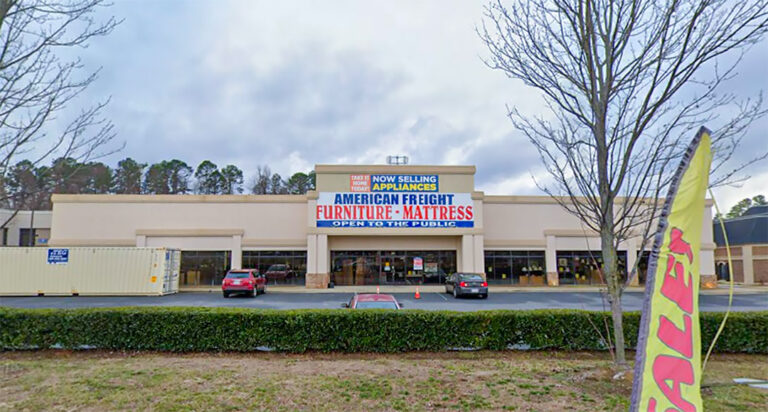
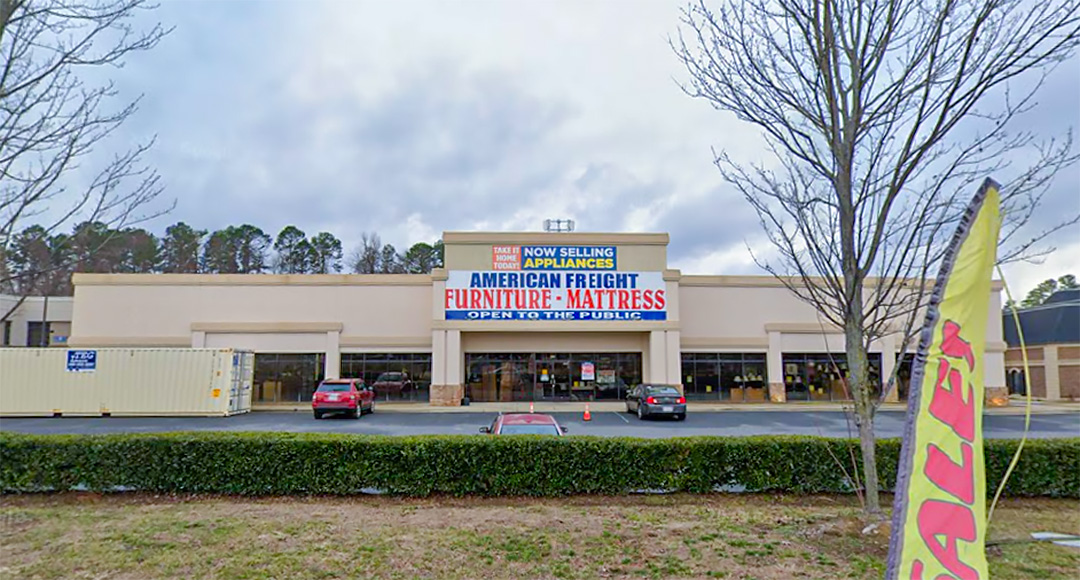
Ohio-based American Freight has just announced plans to shut down all their retail locations nationwide, including 22 stores in North Carolina and South Carolina and 7 in the Charlotte area.

The company is now offering significant discounts up to 40% off on inventory like living room sets, dining tables, and appliances as it winds down operations.

“Our goal is to deliver outstanding value to customers during this full chain closing sale,” said CEO Ian Fredericks in a press release. “Everything is on sale and must be sold, and we recommend shopping early for the best selection.”

Charlotte-Area Stores Closing:

  • Charlotte: 7201 Smith Corners Blvd.
  • Charlotte: 1526-A Alleghany St.
  • Charlotte: 9575 South Blvd.
  • Concord: 545 Concord Parkway
  • Gastonia: 1467B East Franklin Blvd.
  • Hickory: 2108 U.S. Highway 70 East.
  • Rock Hill: 809 Albright Rd.

The exact date of the closures is not yet announced, but American Freight emphasizes it’s a good opportunity for shoppers ahead of the holidays.

Rosendin Foundation Donates $210,000 to Charlotte-Area Nonprofits

0

The Rosendin Foundation, a 501(c)(3) non-profit organization founded to make a positive impact on communities through financial grants and volunteer work, donated $210,000 to 14 charitable organizations in the Charlotte region of North Carolina. The nonprofits support the local community in many ways such as empowering individuals, supporting families challenged with health conditions, food insecurity, the environment, and more.

On November 14, The Rosendin Foundation celebrated the local nonprofit organizations and distributed the grants at the Huntersville office of electrical contractor and sister company, Rosendin.

Among the larger gifts, The Rosendin Foundation presented a $25,000 grant to Veterans Bridge Home, a nonprofit focused on providing veteran support; $25,000 to Safe Alliance, which provides hope and healing to those impacted by domestic violence and sexual assault; and $25,000 to Second Harvest Food Bank of Metrolina, a nonprofit that strives to eliminate hunger.

“On behalf of Second Harvest Food Bank of Metrolina we want to express our profound gratitude to the Rosendin Foundation for their gift in support of our school-based mobile pantry program,” said Kay Carter, CEO of Second Harvest Food Bank. “This program is a very important tool in ensuring that our children come to school nourished and ready to learn. We are so grateful for their compassion and generosity.”

To help organizations focused on improving health, The Rosendin Foundation provided $20,000 to Carolina Breast Friends to provide free programs breast cancer patients; $10,000 to Hope Haven Inc. to help people recover from substance abuse; $10,000 to HopeWay to provide mental health treatment; and $10,000 to Crittenton to help pregnant girls and women.

“This partnership allows us to continue empowering individuals to overcome challenges, break cycles of poverty and trauma, and create a better tomorrow for themselves and their families. Together, we are making a lasting difference in our community,” said Jada B. Charley, Crittenton CEO.

“With support from the Rosendin Foundation, we are growing our workforce development programs at Hope Haven to include landscaping and gardening,” said Christy Elberson, Hope Haven, Inc. Director of Development. “Once employed, our residents have a path to independence and housing.”

The Rosendin Foundation also granted $20,000 to Goodwill Industries of the Southern Piedmont, Inc., $10,000 to TreesCharlotte, and $10,000 to Special Olympics North Carolina to support special Olympics athletes.

“We are grateful for the support granted by the Rosendin Foundation that will provide more than 3,400 Special Olympics athletes across Mecklenburg County the opportunity to be included in fitness, sport and health programming throughout the year,” said Jamey Petrucci, Special Olympics Mecklenburg County Director.

Grant recipients also included Caring Services, Inc.Matthews Free Medical ClinicCommunity Free Clinic, and the Ronald McDonald House Charities of Greater Charlotte.

“The Rosendin Foundation is proud to support these organizations because they are committed to providing valuable programs that help people live happier and healthier lives,” said Jolsna Thomas, president of The Rosendin Foundation. “We want to thank everyone who supports these organizations, especially Rosendin employees who give generously and donate their time and construction skills to help others in the community.”

Under Thomas’ leadership, The Rosendin Foundation’s 2024 annual distribution grant cycle broke records, with $2.3 million gifted to 116 nonprofits nationwide that focus on emotional, nutritional and occupational health. Volunteer projects include building children’s beds, stuffing backpacks with school supplies, and hosting TRF Camp Build, an annual kids construction camp.

The Rosendin Foundation is the charitable arm of Rosendin Holdings, the parent company of Rosendin, one of the nation’s largest design-build specialty electrical contractors with a regional office in Tempe, and Modular Power Solutions (MPS), an offsite manufacturing solutions provider.

Since its inception, The Rosendin Foundation has given over $4.2 million to 296 nonprofit organizations. The Foundation organizes volunteer service days and drives as well as provides financial grants up to $50,000 for organizations nationwide. Applications for grants and emergency grants are available on the foundation’s website at https://www.therosendinfoundation.org/grants.

Facebook’s Parent Meta Plans To Build First SC Data Center w/ $800 Million Investment

Meta has announced plans to establish its first South Carolina operation with a new data center in Aiken County. The $800 million investment will create 100 new operational jobs in the region.

The 715,000-square-foot data center, located in Sage Mill Industrial Park, will be optimized for Meta’s artificial intelligence (AI) workloads. It will support the global infrastructure behind the company’s platforms, including Facebook, Messenger, Instagram, and WhatsApp.

“Today’s announcement demonstrates that Aiken County and the Western South Carolina region can compete in the knowledge-based economy,” said Western SC Economic Development Partnership Chairman Gary Stooksbury in a press release. “The investment of $800 million and the creation of 100 new jobs by Meta is a powerful statement on their part. We look forward to working closely with them.”

The new data center’s electricity use to be matched with 100% renewable energy. The facility will also aim for Leadership in Energy and Environmental Design (LEED) Gold certification.

This data center will be Meta’s 22nd in the U.S. and 26th worldwide, with operations expected to begin in spring 2027. Meta currently has 1 data center in North Carolina. The $750 million facility in Forest City, NC broke ground in 2010.

Job opportunities for the new South Carolina facility will be available on the Meta careers page here.

Billionaire Greg Lindberg Pleads Guilty To $2B Money Laundering Scheme in Charlotte Courtroom

0

Billionaire Greg Lindberg just pled guilty in a Charlotte federal court this week to an extensive insurance fraud scheme that cost victims and businesses more than $2 billion.

Lindberg, founder of Global Growth and owner of Global Bankers Insurance Group, was escorted out of the courtroom in handcuffs by U.S. marshals. According to court records, Lindberg, alongside co-conspirators, defrauded insurance companies, third parties, and thousands of policyholders between 2016 and 2019 by manipulating company funds for personal gain.

“Greg Lindberg and his co-conspirators misused $2 billion of company funds in their international scheme to defraud corporate victims, regulators, and policyholders,” said Principal Deputy Assistant Attorney General Nicole Argentieri in an official DOJ press release. “Thousands of policyholders suffered substantial financial hardship as a result of Lindberg’s fraud scheme, which left multiple companies in or on the brink of liquidation. The Justice Department will not hesitate to hold corporate executives accountable when they threaten critical sectors of the economy, like the insurance industry, to enrich themselves.”

Lindberg pleaded guilty to one count of conspiracy to commit offenses against the United States, which included wire fraud, investment adviser fraud, and other crimes connected to insurance business operations, as well as one count of money laundering conspiracy. The fraudulent activities involved deceiving state regulators, concealing the financial condition of his insurance companies, and using company funds for personal real estate purchases. Lindberg funneled more than $125 million in loans from affiliated companies to himself, leaving policyholders in financial hardship. The insurance companies involved were placed into rehabilitation or liquidation due to the massive debt Lindberg accrued.

This is not Lindberg’s first brush with the law. In 2020, he was convicted of attempting to bribe North Carolina Insurance Commissioner Mike Causey to remove a regulator investigating his companies. Though that conviction was initially overturned on appeal, he was retried and convicted again earlier this year. Following his guilty plea, Lindberg requested permission to live and work in a halfway house in Tampa, Florida, citing his need to manage billions of dollars in assets for restitution purposes. However, prosecutors opposed this, stating it could be considered preferential treatment, as Lindberg is currently under federal receivership for his assets.

Gaston County’s Belmont Trolly Project Just Exceeded $2 Million in Funding To Start Building Phase 1

0

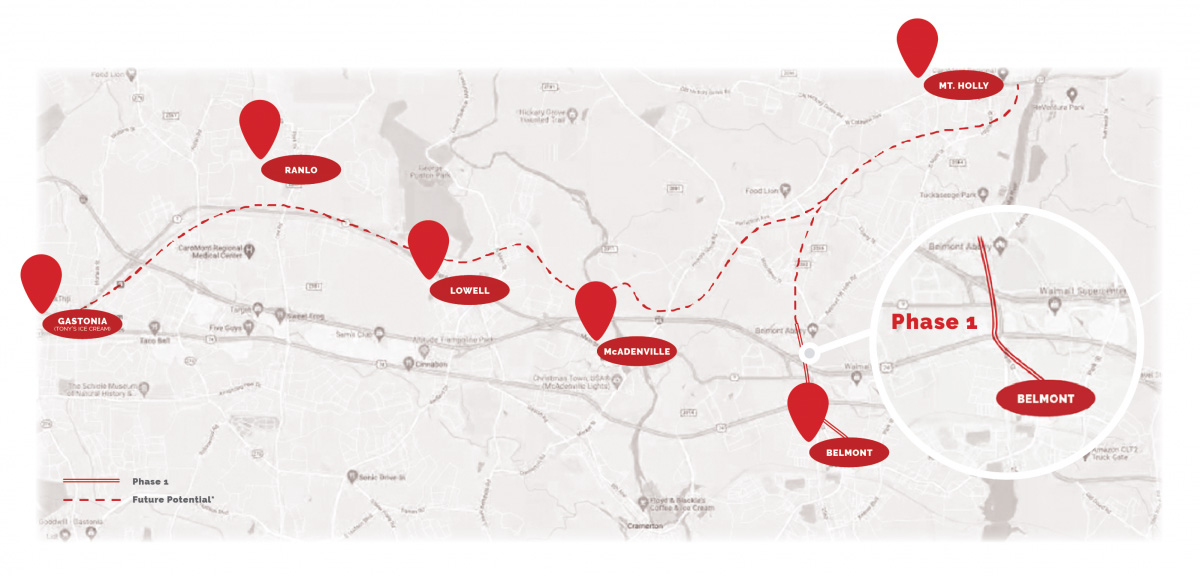
The Belmont Trolley Project has received a significant boost, given them just enough funds to officially launch the highly anticipated project.

Gaston County just donated $100,000 in tourism funds, following the approval of the Gaston County Tourism Advisory Board and the unanimous support of the County Board of Commissioners. This contribution brings total funding to nearly $2 million, allowing the first phase of the Belmont Trolley Station to begin.

The downtown station will eventually house three trolleys and feature a local rail history museum, aiming to connect communities and boost tourism and economic growth.

The Carolina Thread Trail will run parallel to the trolley rail line in key areas, creating a network of trails for visitors to explore by bike or on foot. Increased foot traffic along the trolley line is expected to benefit local shops, restaurants, and businesses, enhancing the region’s appeal and supporting economic development.

North Carolina Ranked As The 4th Most Frugal State in America

0

Many consumers shop with the aim of saving as much money as possible in mind, and with the end of summer approaching, some people may be looking to cut down on costs to make up for an expensive couple of months.


Verified coupon site Coupons4Real determined which states are most likely to shop with this goal, revealing the states most interested in being frugal and saving money.

The average number of Google searches each month for money-saving-related terms, such as ‘online coupons, ‘discount codes’, and ‘thrift stores near me’, over the past 12 months in each state were analyzed and compared to the population to determine the rankings.

Oregon was identified as the thriftiest state, with an average of 1,510.01 monthly searches per 100,000 people for terms related to money-saving. Oregon’s most popular search term was ‘thrift store near me’, with an average of 59,167 searches per month; the term was also the most popular nationwide.

Following in second was Colorado, with an average of 1,502.50 monthly searches per 100,000 citizens. One of Colorado’s most popular terms was ‘second hand store’, which generated 2,275 searches.

In third was Idaho, which had an average monthly search volume of 1,478.58 per 100,000 residents. Among Idaho’s most popular search terms was ‘thrift shop near me’, which produced 251.67 searches.

Ranking fourth was North Carolina, with a monthly search average of 1,443.25 per 100,000 people. A popular search term in the state was ‘outlet store near me’, with 1,061.67 searches.

Rounding out the top five was Florida, with an average of 1,429.93 searches per month per 100,000 citizens, deeming it one of the thriftiest states for consumers. ‘Coupon codes’ was a popular term in the state, with 1,575 searches.

The top 10 thriftiest states

Rank

State

Keyword searches (per 100k population)

1.

Oregon

1,510.01

2.

Colorado

1,502.50

3.

Idaho

1,478.58

4.

North Carolina

1,443.25

5.

Florida

1,429.93

6.

Alabama

1,419.15

7.

Washington

1,365.25

8.

Virginia

1,323.35

9.

North Dakota

1,301.67

10.

Vermont

1,295.18

Krazy Curry About To Open Their First Charlotte Location in Uptown

0

Krazy Curry, a popular Indian-Nepali chain, is about to open their first Charlotte location at One South, a 40-story office tower at Trade and Tryon Streets in Uptown Charlotte.

Expected to open in January 2025, the new location will occupy 3,132 square feet in a spot previously held by Salsarita’s Fresh Mexican Grill. Known for dishes like garlic naan, butter chicken, and vegetarian options, Krazy Curry will also offer a lunch buffet and an à la carte menu.

“After COVID, many Indian restaurants stopped offering buffets. But with more companies adopting hybrid work or bringing employees back to the office, we felt this location was the perfect spot to reintroduce the buffet experience for people in the uptown area,” Krazy Curry owner Sabash Karki said.

Delivery, takeout, and catering services will also be available through its app and website.

Uptown Location Details

  • Location: One South, Uptown Charlotte
  • Opening: January 2025
  • Hours: 10:45 a.m. – 10 p.m. (subject to change)
  • Services: Executive lunch buffet, à la carte menu, catering, delivery, takeout via app/website

Krazy Curry’s expansion complements the existing food lineup at One South, which features restaurants like Eddie V’s and Starbucks, and aligns with the recent growth in office leasing at the site, including tenants like Robert Half and Huntington National Bank.