Tonight’s Rare Lunar Standstill Will Create A Once-In-A-Generation Strawberry Moon Over Charlotte

Charlotte skywatchers will have a rare opportunity to witness a once-in-a-generation lunar event tonight.

This year’s Strawberry Moon will officially be the lowest full moon in nearly two decades, due to a phenomenon called a major lunar standstill. This event, which occurs once every 18.6 years, causes the moon to rise and set at extreme positions along the horizon. As a result, the moon will appear unusually low in the night sky across the Northern Hemisphere.

The moon will rise around 8:30 p.m. EST and reach its peak brightness at 3:44 a.m. on June 11, according to EarthSky.org.

The name “Strawberry Moon” comes from northeastern Native American tribes who marked this full moon with the ripening of June-bearing strawberries. Some tribes also call it the Berries Ripen Moon, signifying the seasonal bloom of flowers and fruit.

Another full moon this low in the sky is not expected until 2043, making tonight’s event a unique visual occurrence.

Teen Airlifted Out of NC Woods After Nearly Fatal Timber Rattlesnake Bite

A teenager was rescued from deep inside the woods of Avery County after being bitten by a rattlesnake. The incident prompted a multi-agency response, including the North Carolina Helo-Aquatic Rescue Team (NCHART) and Charlotte Fire Department technicians.

A National Guard Black Hawk helicopter assisted in the operation, airlifting the teen from a rocky creekside in the mountainous terrain. Once safely evacuated, the teenager was transported to a hospital for treatment.

North Carolina Emergency Management shared the details on Facebook, where Zain Shah identified himself as the bite victim.

Timber rattlesnakes are native to the region and often inhabit forested mountain areas.

According to NC PARC, timber rattlers are large, venomous snakes known for their chevron patterns and black tails. While generally reclusive ambush predators, they pose serious risks when encountered. Their population remains stable in the mountains and Coastal Plain but has declined in the Piedmont due to habitat loss.

This NC City Was Just Ranked The Deadliest In America For Rush Hour Drivers

rush hourNew data from the National Highway Traffic Safety Administration (NHTSA) has just revealed which major cities are the most deadly during rush hour, with drivers in Winston Salem, North Carolina deemed the least safe.

The crashes that occurred during the hours of 7am to 9am and 5pm to 7pm in major cities in the US were calculated as a percentage of the total crashes to identify the locations with the deadliest rush hours.

According to the data, traveling on the roads in these busy times poses the most risk for residents in Winston Salem.

Throughout the five years analyzed, 36 out of 118 fatal crashes occurred during peak rush hour times, equating to 30.51%. This was found to be 29% higher than the U.S. national average of 22.77%.

Phoenix, Arizona with emphasis on Scottsdale is the second worst city for lethal collisions during rush hours, with 32 deadly crashes occurring during peak hours out of a total of 107. This equals 29.91%, which is 27% above the US average.

The third is Kansas City, Kansas, with 30 out of 101 fatal crashes happening during rush hours, which is the equivalent of 29.7% – 26% higher than the national average.

The 10 U.S cities with the most dangerous rush hours

Rank

City

Number of fatal crashes occurring during rush hours (2018 – 2022)

Total number of fatal vehicle crashes (2018 – 2022)

Percentage of fatal crashes that occurred during rush hours (2018 – 2022)

1.

Winston Salem, NC

36

118

30.51%

2.

Phoenix (Scottsdale), AZ

32

107

29.91%

3.

Kansas City, KS

30

101

29.70%

4.

Mobile, AL

42

143

29.37%

5.

Las Vegas, NV

59

202

29.21%

6.

Tucson, AZ

152

521

29.17%

7.

Fayetteville, NC

30

105

28.57%

8.

Norfolk, VA

32

113

28.32%

9.

Shreveport, LA

39

139

28.06%

10.

Fort Wayne, IN

31

111

27.93%

Pusoy Dos: The Rising Star of Filipino Card Games in the Digital Age

0

In the ever-evolving landscape of online gaming, traditional Filipino card games are experiencing a renaissance, with Pusoy Dos emerging as a frontrunner alongside the popular Tongits. GameZone, a leading digital platform under DigiPlus, has been instrumental in bringing these beloved pastimes into the digital realm, offering players a chance to enjoy their favorite games in a modern, accessible format.

The Allure of Pusoy Dos

Pusoy Dos card game, with its simple yet engaging rules, has captured the hearts of Filipino gamers and beyond. This card game, which blends elements of poker and Pusoy, offers a unique gaming experience that is both familiar and exciting. Its straightforward gameplay makes it easy for newcomers to pick up, while its strategic depth keeps seasoned players coming back for more.

GameZone’s initiative to promote how to play Pusoy Dos online and other traditional Filipino card games online is more than just a business move; it’s a cultural preservation effort. By digitalizing these games, GameZone is ensuring that younger generations have access to and can appreciate these important aspects of Filipino culture.

The Player vs. Player Revolution

One of the most significant advancements in the online Pusoy Dos pattern experience is the introduction of Player vs. Player (PVP) mode on GameZone. This feature has transformed the game from a solitary pastime into a dynamic, social experience. Unlike playing against AI, which can become predictable, PVP mode offers a constantly changing challenge as players face off against real opponents with unique strategies and playing styles.

The unpredictability of human opponents adds an extra layer of excitement to each game. Players must constantly adapt their strategies, read their opponents, and make split-second decisions. This level of engagement is not only more thrilling but also more intellectually stimulating than playing against computer-generated opponents.

Moreover, the PVP mode has turned Pusoy Dos rules into a social platform. Players can challenge friends, meet new rivals, and become part of a larger gaming community. This social aspect adds depth to the gaming experience, creating opportunities for friendly competition, shared experiences, and even new friendships based on a common interest in Filipino card games.

The social dimension of PVP mode also serves as a virtual gathering place for Pusoy Dos strategy enthusiasts. It allows for the exchange of strategies, the evolution of meta-game tactics, and the preservation and spread of these traditional games in a modern, digital format. This not only keeps the games alive but also introduces them to new generations of players who might not have encountered them in their traditional physical form.

Rewarding Players: GameZone’s Promotional Strategy

Understanding that player engagement goes beyond just offering great games, GameZone casino has implemented a comprehensive system of promotions and incentives. These offerings are designed to enhance the player experience and provide additional value to users of the platform.

One of the key features of GameZone’s promotional strategy is the rebate system. This allows players to recoup a portion of their losses, effectively reducing the risk associated with playing and encouraging continued engagement. For new users, welcome bonuses serve as an attractive incentive, providing extra credits or special perks to kickstart their GameZone online experience.

The platform also offers game-specific promotions, adding an extra layer of excitement to individual titles. These might include special events, bonus rounds, or increased payouts for certain games, keeping the gameplay fresh and rewarding for regular players.

Perhaps the most thrilling aspect of GameZone’s promotional strategy is the organization of both online and offline tournaments. These events create a competitive atmosphere where players can test their skills against others, vying for substantial prize pools. The inclusion of offline tournaments also bridges the gap between digital and physical play, fostering a sense of community among players.

These varied promotions serve a dual purpose. Firstly, they provide players with additional opportunities to win prizes beyond their regular game winnings, increasing the overall value proposition of the platform. Secondly, they act as a powerful retention tool, encouraging players to return regularly to take advantage of new offers and events.

The Importance of PAGCOR Recognition

In the world of online gaming, trust and security are paramount. This is where PAGCOR (Philippine Amusement and Gaming Corporation) plays a crucial role. As a government-owned entity responsible for regulating the gaming industry in the Philippines, PAGCOR ensures that all gaming operations adhere to legal and ethical standards.

GameZone’s status as a PAGCOR-licensed platform is a significant endorsement of its commitment to maintaining high standards of integrity and fairness. This licensing arrangement serves multiple purposes. Firstly, it legitimizes GameZone’s operations, providing a seal of approval from the country’s official gaming regulator. Secondly, it assures users of a secure and regulated gaming environment that fully complies with national standards and regulations.

Moreover, GameZone’s PAGCOR license underscores its dedication to responsible gaming practices. This commitment not only fosters trust among its user base but also solidifies GameZone’s position as a reputable and reliable player in the Philippine online gaming industry. By aligning itself with PAGCOR’s stringent requirements, GameZone sets a positive example for other operators in the sector and contributes to the overall integrity of the online gaming landscape in the Philippines.

Promoting Responsible Gaming

GameZone takes its commitment to responsible gaming a step further with its innovative approach of appointing responsible gaming ambassadors. These ambassadors, chosen from finalists of the previous year’s Tongits Champions Cup, serve as role models for the gaming community. As accomplished players themselves, they demonstrate how to enjoy online gaming while maintaining a balanced and responsible approach.

This strategy effectively reinforces responsible gaming practices among users, highlighting GameZone’s commitment to player well-being. By integrating responsible gaming advocacy into community-building efforts, the platform sets a positive example for the industry at large. This proactive approach not only enhances GameZone’s reputation but also contributes to creating a safer and more sustainable gaming environment, potentially influencing industry standards and practices.

Conclusion

The rise of Pusoy Dos in the digital gaming space, particularly on platforms like GameZone, represents a fascinating blend of tradition and innovation. By bringing this beloved Filipino card game online and enhancing it with features like PVP mode, GameZone is not just preserving cultural heritage but also evolving it for a new generation of players.

The platform’s commitment to player engagement, evidenced by its robust promotional strategies and tournaments, ensures that the Pusoy Dos community remains active and growing. Meanwhile, its adherence to PAGCOR regulations and focus on responsible gaming practices demonstrate a commendable commitment to ethical operations.

2025 NFL Betting Trends: What the Latest Data Reveals About Team Performance

0

As the 2025 NFL season approaches, bettors and analysts are turning to projections, win totals, and ESPN’s Football Power Index (FPI) to gain an edge. Early trends are already shaping expectations—spotlighting breakout teams, flagging possible disappointments, and influencing the betting markets.

From contenders to rebuilds, the data reveals key patterns tied to roster moves, division strength, and historical volatility. As always, a data-driven approach is reshaping how fans and experts anticipate the season ahead.

Elite Tier Emerges, But No Clear Front-Runner

The Philadelphia Eagles enter 2025 as the betting favorite to win Super Bowl LX, but their 12% title probability is the lowest for a preseason favorite in FPI history. This underscores just how narrow the gap is at the top. The Chiefs, Bills, Ravens, and Lions round out the FPI’s top five, and none are separated by more than a single rating point. That kind of parity suggests no team will dominate this season.

What these five franchises share is elite offensive firepower. Quarterback play, offensive efficiency, and consistent scoring are the driving forces behind their high rankings. In a league increasingly shaped by passing attacks and explosive plays, offense is a more stable predictor than defense, and bettors—especially those on platforms like FanDuel Sportsbook—are beginning to shift focus accordingly.

Interestingly, the Eagles stand out because they pair the league’s best defense with a top-tier offense. Young defenders like Jalen Carter, Quinyon Mitchell, and Cooper DeJean bolster a unit that sets Philly apart in close matchups.

Super Bowl Matchups Show NFC Variety, AFC Concentration

While five teams stand above the rest, the projected Super Bowl matchups reveal interesting imbalances between conferences. The AFC is dominated by three teams in these scenarios—the Chiefs, Bills, and Ravens. In contrast, the NFC’s representation is spread across the Eagles, Lions, Rams, Commanders, and 49ers.

The most likely Super Bowl matchup is Eagles vs. Chiefs, with a modest 4% probability. Other top projections involving Philadelphia—against the Chiefs, Ravens, or Bills—each range between 3.6% and 4%. These figures suggest that while certain pairings are plausible, the field remains wide open, with no single outcome strongly favored.

Divisions With Betting Value: NFC North and West in Focus

The NFC North might be the most tightly contested division. Detroit is favored to win it at 41%, but Green Bay (25%), Minnesota (19%), and Chicago (15%) all have a puncher’s chance. The Lions’ offensive resurgence continues after a 15-2 campaign, and they top Clay’s projection model at 11.9 wins—the highest in the league. Their win total of 10.5 reflects those expectations.

Meanwhile, the 49ers narrowly edge out the Rams for NFC West division favoritism—36% to 34%—but only due to schedule strength. San Francisco faces a soft slate after finishing last in the division. If key players stay healthy, they could rebound from last year’s 6-11 collapse. Bettors taking futures on bounce-back teams may find value here, especially with the Niners’ 10.5 win total suggesting optimism.

Bills Control the AFC East, But Uncertainty Lurks

Buffalo has the NFL’s highest probability of winning its division—65%—and a consistent track record under head coach Sean McDermott. The Bills have exceeded their preseason win total in all eight seasons since he took over. With an 11.5 over/under win line and an FPI playoff probability of 81%, they are perhaps the safest futures bet on the board.

Still, the rest of the AFC East isn’t completely out of it. While no challenger comes close in FPI projections, the variance of NFL outcomes leaves the door open. The Patriots, for example, enter with a 7.5-win total and have improved from last year’s projection. That may not make them playoff contenders, but it does indicate upward movement—and adds yet another layer to this season’s evolving landscape of NFL team news and analysis.

Bengals and Commanders Pose Risks With Reward

Two teams with notable projection variance are the Bengals and Commanders. Despite missing the playoffs last season, Cincinnati enters 2025 with a 60% playoff probability. A fully healthy Joe Burrow—who ranked third in QBR last year—positions them to challenge Baltimore, which leads the AFC North with a 54% chance to win the division.\

Washington, meanwhile, exploded to a 12-5 record last season after opening with a 6.5-win projection. With Jayden Daniels leading the charge, they’re a prime example of a team that outperformed market expectations. However, FPI places them just sixth overall, and Clay’s model sees regression, projecting only 8.2 wins. This discrepancy may tempt bettors to fade the Commanders in 2025 futures.

Betting Markets Align With FPI on Top Contenders

The four top teams in Super Bowl projections—Eagles, Chiefs, Bills, Ravens—all share the highest win totals at 11.5. Historically, teams with totals this high perform well against expectations. For instance, the Chiefs have won 12+ games in six of the past seven years. The Bills have eclipsed their line for eight consecutive seasons, and the Eagles have posted 11+ wins for three straight.

Betting markets have also inflated totals this year: nine teams are pegged at 10.5 wins or higher, the most since the league grew to 32 franchises. While this makes for tighter betting lines, it also offers opportunities to back proven overachievers—or fade those with shallow depth and tougher schedules.

Basement Dwellers: Who’s at Risk for the No. 1 Pick?

At the opposite end of the spectrum, the Browns are the FPI’s most likely candidate for the top draft pick in 2026, with a 13% shot. Following a three-win season and a shaky quarterback room, they also hold the league’s lowest win total at 4.5.

The Saints, meanwhile, are ranked dead last by FPI, but a weak NFC South schedule helps their projections. Rookie quarterback Tyler Shough leads a team with massive uncertainty, making them an attractive fade option if you’re betting unders.

Other teams with high chances to bottom out include the Giants, Titans, and Jets. Each has quarterback questions and difficult schedules that lower their win expectations.

Smart Angles for 2025 Bettors

Historical trends remain consistent: teams with elite quarterback play and offensive continuity consistently outperform expectations. The Ravens, Bills, and Chiefs are prime examples. In contrast, teams that relied heavily on defense—like the 2024 Vikings—often regress, given the year-to-year volatility of defensive metrics. 

Emerging teams such as the Lions and Buccaneers show upward momentum, supported by market optimism and strengthened rosters. Meanwhile, the Chargers and 49ers face high win projections despite injury risks and inconsistency, indicating possible overvaluation. 

The 2025 season is expected to be highly competitive. Bettors who emphasize quarterback stability, offensive reliability, and schedule analysis can uncover value that raw projections alone might overlook.


Charlotte City Council Approves $3.6 Billion Budget with Focus on Youth and Nonprofits

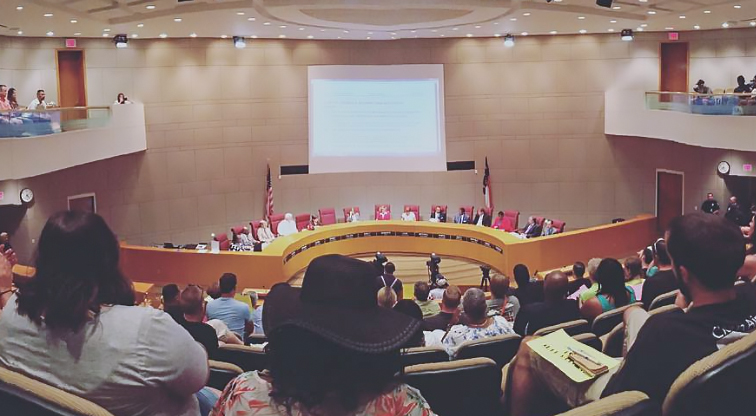
Charlotte City Council approved a $3.6 billion budget on Monday, outlining major spending priorities for the upcoming fiscal year. The adopted plan includes targeted investments in youth programs, nonprofit support, and community wellness initiatives.


Councilwoman Dimple Ajmera, who leads the city’s budget committee, emphasized youth services as a key priority. As a result, the Greater Enrichment Program received its full $200,000 request to provide free after-school care in Title One schools.

During a final adjustment round on June 2, the council allocated over $1.2 million to the One-Time Discretionary Financial Partner program. This expansion, funded by federal American Rescue Plan Act dollars, supports organizations such as DreamKey Partners, The Males Place, Roof Above, and The Save Our Children Movement.

Additional late amendments included:

  • $1.5 million over three years for employee wellness programs

  • $200,000 to help host the NAACP National Convention in Charlotte

  • $300,000 for the Helping Hands Foundation

Council also authorized the city manager to pursue alternate funding for a proposed exhibit at the Charlotte Museum of History.

Chimney Rock State Park Set to Reopen Nine Months After Hurricane Helene Damage

Chimney Rock State Park will officially reopen to visitors on Friday, June 27, nine months after Hurricane Helene severely damaged the site. The September 2024 storm destroyed the park’s entrance bridge, forcing a lengthy closure and limited access.



The North Carolina Department of Transportation recently completed construction on a temporary entrance bridge and repaired several internal park roads, allowing operations to resume.

Park officials announced that advance reservations will be required for all guests, including annual passholders, due to limited capacity during ongoing recovery efforts. Reservations can be made starting approximately one week before reopening at chimneyrockpark.com. Initially, the park will operate Friday through Monday.

Located in Rutherford County, Chimney Rock State Park is known for its sweeping views of Hickory Nut Gorge and Lake Lure.

The park’s signature attraction is a 315-foot freestanding rock spire, accessible via a hike or elevator ride for a fee.

Savannah Bananas Make History in Charlotte- Setting All-Time Attendance Record For The New Sport

The Savannah Bananas made history over the weekend, drawing 148,000 fans to Bank of America Stadium for a record-breaking Banana Ball event. The sold-out crowd of 74,000 on Saturday marked the largest single-day audience in the team’s history.

The Charlotte game featured Banana Ball’s signature mix of baseball, comedy, and spectacle. Fans witnessed a walk-off home run as the Bananas edged the Party Animals 4-3.

Former and current Carolina Panthers, including Luke Kuechly, Greg Olsen, and Jonathan Stewart, joined the festivities, along with musical guests Brantley Gilbert and Fitz and the Tantrums.

The weekend also served as a homecoming for Charlotte natives Reece Hampton and Eric Jones. Hampton, a Charlotte Christian and Charlotte 49ers alum, now plays for the Party Animals. Jones, a South Mecklenburg and Davidson graduate, suited up for the Bananas.

Banana Ball originated just outside Charlotte in Gastonia, where Jesse Cole launched the concept after owning the Gastonia Grizzlies.

This weekend’s turnout solidified its growing national appeal and delivered the most attended series in the unique new sport’s history.

1 Million North Carolinians are ‘Gray Area Drinkers,’ Study Finds

Many people tend to find any excuse to drink during the week, and when excessive drinking becomes normalized among social circles, colleagues, parents and family, it’s not always easy to distinguish the problematic aspect of the habit. Although not an official medical diagnosis, ‘gray area drinking’ can be described as a space between two extreme behaviors: drinking within the realm between acceptable moderate drinking and a diagnosed alcohol use disorder. Those who drink within this area may use alcohol in emotional or excessive ways, which can lead to problems in terms of mental health, relationships and work. However, for the person drinking, it can be difficult to acknowledge and accept that these drinking patterns have had a negative impact on their daily lives. For example, if everyone around them is drinking the same amount or more, it may normalize or diminish the consequences of these actions. Others may feel that if they’re not having a drink first thing in the morning, their habits can’t be classified as problematic – after all, someone who drinks each morning is a stereotypical view of an alcoholic. 

Many people in the realm of gray area drinking are unaware of the emotional or physical implications of their habits but may question their relationship with the intoxicant. During the pandemic, some turned to alcohol as a coping mechanism for the stress and anxiety of everyday life, increasing their drinking habits slowly but surely, but not recognizing the impact of these incremental increases. While people are often aware of the risks associated with alcohol dependence and/or addiction, they are often unaware of the risks involved in any type of increase in their consumption. Research shows that any sort of alcohol intake whatsoever can have harmful health effects, including an increased risk of alcohol poisoning, liver disease, heart disease and various types of cancer, as well as decreased brain function.

AmericanAddictionCenters.org conducted a survey of 3,704 people aged 21 and over about their drinking habits to determine how many would be classified as ‘gray area drinkers.’ The survey uncovered that a significant percentage – 19% – of North Carolinians would be considered ‘gray area drinkers.’ This is approximately 1,000,000 people in North Carolin who sometimes drink alcohol excessively or emotionally, despite not having a severe alcohol use disorder.

The study also analyzed these results broken down by age and discovered that, overall, those aged 25 – 34 had the highest percentage of gray area drinkers with nearly one-third (32%) meeting the criteria. The second-highest percentage belonged to those aged 35 – 44, in which one-quarter (25%) would be classified as a gray area drinker according to their drinking habits. Drinking habits among young adults and college students are particularly notable in settings such as frat parties and other social gatherings where excessive consumption is normalized and oftentimes encouraged. Nearly one-quarter (24%) of those aged 18 – 24 would be classified as gray area drinkers. These figures decreased as the age groups increased in years:

Age 45 – 54: 21% are gray area drinkers

Age 55 – 64: 19% are gray area drinkers

Age 65+:       11% are gray area drinkers

Infographic On Gray Area Drinking

From these results, it’s possible to see that gray area drinking is a habit that is more common than one may think. It also appears that a significant number of drinkers question their relationship with drinking when it comes to experiencing shame or embarrassment about their consumption habits. When asked if they experience any of these guilt-associated feelings, 16% of drinkers said they do feel this way about their drinking habits. Even though so many drinkers admit to feeling this way, when it comes to gray area habits that are normalized, it might be difficult for individuals to take action to cut down on their intake. For example, if everyone in a certain social circle engages in similar consumption habits, and doesn’t address the negative implications, it reduces space for discussion about these feelings associated with shame or embarrassment. This could lead to some people struggling in silence with their relationship to drinking. Of course, speaking openly about such issues can benefit many people looking to seek help, but they aren’t sure where to begin.

The survey also asked people if they pay attention to official guidance on alcohol consumption when considering their own drinking habits. Interestingly, it seems many people don’t acknowledge these vital health guidelines as nearly half (47%) of respondents said they tend not to pay attention to them. The CDC says that a majority (90%) of those who drink excessively don’t actually meet the clinical criteria for severe alcohol use disorder, but simultaneously, these criteria are lower than many people realize. For women, these guidelines state anything over eight drinks per week as excessive drinking, and for men, anything over 15 drinks per week. However, even with these guidelines in place, it can be tricky to determine at what point an individual’s consumption has become problematic. Therefore, it’s not necessarily the number of drinks that classifies someone’s habits as problematic, but whether or not their alcohol intake causes issues in their day-to-day life. For this reason, gray area drinking can be a useful term in terms of helping people define their relationship with alcohol in a way they may have struggled to in the past.

When asked if they consider gray area drinking a problematic habit, however, more than one-third (36%) of people actually said they don’t view it as an issue. This could be a serious concern when it comes to the warning signs of gray area drinking, as some may not identify these as worrisome, thus, potentially leading to worse complications. With the boundaries of excessive drinking now blurred, it can become tricky to prevent problematic habits from worsening. If not addressed, gray area drinking can quickly lead to more serious problems, such as alcohol use disorder or the development of other dependencies.

If you’re questioning your relationship with alcohol and are unable to determine whether the number of drinks you’re having is a clear indicator of a problem, the following symptoms can help identify the warning signs of gray area drinking:

  • Often drinking more alcohol than you initially intended:

Due to the addictive nature of the substance, those who are dependent might find it difficult to have just one or two drinks, leading them to have far more than they’d initially planned. This can lead to things like bad hangovers, an increased risk of alcohol poisoning and increased risk of developing an alcohol use disorder.

  • You question your relationship with alcohol:

Perhaps you’re ashamed or guilty of the amount you drink or wonder whether those around you consume the same amount. Whatever it is, if you are questioning whether you have a dependency, it could be cause for concern.

  • Your drinking patterns don’t appear problematic to those around you, even though you might be questioning them:

In fact, you might even know people who drink more than you do, therefore justifying your own habits by comparison. On the outside, it may seem like your drinking patterns don’t have an impact on your daily life, but it could just be that those around are engaging in similar patterns and don’t view them as problematic either.

  • You’re unable to stop drinking and keep giving in when you try and cut down:

This can be a sign of a deeper-rooted and far more alarming issue that if not addressed or understood, could lead to more severe alcohol use disorder.

  •  Drinking every day and not being able to skip a day without alcohol:

This goes hand-in-hand with the above point. If you have a hard time cutting down on your intake, it could be a sign of a more serious dependency and lead to a significantly worse issue if not addressed correctly. 

North Carolina’s Home Game Bill Could Reshape the State’s Gambling Future — And Open the Door to Online Poker?

A new piece of legislation has caught the attention of North Carolina’s gambling community. The House Judiciary Committee has advanced a bill that would legalize betting on card games, board games, dice, and dominoes on private property. Currently, even low-stakes games among friends are considered illegal under state law. The bill aims to decriminalize what many see as harmless home entertainment. But critics, including Republican Rep. Dean Arp, warn the legislation may have unintended consequences: “The way this bill is written … you can open this up to casino-style gaming tables across the state, possibly inadvertently.” Still, backers argue it’s a long-overdue acknowledgment of personal liberty. Despite Arp’s concerns (he noted he “doesn’t know of anybody who’s been arrested” for hosting such games) the bill has sparked a much larger conversation: Is this the beginning of broader gambling reform in North Carolina? Could it set the stage for legalized online poker?

A Shifting Landscape for Gambling in North Carolina

North Carolina has traditionally taken a conservative stance on gambling. Aside from state-sanctioned lottery games, most forms of betting have remained off-limits, unless they fall under tribal gaming exceptions. Today, Harrah’s Cherokee Casino Resort in the mountains remains the state’s most developed legal casino. The Catawba Two Kings Casino in Kings Mountain serves as the closest alternative for residents of Eastern North Carolina, although it still operates in a temporary capacity. For those in Charlotte, the drive to a fully developed casino can be several hours long.

Legalizing private home games could be a subtle but significant shift, signaling a slow but growing acceptance of gaming culture. Economic indicators support such moves. According to the Charlotte Regional Visitors Authority, tourism brought in a record-breaking $1.1 billion in 2024, with major events and hospitality accounting for hundreds of millions. Integrating legalized gaming (even on a modest, community-based scale) with a vibrant hospitality industry could further boost local economic impact.

Moreover, tribal-run casinos have demonstrated positive downstream effects beyond gaming revenue. A study from BMC Public Health found that American Indian-owned casinos improve community wellness through better economic conditions, enhanced recreational infrastructure, and expanded social services. These casinos have brought jobs, increased disposable income, and better access to healthy lifestyle options for tribal members. It stands to reason that a carefully regulated expansion of gambling, even in the form of legalized private games, could eventually offer similar economic benefits to broader North Carolina communities.

But there’s a catch: expanding home game protections without a solid legal framework for regulation may create gray areas that complicate enforcement. Without proper oversight, informal games could evolve into unlicensed gambling operations, potentially putting hosts and participants at risk despite the bill’s intentions.

Could Online Poker Be the Next Frontier?

While the bill specifically targets in-person, private games, it may indirectly fuel momentum for a cause poker enthusiasts have long championed: legal online poker. Americas Cardroom pro and 2003 World Series of Poker champion Chris Moneymaker has become a vocal advocate for online poker legalization across the United States. Moneymaker, whose historic $2.5 million win launched the original “poker boom,” continues to push for regulated online platforms that allow players to compete from the comfort of their own homes.

So far, only six states—Nevada, New Jersey, Michigan, Pennsylvania, Delaware, and West Virginia—have legalized online poker. North Carolina isn’t yet on that list. But the growing dialogue around gambling rights, sparked in part by the home games bill, may open the door for future poker legislation. Moneymaker himself has said, “My goal is by the time I get to Doyle’s age [89], hopefully we’re all able to play poker wherever we want, whenever we want.”

The current legal gray area leaves many North Carolinians unsure whether participating in online games (even on offshore platforms) is worth the risk. Advocates believe a state-regulated system could offer consumer protections, generate tax revenue, and attract younger demographics to the state’s entertainment offerings. If home games become normalized, it strengthens the argument that adults should also have the right to play virtually with similar protections.

From a tourism and business perspective, online poker legalization could dovetail with Charlotte’s already booming economic profile. In 2024, the city hosted 45 major conventions and nine sports events, generating over $143 million through its convention center alone. Introducing legal online poker, perhaps even hosting future live-poker events associated with digital platforms, could be the next major draw.

While the current bill doesn’t touch digital gaming, the conversations it has sparked are impossible to ignore. The distinction between a casual poker night and a high-stakes online tournament may seem vast, but in terms of legal structure, both rely on the same fundamental principles: privacy, consent, and the freedom to wager responsibly.

North Carolina’s proposed bill to legalize gambling on private property may seem narrow in scope, but its potential ripple effects could be significant. By legitimizing home games, the state may be inching toward a broader acceptance of gambling culture: one that includes not only in-person games but, perhaps eventually, online poker as well. As figures like Chris Moneymaker continue to advocate for legal digital play and Charlotte’s economy thrives on tourism and innovation, the question isn’t just whether North Carolina will pass this bill. It’s whether the Tar Heel State is ready to go all-in on a modern, regulated, and expansive gaming future.