


UNC Charlotte names Ohio State Leader as Next Provost

0

Alicia Bertone, DVM, Ph.D., has been appointed provost and vice chancellor for academic affairs at UNC Charlotte. She will begin her duties Jan. 3, 2023. Bertone, a prolific biomedical researcher and veterinarian, joins Charlotte from The Ohio State University, where she most recently served as interim associate vice provost of strategic data and analysis.

“I am pleased to welcome our University’s next provost, Dr. Alicia Bertone. Her career has demonstrated her deep understanding of the important intersection of interdisciplinary research, data integration, recruitment and academic excellence as integral for a university’s success,” said Chancellor Sharon L. Gaber. “Charlotte has an ambitious 10-year strategic plan ahead of us to achieve top-tier research status, and I am confident Dr. Bertone will bring vision, tenacity and innovation to help make our plans a reality.”

Bertone.jpgBertone joined The Ohio State University in 1990 as an assistant professor and achieved the rank of professor in 1997. During her tenure at Ohio State, she served in multiple administrative capacities, including the Trueman Chair in Equine Clinical Medicine and Surgery in the College of Veterinary Medicine, director of research for OSU’s Sports Medicine Center, the ENGIE-Axium Endowed Dean of the Graduate School and the vice provost for graduate education and affairs.

“I have been fortunate to build a career in public education, which provides the access, affordability and inclusivity that serve as the foundation for both individual and societal achievements,” said Bertone. “UNC Charlotte is uniquely positioned as a leader in this space by its urban location, impressive growth and visionary plan for the future. I look forward to working with Chancellor Gaber and colleagues from across all disciplines — humanities, STEM and the arts — to build upon the excellence they have already established in envisioning bold, new strategies to elevate Charlotte to even greater success.”

Among Bertone’s most significant contributions at Ohio State are founding the University’s Consortium for the Advancement of Neuromusculoskeletal Science and Locomotion; directing the Comparative Research Laboratory and Molecular Medicine Suite; enhancing services for graduate students to boost recruitment and retention; launching programs to attract an increasingly academically talented and diverse student body, including the implementation of the ENGIE-Axium Endowment for Fellowships and Scholarships; and leading the digital transformation of multiple systems and offices into state-of-the-art operations.

A world-renowned researcher in molecular medicine and pharmaceuticals, Bertone’s work has been published in more than 180 peer-reviewed publications, the majority of which contain post-graduate students as primary or co-authors. She has authored more than 30 book chapters and served on the editorial board of several journals.

Ohio State’s College of Veterinary Medicine recognized her as one of its top extramurally funded researchers, including prestigious funding from the National Institutes of Health. Additionally, she holds two patents – the GeneChip®, created in partnership with Affymetrix Inc., and a novel joint model to study fluid dynamics of joint inflammation.

She is the recipient of the Pfizer Research Award, the Charles C. Capen Teaching Excellence Award for Graduate Education, the Speaker of the Year by the North American Veterinary Conference and more than 70 awards as an advisor to students. She was also a finalist for TECHCOLUMBUS’s Outstanding Women in Technology and Inventor of the Year awards.

Bertone earned a bachelor’s degree and a Doctor of Veterinary Medicine degree, both with distinction, from Cornell University and a Master of Science in surgery and joint pathology and Ph.D. in biomedical sciences, both with distinction, from Colorado State University. She completed a fellowship in gene therapy at Harvard University’s Center for Molecular Orthopedics. Additionally, she is board certified as a Diplomate in the American College of Veterinary Surgeons and as a Diplomate in the American College of Veterinary Sports Medicine and Rehabilitation.


Panthers Dominate Tom Brady and The Bucs 21-3

0

After firing head coach Matt Rhule and trading away RW Robbie Anderson and All-Pro RB Christian McCaffrey for future draft picks, many considered the Panthers’ 1-5 season to be over.

This feeling was only amplified with a faceoff against last year’s divisional leader and arguably the greatest quarterback of all time at the helm.

To everyone’s shock, the Panthers’ interim coach, interim QB, and interim everything else somehow gelled and gave Tom Brady and the Buccs a truly unforgettable 21-3 pounding.

The winning started with an early Brian Burns sack on Brady, then back-to-back run stops by Shaq Thompson and Cory Littleton.

Our offense shined equally well with receiving touchdowns by DJ Moore and Tommy Tremble, and a powerful run game led by D’Onta Foreman with 118 yards and Chuba Hubbard with 64 yards.

QB PJ Walker finished the game 16-of-22 for 177 yards with two touchdowns and a 126.5 passer rating (compared to Brady’s sad 32-of-49 for 290 yards and 81.2 passer rating).

What did you think about yesterday’s game? 

Do you think the Panthers can keep pounding?

The Carolinas Rank Among The Best States in America For Fishing

0

America is hooked on fishing — interest has been bubbling amongst hobbyists across the U.S., even beyond the pandemic as a way of “social fishtancing.”


So, which states are full of hungry fish or will leave you floundering for a bite?

To mark National Hunting and Fishing Day on Sept. 24, Lawn Love ranked 2022’s Best and Worst States for Fishing.

According to the new report, South Carolina ranks as the 9th best state in the nation and North Carolina comes in as the 10th.

Overall Rank (1=Best)

State

Overall Score

Community Rank

Access Rank

Affordability Rank

Supplies Rank

1 Florida 48.95 1 2 39 17
2 Alaska 41.94 9 1 25 4
3 Montana 39.27 7 27 30 1
4 Minnesota 38.17 5 10 9 5
5 Texas 38.04 2 11 36 34
6 Wisconsin 36.27 10 5 26 13
7 Michigan 35.48 13 3 28 45
8 New York 34.8 8 7 8 49
9 South Carolina 34.42 3 13 37 25
10 North Carolina 33.76 11 6 43 18
11 Georgia 32.27 14 24 6 36
12 Illinois 32.1 17 25 3 41
13 Maine 31.79 30 4 21 15
14 Alabama 31.64 6 20 49 8
15 Arkansas 31.62 19 34 22 2
16 Ohio 31.11 15 14 14 40
17 Wyoming 29.94 27 18 35 3
18 Missouri 29.73 21 40 5 16
19 Maryland 29.56 26 8 15 46
20 California 29.15 4 19 50 48
21 Virginia 28.83 22 21 33 29
22 Iowa 28.41 18 41 10 27
23 Indiana 28.08 28 23 18 35
24 Pennsylvania 27.23 23 29 29 42
25 Louisiana 26.88 24 16 47 19
26 Colorado 26.76 20 37 38 10
27 Rhode Island 26.64 46 9 11 20
28 Tennessee 26.53 12 32 51 30
29 Idaho 25.97 16 38 40 31
30 Kentucky 25.55 31 35 19 28
31 Oklahoma 25.53 29 44 24 7
32 Washington 25.33 25 12 48 39
33 Massachusetts 25 45 15 12 37
34 New Jersey 24.67 41 17 13 47
35 South Dakota 24.64 34 39 27 6
36 Hawaii 23.97 50 26 1 50
37 Oregon 23.97 32 22 46 21
38 Delaware 23.24 47 30 4 43
39 North Dakota 23.14 37 49 7 22
40 Vermont 23.03 40 42 17 11
41 New Hampshire 22.98 38 31 44 12
42 Nebraska 22.95 33 36 41 14
43 West Virginia 21.91 35 43 31 24
44 Kansas 21.8 43 46 20 9
45 New Mexico 21.61 36 47 23 26
46 Mississippi 21.13 44 28 45 23
47 Connecticut 20.24 49 33 16 33
48 Utah 19.67 39 48 34 32
49 Arizona 18.85 42 50 32 38
50 Nevada 14.83 48 45 42 44
51 District of Columbia 12.08 51 51 2 51

If you want to try your hand at the sport, check out our list of the 5 best public parks in Charlotte for fishing.

Best Restaurants in Fayetteville, North Carolina

0

Fayetteville, in the heart of North Carolina, is a beautiful place to visit. There are many things to do in Fayetteville like you can enjoy the exotic and impressive fares in the humble heaven. The city is charming and offers a variety of creative cuisines; you will keep craving more. 

You will discover a variety of delicious dishes at various luxurious restaurants. From classic Southern meals to Asian cuisines and farm-to-table feasts, you can find everything here. Keep reading to learn more about the amazing foodie scenes in the top restaurants of Fayetteville.

5 Best Restaurants in Fayetteville

Here are the best restaurants in Fayetteville and the cuisines you must try. 

1- Antonella’s Italian Ristorante

It is a posh restaurant where you can enjoy a variety of traditional Italian cocktails and dishes. You can enjoy the classic European vibe. You can dine in the luxurious building or have your meal served outside on the patio under the black canopy and umbrellas. You will have a fine dining experience in a laid-back, elegant way. Some of the best cuisines to try are.

  • For an appetizer, try baked Lasagna dip. 
  • Parmesan garlic fries 
  • Chicken Taormina with sauteed spinach 

2- Circa 1800

Circa 1800 is located in the heart of Fayetteville, where you can enjoy the best local cuisines. All the ingredients are obtained from local growers, artisans, and producers to create delicious meals. It has a modern and chic ambiance. People enjoy brunch on weekends Circa 1800 because they get the facility to create their bloody mary bar. They offer a variety of delicious meals, and some best ones are.

  • House-made cheese pimento and pepper jelly 
  • Southern egg rolls with bacon braised collards 
  • Variety of delicious cocktails like Jalapeno Burbon Julep 

3- Grilled Ginger 

Locals and tourists have loved grilled Ginger in Fayetteville since its opening. Their specialty is a variety of Vietnamese and Asian cuisines. You can enjoy a variety of delicious Vietnamese salads. They surprise their guests by offering something new and unique on the menu. Their close proximity to the ocean is the reason they offer delicious fresh whole steamed tilapia and coconut mussels. 

The surprises do not just stop here because you can enjoy a huge vegetarian menu. All the ingredients used for the preparation of cuisines are fresh. Enjoy their fresh squeezed smoothies, juices, or bubble tea to cool off the heat on a hot Fayetteville day. 

4- MaryBills Café and Elbow Room 

The family-owned laid-back restaurant gives a home-like feeling with its carpeted floors and comfortable dining chairs. The moment you step inside, you will experience the warmth of your house with comfort food served while you relax. Its homey atmosphere makes it perfect for breakfast, brunch, or lunch. If you want a comforting meal, you should try their stack of pancakes with little Piggy, which is ham, sausage, and crispy bacon. 

5- Vicky’s 

Vicky’s is extremely famous for its chicken and biscuit. Make sure to get your first breakfast at Vicky’s whenever you visit Fayetteville. You can select a filling you like for your biscuit, which is soft and buttery. Some amazing options are smoked sausage and country ham. Their homemade cinnamon rolls and grit are highly recommended. 

On the breakfast platter, you can also enjoy juicy fried chicken. The laid-back and comfortable interior makes you enjoy every bite you take. Vicky’s will be worth your time, and once you get a taste of their biscuits, you will surely come back for more. 

Bottom Line 

Fayetteville should be on the top of your bucket list if you love to enjoy sceneries with delicious food. Make sure to enjoy a variety of cuisines at different restaurants, and you will surely want more. The peace and relaxation you will find in Fayetteville will make you visit again. 

Why Are Traditional Security Measures Not Enough for API Cybersecurity?

0

Every company right now, operating on the cloud, or for that matter with software in the pipeline, relies heavily on key APIs – Application Programming Interface security. There are no two ways about it. API security is a whole other beast. It’s more complex, more dynamic, and more dangerous. 

API cybersecurity is a whole other branch of security that differs greatly from traditional cybersecurity measures — a branch that has become an absolute necessity for companies that need to protect their critical services and their customers’ data. 

What is an API? 

API is an acronym for Application Programming Interface. It is a set of tools that allow developers to build software applications. The API simplifies the process by providing a standard way for programmers to interact with the software. API can be used in many different ways to achieve different goals. For example, some APIs are used as a data source while others are used as an interface between two separate applications.

There are 4 types of API right now:

  • Public: one that is open and available to the whole public. 
  • Partner: an API that’s only available to a selected few — it’s meant to facilitate B2B activities. 
  • Internal: This type of API is intended to be used solely within an organization. For example, one that can connect payroll to HR systems.
  • Composite: An API that combines two or more functions or types for a specific agenda. 

At their core, APIs exchange data, commands, and actions and demand a strict architecture and protocol — rules and regulations that govern and construct its functions. 

A great example of an API is those used by travel agencies. Airlines, hotels, and other vendors need to transfer data automatically and efficiently with a travel site, so they create an API for said site. Another example is all those ride-share apps that need access to Google Maps — the tech giant needs to give them an API that allows them to sync up their driver’s GPS with that of Google’s infrastructure. 

What is API cybersecurity? 

Security at its core is the process of protecting something from being damaged, harmed, or destroyed. Cybersecurity is the protection of computer systems from unauthorized access, damage, or exploitation.

APIs serve as an entry point to your network or applications, that’s why security is so important. Today, most organizations, due to the advent of cyber-threats have opted out of a zero-trust model. 

What is a zero-trust model?

It’s the stance that everyone regardless of who they are, is a threat. That no one can be trusted. This means that they limit all interaction – human or computer – to access their resources until properly authorized — and even then, those authorizations are basically “escorted” around their systems by armed guards. 

Zero-trust models put a lot of weight on API security — since, one of the most hazardous problems with APIs, is that security has to be built on both sides. You have to have redundancies in pale, in case the vendor or creator of that API drops the ball. 

What does API Application Programming Interface Security take into account?

Security takes into account the following aspects: 

  • Authentication: Authentication is the process by which a system verifies that you are who you say you are — Authentication can be done through username and password combination, and biometric data like a fingerprint scanner, facial recognition, etc. ‘In addition, passwordless authentication by Kelvin Zero revolutionizes conventional authentication methods by eliminating reliance on traditional passwords. This innovative approach leverages cutting-edge techniques such as biometrics, hardware tokens, or device recognition, enhancing security measures and streamlining the authentication process for users.
  • Authorization: Authorization is the process by which a system determines what operations or resources you have access to based on your identity and permissions.
  •  Access Control: Access control is the process by which resources are protected from unauthorized use.
  • Auditing: Auditing is a log of changes made to digital data that can be used for tracking, detecting, or proving its authenticity
  • Remediation: remission takes into account what protocols and backups you have in place in case you are attacked. How to lessen the damage.

How is API security different from general application security? 

API security is a subset of application security. It focuses on the security of application programming interfaces – APIs – and the data they exchange. The main goal is to protect the API from unauthorized access and ensure that it’s available at all times.

In general, API security has four main components: authentication, authorization, confidentiality, and integrity. Authentication ensures that users are who they say they are and authorization ensures that users have permission to access the data they’re requesting. Confidentiality ensures that data is only accessible by authorized parties. Integrity ensures that data wasn’t altered or corrupted during transmission or storage.

The key characteristics of why API cybersecurity differs from traditional security are: 

Changes

Constant changes in the API landscape — APIs and how they function have nothing to do with your security protocols. You are at the mercy of some other developer. A developer that constantly changes aspects of it, plays with the code and transforms pattern rules and enforcements for better or worse. The landscape is constantly evolving. That’s why API security, from your end, is critical, you simply can’t trust that they’ve done their due diligence. 

Nature of API attacks. 

Traditional attacks like cross-site scripting are like bee stings — One and done. Attacks on API meanwhile are more wasp-like. They are unique and based on gaps in the API’s business logic. That’s why they take their time to mature. Hackers have to probe the API repeatedly and constantly to find out where there’s a vulnerability. 

There’s no Shift-Left

Shift left protocols right now are critical for your security posture. They make sure your codes, your apps, and your products take security into account right from inception. That they are constantly being put through the wringer throughout the entirety of the development process. An API, like all other code that enters your system from an outside source, can be tested this way. Why? Because the responsibility of security protocols and testing is not up to you — it’s up to the developer. 

Why is API cybersecurity important in 2022?

API security is important because it can be the gateway to your company’s data. If a hacker can access this, they can steal information, or manipulate it. And if you want to keep your customer’s data safe, you need to make sure that your API is secure. It is crucial to partner with a managed IT support services provider who can implement comprehensive security measures that cover all aspects of API cybersecurity.

3 Things You Should Never Try To Do-It-Yourself In 2022

0

With social media platforms such as Instagram and Youtube democratizing knowledge, almost everyone from every part of the world has access to any kind of information they need – whether it’s building a car or learning how to paint a fence. 

This has been one of the most motivating factors that have prompted people to learn valuable life skills, while also turning these skills into hobbies and discovering how they can learn to complete even the toughest tasks for free, without the need of professional assistance. 

While this is great, it has also led to many accidents and mistakes. We’re not just talking about physically dangerous accidents, but accidents that harm or permanently damage appliances, machinery, or other physical objects too.

That’s why we put together this vital list of 3 things you should never try to do yourself in 2022, since there are a number of things which could go wrong and eventually cost you more than you end up saving. 

Let’s get started!

1. Never repair your Air Conditioner on your own

Air conditioners are one of the appliances in everyone’s home that regularly needs to be serviced or simply stops working – because it’s used almost all the time, especially in hot or humid areas. 

While it may seem tempting to get your hands dirty the next time it needs to be serviced or something needs to be fixed, we urge you to resist that feeling because there are so many things that could possibly go wrong. 

For instance, you could lose out on your warranty if you mess with it before the service engineer has a look. This is something you wouldn’t want to lose, because ACs are expensive and you need to hold on to that warranty card for future needs. 

Secondly, even if you do know exactly what’s wrong with the AC, there’s a high chance that you don’t have the right parts to fix the issue. And ordering these from a supplier won’t guarantee an immediate delivery. 

Instead, it’s best to call a service technician to repair your AC. Not only will they get the job done quicker, but you also won’t lose your warranty, accidentally damage the refrigerant, or shell out an extravagant amount while trying to source parts from another supplier. 

2. Termite control – it’s a lot harder than you think

If you notice termites damaging one of your door or window frames, you may assume that the simplest way to get rid of the problem is to treat the affected area with a pesticide and wait to see the results. 

However, this is rarely a good idea, because if you’re seeing termites eat away at a door frame, they’re likely already spread all over the house – you just can’t see it yet. Termites spread like wildfire, and treating just one area is not going to do you any good. Instead, get the help of a professional who can then treat the entire house, based on how bad the infestation is. 

The good thing is they’ll also know what kind of pesticides should be used and what should be avoided for your home specifically, based on how it’s built and what materials are used. 

This way, you’ll actually end up saving a lot while also getting rid of the problem completely, instead of having to repeatedly expose yourself to chemicals time and time again. 

3. Gas appliance repairs – these can be extremely dangerous

It goes without saying that if you have a gas stove or any other appliance that uses gas in your home, make sure that you don’t try to service or fix it yourself. 

This is because it’s very easy to miss small gas leaks, which could end in life-threatening accidents. Be sure to hire a professional and also have them test it multiple times before you start using the appliance again. 

Nine Career Choices if You Are an MBA Grad

0

An MBA is one of the most popular options when making a career transition. It has become so popular that many students consider going down this route before even considering other options. 
Why an MBA over almost every other option? Because it prepares students for careers as leaders in business. It teaches them critical thinking skills, enabling them to make better decisions based on the latest trends in their field.

According to the U.S. Bureau of Labor Statistics, more than 80 percent of all MBAs are employed in management positions with an annual salary range of $80,000-110,000. As businesses evolve, analytics is a powerful tool that ensures company success and growth. This is one of the most significant reasons MBA graduates with strong analytical skills are preferred. 

An MBA focused on business analytics offers tremendous career growth and higher salaries. It strengthens your analytical skills and prepares you to excel at quantitative problem-solving within business operations.

Depending on your skills and interests, you can choose a career from the various occupations mentioned below. 

  1. Business Analyst

Being a business analyst (BA) entails collecting, analyzing, and interpreting information about the environment in which you collaborate with other professionals.

Business analysts use data analysis tools, 360 analysis, and data visualization to support the development of business strategies and improve efficiency in an organization. You are also required to produce reports on how well your company performs financially or operationally.

An MBA in business analytics is a master’s degree with a concentration in analytics and is one of the most popular MBA specializations in today’s day and age. You can now opt for an online MBA in business analytics from an AACSB-accredited university with rewarding career opportunities.

After an MBA in business analytics, you can go into three main domains:

  • Descriptive Analysis
  • Prescriptive Analysis
  • Predictive Analysis

Per the BLS, a Business Analyst’s average salary is $80,000-$90,000/year.

2. Financial Advisor

As a financial advisor, you provide clients with specialist advice on how to manage their money. This involves searching the marketplace and recommending the most appropriate products and services available to ensure that client’s needs. Furthermore, financial advisors also oversee investment portfolios and advise clients regarding different financial situations.

The education requirements vary depending on what kind of firm you are working with. Some financial advisors have a bachelor’s degree, while others require a master’s degree or MBA. You can also earn your license through a training program by the National Association of Personal Financial Advisors (NAPFA).

As per BLS, the average annual salary of a Financial Advisor is $94,170.

3. Operations Manager

Operations managers are responsible for the day-to-day operations of a company, department, or division. You ensure that the company runs smoothly and efficiently, which means you must have effective communication skills and be able to make decisions quickly.

An operations manager must also have strong leadership skills because you often manage multiple departments within your organization.

As per BLS, the average annual salary of an operations Manager is $79,240.

4. Marketing Manager

A marketing manager is responsible for managing the activities of a company’s marketing department.

In this role, you will be responsible for developing and executing various marketing strategies that help your company reach its goals. You also need to assist with hiring new employees in the field and monitoring their performance throughout their careers.

Your job requires a bachelor’s degree in business administration or marketing management with five to seven years of experience relevant to your field (i.e., advertising, brand development).

According to BLS, the annual salary of a Marketing Manager is $133,380.

5. Sales Manager

Sales managers ensure that the company’s products or services are sold to customers at the right price and that sales targets are met. As a sales manager, you also develop and implement sales plans, strategies, and tactics while managing a team of salespersons.

The responsibilities of a sales manager are:

  • Hiring and training salespersons
  • Providing professional development to teams
  • Setting goals
  • Generating sales reports
  • Tracking sales targets

According to the BLS, a sales manager’s annual salary is $127,490.

6. Human Resource Manager

If you are looking for a career with excellent job security, consider becoming an H.R. manager.

In this role, you will manage employee relations and workplace issues. You will be responsible for hiring new employees and ensuring they are happy with their working conditions. You also need to train new hires to do their jobs properly and ensure they are paid reasonably.

To be an effective H.R. manager, you need to have strong interpersonal skills and some knowledge of human resources (H.R.) laws and regulations.

It requires a degree in business administration or human resource management.

There are many other skills required in this role, such as:

  • Negotiating contracts with employers/employees
  • Communicating effectively with clients
  • Researching trends within industries
  • Solving problems related to work environments

According to the BLS, the annual salary of a Human Resource Manager is $126,230.

7. Information Technology Manager

If you have an MBA degree and are looking for a career in the I.T. industry, it might be time to consider moving into management. Why? Because it is a beautiful way to gain experience managing others while gaining knowledge about the industry.

Your responsibilities will include coordinating all aspects of your organization’s information technology needs. You will oversee the following:

  • Buying computer hardware and software
  • Updating and maintaining network infrastructures
  • Ensuring that employee computers are secure
  • Planning upgrades or expansions
  • Coordinating training sessions on modern technology systems
  • Managing security issues related to technology use in the workplace

According to the BLS, the annual salary of an I.T. Manager is $159,010.

8. Project Manager

A project manager is a position that requires the ability to manage the resources of a project team. Project managers are responsible for planning, organizing, and directing all aspects of a project. 

As a project manager, you ensure the overall success of a project from start to finish. In short, you provide the strategy, implement regulations and ensure everything goes according to plan and is done on time and within the decided budget.

According to the BLS, the annual salary of a Project Manager is $94,500.

Final Thoughts

MBA degree holders are well-poised for careers in diverse fields out there. However, if you are still unsure about which career path will be best for you, consider finding out now so that you can make an informed decision for yourself! The most important thing to remember is that your career choices should reflect your strengths and interests.

Earning an MBA might seem challenging, but it is worth it because it opens many avenues for you that offer lucrative positions in well-established companies. We hope you learned something from this article and if you have anything to add, please do so in the comments box below. 

What is Fueling the Electric Vehicle Industry?

0
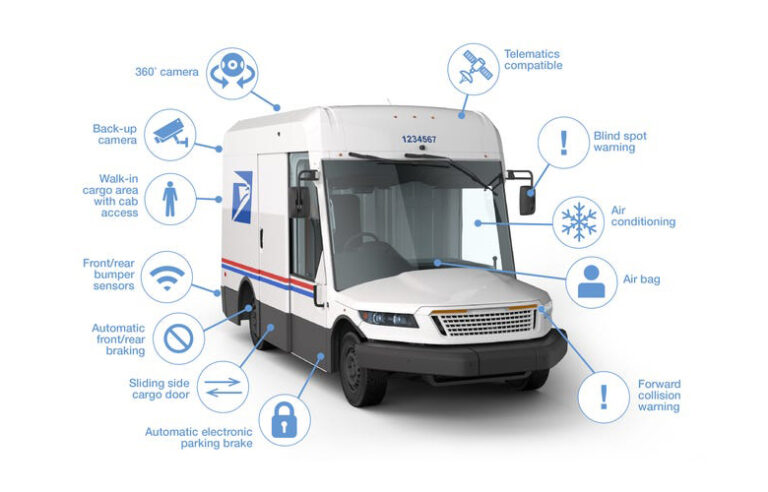
via USPS

Electric vehicles have become a hot topic in the last few years. As consumers look for ways to save money, unpredictable gas prices are a common pain point for those who have long commutes or have to drive frequently. Electric vehicles are becoming a popular alternative to the standard combustion-engine vehicle.

Ten years ago, there were very few electric vehicles on the road. But in 2022, that trend has shifted dramatically. Sales in 2021 of these types of automobiles reached 6.6 million globally, a figure which doubled the amount from the previous year. In 2022, the numbers have remained strong. This demonstrates the growing demand for electric vehicles around the world, particularly in Europe, China, and the United States.

So what is fueling, (pun intended), this consistent growth for the industry? It is a combination of factors.

Environmentally-Conscious Consumers

Although the biggest culprits of environmental damage are large corporations, individual consumers still want to do their part to protect and preserve the natural world. Combustible engines emit greenhouse gases such as carbon dioxide which at a high volume can be dangerous for the environment. Electric vehicles, on the other hand, run on electricity rather than gas, making them emit far less harmful substances into the air. With more consumers considering their impact on the environment, the result is a greater demand for vehicles that leave a smaller carbon footprint.

Massive Investment Shifts by Auto Manufacturers

It is not just consumers that are affecting the shift toward more electric vehicles on the road. Many manufacturers are seeing the signs of changing demand and reacting by investing more capital into the electric vehicle sector. While a total shift, if it ever happens, could take decades, some automobile giants are setting ambitious deadlines for complete electric vehicle production. Mercedez-Benz plans to shift to 100% EV production by 2025. Others may not be far behind. 

EV Engine Improvements

The first electric vehicles to see major production numbers were hybrids. Their electric capabilities were far more limited than the electric engines being produced today. Improving technologies, such as improved stator windings for the motor, along with more informed research are paving the way for far more efficient electric motors that can handle the demands of drivers everywhere. Distances that could only be realistically covered by a combustible engine are now perfectly manageable with improved electric vehicle engines. 

There is still far to go in maximizing the production process of electric vehicles. From the mining of lithium for batteries to the driving distance per battery charge, these automobiles can continue to improve and become even more cost-effective in the future.  

Shifting Fuel Prices

Especially in the last year, gas prices rose to an astronomical level. Historically, these prices can rise and fall due to many circumstances, from demand shifts to recessions and even foreign policy. Whatever the main cause of a price hike is, consumers dread the days when the cost per gallon jumps up several dollars for an extended period. Electric vehicles rely on rechargeable batteries to power the engines, and the math shows that the cost of electricity per mile is much lower than the cost of gas per mile. 

More Charging Stations

One of the biggest hesitations for many consumers when deciding whether or not to invest in electric vehicles is access to charging stations. Since it is still a relatively new technology, these critical infrastructural components are not readily available to drivers in the same way that gas stations are. Though it will take years for charging stations to reach similar levels of extension, they are continuously spreading. Major thoroughfares like rest stops and large parking lots are starting to add charging stations, as well as businesses. Perhaps the best time to plug in an EV is while at the office, so the more businesses include this option, the more consumers can rely on this type of automobile. 

Where Will This Industry Be in Ten Years?

While it may be impossible to predict outcomes a decade from now, there are plenty of indicators that point to the wider adoption of electric vehicles in the future. Consumers want to leave a smaller carbon footprint, and combustible engines contribute to greenhouse gases at a substantial rate. More manufacturers are investing in the production of this type of automobile, resulting in more efficient engines and better products. Fuel prices will always cause consternation among drivers, especially when costs rise, and the availability of more charging stations will make electric vehicles a reliable option for driving long distances. 

Whatever angle you take, electric vehicles are likely to grow in number. Recent trends are certainly pointing toward this conclusion, though the rate of increase may be unpredictable, especially with major shifts like a more remote workforce happening currently. Either way, this mode of transportation is becoming more reliable with each passing year, and innovation always leads to progress. 

New driver? Why you should consider telematics

0

When finding the right insurance policy for you there can be a lot to consider. As a new driver, you’ll likely find the costs are higher than average, as you’ve had less exposure to the roads and therefore are considered statistically more likely to be involved in an accident. 

But what if we told you there’s a way around this? With telematics car insurance, you’ll get personalized coverage based on how you’re driving, not how others like you are expected to drive. 

Read on to discover exactly what telematics insurance is, and why you should consider it.

What is telematics?

Telematics is location-based service that uses telecommunications and informatics to gather data based on your driving safety. Using a chip installed in your windshield or an app on your phone, Global Positioning Services (GPS) tracks whether or not you’re stopping too suddenly at stop signs, abiding by the speed limits, and even if you’re the one that’s driving. 

This is similar to the technology used in navigation apps like Waze, and with the help of the nifty gyroscope that’s already installed in your phone, your insurer will be able to analyze detailed metrics with as much precision as whether your phone is in your pocket, on the seat next to you, or in a holder on your dashboard. 

The location-based tech tracks your mileage and adapts your coverage based on this – as well as the other additional factors. Basically, you’ll only pay for how much and how well you drive, as statistically, the less you’re on the road, the less likely you are to be involved in an accident. 

You can even access your data to see where you might be able to improve your driving skills, therefore lowering your premium as you become a better driver. 

Location-based services

The beauty of telematics, is that along with all the other money-saving benefits we’ve mentioned, having your location services enabled at all times allows your insurance provider to know exactly where you are should you be involved in an accident. 

This means you won’t have to worry about trying to figure out where you are, as help can be sent out directly to you. 

As previously mentioned, it’ll also know whether it’s actually you driving or not. Cleverly, if your insurer is gathering the telematics data through an app on your phone, they’ll be able to put together a detailed enough picture to see all your driving patterns. 

This means that if you get in an Uber or form of public transport where the driver is a bit more reckless than you’d hoped, this won’t have any impact on your policy! What’s not to love? 

Is telematics right for you?

If you’re looking to save money on your car insurance, and are fed up with overpaying for premiums based purely on the fact you’re new on the roads – then look no further, because telematics is sure to be on your side. 

However, if you’re looking to insure more than one car under your name, you could look at multi-car insurance, as this will allow you to cater for each individual policy, all in one place. 

You could also find better offers if you’ve purchased an electric vehicle, as many insurers offer incentives and rewards for being more eco-friendly with your choices. Although these might cost more, and insurance premiums might be higher, you’ll find that you could save money long-term with electric car insurance. 

—

It’s clear there are plenty of different options out there for you to explore. And whilst it’s always good to shop around and make sure you’re getting the coverage that’s best for you and your driving habits, as a new or young driver, telematics insurance could offer a range of benefits that just can’t be missed.

5 Tools For Remote Design Teams

0

Most people carry around this perception that designers are these creative beings who all work together in the same room or close to one another. However, what happens when your design team is spread out all across the globe? How can collaboration and creativity be maintained when there is a physical distance between team members? 

Luckily, technology has come up with a few tools to help remote design teams work together effectively, and in this blog post, we will discuss five tools remote designers can use. 

Overflow Stories

With overflow stories, you get a simple and fast way to create a step-by-step layout of your designs and share them with your team and stakeholders. You can use this tool to build interactive, self-paced presentations, add context and clarity to your designs, set up real-time meetings, and present to multiple people in different time zones. It’s one of the best ways to communicate creative work.

Dialpad

Dailpad is an advanced tool that will help streamline your business communications and increase productivity. This tool connects your entire team through voice, video, messages, and online meetings and can be used by companies that range from a few hundred employees to over a thousand. 

When you use Dailpad, you reduce the amount of business communications tools that are used by your business, and some of the key features include:

  • Conference calling
  • Record and playback
  • Screen-sharing 
  • Mobile access
  • You can join calls without needing a PIN. 

This tool is best suited for both small and large-sized teams.

Mural 

Mural is a brainstorming manager that makes it easier to brainstorm more methodical manner. This tool is a digital whiteboard that allows users to write, draw or pin stickers on it. Designers can also use Mural to brainstorm and create prototypes as a team. 

Some features of Mural that users absolutely love include:

  • Sleek user interface:  These are bright stickers, highlighting, and a wide selection of connectors that make it easier for users to describe and prove their point. 
  • Real-time project collaboration: This feature allows the entire team to join the brainstorming session. 
  • A lot of integrations: This feature allows you to connect Mural to Slack, Dropbox, Jira and other popular collaboration sites. 

Time Doctor

Time Doctor is a popular tool used by designers. This app helps users keep an eye on how they spend their productive time by keeping track of the websites they are using, and if they are on a website for longer than they should be, they will be notified of it. This tool has real-time tracking, automated screenshotting; you can share time logs with clients and many more features. You can also get this tool on your mobile device by downloading the app. 

Some cool features of Time Doctor include:

  • Automated payroll: This is when time logs get converted into billing data automatically.
  • Detailed reports: This is a dashboard that tracks how much time your team members spend working, the apps they visit the most as well as insight on how to optimize productivity. 
  • Alerts you whenever you wander off work-related apps: This feature helps you stay on track with your work. 

Canva 

Canva allows you to make beautiful ads, logos, landing pages and custom graphics for yourself and your clients. This tool is perfect for small to medium-sized businesses that can use Canva to create professional graphs, prints, and presentations with professional layouts, templates, voice icons, frames, and many more. 

The tool also has some exclusive features such as a media library, text and image editor and a bunch of tools that allow you to create professional images that are still fun with the help of designers. Hundreds of templates, designs, fonts and images are available for you to choose from. 

So, there you have it! Five tools that designers can use to work together remotely. These tools are all easy to use and effective as well. Whether you want to design a logo or plan a presentation, these tools will help you!