Rare Synchronous Fireflies to Light Up Grandfather Mountain This Summer

One of North Carolina’s most popular summer nature events has become so competitive that visitors now need to win a lottery just to buy tickets.

Grandfather Mountain announced its annual “Grandfather Glows” firefly viewing event will again use a lottery system for 2026 because of growing demand.

The event is often compared to the famous synchronous firefly displays in the Great Smoky Mountains National Park and features rare glowing insects that appear for only a few weeks each year.

The lottery opens May 22 and closes May 28. Entries cost $5 plus tax and are limited to one per email address.

Event dates will be announced May 21 and will take place between mid-June and mid-July.

Researchers have confirmed 10 luminous insect species on the mountain, including synchronous fireflies, blue ghost fireflies, and glowworms.

Lottery winners can purchase up to six tickets. Adult tickets cost $50, while children’s tickets cost $40.

Each event runs from 7 p.m. to 11 p.m. and includes educational programs before guests move into designated viewing areas.

Organizers say the event is wheelchair accessible. Flash photography, pets, and alcohol are prohibited.

The first group of winners will be notified May 29, with a second round announced June 3.

Nearly 100 Firefighters Respond to Major Gas Explosion and Fire in Matthews

0

A massive gas explosion sent flames soaring over a Matthews neighborhood Wednesday afternoon, damaging homes and triggering a huge emergency response involving nearly 100 firefighters.

The explosion happened near Pleasant Plains Road and Morningwood Drive after a contractor drilling and setting poles reportedly struck a natural gas line around 11:55 a.m.

According to Matthews Fire & EMS, the leak ignited shortly after crews arrived, escalating into a dangerous fire that burned for more than an hour.

The Charlotte Fire Department HazMat team responded alongside Union County agencies and Piedmont Natural Gas crews.

Officials say two homes were heavily damaged, but no residents were inside at the time. No civilian injuries have been reported.

Several firefighters experienced heat-related issues but are expected to recover.

Fire officials intentionally allowed the flames to continue burning while crews worked to shut off the gas flow. Authorities said extinguishing the fire too early could have allowed explosive gas to spread through the neighborhood.

Firefighters instead focused on protecting surrounding homes while Piedmont Natural Gas crews located and shut down the damaged line.

The incident also caused power outages for nearby Duke Energy customers.

Authorities say crews will remain on scene as cleanup and damage assessments continue.

Study Reveals the 3 North Carolina Communities Most Confident About Reaching 100

In parts of the Mediterranean, living into your 90s (and beyond) isn’t unusual. These “blue zone” communities have long been seen as proof that, under the right conditions, a longer life isn’t just luck — it’s shaped by lifestyle, environment, and daily habits.

The U.S. doesn’t carry the same reputation — but it does have its own pockets where people seem to thrive well into later life.

So where in America do people feel most confident about their future — and why? A Mission for Michael commissioned Cherry Data Signals to survey 3,025 respondents, exploring how people think about their own longevity — not just in years, but in terms of control, optimism, and mindset.

Respondents were asked to estimate their chances of reaching 100. From this, they identified the communities with the strongest “longevity mindset” — places where people feel most positive, proactive, and in control of their long-term health.

The top 10 communities where people are most confident of reaching 100:

#1. St. Augustine, Florida
St. Augustine blends history, walkability, and coastal living into a lifestyle that naturally supports long-term wellbeing. With pedestrian-friendly streets, easy access to the waterfront, and a steady rhythm that encourages time outdoors, staying active feels like part of daily life. There’s also a strong sense of place and community, which helps support social connection. It’s the kind of environment where routine movement and a slower pace work together over time.

#2. Kula, Hawaii
Upcountry Maui has a more rustic, alternative feel than the beach towns below, and Kula captures that especially well. It’s a quaint area on the slopes of Haleakalā known for farms, botanical gardens and rich volcanic soil, with the wider Upcountry region rooted in agriculture and small-scale rural living. That makes it a strong fit for a longevity angle built around lower stress, local food and a more intentional pace of life.

#3. Dunedin, Florida
Dunedin offers a more relaxed, community-driven version of healthy living. Anchored by the Pinellas Trail and a network of parks and waterfront spaces, it makes walking and cycling feel like second nature. Residents often point to that everyday activity, combined with a friendly, low-stress atmosphere, as key to feeling positive about their long-term health — a mindset that aligns with greater confidence about living longer.

#4. Asheville, North Carolina
Asheville blends outdoor living with a strong creative and wellness-focused culture. Surrounded by the Blue Ridge Mountains, it encourages regular movement through hiking, walking, and time spent outside, while its arts scene keeps people mentally engaged. In communities like this, residents often feel that lifestyle plays a direct role in longevity, with many expressing confidence that their routines and environment could support them living well into older age.

#5. Northshore Chattanooga, Tennessee
Northshore brings a more active, neighborhood-scale version of healthy living into the city. Access to the Tennessee Riverwalk and nearby green spaces makes walking and cycling part of everyday life, while local businesses and community spaces keep people socially connected. That balance between movement and engagement often shapes how residents view their future health, with many feeling confident about living well into later life.

#6. Hanalei, Hawaii
Hanalei offers a slower, more grounded take on long-term wellbeing. At the foot of misty mountains and alongside its famous taro fields, it has a setting that feels deeply tied to nature and everyday routine. Communities like this can naturally foster the sense that a long life is something you can shape through pace, environment and daily habits — which fits neatly with the mindset side of your survey.

#7. Blue Hill, Maine
Blue Hill leans into a quieter, more reflective way of living. Surrounded by forests and coastline, it encourages a slower pace where routines feel easier to maintain. Daily life often includes time outdoors and close community interaction, both of which support long-term wellbeing. In places like this, residents often feel that consistency and environment play a meaningful role in how long they can live.

#8. Haleʻiwa, Hawaii
Haleʻiwa has a laid-back, surf-town rhythm that makes healthy living feel unforced. Known as the social and artistic hub of Oʻahu’s North Shore, it’s surrounded by famous beaches and local food spots, giving it a strong mix of movement, outdoor time and community life. It’s easy to frame as the kind of place where people stay active almost by default, simply because the setting pulls them outside.

#9. Midway, Kentucky
Midway leans into a quieter, small-town rhythm that feels easy to sustain. With walkable streets, local shops, and surrounding countryside, it encourages regular movement and time outdoors without much effort. Residents often point to that balance between activity and pace as a reason they feel positive about their long-term health, making it a natural fit for a longevity-focused angle.

#10. Apalachicola, Florida
Apalachicola leans into a quieter, more unhurried way of life. With its coastal setting and small-town scale, it encourages time outdoors and a slower daily rhythm that feels easier to maintain. Fishing, walking, and community interaction are part of everyday life rather than planned activities. It’s a place where lower stress and consistency help support both physical and mental wellbeing over time.

North Carolina has 2 other communities most confident about reaching 100 years old:

#17. Boone
Boone offers a more outdoors-driven take on wellbeing. Set in the mountains, it naturally encourages walking, hiking, and year-round activity, while its smaller scale helps maintain a strong sense of community. That combination of movement and connection shapes how people think about long-term health, with many feeling that staying active in this kind of environment makes living to 100 feel more achievable.

#31. Carrboro
Carrboro leans into a more grounded, community-first version of healthy living. Known for its local food culture, walkability, and strong social ties, it encourages a pace that feels manageable and consistent. Daily life often revolves around connection and routine rather than pressure, and residents frequently point to that balance as a reason they feel optimistic about their chances of reaching 100.


Major Production Company Casting New Reality Show on Lake Norman

A new reality TV project is brining the bright lights and cameras to the Charlotte region’s most popular summer destinations.

Ain’t That Something Entertainment, described as a major production company, is casting for a reality show centered around Lake Norman’s young adult social scene.

The company says it is specifically looking for people in their 20s who regularly vacation or spend time on the lake.

The production company did not specify how often participants need to visit the lake to qualify.

The casting announcement hints at a show focused on the personalities, relationships, and lifestyle surrounding Lake Norman’s busy warm-weather scene.

For many Charlotte-area residents, weekend trips to the lake have become a major part of local culture, despite heavy Interstate 77 traffic and increasingly crowded shorelines.

Anyone interested in being considered for the show can submit their story to casting@aintthatent.com.

South Carolina Supreme Court Overturns Alex Murdaugh Murder Convictions

0

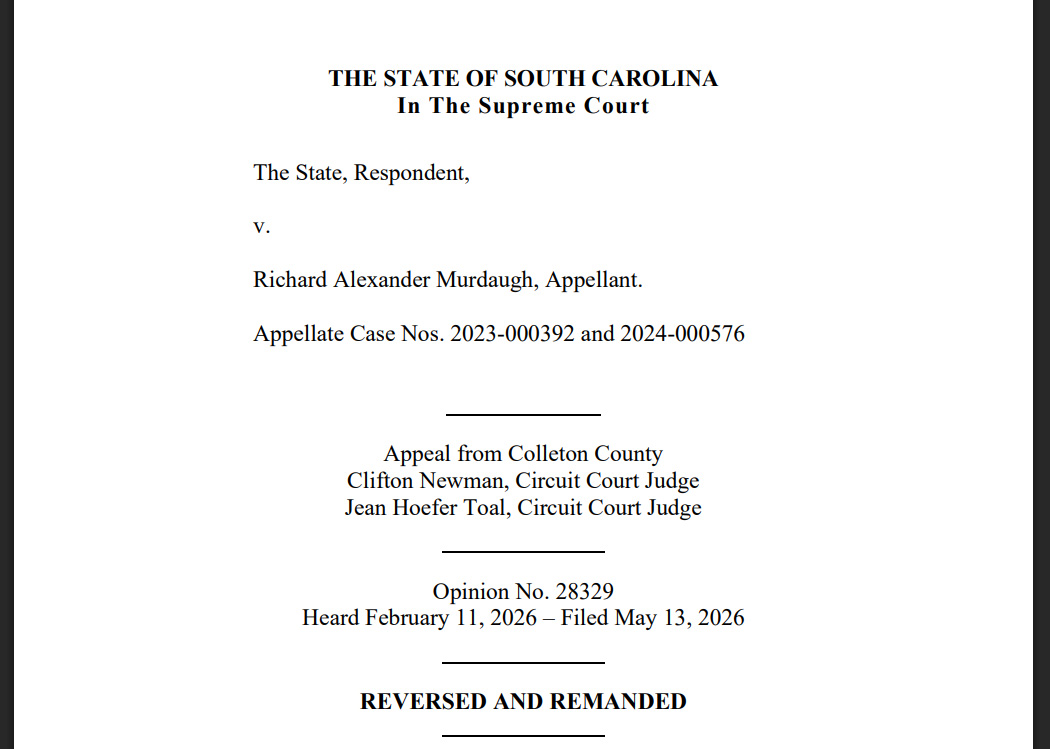
In a stunning decision that could reshape one of South Carolina’s most infamous criminal cases, the South Carolina Supreme Court has just overturned the murder convictions of Alex Murdaugh and ordered a new trial.
The court unanimously ruled Wednesday that Murdaugh’s constitutional right to a fair trial was violated due to improper conduct by former Colleton County Clerk of Court Rebecca “Becky” Hill.

Murdaugh was convicted in March 2023 for the murders of his wife, Maggie, and son, Paul, in a case that captured national attention and became known as South Carolina’s “Trial of the Century.”

In its ruling, the court said Hill improperly influenced jurors during the trial. Justices cited testimony that Hill encouraged jurors to closely watch Murdaugh’s body language and warned them not to be “fooled” by the defense.

The ruling also referenced findings that Hill sought publicity and financial gain connected to a book she later promoted about the trial. Justices wrote that she “placed her fingers on the scales of justice.”

The court further criticized how much evidence prosecutors introduced regarding Murdaugh’s financial crimes, calling portions of that testimony unfairly prejudicial.

Despite the reversal, Murdaugh will remain in prison. He is still serving lengthy sentences tied to dozens of financial crime convictions and guilty pleas.

South Carolina Attorney General Alan Wilson quickly announced the state plans to retry the murder case.

The ruling vacates Murdaugh’s murder convictions and life sentences, sending the case back to circuit court more than three years after the original verdict.

New Data: Young Adult Homeownership in Charlotte is 31%

The homeownership rate in the United States has fallen for two consecutive years, and the decline has been steepest among young adults between 25 and 34. Historically the prime ages for first-time homebuyers, young adult homeownership has been driven down to just 30% amid a series of compounding financial hurdles, undoing virtually all of the homeownership gains made over the previous decade.

As a result, not only are more young people renting longer, many are taking a third option: living in someone else’s owned home. This could mean living with parents, grandparents, friends, etc, and in 2025 it accounts for 20 percent of all young adults – more than 9 million people between the ages of 25 and 34.


The Local Outlook:
Young adult homeownership ranges from the low teens in California to the high 30s in the Upper Midwest. In Charlotte metro specifically, it stands at 31.4%, ranking #18 among the nation’s 50 largest markets. We see a strong correlation between homeownership rates, prices, and demand, with higher rates in lower-cost, lower-growth markets and lower rates in the nation’s most expensive, supply-constrained markets.

For more charts, analysis, and commentary, check out the full report:

Not really a renter, definitely not a homeowner: over 9 million young adults are stuck somewhere in between.

EPA Approves Plan to Eliminate Emissions Testing in North Carolina

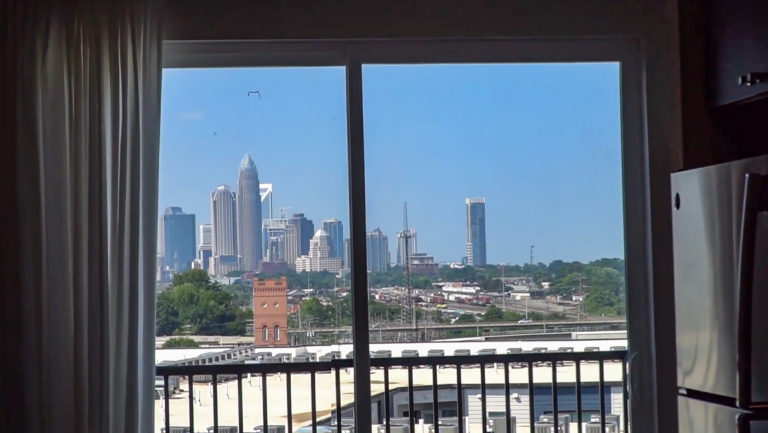
North Carolina drivers could soon stop paying for vehicle emissions tests under a major proposal backed by the U.S. Environmental Protection Agency.
The EPA announced it agrees with a request from state regulators to eliminate emissions inspections.

“Through cooperative federalism, EPA is working with North Carolina to lower costs for their residents while maintaining protection for human health and the environment,” said EPA Regional Administrator Kevin McOmber in a press release. “EPA is committed to eliminating unnecessary burdens to make testing more convenient and affordable for drivers and ensuring clean air for all Americans.” 

If approved after a 30-day public comment period, drivers in North Carolina would no longer need emissions testing during annual vehicle inspections.

State officials say improved air quality means the testing program is no longer necessary to meet federal standards.

According to the EPA, ending the inspections would save North Carolina drivers nearly $20 million per year without significantly impacting air quality.

Even if the emissions requirement disappears, drivers statewide would still need annual safety inspections. Standard safety inspections currently cost $13.60, while combined safety and emissions inspections cost about $30.

North Carolina’s emissions program began in 1982 and once covered nearly half the state. Officials say the effort helped reduce smog-causing pollution from high-emission vehicles.

The state has gradually scaled back the program as air quality improved. In 2019, emissions testing ended in 26 counties, followed by three more in 2022.

Community support follows USA Today story on Charlotte family’s experience with homelessness

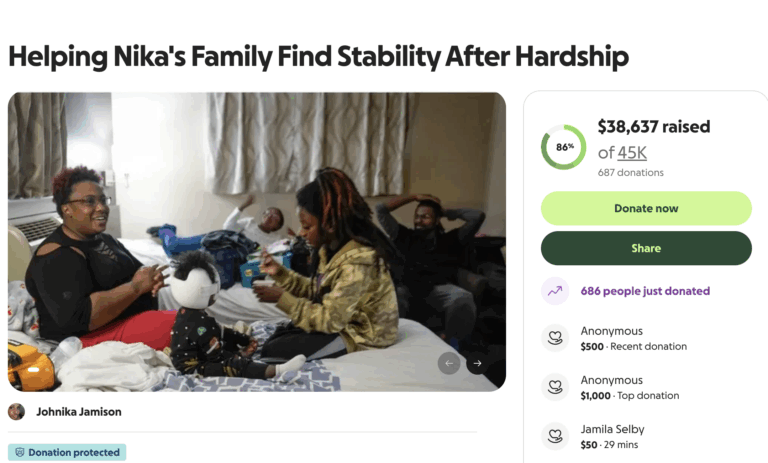
After being featured in USA Today, the Charlotte community has shown support for local resident Johnika “Nika” Harris, who shared her family’s experience with homelessness to help reduce stigma and increase understanding. Harris, a former school counselor for more than a decade, said she agreed to tell her story to highlight how quickly housing instability can occur.

Harris and her family of five have been homeless for 14 months, following a series of medical and financial challenges, including a multiple sclerosis flare-up, a difficult pregnancy, a jobless summer, and an eviction in September 2024. Since the article’s publication, a GoFundMe created by Harris has raised $38,137 to help support her family.

Screenshot 2025-12-19 at 12.15.05 PM.png

North Carolina Resident Quarantined After Rare Hantavirus Exposure

A North Carolina resident is under medical monitoring after exposure to a rare hantavirus outbreak aboard the expedition ship M/V Hondius, according to the North Carolina Department of Health and Human Services.

Federal officials say the outbreak involves the Andes virus, the only known hantavirus capable of spreading from person to person through close contact.

Passengers from the ship will be monitored for symptoms for 42 days after their last possible exposure.

The Centers for Disease Control and Prevention says hantaviruses are usually spread through contact with infected rodents, including exposure to urine, droppings, or saliva.

Symptoms can include fever, fatigue, muscle aches, and severe respiratory distress. There is currently no specific treatment for the illness.

State and federal health officials say they continue coordinating closely as monitoring and quarantine efforts remain underway.

“Our public health team is among the best in the country and remains ready to respond as the situation evolves,” said Dr. Kelly Kimple, Director of NCDHHS Division of Public Health, in a press release. “We are in constant communication with federal, state and local officials and are prepared to assist the individual and protect the health and well-being of all North Carolinians.”

For more information about hantavirus, visit the NCDHHS hantavirus webpage or CDC hantavirus webpage.

CLT City Council Reverses Support for $3 Billion I-77 South Toll Lane Project

In a major reversal, the Charlotte City Council just voted to rescind its support for the controversial I-77 South Express Lanes project.

After a lengthy and divided debate, councilmembers voted 6-5 to withdraw the city’s approval of the public-private partnership tied to the project. Leaders also directed Charlotte’s regional transportation representative to formally oppose the plan.

The decision temporarily halts the city’s backing of the proposed 11-mile expansion stretching from Uptown Charlotte to the South Carolina state line.

Council members say they want additional studies completed before moving forward. The resolution calls for further evaluation of community impacts and possible alternatives to the current design.

The project has sparked heavy debate across Charlotte for months. Critics argue the proposed southbound toll lanes could damage parks and greenways while displacing homes and businesses in historically Black neighborhoods.

Supporters have argued the expansion is necessary to address worsening traffic congestion along one of the region’s busiest corridors.

The project’s future now faces uncertainty. State transportation officials have warned that delays could jeopardize state and federal funding for the estimated $3 billion project.

The vote marks one of the most significant transportation reversals by Charlotte leaders in recent years and could reshape the future of one of the city’s largest planned infrastructure projects.