


Cybersecurity Focus: Cryptocurrency Safety

0

Cryptocurrencies have become a significant part of the modern financial landscape, offering a decentralized and digital alternative to traditional currencies. As the adoption of cryptocurrencies continues to grow, so does the importance of ensuring their safety and security. Unlike traditional banking systems, cryptocurrency transactions are irreversible, which means that once your digital assets are stolen, they are nearly impossible to recover. In this article, we will delve deep into the world of cryptocurrency security, exploring common threats and providing practical advice to help you protect your digital wealth. Additionally, if you want to know more about investments and firms, you may visit https://immediate-growth.io/

Common Cybersecurity Threats in the Cryptocurrency World

Phishing Attacks: Phishing is a prevalent method used by cybercriminals to trick users into revealing their private keys or credentials. They create fake websites and emails that appear legitimate, luring victims into providing sensitive information.

Malware and Ransomware: Malicious software can compromise the security of your cryptocurrency holdings by stealing keys or encrypting your data and demanding a ransom. Ransomware attacks often target individuals and organizations with valuable digital assets.

Social Engineering: Cybercriminals use psychological manipulation to trick individuals into revealing confidential information. They might impersonate trusted contacts or customer support representatives to gain access to your cryptocurrency.

Wallet Security: Safeguarding Your Digital Assets

Choosing the right wallet is the first step in securing your cryptocurrency. There are various types of wallets, each with its own security features:

  • Hardware Wallets: Considered one of the most secure options, hardware wallets are physical devices that store your cryptocurrency offline. This isolation from the internet significantly reduces the risk of hacking.
  • Software Wallets: Software wallets can be installed on your computer or mobile device. While convenient, they are vulnerable to malware and online attacks. Ensure you download wallet software from reputable sources.
  • Paper Wallets: A paper wallet involves printing your keys and storing them offline. This method is secure against online attacks but susceptible to physical theft or damage.

Regardless of the type of wallet you choose, follow these essential security practices:

  1. Use a strong, unique password for your wallet.
  2. Enable two-factor authentication (2FA) whenever possible.
  3. Safeguard your recovery phrase or private keys in a secure, offline location.
  4. Regularly update your wallet software to patch any known vulnerabilities.

Best Practices for Safe Cryptocurrency Transactions

Ensuring secure transactions is crucial in the world of cryptocurrencies. Here are some best practices:

  • Double-Check Addresses: Always verify the recipient’s wallet address before sending cryptocurrency. Mistakenly sending funds to the wrong address is irreversible.
  • QR Codes: Use QR codes for transactions whenever possible. They reduce the risk of manual entry errors.
  • Avoid Public Wi-Fi: Public Wi-Fi networks can be vulnerable to attacks. It’s best to use a trusted network when making cryptocurrency transactions.
  • Verify Transaction Details: Carefully review the transaction details before confirming. Ensure the amount, recipient address, and fees are correct.

Protecting Against Phishing and Social Engineering Attacks

Recognizing and defending against phishing and social engineering attacks is critical to maintaining cryptocurrency security:

  • Email Verification: Verify the sender’s email address and the legitimacy of any cryptocurrency-related emails. Be cautious of unsolicited emails requesting personal information.
  • Double-Check URLs: Before entering any sensitive information on a website, ensure the URL is correct and secure (HTTPS).
  • Be Skeptical: If someone asks for your private keys, recovery phrases, or other sensitive data, exercise caution and confirm their identity through other means.

Staying Informed: The Importance of Keeping Up with Security Updates

Cryptocurrency security is an evolving field. Staying informed about the latest threats and security updates is essential:

  • Security Patches: Regularly update your wallet software and applications to install security patches and bug fixes.
  • Community Involvement: Join cryptocurrency forums and communities to stay informed about potential threats and share experiences with fellow enthusiasts.
  • Education: Continuously educate yourself about the latest security measures and best practices in the cryptocurrency space.

Emergency Measures: What to Do if Your Cryptocurrency Is Compromised

If you suspect that your cryptocurrency holdings have been compromised, it’s crucial to act swiftly:

  • Isolate the Affected Device: Disconnect the compromised device from the internet to prevent further damage.
  • Contact Law Enforcement: Report the incident to your local law enforcement agency and provide all necessary details.
  • Notify Exchanges: If the cryptocurrency was stolen from an exchange, inform them immediately. They may be able to freeze the stolen funds.
  • Seek Professional Help: Consider consulting a cybersecurity expert or a professional specializing in cryptocurrency recovery.

Conclusion: The Future of Cryptocurrency Security

In conclusion, the security of your cryptocurrency holdings is of paramount importance in an era where digital assets play a significant role in financial transactions. By following best practices, such as choosing secure wallets, practicing safe transaction habits, and staying informed about the latest threats, you can significantly reduce the risk of falling victim to cyberattacks in the cryptocurrency world.

Looking ahead, the cryptocurrency space is expected to continue evolving, with advancements in blockchain technology and decentralized exchanges aiming to enhance security and user protection. Stay vigilant, stay informed, and safeguard your digital wealth in this exciting and dynamic landscape.


Nationwide AT&T Outage Leaves Hundreds of Thousands Disconnected

A significant outage disrupted AT&T’s cellular service across the U.S. on Thursday, leaving hundreds of thousands of US residents unable to make calls, send texts, or use the internet.
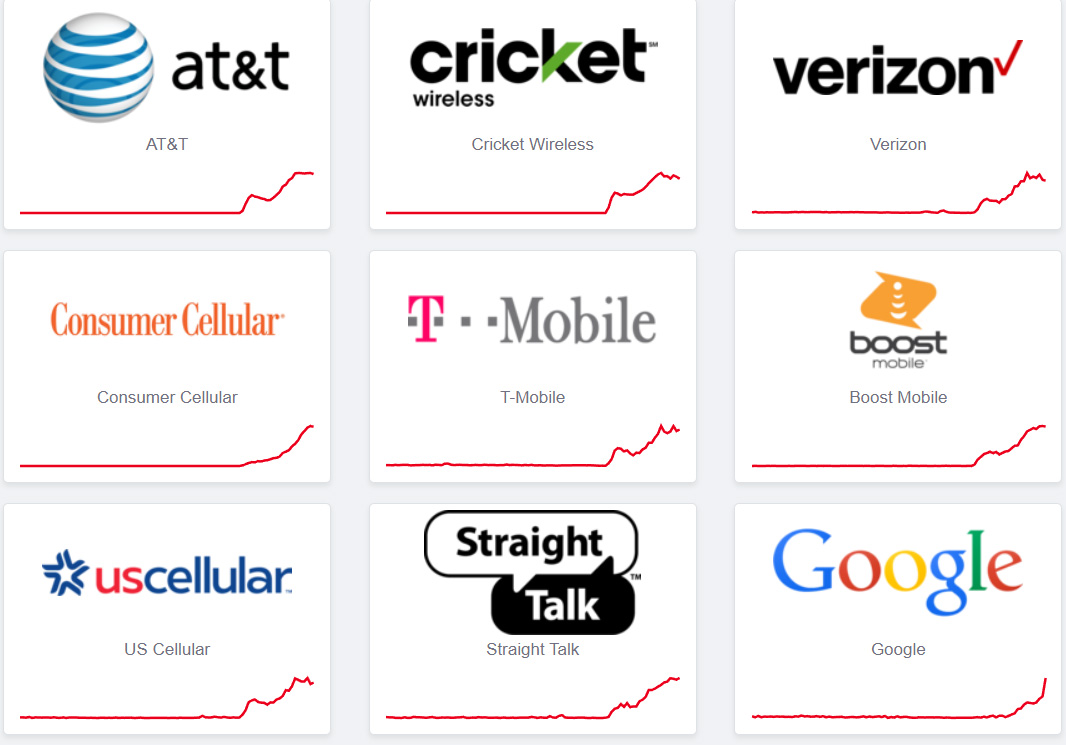


According to Downdetector, over 65,000 AT&T customers faced issues starting around 3:30 am this morning. The outage also affected over 100,000 additional Cricket, Verizon, T-Mobile, Boost Mobile, US Cellular, and Google customers to varying extents.

Despite the widespread disruption, customers retained access to emergency services through “SOS mode.” Officials are also recommending that customers text 911 instead of calling 911 in case of an emergency.

Social media platforms, especially Twitter, have been flooded with discussions on the outage, with some users speculating about a cyberattack, although no evidence supports this theory.

The current timeline for restoring full service remains uncertain.

Mecklenburg County Igniting a ‘Controlled Burn’ This Morning At Latta Plantation

0

The Mecklenburg County Natural Resources staff has just announced that they will be setting the Latta Nature Preserve on fire today at noon as part of a controlled burn.

The county sent out an alert noting that smoke will be seen around West Charlotte and Huntersville today between 11am and 2pm:

“Mecklenburg County Natural Resources staff are conducting a controlled burn today beginning around 11 am at Latta Nature Preserve. Smoke will affect air quality in the downwind area for 2-3 hours. To reduce your exposure to smoke, stay indoors or avoid areas of heavy smoke.”

According to the Mecklenburg County website, “land managers use controlled burns (also known as prescribed fire) to mimic the natural disturbance caused by the natural fires of years ago. These fires are carefully planned and conducted under specific weather conditions to achieve specific goals. In this way fire can safely be used as a management tool.”

Connecting Conventional Finance with the Cryptosphere: Exploring Ripple XRP

0

Ripple, a major player in the cryptocurrency space, is committed to revolutionizing the financial industry by bridging the gap between traditional finance and the evolving realm of cryptocurrencies. Central to this transformation is Ripple’s native digital currency, XRP, which stands out due to its distinctive pre-mined structure—where all coins are already in existence. This unique feature positions XRP as a pivotal force in reshaping the landscape of financial transactions. So, if you are looking for a website that connects you to investment education firms that can help you along your investment journey, consider to Go bitcoins-union.com.

The Evolution of Cryptocurrencies in the Financial Landscape

The emergence of cryptocurrencies marked a paradigm shift in financial systems. Bitcoin laid the foundation as a decentralized digital currency, but limitations in scalability and transaction speed prompted the need for alternatives. Ripple XRP addresses these shortcomings, positioning itself as a solution for efficient and rapid cross-border transactions.

Purpose and Significance of Bridging Traditional Finance and the Cryptosphere

The traditional finance sector operates within established frameworks, often resistant to change. The integration of cryptocurrencies, particularly Ripple XRP, introduces the potential for enhanced speed, transparency, and cost-effectiveness. This section explores why bridging the gap between traditional finance and the cryptosphere is crucial for the evolution of the financial industry.

Understanding Ripple XRP

The Role of Ripple in the Financial Ecosystem

Ripple is more than just a cryptocurrency; it’s a comprehensive platform designed to facilitate secure and instant global transactions. RippleNet, the network underlying Ripple, connects financial institutions, enabling them to transact directly without intermediaries. This peer-to-peer functionality streamlines processes, reduces costs, and minimizes the potential for errors.

Key Features and Characteristics of XRP

XRP boasts unique features that distinguish it from other cryptocurrencies. Its consensus algorithm, the XRP Ledger, ensures quick validation of transactions. With a maximum supply of 100 billion XRP, the cryptocurrency maintains a controlled scarcity. These features contribute to the stability and reliability of XRP within the financial ecosystem.

Ripple’s Vision for Transforming Cross-Border Payments

One of Ripple’s primary objectives is to revolutionize cross-border payments. Traditional international transactions are often marred by delays, high fees, and inefficiencies. Ripple XRP provides a solution by offering near-instantaneous transactions at a fraction of the cost, making cross-border payments more accessible and efficient for financial institutions and end-users alike.

Ripple’s Technology: The XRP Ledger

Consensus Mechanism and Security

Ripple XRP utilizes a unique consensus mechanism known as the XRP Ledger Consensus Algorithm. Unlike energy-intensive proof-of-work models, this consensus algorithm is efficient, ensuring faster transaction validation. The security measures embedded in the XRP Ledger make it resilient to attacks, contributing to the overall trustworthiness of the network.

Smart Contracts and Decentralization

While often associated with blockchain, Ripple XRP does not employ smart contracts. Instead, its focus lies in providing a robust and scalable infrastructure for financial transactions. The balance between decentralization and scalability is carefully maintained to meet the demands of the financial sector without compromising security.

Interoperability with Traditional Financial Systems

To bridge the gap between traditional finance and the cryptosphere, Ripple XRP emphasizes interoperability. Application Programming Interfaces (APIs) facilitate seamless integration with existing financial systems, enabling a smooth transition for institutions looking to adopt blockchain technology.

XRP’s Use Cases in Traditional Finance

Cross-Border Payments and Remittances

Ripple XRP’s primary use case is evident in cross-border payments. By eliminating the need for correspondent banks and reducing settlement times, XRP accelerates the transfer of funds globally, benefiting financial institutions and end-users alike. This section explores real-world examples of successful cross-border payment implementations.

Liquidity Provision and Market-Making

XRP serves as a bridge currency in RippleNet, providing liquidity for various fiat currencies. Market-makers play a crucial role in this process, facilitating seamless currency exchanges. Examining how XRP enhances liquidity provision sheds light on its integral role in the broader financial ecosystem.

Integration with Banking Systems and Financial Institutions

Adoption by traditional financial institutions is a key indicator of Ripple XRP’s success. This section delves into the strategies employed by Ripple to encourage integration, showcasing case studies of banks and financial entities leveraging XRP for enhanced efficiency and cost savings.

Regulatory Landscape and Challenges

Compliance and Regulatory Considerations for Ripple XRP

Navigating the complex regulatory landscape is a significant challenge for cryptocurrencies. Ripple has taken a proactive approach, working closely with regulators to ensure compliance. This section explores the regulatory considerations and compliance measures adopted by Ripple XRP to foster trust and legitimacy.

Navigating Challenges in Traditional Finance Adoption

Resistance to change and skepticism are common challenges faced by any disruptive technology. Ripple XRP’s journey involves overcoming these hurdles, including concerns about security, regulatory uncertainties, and entrenched traditional practices. Analyzing how Ripple addresses these challenges provides insights into its resilience.

Ripple’s Approach to Regulatory Compliance

Ripple’s commitment to regulatory compliance is a cornerstone of its strategy. This section details Ripple’s engagement with regulatory bodies, its efforts to establish industry standards, and its role in shaping a regulatory framework conducive to the growth of both traditional finance and the cryptosphere.

Partnerships and Collaborations

Ripple’s Strategic Partnerships in Traditional Finance

Strategic partnerships play a pivotal role in Ripple’s quest to bridge traditional finance and the cryptosphere. This section provides an overview of key partnerships, emphasizing how collaborative efforts contribute to the broader adoption of Ripple XRP within the traditional financial landscape.

Collaborative Efforts with Banks and Payment Service Providers

Examining specific collaborations with banks and payment service providers sheds light on the practical implications of Ripple XRP’s integration. Case studies showcase successful implementations, demonstrating the tangible benefits experienced by financial institutions leveraging Ripple’s technology.

Case Studies of Successful Implementations

Real-world examples of successful Ripple XRP implementations provide concrete evidence of its impact on traditional finance. This section presents case studies, illustrating how financial institutions have enhanced their operations, reduced costs, and improved customer experiences through the adoption of Ripple XRP.

Future Prospects and Innovations

Ripple’s Roadmap for Bridging the Gap

Ripple’s journey is an ongoing evolution. This section explores Ripple’s future roadmap, including planned upgrades, enhancements, and strategic initiatives aimed at further bridging the gap between traditional finance and the cryptosphere.

Potential Impact on Global Financial Systems

As Ripple XRP gains traction, its potential impact on global financial systems becomes increasingly significant. Analyzing the ripple effect – pardon the pun – on traditional financial infrastructures provides insights into the transformative power of this innovative technology.

Emerging Trends in the Cryptosphere and Traditional Finance Integration

The article concludes by exploring emerging trends that may shape the integration of the cryptosphere and traditional finance. From decentralized finance (DeFi) to evolving regulatory landscapes, understanding these trends provides a glimpse into the future landscape of digital finance.

Conclusion

In conclusion, Ripple XRP stands as a pivotal force in bridging traditional finance and the cryptosphere. With its efficient XRP Ledger, strategic partnerships, and commitment to regulatory compliance, Ripple addresses the challenges of cross-border payments and liquidity provision in traditional finance. Through successful implementations and collaborations, XRP showcases its potential to transform global financial systems. As Ripple continues to evolve and embrace emerging trends, its role in reshaping the financial landscape remains poised for further growth and influence. The integration of Ripple XRP into traditional finance exemplifies a significant step toward a more efficient, transparent, and interconnected financial future.

UNC March Madness Chances Call For Cautious Optimism

0

Things are looking good for UNC as March Madness nears. Though the men’s team is unlikely to be the number one seed, they’ll almost definitely be in contention for their first title since 2017. And that’s just where the six-time champions belong. While the team doesn’t seem to be quite as hot as it was a month or so ago, they’re shown this season that they can compete with anyone on their day — and that alone should give fans a cautious optimism that the title could be on its way.

A Great Season; Mixed Form

Up until a few weeks ago, UNC looked to be heading for March Madness as the number one seed. After all, they were on an awesome run that saw them on their longest winning streak for two seasons. Since then, things have fallen off slightly. Their defeat to Georgia Tech on January 31 led to six games of alternating wins and losses, which has probably ruined their chances of being the number one seed and also raised doubts about the legitimacy of their title credentials. Still, the team’s few losses shouldn’t be overly concerning; it’s still been a great season so far and may be about to become even better. 

UNC Strengths and Weaknesses

Until that defeat a few weeks ago, UNC didn’t seem to have any weaknesses. You don’t win 10 games in a row without operating as a well-oiled machine. At that point, it looked like the team wasn’t doing all the things that title-winning teams are supposed to do. 

Since that defeat, perspective has changed a little. People may still back UNC to lift the trophy, albeit with a little more reserve. They can do so using an introductory Draftkings betting offer to reduce risk. Promotions include a no-sweat betting offer that protects first bets from losses. Don’t get us wrong: UNC still has a powerful offense in the shape of Armando Bacot and RJ Davis, but their defense needs a bit of work.

Still, that may really only be a little bit of work. The defense has already shown this year that it can be robust enough to go on long winning streaks, which is exactly the kind of thing you need leading up to March Madness. 

So, What Are Their Chances?

If they cut out some of the losses and return to the form of earlier in the season, which is more than possible, then UNC can feel confident going into March Madness. It’ll represent their best chance to become champions since the last time they lifted the trophy back in 2017. Still, they’ll have to overcome reigning champions Uconn, who look like they have everything they need to become back-to-back champions. 

Cosmos (ATOM) Investment Tactics for Maximum Returns

0

Cryptocurrency investors are continually seeking promising projects for maximizing returns, and Cosmos (ATOM) has emerged as a noteworthy contender. Navigating the dynamic cryptocurrency market successfully involves comprehending the intricacies of Cosmos and employing strategic investment tactics. In addition, if you are looking for a website that helps people learn about investments by connecting them with investment education companies that can help them receive the right information, you may Visit enigmaprofit.com

Overview of Cosmos (ATOM)

Introduced in 2019, Cosmos serves as a pioneering blockchain platform strategically crafted to enhance interoperability across diverse blockchain networks. Its primary objective is to address the existing challenges related to scalability and compatibility within the blockchain ecosystem. By employing cutting-edge technology and incorporating distinctive features, Cosmos has emerged as an attractive prospect for potential investors seeking opportunities within the blockchain space.

Understanding Cosmos as an Investment

Market Analysis

Examining the prevailing market dynamics of Cosmos yields crucial insights into its overall performance. By delving into historical price data and tracking market capitalization trends, investors gain the necessary information to make well-informed decisions. Furthermore, juxtaposing Cosmos against other cryptocurrencies provides a comparative lens, allowing for a nuanced assessment of its relative strength within the market landscape. This comprehensive analysis contributes to a more strategic and informed approach for investors navigating the dynamic realm of digital assets.

Potential for Growth

Analyzing the growth potential of Cosmos requires a comprehensive exploration of technological advancements within its ecosystem. This entails a thorough understanding of recent upgrades and developments, coupled with an investigation into partnerships and collaborations. By examining these facets, one can gain valuable insights into the overall trajectory and prospects for growth within the Cosmos ecosystem.

Fundamental Analysis of Cosmos

Technology Underlying ATOM

Cosmos distinguishes itself with its unique blockchain technology. A comprehensive overview of how Cosmos achieves scalability and interoperability is essential for investors. Exploring the technical aspects of the Cosmos blockchain enhances understanding and confidence in the investment.

Governance and Staking

Understanding the success of the Cosmos project requires a comprehensive grasp of its governance structure and staking mechanisms. Investors should delve into the intricacies of staking, comprehending the associated rewards and recognizing the pivotal role played by the governance model in shaping decision-making processes within the Cosmos network. These elements collectively form the foundation for the project’s sustained growth and effectiveness in the decentralized ecosystem.

Risk Factors in Cosmos Investments

Market Volatility

Cryptocurrency markets are known for their volatility, and Cosmos is no exception. Analyzing historical price trends helps investors anticipate potential fluctuations. Additionally, understanding external factors influencing Cosmos’ price provides a realistic perspective on market risks.

Regulatory Considerations

The regulatory landscape for cryptocurrencies is evolving. Investors must be aware of potential regulatory changes that could impact their Cosmos investments. Staying informed about legal developments ensures a proactive approach to managing regulatory risks.

Investment Strategies for Cosmos

Long-Term vs. Short-Term Investment

Deciding between a long-term or short-term investment strategy depends on individual risk tolerance and financial goals. Evaluating the pros and cons of each approach helps investors align their Cosmos investment with their overall portfolio strategy.

Diversification

Building a diversified cryptocurrency portfolio is a fundamental strategy for risk mitigation. Investors should explore how Cosmos fits into their overall investment strategy and consider synergies with other blockchain projects to create a balanced and resilient portfolio.

Tools and Platforms for Investing in Cosmos

Exchanges Supporting ATOM

Choosing reputable exchanges supporting Cosmos is crucial for a seamless and secure trading experience. Factors such as liquidity, security measures, and user interface should guide investors in selecting the most suitable platform.

Wallets and Storage

Securing Cosmos assets requires a reliable wallet. Understanding the best practices for wallet management, including hardware and software options, ensures that investors can safeguard their ATOM tokens effectively.

Future Outlook for Cosmos (ATOM)

Upcoming Developments

Exploring Cosmos’ roadmap and planned upgrades offers a glimpse into the project’s future. Being aware of upcoming developments helps investors position themselves strategically for potential market shifts.

Expert Opinions

Gaining insights from industry leaders and experts in the field provides a valuable external perspective. Understanding their opinions and predictions for Cosmos contributes to a well-rounded understanding of the project’s future outlook.

Conclusion

In summary, Cosmos (ATOM) presents a compelling investment opportunity for those willing to delve into its technological nuances and market dynamics. By conducting a thorough analysis, understanding risk factors, and adopting sound investment strategies, investors can position themselves for potential maximum returns in the evolving world of cryptocurrencies.

Chiliz (CHZ) Investment Strategies for Profits

0

Chiliz (CHZ) has gained significant prominence in the world of cryptocurrency investments, as the interest in this digital asset continues to grow. This article explores the intricate world of Chiliz, discussing its background, market dynamics, and various investment strategies to help individuals make informed decisions when considering CHZ as a part of their investment portfolio. Additionally, if you want to know more about investments and firms, you may visit https://astral-edge.org

Understanding Chiliz (CHZ)

What is Chiliz (CHZ)?

Chiliz is a blockchain-based platform that focuses on the sports and entertainment industry. It leverages blockchain technology to create fan engagement opportunities and utility for sports teams and organizations. Established in 2018, Chiliz has gained recognition for its innovative approach to fan participation.

Chiliz’s Role in the Sports and Entertainment Industry

Chiliz enables sports clubs to create fan tokens, allowing supporters to participate in decision-making processes and access exclusive rewards. This involvement enhances fan engagement and monetizes the loyalty of sports enthusiasts.

Market Capitalization and Liquidity

Chiliz (CHZ) has seen significant growth in its market capitalization, indicating its growing popularity. High liquidity in trading pairs, particularly against major cryptocurrencies like Bitcoin (BTC) and Ethereum (ETH), makes it accessible for investors.

Investment Fundamentals

Setting Financial Goals and Risk Tolerance

Before investing in Chiliz (CHZ), it’s crucial to define your financial goals and assess your risk tolerance. Determine whether you aim for long-term wealth accumulation or short-term gains.

Diversification in a Cryptocurrency Portfolio

Diversifying your cryptocurrency portfolio helps spread risk. While Chiliz (CHZ) may be appealing, consider allocating a portion of your funds to other cryptocurrencies for a balanced portfolio.

Long-Term vs. Short-Term Investment Strategies

Choose an investment strategy that aligns with your goals. Long-term investors (HODLers) buy and hold Chiliz (CHZ) over an extended period, while short-term traders aim to profit from price fluctuations.

Staying Updated with Market News and Trends

Cryptocurrency markets are highly dynamic. Stay informed about Chiliz (CHZ) and the broader crypto market by following news outlets, social media, and official Chiliz announcements.

Chiliz (CHZ) Analysis

Fundamental Analysis of Chiliz (CHZ)

Project Team and Partnerships

Assess the Chiliz team’s expertise and track record. Additionally, evaluate the partnerships Chiliz has established with sports organizations and other entities to gauge its potential for growth.

Utility and Use Cases

Understand how Chiliz (CHZ) tokens are used within the platform. Utility tokens with real-world applications tend to have more sustainable value.

Technical Analysis of Chiliz (CHZ)

Price History and Trends

Analyze historical price data and identify patterns or trends that may provide insights into future price movements.

Trading Volume and Liquidity

Higher trading volume and liquidity make it easier to buy or sell Chiliz (CHZ) without causing significant price fluctuations.

Investment Strategies

HODLing Chiliz (CHZ)

Benefits of a Long-Term Approach

HODLing Chiliz (CHZ) can yield substantial gains over time. It allows you to capitalize on the potential growth of the platform and its adoption by sports organizations.

Risk Management and Patience

Long-term investors should exercise patience and be prepared for market fluctuations. Implement risk management strategies like setting stop-loss orders to protect your investments.

Trading Chiliz (CHZ)

Day Trading vs. Swing Trading

Day traders aim to profit from short-term price movements within a single day, while swing traders hold positions for several days or weeks. Choose a strategy that suits your risk tolerance and time commitment.

Technical Indicators and Chart Patterns

Use technical analysis tools and chart patterns to make informed trading decisions. Popular indicators include Moving Averages, Relative Strength Index (RSI), and Bollinger Bands.

Yield Farming and Staking

Passive Income Opportunities

Yield farming and staking Chiliz (CHZ) can generate passive income through rewards and token incentives. Research the available staking options and potential yields.

Risks and Rewards

Understand the risks associated with yield farming, including smart contract vulnerabilities and impermanent loss. Conduct thorough research and consider diversifying your staking portfolio.

Risks and Challenges

Regulatory Concerns in the Cryptocurrency Space

The cryptocurrency industry faces evolving regulations that may impact Chiliz (CHZ) and other digital assets. Stay informed about regulatory developments in your region.

Security and Custody of CHZ Tokens

Ensure the security of your Chiliz (CHZ) holdings by using reputable wallets and exchanges. Implement best practices like enabling two-factor authentication (2FA) and keeping private keys secure.

Market Volatility and Price Fluctuations

Cryptocurrency markets are known for their price volatility. Be prepared for sudden price swings and avoid making impulsive decisions based on short-term fluctuations.

Tips for Success

Strategies for Risk Mitigation

Stop-Loss Orders: Set stop-loss orders to automatically sell Chiliz (CHZ) at a predetermined price to limit potential losses.

Dollar-Cost Averaging: Invest a fixed amount at regular intervals to reduce the impact of market volatility.

Learning from Successful CHZ Investors

Study the strategies of successful Chiliz (CHZ) investors and learn from their experiences. Online communities and forums can provide valuable insights.

Staying Updated with Chiliz (CHZ) Developments

Chiliz (CHZ) continually evolves. Stay updated with platform developments, partnerships, and updates to adapt your investment strategy accordingly.

Conclusion

In conclusion, Chiliz (CHZ) offers various investment opportunities, but success requires careful planning and research. Whether you opt for long-term HODLing, active trading, or yield farming, consider your risk tolerance and financial goals. Stay informed and adapt your strategy as the cryptocurrency landscape evolves, and remember that responsible investing is key to long-term success.

Decrypting Privacy on the Blockchain: Bitcoin and Zcash

0

Blockchain technology has revolutionized the way we handle transactions and data, offering transparency and security at its core. In this article, we will explore the world of blockchain privacy, focusing on Bitcoin and Zcash, two prominent cryptocurrencies that take distinctly different approaches to address the issue of privacy. If you wish to learn about investing with education companies, you might consider to Visit immediateserax.org

The Basics of Blockchain Technology

Before we explore the intricacies of privacy on the blockchain, let’s establish a fundamental understanding of blockchain technology itself. A blockchain is a distributed ledger that records all transactions across a network of computers, ensuring transparency and immutability. Each block contains a set of transactions, and these blocks are linked together in chronological order to form the chain.

Bitcoin and Pseudonymity

Introduction to Bitcoin

Bitcoin, created by the pseudonymous Satoshi Nakamoto in 2008, is often regarded as the pioneer of cryptocurrencies. Unlike traditional financial systems, Bitcoin operates on a decentralized network, allowing users to send and receive digital currency without the need for intermediaries.

Anonymity vs. Pseudonymity

Bitcoin provides a degree of pseudonymity, meaning that transactions are not directly linked to users’ real-world identities but are recorded on a public ledger. This characteristic distinguishes Bitcoin from truly anonymous cryptocurrencies.

Privacy Challenges in Bitcoin

Bitcoin’s pseudonymity has led to concerns about the potential for tracking and de-anonymizing users through sophisticated analysis and the use of blockchain analysis tools.

Techniques for Enhancing Privacy in Bitcoin

To address these concerns, various techniques have emerged to enhance privacy within the Bitcoin ecosystem:

  • Mixing Services: Mixing services allow users to combine their Bitcoin with others’ coins, making it challenging to trace the origins of specific transactions.
  • CoinJoin: CoinJoin is a method that combines multiple transactions into a single transaction, obscuring the source and destination of funds.
  • Confidential Transactions: Confidential Transactions use cryptographic techniques to hide transaction amounts, improving privacy on the blockchain.

The Limitations of Privacy in Bitcoin

Despite these efforts to enhance privacy, Bitcoin’s pseudonymous nature has inherent limitations, and complete privacy remains elusive.

Zcash and Zero-Knowledge Proofs

Introduction to Zcash

Zcash, launched in 2016, takes a radically different approach to privacy. It offers the option of completely private transactions alongside transparent ones, giving users a choice in their level of privacy.

Zero-Knowledge Proofs (ZKPs) Explained

At the heart of Zcash’s privacy features are Zero-Knowledge Proofs (ZKPs), a cryptographic technique that allows one party to prove they know a piece of information without revealing the information itself.

How Zcash Implements ZKPs for Privacy

Zcash uses ZKPs to create “shielded transactions” where the sender, recipient, and transaction amount are concealed while still ensuring the validity of the transaction.

Comparing Zcash’s Privacy Features to Bitcoin

Zcash’s approach provides a higher level of privacy compared to Bitcoin’s pseudonymity, as it offers truly confidential transactions as an option.

The Trade-Offs and Challenges of Zcash’s Privacy Approach

While Zcash’s privacy features are impressive, they come with trade-offs such as increased computational requirements and potential regulatory scrutiny.

Regulatory and Ethical Considerations

The Regulatory Landscape for Privacy-Focused Cryptocurrencies

Privacy-focused cryptocurrencies like Zcash have faced regulatory challenges due to concerns about their potential use in illegal activities.

Balancing Privacy with Regulatory Compliance

The debate over whether and how to regulate privacy coins highlights the tension between financial privacy and regulatory compliance.

Ethical Debates Surrounding Privacy in Blockchain

Beyond regulations, ethical discussions have arisen regarding the right to financial privacy and the potential societal implications of fully private cryptocurrencies.

The Role of Privacy Coins in Financial Privacy

Privacy coins play a vital role in advocating for individual privacy rights in the digital age, challenging existing financial surveillance systems.

Use Cases and Adoption

Real-World Applications of Bitcoin’s Pseudonymity

Bitcoin’s pseudonymity has found applications in industries like online gambling, where users value privacy, and in regions with restricted access to traditional banking.

Use Cases for Zcash’s Advanced Privacy Features

Zcash’s shielded transactions have potential use cases in industries where data privacy is paramount, such as healthcare and confidential business transactions.

Adoption Trends for Privacy-Focused Cryptocurrencies

Both Bitcoin and Zcash have gained adoption over the years, with Bitcoin being widely accepted as a store of value and Zcash gaining traction in privacy-conscious communities.

Challenges in Mainstream Adoption

Despite their benefits, privacy-focused cryptocurrencies still face challenges in gaining widespread acceptance due to regulatory uncertainties and usability issues.

The Future of Privacy on the Blockchain

Emerging Technologies for Enhanced Privacy

Blockchain projects continue to develop and implement advanced privacy-enhancing technologies beyond ZKPs, promising even greater privacy.

Research and Development in Blockchain Privacy

The blockchain community is actively researching and developing solutions to improve privacy while maintaining transparency.

The Potential Impact of Quantum Computing on Blockchain Privacy

The advent of quantum computing poses a potential threat to current cryptographic techniques used in blockchain, making privacy enhancements even more critical.

Predictions and Speculations for the Future

As the blockchain space evolves, the balance between privacy and transparency will continue to shift, with privacy-focused cryptocurrencies playing a significant role.

Conclusion

In conclusion, privacy on the blockchain is a complex and evolving issue. Bitcoin’s pseudonymity and Zcash’s advanced privacy features offer different solutions to address privacy concerns. The future of privacy in blockchain will likely see the integration of emerging technologies and ongoing debates about regulatory and ethical considerations. Ultimately, the quest for privacy in the digital age remains a dynamic and vital conversation in the blockchain community.

DEX Trading on Serum: A Unique Investment Experience

0

In the ever-changing realm of cryptocurrency trading, Decentralized Exchanges (DEXs) are pivotal, reshaping how digital assets are transacted. Serum, a pioneering DEX born on the Solana blockchain in 2020, sets itself apart with features like non-custodial trading, cross-chain compatibility, and a robust ecosystem, thereby redefining the landscape of decentralized finance. It offers valuable resources tailored to empower users in the cryptocurrency space, making it a go-to platform for those wanting to stay informed and educated. Additionally, if you want to know more about investments and firms, you may visit quantum-gforce.com website

Understanding Serum: A Revolutionary DEX

Background and History of Serum

Launched in 2020 on the Solana blockchain, Serum was conceived as a decentralized ecosystem to address the limitations of traditional exchanges. Co-founded by Sam Bankman-Fried and FTX, Serum aims to provide a secure, efficient, and global platform for cryptocurrency trading.

Key Features Setting Serum Apart

Cross-Chain Compatibility: Serum’s integration with the Solana blockchain enables cross-chain compatibility, allowing users to trade assets from different blockchain networks seamlessly.

Non-Custodial Trading: Serum operates on a non-custodial model, meaning users retain control of their private keys. This enhances security by reducing the risk associated with centralized custody.

Serum DEX Ecosystem: Serum offers a broader ecosystem beyond basic trading, featuring decentralized governance, staking mechanisms, and a native utility token (SRM) that plays a crucial role within the platform.

Integration with Solana Blockchain: Serum leverages the high-performance Solana blockchain, ensuring fast transaction speeds and low fees. This integration enhances the overall trading experience for users.

How Serum Works: A Deep Dive

Serum’s Order Book and Matching Engine

Serum employs an order book and matching engine to facilitate trades. The order book records buy and sell orders, while the matching engine ensures the execution of trades in a fair and efficient manner.

Role of SRM (Serum) Token

The SRM token serves multiple purposes within the Serum ecosystem. It acts as a governance token, allowing holders to participate in decision-making processes. Additionally, SRM is used for staking, providing liquidity, and obtaining fee discounts.

Liquidity Pools and Market Making on Serum

Liquidity pools play a crucial role in enabling trading on DEXs. Users can contribute funds to liquidity pools and earn fees in return. Market makers, incentivized by potential profits, contribute to liquidity by placing orders in the order book.

Smart Contracts and Decentralized Governance

Serum operates through smart contracts that execute predefined rules in a transparent and decentralized manner. Decentralized governance ensures that important decisions are made collectively by the community, enhancing the platform’s democratic nature.

Trading on Serum: Strategies and Tips

Creating a Serum Wallet

To start trading on Serum, users need to create a wallet that supports Solana-based assets. Popular choices include the Sollet and Phantom wallets. These wallets allow users to securely store and manage their assets.

Navigating the Serum DEX Interface

Serum provides a user-friendly interface for traders. Understanding the layout, order types, and trading pairs is crucial. The intuitive design ensures that even beginners can navigate the platform with ease.

Understanding Trading Pairs and Tokens

Serum supports a wide array of trading pairs, allowing users to trade various tokens. Understanding the dynamics of trading pairs, including liquidity, historical performance, and market trends, is essential for making informed trading decisions.

Risk Management in DEX Trading

While DEXs offer benefits such as increased security and control, they also come with risks. Traders should be aware of impermanent loss, potential smart contract vulnerabilities, and market volatility. Implementing risk management strategies is paramount for a successful trading experience.

Advantages of DEX Trading on Serum

Lower Fees Compared to Traditional Exchanges

One of the major advantages of trading on Serum is the significantly lower fees compared to centralized exchanges. This cost-effectiveness attracts traders looking to maximize their returns.

Enhanced Security and Privacy

As a non-custodial DEX, Serum prioritizes user security. By eliminating the need for users to trust a centralized entity with their funds, Serum minimizes the risk of hacking and fraud. Additionally, users enjoy enhanced privacy, as they maintain control over their private keys.

Global Accessibility and Inclusivity

Serum’s decentralized nature ensures global accessibility, allowing users from any part of the world to participate in trading. This inclusivity aligns with the core principles of cryptocurrency – providing financial opportunities to a global audience.

24/7 Market Availability

Unlike traditional stock markets that operate within specific hours, Serum’s decentralized nature allows for 24/7 market availability. This flexibility is advantageous for traders in different time zones and those looking to capitalize on global market trends.

Challenges and Risks in DEX Trading

Impermanent Loss and its Mitigation

Impermanent loss occurs when the value of assets in a liquidity pool deviates from the initial investment. Traders should be aware of strategies to mitigate this loss, such as carefully selecting liquidity pools and understanding the market conditions.

Regulatory Considerations

The decentralized nature of DEXs like Serum raises regulatory challenges. Traders must be aware of the legal landscape in their jurisdictions and stay informed about potential regulatory developments.

Smart Contract Vulnerabilities

Smart contracts, while revolutionary, are not immune to vulnerabilities. Users should stay informed about audits and security measures implemented by the Serum team to mitigate the risk of smart contract exploits.

Market Volatility and Risk Exposure

Cryptocurrency markets are known for their volatility. Traders should be prepared for rapid price movements and potential exposure to risk. Implementing stop-loss orders and diversifying portfolios can help manage volatility-related risks.

Future Trends and Developments

DeFi Innovations on Serum

The decentralized finance (DeFi) space is constantly evolving, and Serum is positioned to embrace new DeFi innovations. Expect to see enhanced DeFi products and services integrated into the Serum ecosystem.

Potential Integrations and Partnerships

Serum’s growth is likely to be fueled by strategic integrations and partnerships. Collaborations with other projects and platforms can expand Serum’s utility and user base.

Community and Ecosystem Growth

As a decentralized platform, Serum’s success relies on its community. Continued growth in the number of users, developers, and contributors strengthens Serum’s position in the broader cryptocurrency ecosystem.

Regulatory Landscape for DEX Trading

The regulatory environment for DEXs is dynamic. Monitoring how global regulators approach decentralized finance will provide insights into the future regulatory landscape for Serum and other DEXs.

Conclusion

In conclusion, DEX trading on Serum offers a unique investment experience characterized by innovation, security, and inclusivity. Understanding the intricacies of Serum, implementing effective trading strategies, and being aware of potential risks are essential for maximizing the benefits of decentralized trading. As Serum continues to evolve, staying informed about future trends and developments will be key to navigating the dynamic world of decentralized finance responsibly.

DeFi Contracts and Synthetic Assets: Unveiling Bitcoin and UMA

0

The financial sector is currently experiencing a significant shift due to the emergence of Decentralized Finance (DeFi) contracts and synthetic assets, signaling a new era in how we understand and engage with money. This article aims to shed light on the fundamental aspects and influential entities in this field, particularly emphasizing the roles of Bitcoin and the Universal Market Access (UMA) protocol, two pivotal elements shaping the future of finance. In addition, you can find an investment education company to start your learning journey by visiting pattern-trader.app

Understanding DeFi Contracts

What are DeFi Contracts?

DeFi contracts are self-executing agreements powered by smart contracts, running on blockchain networks. Unlike traditional finance, which relies heavily on intermediaries, DeFi contracts enable peer-to-peer transactions and are decentralized by design.

DeFi Lending and Borrowing Platforms

DeFi platforms like Aave and Compound allow users to lend or borrow digital assets. Lenders earn interest, while borrowers access funds without traditional banks’ involvement.

DeFi Decentralized Exchanges (DEXs)

DEXs such as Uniswap and SushiSwap facilitate decentralized trading, where users can swap tokens directly from their wallets. This eliminates the need for centralized exchanges, enhancing security and reducing fees.

Risks and Benefits of DeFi Contracts

DeFi offers benefits like financial inclusion, 24/7 accessibility, and transparency. However, it’s not without risks, including smart contract vulnerabilities, liquidity issues, and regulatory concerns.

Synthetic Assets: The Basics

Definition and Purpose of Synthetic Assets

Synthetic assets represent real-world or digital assets’ value without actually holding them. These are created to enable exposure to various assets and markets without direct ownership.

How Synthetic Assets Work

Synthetic assets are typically created through collateralization and smart contracts. Users lock collateral to mint synthetic assets, which can then be traded or used for various purposes.

Advantages of Synthetic Assets in DeFi

Synthetic assets offer diversification, liquidity, and accessibility to a wide range of assets. They enable DeFi users to participate in traditional markets without leaving the blockchain.

Examples of Popular Synthetic Assets

Prominent examples include Synthetix (SNX), which offers a variety of synthetic assets, and Mirror Protocol (MIR), focusing on synthetic stocks and commodities.

Bitcoin in DeFi

Bitcoin’s Journey into the DeFi Ecosystem

Bitcoin, the first cryptocurrency, initially remained separate from the DeFi movement. However, it has increasingly found its place in DeFi through various wrapped tokens, like Wrapped Bitcoin (WBTC).

Wrapped Bitcoin (WBTC) and Its Role

WBTC is an ERC-20 token backed 1:1 by Bitcoin. It bridges Bitcoin’s liquidity to DeFi, allowing users to access the Ethereum ecosystem while still holding Bitcoin.

Liquidity Provision with Bitcoin

Bitcoin holders can participate in DeFi by providing liquidity to various platforms, earning fees and rewards in return.

Risks Associated with Using Bitcoin in DeFi

While Bitcoin in DeFi offers new opportunities, it also introduces risks, such as custodial risk, smart contract vulnerabilities, and potential regulatory challenges.

UMA Protocol: Empowering Synthetic Assets

Introduction to UMA (Universal Market Access)

UMA is a DeFi protocol that allows users to create synthetic assets known as Priceless Financial Contracts (PFCs). UMA’s design enables flexibility and customization.

UMA’s Role in Creating Synthetic Assets

UMA’s core innovation lies in its design of self-executing PFCs, which can be used to create a wide range of synthetic assets, from cryptocurrencies to traditional financial instruments.

Priceless Financial Contracts (PFCs) on UMA

PFCs derive their value from the price of an underlying asset and can be collateralized to mint synthetic assets. This design ensures that the value of the collateral is always greater than the minted assets.

Benefits and Challenges of the UMA Protocol

UMA offers composability, scalability, and customization in creating synthetic assets. However, it faces challenges related to adoption and competition within the DeFi space.

Use Cases and Applications

Real-World Applications of DeFi Contracts and Synthetic Assets

DeFi’s impact extends beyond speculation, with applications in decentralized lending, insurance, prediction markets, and more.

Yield Farming and Liquidity Provision

DeFi users can participate in yield farming by providing liquidity to decentralized exchanges or lending platforms, earning rewards and fees.

Leveraging Bitcoin and UMA for Financial Innovation

The combination of Bitcoin and UMA allows for innovative DeFi solutions, such as creating synthetic Bitcoin assets or participating in novel financial products.

DeFi’s Potential Impact on Traditional Finance

DeFi has the potential to disrupt traditional financial systems by providing open and accessible alternatives to traditional banking and investing.

Risks and Challenges

Security Concerns in DeFi Contracts and Synthetic Assets

DeFi has witnessed hacks and exploits due to vulnerabilities in smart contracts. Proper security audits and best practices are crucial.

Regulatory Hurdles and Compliance Issues

DeFi platforms often operate in a regulatory gray area, with potential legal implications. Compliance with local regulations remains a challenge.

Market Volatility and Smart Contract Vulnerabilities

DeFi users must be cautious of market volatility and ensure the security of smart contracts to mitigate risks.

Potential Solutions and Risk Management Strategies

Adopting security best practices, staying informed about regulatory changes, and diversifying investments can help mitigate DeFi risks.

The Future of DeFi Contracts and Synthetic Assets

Predictions for the Evolution of DeFi

DeFi is likely to continue evolving, with increased adoption, improved security, and more sophisticated financial products.

Mainstream Adoption and Institutional Interest

As DeFi matures, it may attract mainstream users and institutional investors seeking yield and diversification.

Technological Advancements and Scalability

Scalability solutions and cross-chain interoperability may enhance DeFi’s capabilities, expanding its reach.

DeFi’s Role in Shaping the Future of Finance

DeFi has the potential to revolutionize finance by democratizing access to financial services and promoting financial inclusivity.

Conclusion

In conclusion, DeFi contracts and synthetic assets represent a pivotal moment in the financial industry’s history. As they continue to mature and evolve, they offer exciting opportunities and challenges. Responsible participation and continuous innovation will be key to harnessing their full potential. The world of finance is undergoing a revolutionary transformation, thanks to the advent of DeFi (Decentralized Finance) contracts and synthetic assets. In this article, we will delve deep into this exciting realm, exploring the core concepts and key players, with a special focus on the impact of Bitcoin and the Universal Market Access (UMA) protocol.