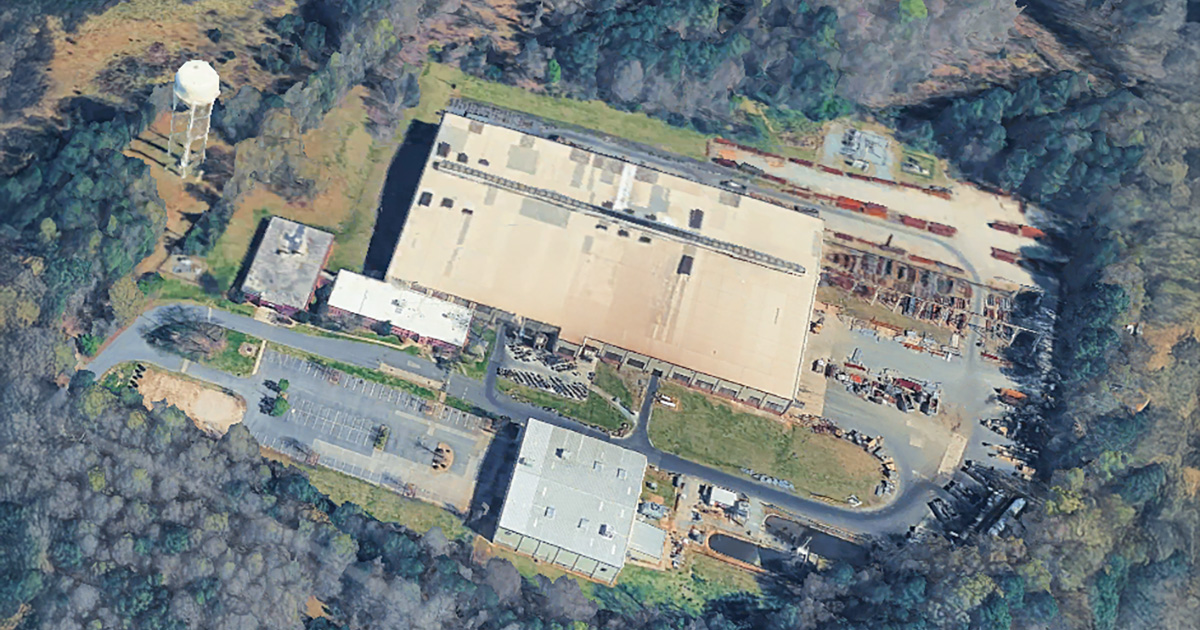
A fire broke out Friday evening at an industrial facility in Pageland, sending thick black smoke into the sky and prompting a multi-agency emergency response. Crews were dispatched around 6:10 p.m. to the Aalberts Industries plant on South Van Lingle Mungo Road.
Firefighters from Pageland, Sandhills, High Point, and Ruby–Mount Croghan responded alongside a hazmat team from Monroe, North Carolina. Crews evacuated the 200,000-square-foot facility and brought the fire under control by approximately 6:45 p.m.
No injuries were reported among employees or first responders. Officials say the cause of the fire remains under investigation, and damage estimates have not yet been released.
The plant manufactures brass valves, a process that involves melting and shaping metal alloys. Facilities like this typically use industrial lubricants, coolants, cleaning agents, and acids for finishing and surface treatment.
Aalberts Industries is a global manufacturing company specializing in engineered metal components and fluid control systems. Its operations often include machining, casting, and finishing processes that rely on chemicals such as cutting fluids, degreasers, and metal treatment solutions.
While these chemicals are common in manufacturing, fires at such facilities can produce heavy smoke and potentially hazardous byproducts depending on what materials are involved.
This marks the third reported fire at the Pageland plant in the past two years, raising concerns about operational safety and emergency preparedness.
The incident also comes as industrial development continues to expand across the region, bringing renewed attention to how different types of manufacturing facilities compare in scale and risk.
For example, the Aalberts facility focuses on metalworking and valve production, which generally involves smaller volumes of industrial chemicals used for machining and cleaning.
In contrast, new Charlotte-area factories like Silfab’s proposed 900,000 sq ft factory in Fort Mill involve entirely different processes. Those operations include the storage and use of over 1 million lbs of highly hazardous and toxic chemicals such as hydrofluoric acid, silane, TMA, ammonia, phosphorus oxychloride, boron trichloride, and other highly toxic or reactive substances.
The difference is largely one of scale and chemical intensity. Metalworking plants like Aalberts typically use contained, lower-volume chemicals tied to fabrication processes. Experimental cell manufacturing, however, often requires bulk storage and frequent delivery of highly hazardous materials.
For communities, that distinction can influence both everyday exposure risks and worst-case emergency scenarios. Fires at metal plants may produce heavy smoke and localized hazards, while incidents at high-chemical facilities could involve evacuation zones and more complex response protocols.
As the investigation into Friday’s fire continues, local officials are expected to review safety procedures and response efforts. The incident adds to a growing conversation across the region about industrial growth, safety standards, and how different types of facilities impact nearby communities.
FOMAS Inc. is investing $5 million to expand and modernize its heavy industrial factory in York County, signaling continued growth in one of the region’s key industrial sectors. The project is already underway and is expected to be completed by mid-2026.
The expansion includes a building addition, increased machining capacity, furnace renovations, and new infrastructure improvements. Company leaders say the upgrades will improve efficiency, increase production capacity, and allow the facility to handle more complex industrial components.
“This investment represents both expansion and transformation,” said Diego Bonardi, Managing Director of FOMAS Inc. in a press release. “We are strengthening our machining and heat-treatment capabilities while preparing our York facility to support greater market diversification and future growth opportunities.”
FOMAS manufactures seamless rolled rings and precision-machined parts used in high-performance applications in a factory just north of downtown York (500 Wallace Way, York, SC). The upgrades will enhance heat-treatment systems and machining technologies, helping the company meet evolving industry standards and reduce production timelines.
The investment is also expected to create new skilled jobs in engineering, machining, and production support, adding to York County’s growing manufacturing base. Company officials describe the project as the first step in a broader long-term investment strategy in the region.
While the expansion highlights economic momentum, the site also carries a documented environmental history. State records show past groundwater contamination linked to earlier industrial operations at the property.
Testing identified trichloroethylene (TCE), a solvent historically used in metalworking, at levels above federal standards. Additional evaluations included petroleum-related compounds, metals, and other volatile substances.
Cleanup efforts have been ongoing through South Carolina’s voluntary cleanup program. In 2020, remediation crews injected treatment materials into dozens of wells to break down contaminants in groundwater.
Earlier site investigations also pointed to areas such as oil handling zones, burn areas, and cooling system locations where contaminated soil had been removed.
Experts say the primary concern in cases like this is groundwater movement and potential vapor intrusion into nearby structures. TCE is a volatile compound that can migrate from soil or groundwater into indoor air under certain conditions.
Health agencies have linked long-term exposure to TCE with increased cancer risks and other health concerns. However, available public records do not indicate an active emergency tied to the site today.
For York County, the expansion represents both opportunity and oversight. The project brings new jobs and investment while keeping attention on environmental monitoring as the facility continues to grow.
Despite recent war-related disruption in the Gulf, Etihad Airways launched its first nonstop service between Abu Dhabi and Charlotte on Friday, giving the Queen City its longest nonstop flight now in operation.
The inaugural flight marked Etihad’s first-ever arrival in Charlotte. It arrived about an hour late, and passengers spent roughly 16 hours traveling on a route scheduled for about 14 hours.
There had been questions about whether the new service would begin on time after President Donald Trump ordered the bombing of Iran three weeks ago. The conflict affected several Gulf airlines, including Etihad, and Abu Dhabi’s airport was closed for several days.
Etihad also swapped aircraft for the first flight. The airline had planned to use a Boeing 787 Dreamliner but instead operated an Airbus A350, a lighter and more fuel-efficient jet built for ultra-long-haul routes.
The return inaugural flight departed Charlotte later Friday afternoon. The new route now connects Charlotte directly with the UAE capital four days a week, with round-trip coach fares starting around $900.
For Charlotte, the launch adds a major new international link even as global conflict continues to affect air travel.
The Mecklenburg County Natural Resources staff has just announced they will be setting Fisher Farms on fire today at around noon as part of a controlled burn.
The county sent out an alert noting that smoke will be seen around West Charlotte and Huntersville today between 1-4 pm:
“Mecklenburg County Natural Resources staff are conducting a controlled burn today beginning around noon at Fisher Farms in Davidson. Smoke will affect air quality in the downwind area for 2-3 hours. To reduce your exposure to smoke, stay indoors or avoid areas of heavy smoke.”
For more information on controlled burns click here.
Charlotte’s food scene just picked up another national bragging right: Optimist Halland The Market at 7th Streetare both in the running for USA Today’s 10Best Best Food Hallaward. The two Charlotte spots made the 20-location national shortlist, with voting open through April 13and winners set to be announced on April 22.
The two food halls represent very different kinds of success. Optimist Hallhas become one of Charlotte’s top dining destinations since opening inside a restored textile mill, while The Market at 7th Streethas built its name as Charlotte’s only nonprofit food hall and a launchpad for local entrepreneurs. Since opening in 2011, The Market says it has helped launch more than 75 local businesses.
Taken together, those honors show Charlotte is no longer just an emerging food city. It now has nationally recognized chefs, globally ranked restaurants, award-contending food halls, and a growing track record of major culinary recognition.
Buc-ee’s just announced an official opening date for what will soon become the largest gas station in the Carolinas and the largest Buc-ee’s location in the South East. The company confirmed a official grand opening window between October and December of 2027
The new location will be built at 1447 Trollingwood-Hawfields Road inside the 1,200-acre NC Commerce Park. Plans call for a 75,000-square-foot store, roughly the size of 1.3 football fields. The site will also feature 120 gas pumps and about 600 parking spaces.
The project is expected to bring between 200 and 300 full-time jobs, along with around 100 part-time positions. Hourly pay could range from $18 to $33, depending on the role.
Buc-ee’s has developed a strong national following, with 54 locations currently open. Expansion is underway across multiple states, including several new markets.
However, the large-scale development is expected to significantly impact traffic. A study estimates the site could generate more than 2,000 vehicle trips per hour during peak Saturday periods.
Unlike traditional truck stops, the location will not accommodate tractor-trailers.
Currently, South Carolina has one Buc-ee’s, which opened in Florence in 2020. The Mebane site is expected to be significantly larger than that location.
For North Carolina and the greater Charlotte region, the project signals continued growth along key travel corridors. It also highlights increasing demand for large-format travel centers that combine fuel, food, and retail into one destination.
Federal regulators have just officially approved Nexstar Media Group’s acquisition of TEGNA, a move that will reshape the local media landscape in Charlotte and concentrate ownership of several major TV stations under one company.
With approval from both the Federal Communications Commission and the Department of Justice, Nexstar will now expand its footprint in the Queen City. The company already owns Queen City News (WJZY – FOX 46) and WMYT-TV. Through the acquisition, Nexstar adds WCNC Charlotte (NBC 36), one of the market’s most prominent stations.
The result is a significant consolidation of local television power. One company will now control multiple major network affiliates in the Charlotte market, including FOX, NBC, and The CW. This level of consolidation raises questions about competition, newsroom independence, and the diversity of local coverage.
Nexstar is already the largest local television broadcaster in the United States. The addition of TEGNA’s stations further expands its reach into major metro areas like Charlotte, where population growth and economic expansion have made the media market increasingly valuable.
Supporters of the deal argue that scale can bring operational efficiencies and stronger resources for newsrooms. However, critics warn that consolidation often leads to cost-cutting, reduced local staffing, and more centralized decision-making.
Charlotte has seen steady media consolidation over the past decade, with fewer locally owned outlets remaining. As large national corporations continue acquiring local stations, ownership has shifted further away from the communities those outlets serve.
That shift makes independent local media increasingly rare.
Charlotte Stories now stands as one of the only wholly locally owned media outlets in the Queen City, operating independently from national broadcast chains and corporate ownership groups. The outlet continues focusing on hyperlocal coverage, community-driven stories, and regional business and development news.
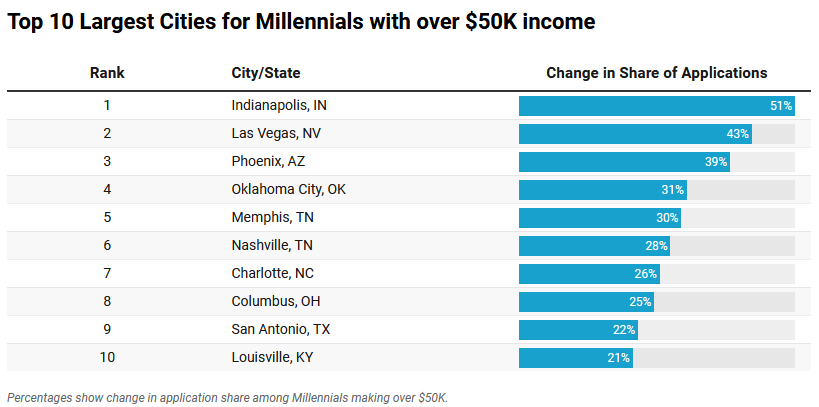
The share of high-earning Millennial renters saw a 20% spike in 2025 compared to the previous year, reaching 43% (a 5-year high), according to a new report by RentCafe. Due to the difficulties of buying a home, would-be Millennial homebuyers with annual incomes over 50K perpetuate a lifestyle renting trend that has been visible for years now.
Small American cities perceived as homeowner territory, seem to be the preferred locations for would-buy Millennial renters; however, in the big city league, Charlotte has seen the 6th highest influx of wealthy renters.
Here are some important data points for Charlotte:
Last year, Charlotte welcomed more high-earning Millennial renters, as their share jumped by 26% compared to last year. This may also be connected to the fact that in Queen City, the median income of Gen Y applicants has reached 50,400/year in 2025.
By comparison to other generations with similar incomes, the share of high-earning Millennials in Charlotte has increased the fastest – wealthy Gen X and Baby Boomer renters only went up by 16% and 7%, respectively.
The 56,000-acre Lake Hartwell spans South Carolina and Georgia along the Savannah, Tugaloo, and Seneca Rivers. It remains a top destination for boating, fishing, and outdoor recreation.
Researchers analyzed 100 large lakes using federal water quality data from 2020 to 2025. They examined oxygen levels, nutrients, and contaminants like lead and ammonia.
The study found Lake Superiorranked as the cleanest overall, while Lake Okeechobeeranked among the dirtiest.
Lake Hartwell was built between 1955 and 1963 by the U.S. Army Corps of Engineers. It was designed for flood control, hydropower, water supply, and recreation.
Today, the lake features 962 miles of shoreline and includes Lake Hartwell State Park near Interstate 85. The site offers boating access, hiking trails, and recreation areas.
Its creation also flooded the former town of Andersonville, now considered a lost “ghost town.”
For the Charlotte region and Upstate South Carolina, the ranking reinforces Lake Hartwell’s value as both a tourism hotspot and a well-preserved natural resource.
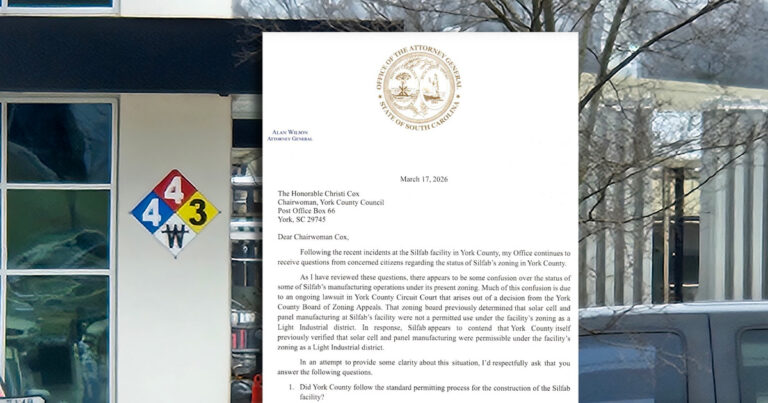
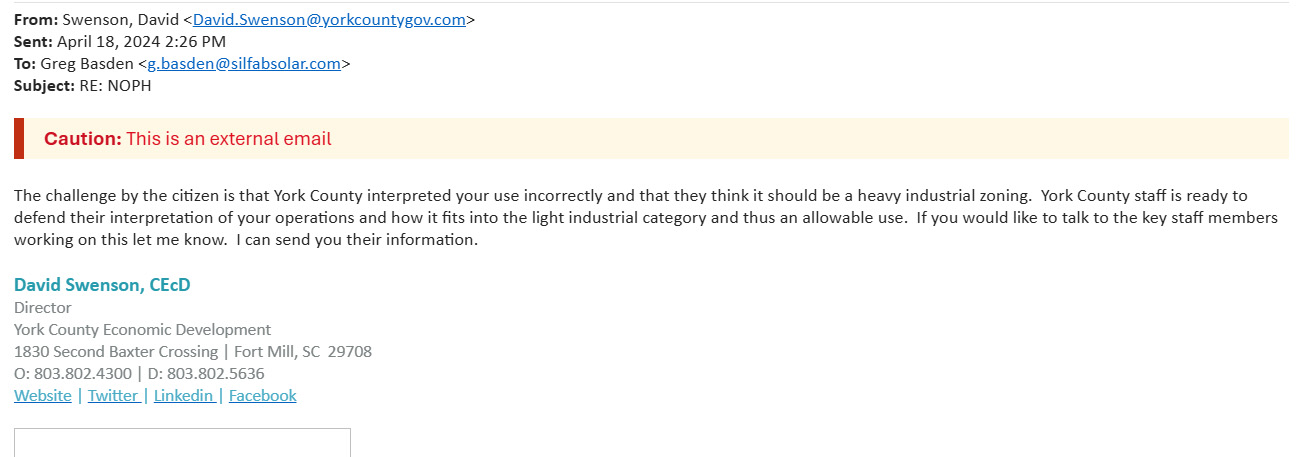
South Carolina Attorney General Alan Wilson has now stepped into one of the Charlotte region’s most contentious development fights, demanding answers from York County Council over how Silfab Solar was allowed to move forward in Fort Mill despite a 5-0 York County Board of Zoning Appeals ruling that solar panel manufacturing is not a permitted use under the site’s Light Industrial zoning. Wilson said there appears to be “confusion” over the status of Silfab’s manufacturing operations and asked York County Chairwoman Christi Coxto explain.
“As I have reviewed questions from concerned citizens, there appears to be some confusion over the status of some of Silfab’s manufacturing operations under its present zoning,” Attorney General Alan Wilson stated in a press release. “As the Chief Legal Officer of the State, I would like to understand the process of how Silfab received their current zoning and permits.”
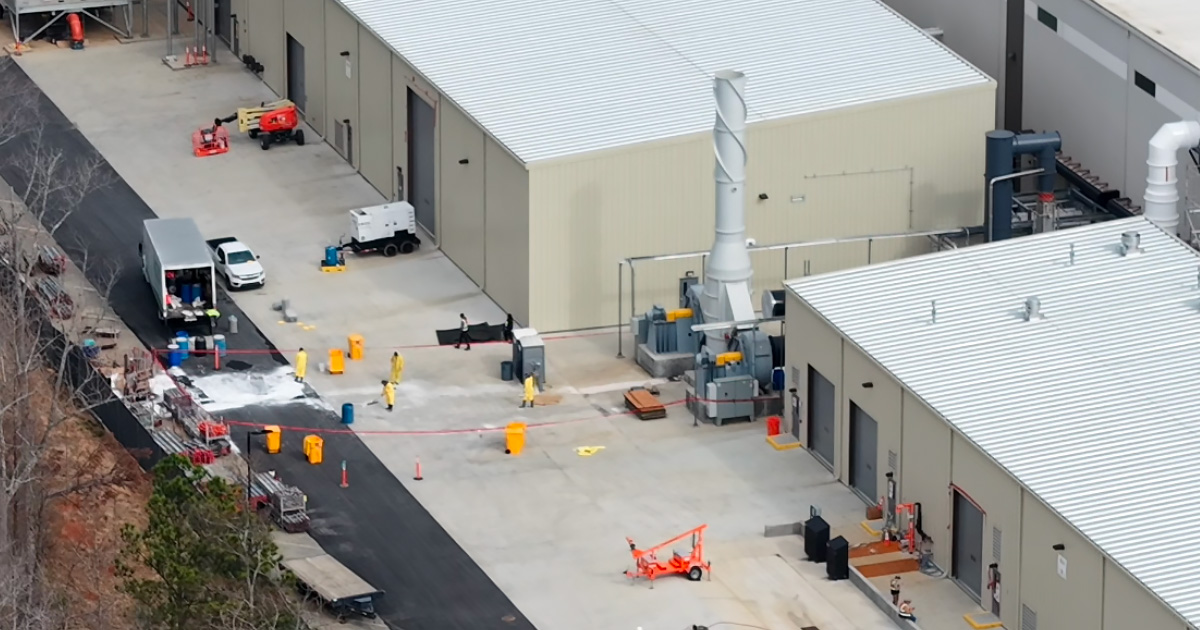
The stakes are no longer just legal. In recent weeks, York County reported that 1,530 gallons of potassium hydroxide spilled into a retention pond next to Flint Hill Elementary School, Silfab later pumped roughly 300,000 gallons of liquid from that pond for hazmat disposal.
Officials later confirmed a second leak involving hydrofluoric acid that led Flint Hill Elementary to close for two days while the South Carolina Department of Environmental Services ordered certain operations paused.
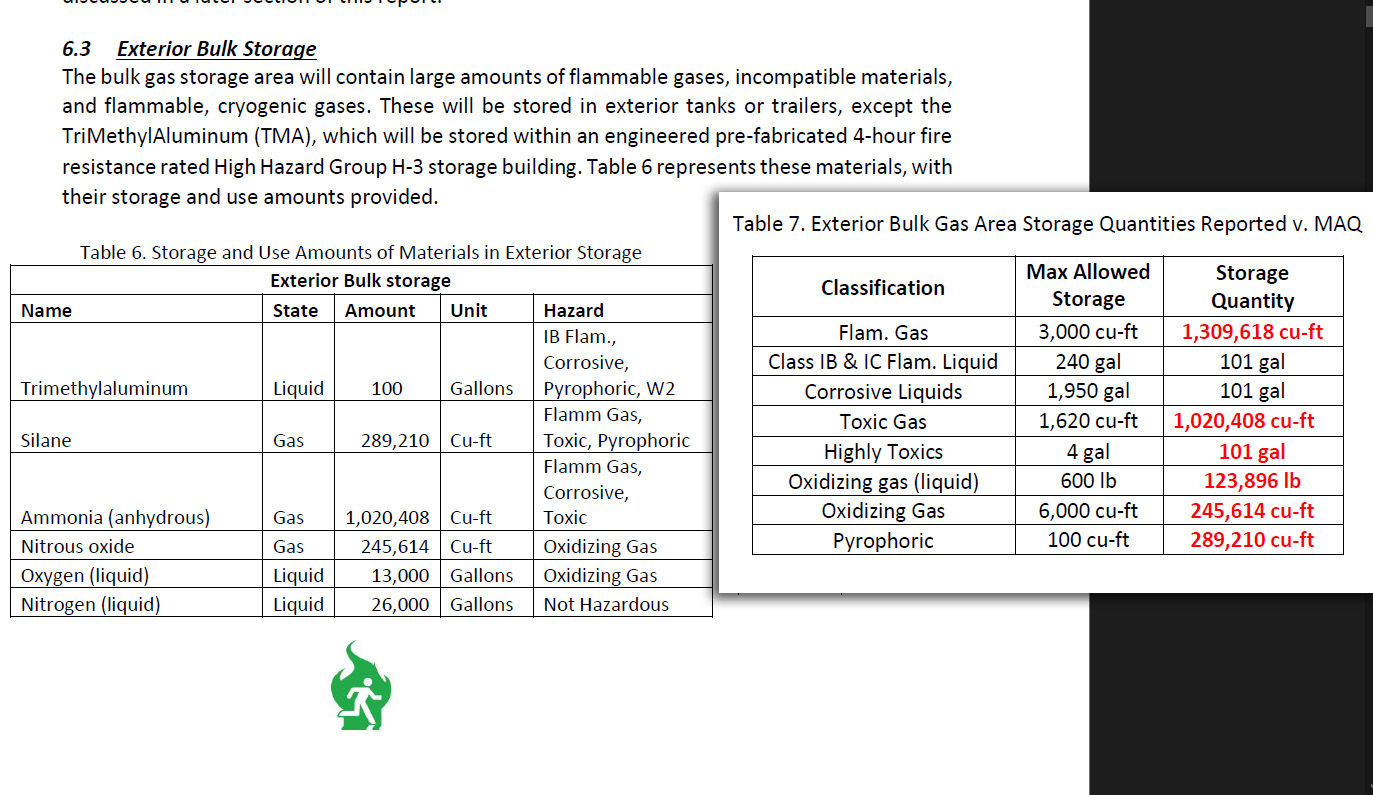
According to public documents from Silfab, once operational, their 900,000-square-foot TOPCON solar cell and module factory would convert raw silicon wafers into finished panels through a multi-stage industrial process involving strong acids, explosive gases, chemical wastewater treatment, air emissions, and industrial sludge. The reported chemical list includes the storage of over 1 million lbs of hydrofluoric acid, hydrochloric acid, potassium hydroxide, phosphorus oxychloride, nitric acid, sulfuric acid, boron trichloride, silane, ammonia, trimethylaluminum, liquid oxygen, and other hazardous chemicals.
That backdrop also helps explain why the Fort Mill School Board took the rare step of passing a formal resolution on March 10 asking Governor Henry McMaster, the General Assembly, Attorney General Wilson, and York County Council to permanently limit the site “strictly to non-hazardous assembly processes” and remove all hazardous chemicals from the property “in accordance with the facility’s current light industrial zone.”
Silfab’s project has drawn years of public opposition, numerous still-pendinglawsuits, and controversial tax incentives and state and federal grants, yet citizens still don’t have clear answers about how this project sidestepped required zoning approvals.
York County’s own website shows that rezoning, zoning compliance, zoning verification, and BZA appeals are all separate legal processes. Yet the county’s public record still points back to a staff-issued zoning verification letter, not a rezoning or other clear final zoning action authorizing solar manufacturing in a Light Industrial district.
The starting point is South Carolina law. Under S.C. Code § 6-29-950, “It is unlawful to construct, reconstruct, alter, demolish, change the use of or occupy any land, building, or other structure without first obtaining the appropriate permit or permit approval.” The same law adds, “No permit may be issued or approved unless the requirements of this chapter or any ordinance adopted pursuant to it are complied with,” and, even more directly, “It is unlawful for other officials to issue any permit … without the approval of the zoning administrator.”
That matters because York County’s zoning page publicly lists a Rezoning Application, a Zoning Compliance General Application, and a Zoning Verification Request Formas different processes. But York County’s Silfab materials say the company received a staff zoning verification letterin 2022, not that the property was rezoned. Meanwhile, York County’s own Silfab FAQ says the BZA concluded in a unanimous 5-0 ruling on May 9th, 2024 that “Solar Panel Manufacturing is not listed as a Use applicable for the Light Industrial Zoning District and is therefore prohibited pursuant to § 155.270(G), York County Code of Ordinances,” and adds that the Use Tableis what determines which uses are allowed or prohibited.
Internal email between York County and Silfab about the purpose of the May 9th, 2024 BZA hearing – obtained via FOIA
That is the core zoning problem. If the Use Table controls, and if the BZA found solar panel manufacturing is prohibited in LI under § 155.270(G), then a staff verification letter could not lawfully substitute for a rezoning or other valid zoning authorization. State law also limits the variance route. S.C. Code § 6-29-800says, “The board may not grant a variance, the effect of which would be to allow the establishment of a use not otherwise permitted in a zoning district.”
York County’s Silfab page states that the county issued Silfab a Certificate of Occupancy on February 13, 2026. Additionally, according to public records, all of Silfab’s permits for upfit and new construction were issued after the May 2024 BZA ruling.
That sequence is why critics say the zoning law was never followed. Under § 6-29-950, permits cannot be issued unless local zoning ordinances are complied with (including standing BZA rulings). The same statute also says that when land “is or is proposed to be used in violation of any ordinance,” the zoning administrator, county attorney, or even a specially damaged neighboring owner may seek “injunction, mandamus, or other appropriate action” to stop the unlawful use, construction, conversion, or occupancy.
York County continues to maintain that staff made the zoning decisions beginning in 2022 and that council itself did not rezone the property. But that defense does not erase the conflict in the county’s own record: the county had separate legal pathways for zoning decisions, relied on a staff verification letter, then saw its own BZA rule unanimously that solar panel manufacturing is prohibited in Light Industrial, and then startedissuing permits and a certificate of occupancy afterward.
That is why the attorney general’s letter matters. The public record already points to the same basic question residents have raised for years: whether York County followed the zoning code, or allowed a Heavy Industrial use to advance on Light Industrial land without the kind of clear, lawful zoning approval South Carolina law requires.

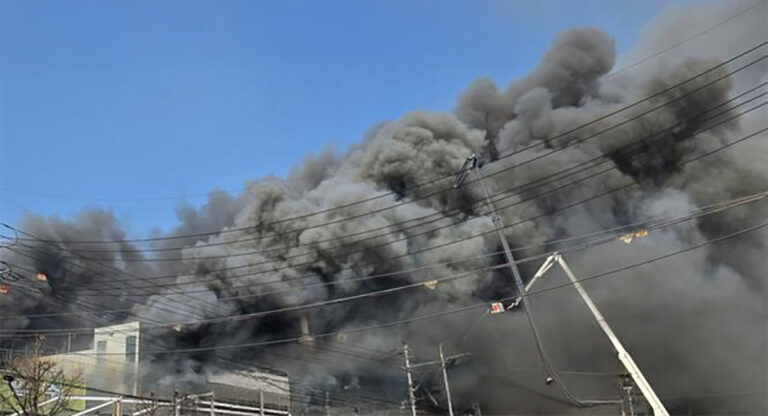
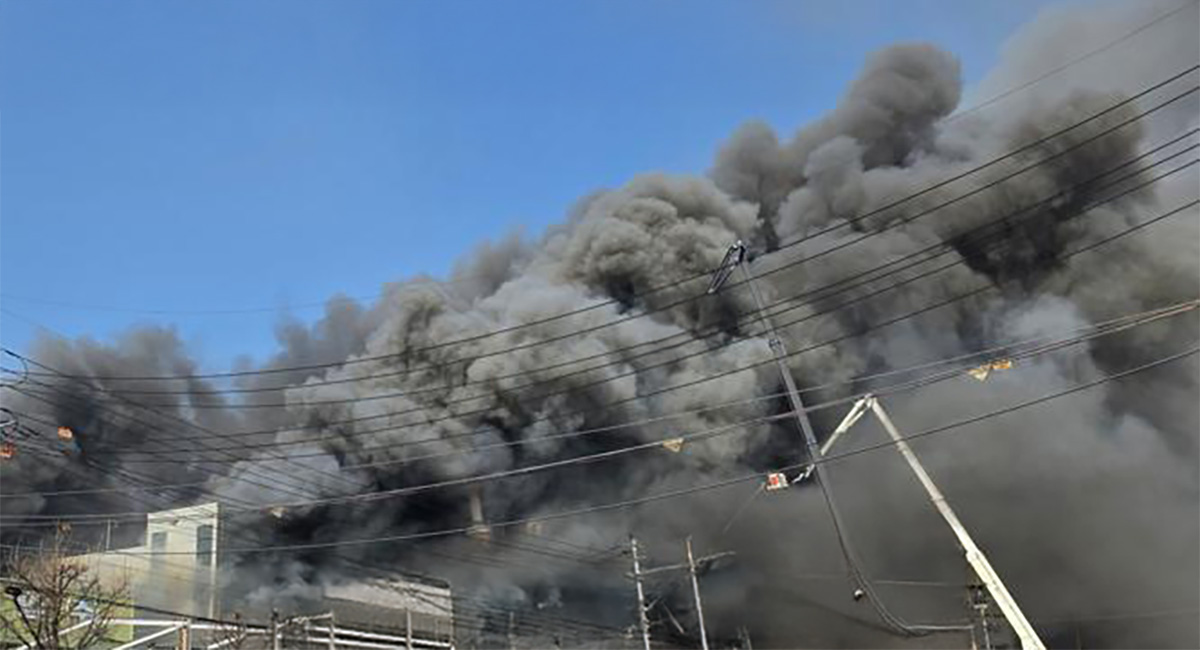 A fire broke out Friday evening at an industrial facility in Pageland, sending thick black smoke into the sky and prompting a multi-agency emergency response. Crews were dispatched around 6:10 p.m. to the Aalberts Industries plant on South Van Lingle Mungo Road.
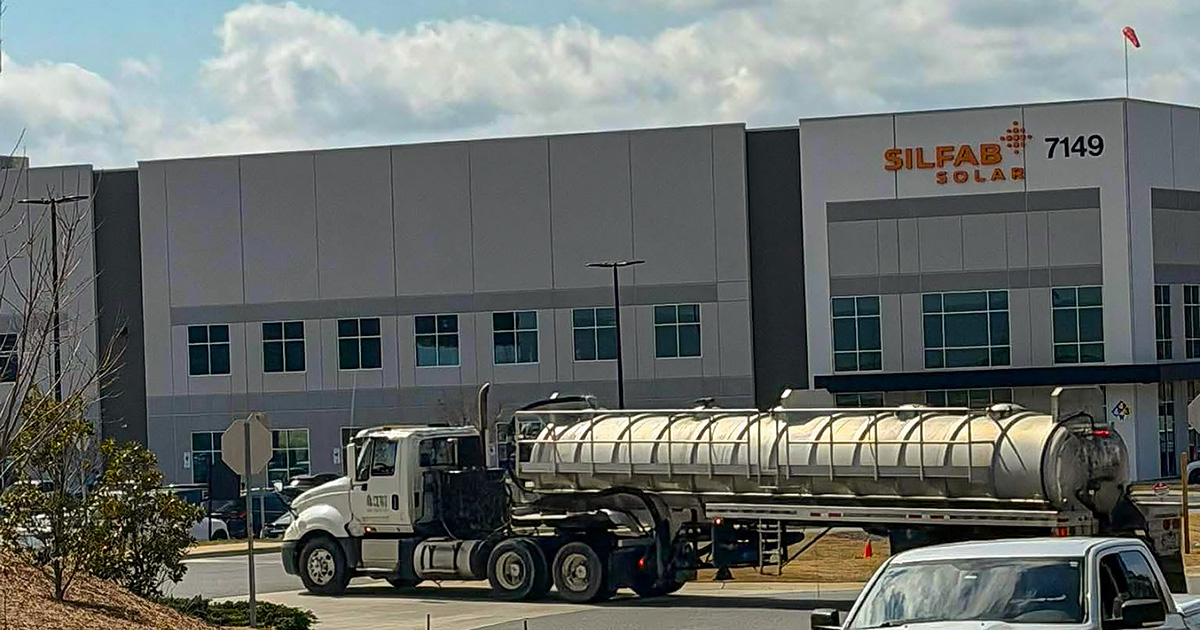 In contrast, new Charlotte-area factories like Silfab’s proposed 900,000 sq ft factory in Fort Mill involve entirely different processes. Those operations include the storage and use of over 1 million lbs of highly hazardous and toxic chemicals such as hydrofluoric acid, silane, TMA, ammonia, phosphorus oxychloride, boron trichloride, and other highly toxic or reactive substances.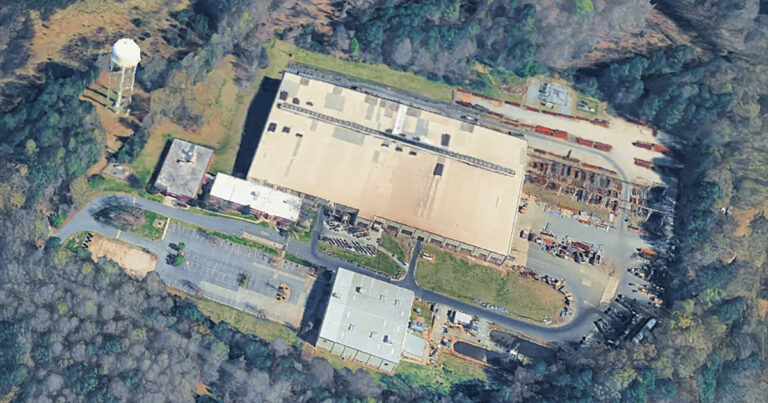



 The Mecklenburg County Natural Resources staff has just announced they will be setting




 The share of high-earning Millennial renters saw a 20% spike in 2025 compared to the previous year, reaching 43% (a 5-year high), according to a