EPA Approves Plan to Eliminate Emissions Testing in North Carolina

0

North Carolina drivers could soon stop paying for vehicle emissions tests under a major proposal backed by the U.S. Environmental Protection Agency.

The EPA announced it agrees with a request from state regulators to eliminate emissions inspections.

“Through cooperative federalism, EPA is working with North Carolina to lower costs for their residents while maintaining protection for human health and the environment,” said EPA Regional Administrator Kevin McOmber in a press release. “EPA is committed to eliminating unnecessary burdens to make testing more convenient and affordable for drivers and ensuring clean air for all Americans.” 

If approved after a 30-day public comment period, drivers in North Carolina would no longer need emissions testing during annual vehicle inspections.

State officials say improved air quality means the testing program is no longer necessary to meet federal standards.

According to the EPA, ending the inspections would save North Carolina drivers nearly $20 million per year without significantly impacting air quality.

Even if the emissions requirement disappears, drivers statewide would still need annual safety inspections. Standard safety inspections currently cost $13.60, while combined safety and emissions inspections cost about $30.

North Carolina’s emissions program began in 1982 and once covered nearly half the state. Officials say the effort helped reduce smog-causing pollution from high-emission vehicles.

The state has gradually scaled back the program as air quality improved. In 2019, emissions testing ended in 26 counties, followed by three more in 2022.

Community support follows USA Today story on Charlotte family’s experience with homelessness

0
After being featured in USA Today, the Charlotte community has shown support for local resident Johnika “Nika” Harris, who shared her family’s experience with homelessness to help reduce stigma and increase understanding. Harris, a former school counselor for more than a decade, said she agreed to tell her story to highlight how quickly housing instability can occur.

Harris and her family of five have been homeless for 14 months, following a series of medical and financial challenges, including a multiple sclerosis flare-up, a difficult pregnancy, a jobless summer, and an eviction in September 2024. Since the article’s publication, a GoFundMe created by Harris has raised $38,137 to help support her family.

Screenshot 2025-12-19 at 12.15.05 PM.png

North Carolina Resident Quarantined After Rare Hantavirus Exposure

0

A North Carolina resident is under medical monitoring after exposure to a rare hantavirus outbreak aboard the expedition ship M/V Hondius, according to the North Carolina Department of Health and Human Services.

Federal officials say the outbreak involves the Andes virus, the only known hantavirus capable of spreading from person to person through close contact.

Passengers from the ship will be monitored for symptoms for 42 days after their last possible exposure.

The Centers for Disease Control and Prevention says hantaviruses are usually spread through contact with infected rodents, including exposure to urine, droppings, or saliva.

Symptoms can include fever, fatigue, muscle aches, and severe respiratory distress. There is currently no specific treatment for the illness.

State and federal health officials say they continue coordinating closely as monitoring and quarantine efforts remain underway.

“Our public health team is among the best in the country and remains ready to respond as the situation evolves,” said Dr. Kelly Kimple, Director of NCDHHS Division of Public Health, in a press release. “We are in constant communication with federal, state and local officials and are prepared to assist the individual and protect the health and well-being of all North Carolinians.”

For more information about hantavirus, visit the NCDHHS hantavirus webpage or CDC hantavirus webpage.

CLT City Council Reverses Support for $3 Billion I-77 South Toll Lane Project

0

In a major reversal, the Charlotte City Council just voted to rescind its support for the controversial I-77 South Express Lanes project.

After a lengthy and divided debate, councilmembers voted 6-5 to withdraw the city’s approval of the public-private partnership tied to the project. Leaders also directed Charlotte’s regional transportation representative to formally oppose the plan.

The decision temporarily halts the city’s backing of the proposed 11-mile expansion stretching from Uptown Charlotte to the South Carolina state line.

Council members say they want additional studies completed before moving forward. The resolution calls for further evaluation of community impacts and possible alternatives to the current design.

The project has sparked heavy debate across Charlotte for months. Critics argue the proposed southbound toll lanes could damage parks and greenways while displacing homes and businesses in historically Black neighborhoods.

Supporters have argued the expansion is necessary to address worsening traffic congestion along one of the region’s busiest corridors.

The project’s future now faces uncertainty. State transportation officials have warned that delays could jeopardize state and federal funding for the estimated $3 billion project.

The vote marks one of the most significant transportation reversals by Charlotte leaders in recent years and could reshape the future of one of the city’s largest planned infrastructure projects.

New Video Released in Officer-Involved Fatal Shooting of Gastonia Man

0

Newly released surveillance footage is shedding new light on the fatal January police shooting of a Gastonia man outside Jakob’s Food Mart.

The shooting happened January 10 while undercover Gastonia Police Department officers were conducting an underage alcohol compliance check inside the store on Gaston Avenue.

Investigators say Manigault got into an argument with another customer and made repeated threats before pulling what appeared to be a handgun from his waistband.

One undercover detective inside the store opened fire after seeing the apparent weapon. Manigault then ran outside. A second plainclothes detective outside the business also fired as Manigault crossed Airline Avenue. Part of the shooting was captured on cellphone video.

The district attorney’s report does not say whether officers gave verbal commands before shooting.

Officers rendered medical aid before paramedics arrived, but Manigault later died at the hospital.

Authorities later determined the apparent weapon was a Strike Industries Airsoft toy.

According to the Gaston County District Attorney, officers acted lawfully and will not face charges. However, Derrick Manigault’s wife says she plans to continue fighting for justice.

The North Carolina State Bureau of Investigation investigated the shooting, while Gastonia Police say an internal review is still underway.

Nation’s Top Police Dog Called In To Find Suspect In Locked-Down Gastonia Hospital

0

America’s top police dog just help police find a Gastonia man who had climbed into the ceiling of a locked down hospital over the weekend.

According to the Gastonia Police Department, officers received an alert Sunday afternoon from a Flock camera system about two stolen motorcycles near Armstrong Park Road.

Police located the bikes near New Hope Road and East Franklin Boulevard and attempted a traffic stop. Both riders fled instead of stopping.

Officers later found the motorcycles wrecked and abandoned at the end of a dead-end road.

That’s when police brought in K-9 Bo, recently named the nation’s top police dog.

Bo quickly tracked one suspect, 19-year-old Payton Beatty, to nearby bushes where officers arrested him.

The dog then continued tracking the second suspect, 27-year-old Christopher Adam Hooper, all the way to CaroMont Regional Medical Center.

Police say Hooper was eventually discovered hiding inside a drop-down ceiling at the hospital before being taken into custody.

Officials say Bo’s combination of tracking ability and calming presence has made him one of the country’s most recognized K-9 officers.

Charlotte Premium Outlets to Opening New Timberland, Champs Sports, Ulta Beauty, and More

0
Charlotte Premium Outlets is continuing its retail momentum this summer with the addition of Timberland and Champs Sports, joining a strong lineup of recently announced brands including Ulta Beauty, Portland Leather Goods and OFFLINE by Aerie.

These latest retailers bring even more variety to the center, with offerings that cater to both outdoor lifestyle shoppers and sports enthusiasts.

As Scott Anderson, director of marketing and business development, shared: “New openings should do more than add names to a list—they should enhance the overall experience. Timberland and Champs Sports bring fresh energy and even more choice, making it easier to find the right fit, from sneakers and training gear to outdoor lifestyle staples.”

Upcoming openings include:
Champs Sports – June
Ulta Beauty – July
Timberland – August

Hiking With Your Dog This Summer: Prep, Gear, & Recovery Guide

0

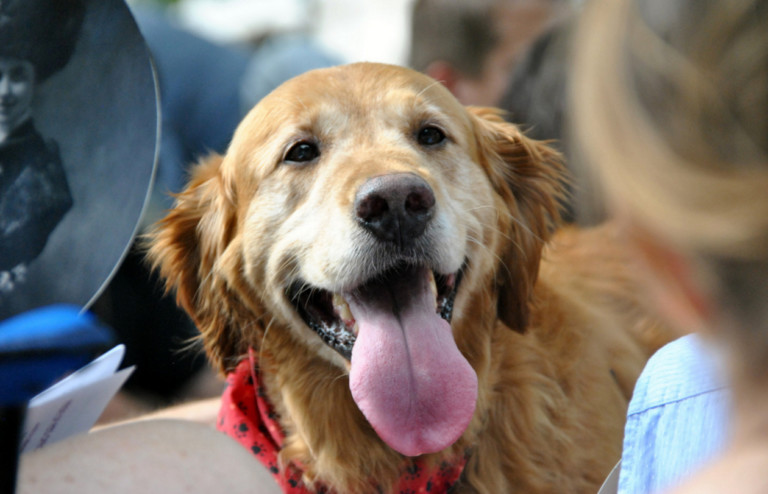
There’s something about hitting a trail with your dog that feels like the purest version of spending time together. No distractions, no screens, just you, your dog, and whatever the trail throws at you. But as simple as it sounds, hiking with a dog takes more planning than most people expect, especially in the summer, when heat, terrain, and distance all become bigger factors.

Whether you’re an experienced hiker bringing your dog along for the first time or a casual walker looking to level up your weekend outings, here’s what to think about before, during, and after the hike.

Choosing The Right Trails

Not every trail is a good fit for every dog. A rocky scramble with steep drop-offs might be fine for an athletic border collie but miserable for a senior beagle. And some trails that look easy on paper can be brutal in the summer heat if they’re fully exposed, with no shade or access to water.

Look for trails with shade cover, especially if you’re hiking during the warmer parts of the day. Water access along the route, whether it’s streams, lakes, or even just puddles, is a huge bonus for keeping your dog cool and hydrated. If it’s your dog’s first real hike, start short. A one- to two-mile loop with moderate terrain is a much better introduction than a six-mile out-and-back on a hot day.

And be sure to check the trail regulations before you go. Some hiking trails require dogs to be on a leash, whereas others prohibit them entirely. Depending on your location, certain trails also have seasonal restrictions during wildlife nesting periods.

Build Up Their Fitness Gradually

Just because your dog has energy doesn’t mean they have trail fitness. Dogs that spend most of their time on flat sidewalks, backyards, and dog parks, and aren’t necessarily conditioned for uneven terrain, elevation changes, or sustained effort over several miles.

Start with shorter, easier hikes and gradually increase distance and difficulty over several weeks. Pay attention to how your dog handles each outing. Are they still energetic at the end, or are they lagging behind and looking for shade? That tells you whether you’re progressing at the right pace.

Paw conditioning is another crucial element for a successful hike. Soft paws that are used to grass and carpet can get torn up on rocky trails. Building up gradually gives their pads time to toughen up naturally. Some owners also use paw balm before and after hikes to protect their paws from rough terrain.

Packing Your Pet’s Hiking Kit

Your dog’s pack list is just as important as yours. At minimum, you need water (way more than you think), a collapsible bowl, a leash, poop bags, and high-value treats for motivation and recall reinforcement.

Beyond the basics, consider bringing a pet first-aid kit. Gauze, antiseptic wipes, tweezers for ticks or thorns, and a self-adhesive bandage wrap can handle most minor trail injuries. A small emergency blanket is worth tossing in your pack, too. If your dog gets injured and you need to carry them out, it gives you something to wrap them in.

If your dog is on any regular supplements, bring them along. Keeping their daily routine consistent matters, and skipping something just because you’re on a trail isn’t worth the disruption. 

And again, your kit is equally important. Don’t forget your own water, fuel, and sun protection. You’ll be more patient and make better decisions for your dog if you’re not dehydrated, sunburned, and miserable by mile three.

Tips for Pace and Heat Management

Let your dog set the pace, at least partially. Dogs are notoriously bad at self-regulating in the heat. Most often, they’ll keep going long past the point where they should stop, especially if they’re excited. That means it’s on you to build in breaks, offer water frequently, and watch for signs of overheating.

Early signs of heat exhaustion in dogs include heavy panting, excessive drooling, a bright red tongue, glazed eyes, and slowing down significantly. If you see these, stop immediately. Get to shade, offer water (don’t force it), and wet their paws and belly with cool (not cold) water. If symptoms don’t improve quickly, head back and contact your vet.

Aim for early-morning or late-afternoon hikes during the summer. The midday sun is brutal for dogs, and even shaded trails get significantly hotter between 11 AM and 3 PM. If you can only hike in the middle of the day, choose a shorter, shadier trail and take twice as many breaks as you normally would.

Water, Water, Water

This gets its own section because it’s that important. Dogs dehydrate much faster than humans, especially when they’re working hard on a trail in the heat. The general guideline is to bring about an ounce of water per pound of body weight per hour of activity, but in hot weather, aim to have more. Aim to offer your pup water every 15 to 20 minutes, not just when they seem thirsty. By the time a dog is actively seeking water, they’re often already behind on hydration. 

A note on natural water sources: streams and lakes along the trail can be great for cooling off, but be cautious about letting your dog drink from them. Standing water, in particular, can harbor bacteria and parasites. If you’re at all unsure about the water quality, it’s best to stick with what you brought.

Post-Hike Recovery

The hike doesn’t end at the trailhead. What you do in the hours after a hike can make a real difference in how your dog feels the next day, especially as they build up their trail fitness or as they get older.

Start with a thorough check when you get back. Look over their paws for cuts, cracks, or debris stuck between the pads. Check their ears, especially if they were in tall grass or brush, as foxtails and ticks love to hide in and around ears. Run your hands over their body and feel for any bumps, scratches, or tender spots they might not be showing you.

Make sure they have access to plenty of water and a comfortable place to rest. A meal within an hour or so of finishing the hike helps with recovery, and some owners like to add a little bone broth or a food topper to make it more appealing after a big effort.

If your dog is on supplements that support an active lifestyle and mobility, such as fish oil, dog CBD, or MSM, keeping these consistent is more important than any single post-hike intervention. Recovery is really just the daily routine doing its job over time.

And keep an eye out for how your dog moves in the 24 to 48 hours after a hike. Stiffness, reluctance to jump up on the couch, or a slower-than-usual morning walk can all tell you that you pushed a little too hard. This is good feedback to help you adjust the next hike accordingly.

Build the Habit, Not Just the Highlight Reel

It’s easy to get excited about big, Instagram-worthy summit hikes with your dog. But the dogs that do best on the trail are the ones whose owners invest in the boring stuff, like gradual conditioning, consistent routines, proper gear, and paying attention to recovery.

The summit photo is great. But the real win is having a dog that’s healthy, comfortable, and ready to do it again next weekend. Happy Hiking!

Female Gun Ownership Is Growing Rapidly in Charlotte, and Here’s Why

0

Conversations around safety and personal protection have become increasingly common across Charlotte over the past several years. As the city continues to grow, concerns around violent crime, car break-ins, home security, and personal safety have pushed more residents to rethink how they protect themselves and their families.

Over the last decade, one of the clearest shifts has been the growing number of women purchasing firearms for the first time.

National studies and firearm industry data continue to show that women are one of the fastest-growing groups of gun owners in the country, with many citing personal safety and home defense as their primary reasons for purchasing a firearm.

While exact Charlotte-specific ownership numbers can be rather elusive, local firearm retailers, instructors, and shooting ranges have all seen the trend play out across the region for years. 

Charlotte’s rapid population growth, changing urban landscape, and ongoing conversations around public safety have all contributed to more women exploring firearm ownership, concealed carry, and professional training.

A National Trend That’s Becoming Visible in Charlotte

While the increase in female firearm ownership started as what some call a pandemic-era surge, the trend is proving to be anything but temporary.

According to recent firearm ownership research, an estimated 25% of women in the United States now report owning firearms, compared to roughly 10% in 1980.

Other reports estimate that millions of women became first-time gun owners between 2020 and 2025 alone.

The National Shooting Sports Foundation (NSSF) has repeatedly reported that women represented a major share of first-time gun buyers in recent years, especially following 2020. https://www.nssf.org/articles/update-make-that-26-million-new-first-time-gun-owners-since-2020/

Charlotte experienced similar spikes in firearm purchases during that period. One report actually found that North Carolina saw massive increases in firearm background checks in 2020 and 2021, while local gun shops describe an influx of first-time buyers looking for training and safety instruction.

This momentum appears to have continued well beyond the pandemic years.

Why More Women in Charlotte Are Purchasing Firearms

The personal reasons for a firearm purchase vary from person to person, but safety consistently ranks at the top.

From the same studies cited earlier, women are significantly more likely than men to cite protection as their primary reason for owning a firearm.

In Charlotte, especially following some of the light rail events and other increases in crime over the last few years, many of the concerns mirror what residents in other growing cities are experiencing:

  • Living alone in apartments or urban neighborhoods
  • Parking garage and commuting concerns
  • Home invasions and break-ins
  • Traveling and using public transport for work
  • Protecting children or family members
  • Feeling more prepared in uncertain situations

Unlike traditional firearm culture centered around hunting or sport shooting, many new female gun owners are entering the space specifically out of self-defense concerns.

That has also changed the kinds of firearms, accessories, and training programs that are seeing increased interest.

The Shift Toward Training and Education

One of the biggest differences experts have noted with newer female firearm owners is the emphasis on education and training.

Rather than simply purchasing a firearm and storing it away, many first-time buyers are actively seeking instruction, concealed carry courses, and safety training before they ever begin carrying a weapon.

NSSF retailer surveys found that nearly half of first-time firearm buyers asked about professional training, while large numbers enrolled in firearm safety programs shortly after purchasing.

That trend has helped fuel the growth of:

  • Women-only shooting classes
  • Beginner handgun courses
  • Concealed carry instruction
  • Defensive shooting programs
  • Firearm safety workshops

For many women, the environment and learning experience matter just as much as the firearm itself. Smaller class sizes, beginner-friendly instruction, and less intimidating training spaces have become increasingly important.

Why is Concealed Carry Unique for Different Women?

As more women begin carrying firearms for personal protection, concealed carry habits and options have evolved as well.

Unlike traditional men’s carry setups that often rely heavily on belt-mounted holsters and loose clothing, many women face different challenges with business attire, athletic clothing, handbags, and everyday comfort.

That has led to increased demand for:

The firearm industry has increasingly responded to that demand by designing products and training specifically for female buyers.

However, instructors continue to stress that carrying a concealed weapon involves much more than simply purchasing a firearm.

Consistency, training, situational awareness, and understanding North Carolina firearm laws all remain critical parts of responsible ownership.

Safe Storage Has Become a Major Focus

As firearm ownership rises, so do conversations around safe storage and responsible handling.

This has become especially important in households with children or multiple family members.

North Carolina has participated in several safe-storage awareness campaigns in recent years, including initiatives that promote free gun locks and firearm safety education. Many instructors and safety advocates encourage gun owners to use:

  • Trigger locks
  • Biometric handgun safes
  • Locked storage cabinets
  • Separate ammunition storage
  • Quick-access bedside safes

Safety experts also stress that firearm ownership should come with ongoing training and regular practice, especially for first-time owners unfamiliar with defensive firearms.

How Social Media and Online Communities Are Influencing New Female Gun Owners

One major reason female firearm ownership has accelerated so quickly in recent years is the rise of online communities centered around women, self-defense, and firearm education.

What was once considered an intimidating or overwhelmingly male-dominated space has become far more accessible through platforms like YouTube, Instagram, TikTok, and Reddit. Platforms like Elegant and Armed are not only educating women on carrying concealed firearms, but are also helping teach women that you can still be fashionable while carrying concealed.

Instead of walking into a gun shop with little background knowledge, many first-time buyers now spend weeks or months researching firearm safety, concealed carry options, and beginner training online before ever making a purchase.

That shift has helped normalize firearm ownership for many women who may not have grown up around guns or traditional shooting culture.

At the same time, social media has created an entirely new category of firearm content focused less on politics and more on:

  • Personal safety
  • Situational awareness
  • Concealed carry setups
  • Safe storage practices
  • Firearm education
  • Lifestyle-focused training

The trend has become especially visible among younger women and professionals who view firearm ownership similarly to other forms of personal preparedness rather than as part of a traditional gun culture identity.

In Charlotte, where younger residents continue pouring into urban neighborhoods and fast-growing suburbs, that digital influence is helping reshape who enters the firearm space and how they approach it.

Charlotte reflects much of that broader national shift.

The city continues to experience rapid growth, rising housing density, and changing conversations around crime and public safety. As those discussions evolve, more women are viewing firearm ownership through the lens of preparedness and personal protection rather than politics or tradition.

At the same time, many firearm instructors and safety advocates in the region emphasize that responsible ownership matters just as much as the decision to purchase a firearm in the first place.

For Charlotte residents considering firearm ownership for the first time, education, training, and safe handling remain central to the conversation.

Why Last Mile Sorting and Distribution Centers are Becoming the New Fulfillment Backbone

0

National Distribution Hub cltOrders can leave the main warehouse on time and still fail at the doorstep. That gap usually starts in the handoff between fulfillment and delivery execution, where sorting errors, late route staging and weak carrier coordination create delays before vehicles even depart.

As e-commerce volumes rise, this handoff layer carries more operational risk than many teams expect. A well-run last mile sorting and distribution center improves route readiness, dispatch discipline and tracking quality before the final leg begins.

It helps operations teams reduce avoidable exceptions, protect delivery promises and scale with better control across fleets and partners. Let’s examine why this node is becoming the new fulfillment backbone and how logistics leaders can use it to improve reliable delivery performance.

Last Mile Sorting and Distribution Center vs Traditional Fulfillment Center

A traditional fulfillment center is primarily optimized for inventory storage, picking and packing. At the same time, a last mile sorting and distribution center is optimized for speed of handoff, route preparation and local dispatch execution.

The difference matters because each facility supports a different business objective. Fulfillment centers make orders ready. Last-mile centers make orders deliverable. As service expectations tighten, the last mile sorting and distribution center is becoming the bridge that turns upstream readiness into actual customer performance.

7 High-impact Roles of a Last Mile Sorting and Distribution Center in Modern Fulfillment

Fulfillment speed alone no longer protects customer promises. Stronger delivery performance now depends on how well teams prepare parcels, routes and carrier handoffs before the final leg starts.

  • Reduces Dispatch Chaos Before Routes Begin

Many delivery failures begin before the first stop, when parcels are assigned to the wrong route, wave or vehicle. These errors create downstream disruption across dispatch, support and route recovery.  A strong last mile sorting and distribution center reduces this chaos through correct grouping, on-time staging and clear dispatch priorities.

Teams face less morning firefighting and routes leave closer to schedule. When pre-dispatch readiness improves, OTIF and first-attempt delivery rates become easier to protect and teams can focus on true execution risks.

  • Turns Fulfillment Into a Sequence-ready Operation

In high-volume networks, ready to ship is no longer enough because parcels must be ready for the route, SLA and assigned vehicle. A last mile sorting and distribution center supports this shift by organizing parcels by zone, dispatch wave, route sequence and service commitment.

This makes loading faster and more accurate during tight departure windows. Sequence-ready staging improves dock productivity because teams load by route logic instead of resorting parcels during departure, reducing delays and improving route starts.

  • Improves Carrier Coordination Across Hybrid Networks

Most e-commerce networks rely on owned fleets, partner fleets and regional carriers, which improves flexibility but increases handoff inconsistency. A last mile sorting and distribution center acts as the operational handshake across internal teams and carrier partners through scan, manifest and handoff discipline.

When milestones and handoff standards stay consistent, teams can compare performance across carriers, identify proof gaps and spot repeated exception patterns faster.

  • Supports Dynamic Capacity Allocation During Peaks

Peak weeks expose weak load balancing quickly, with one zone overloaded while another has unused capacity and late changes increasing service risk. A last mile sorting and distribution center helps rebalance parcels by territory, carrier and dispatch wave before routes break.

Early visibility into volume and staging progress supports faster decisions. During peak events, these decisions reduce last-minute coverage gaps, improve dispatch timing and keep operations more stable under pressure.

  • Strengthens Tracking and Proof Readiness

Tracking quality starts before the first stop, with clean labels, correct manifests and accurate route assignment at dispatch handoff. A well-run last mile sorting and distribution center improves event integrity through scan discipline and manifest accuracy, which reduces status confusion later in the route.

It also strengthens proof readiness because clean parcel identity and handoff records make delivery validation easier during disputes, claims and partner reviews.

  • Enables Faster Exception Isolation and Recovery

Many field exceptions begin upstream through wrong sort lanes, missed scans or incomplete handoffs, then surface later as delays or complaints. A last mile sorting and distribution center helps teams isolate root causes faster because sorting and event records are available before teams blame field execution.

Standardized exception tags and handoff records also help operations correct repeat sorting and staging failures more effectively.

  • Becomes the Foundation for AI-driven Dispatch and Routing

AI and ML improve dispatch and routing only when sorting signals and handoff events are clean and consistent. That makes the last mile sorting and distribution center a critical part of digital transformation because it produces the data signals used for planning, ETA accuracy and exception prioritization.

As AI-led operations scale, this node becomes a data discipline layer that strengthens planning, execution and continuous improvement.

What to Look for in a Modern Last Mile Sorting and Distribution Center Setup?

Operations leaders should evaluate this node based on execution outcomes, not solely on facility size. The right setup improves dispatch readiness and delivery reliability under real volume pressure.

Look for capabilities that support:

  • Route and SLA-based sorting logic
  • Scan and manifest discipline
  • Load sequencing by vehicle and dispatch wave
  • Multi-carrier handoff controls
  • Exception coding and recovery workflows
  • Integration with OMS, WMS, TMS and last mile delivery software
  • Proof and chain-of-custody readiness
  • Real-time visibility into sort progress and dispatch status

A modern last mile sorting and distribution center should also support configurable operating rules. High-volume e-commerce operations can quickly add new service tiers, carrier mixes and dispatch patterns, so the center must adapt without creating process drift.

How to Build or Upgrade a Last Mile Sorting and Distribution Center?

The best rollout approach is phased, data-led and tied to delivery outcomes.

  • Baseline Parcel Flow Before Changing Layouts or Technology
  • Measure arrival curves, wave timing, rehandling rates and dock delays first.
  • Use this baseline to identify the highest-friction processes.
  • Define the Node’s Role in Your Network
  • A last mile sorting and distribution center may act as a micro-sort hub, carrier injection point, city dispatch node or returns consolidation point.
  • A clear role definition prevents confusion about design and investment.
  • Standardize Sort Logic and Carrier Handoff Rules
  • Set SLA mapping, zone rules, route-wave cutoffs and exception pathways.
  • Standardization improves consistency across teams and shifts.
  • Add Visibility and Automation to the Highest-friction Steps First
  • Start with scanning, lane assignment, staging and dispatch coordination.
  • Phased upgrades reduce disruption while quickly improving control.
  • Build a Weekly Review Rhythm Tied to Doorstep Outcomes
  • Link center KPIs to on-time delivery, support contacts and carrier performance.
  • This makes future investment decisions easier to justify.

Build a Stronger Fulfillment Backbone Before the Route Begins

High-volume e-commerce performance improves when teams treat the handoff to delivery as a control point rather than a warehouse afterthought. A well-managed last mile sorting and distribution center strengthens dispatch readiness, carrier coordination, proof qualit and exception recovery before routes begin.

That discipline protects OTIF, improves FADR and reduces avoidable WISMO driven by preventable upstream errors. With technology parnters such as FarEye, operations teams can connect sorting, routing, tracking and exception workflows into one execution-ready operating loop.

The next step is practical and measurable: map failure points, standardize handoffs and pilot tighter sort-to-dispatch controls in one high-volume flow. When this node runs with clear rules and daily governance, delivery performance becomes more predictable, scale becomes safer and customer promises stay credible under pressure.