

How Online Platforms Manage Competitive Tension

0

Digital life runs on competition. Every click, share, trade, or match carries an element of risk and reward. Platforms use that tension to keep people engaged, from games and investing apps to gig work and e-commerce. The trick is making sure the excitement stays balanced, thrilling enough to hold attention, but structured enough to prevent burnout or loss of trust.

Online gaming shows this balance most clearly. Games that last years, not weeks, all manage risk and reward like an invisible contract. Players want to win, but they also need to feel that the system treats them fairly.

Understanding Digital Risk

Risk drives participation. Without it, games feel flat and markets feel slow. But unmanaged risk causes chaos. The most successful online systems, from competitive video games to stock trading simulators, all rely on measured uncertainty.

This balance comes from design. Clear rules, fair scoring, and visible feedback let users take chances without feeling reckless. The best digital experiences turn uncertainty into a controlled thrill.

Understanding the Modern “Chicken Game”

Among the newer online formats are chicken game gambling sites, which combine quick reflexes with risk and timing. The idea is simple: a digital chicken tries to cross a busy road, and each safe step raises the payout multiplier. The longer you wait, the bigger the potential win, but one wrong move, and the chicken gets flattened, ending the round.

It’s part of the “crash game” family, where players test how far they can go before everything stops. The fun lies in nerve and judgment rather than pure luck. The tension rises second by second, and deciding when to cash out becomes the core challenge.

This setup captures how modern digital entertainment works. People crave instant feedback, visible progress, and the feeling of being in control even as the stakes grow. That same rhythm, steady build, sudden payoff, now shapes everything from streaming rewards to social media trends.

Reputation: The Invisible Scoreboard

Every competitive system needs a reputation to work. In games, it’s rankings. In marketplaces, it’s ratings. Reputation adds weight to every move because users know their history follows them.

Strong platforms make reputation part of progress, not punishment. They show players how skill improves or how behavior affects rewards. In professional networks or creative communities, the same principle applies. Credibility grows with consistent participation.

Reputation systems also help digital economies stay honest. By tracking and rewarding transparency, platforms prevent the worst kind of competition: one built on deception.

Technology That Keeps the Game Fair

Behind every moment of digital tension sits a system designed to hold it steady. The technology that supports fairness is invisible but constant.

Key tools include:

  • Secure payment gateways so funds move quickly and safely.
  • Data transparency frameworks that verify every transaction or match result.
  • Reputation algorithms help track performance and prevent abuse.
  • Smart randomization systems that ensure unpredictability without bias.

These mechanisms don’t remove the risk; they manage it. They let emotion and competition flourish while keeping the core experience trustworthy.

Balancing Reward and Expectation

Every digital platform uses rewards to keep users active. But the most durable ones avoid overloading the system with constant payouts or inflated bonuses. Instead, they favor smaller, steady rewards that build long-term engagement.

This rhythm mimics real motivation. Frequent progress keeps people returning, while still leaving space for challenge. Games, financial tools, and even learning platforms use similar pacing. When users feel momentum, not manipulation, they stay loyal.

Crossing Into Business and Finance

The methods that gaming platforms perfected are now part of business technology. Freelance portals, trading apps, and even fitness platforms use competitive structures to motivate users. Leaderboards, progress bars, and streak counters are all forms of gamified tension.

The idea isn’t to turn work or saving money into a literal game; it’s to use the psychology of challenge and reward to sustain focus. Just as online players push for higher scores, professionals push for metrics and milestones that keep them improving.

The Importance of Trust in Fast-Paced Systems

As online competition grows, trust becomes the anchor. Every player, buyer, or investor needs to believe that the system works as promised. This is why transparency now defines the modern digital economy.

Clear payout systems, public records, and traceable results protect users while still leaving room for tension. The rise of blockchain verification and instant payment technology proves that speed and safety can coexist. In the long run, the platforms that survive are the ones that turn fairness into part of the thrill.

Lessons for Platform Design

The mix of risk, reward, and reputation defines nearly every successful online system. The most reliable designs share a few things in common:

  • Rules that feel fair. Players and users must see that effort leads to results.
  • Rewards that grow over time. Steady improvement matters more than single wins.
  • Visibility that builds trust. Transparency helps users stay confident even when outcomes vary.
  • Boundaries that feel safe. People engage longer when risk feels exciting, not threatening.

These ideas don’t just apply to entertainment. They shape education apps, crowdfunding sites, creative networks, and professional platforms. Everywhere competition exists, designers are learning how to make it sustainable.

Competition as Connection

Risk and reward may sound like opposites, but they are also a form of connection. They turn strangers into rivals, rivals into communities, and communities into economies.

Online tension, when handled well, doesn’t divide; it unites through shared experience. It keeps people invested not only in winning, but in belonging. The result is an ecosystem where excitement and stability grow side by side.

That’s the quiet success of digital competition today. The technology fades into the background, but the feeling remains: the pulse of challenge, the push to improve, and the constant dance between risk and restraint.
The Government Just Shut Down: What It Means for Carolina Workers, Veterans, and Families

0

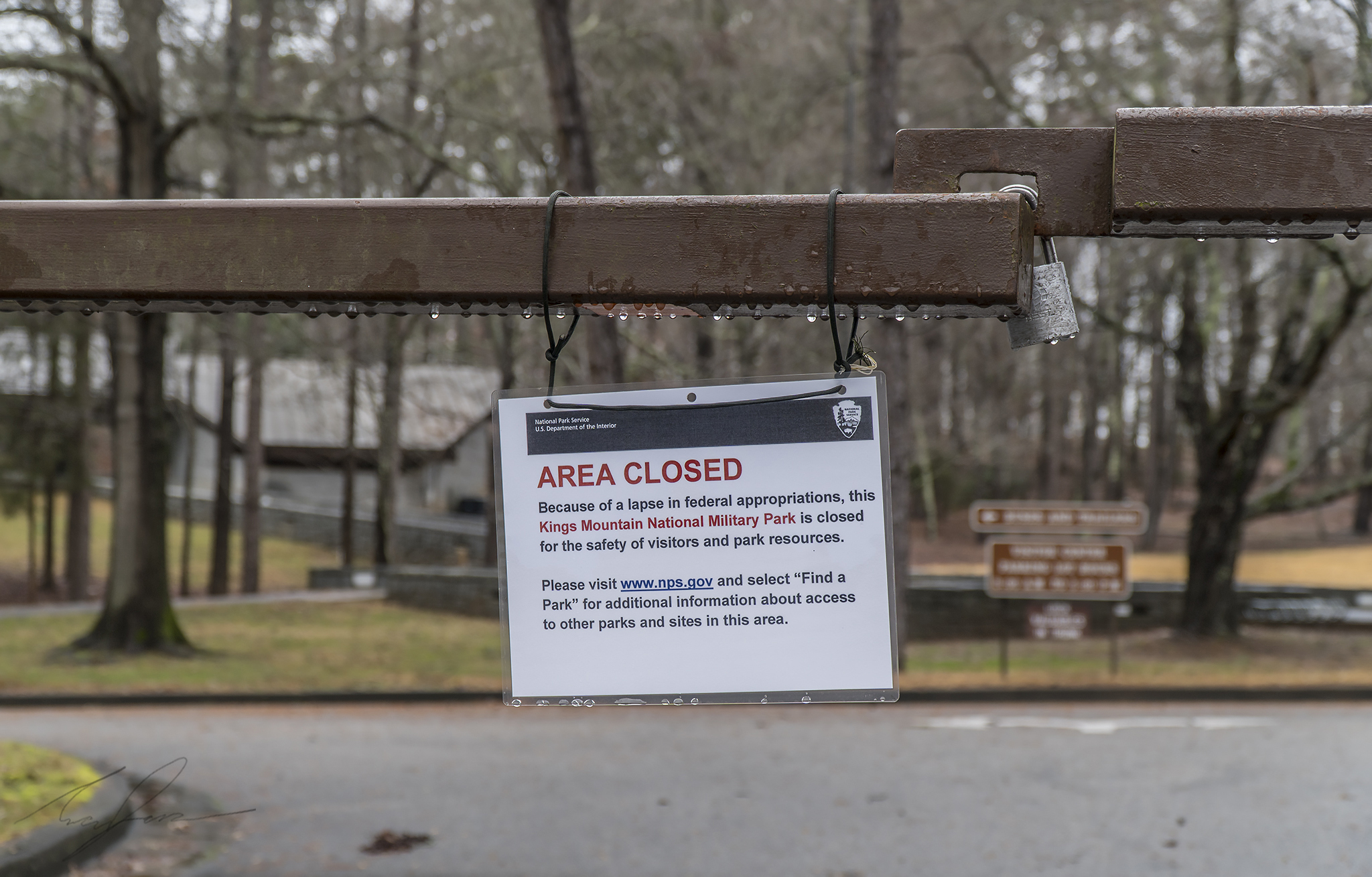
The federal government officially shut down at midnight after lawmakers failed to approve funding. Across the Carolinas, nonessential workers at agencies like IRS, HHS, and National Park Service face furloughs and delayed paychecks. Essential personnel — such as military and TSA staff — must continue working, though they may not be paid immediately if the shutdown drags on.

Programs like SNAP and WIC could run out of funds, threatening benefits for low-income households. However, Social Security, Medicare, and Medicaid payments are protected and will continue. The U.S. Postal Service will also keep operating, because it relies on its own revenue sources.

In North Carolina, an estimated 51,900 federal employees work outside the military. Meanwhile, the Office of State Human Resources announced that 200 state employees funded by federal dollars will be furloughed starting Wednesday. Health benefits for those workers will remain through October.

Veterans will still access health services and receive compensation, but services like transition counseling will pause. County-level USDA offices, which support farms across the region, will shut down, potentially delaying critical services for farmers. In past shutdowns, airports have endured delays when TSA attendance drops—something travelers in the Carolinas may now face.

Farewell to a Charlotte Icon: Mallard Creek BBQ Ending After Nearly a 100 Years

0
via mallardcreekbbq.com

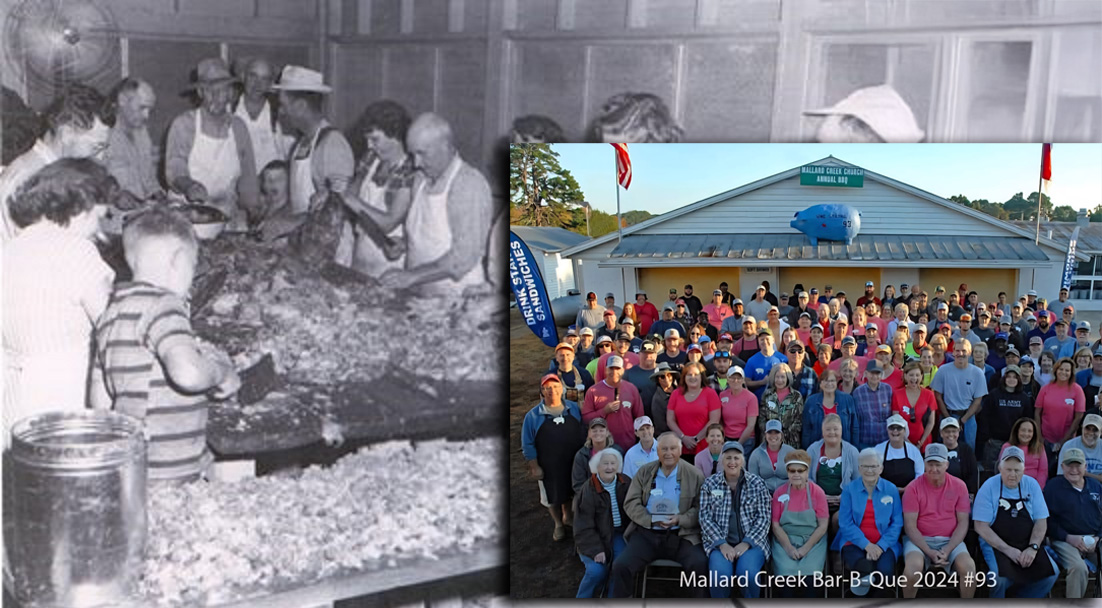
Mallard Creek Presbyterian Church is officially ending its legendary barbecue tradition after 93 years. The event, long known as the “granddaddy of barbecues,” was a beloved Charlotte institution, raising funds for missions and church construction projects since 1929.

The decision follows the retirement of key leaders and a volunteer shortage that made it impossible to continue the large-scale effort. “Everything has a life cycle,” the church said. “For the Mallard Creek BBQ, that life cycle is 93 years.”

What began during the Great Depression as a fundraiser to pay a contractor became a celebrated fall gathering that fed thousands and brought the community together year after year. The church extended thanks to generations of volunteers and visitors who supported the event.

Though the smoke will no longer rise, the legacy of the barbecue lives on through the lives and missions it supported. For more information you can visit mallardcreekbbq.com.

Numerous Outer Banks Homes Collapse Into Ocean Amid Hurricane Swells

0

In a stunning display of nature’s force, five unoccupied homes in the Outer Banks collapsed into the Atlantic Ocean on Tuesday afternoon as powerful swells from two offshore hurricanes battered North Carolina’s coast.

According to officials with Cape Hatteras National Seashore, the houses began collapsing just after 2 p.m. in Buxton and continued falling into the sea over a 45-minute span.

The homes—located at 46001, 46002, and 46007 Cottage Avenue and 46209 and 46211 Tower Circle Road—were all unoccupied at the time. No injuries have been reported.

National Park Service crews responded quickly, closing the entire beachfront from northern Buxton through off-road vehicle (ORV) ramp 43 for public safety. Visitors were urged to avoid the area and use extreme caution even miles south of the collapse zone due to potentially hazardous debris.

“This is an ongoing incident,” the Seashore stated, warning that further collapses are possible as rough surf and elevated tides continue over the next 24 hours.

The destruction is the latest in a series of collapses along North Carolina’s fragile coastline, where rising sea levels and intensified storm activity have accelerated erosion. While some of these oceanfront homes have stood for decades, the continued encroachment of the ocean has made them increasingly vulnerable.

Officials reminded the public that ORV drivers using ramp 38 should avoid traveling south, and those using ramp 43 should avoid heading north. Hazardous debris may remain hidden beneath the surface or wash up along nearby beaches.

Updates on any additional collapses or emergency advisories will be posted at nps.gov.

Charlotte’s $10.3 Billion Plan to Reshape Public Transportation – Seeking Public Feedback

0

The Charlotte Regional Transportation Planning Organization (CRTPO) is inviting public input on a draft transportation blueprint that could guide how the region grows and moves for the next three decades.


The draft 2055 Metropolitan Transportation Plan (MTP), now in its second phase of community engagement, outlines a $10.3 billion roadmap of new and existing transportation projects. The plan includes highway expansions, commuter rail lines, transit corridors, and improvements for bicycle and pedestrian access across Mecklenburg, Union, and Iredell counties.

The fiscally constrained project list includes 73 new projects in addition to 93 already committed through the 2026–2035 Statewide Transportation Improvement Program. Each project was selected based on funding availability, safety, congestion relief, and economic impact.

Among the largest investments is the proposed I-77 South toll lane expansion, estimated at $4.25 billion, and major upgrades along Independence Blvd, estimated at $2.17 billion.

The plan also includes more than $6.4 billion in CATS transit investments, led by the Silver Line light rail ($3.4 billion), Red Line commuter rail ($1.4 billion), and expansions of the Blue and Gold lines.

CRTPO has also prioritized long-term strategies through tools like the Congestion Management Process, which identifies heavily traveled corridors for improvement, and an Active Transportation Corridor tool, which targets future bicycle and pedestrian projects.

How to Get Involved

Residents can view the full draft project list and provide feedback online at 2055MTP.org. Comments can also be submitted via email at email@crtpo.org (include 2055 MTP in the subject line) or mailed to:

CRTPO
Charlotte-Mecklenburg Government Center
600 E. Fourth Street, 8th Floor
Charlotte, NC 28202

For in-person feedback, the next meeting will be held on TCC Meeting – Charlotte-Mecklenburg Government Center 600 E 4th St, Charlotte.

The Benefits of Upgrading to Variable Speed Furnaces

0

Heating systems are very important for comfort in Cincinnati homes, especially during the cold months when reliable warmth becomes essential. Variable speed furnaces truly lead the pack for both efficiency and strong performance on the market today, offering homeowners significant advantages over traditional single-speed systems.


Ready to switch your heating system? When you replace Cincinnati furnaces with variable speed models, you’ll love how much energy you save, and the fresh, clean air will make breathing so much better. Let’s explore the key benefits that make variable speed furnaces an excellent choice for modern homes.

Energy Efficiency

Variable-speed furnaces have a big advantage when it comes to energy efficiency. Most traditional furnaces run at just one high setting, letting them burn through energy they do not need to use. Variable speed systems, on the other hand, change the speed to match the heating needs of the home. You’ll see the difference right away in your energy bills because their ability to adjust operations keeps energy use low, saving you money.

Instead of the on-and-off cycles that are common with older furnaces, these furnaces run at lower speeds for longer periods, allowing them to maintain an even temperature. When your furnace works more efficiently, it uses less power. This also means it won’t have to strain itself, helping it last a lot longer.

Enhanced Comfort

Variable speed furnaces provide superior comfort compared to traditional systems. Variable speed systems don’t blast air at full force, like single-speed units do, so they can better distribute warm air throughout the house. This constant airflow creates a much more even temperature, eliminating hot or cold spots that are common with standard furnaces.

Additionally, these furnaces are much quieter during operation. The fan motor ramps up and down gradually rather than all at once, which reduces noise compared to traditional models. This allows homeowners to maintain a comfortable environment without the jarring noises associated with a furnace firing up and shutting down repeatedly.

Improved Air Quality

Variable speed furnaces also shine in the air quality department. They run continuously at lower speeds, allowing air filters to trap more pollutants as air circulates through the system more frequently. Fresh, circulating air means fewer irritants inside your home. According to the U.S. Environmental Protection Agency, people with asthma or allergies often find that improved air circulation makes a huge difference in how they feel.

In addition, variable speed systems often work well with advanced filtration and humidification features. These systems keep the humidity at comfortable levels and capture tiny particles of dust and allergens right out of the air. As a result, a healthier environment is created for all family members living in the home.

Cost Savings

The long-term savings are significant, although a variable-speed furnace costs more than a regular one upfront. Less energy consumption means smaller utility bills month after month. The savings add up over time, making the initial investment financially worthwhile in the long run.

These furnaces also have a longer lifespan, making them more cost-effective since you will not have to replace them as often. You’ll enjoy consistent warmth with far fewer headaches from broken parts. This reliability means you’ll save significantly on those yearly repair bills that can add up with older, less efficient systems.

Environmental Impact

A variable-speed furnace also promotes environmental responsibility. These systems make your house greener by simply cutting down on how much energy it consumes. Using less energy directly lowers the amount of pollution released into our air, which is beneficial for the planet and future generations.

Choose one of these Energy Star certified furnaces, and you may qualify for rebates and tax incentives. You’ll save money on the entire upgrade while making choices that help protect the environment.

Smart Technology Integration

Modern variable-speed furnaces also come with smart technology features that enhance their performance. Connect it to your smart thermostat, and you’ll get perfect temperature control while saving energy and staying comfortable. Homeowners are also able to control the heating system remotely, ensuring it works efficiently even when nobody is at home.

These intelligent capabilities provide energy consumption data that allow users to optimize settings and maximize efficiency. With this technology, operating the system and maintaining your preferred indoor climate becomes much simpler and more effective.

Conclusion

Upgrading your home with a variable speed furnace represents a significant improvement in comfort, efficiency, and air quality. You’ll feel the difference right away, enjoying consistent comfort, cleaner air, and noticeably lower energy bills. For homeowners who prioritize both performance and cost savings, these heating systems represent an optimal choice while also reducing environmental impact. As technology continues to improve, the benefits of these advanced furnaces become even more apparent, making them an ideal fit for modern homes.

How a Truck Accident Lawyer in Odessa Can Help You Recover After a Devastating Crash

0

The victims of truck accidents may experience catastrophic injuries, financial difficulties and prolonged recovery issues. The consequences of a very destructive accident are usually overwhelming and people do not know where to go to seek assistance. 

This is where a truck accident lawyer in Odessa becomes a very crucial partner, who takes the victims through the maze of legalities, but at the same time protects their rights. Victims will be able to start rebuilding their lives with clarity and confidence with the help of legal representation. 

An inquiry into the Cause of the Crash

Determining the cause of a truck crash is an important part of any legal case. These may be the case of driver fatigue, careless driving, faults in the car, or unfavorable road conditions. The responsible party cannot be held accountable without knowing the root cause. Detailed research forms the basis of all propositions.

A truck accident lawyer in Odessa will thoroughly analyze the accident, including police documentation, eyewitness accounts, and professional opinions. They frequently collaborate with accident reconstruction experts to re-create the sequence of events that preceded the accident. This degree of detail assists in discovering precisely what miscarried. The lawyer makes sure that victims are able to seek justice through the determination of the cause.

Determining All Responsible Parties

The issue of truck accidents is seldom a simple one with the presence of many parties that can be held accountable. These may be the truck driver, the trucking company and the manufacturer of the vehicle or the contractor in charge of its maintenance. The issue of liability is usually a complicated one and demands a thorough grasp of the dynamics of the trucking business. In the absence of such analysis, victims might not be able to hold to account anyone who participated in their suffering.

A truck accident lawyer in Odessa will examine the participation of all the potential parties. They go deeper into the surface and see deeper responsibilities in order to make sure that negligent companies or third parties are not ignored. 

This wide-ranging inquiry reinforces the argument and raises chances of complete responsibility. Profiling every party to blame makes justice more complete.

Collection and Retention of the Witnessed Evidence

After a truck accident, evidence can be lost very fast. Skid marks are washed away, cars are fixed or torn down, and valuable records can be tampered or lost. Failure to act in time deprives the victims of vital information that may help them present their case in court. One of the most significant actions in creating a good legal claim is the preservation of evidence.

A truck accident lawyer in Odessa works quickly to collect and preserve evidence. They get photos, video records, driver logs, and maintenance records exposing the truth. They also interview witnesses when their memory is still fresh. This is a proactive measure to ensure that victims are not left without pieces of evidence to seek justice.

Learning the Complex Trucking Rules

Trucking is a highly regulated sector of the industry, with legislation that controls the number of hours the driver is allowed to work, the quality of the vehicle, and the safety of the cargo being transported. Breaches of these laws usually contribute to catastrophic accidents. 

The rules, however, may be hard to comprehend without some legal guidance on part of the victim. Having an understanding of the application of regulations can be a key in establishing negligence.

A truck accident lawyer in Odessa is well versed in these rules and their individual effects on a case. They determine whether trucking firms or drivers disregarded the necessary safety protocols. In illustrating these violations, they reinforce the case of liability. Their experience means that none of the regulatory violations escape their attention.

Computing the Full Extent of Damages

Truck accidents usually cause enormous physical, emotional, and financial damages. The victims can experience medical expenses, wage losses, and long-term incapacitations. In addition to the financial expenses, there is the pain, suffering and the reduced quality of life that follows. Damages are crucial to the fair recovery of victims.

An truck accident lawyer in Odessa takes a keen assessment of all the losses incurred by the victim. They visit medical professionals, economists and vocational specialists to forecast present and future effects. This detailed computation does not leave any aspect of loss undervalued. The aim is to capture the real magnitude of damages in any claim.

Advocating Against Powerful Opponents 

Corporations and trucking companies can afford to have large resources at their disposal. Victims might become overwhelmed in their attempts to take on these mighty bodies single handedly. Without effective advocacy, the legal procedure can easily be overwhelming. It is necessary to have a person to confront these adversaries.

A truck accident lawyer in Odessa offers the legal resources to confront a deep-pocket opponent. They question the methods of defense, reveal careless practices, and require responsibility. This puts the playing field at level, providing the victims with a just opportunity to obtain justice. Through the help of a lawyer, the victims are no longer powerless to the power of corporations.

Directing Victims in the Court

The post-truck accident legal procedure here is complicated and can be confusing to victims. Every step needs accuracy, whether it is paperwork or meeting deadlines. Families can be confused or overwhelmed by the demands without guidance. The process is manageable with the help of legal support.

A truck accident lawyer in Odessa offers simple guidance throughout. They demystify every phase and keep the victims updated throughout. This advice makes the victims less anxious and more confident. When the details are done by a lawyer, the victims can concentrate on healing.

Emotional Support and Advocacy

It is not only physical healing but also emotional healing that is required to recover after a catastrophic truck accident. The victims are usually afraid, frustrated and uncertain about what to expect. A sympathetic advocate can give them the reassurance they require. Lawyers have a significant role to play by providing legal and emotional assistance.

A truck accident lawyer in Odessa hears and takes the concerns of the victims and assures them that their case is being handled professionally. This advocacy is a source of stability in such a hard period. Lawyers can assist the victims by providing them with support through legal action and compassion. Emotional advocacy is equally vital to recovery as legal strategy.

Battling the Long-Term Recovery

Cases of truck accidents are not by immediate consequences only, and are by long-term recovery and stability. Most of the victims undergo continuous medical interventions, rehabilitation, and changes of lifestyles. It is important to have a resolution that incorporates these future needs. Only a short-term orientation cannot be effective in securing the future of victims.

A truck accident lawyer in Odessa makes sure that the recovery strategies accommodate current and future issues. They struggle to achieve results which will offer long-term security and peace of mind. Lawyers can make the victims rebuild their lives with a lot of confidence by looking at their long-term needs. It is this vision of the future that renders legal advocacy essential following a catastrophic accident.

When a terrible accident of the truck occurs, it may be impossible to continue the life of a person, yet the victims do not have to struggle by themselves. The assistance of an experienced truck accident attorney in Odessa helps people to reveal the cause of the crash, hold the negligent parties responsible and claim the damages they can recover. A lawyer is vital in every step, whether it is the preservation of evidence or the process of taking the victims through the legal procedures. After a serious truck accident has affected you or a loved one, there is no time to lose; schedule your free consultation now and have a road leading to your rightful justice.

Gaming Trends: Where Aviator Game Fits in Short-Session, High-Intensity Titles

0

Not every game asks you to sit for hours and work through a storyline. A growing part of modern gaming thrives on short bursts of energy. Quick sessions, clear outcomes, and high intensity have become just as popular as deep, sprawling adventures. The aviator game is a perfect example of this trend. Platforms like Betway have leaned into its appeal, showing how a game built on speed and suspense can keep players coming back without long commitments.


The rise of short-session play

It used to be that gaming was often measured in hours. Strategy titles, role-playing adventures, and open-world experiences invited players to lose themselves in long campaigns. Now, schedules are tighter and attention spans are stretched across more screens. This is where short-session games fit in. They offer intensity without requiring a major time investment. A few minutes is enough to play a full round, experience the thrill, and move on.

Why Aviator stands out

The aviator game, offered by platforms like Betway, captures this spirit. Each round builds tension from the moment the multiplier starts climbing. Players know the crash is coming, but not when. That uncertainty fuels a unique mix of excitement and risk. Unlike traditional games where outcomes unfold slowly, here the entire experience can play out in less than a minute. The appeal is not just the outcome but the rush of deciding when to cash out.

Simple mechanics, strong impact

What makes Aviator click in today’s gaming scene is how simple it feels at first. One button, a clear rule, nothing extra to get in the way. Anyone can jump in within seconds. But that plain surface hides the real game. The longer you play, the more you realize it is about timing, nerve, and decisions that feel bigger than the tap of a finger. Do you take the safe option and cash out early, or ride the climb for a bigger return at greater risk? That tension is the hook.

Betway’s inclusion of Aviator shows how the platform has tapped into the demand for games that fit into busy lifestyles. It is quick, sharp, and portable, the kind of title that works just as well in short breaks as it does during longer sessions.

Broader trends in gaming

Aviator is not alone in this. Mobile and casual games have long been experimenting with short, replayable formats. Titles built around quick matches, puzzle bursts, or timed challenges share the same DNA. What makes Aviator unique is the way it heightens intensity in such a short span of time. Every session feels like a coin flip with stakes that rise the longer you wait.

Why it matters

The popularity of Aviator signals a shift. Players are showing that they do not always want long campaigns or endless progression systems. Sometimes they just want a hit of adrenaline, a clean experience that begins and ends in minutes. That is the space where short-session, high-intensity titles live, and Aviator has found its place right at the center of it.

What Does Hybrid Work Mean for Atlanta’s Commercial Real Estate?

0

Empty towers and flickering lights across downtown Atlanta signal more than quiet offices; they show how deeply work habits now shape the city. Commercial real estate in Midtown, Buckhead and beyond finds itself pulled between investor returns, tenant expectations, and shifting urban rhythms. Hybrid work doesn’t just move people around — it alters the math of value and use.


Owners, lenders, and city planners face volatility that swings with every Tuesday or Thursday commute. Parking stalls sit empty, HVAC runs half-full, and property valuations flex with fluctuating occupancy. In this uncertain rhythm, the question becomes practical: how do buildings remain both profitable and relevant while patterns resist predictability?

Hybrid Work and Shifts in Atlanta Office Utilization

Office life in Atlanta now follows an uneven rhythm: desks remain vacant while collaborative zones fill, elevators strain midweek, and lounges alternate between silence and chatter. These swings reshape how cleaning crews, HVAC systems, and security schedules are planned. Even lenders now value properties by looking at weekly occupancy patterns instead of static headcounts.

Owners counter by testing hot-desking, temporary floor allocations, and occupancy sensors that guide decisions in real time. Unused areas become meeting hubs, storage, or flexible suites, trimming unnecessary costs while keeping revenue steady. A quarterly audit that combines access swipes with energy data reveals usage peaks and lets services and lease terms track actual demand rather than assumptions.

Parking and Mobility Strategies That Add Value

Parking demand now shifts as sharply as office use itself. Mondays leave surface lots half empty, while Thursdays pack garages tight. Static permits struggle under these swings, pushing owners and parking garage management companies to rethink space as a flexible asset. Agreements with nearby retail, day-based passes, and dynamic allocation let properties capture value while matching commuter behavior.

Technology turns those adjustments into reliable strategies, thanks to modern parking garage management companies. Low-cost sensors and license-plate recognition track hourly demand, revealing when stalls sit unused and when overflow looms. Tiered packages — from reserved spots to flexible credits — layer convenience with revenue. Even event nights become income opportunities, as surplus stalls are marketed through platforms that match timing with need.

Lease Structures That Reflect Hybrid Work Patterns

Traditional leases once locked tenants into long terms and fixed square footage, but hybrid work weakens that model. Empty offices sit idle for half the week, while shared spaces hum with activity. Owners respond by testing flexible commitments: shorter core leases, modular suites, and sublease-friendly clauses that keep buildings active while reducing long-term vacancy risks.

Creative pricing aligns more closely with how space is actually used. Blending a base rent with per-seat or per-use charges ties costs to real occupancy. Add-on options like convertible private rooms or amenity passes create a sense of adaptability while still protecting landlord income. A quarterly review of flexible add-ons builds trust and reduces churn.

Operational Costs That Can No Longer Be Ignored

Half-filled offices still carry the weight of full-service bills. HVAC hums in empty rooms, janitorial crews clean unused desks, and security staff patrol floors without tenants. These mismatches drain returns, as static contracts clash with fluctuating occupancy. What once seemed like routine overhead now shows up as a widening gap in cash flow.

Leaders are responding by shifting spending to demand-driven services. Submetered common areas, zone-based HVAC, and cleaning tied to peak days replace blanket schedules. Flexible contracts — paying per-use rather than flat rates — trim waste and reveal hidden savings. A 90-day pilot pairing access data with utility meters often uncovers simple changes that steady both budgets and tenant satisfaction.

Steps Atlanta Property Leaders Can Take Immediately

Property owners can begin with a focused audit that traces hourly occupancy, service use, and amenity demand. Pairing sensor data with short tenant surveys uncovers mismatches between resources and real need. Adjusting cleaning, HVAC, and security schedules to follow actual patterns trims wasted costs and builds confidence with both tenants and lenders watching cash flow.

Momentum grows when findings are shared openly. A simple dashboard showing desk availability, parking peaks, and upcoming events helps reduce friction while encouraging steady use of space. Complement data with action: amenity passes, coworking pop-ups, or reserved visitor bays that support nearby retail. A quarterly tenant advisory review then validates results and sparks low-cost refinements.

Atlanta’s commercial real estate is discovering that adaptability has become a defining measure of resilience. Hybrid schedules disrupt the old balance between vacancy and value, compelling owners to rethink services, leases, and operating models around shifting daily use. When offices reflect real behavior — from energy demand to parking patterns — income steadies and tenants feel understood. The transition will not resolve instantly, but properties that pivot quickly can withstand volatility, safeguard investor confidence, and help redefine the rhythm of the city.

MUSC Breaks Ground on $300 Million Indian Land Medical Campus

0

Construction has just begun on Indian Land’s first hospital, a $300 million MUSC Health medical campus on Charlotte Highway (U.S. 521). Located just two miles from the North Carolina state line, the project will bring full-service healthcare to one of South Carolina’s fastest-growing communities.

The now cleared 28-acre site sits just north of where Lowes Foods, Target, and Costco are set to open next month.

The new MUSC Health Indian Land Medical Center will include:

  • A three-story, 62,000-square-foot medical office building

  • A 52-bed hospital

  • An emergency department with a helipad

  • Advanced imaging and lab services

  • Retail pharmacy and telehealth pods

When complete, the campus will bring 500 new jobs and a wide range of services, including OB-GYN, cardiology, orthopedics, oncology, general surgery, and kidney transplant care.

While Indian Land has long depended on out-of-state care in Mecklenburg County, the new facility will give residents local access to lifesaving treatment. The project follows news that Piedmont Medical Center will open a 10,000-square-foot emergency facility in Indian Land by spring 2026.

With rapid population growth and booming commercial development, Indian Land’s healthcare infrastructure is finally catching up.