
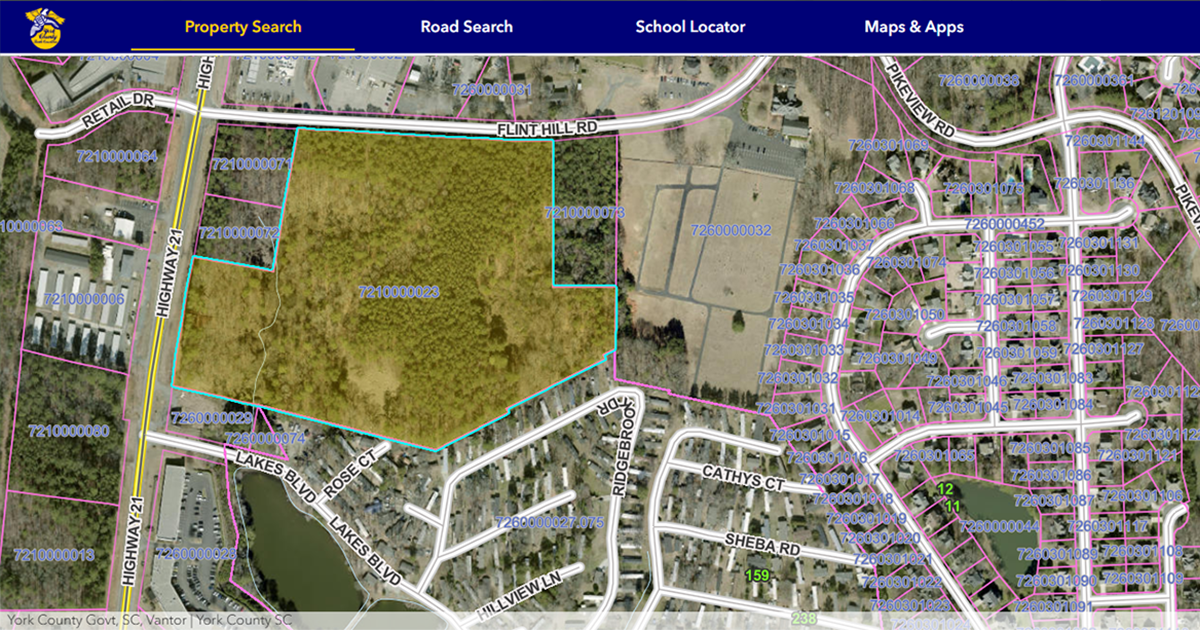
A major rezoning fight is unfolding in Fort Mill as York County considers bringing more industrial zoning closer to residential neighborhoods.
The proposal would rezone about 24 acres at U.S. 21 and Flint Hill Road from General Commercial to Light Industrial. Walmart owns the vacant property and plans to sell it if the rezoning receives final approval.
An Atlanta-based developer proposes two warehouse and distribution buildings totaling roughly 275,000 square feet. Plans include more than 100 semi-truck loading docks, with commercial outparcels remaining along U.S. 21.
However, York County’s own planning staff recommended denying the industrial rezoning. The Planning Commission also voted 4-2 to recommend denial. County plans envision neighborhood residential and complementary development in this area, rather than extending industrial uses toward nearby homes.
Silfab Raises Bigger Questions About Light Industrial Zoning
 Fort Mill residents have already seen how disputes over Light Industrial zoning can become much larger than an original development proposal.
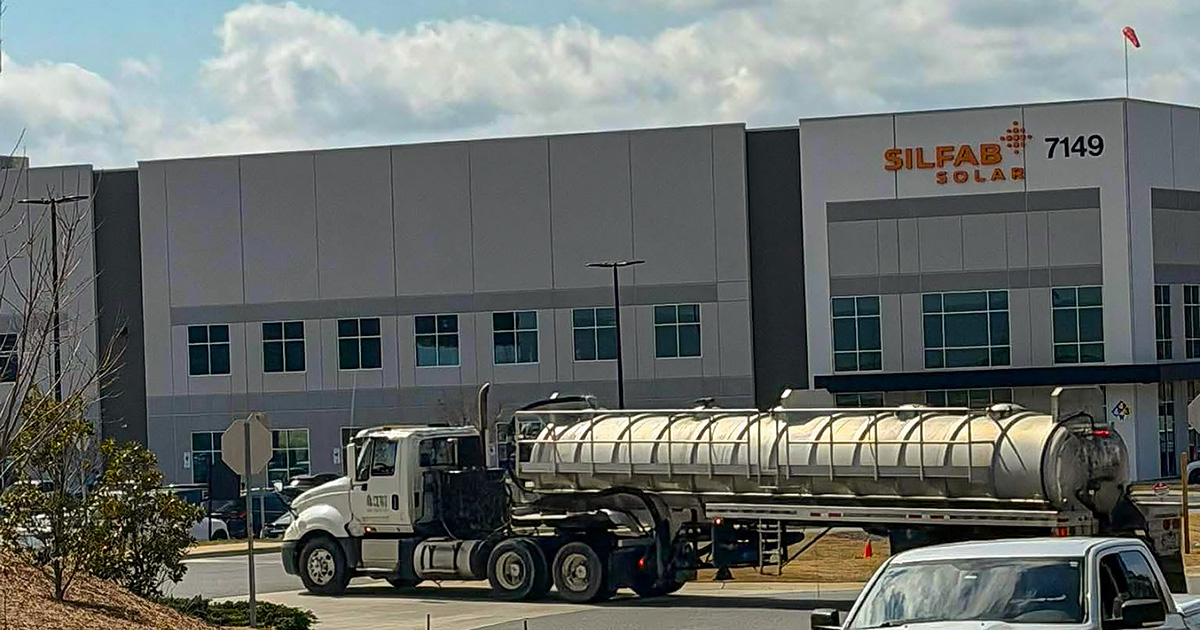
York County officials mistakenly gave unlawful permits to Silfab Solar to build a chemical manufacturing operation on Light Industrial property near Flint Hill schools and residential areas. The county continued recognizing Silfab’s approvals even after the BZA ruled their intended use was not permitted under ‘light industrial’ classification.
This past July, Circuit Judge William McKinnon upheld the BZA’s decision in all respects. His ruling affirmed that the manufacturing use at issue was not permitted under the Light Industrial category relied upon by county officials.
The County Council has thus far ignored the ruling and has refused to revoke Silfab’s unlawful permits. York County maintains that earlier approvals remain valid and says the BZA ruling applies prospectively.
That history makes the Walmart rezoning particularly consequential.
If Council changes this property to Light Industrial, that zoning remains with the land even if the proposed warehouse project changes or disappears. Future owners could seek other industrial uses that could endanger the health and safety of nearby residents.
The rezoning still needs two additional County Council approvals. Council could vote again Sept. 21, with a final decision possible Oct. 5.