
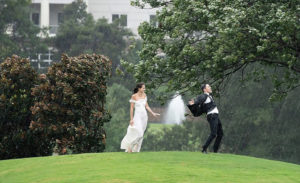
 The moment a newly married couple walks back up the aisle, framed by a cloud of fluttering colors and the cheers of their loved ones, is arguably the most photographed second of any ceremony. It is a tradition rooted in ancient history, symbolizing fertility and prosperity. However, as the sun sets on the celebration and the guests move toward the reception, a quiet problem often remains on the ground.
For decades, traditional confetti—often made of plastic-coated paper or even micro-plastics—has left a lasting scar on beautiful venues. This is why the shift toward biodegradable wedding confetti has become a hallmark of the modern, thoughtful wedding.
Choosing to celebrate with the planet in mind does not mean sacrificing the visual magic of the “confetti shot.” In fact, moving away from mass-produced synthetic materials often leads to a more tactile, organic, and aesthetically pleasing experience. When one looks at the sheer volume of waste generated by a single afternoon of festivities, the decision to use biodegradable confetti for wedding celebrations becomes a matter of logic rather than just a trend.
The Environmental Cost of the Traditional Toss
Why has the classic plastic confetti fallen so far out of favor? The answer lies in its persistence. Traditional glitter and plastic-based circles are essentially permanent additions to the soil. They are too small to be picked up effectively by a broom and light enough to be carried miles away by a gust of wind. Birds and small mammals often mistake these shiny bits for food, leading to internal blockages and ecosystem disruptions.
By opting for biodegradable wedding confetti, a couple ensures that their first act of shared hospitality doesn’t result in local pollution. These natural alternatives are designed to break down within days or weeks, often nourished by the very rain that grooms usually pray will stay away. It is a way of celebrating without leaving a ghost behind.
Aesthetics That Outshine Plastic
There is a common misconception that eco-friendly options look “dull” or “muddy” compared to their metallic counterparts. The reality is quite the opposite. When you look at high-quality biodegradable confetti for weddings, you see a spectrum of textures that plastic simply cannot replicate.
Dried Flower Petals
Natural petals are perhaps the most popular form of biodegradable wedding confetti. Think of the deep velvet of a red rose, the sun-drenched yellow of a marigold, or the subtle scent of dried lavender. These materials offer a multi-sensory experience. They don’t just look beautiful in the air; they smell incredible as they settle on the hair and clothes of the guests. Because petals are irregular in shape, they fall more slowly than flat paper, giving the photographer more time to capture that perfect, suspended moment.
Water-Soluble Paper
For those who want the traditional “flutter” of small circles or hearts, water-soluble biodegradable wedding confetti is an engineering marvel. Made from a starch-based material, this type of confetti feels like thin paper but disappears entirely when hit by a garden hose or a rain shower. It provides the high-energy burst of color that many couples desire while leaving zero physical trace by the following morning.
Respecting Your Venue and the Local Wildlife
In 2026, many of the most sought-after wedding venues—from historic estates and botanical gardens to national parks—have implemented strict bans on non-biodegradable materials. If you are getting married in a protected area or a church yard with centuries-old stonework, the staff will likely insist on seeing proof that your toss materials are earth-friendly.
Using biodegradable wedding confetti isn’t just a personal choice; it is a way of respecting the people and places that host your most important memories. Venue managers have grown weary of the “glitter that never goes away,” which can get stuck in the cracks of ancient floorboards or the roots of heritage roses. When you show up with biodegradable confetti for wedding purposes, you are signaling that you are a responsible guest who values the preservation of the site for future couples.
The Psychology of the Eco-Friendly Choice
Weddings are inherently forward-looking events. They are about building a future and starting a life together. There is a profound psychological alignment in choosing materials that reflect those values. When guests are handed a sachet of biodegradable wedding confetti, it starts a conversation. It lets them know that the couple is mindful of their footprint and that every detail, no matter how small, was chosen with intention.
This mindfulness often ripples out into other parts of the wedding planning. If the confetti is biodegradable, perhaps the centerpieces are potted plants that guests can take home, or the menu features locally sourced ingredients. It is about creating a cohesive narrative of care. Using biodegradable wedding confetti becomes a small but mighty symbol of the couple’s commitment to the world they are about to inhabit as a unit.
Practical Tips for Your Confetti Moment
Even with the best biodegradable wedding confetti, a little bit of planning goes a long way in ensuring the photos turn out exactly as envisioned. Coordination is key to making sure the “toss” looks like a celebratory cloud rather than a messy scramble.
- Assign a Confetti Coordinator: Ask a bridesmaid or usher to be in charge of handing out the confetti. This avoids a bottleneck at the door and ensures everyone has a handful ready to go.
- The “Throw Up, Not At” Rule: Remind your guests (perhaps with a small sign or a quick word from the officiant) to throw the biodegradable wedding confetti high into the air. If they throw it directly at your faces, you’ll likely end up squinting or picking petals out of your mouths in the photos.
- Consider the Color Palette: While multi-colored mixes are fun, many couples now choose biodegradable confetti for weddings that matches their floral arrangements. White and cream petals pop beautifully against dark suits and greenery, while bright oranges and pinks add a vibrant energy to city weddings.
- The “Self-Serve” Station: Setting up a “Confetti Bar” where guests can mix their own blend of dried herbs and petals is a lovely interactive element. It allows them to participate in the creation of the moment.
Is Biodegradable Confetti More Expensive?
A frequent concern is that “eco-friendly” is synonymous with “overpriced.” While it is true that a bag of dried rose petals costs more than a tub of plastic glitter from a discount store, the difference is often negligible in the context of a total wedding budget. Furthermore, many couples find that they can save money by being creative.
For instance, some people collect fallen leaves in the autumn and use a shaped hole punch to create their own biodegradable wedding confetti. Others use birdseed or dried rice (checking first with the venue’s bird safety guidelines). When you prioritize biodegradable confetti for weddings, you are often paying for the peace of mind and the lack of a “cleanup fee” from your venue, which can far exceed the cost of the confetti itself.
The Versatility of Natural Materials
What makes biodegradable wedding confetti truly special is its adaptability to different themes. For a winter wedding, white water-soluble paper mimics the look of snow without the freezing temperatures. For a coastal wedding, dried seaweed or small pieces of sea glass (used sparingly) can tie in the maritime theme.
The variety of biodegradable wedding confetti available today means that you don’t have to settle for a “one size fits all” solution. You can tailor the weight, size, and color of the materials to suit the specific wind conditions and lighting of your ceremony site. A skilled photographer will tell you that the way natural petals catch the light is far more flattering to skin tones than the harsh, artificial reflection of plastic or foil.
How to Handle Storage and Longevity
Since many of these materials are natural, they do have a shelf life. If you are using dried petals as your biodegradable wedding confetti, it is best to store them in a cool, dark, and dry place. Moisture is the enemy of any organic confetti; it can lead to wilting or mold. Most suppliers suggest ordering your biodegradable confetti for wedding use about one to two months before the date to ensure maximum freshness and fragrance.
If you are going the DIY route with leaf cutouts, remember that green leaves will brown over time. It is often best to punch these close to the wedding date or use leaves that have already naturally dried. This attention to detail ensures that when the big moment arrives, your biodegradable wedding confetti performs exactly as intended.
The Legacy of a Sustainable Celebration
The trend of sustainable weddings isn’t going anywhere. As more people become aware of the environmental impact of large-scale events, the demand for products like biodegradable wedding confetti continues to grow. By choosing these options, you are helping to normalize eco-friendly practices in the bridal industry. You are proving that a wedding can be both incredibly glamorous and environmentally responsible.
In the years to come, when you look back at your wedding album, you will see those vibrant colors floating around you. You will remember the laughter and the joy. And perhaps, tucked away in your mind, will be the small, satisfying knowledge that those petals or starch circles returned to the earth shortly after the dance floor cleared. That is the beauty of biodegradable wedding confetti—it allows you to hold onto the memory without forcing the earth to hold onto the waste.