
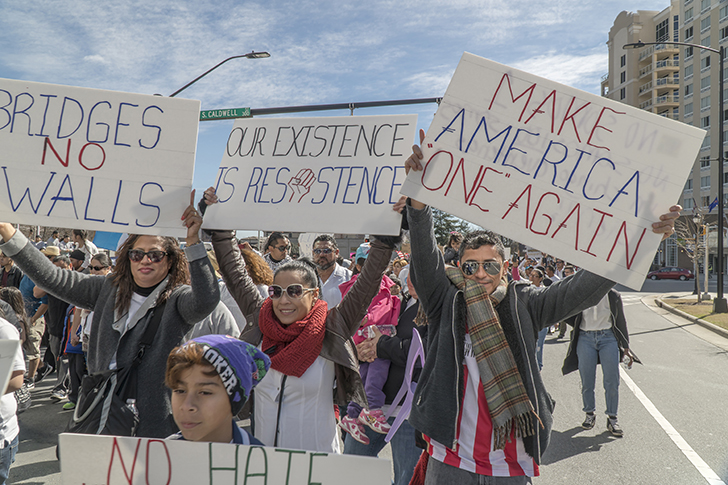
 Every immigrant family seems to have a version of the same story, the early years of figuring out a new system, a new language, and who to trust when something goes wrong. These stories get passed down not for nostalgia but because they carry real lessons about navigating unfamiliar institutions.
The System Rarely Comes With a Manual
Healthcare, schooling, housing, each system has its own unwritten rules that longtime residents absorb without noticing. New immigrant families have to learn all of it at once, often while working full time and raising kids.
Community Networks Fill the Gap
Research from groups like the Migration Policy Institute consistently shows that informal community networks, churches, cultural associations, neighbors, do more to help new immigrant families navigate unfamiliar systems than most formal programs manage on their own.
Storytelling Itself Is Part of the Support System
Organizations supported through public broadcasting have documented how oral storytelling traditions within immigrant communities function as a genuine knowledge transfer system, passing down practical survival information alongside family history.
Legal Systems Are Part of That Same Learning Curve
A Version of This Story Plays Out Constantly
A father new to the country gets rear ended on his way to a second shift job. He doesn’t call anyone for two days, unsure what to do, worried about cost, worried about status, worried about simply asking the wrong question to the wrong person. By the time he does reach out, key evidence has faded and the insurance company has already built its version of events. This isn’t a rare story, it’s one of the most common versions of the immigrant starting over story there is.
Nowhere is the unfamiliar system problem more acute than with legal processes, especially something sudden and disorienting like a car accident. Families who don’t know where to turn often lose time, and sometimes compensation, simply from not knowing the first step.
Community referral networks across Houston increasingly point Spanish speaking families toward “Ayuda legal después de un accidente automovilístico en Houston“, the exact phrase used on one local firm’s Spanish language page, precisely because it closes that information gap quickly.
Local Contact
The map below shows one such resource serving the Houston area.
Ring the Houston office of Abogado de Accidentes en Houston at (713) 357-6595, or visit in person at 801 Louisiana St Ste 311, Houston, TX 77002.
Passing the Story Forward Intentionally
Families who make a point of retelling these stories at gatherings, rather than letting them fade after the crisis passes, give the next generation a head start that’s hard to replicate any other way. A grandmother’s account of navigating an accident claim in a new country becomes practical wisdom for a grandchild decades later, long after the original details would otherwise have been forgotten.
None of this requires turning family gatherings into lecture sessions. The most effective version of this knowledge transfer usually happens casually, a story told in passing that sticks precisely because it wasn’t presented as a lesson.
Why This Resonates Across Generations
Even family members who never personally experienced the exact situation described in a favorite story still absorb its underlying lesson, caution, resourcefulness, knowing who to ask for help. That transferability is what makes oral storytelling such a durable teaching method across immigrant families specifically.
That folder becomes more than paperwork over time, it becomes a small, quiet symbol of a family that learned from a hard moment and chose to be ready the next time.
Worth the hour it takes, every time.
That habit of preparing, once it takes hold in a family, tends to spread quietly into other areas of life too, a small but real form of resilience passed down alongside the stories themselves.
Every family builds this kind of readiness a little differently, but the underlying instinct, learn from the scare, prepare for next time, tends to look remarkably similar across very different households.
Worth the small effort it takes to build, and worth passing on once it exists.
Nobody wants to need this kind of readiness, but nearly every family eventually does, in one form or another, at some unpredictable point down the road.
Closing Thought
The story of starting over never really ends, it just gets passed to the next family arriving after you. The details of what to do after a car accident are a small but real part of that inheritance.