
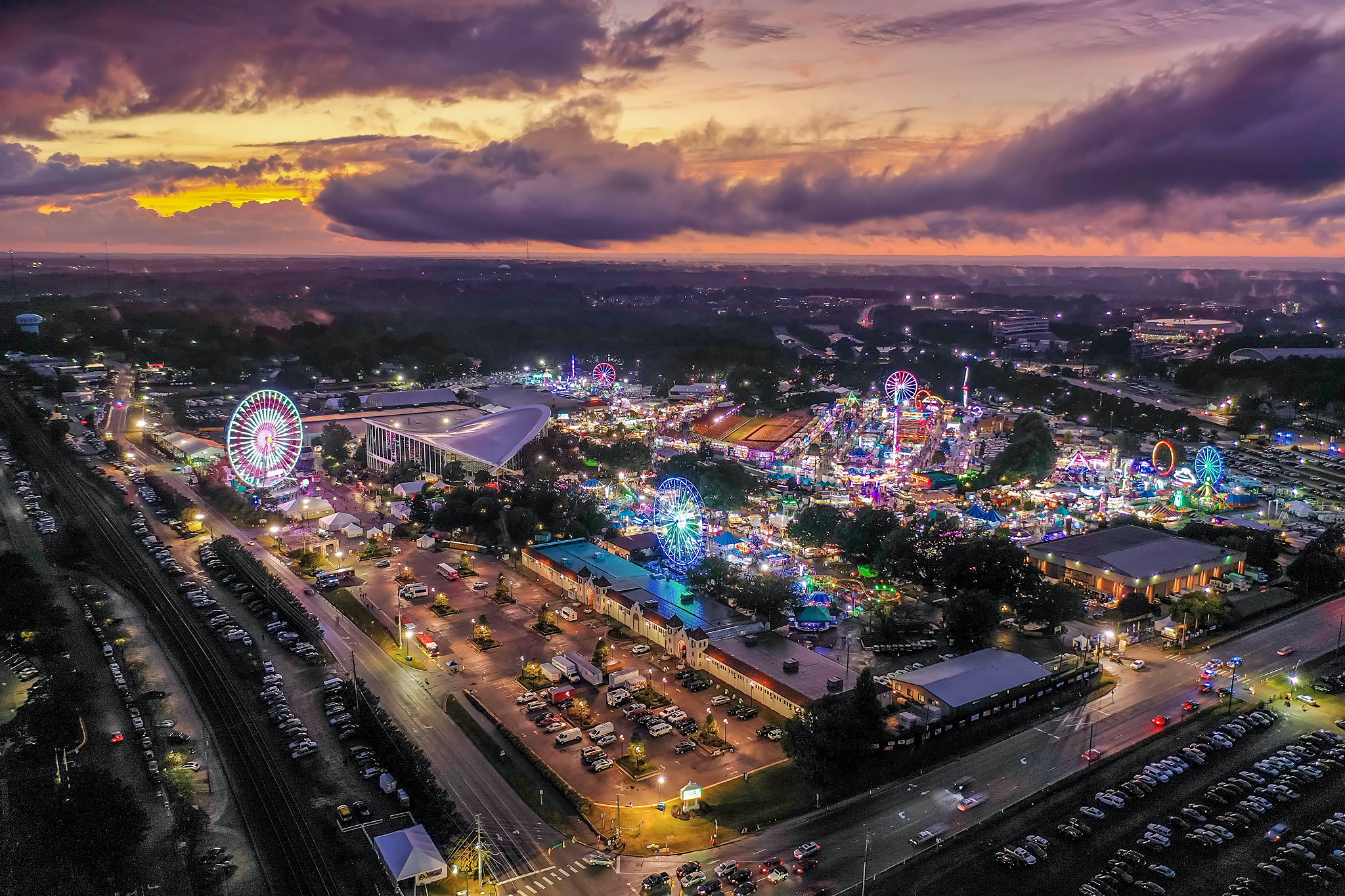
 The annual North Carolina State Fair, which ran for 11 days, closed its gates on Sunday at its Raleigh venue. The event once again drew hundreds of thousands of visitors, reaffirming its status as one of the region’s largest seasonal gatherings. Yet alongside the familiar spectacle, a notable change emerged: some vendors well known to regular fairgoers did not return to the midway this year.
11 Days in Raleigh, Where Family Traditions Meet Big Business
The State Fair has long been more than a seasonal attraction. For thousands of families, the trip to Raleigh has become a deeply rooted tradition passed down through generations. Each year the grounds fill with the same aromas, the same carousel melodies, and the same sense of shared celebration.
For entrepreneurs, however, it is something else entirely. The fair offers a rare chance to stand before a statewide audience in just a matter of days. Vendors here operate at high volume comparable to the largest retail venues, and for small businesses such scale is rarely achievable at any other point in the season.
Making the Most of the Final Hours Before the Gates Close for a Year
The fair’s final day felt like a marathon of experiences. Thousands of people filled the grounds, determined to squeeze one last ride on the attractions and one final serving of signature fair food into the remaining hours.
Lines at the most popular food stalls showed no sign of thinning well into the evening. For many visitors, the culinary side of the fair remains its greatest draw, and Sunday only amplified that effect: the sense of “not again until next year” pushed attendees to try everything they had not yet sampled.
Prize Games: The Thrill That Rewards Skill
Midway game booths served as the second major draw of the final day, as they do every year. Dart throws at balloons, rubber duck fishing, ring tosses onto bottle necks — these diversions have changed little over the decades, yet the lines in front of them grow no shorter. A stuffed bear the size of a small child remains one of the fair’s most recognizable prizes.
Notably, the crowds at the game booths included not only parents reliving their own childhoods but also young people who rarely put down their smartphones the rest of the year. The appetite for excitement has not gone away; it has simply migrated online in the digital age. Live game shows such as Monopoly Live or Dream Catcher are built around spinning a wheel, and the overview of the Crazy Time by Evolution live casino game show illustrates just how straightforward the rules are: pick a segment and wait for the result. Midway game booths work differently. Here the outcome depends on a steady hand, a sharp eye, and a couple of warm-up attempts, and a miss tends to draw laughter rather than frustration.
It is precisely that combination of skill and fun that, judging by the queues, keeps new generations interested in old-fashioned games. For booth operators, it translates into a visitor flow just as steady as the one enjoyed by food vendors.
Nearly a Million Potential Customers at Every Stall
The economic logic of participating in the fair can be summed up in a single phrase from fair director Kent Yelverton. By his estimate, “almost a million customers” pass by the vendor stalls. That kind of foot traffic turns every selling spot into a showcase operating at full capacity.
Popcorn from Broadway: The Sharpe Family Experience
Bobby and Dawn Sharpe brought their popcorn from the small town of Broadway, North Carolina. Taking part in the state’s largest event proved to be both a busy season and an education. The couple said that in 11 days they learned more about running a business at large-scale venues than they had in many months of ordinary trading.
“Everything was great. The people were great, the weather too,” Dawn Sharpe said, summing up her experience.
Not Everyone Came Back: Fewer Familiar Faces on the Midway
A number of vendors who had become fixtures of the fair landscape for regular attendees did not appear on the grounds this year. Their absence was noticed, though no official explanation was announced. Most vendors were in their usual spots, however — much like a beloved program that shows no signs of losing its popularity even after nearly a century on air.
New 15% Licensing Fee on Gross Sales
In the spring, organizers announced the introduction of a mandatory licensing fee for food and beverage vendors. The rate was set at 15% and is calculated on gross sales. The new requirement coincided with the departure of some participants, which inevitably raised questions.
The WRAL investigative team compared the rate with practices in other states. The picture that emerged was as follows:
- 15% — a comparable rate in South Carolina, Ohio, and Tennessee
- 19.5% — the rate at the Iowa State Fair
- 25% — the fee at the Colorado State Fair
Against that backdrop, the North Carolina rate looks more like a market average than an outlier.
Whether the Vendor Departures and the New Fee Are Linked Remains Unclear
No direct connection between the introduction of the 15% licensing fee and some vendors’ decisions not to participate in the fair has been publicly established. Organizers emphasize that vendors themselves should explain their own reasons.
“We had vendors who chose not to come back. Why they made that decision is a question for them,” Kent Yelverton stated.
Attendance: Nearly 818,000 Over Ten Days
In the first 10 days, just under 818,000 people attended the fair. Figures for the final Sunday had not yet been processed at the time of publication, meaning the overall total could prove to be considerably higher.