
 One of North Carolina’s largest companies has announced the biggest acquisition in its history, creating a global building materials powerhouse with a deal valued at $13.5 billion.
NC-based Martin Marietta has just announced the acquisition of limestone supplier Lhoist North America in a transaction that includes approximately $7 billion in cash and $6.5 billion in company stock.
The acquisition is the largest ever for Martin Marietta, which has a market value exceeding $36 billion and is one of the nation’s leading suppliers of construction materials.
Martin Marietta to buy Lhoist North America in $13.5 billion deal https://t.co/arhCaei2MZ https://t.co/arhCaei2MZ
— Reuters (@Reuters) June 29, 2026
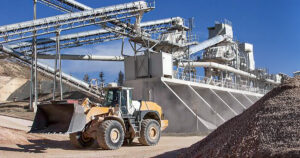
Martin Marietta produces crushed stone, sand, gravel, asphalt, and specialty materials used to build highways, bridges, commercial developments, and other major infrastructure projects. Lhoist North America manufactures lime, limestone, and other mineral products used in steel production, water treatment, agriculture, and construction.
Company leaders say the combined business will be better positioned to meet growing demand from data center construction, semiconductor manufacturing, and infrastructure projects across the United States.
The acquisition also expands Martin Marietta’s footprint throughout the fast-growing Sun Belt, where both companies already have significant operations.
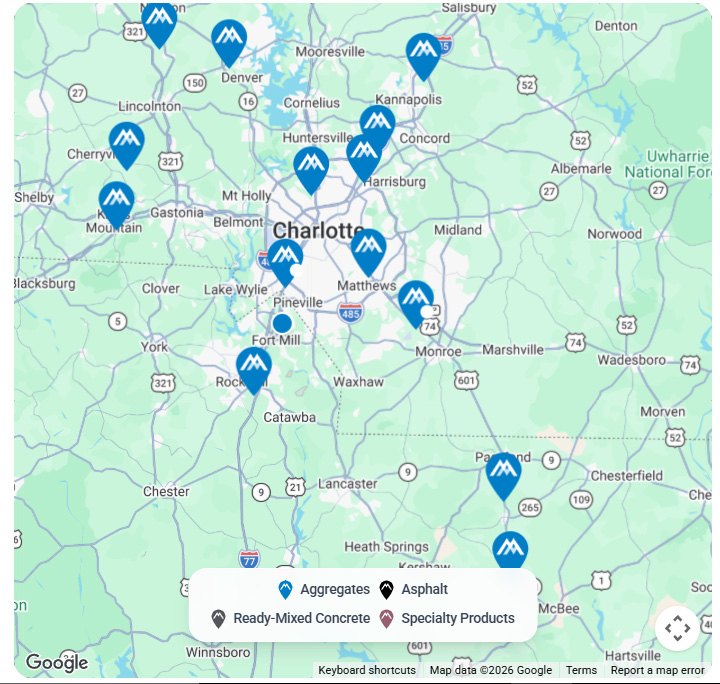
The historic deal will strengthen the supply chain for major construction projects across the Carolinas. Martin Marietta already operates numerous quarries in the Charlotte region, and Lhoist’s network of facilities across the Southeast could improve access to key construction materials for contractors working throughout the region.
Industry analysts say the acquisition further cements Raleigh-based Martin Marietta’s position as one of the world’s leading building materials companies while reinforcing North Carolina’s growing influence in the infrastructure and construction industries.
The announcement follows a wave of consolidation across the building materials sector as companies race to expand capacity and meet demand fueled by population growth and large-scale development projects.