
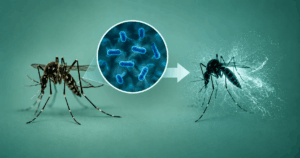
 Millions of specialized “Google mosquitoes” could soon be released in parts of the United States as part of sweeping new effort to fight the spread of dangerous diseases.
The Environmental Protection Agency recently announced it received an application from Google requesting an Experimental Use Permit for mosquitoes carrying a naturally occurring bacteria called Wolbachia. Because of the project’s potential national significance, the EPA is accepting public comments through June 5.
The proposal comes from Google’s Debug program, which aims to suppress disease-carrying mosquito populations without using pesticides or genetic modification.
The mosquitoes are infected with Wolbachia, a naturally occurring bacteria found in many insects. When released males mate with wild females, the eggs fail to hatch, causing the mosquito population to decline over time.
Google says the technology builds on the Sterile Insect Technique, a pest-control method used for decades on agricultural pests. The company developed automated systems and AI-powered technology to sort male mosquitoes from females before release.
The target species is Aedes aegypti, a mosquito known for spreading diseases such as dengue, Zika, yellow fever, and chikungunya.
Supporters point to results in Singapore, where similar releases reportedly reduced mosquito populations by as much as 90% and significantly lowered dengue cases.
The Centers for Disease Control and Prevention says Wolbachia cannot make people or animals sick and notes that similar programs have already been used in locations including California, Texas, Puerto Rico, Australia, Mexico, and Singapore.
The EPA will review public comments before deciding whether to approve the large-scale mosquito release program.