SC Ranks 2nd Worst State in America for Bacterial Contamination in Meat

0

Many Americans assume the meat they buy at the grocery store is safe—but new data shows that approximately 36% of retail meat samples nationwide are contaminated with potentially harmful bacteria. And with the FDA and USDA facing major budget cuts, efforts to monitor pathogens, investigate outbreaks, and enforce safety standards could be weakened.

A new report from Trace One ranks states by their relative retail meat contamination risk, using the latest data from the FDA’s National Antimicrobial Resistance Monitoring System (NARMS). It also analyzes contamination trends by meat type, and highlights antibiotic resistance patterns.

Because the analysis focuses only on meat-pathogen combinations consistently tested across all participating states, the contamination rates below reflect a standardized subset of retail meat samples from the NARMS program. Researchers used these to calculate a composite retail meat risk index for each state, with higher scores indicating greater contamination risk.

Retail Meat Contamination Rates in South Carolina

  • Chicken is Most Contaminated Meat in South Carolina: 27.8% of retail chicken samples tested positive for Salmonella or Campylobacter in South Carolina, as did 15.8% of ground turkey.
  • Beef and Pork Contamination Rates: Ground beef tested positive for Salmonella in 0.5% of samples, and 4.8% of pork chops.
  • South Carolina Sees 2nd Highest Relative Risk: Based on these contamination rates, South Carolina receives a composite score of 67.85—the 2nd highest retail meat contamination risk relative to all states in the analysis.

Food Safety Risks: U.S. States With the Highest Bacterial Contamination in Retail Meat

1 Georgia 69.05 29.8% 13.3% 2.9% 1.4%
2 South Carolina 67.85 27.8% 15.8% 4.8% 0.5%
3 Tennessee 66.65 25.7% 12.7% 6.6% 1.0%
4 Minnesota 63.10 22.4% 11.7% 10.5% 1.0%
5 Pennsylvania 58.35 29.4% 10.4% 2.2% 1.2%
6 Missouri 55.95 17.4% 7.9% 6.7% 3.8%
7 North Carolina 54.78 27.8% 14.2% 2.6% 0.4%
8 Ohio 54.78 10.1% 8.0% 6.9% 4.1%
9 New York 54.75 24.4% 18.4% 5.0% 0.0%
10 Texas 52.38 24.6% 10.7% 0.5% 2.1%
11 California 51.18 31.4% 6.5% 4.8% 0.6%
12 South Dakota 50.00 12.9% 7.5% 8.1% 1.6%
13 Oregon 50.00 16.3% 11.9% 1.9% 2.1%
14 Maryland 47.63 23.3% 14.9% 3.8% 0.0%
15 Kansas 47.63 17.6% 9.5% 3.0% 1.5%
16 Iowa 46.43 22.0% 9.5% 6.8% 0.4%
17 Colorado 44.05 27.2% 10.0% 1.9% 0.4%
18 Connecticut 41.68 9.4% 22.3% 5.0% 0.0%
19 New Mexico 39.28 24.5% 9.0% 1.1% 1.1%
20 Hawaii 29.78 20.7% 4.4% 1.1% 1.6%
21 Washington 23.80 15.7% 8.6% 3.6% 0.0%
22 Louisiana 21.45 14.0% 4.6% 1.1% 1.1%

Another Icon in Charlotte’s Skyline Was Just Vandalized With A Corporate Logo

0

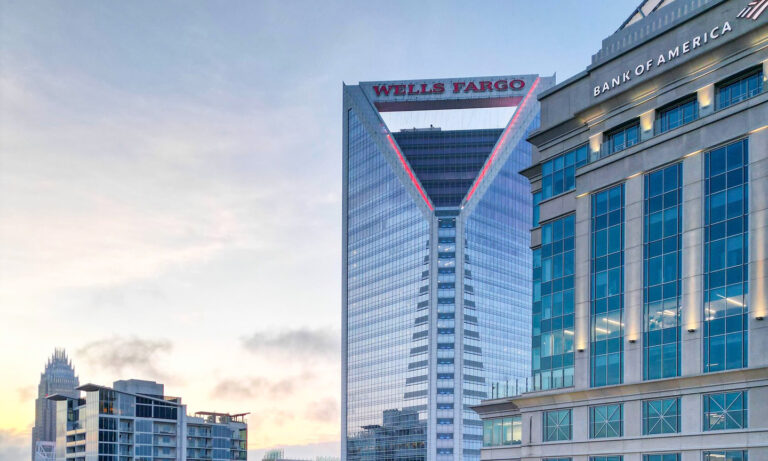
Just 5 years after the iconic Hearst Tower in Uptown Charlotte was vandalized with a massive “TRUIST” logo, another jewels in our crown has just succumbed to corporate brandishing.

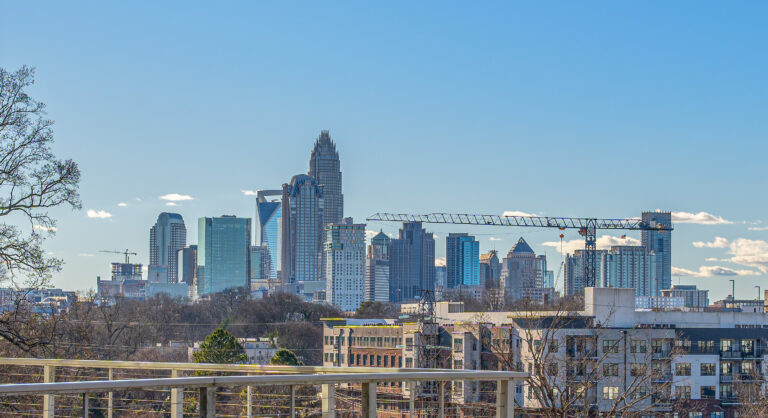
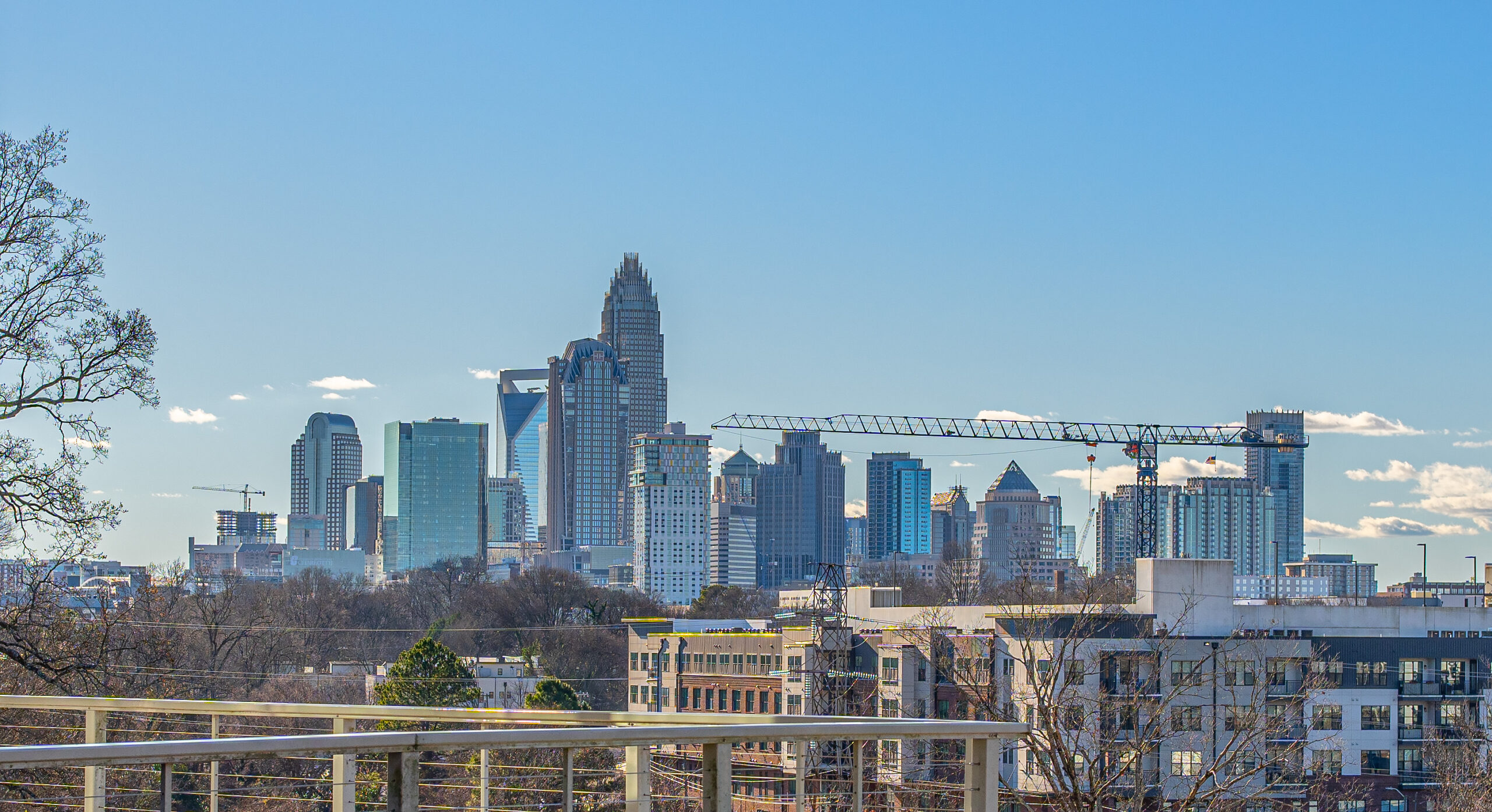
This week, Wells Fargo affixed their massive illuminated logos atop their 48-story ‘handle bar building’, formerly known as the Duke Energy ‘Tower of Power’.

Using helicopters, crews lifted 14-foot-tall glowing letters onto either side of the skyscraper’s distinctive rooftop “handlebar”.


View this post on Instagram


A post shared by CLTGuide (@cltguide)

The move marks the latest in a wave of branding efforts that residents continue to speak out against — citing concerns that Charlotte’s modern, elegant skyline is being drowned in oversized advertising.

Wells Fargo also announced upgrades to the building’s LED lighting system, part of its $500 million “employee experience investment” initiative in a press release. The system will support expanded displays through the Wells Fargo Lights program, which illuminates the building in different colors to celebrate causes and events.

But for many longtime residents and architecture enthusiasts, the signage represents more than a lighting upgrade — it’s symbolic of what some call a growing visual assault on Charlotte’s skyline.

Other skyscrapers that have also been vandalized with corporate logos include Bank of America, Ally, BB&T, and Honeywell.

North Carolina Sweeps Multiple Categories in 2025 Campspot Awards

0

North Carolina campgrounds have dominated the 2025 Campspot Awards, securing multiple #1 rankings and reinforcing the state’s reputation as a premier outdoor destination. Two of the top ten campgrounds in the USA for 2025 are located in North Carolina, as well as the #1 glamping campground and 2 of the 5 top Hidden Gems! From glamping retreats to family-friendly resorts and quiet escapes, North Carolina offers some of the best camping experiences in the country.

Award-winning North Carolina parks for 2025 include:

Broad River Campground, Mooresboro (#1 Glamping Campground in the USA)

Yogi Bear’s Jellystone Park, Golden Valley (#1 For Families in the USA)

RiverWalk on the Yadkin, Jonesville (Top Small Campground in the USA)

Stonebridge RV Resort, Maggie Valley (Top RV Campground)

Byrd’s Branch Campground, Elkin (Top Hidden Gem)

Foxfire of Murphy (Top Hidden Gem)

Dixon Landing RV Resort, Grantsboro (Top Quiet Getaway)

The 2025 Campspot Award winners are determined based on 3 million data points, measuring guest satisfaction, unique amenities, and overall experience quality. North Carolina’s wins highlight the state’s ability to cater to every type of camper, from adventure-seekers to those looking for a peaceful retreat.

Officials Warn Public to Avoid Lake Norman Due to Toxic Algae Bloom

0

Mecklenburg County officials just issued a no-swim advisory for a cove on Lake Norman after detecting a harmful algal bloom.

Charlotte-Mecklenburg Storm Water Services confirmed the presence of cyanobacteria, a potentially toxic species of algae, in a cove bordered by Country Club Circle and Norman Shores Drive on the Torrence Chapel Peninsula.

The bloom was first observed following a report of bright green and bluish water with surface scum. Staff responded and identified the bloom as an active harmful algal bloom (HAB), prompting the advisory. Officials are urging residents and visitors to avoid swimming, boating, fishing, kayaking, jet-skiing, water-skiing, or wading in the affected area.

NC officials warn that cyanobacteria can release toxins that may cause serious illness in humans and animals if ingested or if skin is exposed. Pets and children are especially vulnerable and should be kept away from any discolored or scummy water.

Storm Water Services emphasized that recent heavy rains may have contributed to the bloom and encouraged caution for anyone planning to recreate on the lake this weekend. Residents are also advised not to use water from the affected area for irrigation or washing.

The advisory will remain in place until further testing confirms the bloom has dissipated and the water is safe. An algal bloom map highlights the impacted zone, outlined in red.

Charlotte Now The 3rd Fastest Growing Metro In America w/ 117 New Residents Arriving Daily

0

The Charlotte metro area has just surpassed 2.4 million people, making it the 22nd-largest metro in the United States and the 3rd fastest growing region in the nation, according to MacroTrends.

The city of Charlotte itself has 923,164 residents and maintains a steady 1.3% annual growth rate. On average, 117 people move to Charlotte daily, drawn by lower living costs and job opportunities.

“Charlotte continues its dynamic growth, building on the momentum we’ve seen year after year,” Rob Horton, CLT Alliance chief marketing and communications officer, said in a press release. “These population trends underscore the importance of smart investments and policies to ensure our region can continue to grow and thrive. How we innovate will define our future.”

Looking to 2029, Charlotte is expected to see ongoing population growth, more jobs, and expanded access to skill development.

Largest Great White Ever Tagged Appears Off North Carolina Coast

0

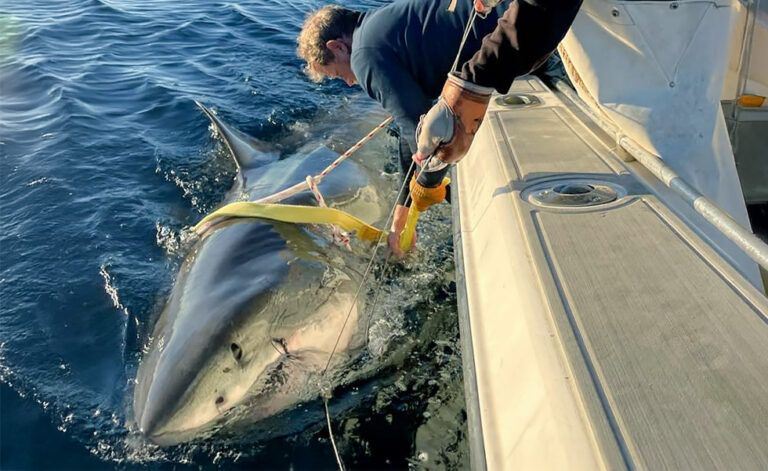
The largest great white shark ever recorded in the Atlantic Ocean has just been spotted off the coast of North Carolina.

At nearly 14 feet long and weighing over 1,600 pounds, Contender is the largest great white shark ever tagged by OCEARCH, a nonprofit that monitors large marine animals.

Scientists first tagged Contender in January about 45 miles off the Florida-Georgia coast near Jacksonville. Since then, he has steadily moved north, most recently surfacing just 22 miles off NC’s Cape Hatteras. The shark’s satellite tag sends a signal whenever his dorsal fin breaks the ocean’s surface, allowing researchers to monitor his real-time movements.

OCEARCH says Contender is about 32 years old. The tracking tag, known as a SPOT tag, will continue to transmit data for roughly five years. Researchers also collected biological samples during the tagging process, including urogenital material, to support ongoing studies on shark reproduction and health.

This spring migration is typical for great white sharks, which travel north in search of cooler waters and an abundance of prey. OCEARCH named the shark in partnership with Contender Boats, whose vessels support the organization’s research expeditions.

Anyone interested in tracking Contender’s movements can follow him on OCEARCH’s Global Shark Tracker app here.

Charlotte’s Dining Scene Earns City a Top Spot on PETA’s Most Vegan-Friendly List

0

PETA has just named its Most Vegan-Friendly Cities in the U.S., and the Queen City has crushed the competition, nabbing a spot on the list with an ever growing list of plant-based options.

Charlotte mainstay Bean Vegan Cuisine specializes in delicious American comfort food, including its Quesadilla, which is filled with dairy-free cheese and veggies and drizzled with sour cream sauce, and its spicy Jalapeno Cheddar Burger, which is topped with dairy-free cheddar, fried jalapenÞo chips, and Vegenaise. The eatery also serves delicious sweet treats, including cheesecake in seasonal flavors and Raspberry Zinger Cake with Cream Cheese Frosting.

Charlotte’s vegan scene also features fine dining at Sanctuary Bistro, which offers animal-friendly fare including Biscuits and Gravy, Cashew Cheesecake with a pecan and almond crust, Crème Brûlée made with vanilla coconut custard, and a fully loaded banana split. NoDa’s first vegan restaurant, Oh My Soul, serves South African–inspired cuisine like Macho Nachos, stacked with housemade seitan “bacon,” chakalaka, dairy-free queso, and all the fixings. Other vibrant foods that earned Charlotte a top spot include the Romeo BBQ Bacon Burger at Romeo’s Vegan Burgers; the Pua Roll, a sushi roll with deep-fried sweet potatoes, asparagus, cucumbers, and dairy-free cream cheese at Bachi; and the Beijing Veg. Duck at Ma Ma Wok, which went vegan in 2017.

The city also hosts the annual Charlotte VegFest with over 100 vendors and thousands of attendees, and the Vegan Vibe Music Series, featuring live music, DJs, and an array of delicious vegan food.

Why moving from SF to LA isn’t just a change of city, but a change of lifestyle?

0

lake norman real estate main viewMoving with movers from San Francisco to Los Angeles changes your pace of life and values. San Francisco is compact, with an emphasis on careers and innovation, a fast pace and a high cost of living. Los Angeles offers a more relaxed atmosphere, with an emphasis on creativity and lifestyle, but requires a car due to the distances involved. Moving can shift priorities from work to life balance, but will require adaptation to a new rhythm.

Cost of living: same state, different reality

Life in San Francisco and Los Angeles feels different even with similar salaries because of differences in the cost of living and priorities. Local movers and packers often note that rent in San Francisco is 20-30% more expensive, especially in the city centre, where a one-bedroom apartment costs from £2,000, while in Los Angeles you can find options from £1,500, but with a wider range of prices depending on the neighbourhood. Buying a home in SF is also significantly more expensive due to limited space and high demand.

Transportation costs are higher in Los Angeles because the city is designed for cars – petrol, insurance and parking eat into your budget. In San Francisco, you can get by with public transport, but taxi and car-sharing prices are high. Food and leisure are expensive in both cities, but LA offers more affordable entertainment – beaches, flea markets, food trucks – while SF is focused on gastronomy and technological trends.

The main difference is the perception of life. San Francisco dictates a dynamic, career-oriented rhythm, while Los Angeles values balance, sunshine and informality. Even with the same salaries, money ‘stretches’ differently in LA – less stress, but more spending on comfort.

Climate and environment

The climate in San Francisco and Los Angeles is radically different, affecting everyday life. SF is known for its cool, windy summers with frequent fog and mild winters – without a car with heating, it’s not easy here. This climate encourages layered clothing and spontaneous changes of plans due to sudden cold spells. LA has a Mediterranean climate: hot, dry summers and mild winters with plenty of sunshine. This motivates people to spend more time outdoors – beaches, hiking, and street cafes become part of the routine.

Natural areas also contrast: San Francisco has more urbanised parks like Golden Gate Park, while Los Angeles has extensive mountain trails (Griffith Park) and access to the ocean. As a result, LA instils a culture of outdoor activity, while SF instils intimacy and adaptation to the vagaries of the weather.

Work and career opportunities

San Francisco is the capital of technology and start-ups, dominated by IT giants (Google, Apple, Meta) and venture capital funds. The city attracts engineers, developers and entrepreneurs, offering a unique ecosystem for innovation, but competition for jobs is fierce. Los Angeles is ruled by the entertainment industry: film (Hollywood), music, fashion, and digital content. There are more opportunities here for actors, producers, designers, and bloggers, and game development and creative start-ups are also thriving.

If SF is about hardcore technology and business scaling, then LA is a territory of creativity and media, where networking and personal branding often mean more than a resume. The choice depends on your ambitions: coding in Silicon Valley or creating content under palm trees.

Culture, pace, and lifestyle

San Francisco lives in ‘start-up sprint’ mode: early mornings, busy schedules, and a cult of productivity. Even in coffee shops, people discuss pitch decks, and work-life balance often takes a back seat to career ambitions. The city attracts hyper-motivated professionals, creating an atmosphere of constant deadlines. In Los Angeles, time flows differently – the sunny climate and car culture create a more relaxed rhythm. Two-hour lunches, spontaneous surf sessions, and leisurely networking brunches are the norm.

SF’s social dynamics are built around technology and status, while LA values self-expression and connections. Mornings in SF start with a stand-up meeting, while in LA they start with cold-pressed juice and yoga on the beach. It’s a difference in mentality: ‘building the future’ versus ‘living in the present.’

Transportation and urban layout

San Francisco is a city for pedestrians and public transport. Compact streets, a well-developed tram network and BART make cars more of a burden than a necessity. Dense development and limited parking space have shaped an urban culture where people are accustomed to walking or using car sharing. In Los Angeles, you can’t get anywhere without a car. The sprawling metropolis with endless suburbs and chaotic planning turns the car into an extension of the personality. Locals spend hours in traffic jams, but in return they get freedom of movement – from the beaches of Malibu to the slopes of Big Bear.

This contrast influences lifestyle: SF, with its walkability, encourages spontaneous encounters and street life, while LA reinforces the intimacy of car travel. In one case, you jostle in a crowded tram; in the other, you meditate in traffic on the 405 motorways.

Which city is right for you?

San Francisco and Los Angeles offer fundamentally different lifestyles. Work: SF is a mecca for techies and start-ups with high salaries but fierce competition; LA is a platform for creators and media professionals, where networking is valued more than a degree. Lifestyle: SF is dominated by an urban rhythm and a cult of productivity, while LA has a relaxed atmosphere with an emphasis on wellness and outdoor activities. Budget: Rent in SF is a third more expensive, but in LA, hidden costs (car, petrol, insurance) eat up the difference.

Interests are also dictated by location: SF residents are obsessed with technology and careers, while LA is dominated by a cult of cinema, music and beach lifestyle. The choice between cities is a choice between intense professional growth and living the ‘California dream’ lifestyle. Technocracy versus creativity, density versus space, ambition versus harmony.


Fort Mill Planning New “GET Social Park” – Drinks For Adults, Playground For Kids

0

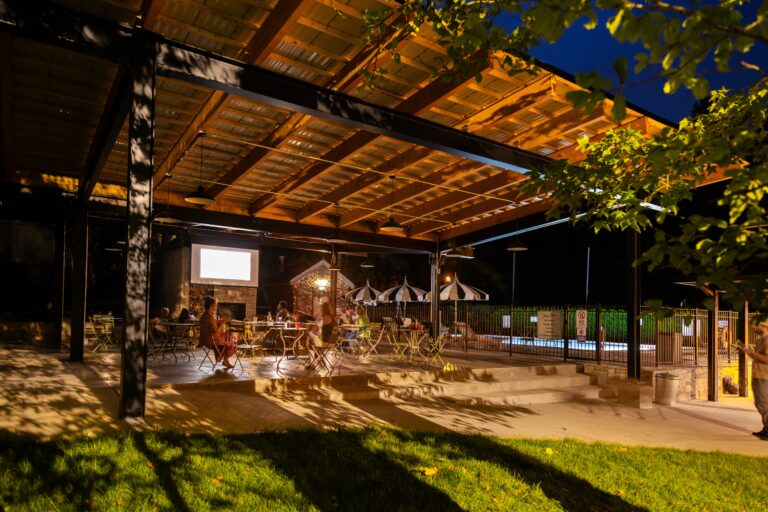
A new type of park is now being planned in Fort Mill – GET Social Park, a multi-use gathering space for families, where parents can drink, kids can play, and musicians can perform.

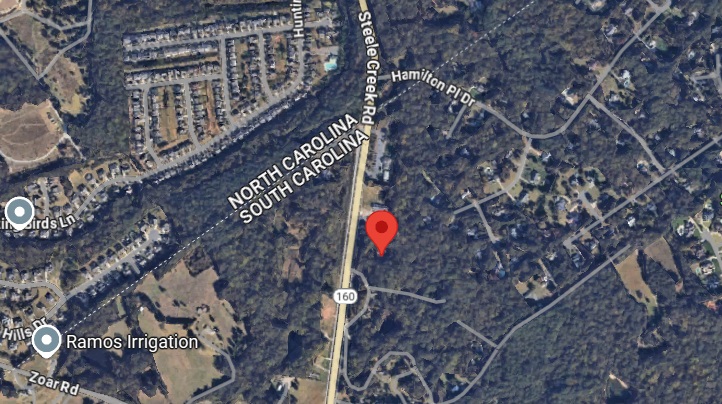
The proposed venue would be located at 3286 Highway 160 W. (aka Steele Creek Rd.) in Fort Mill.

Set on a 2.65-acre site just 800 feet from the North Carolina state line, the project requires a special zoning exception due to its location in a Rural Development (RUD) zone. The York County Board of Zoning Appeals is scheduled to vote on the request at its June 12, 2025, meeting.

Project Overview

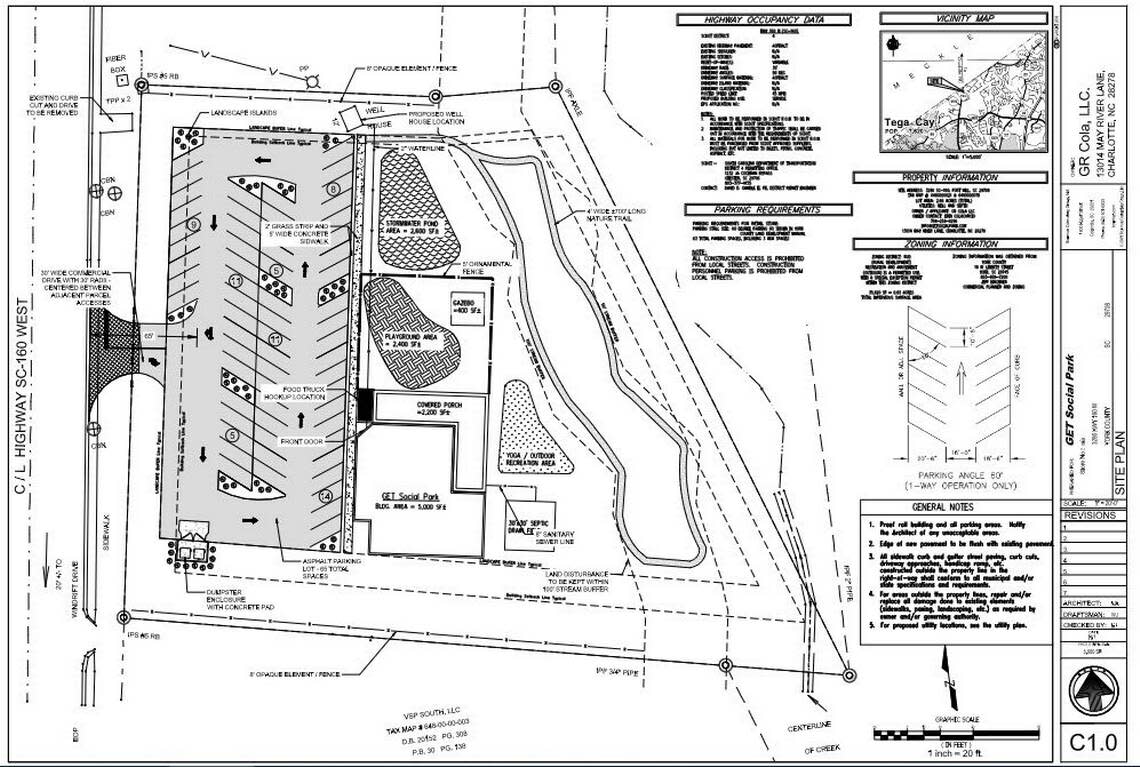
The proposed site will include:

  • A 5,000-square-foot indoor facility with two 500-square-foot event rooms, a seating area, and an indoor play area for children under three.

  • A 2,000-square-foot outdoor game lawn and a fenced playground.

  • A 14-by-14-foot entertainment platform for acoustic performances and yoga, paired with a gazebo and nature trail.

  • Food and beverage offerings such as grab-and-go meals, beer and wine taps (up to six), and rotating food trucks on weekends.

  • A covered patio, picnic areas, and seasonal events like fitness classes and family movie nights.

Planned business hours are Wednesday to Sunday, from 10 a.m. to 9 p.m. The site will accommodate up to 100 patrons and offer 65 parking spaces.

via York County

Local Engagement and Concerns

In an April 23 neighborhood meeting, developers Anthony and Erin Colacurcio addressed resident concerns regarding noise, traffic, and security. In response, they:

  • Confirmed the acoustic nature of music performances.

  • Noted that the entertainment stage would not exceed 400 square feet.

  • Clarified that privacy fencing would enclose three sides of the property.

  • Explained plans to preserve green space and limit large playground equipment.

They also assured residents that security cameras and motion detectors would monitor the site, particularly near neighboring properties.

If approved, GET Social Park would add a unique mixed-use recreational space just south of Charlotte, supporting Fort Mill’s growing demand for family-friendly community hubs.

A tentative opening is expected in 2027 if all approvals go through.

The Average North Carolinian Willing to Let AI Manage $24k of Their Money

0

AI might be able to write a convincing email, generate a playlist, or even plan your weekly meals – but would you trust it with your money?

That’s the question leading loan provider Advance America set out to explore in a new national survey, asking over 3,000 adults:

What’s the maximum amount of money you’d feel comfortable letting AI manage for you?

The responses reveal something striking: North Carolinians aren’t just dipping their toes in the AI waters – many are diving in headfirst. The average North Carolinian said they’d be willing to entrust $24,096 to AI when it comes to investing, signaling a surprising level of openness toward algorithm-driven financial tools. This compares to a national average of $20,441. For some, it’s the beginning of a retirement plan.

Californians topped the list, averaging $46,788 in AI-managed money, while Wyoming residents were the most cautious, drawing the line at just $3,571.

The gap may reflect broader cultural and economic differences. California, home to Silicon Valley, is steeped in tech optimism and innovation, with residents more likely to embrace emerging tools. Wyoming, by contrast, leans more rural and conservative, where self-reliance and skepticism toward automation may make people less eager to hand over financial decisions to a machine.

When asked about the types of financial decisions they’d be willing to hand over to artificial intelligence, responses varied widely depending on the level of risk. 31% said they’d trust AI to choose stocks, while 22% were comfortable letting it buy cryptocurrency. A slightly more conservative 15% were okay with AI rebalancing their 401(k).

And AI’s appeal doesn’t stop at investing. Another 31% said they’d trust AI to file their taxes, a task traditionally handled by certified professionals or clunky online forms.

In a surprising twist, one in four people (25%) said they’d trust AI more than their current financial advisor – a nod to the increasing sophistication of tools that claim to analyze markets in real time and strip emotion from decision-making.

Even more eye-opening: 27% said they’d prefer an AI over their own partner when it comes to managing joint finances. That’s not just about money – it’s about trust, objectivity, and maybe a little less arguing over the credit card bill.

Still, the appetite for full autonomy is limited. Only 17% said they’d let AI make a large financial decision – like a major investment – without telling them first. There’s a strong desire to remain in the driver’s seat, even if AI’s doing the navigation.

When it comes to long-term planning, opinions remain split. Just over a quarter (28%) said they’d be willing to let AI plan their retirement, while 26% said they’d feel comfortable taking out a loan or mortgage based solely on AI’s recommendation. That still leaves the majority unconvinced that a machine, no matter how smart, can weigh life context, emotions, and values the same way a human can.