


The Hidden Cost of Amenities: How Charlotte Homeowners Can Budget for Growing Community Features

0

Charlotte’s housing market has exploded in recent years, bringing with it an array of new master-planned neighborhoods and luxury subdivisions. From resort-style pools to fitness centers, dog parks, and co-working lounges, modern developments are competing to deliver more comfort and community than ever before.

But as many homeowners have discovered, those amenities don’t come without strings attached. While developers highlight them as “included” lifestyle perks, the real costs often show up later, in the form of rising dues, special assessments, or increased maintenance budgets.

And as more communities rely on professional HOA managers to oversee these amenities, understanding what you’re actually paying for, and how to plan for it, has never been more important for Charlotte residents.

When Luxury Becomes a Line Item

In Charlotte’s booming suburbs, from Ballantyne to Huntersville, amenities have become essential selling points. Buyers expect neighborhood pools, walking trails, clubhouses, playgrounds, and manicured green spaces. These features boost curb appeal and property value, but they also come with recurring expenses that can quietly add up.

Every shared facility in a neighborhood has ongoing costs: cleaning, landscaping, insurance, security, and long-term replacement. A single pool pump or playground repair can run thousands of dollars, and when equipment ages, those costs multiply.

Many homeowners don’t think about that reality until their HOA board announces a dues increase or special assessment to cover repairs. For families on tight budgets, even a small fee hike can make a difference.

The Charlotte Trend: Bigger Communities, Bigger Budgets

As Charlotte continues to grow, developers are building large-scale, amenity-rich communities that appeal to modern buyers seeking “live-work-play” environments. According to local market reports, the region has seen double-digit growth in new subdivisions that include resort-style features once reserved for private clubs.

While this evolution has reshaped the city’s residential landscape, it’s also introduced complexity. More amenities mean more vendors, more maintenance, and greater administrative oversight. That’s why community associations often turn to professional management firms for help.

These firms handle vendor contracts, budget forecasting, and maintenance scheduling, ensuring that the community remains both functional and financially stable. Yet even the best-run communities must balance resident expectations with realistic operating costs.

Understanding How HOA Budgets Work

Every HOA operates on an annual budget funded by homeowner dues. That budget covers essential services, landscaping, utilities, pest control, and insurance, as well as future maintenance for shared assets.

A portion of each homeowner’s payment goes into a reserve fund, which acts as a safety net for large future expenses: roof replacements, pool resurfacing, or playground upgrades. If reserves are underfunded, the community risks special assessments, one-time charges to cover big repairs.

National data underscores the stakes: U.S. homeowners’ association fees have risen about 5–7% per year on average, according to research compiled by iPropertyManagement. As inflation and maintenance costs continue climbing, even well-planned budgets are under pressure.

For Charlotte’s newer neighborhoods, these costs are amplified by amenities designed to impress, heated pools, sports courts, or event spaces that require ongoing upkeep.

What Homeowners Can Do to Stay Ahead

1. Read the Fine Print Before You Buy

Before closing on a new home, review the HOA’s financial statements, reserve studies, and bylaws. Check how fees have changed over time, whether the association carries adequate reserves, and what amenities are covered under your dues.

2. Attend HOA Meetings

Most homeowners rarely attend board meetings, until something goes wrong. Staying involved helps you understand where funds are going and gives you a voice in future planning.

3. Plan for Increases

Even the best-run associations will raise fees periodically. Budget for incremental increases rather than treating your dues as a fixed cost. A proactive approach makes those adjustments less stressful.

4. Support Preventive Maintenance

It’s often cheaper to maintain than to replace. Encouraging regular inspections, landscaping refreshes, and minor repairs keeps long-term expenses in check.

5. Encourage Transparency

Ask your board to communicate clearly about upcoming projects and potential expenses. Transparency builds trust and helps prevent resentment when costs rise.

The Role of Professional Management

For larger or fast-growing communities, volunteer HOA boards can easily become overwhelmed. Managing multiple contractors, service schedules, and regulatory requirements takes time, and mistakes can be costly.

That’s where professional management firms make a measurable difference. Experienced HOA managers create realistic budgets, coordinate vendors, and monitor reserves to ensure that amenities enhance property values instead of draining them.

Their involvement often saves homeowners money in the long run by reducing inefficiencies, negotiating better service contracts, and preventing small issues from turning into major expenses.

Balancing Amenities and Affordability

Charlotte’s attraction lies in its balance, urban convenience with suburban comfort. But for homeowners, maintaining that balance means being mindful about how lifestyle upgrades affect affordability.

When communities prioritize amenities over sustainability, financial strain follows. On the other hand, when boards, residents, and management teams work together, amenities can elevate both quality of life and long-term property values.

The next time you tour a neighborhood with a gleaming pool, a fitness center, or a clubhouse that feels like a resort, pause for a moment. Behind every convenience is a cost, and behind every thriving community is careful planning.

As Charlotte’s housing boom continues, homeowners who stay informed, proactive, and engaged in how their associations operate will not only protect their budgets but also preserve the lifestyle that makes their neighborhood special.

Because in the Queen City, good amenities add beauty, but smart budgeting keeps that beauty sustainable.


The Hidden Costs of Commuter Congestion in Charlotte: What Every Driver Should Know

0

If you’ve spent any weekday morning edging your way through the gridlock on I-77 or circling Uptown carpool lanes, you already know that commuting in the Queen City is no picnic. But what many drivers in the Charlotte region may not realize is that the cost of congestion extends well beyond lost time and a few extra minutes behind the wheel.

In a bustling, fast-growing city like Charlotte, even a breakdown at the wrong moment can magnify the impact, so being prepared and having a trusted provider like Triton Towing Company by your side can make all the difference.

Time Is Money: The Productivity Cost

Average one-way commutes across the Charlotte metro hover around the 25-minute mark, longer for those traveling from Huntersville, Concord, or Gastonia. When you factor in delays from construction zones or rush-hour bottlenecks, that’s nearly an hour a day spent in traffic.

But time spent idling isn’t just frustrating, it’s costly. Each minute of delay translates into lost productivity, extra fuel consumption, and higher vehicle operating expenses. Over a year, these wasted minutes can quietly chip away at hundreds of dollars’ worth of personal time and business efficiency.

Wear and Tear: The Mechanical Toll

Stop-and-go driving puts strain on every major vehicle component. Engines run hotter, brakes wear faster, and transmissions work harder to keep you moving at five miles per hour. In congested cities like Charlotte, this kind of daily driving pattern shortens maintenance cycles and can lead to early part replacements that most owners never anticipate.

That subtle degradation, extra oil changes, earlier tire swaps, a prematurely worn belt, forms one of the most significant “invisible” expenses of commuter congestion.

Safety and the “Breakdown Factor”

Congestion also raises the stakes when something goes wrong. A stalled car on I-85 during the evening rush doesn’t just inconvenience one driver; it can ripple through traffic for miles.

That’s where reliable roadside assistance becomes invaluable. Having support lined up means that when the inevitable happens, a dead battery, an overheating engine, a flat in heavy traffic, you’re not stranded or forced into risky roadside repairs. In a region that continues to expand outward, dependable help can turn a potential nightmare into a manageable delay.

The Environmental and Fuel Burden

Idling in traffic burns more fuel than steady-state cruising. Each start-and-stop cycle increases consumption and emissions, contributing to poor air quality and wasted money. The U.S. Department of Transportation notes that inefficient traffic patterns in urban areas create billions in combined fuel and environmental costs every year, with drivers collectively wasting over 3 billion gallons annually.

For Charlotte’s growing population and ever-thickening commuter corridors, those figures reflect not just national trends, but local realities.

Commuter Stress and Quality of Life

Beyond financial costs, congestion eats into something equally precious: peace of mind. Long commutes contribute to elevated stress, shorter sleep, and less family time. Over weeks and months, the tension of daily gridlock can manifest as fatigue, irritability, and reduced job satisfaction.

It’s one reason why city planners increasingly frame transportation not just as an infrastructure issue but as a public-health concern. The more time residents spend in slow-moving traffic, the less connected and healthy the community becomes.

How Drivers Can Cut Their Own Costs

Even if you can’t change Charlotte’s traffic overnight, you can reduce your personal burden by adopting smarter commuting habits.

Plan and Anticipate

Leaving 10 minutes earlier or checking real-time traffic maps before you leave can help avoid the worst peaks on I-77 or Independence Boulevard.

Maintain Proactively

A well-maintained car handles congestion better and is less likely to break down in stressful conditions. Regular fluid checks, brake inspections, and tire rotations are small investments that prevent big bills later.

Be Prepared

Keep emergency numbers, a basic roadside kit, and your preferred towing contact saved in your phone. In the chaos of a breakdown, having direct access to a reliable local partner such as Triton Towing Company can prevent costly delays and additional damage.

Explore Alternatives

Charlotte’s evolving mobility network includes light-rail options, park-and-ride stations, and expanding bike corridors. Even one or two days a week off the main roads can reduce your total commuting costs significantly.

What the City Is Doing

Local officials are working to tackle the congestion problem from multiple angles. Charlotte’s “State of Mobility Report” highlights efforts to expand public transit, add express lanes, and improve intersection management across major arteries. Planners also emphasize multimodal strategies, combining rail, pedestrian, and cycling routes to relieve vehicle dependency.

According to the Federal Highway Administration, congestion management plans that integrate smarter signaling, data analytics, and incident-response systems can reduce travel delays by up to 25 percent, a benchmark Charlotte’s transportation leaders hope to achieve over the next decade.

Commuter congestion in Charlotte isn’t just a nuisance, it’s a quiet drain on time, money, and mental well-being. Understanding its hidden costs empowers drivers to take small, practical steps that add up: keeping vehicles maintained, preparing for the unexpected, and supporting smarter travel decisions.

As Charlotte continues to grow, the roads may stay busy, but your commute doesn’t have to cost more than it should. With awareness, preparation, and the right local partners, even the toughest rush-hour gridlock becomes just another part of life in the Queen City.

When the Boom Hits Home: Managing Maintenance Costs for Growing Charlotte Communities

0

Charlotte’s growth story is impossible to ignore. Cranes mark the skyline, subdivisions spread across former farmland, and every highway seems to lead to a new development. But behind the excitement of expansion lies a quieter challenge, keeping communities functional and affordable as they grow.
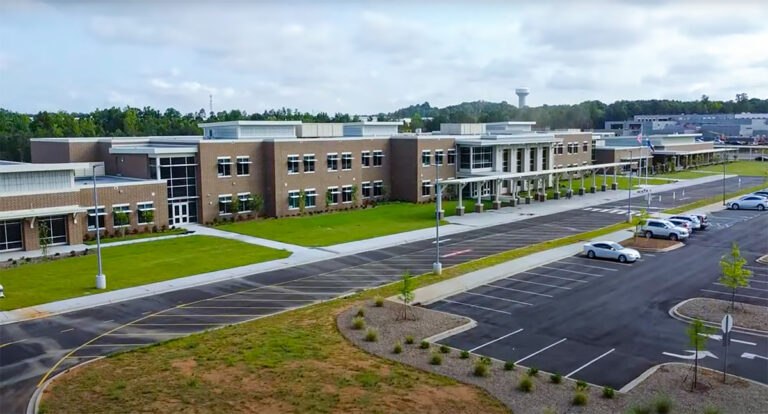
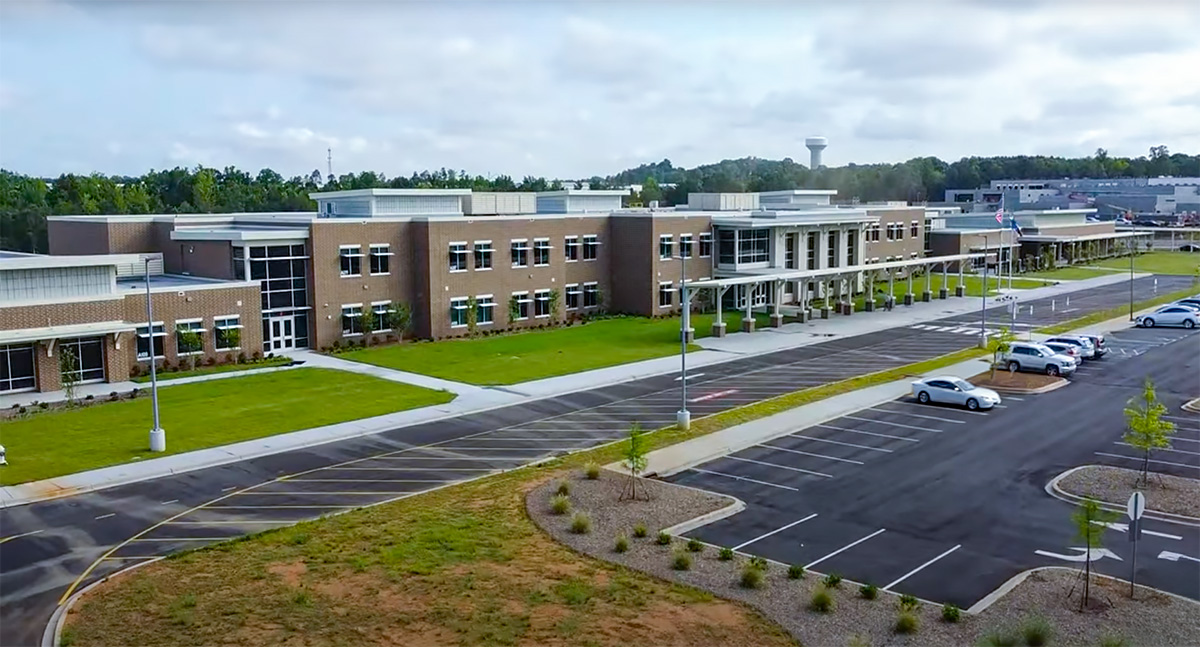

As new neighborhoods rise and existing ones expand, the demand for reliable infrastructure and organized community upkeep becomes more urgent than ever. That’s where effective HOA management comes in, ensuring that Charlotte’s rapid development doesn’t outpace the ability to maintain what’s already been built.

Charlotte’s Population Boom and What It Means for Neighborhoods

Over the past decade, the Queen City has been one of the fastest-growing metros in the Southeast. Between 2010 and 2020, Mecklenburg County’s population increased by nearly 20%, according to the U.S. Census Bureau, and suburban areas like Huntersville, Concord, and Indian Trail continue to expand rapidly.

This influx brings prosperity, new businesses, schools, and public projects, but it also creates stress on the smaller systems that keep communities running: stormwater drains, shared roads, landscaping, playgrounds, and recreation centers. When thousands of new residents arrive, wear and tear accelerates, and so do maintenance costs.

What was once a modest line item in an HOA budget can quickly turn into a major expense. Without proactive planning, even well-established neighborhoods can face surprise assessments, deferred maintenance, or deteriorating community assets.

The Real Cost of “Keeping It Nice”

For homeowners, the beauty of living in a managed community is the predictability, manicured lawns, clean streets, working lights, and maintained amenities. Yet as communities age or expand, maintaining that consistency becomes increasingly complex.

Landscaping alone can rise in cost year over year due to inflation, labor shortages, and rising fuel prices. Add to that the expense of storm-damage repairs, insurance premiums, or the replacement of common-area equipment, and you’ve got a moving target for HOA budgets.

Charlotte’s hot summers and heavy storms also shorten the lifespan of roofs, siding, and asphalt. Neighborhoods built in the 1990s and early 2000s are now reaching a critical stage where “refresh” projects, repainting, repaving, or re-roofing, can no longer be postponed. Without a financial plan in place, residents often end up paying higher fees or emergency assessments.

Why Proactive Budgeting Matters

One of the most common mistakes new or growing communities make is assuming that early HOA fees will always cover future needs. In reality, maintenance costs rise faster than most initial projections anticipate.

A professionally managed HOA performs reserve studies, a financial analysis that estimates the cost and timing of major repairs over the next 20 to 30 years. This ensures that funds are set aside each year for inevitable large-scale expenses, whether that’s replacing streetlights or resurfacing a pool deck.

When done right, residents can avoid sudden fee hikes and still maintain property values. When done poorly, deferred maintenance can lead to declining aesthetics, unhappy homeowners, and even lower resale prices.

Growing Pains: Expansion and New Phases

Charlotte’s housing boom means many communities are expanding in stages, adding new streets, amenities, or phases to meet buyer demand. While this growth is positive, it often introduces complexity for HOAs trying to manage both old and new sections at once.

Older parts of the community may require repairs while newer ones still operate under developer maintenance schedules. Aligning these timelines, setting fair dues, and coordinating upgrades require careful oversight and transparent communication. This is where professional management becomes a stabilizing force, helping boards balance new growth with aging infrastructure.

The Value of Professional Guidance

Volunteer HOA boards, though well-intentioned, can struggle to keep up with the administrative, financial, and regulatory tasks that come with Charlotte’s expanding neighborhoods. Professional management firms bring expertise in budgeting, vendor negotiation, and long-term planning, all critical to keeping maintenance costs predictable and transparent.

By streamlining operations and maintaining vendor relationships, these companies can often secure better rates for services like landscaping, security, and waste management. They also help ensure that repair schedules and reserve funds stay aligned with real-world inflation and local conditions.

In short, an experienced HOA management partner doesn’t just keep things organized, it saves homeowners money in the long run.

Lessons from Aging Neighborhoods

Charlotte’s older communities offer clear lessons for newer ones. Many early suburban developments underestimated future repair needs, leading to years of deferred maintenance. Sidewalks cracked, retention ponds clogged, and playgrounds became safety hazards, all while costs continued to rise.

Neighborhoods that invested early in long-term maintenance plans fared far better. By consistently funding reserves and hiring reputable contractors, they maintained higher property values and lower surprise costs for residents. The difference wasn’t the number of homes, it was foresight.

Building Sustainable Growth

As Charlotte continues to expand, the city’s future will depend not just on new construction, but on the sustainability of existing neighborhoods. The next phase of growth isn’t only about building more, it’s about maintaining smarter.

For homeowners and HOA boards alike, that means shifting focus from reaction to prevention: setting realistic budgets, reviewing reserves annually, and partnering with trusted management professionals who understand both the financial and community side of growth.

Charlotte’s story has always been one of ambition, from textile town to thriving metro. Now, as the boom hits home, ensuring our neighborhoods grow gracefully will define the next chapter of that success.

Fort Mill Ranks #1 School District in South Carolina, Among Top 1% Nationwide

0
Fort Mill’s new Flint Hill Elementary School w/ Silfab chemical factory in background

Fort Mill School District has just been ranked as the top school district in the Carolinas yet again in Niche’s 2026 Best Schools and Districts in America rankings.

Out of over 11,000 school districts, Fort Mill landed in the top 1% nationally, placing #91 of 10,394 – it also claimed #1 district status in South Carolina and ranked #1 in the Charlotte region — ahead of Charlotte-Mecklenburg Schools, which placed #7 regionally.

Niche’s rankings cover more than 93,000 public schools, 30,000 private schools, and 11,000 districts. They allow families to compare districts and schools across academics, extracurriculars, geography, and specialized programs.

The Carolinas are also home to 2 of the best high schools in America, with The North Carolina School of Science and Mathematics ranked as the #1 public high school in America, and the South Carolina Governor’s School for Science & Mathematics ranked as the #4 in America.

New Law Allows North Carolina Drivers To Skip the DMV Line

0

North Carolina drivers will now have an easier time renewing their licenses and teens will face fewer hurdles, under a new law signed by Gov. Josh Stein.



Senate Bill 245, now signed into law, allows drivers to renew or update licenses remotely — by mail, phone, or online — more than once, as long as they meet eligibility rules. Previously, online renewals were limited to one before an in-person visit was required.

For young drivers, the law eliminates the 12-hour driving log previously needed for 16- and 17-year-olds to earn a full provisional license. Teens can now upgrade remotely if they’ve held a limited license for at least six months and have no violations.

The bill also invests over $24 million to modernize state agencies, including:

  • $15 million for cybersecurity upgrades.

  • $5 million to enhance the eCourts system.

  • $3 million for the State Highway Patrol to add staff.

  • $1.4 million for the State Bureau of Investigation to hire 10 new workers.

The funding takes effect July 1, 2025, while the driver’s license updates are effective immediately. Officials say the law will modernize services and simplify licensing for North Carolinians statewide.

Here’s When Fall Colors Are Predicted To Peak in North Carolina in 2025

0

North Carolina is gearing up for one of the most vibrant fall color displays in years.

As cooler temperatures begin to settle across the state, North Carolina’s mountains, valleys, and Piedmont regions are expected to transform into breathtaking displays of orange, red, and yellow hues.

Whitewater Falls in NC

The Blue Ridge Parkway and Appalachian Mountains, known for their stunning views, will once again draw thousands of visitors eager to experience the beauty of the fall season.

Fall colors in North Carolina typically begin appearing in the higher elevations at the end of September, with the peak season running through October.

According to the official fall foliage from SmokyMountains.com, colors are expected to peak throughout most of the mountains and in Mecklenburg county the week of October 20th (about a week later than last year’s fall colors).

CMPD Announces 45-Year-Old Woman Dies After Tragic Shooting in SouthPark

0

A 45-year-old woman was shot and killed Monday morning near SouthPark Mall in Charlotte, marking yet another deadly incident in one of the city’s busiest commercial areas.


Police identified the victim Tuesday as Dwanneich Hammonds, confirming that her family had been notified.

According to a press release from CMPD, officers responded to an assault with a deadly weapon call around 6:57 am on the 4400 block of Barclay Downs. They found Hammonds suffering from a gunshot wound. She was taken to a hospital, where she later died.

No arrests have been made, and detectives have not released a motive. CMPD’s Homicide Unit is investigating, with help from Crime Scene Search and Victim Services.

Anyone with information is urged to contact Detective Akers at 704-432-TIPS or submit tips anonymously through Charlotte Crime Stoppers at 704-334-1600 or via the P3 Tips app.

CMS Unveils Groundbreaking AI Policy Aimed at Enhancing Learning – Public Hearing Tonight

0

Charlotte-Mecklenburg Schools will hold a public hearing tonight, Oct. 14, on its proposed AI school policy, inviting parents, students, and educators to weigh in before an Oct. 28 board vote.

The new policy would implement AI literacy across all grades and subjects and responsible AI use in classrooms. AI would help teachers automate tasks, analyze student performance, and adapt teaching methods, freeing up time for direct student engagement.

Key points in the proposed policy include (read tonight’s full AI agenda draft here):

  • AI must be used to support—not replace—teachers and staff.

  • An AI Review Committee will approve all systems handling student or employee data.

  • Tools must comply with privacy laws including FERPA and COPPA.

  • AI cannot make final decisions on grades, discipline, or hiring without human oversight.

  • Students and teachers must cite AI use in their work.

  • AI must be equitable, accessible, and bias-monitored.

  • Parents will receive annual notices of AI use in classrooms.

CMS will require mandatory training for all staff and students on responsible and ethical AI use. The policy also mandates secure data handling and annual reviews by an AI Steering Committee.

The public hearing begins at 6 p.m. at the Charlotte-Mecklenburg Government Center. If approved later this month, the policy would take effect immediately, with full rollout following teacher training and technical integration.

North Carolina Wipes Out $6.5 Billion in Medical Debt for 2.5 Million Residents

0

Today, Health and Human Services Secretary Dev Sangvai announced that North Carolina’s Medical Debt Relief Program has erased more than $6.5 billion in medical debt for 2.5 million residents.


Sangvai said the total far surpasses early projections made when the initiative launched in July 2024. The figure includes debt cleared directly through the program and additional balances forgiven as hospitals updated policies.

“Medical debt delays access to care and easing debt is a pivotal step forward to improving the health and well-being of those who carry the emotional stress and financial weight of high costs for medical care.” said Sangvai in a press release. “We are grateful to the hospitals and providers who are helping to give a fresh start to millions of North Carolinians.”

Hospitals across the state have begun notifying patients their medical debt has been wiped out. The nonprofit Undue Medical Debt is also mailing more than 255,000 letters confirming additional relief.

Every eligible acute care hospital in North Carolina joined the program last August. To qualify for enhanced federal payments under the Healthcare Access and Stabilization Program (HASP), hospitals agreed to relieve debt for low- and middle-income patients, expand charity care, and stop reporting medical debt to credit agencies.

Neither Medicaid expansion nor HASP required new state funding. Officials say the initiative not only clears old debt but also limits new debt through stronger financial-assistance policies—marking a major step toward statewide health-care affordability and fairness.

For more information about eligibility and questions about the program, see the organization’s Frequently Asked Questions wbsite here.

Charlotte Hosting 7th Annual 5K Walk/Run to Raise Awareness for Stillbirth Prevention

0

Jace’s Journey is gearing up to host the 7th Annual 5K Run/Walk and Fun Run in recognition of Stillborn Awareness. The event will take place Saturday, October 25, 2025 at Belle Johnston Community Center located at 1000 Johnston Dr in Pineville, NC. The 5K Walk/Run begins at nine thirty in the morning with the Fun Run to follow.

Seven years ago, in May 2018, Tomeka James Isaac delivered a baby boy, Jace Alexander. He had no heartbeat and Tomeka was diagnosed with HELLP Syndrome, a very serious complication that arises during pregnancy, resulting in infection of the blood and liver. As she and her husband later found out, the condition can be treated with proper diagnosis and prevent sickness or death.

Statistics. In the United States, nearly 21,000 babies are stillborn every year. One out of every 175 deliveries ends in stillbirth. Births in North Carolina average over 700 stillborn births a year.

Demographics. Black and Native American families experience stillbirth at rates twice the rate for other families. Additionally, the stillbirth rate for women in their 40s is 2-3 times the rate for women in their 20s and 30s. Tomeka can check the mark for each of the demographic points, but all preventative steps were not taken during her pregnancy.

Prevention. In the United States, it is estimated that 25% of all stillbirths are preventable;  with an astonishing 47% of stillbirths at 37 or more weeks being preventable. One of the key factors in diagnosing HELLP Syndrome is a urine test. Tomeka says she recalls not having one. She says, “I was told that I was at high risk for Preeclampsia and protein in your urine is a symptom but they never tested my urine.”,

Turning her pain into purpose, Tomeka and her husband, Brandon, founded Jace’s Journey in honor of their baby boy. They are dedicated to helping individuals and families become more aware of the importance of maternal and fetal health. The Isaacs’ experience with the misdiagnosis drives their passion to ensure that every birthing person receives equitable care and support.

In its seventh year, Jace’s Journey founders Tomeka and Brandon Isaac have continued to see the impact of their vision. Over the years, in addition to the annual 5K, the organization has also co-hosted Bereaved Mother’s Day Teas and  community baby showers,  distributed over 40 Jace’s Embrace Boxes to families impacted by infant loss, actively participated in Legislative and advocacy work to raise awareness about stillbirth prevention and maternal health disparities and hosted educational workshops that elevate the awareness of pregnancy loss as a community health issue.

The 2024 event raised over eight thousand dollars and donations continue throughout the year, including a grant award from the CareSource Foundation. Funds raised helped to facilitate ACTT workshops – which help birthing parents and families learn how to advocate for themselves within the healthcare system, community engagement events, provider training, support resources and Jace’s Embrace Boxes. The  boxes are distributed via hospitals and clinics to provide comfort and support resources to families impacted by pregnancy loss.

With the support of community and sponsors like The Shades of Blue Project, this year’s goal is to raise ten thousand dollars which will aid in the continuance of existing programs and allow for expansion. The funds raised will help to grow peer support programming, family remembrance activities, and mental health partnerships. Isaac says “Stillbirth remains a largely unspoken public health crisis, with devastating emotional impacts on families and significant racial disparities in outcomes. Through this year’s walk, we aim to break the silence, elevate awareness, and call for meaningful action to prevent preventable stillbirths and support families impacted by loss.”

The Isaacs’ experience with the misdiagnosis drives their passion to ensure that every birthing person receives equitable care. Tomeka shares “ … we’ve been able to bring much-needed awareness to our community. By fostering open dialogue around stillbirth, hosting educational workshops, and partnering with healthcare advocates, we’ve made strides in ensuring that maternal health equity remains a priority.” She also states how their work and collaborations with organizations like March of Dimes, Healthy Birth Day , and local health leaders amplifies the importance of community engagement and proactive support in addressing healthcare disparities.

Registration and sponsorship opportunities are available at www.jacesjourney.org.

For press and media inquiries, contact Tomeka James Isaac info@jacesjourney.org.