
A Charlotte-based EV charging company is bringing a $33.94 million factory and 70 jobs to Fort Mill.
Alpitronic Americas will manufacture high-powered electric vehicle chargers inside a 173,315-square-foot facility at 3560 Stateview Blvd. Production is expected to begin in February 2027.
The factory will sit roughly a mile north of Silfab Solar, but the two manufacturing operations are dramatically different.
Alpitronic CEO Patrik Herrnegger says the Fort Mill plant will have no industrial chemical process and no battery production. The building will primarily assemble, test and repair electrical equipment.
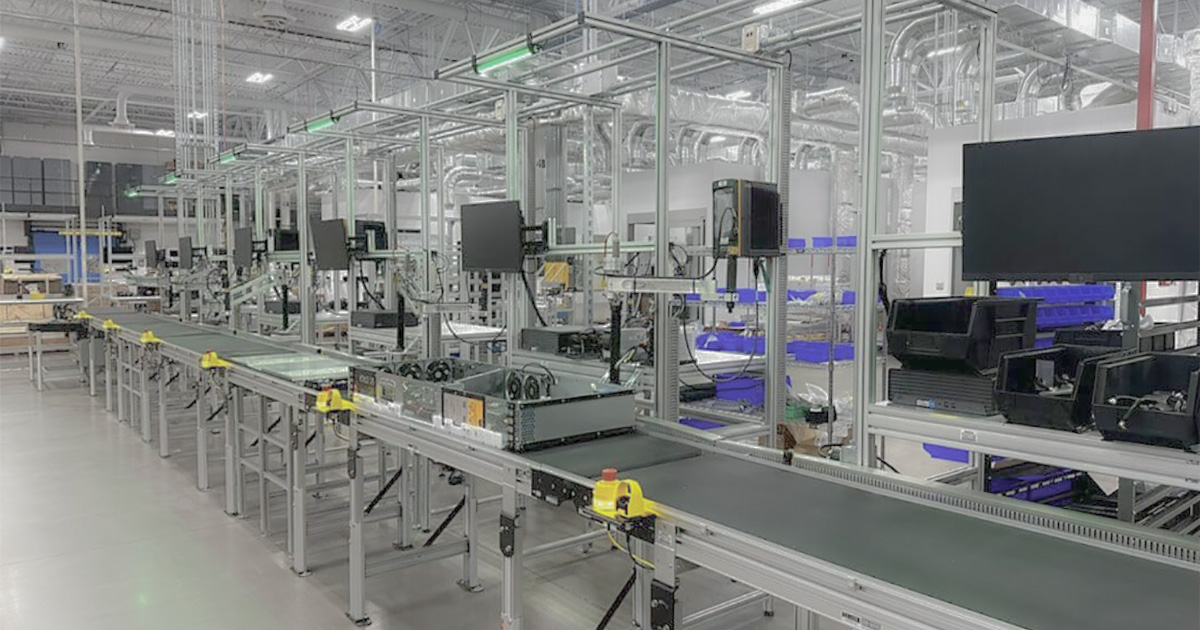 Production workers will assemble charger housings, power modules and other components into finished fast chargers. Other employees will test equipment, repair units and perform quality-control work.
The plant will build Alpitronic’s HYC400 and HYC1000 systems. The HYC400 can deliver 400 kilowatts and up to 1,000 volts of direct current. The larger HYC1000 can deliver one megawatt and simultaneously power as many as eight charging points.
That means the primary industrial hazards appear to be electrical rather than chemical. High-voltage testing requires protections against electric shock, arc faults, heat and equipment failure.
Some Alpitronic equipment does use cooling fluids. HYC1000 charging cables can be oil-cooled, while the company’s power-cycling test equipment can use a 50% water-and-ethylene-glycol coolant mixture. Nothing reviewed for the Fort Mill project indicates bulk hazardous chemical processing or storage similar to a chemical manufacturing facility.
The zoning comparison with nearby Silfab is significant.
The property that Silfab is renting and the property that Alpitronic will be building on are both zoned as “Light Industrial”.
York County’s code specifically lists “Electrical Equipment, Appliance and Component Manufacturing” as a permitted use in Light Industrial zoning. Computer and electronic products manufacturing is also expressly listed. Light Industrial Use (§ 155.1301) is defined as low-impact manufacturing, assembling, fabricating, warehousing, and wholesale distribution activities that do not generate significant noise, fumes, odors, glare, or safety hazards beyond property lines. The zoning code specifically states that “Light Industrial does NOT include hazardous material treatment or storage facilities”.
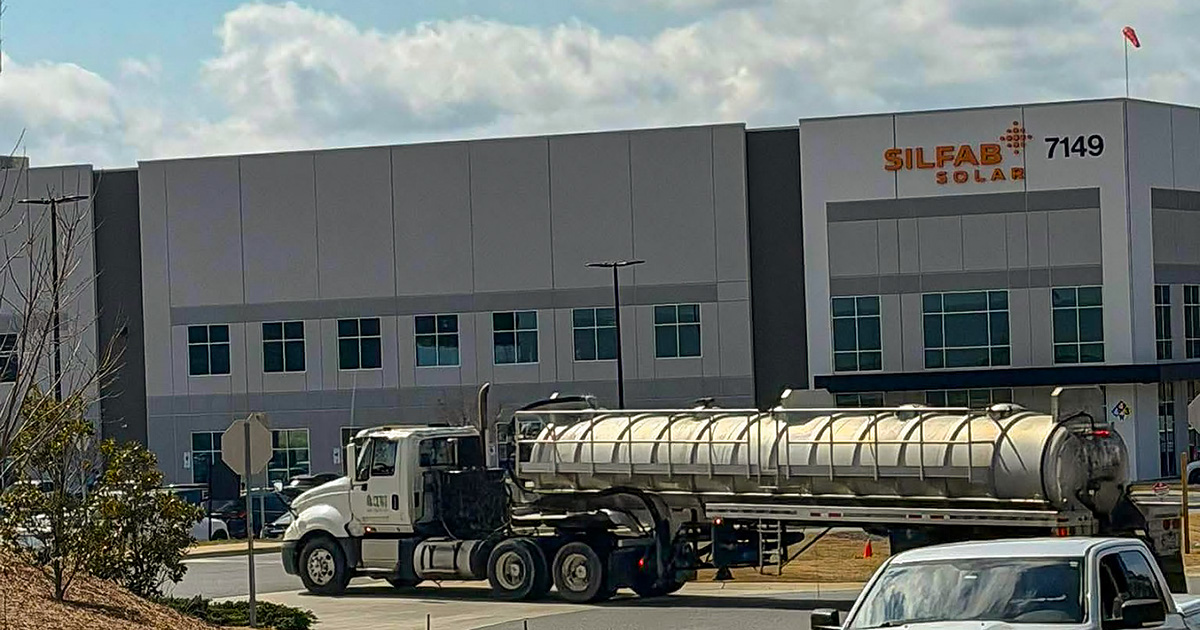 Silfab’s factory violates almost every aspect of the “Light Industrial” definition. To make matters worse, in May 2024, before Silfab received any permits to build their factory, a York County zoning board ruled that solar panel manufacturing is not a permitted Light Industrial use and is prohibited, and Circuit Judge William McKinnon upheld that decision this past July.
According to three technical documents submitted for the Fort Mill plant – including the facility’s Hazardous Materials Inventory System (HMIS) report, DES Air Permit, and Industrial Wastewater Treatment Plans — Silfab’s chemical factory is designed to transform raw silicon wafers into finished solar panels through a multi-stage industrial process involving strong acids, explosive gases, and chemical wastewater treatment systems.
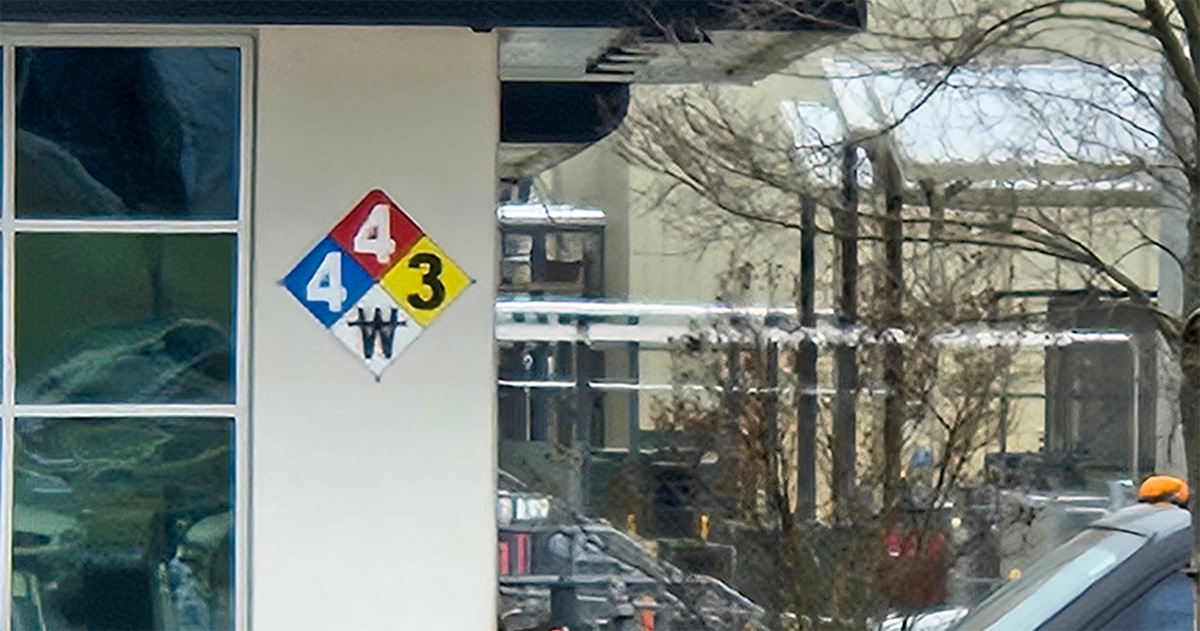
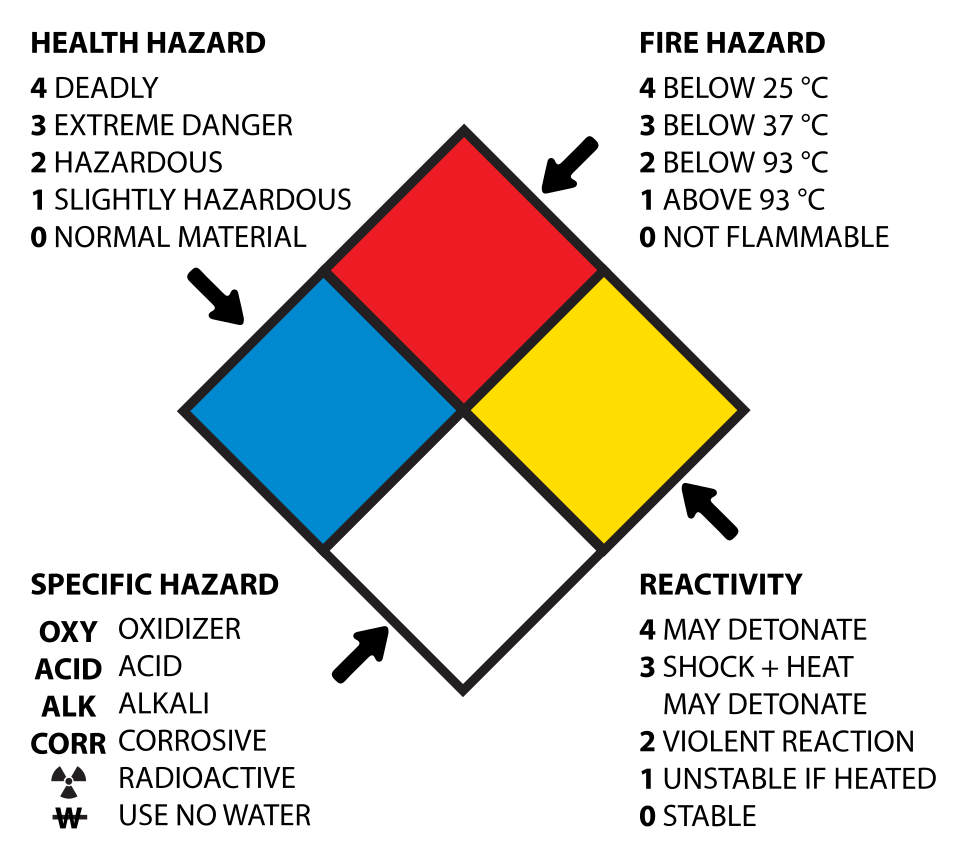 The NFPA Fire Diamond posted on the side of Silfab’s building has a 4-4-3-W Rating.
Some of the most hazardous materials Silfab’s documents state they plan on store and use (with frequent refills) include; 44,000 lbs of anhydrous ammonia gas, 26,456 lbs of (pyrophoric) silane gas, 15,850 gallons of hydrofluoric acid, 10,560 gallons of hydrochloric acid, 13,000 gallons of liquid oxygen (used as rocket fuel), 9,198 lbs of sulfuric acid, 1,945 lbs of phosphorus oxychloride gas, 1,540 lbs of boron trichloride gas, 951 lbs of (pyrophoric) trimethylaluminum gas, and 63,360 lbs of nitrous oxide.
Silfab’s Fort Mill facility also experienced two major chemical spills this past March, prompting a state compliance agreement and additional oversight.
Alpitronic’s project, by comparison, is essentially an advanced electrical-equipment assembly and testing operation.
The company already runs its North American headquarters in Charlotte and says more than 141,000 Alpitronic charging ports are installed across 62 countries.
South Carolina also approved job-development credits and a $200,000 grant toward improvements at the Fort Mill building.
Alpitronic expects the first chargers to begin coming off the Fort Mill production floor in February.