
 York County has just unveiled their latest ‘code name’ project — and once again, it involves a major industrial operation.
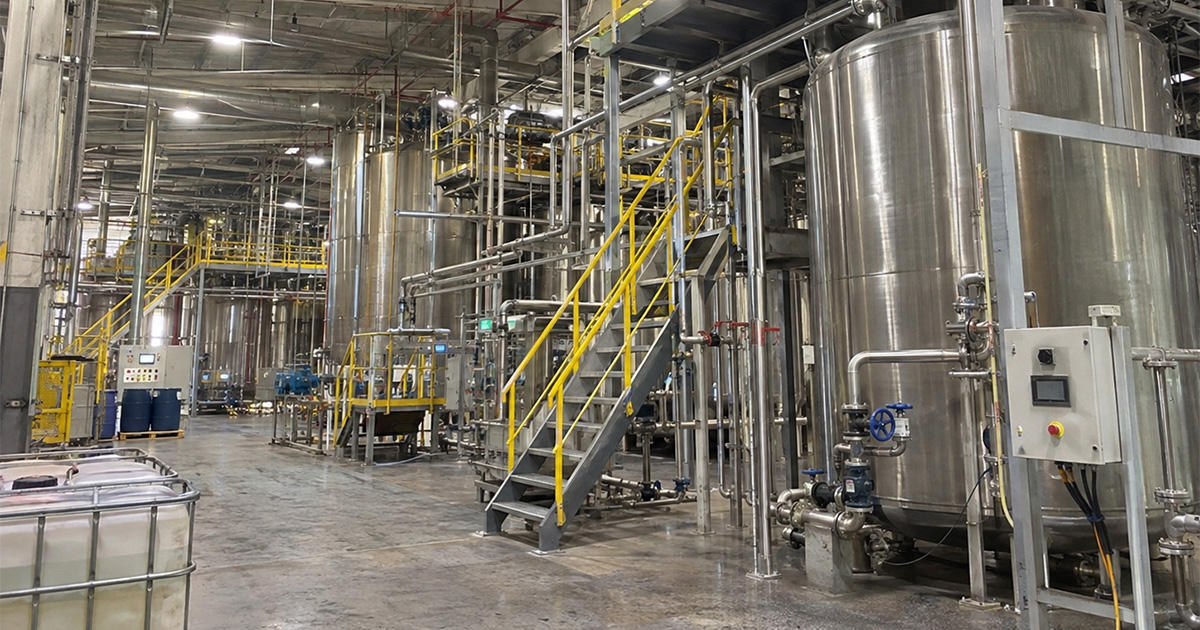
At Monday night’s York County Council meeting, it was revealed that ‘Project Utopia’ is MÜNZING North America, a German specialty chemical manufacturer planning a $17 million headquarters and manufacturing facility in Clover. The project would add 56 jobs averaging about $145,475 per year, a new research building and expanded North American headquarters operations.
The proposal follows an increasingly familiar pattern in York County.
Over the past several years, county leaders have recruited or incentivized chemical manufacturing, biopharmaceutical production, and massive data centers — often introducing the projects publicly under code names before identifying the companies behind them.
MÜNZING’s Project Utopia would add about $15.5 million in new construction and relocate another 10 existing positions.
The company is seeking a 20-year FILOT agreement and a 40% special-source revenue credit during its first 10 years. The company also considered remaining in New Jersey or relocating to North Carolina’s Research Triangle.
The public first knew the expansion only as Project Utopia.
That is hardly unusual in York County.
Silfab Became The Most Controversial Example
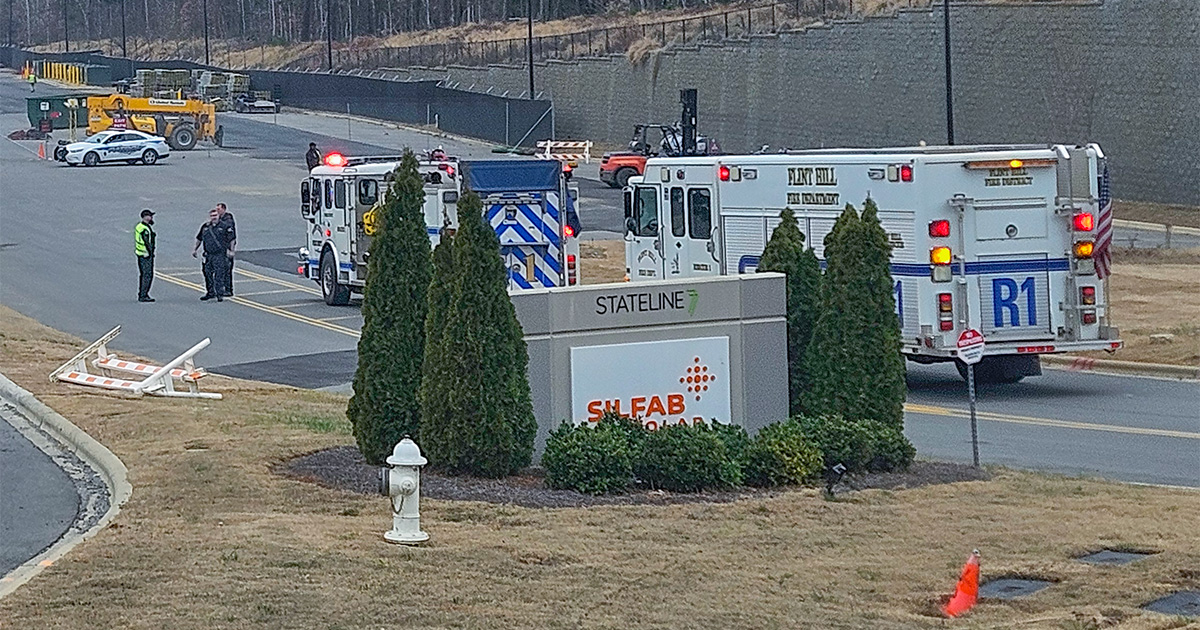 Silfab Solar was first discussed through back-room deals in late 2022, and the public wasn’t made aware of their intended operations and planned chemicals until late 2023, with grandiose promises of a $150 million investment and 800 jobs at a massive Fort Mill chemical factory.
York County approved an incentive agreement for the company after county staff told the company they could build their chemical manufacturing operation on a Light Industrial district, despite the fact that this was in clear violation of the zoning code.
Before any permits were issued for Silfab to build their factory, the York County Board of Zoning Appeals unanimously ruled that their proposed operations were prohibited in light industrial. Circuit Judge William McKinnon upheld that decision in July 2026.
York County maintains that they do not have to abide by the rulings of the BZA or Judge William McKinnon and they can overrule the zoning code if they deem it necessary for economic reasons.
York County Also Went Big On Data Centers
Another project originally introduced under a code name was Project Cobra.
It later became QTS Data Centers, which initially announced a $1 billion campus near Lake Wylie.
The project has since grown dramatically. York County now says QTS plans more than $8 billion in long-term investment, with nine buildings in various stages of development.
The county approved the FILOT in 2023 and later changed its zoning code to accommodate taller QTS buildings.
Then, this summer, York County Council approved a nine-month moratorium on new data centers.
The county said it needed time to study concerns including electricity demand, utility rates, water consumption, noise, pollution and impacts on neighboring properties.
QTS was exempt because the York County Council claimed that its existing plans already had ‘vested rights’.
In other words, York County approved one enormous data-center campus before later deciding it needed to stop and study the broader impacts of that type of development.
A $1.5 Billion Biopharma Plant Followed
 County leaders also pursued what was initially called Project Palmetto Rock, another company whose identity remained confidential during early incentive discussions.
It was eventually revealed as Swiss pharmaceutical manufacturer Octapharma.
The company plans a $1.5 billion biopharmaceutical manufacturing complex on part of the failed Carolina Panthers headquarters site in Rock Hill.
The facility would manufacture medicines derived from human plasma and cell-line proteins and is expected to create roughly 1,500 jobs. South Carolina also approved a $65 million state grant for site preparation, construction and road improvements.
Project Utopia Joins A Growing Pattern
MÜNZING is not Silfab, and there is no indication the Clover company has the same zoning or regulatory problems.
It is also already an established York County manufacturer, and its proposed salaries are exceptionally high.
But Project Utopia adds another specialty chemical operation to a growing list of high-impact industrial projects county officials have aggressively pursued.
Within just a few years, York County has recruited a massive chemical-based solar plant, an $8 billion data-center campus, a $1.5 billion plasma-processing facility and now another specialty chemical expansion.
Several arrived first under names such as Project Cobra, Project Palmetto Rock and Project Utopia.
And in at least one case — Silfab — the county’s original interpretation that allowed the manufacturing use was later rejected by its own zoning appeals board and upheld by a circuit judge.
Project Utopia still requires additional Council approval before its incentive agreement becomes final.