
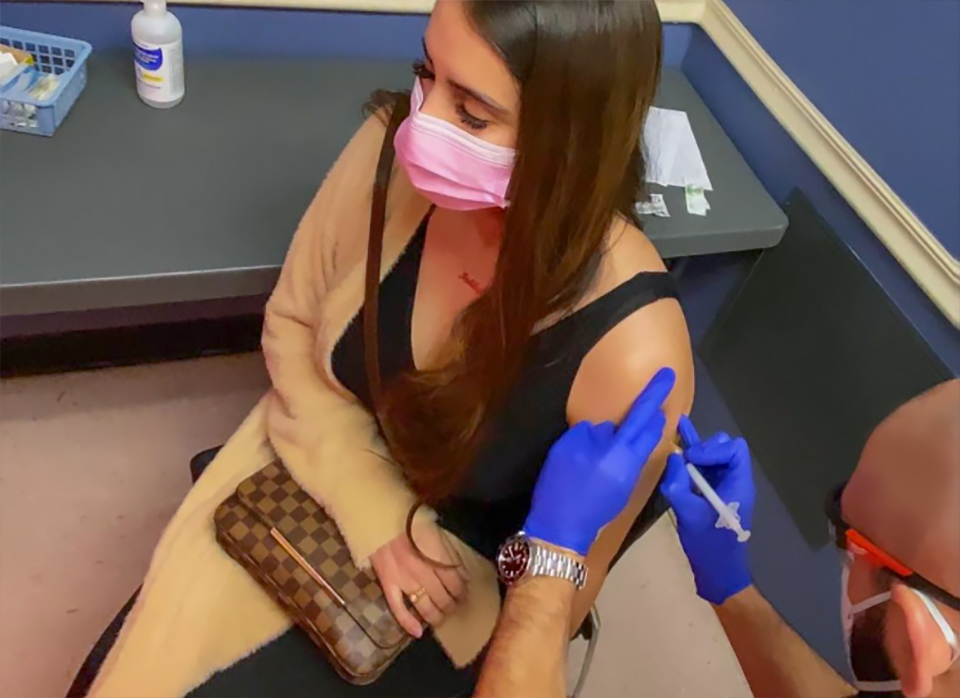
 Charlotte-area adults now have access to the nation’s first mRNA flu vaccine as flu season begins across North Carolina.
Moderna’s mFLUSIVA is approved for adults 50 and older and is available at some Charlotte-area pharmacies. The rollout comes as North Carolina reports its first flu death of the season.
mFLUSIVA uses messenger RNA technology similar to Moderna’s COVID vaccines. Unlike traditional flu shots, mRNA vaccines can be redesigned and manufactured faster when circulating strains change.
Clinical trials found mFLUSIVA delivered 26.6% greater relative effectiveness than the standard-dose flu vaccine used for comparison.
Researchers recorded confirmed influenza in about 2% of mFLUSIVA recipients. About 2.8% of people receiving the conventional vaccine developed confirmed flu.
However, the vaccine also caused more short-term side effects.
About 75.7% of mFLUSIVA recipients reported expected reactions, compared with 46.7% receiving the traditional vaccine.
Common symptoms included injection-site pain, fatigue, headaches, chills and muscle or joint pain. Most disappeared within several days.
More severe systemic reactions occurred in 5.5% of mFLUSIVA recipients, compared with 0.9% in the comparison group.
Serious adverse events occurred in 2.2% of mRNA recipients and 1.9% of conventional-vaccine recipients. Investigators did not identify a pattern showing those events were caused by mFLUSIVA.
Still, several safety questions will continue being studied as millions more people potentially receive the vaccine.
FDA reviewers noted an imbalance in deaths classified as sudden, cardiac or unspecified across Moderna’s combined trials.
Researchers recorded 29 such deaths among mRNA recipients and 12 among comparison groups. Overall deaths were much closer at 102 versus 97.
Reviewers did not conclude the vaccine caused that imbalance. However, limited autopsy information prevented researchers from completely explaining it.
Moderna will continue monitoring mortality data after the vaccine enters widespread use.
Myocarditis also remains closely watched because rare cases followed some mRNA COVID vaccinations. Regulators will also monitor Guillain-Barré syndrome, seizures, thrombocytopenia, Bell’s palsy and severe allergic reactions.
Those conditions are not established side effects of mFLUSIVA. Post-market monitoring can identify rare problems too uncommon to appear during clinical trials.
Some researchers remain concerned about broader questions involving lipid nanoparticles, residual DNA and longer-term immune effects. Critics also question whether active-comparator trials can fully identify uncommon risks.
Traditional flu vaccines remain available, including high-dose and adjuvanted options commonly used for seniors.
For Charlotte residents, mFLUSIVA brings a new choice with potentially stronger protection than the standard vaccine used in its trial.
It also produced more short-term reactions and enters its first season with several safety questions still under active surveillance.