
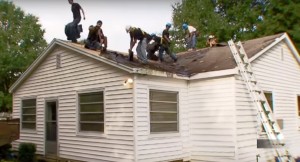
 A roof repair or full replacement affects indoor comfort, moisture control, structural safety, resale value, and insurance exposure for years. For homeowners in Cincinnati and similar markets, that is why questioning each bidder with care before approving any contract matters. Strong answers show planning, code awareness, and respect for the property. Choosing the right contractor early helps avoid problems that are harder and more expensive to fix later.
Weak replies usually expose loose supervision, vague pricing, or poor follow-through, all of which can turn a routine project into an expensive problem. When choosing a top-rated Cincinnati, Ohio, roofing company, homeowners should focus on these key questions before work begins. Each one addresses a different area of risk that affects cost, quality, and long-term protection.
Local Track Record
Before any estimate gets serious, homeowners often review nearby project history, complaint patterns, and recent results on houses with similar slopes or materials. Regional experience matters because storms, permit habits, and ventilation needs vary by market. Checking a contractor’s local track record gives readers practical context before direct conversations begin.
Licensing and Insurance
The first question should cover licensing and insurance, because paperwork reveals whether a roofer operates responsibly. A dependable contractor should provide current proof of liability coverage and workers’ compensation without delay. Homeowners should verify dates, limits, and policy status themselves. Evasive answers, missing certificates, or expired documents suggest exposure to legal and financial trouble if damage or injury occurs during the job.
Crew Experience
Experience matters, yet the real issue is who will actually step onto the roof each morning. Some companies sell the project, then hand it off to unfamiliar subcontractors with uneven supervision. The Occupational Safety and Health Administration sets safety standards for residential roofing work, making trained crews essential for compliant and safe installation. A stronger contractor explains crew training, foreman oversight, and past work on similar shingles, flashing details, gutters, and ventilation layouts. That discussion often shows whether the installation will be steady, safe, and technically sound.
Inspection Process
A careful inspection should happen before any price is presented. Homeowners should ask what gets checked, how long the visit lasts, and whether decking, attic airflow, flashing, drainage paths, and leak entry points receive attention. Thorough contractors document findings with photos and notes. Quick walkarounds often miss soft sheathing, trapped moisture, or failing seal points, which later become change orders and schedule problems.
Written Estimate Details
Every written estimate should spell out labor, materials, disposal, cleanup, and likely extra costs. Homeowners should ask whether plywood replacement, flashing upgrades, permit fees, and ventilation adjustments are included. Clear pricing reduces conflict after work begins. Vague proposals leave room for surprise charges once shingles are removed. A disciplined contractor can explain each line item without pressure, hedging, or sudden changes in language.
Warranty Terms
A warranty should describe real protection, not just provide a comforting phrase during a sales visit. Homeowners need to ask what workmanship coverage includes, how long it lasts, and which conditions could void it. Material protection and labor guarantees are separate issues, so both deserve plain explanation. Written terms matter because leaks often appear months later, after invoices are paid and crews have moved on.
Timeline and Weather Plans
Scheduling questions reveal whether a contractor runs an organized operation or simply makes promises. Homeowners should ask when work can start, how long installation may take, and what happens if rain interrupts progress. Reliable roofers discuss delivery timing, tarp procedures, crew size, and material staging. They should also explain how landscaping, driveways, and exterior walls stay protected if weather forces a pause.
Permits and Code Compliance
Permits should never be treated like optional paperwork. Homeowners should ask who pulls them, which inspections apply, and how local code affects ventilation, flashing methods, ice barriers, or nail patterns. Reputable contractors handle that process directly and explain each requirement clearly. Skipping permit work can create trouble during resale, claim reviews, or later repairs, especially if hidden defects are discovered after completion.
Cleanup and Communication
The final question should address cleanup and communication, because both reflect discipline on site. Homeowners deserve to know who gives updates, how concerns are answered, and what debris control happens after each shift. Magnetic sweeps, nail collection, and driveway checks should be standard practice. A contractor who keeps the property orderly usually brings that same care to installation quality, scheduling, and follow-up.
Conclusion
Hiring a roofing company should never rest on price alone. Better decisions come from focused questions that test proof, process, supervision, and accountability before materials arrive. When homeowners ask about insurance, crews, inspections, estimates, warranties, permits, scheduling, and cleanup, weak options become easier to spot. Those conversations lead to safer work, fewer costly surprises, and a roof system that protects the home for years.