
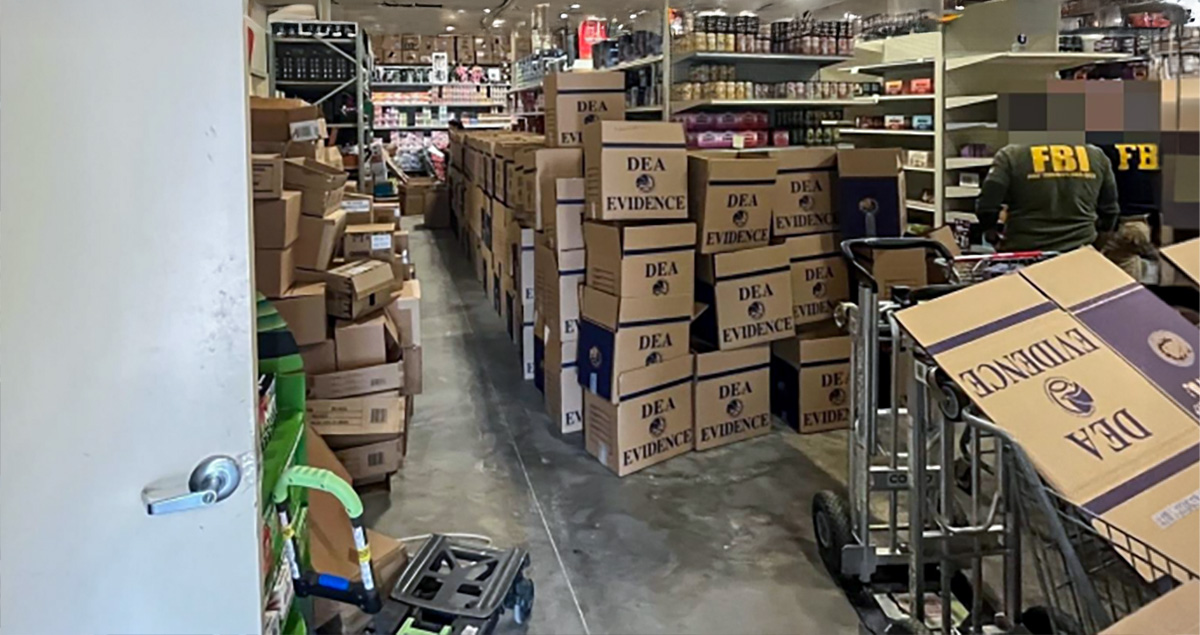
A massive South Carolina drug investigation has resulted in 12 indictments, 40 charges, and 15 tons of seized THC products, marking one of the largest narcotics operations in state history.
Attorney General Alan Wilson announced that a state grand jury approved the indictments after months of work by the State Grand Jury Division, SLED, and the DEA. On Dec. 9, officers raided six warehouses, six homes, a retail shop, and two storage units, arresting 12 suspects accused of distributing illegal THC products statewide. Authorities also seized $2 million in cash and assets.
Products recovered included marijuana, pre-rolls, vapes, oils, dabs, syrups, and edibles, filling eight large 26-foot box trucks. Officials say the defendants acted as wholesale suppliers for retail outlets across South Carolina.
“A stand needed to be made against stores openly selling illegal THC products, many of which are dangerously potent and clearly marketed to attract children and teens,” AG Wilson said in a press release.
Key Defendants and Charges
Many suspects face multiple counts of marijuana trafficking between 10 and 100 pounds, each carrying potential sentences of up to 10 years. Others are charged with distributing Schedule I controlled substances and analogues.
Major defendants include:
-
Shazan Ghani — multiple trafficking and distribution counts; $100,000 bond
-
Zeeshan Ghani — multiple trafficking counts; $120,000 bond
-
Zanira Safri, Rizwan Rashyani, Bhavik Patel, Fadi Zuhour — trafficking and distribution charges; $75,000 bonds
-
Muhammad Usman Butt — trafficking charges; $50,000 bond
-
Ahad Shafiq, Asim Pervaiz — multiple trafficking counts; bond pending

Bond hearings were held Dec. 11 in Richland County.
Debate Over Regulation
While law enforcement called the operation a major win, some industry advocates argue the state’s unclear THC and hemp rules help fuel illicit markets. They’re pushing for clearer regulations rather than large-scale criminal crackdowns.
Prosecutors say more arrests could follow as the investigation expands through financial and distribution records.