A brief tornado swept through north Charlotte on Monday morning, leaving visible damage but no reported injuries. Officials confirmed the storm after conducting on-site assessments later that day.
The National Weather Service classified the tornado as an EF-0, with peak winds reaching approximately 85 mph. The storm carved a path about 25 yards wide and remained on the ground for roughly 1.5 miles.
Here are the results from today’s storm survey in Charlotte. Our meteorologists found evidence of an EF-0 tornado touching down and remaining on the ground for almost a mile and a half! #ncwx#scwx#gawxpic.twitter.com/EMjDEETj0t
Damage was most noticeable along Atando Avenue, where several buildings sustained impacts. A warehouse belonging to Superior Mechanical Systems suffered significant roof damage, with sections torn away by the storm’s ուժ. Nearby structures also showed signs of impact.
Employees inside the facility described the tornado as sounding like a passing train. Despite the intensity, no injuries were reported among workers or in the surrounding area.
Charlotte-Mecklenburg officials confirmed they received no injury reports related to the storm. Meanwhile, National Weather Service crews surveyed the area Monday afternoon to verify the tornado and document the extent of the damage.
The EF-0 rating places the tornado at the lower end of the Enhanced Fujita scale, which measures tornado strength based on damage. Storms in this category can still cause notable structural damage, particularly to roofs, trees, and light construction.
Damage assessments remain ongoing as officials continue to gather information. Crews are expected to provide further updates as more details become available.
For Charlotte residents, the storm serves as a reminder that even weaker tornadoes can form quickly and cause localized damage, especially during active spring weather patterns.
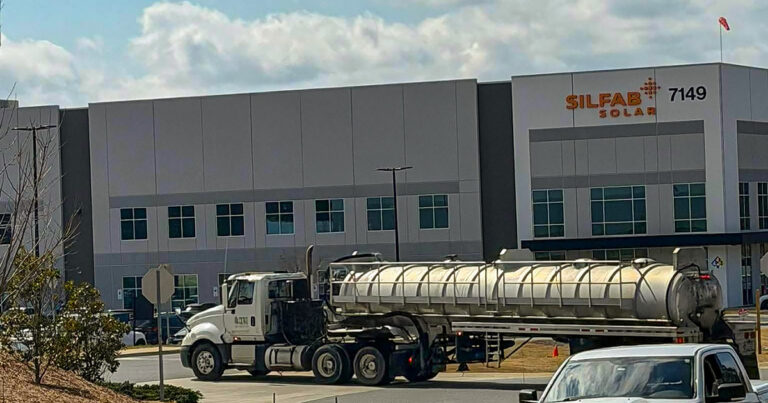
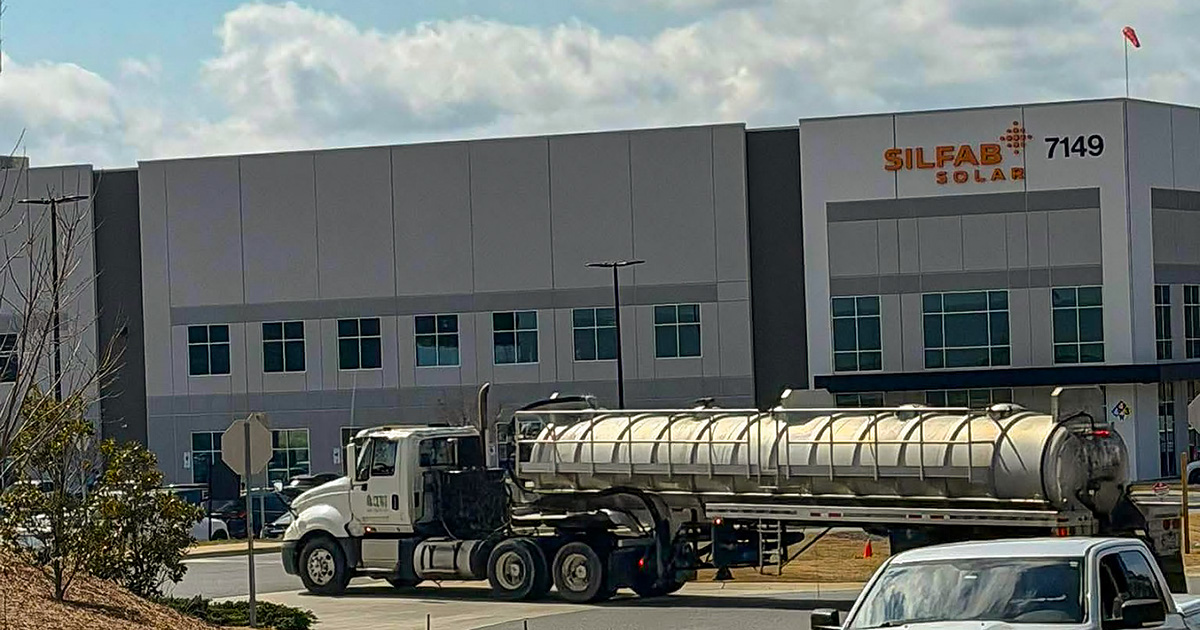
Two recent chemical incidents at the controversial Silfab Solarfactory in Fort Millhave brought renewed attention to the complex manufacturing processes planned at the site.
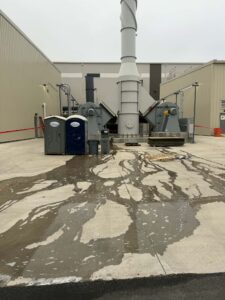
Earlier this month, York County reported that1,530 gallons of potassium hydroxide spilled into the retention pond by Flint Hill Elementary School, triggering a major emergency hazmat. Silfab later pumped out 300,000 gallons of liquid from the pond to be disposed of off site, according to DES.
Days later, officials confirmed a second leak involving hydrofluoric acid, prompting Flint Hill Elementary to close for 2 days and theSouth Carolina Department of Environmental Servicesto order the company to pause operations while an investigation takes place.
via Facebook
Those incidents have raised broader questions about what exactlyhappens inside Silfab’s experimental 900,000 square foot TOPCON solar cell factory (which would become one of the largest TOPCON cell factories in the world if completed).
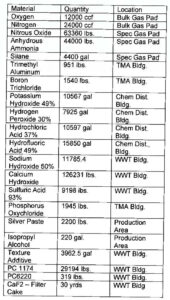
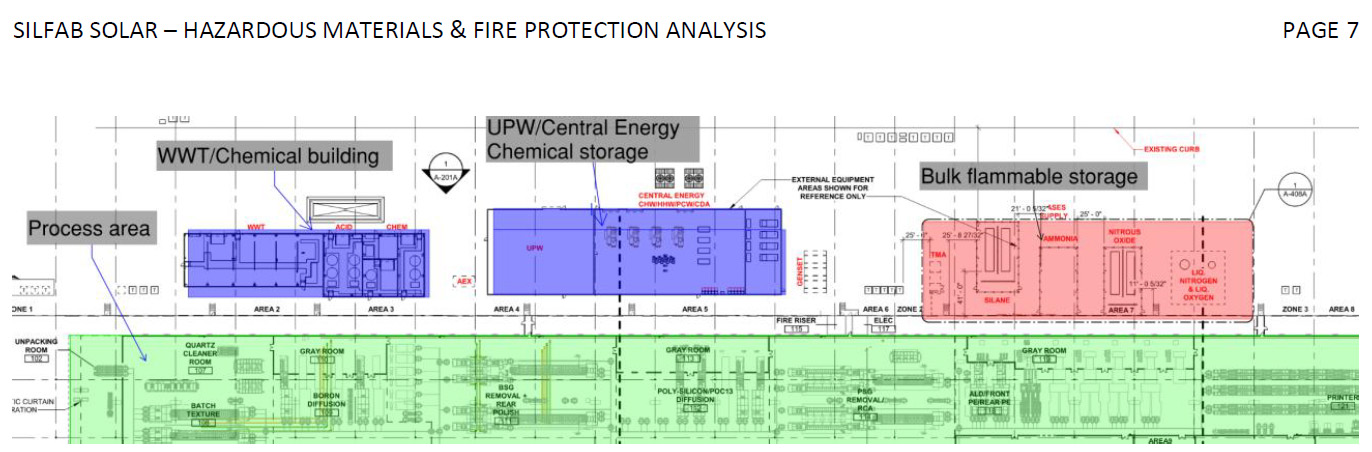
According to three technical documents submitted for the Fort Mill plant – including the facility’s Hazardous Materials Inventory System (HMIS) report, DES Air Permit, and Industrial Wastewater Treatment Plans — the factory is designed to transform raw silicon wafers into finished solar panels through a multi-stage industrial process involving strong acids, explosive gases, and chemical wastewater treatment systems.
Solar cell production follows a series of transformations that gradually turn slicesof silicon wafers into complex mini-power plants.
The stages include:
Grey cell manufacturing
Blue cell manufacturing
Finished solar cell manufacturing
Finished panel (module) manufacturing
Each step alters the wafer’s structure using chemical reactions, high-temperature furnaces, and thin-film deposition systems.
By the end of the process, dozens of completed cells are connected together using high heat and chemicalsinto a finished solar panel (module) capable of generating electricity from sunlight.
However, the manufacturing chain also produces air emissions, chemical wastewater, and industrial sludge, which Silfab plans on reducingthrough pollution control equipment, onsite treatment systems, and offsite sludge dumping.
1. Wafer Manufacturing → Grey Cell
The process begins with silicon wafers, thin slices of purified crystalline silicon typically 200–300 micrometers thick.
Manufacturing steps
Chemical cleaning
Surface texturing
Semiconductor doping
Etching
Chemicals used
Hydrofluoric acid (HF)
Hydrochloric acid (HCl)
Potassium hydroxide (KOH)
Phosphorus Oxychloride (POCl₃)
Nitric acid (HNO₃)
Sulfuric Acid (H₂SO₄)
Boron Trichloride (BCL3)
High-temperature diffusion furnaces around 1000°Ccreate the electrical p-n junctionthat allows the cell to generate electricity.
Waste produced
Acidic wastewater
Fluoride-containing wastewater
Silicon sludge
These wastes are typically treated to form calcium fluoride sludgefor disposal.
At the end of this stage, the wafer becomes a grey cell.
2. Grey Cell Manufacturing → Blue Cell
The grey cell then receives several thin coatings that improve electrical performance.
Manufacturing steps
Tunnel oxide layer formation
Polycrystalline silicon deposition
Surface passivation
Anti-reflective coating
The tunnel oxide layer is only 1–2 nanometers thick, while the poly-silicon layer is about 60–100 nanometers thick.
Chemicals and gases used
Silane (SiH₄)
Ammonia (NH₃)
Trimethylaluminum (TMA)
Nitrogen carrier gases
Aluminum oxide compounds
These coatings are typically applied using PECVD or LPCVD deposition systems.
Waste produced
Process gas exhaust
Nitrogen oxide emissions
Fine silicon particles
After the anti-reflective coating is applied, the device becomes a blue cell.
3. Blue Cell Manufacturing → Finished Cell
The next stage adds electrical contacts that allow current to flow out of the cell.
Manufacturing steps
Screen printing conductive pastes
Infrared drying
High-temperature firing
Materials used
Silver paste
Aluminum paste
Organic solvents
Waste produced
Volatile organic compounds (VOCs)
Metal particulates
Furnace exhaust gases
After metallization is complete, the device becomes a finished solar cell.
4. Finished Cell Manufacturing → Finished Panel
The final stage manufactures finished solar cells into a complete solar module.
Manufacturing steps
Cells are soldered together with copper ribbons to form strings
Encapsulation layers are placed above and below the cells
The assembly is laminated under heat and vacuum
A polymer backsheet, aluminum frame, and electrical junction box are installed
Chemicals and materials used
In addition to structural materials, this stage uses several chemical components:
EVA (ethylene-vinyl acetate) used as an encapsulating agent
Polymer backsheets (often PET-based laminates)
Silicone or polyurethane sealants
Flux chemicals and potting compounds
VOC and TAP emissions produced
During the high-heat lamination and curing process, several materials release volatile organic compounds (VOCs) and toxic air pollutants (TAPs). According to Silfab’s Air Permit, “The VOC and HAP/TAP emissions from this area [module manufacturing] will be vented outside through the general area exhaust system.”
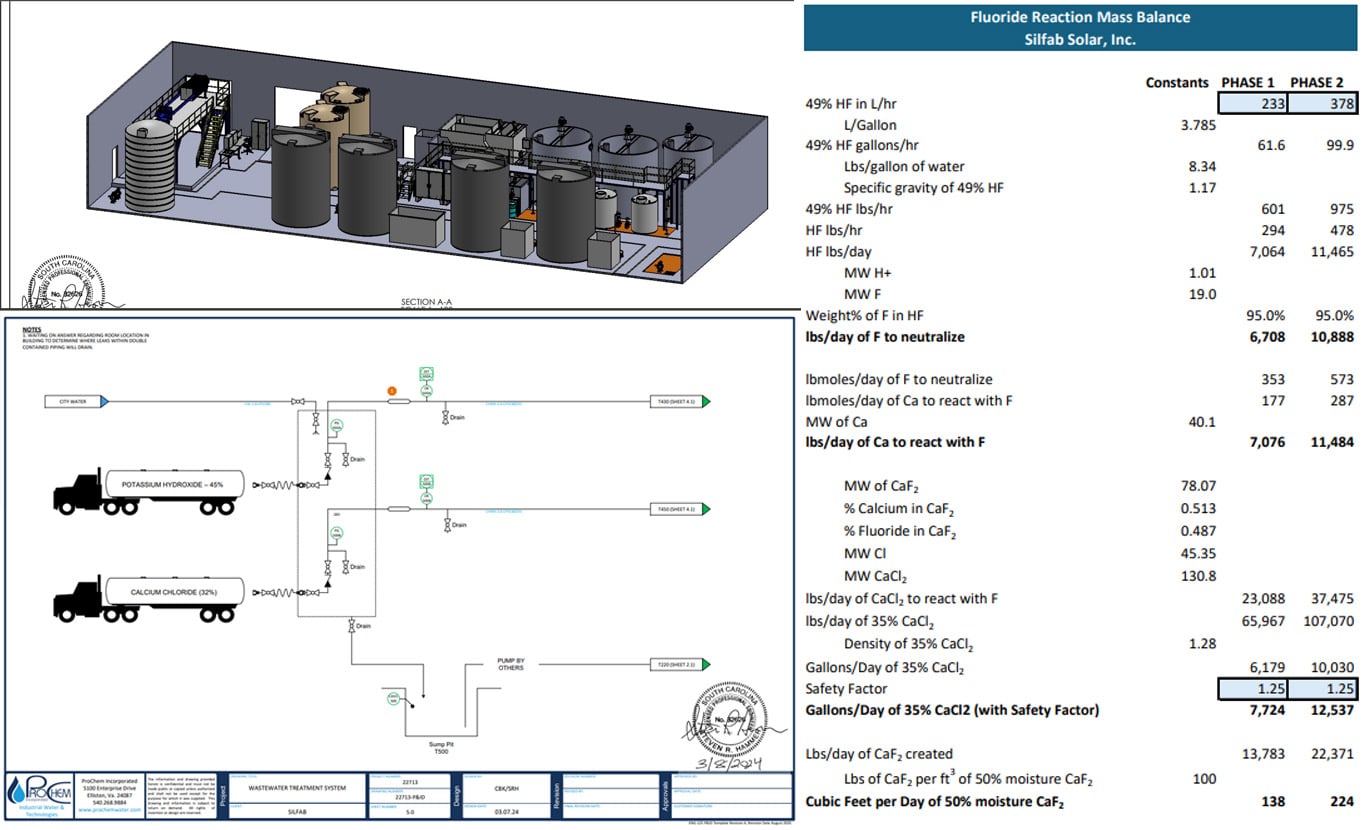
Wastewater and Fluoride Sludge
Silfab’s factory would use over 1.2 million gallons of water per day and would generate significant volumes of chemical wastewater.
According to Silfab’s wastewater treatment design documents, the plant is expected to treat wastewater containing:
hydrofluoric acid
potassium hydroxide
hydrochloric acid
metal residues
dissolved silicon
Treatment process
The wastewater system neutralizes acids and bases and removes fluoride through precipitation reactions.
Hydrofluoric acid reacts with calcium compounds to form calcium fluoride sludge, which must be collected and disposed of as industrial waste.
Can Silfab Legally Operate in “LI”?
There is a growing number of Fort Mill residents, now numbering in the thousands, calling for the facility to move to a different location given its size, chemical usage, and the pollution and waste it would create.
Move Silfab organizers argue the facility is operating in a zoning district that does not allow the type of hazardous materials planned for the site. York County’s zoning code states that “Light Industrial does NOT include hazardous material treatment or storage facilities.” (York County Code §155.1301).
They also point to other provisions in the county’s zoning law. Under the code, “the Zoning Administrator must issue formal zoning compliance approval before permits are valid.” (York County Code §§155.1122–1123). In spite of numerous FOIA requests and private meetings, York County officials have still never produced a signed zoning compliance letter for Silfab’s operations – without one, all of Silfab’s permits and their Certificate of Occupancy would be legally void (according to SC Peterson v. Greenville County, 2011, “An invalid zoning permit issued in violation of applicable zoning laws confers no rights and is void ab initio”).
The Attorney General of South Carolina, Alan Wilson, has also confirmed that the York County Council has the authority to revoke Silfab’s CO if they do not have proper zoning approvals.
Soil stabilization is one of the most vital pillars of construction and infrastructure projects. Lime, as a stabilizing agent, has many characteristics that continue to gain more attention. In this article, you will learn how using lime will help improve soil quality and the outcomes of your project. Understanding these benefits can aid in informing project managers and engineers in selecting suitable ground improvement methods.
Improved Soil Strength
The application of lime for soil stabilization is the main way to increase soil strength, which is one of the greatest advantages. A chemical process called a pozzolanic reaction happens after lime acts on clay particles. This, in turn, produces binder minerals or cementitious materials capable of binding soil particles together. This causes the soil to become dense and compact. Roads built on lime-stabilized bases often have lasting foundations that deliver even greater service reliability.
Enhanced Load-Bearing Capacity
Subsoils that support heavy loading without excessive settlement or movement are required in construction projects. Adding lime to the soil improves the load-bearing capability of soils by enhancing their internal structure. This enables safer and steadier support for infrastructure such as roadways, runways, and structures. More load resistance means the project teams can move forward confidently with construction, knowing the base can withstand the pressure.
Reduction of Plasticity
Soils that are high in plasticity are susceptible to swelling or shrinking due to fluctuations in moisture content within the soil. This characteristic causes ground movement and potential structural damage over time. For these types of soils, lime stabilization decreases their plasticity, which ultimately helps in reducing the susceptibility to volumetric changes. When lime is added to soil, the plasticity decreases, and this provides a more reliable base that requires less maintenance after construction.
Long-Term Durability
Liming of stabilized soils contributes to durable construction projects with low upkeep. The chemical alterations caused by lime treatment are permanent and help keep the soil structure for years. Pavements, roads, and building foundations laid on such bases are more resistant to weathering or wear. Highly resilient products will minimize repairs and downtime and extend the lifespan of infrastructure investments.
Decreased Soil Swelling
Expansive soils that swell due to moisture can cause serious construction challenges. Lime treatment changes the minerals in the soil and thus helps in the control of this swelling. Instead of going through heaving or cracking on the surface, the soil remains resistant to contracting or expanding due to moisture. Project teams can save on costly repairs and ensure smooth, even surfaces of the structure for the duration of its expected life cycle by addressing this issue in the beginning stages.
Environmental Benefits
Using lime stabilization can help reduce the need to bring new material to a site or take away material that isn’t suitable. This saves natural resources and reduces transportation emissions. Soil from the local site, stabilized with lime, promotes sustainable building techniques. Lime also neutralizes some pollutants, making it a more environmentally friendly site for the project.
Cost-Effectiveness
The use of lime as a soil stabilizer often results in cost savings throughout the life cycle of the project. This overall helps with efficiency, such as faster construction and less transport for materials with lower maintenance. The project owners will take on fewer total costs when lime stabilization is used as compared to other methods. These economic advantages make lime appealing for small and large projects.
Increased Workability
These treated soils are more manageable and compact, making them ideal for construction crews who want to get the work done efficiently. Better workability implies that machinery will run more smoothly with minimum interruptions or obstructions. It further means that they work more smoothly, which leads to better optimization of the resources and ensures safety among the people involved in it.
Final Thoughts
Soil stabilization using lime has several advantages, which make it a preferred choice for many construction works, from land reclamation to the construction of embankments. Its uniqueness lies in its potential to strengthen the ground, bring the schedules faster, and improve sustainability. By evaluating lime as a soil stabilizer, project leaders can expect dependable performance and long-lived infrastructure. These benefits bring to light the reason lime has continued to be a primary resource for so many professionals in the field, looking for reliable soil amendment solutions.
For manufacturing, data collection software is few and far between — the backbone of Industry 4.0. Industry is heading toward smarter, more efficient factories. Accurate data drives this transformation. Organisations are looking for solutions that collate data in real time providing engaged operators and action-oriented management with better visibility to improve operations. Digital tools help manufacturing squads improve efficiency and quality. How Data Collection Software Works. Data collection software is the key to understanding how these systems have impacted production today.
What Is Data Collection Software?
Factory data collection software makes it possible for factories to capture, track, and store data from everything from machines and sensors to workers. These systems automatically capture production rates, machine status, and quality checks. With one source of truth to manage operations, it minimizes manual work and the likelihood of mistakes. With this technology, you can have access to the visibility of the entire manufacturing journey in a matter of seconds. Teams have access to real data and can respond to issues as soon as they arise.
Role in Industry 4.0
The fourth industrial revolution (called Industry 4.0) refers to the manufacturing movement of going from dirty, connected manufacturing to smart, connected manufacturing. At the heart of this change is data collection software. These platforms build a digital thread across production by gathering data from equipment and systems. Spannable thread for automation and connected devices, creating a ubiquitous ecosystem. Having access to real-time data allows a factory to respond to the natural fluctuations, both internal to their own processes and through external influences, and optimise their processes accordingly. The outcome is increased agility and adaptability throughout the organization.
Improving Efficiency and Productivity
Every factory aims for efficiency. Data gathering tools assist groups in identifying bottlenecks and slowdowns. Through production pattern analysis, managers are able to change schedules or maintenance plans. Gives Automatic Alerts to staff regarding machine needs. This helps in minimizing downtime and increasing the efficiency of running production lines. The concrete data also assists in the ongoing process of improvement level that leads to continuous productivity.
Enhancing Quality Control
However, it’s important to note that ensuring product quality is a key component of manufacturing. Data collection software serves quality assurance teams with a dependable way of gathering information. This involves logging sensor and device readings, monitoring materials that are being used, and recording the inspection results. Improved traceability of quality issues to the actual source of the problem, thanks to these records. By automating this, human error is minimized, and checks are done consistently. It lets teams address issues quickly using in-depth data, and stops their bugs from reaching the consumer.
Enabling Predictive Maintenance
Production can stop due to unforeseen equipment breakdowns. Predictive maintenance can eliminate such issues with proper data collection software in place. Sensors monitor the state of machines; for example, temperature or degrees of vibration. It analyzes these readings to identify anomalous patterns. This enables early warnings for maintenance teams to be able to repair the problem before the actual breakdown happens. This proactive approach improves equipment longevity and minimizes expensive downtime.
Supporting Decision-Making
Quick decisions based on being informed are the backbone of manufacturing. A data collection software gives managers the current status of each and every process. The results are displayed in the form of dashboards and reports in a way that is easy to see. It enables leaders to prioritize, allocate resources, and plan for future needs. Quick data helps teams adjust to shifting demand or disruptions in the supply chain.
Ensuring Compliance and Traceability
There are regulatory or customer requirements dictating that records must be produced. The data collection tool helps capture and store relevant information regarding compliance, which indirectly simplifies compliance. From every batch, shift, or product, the production steps can be traced back. Audits become a lot easier when you have accurate, orderly records at hand. This transparency creates trust between customers and regulators.
Conclusion
The foundation for smarter manufacturing is based on data collection software. These systems, by enabling the acquisition of precise, real-time information, improve the efficiency, quality, and decision-making in factories. With the progress of Industry 4.0, the adoption of this technology will put you at the forefront. How Do Manufacturing Operations Future-Proof Themselves With Advanced Data Tools? In modern production, reliable data is the foundation of progress.
There are many reasons to buy custom online stickers for personal and business promotion. The popularity of custom stickers is increasing, as people look for creative ways to express their individuality or to boost brand image. But when it comes to choosing quality stickers, you need to know what makes the best ones stand out from the pack. This article explains ten characteristics of an excellent custom online sticker to make the initial decision easier for customers.
Durable Material Selection
A good quality sticker starts with a strong material. Reliable providers, like Comgraphx online stickers, use vinyl or polyester, which is more durable and wear-resistant. These materials protect the stickers from abrasions, moisture, and fading, keeping them looking nice for a long time. Using good quality material ensures the stickers survive everyday handling and exposure.
Weather Resistance
Outdoor conditions can be harsh. High-quality stickers are waterproof, weatherproof, and cling to surfaces through rain, sunlight, and wind without chipping or fading. Stickers keep looking good in a variety of conditions with the use of durable adhesives and UV-resistant finishes. Quality stickers have great color vibrancy and will not fade due to weather conditions.
Vivid and Accurate Printing
Proper colors are essential for aesthetic purposes. Sharp detail and vivid color are achieved through sophisticated printing techniques. High-definition printing makes all design elements crisp and attractive. A sticker with true-to-life colors and high definition detail will provide a contrast in any environment.
Strong Adhesive Backing
A reliable sticker stays put. The best stickers have adhesive with a strong grip you can rely on to stay in place, but still remove without damaging the surface. This strikes a nice balance where stickers never fall off but are still able to be moved around when need be. For both flat and curved surfaces or those with texture as well, the correct adhesive keeps them from peeling or shifting.
Customizable Shapes and Sizes
Flexibility in design is vital. Good sticker suppliers give the customer the option to select from different shapes and sizes. Be it circles, rectangles, or whatever contour, the customization caters to the needs of specific display requirements. This functionality will allow businesses and people to align stickers with their purpose.
Easy Application Process
Wrinkled, bubbled stickers do not look appealing and are difficult to place. Ideal stickers should require fewer steps, resulting in fewer mistakes. They should offer peel-and-stick due to their split-back liners. Easy application guarantees optimal results every time.
Fade-Resistant Colors
Sunlight and harsh elements can wash colors out. Premium stickers use inks and coatings that are resistant to fading, keeping their vibrancy for much longer. This is especially critical for stickers that will be put outdoors or in very lit places. Stickers that do not fade maintain their aesthetic value and message for longer.
Custom Finishing Options
What makes one sticker different from another is a proper finish. Sticker textures and reflection materials include finishes from matte, gloss, satin, and more. These finishing touches can improve the legibility and affect how the sticker feels to the touch. Finishes are offered based on what the customer wants and what is appropriate for the application.
Eco-Friendly Choices
Environmental awareness influences purchasing decisions. Some premium sticker makers provide eco-friendly materials and inks. They lower the environmental impact by using biodegradable substrates for water-based adhesives. These eco-friendly options appeal to sustainable buyers.
Clear Proofing and Preview Tools
Sticker production errors can be expensive. Great custom sticker websites provide a digital proof or preview before using any ink and printing stickers. Users can review and confirm designs, ensuring accuracy. Checking helps to avoid mistakes and ensures you are happy with the final product.
Conclusion
When it comes to custom online stickers, you need to know that there is more to it than just selecting a style. Their affordability, weatherproofing, and material quality ensure that the stickers will be visually appealing and useful for a long time. High-performance adhesives, unique shapes, and quick delivery add to the utility, while anti-fading colors and finishes elevate the aesthetics. A provider’s sustainable choices and proofing equipment show that they care about their customers and the environment.
In the ever-evolving landscape of online communities, Reddit stands out as one of the most influential platforms for discussion, marketing, and content sharing. With its unique system of karma, subreddit rules, and community trust, building a credible Reddit account takes time and consistent engagement. This has led to a growing underground market for purchased Reddit accounts that are pre-aged, pre-karma’d, and sold to new users for various purposes.
Why People Buy Reddit Accounts
There are several reasons individuals and businesses choose to purchase Reddit accounts instead of creating their own:
Instant Credibility New Reddit accounts often face restrictions such as posting limits, karma requirements, or spam filters. Older accounts with established karma bypass many of these barriers, allowing users to post freely and gain visibility faster.
Marketing and Promotion Marketers sometimes use aged accounts to promote products, services, or content in a way that appears organic. Since Reddit users are highly sensitive to blatant advertising, having an established account can make promotional efforts seem more trustworthy.
Access to Restricted Subreddits Some subreddits require minimum karma or account age to participate. Purchased accounts can provide immediate access to these communities.
Avoiding Shadowbans and Filters Brand-new accounts are more likely to be flagged by Reddit’s automated systems. Older accounts are generally seen as less risky.
Risks and Downsides
While buying Reddit accounts may seem like a shortcut, it comes with significant risks:
Violation of Reddit’s Terms of Service Reddit explicitly prohibits account selling and transferring. If detected, the account can be permanently suspended.
Scams and Fraud The marketplace for Reddit accounts is largely unregulated. Buyers may receive accounts that are reclaimed later by the original owner or banned shortly after purchase.
Lack of Authenticity Even if an account has high karma, its posting history may not align with the buyer’s intended use. Sudden changes in behavior can raise suspicion among moderators and users.
Security Concerns Sellers may retain access to the account or associated email, posing a risk of future compromise.
Ethical Considerations
Reddit thrives on authenticity and community trust. Purchased accounts undermine this ecosystem by introducing artificial credibility. This can distort discussions, manipulate opinions, and erode user confidence especially in sensitive areas like product reviews or political conversations.
Alternatives to Buying Accounts
Instead of purchasing accounts, consider these more sustainable approaches:
Build your own account organically by engaging in discussions and contributing valuable content.
Focus on niche subreddits where competition is lower and genuine participation is appreciated.
Use Reddit ads for transparent promotion without violating rules.
Collaborate with established Reddit users who already have credibility in relevant communities.
Final Thoughts
Purchased Reddit accounts offer a tempting shortcut, but they come with legal, ethical, and practical risks that often outweigh the benefits. In a platform built on trust and authenticity, investing time in genuine participation remains the most effective and sustainable strategy.
If your goal is long-term success on Reddit whether for personal branding, marketing, or community engagement there’s no real substitute for earning credibility the right way.
Severe storms triggered tornado warnings across the Charlotte area Monday morning as a powerful line of thunderstorms moved through the region.
The National Weather Serviceissued multiple alerts as storms brought threats of damaging winds, heavy rain, and isolated tornadoes across the Carolinas.
A Tornado Warning was issued around 9:45 a.m. for parts of Mecklenburg and Cabarrus counties after radar detected storm rotation. The warning covered northeast Mecklenburg and southwestern Cabarrus, including University City, Harrisburg, and the area near Charlotte Motor Speedway.
A Severe Thunderstorm Warning covered Alexander, Burke, Caldwell, Catawba, Chester, Cleveland, Gaston, Iredell, Lincoln, Rowan, and York counties until 10 a.m.
A Severe Thunderstorm Watch will remain in effect for much of the Charlotte metro until 11 a.m., while a Tornado Watch covered Anson, Chesterfield, Richmond, Stanly, and Dorchester counties until 2 p.m.
Original Article 3/14/2026 at 8:00pm:
Severe weather could impact North Carolina on Sunday and Monday, with forecasters warning that damaging storms and possible tornadoes may develop across the region.
The National Weather Servicesays a strong cold front moving toward the state will create the right conditions for dangerous storms. Warm temperatures, high moisture levels, and atmospheric instability will help storms intensify ahead of the front.
The main line of storms is expected to arrive Sunday afternoon. Forecasters say the primary threat will be damaging wind gusts that could reach 45 mph.
However, isolated tornadoes are also possible if storms strengthen quickly.
Severe weather could begin forming as early as late Sunday morning before expanding through the afternoon hours.
Researchers have also noted that hailstones across the United States appear to be growing larger in recent years, increasing the potential for storm damage during severe weather events.
March is typically the start of a more active stretch for severe storms across the country. During the first ten days of March 2026 alone, at least 35 tornadoes were reported nationwide, with 10 associated fatalities, according to preliminary weather service data and local officials.
For comparison, the 30-year average number of tornado-related deaths during the first three months of the year is about 19 to 20.
After the storms pass, a sharp temperature drop is expected Sunday night. Overnight lows could fall into the 30s.
That colder air will carry into the start of the week. Forecasters say Tuesday’s St. Patrick’s Day could be the coldest the region has seen since 2014.
North Carolina now sits at the top of both major National Park Service visitation lists, according to newly released 2025 data. The Blue Ridge Parkwayranked as the most visited site in the entire U.S. park system with 16,533,753 visitors, while Great Smoky Mountains National Parkremained the most visited national park with 11,527,939 visitors.
Overall visitation across the National Park Servicesystem declined slightly in 2025. Visits dropped about 2.7% from the previous year, representing roughly 8.85 million fewer visitors. Overnight stays also decreased by 2.4%.
The drop comes after a record-setting 2024, when the agency reported 331.9 million total visits across parks, historic sites, and recreation areas nationwide.
Officials say several challenges impacted operations last year. These included the longest federal government shutdown in U.S. history, which lasted 43 days from Oct. 1 to Nov. 12. The agency also dealt with staffing reductions and prolonged hiring freezes.
Even with those hurdles, visitation remained strong. In fact, 26 parks set new records for annual recreation visits in 2025.
Top 10 Most Visited National Parks (2025)
Great Smoky Mountains National Park — 11,527,939
Zion National Park — 4,984,525
Yellowstone National Park — 4,762,988
Grand Canyon National Park — 4,430,653
Yosemite National Park — 4,278,413
Rocky Mountain National Park — 4,171,431
Acadia National Park — 4,079,318
Grand Teton National Park — 3,800,648
Olympic National Park — 3,584,187
Glacier National Park — 3,136,557
Rocky Mountain National Park dropped out of the top five for the first time since 2013, although its visitation still increased by more than 1%.
Top 10 Most Visited National Park Service Sites (2025)
Blue Ridge Parkway — 16,533,753
Golden Gate National Recreation Area — 15,748,676
Great Smoky Mountains National Park — 11,527,939
Natchez Trace Parkway — 7,994,783
Lincoln Memorial — 7,743,295
Gateway National Recreation Area — 7,696,939
Gulf Islands National Seashore — 7,576,923
George Washington Memorial Parkway — 6,732,932
Appalachian National Scenic Trail — 6,215,118
Lake Mead National Recreation Area — 6,135,586
The National Park Service manages at least one site in every U.S. state, though not all states contain a national park. Officials say visitation data helps guide safety planning, infrastructure needs, and visitor experience improvements across the system.
The hustle and bustle of daily life in Charlotte makes weekend getaways an essential part of the local lifestyle. For many North Carolina residents, escaping the traffic of Interstate 77 for the breathtaking views of the Blue Ridge Mountains offers the perfect reset. However, the traditional days of sleeping on uneven ground and battling unpredictable elements in a basic tent are fading away. Today, parents are actively looking for ways to enjoy the outdoors without sacrificing home comforts. This shift has led to a massive surge in elevated, family-focused camping experiences across the region.
The Rise of Family-Friendly Outdoor Living
Families across the country are fundamentally changing the way they experience nature. Rather than viewing outdoor travel as a strenuous activity, parents now see it as a convenient and comfortable way to bond with their children away from digital screens. According to the 2025 Go RVing demographic profile, 43 percent of current owners report having children under 18 in their household. The report notes that the median age of owners has dropped to 49, proving that younger families are adopting comfortable outdoor travel at record rates. This data clearly highlights a growing desire for accessible adventure, where the focus remains on spending quality time together rather than struggling to set up camp.
Swapping the Ground Tent for a Towable Upgrade
When parents realise their traditional ground tents no longer suit their growing families, the next logical step is upgrading their primary shelter. For many Charlotte locals, the goal is finding a reliable setup that is easy to tow up the steep, winding mountain roads of western North Carolina. A rugged, off-road capable camper trailer 4 person configuration is quickly becoming the ultimate solution for these frequent regional trips. These modern towable units offer the perfect balance of off-grid mobility and modern luxury. They provide proper beds, functional kitchens, and enough interior living space to keep everyone perfectly happy during an unexpected afternoon rainstorm. With a solid trailer securely hitched to the family SUV, packing up on a Friday afternoon becomes a much faster and significantly less stressful process.
Finding the Perfect Elevated Campground
Having the right mobile shelter is only half the battle. The other half is carefully choosing a destination that caters directly to this upgraded style of travel. Fortunately, the hospitality sector surrounding the Queen City is rapidly adapting to meet the demands of modern weekend travellers. When planning your next mountain getaway, you can now find stunning destinations that seamlessly bridge the gap between rugged nature and resort-style luxury. A fantastic example of this regional trend is seen in recent coverage about Roamstead hosting the grand opening of their flagship enhanced campground west of Charlotte. Located near the Great Smoky Mountains National Park, this unique destination features high-end amenities like a heated pool, a boutique coffee shop, and dedicated hookups for campers. This ensures your upgraded setup has an equally impressive home base.
Essential Tips for Organising Your Next Mountain Getaway
Preparing for an elevated trip to the Blue Ridge Mountains requires a bit of smart planning. If you want to absolutely maximise your weekend away from the Charlotte metropolitan area, keep these highly practical tips in mind:
Map your route carefully: Mountain roads can be steep, narrow, and unpredictable. Always verify that your chosen path is genuinely suitable for towing a vehicle, and check local weather conditions before departing the city.
Book premium sites in advance: Campgrounds that offer modern hookups and luxury amenities fill up months ahead of time. This is especially true during the peak autumn foliage season when tourists flock to the Carolinas.
Prioritise cosy bedding: Even in the middle of summer, mountain nights at higher elevations can get quite chilly. Upgrading your trailer with high-quality blankets and insulated sleeping bags guarantees a restful night for the whole family.
Plan simplified meals: Take full advantage of your trailer’s kitchen by prepping ingredients at home in Charlotte beforehand. Chopping vegetables and marinating meats in advance minimises your cooking time and maximises your time spent relaxing by the campfire.
Escaping the city does not mean leaving your favourite comforts behind. By upgrading your camping accommodation and choosing modernised regional destinations, you can effortlessly create an unforgettable outdoor experience. The majestic Blue Ridge Mountains are right in your backyard, and there has truly never been a better time to hitch up your trailer and hit the open road for a relaxing weekend getaway.
For decades, the standard career path was a straight line: get a job, work hard, and climb the ladder. The job was often a separate entity from the rest of life – something you did from nine to five before returning to your “real” self. But today, that line is blurring. More and more people are asking if their job can be more than just a paycheck; they want a career that complements and enhances their lifestyle.
What Does a ‘Lifestyle Career’ Actually Mean?
A lifestyle career isn’t about finding an easy job or working less. It’s about finding work that aligns with your core values, passions, and the way you want to live. It means your professional life doesn’t feel like a compromise but rather an extension of who you are. This could mean a job with flexible hours that allows you to be there for your family, a role that lets you travel, or work that contributes to a cause you believe in.
The goal is to move away from the mindset of “working for the weekend” and toward building a life where your work is a fulfilling and integrated part of your week. It’s a fundamental shift in perspective that prioritizes personal well-being and satisfaction alongside professional ambition.
Recognizing the Red Flags
It’s easy to settle into a role, even if it doesn’t make you happy. Spotting the signs of misalignment is the first step toward change. If these following points sound familiar, it may be time to re-evaluate.
Are you constantly watching the clock? Do Sunday evenings bring dread? Is Monday’s main motivation the thought of Friday? If you’re always counting down, your job is draining energy instead of fueling it. Work should engage you, not just fill time.
If you value creativity but handle only admin tasks, or crave collaboration but work in isolation, frustration is inevitable. When daily tasks clash with personal principles, burnout follows. Fulfillment comes when your work reflects what matters to you.
How to Identify Your Ideal Work Environment
Once you’ve decided you need change, the key is to define what you’re looking for. This requires some honest self-reflection. Think about your best days at work – what were you doing? Who were you with? Answering these questions can help you build a picture of your ideal professional life. Consider which of these factors are non-negotiable for you:
Flexible working hours or remote options
A collaborative and supportive team culture
Opportunities for growth and learning
Company mission and social responsibility
Work that stimulates your creativity
Different company cultures can offer vastly different experiences. A fast-paced, innovative environment at a major online platform might be perfect for one person, while another might thrive in a more focused, specialized setting. Investigating the culture is just as important as reading the job description. Exploring the types of roles available, for example by looking into Marktplaats vacancies, can provide insight into the structure and focus of a large digital company.
Taking the First Steps Toward Your New Path
Knowing what you want is one thing; going after it is another. Start small. Update your resume to highlight the skills and experiences that align with your new goals. Begin networking with people in fields that interest you, even if it’s just for a casual chat to learn more about their roles. Online courses and workshops are also great ways to build new competencies and show initiative.
When you begin your search, be intentional. Instead of applying to everything, focus on companies whose mission and culture resonate with you. If you have a passion for a specific sector, like technology or agriculture, you can narrow your search to find a perfect fit. Looking at specialized roles, such as Kramp vacancies, can show you what opportunities exist within a niche industry that you may not have previously considered.
Crafting a Career That Works for You
Finding a career that truly fits your lifestyle is a journey, not a destination. It requires introspection, research, and courage. But by prioritizing your well-being and personal values, you can build a professional life that is not only successful but also deeply rewarding.
Ready to take the first step? Spend just 15 minutes today jotting down what your ideal workday looks like. That small action could be the start of a major, positive change in your life.




 The
 The

 Move Silfab organizers

 Soil stabilization is one of the most vital pillars of construction and infrastructure projects. Lime, as a stabilizing agent, has many characteristics that continue to gain more attention. In this article, you will learn how using lime will help improve soil quality and the outcomes of your project. Understanding these benefits can aid in informing project managers and engineers in selecting suitable ground improvement methods.

 For manufacturing, data collection software is few and far between — the backbone of Industry 4.0. Industry is heading toward smarter, more efficient factories. Accurate data drives this transformation. Organisations are looking for solutions that collate data in real time providing engaged operators and action-oriented management with better visibility to improve operations. Digital tools help manufacturing squads improve efficiency and quality. How Data Collection Software Works. Data collection software is the key to understanding how these systems have impacted production today.

 There are many reasons to buy custom online stickers for personal and business promotion. The popularity of custom stickers is increasing, as people look for creative ways to express their individuality or to boost brand image. But when it comes to choosing quality stickers, you need to know what makes the best ones stand out from the pack. This article explains ten characteristics of an excellent custom online sticker to make the initial decision easier for customers.

 In the ever-evolving landscape of online communities, Reddit stands out as one of the most influential platforms for discussion, marketing, and content sharing. With its unique system of karma, subreddit rules, and community trust, building a credible Reddit account takes time and consistent engagement. This has led to a growing underground market for

 Severe

 North

 The hustle and bustle of daily life in Charlotte makes weekend getaways an essential part of the local lifestyle. For many North Carolina residents, escaping the traffic of Interstate 77 for the breathtaking views of the Blue Ridge Mountains offers the perfect reset. However, the traditional days of sleeping on uneven ground and battling unpredictable elements in a basic tent are fading away. Today, parents are actively looking for ways to enjoy the outdoors without sacrificing home comforts. This shift has led to a massive surge in elevated, family-focused camping experiences across the region.

 For decades, the standard career path was a straight line: get a job, work hard, and climb the ladder. The job was often a separate entity from the rest of life – something you did from nine to five before returning to your “real” self. But today, that line is blurring. More and more people are asking if their job can be more than just a paycheck; they want a career that complements and enhances their lifestyle.